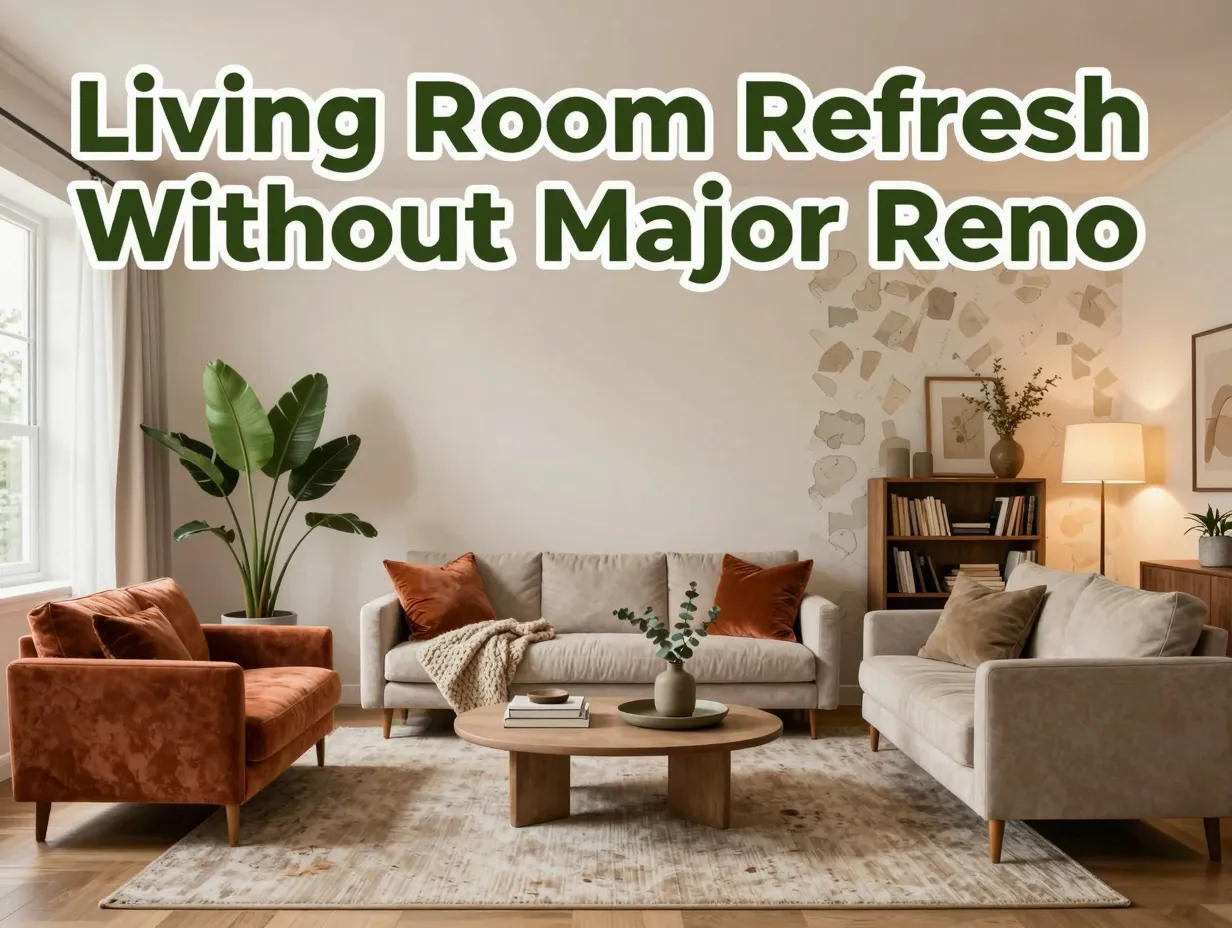
9 Living Room Inspo Ideas to Refresh Your Space Without a Major Reno
A full living room renovation costs the average homeowner between $10,000 and $25,000 in 2026, yet interior designers consistently say that 80% of a room’s visual impact comes from styling choices that cost a fraction of that. That gap between perception and price tag is exactly why these 9 living room inspo ideas to refresh your space without a major reno deserve your attention right now.
Disclosure: This post contains affiliate links. As an Amazon Associate, we earn from qualifying purchases, and at no extra cost to you.
I have helped friends restyle their living rooms on tight budgets, watched a single rug transform a chaotic open-plan space into something that looked purposefully designed, and personally moved a sofa six inches from the wall to fix a room that felt wrong for years. The results were always faster and cheaper than anyone expected.
If your living room feels tired, cramped, or just “off,” you do not need to knock down walls or replace every piece of furniture. You need the right sequence of small, strategic moves.
Key Takeaways
- Furniture rearrangement and layered lighting are the two highest-impact, zero-cost or low-cost changes you can make today.
- Soft furnishings such as throw pillows, blankets, and area rugs can completely shift a room’s color story without painting a single wall.
- Decluttering and intentional surface styling cost nothing but time and deliver an immediate sense of space and calm.
- Removable peel-and-stick wallpaper and slipcovers offer near-permanent visual upgrades that are fully reversible.
- Greenery and rotated artwork are underused tools that introduce freshness and personality without new purchases.
The Core Principles Behind These 9 Living Room Inspo Ideas to Refresh Your Space Without a Major Reno
Before diving into each idea, it helps to understand the logic behind low-renovation refreshes. Every change on this list works by addressing one of three things: proportion, light, or visual noise. When a room feels wrong, it is almost always because at least one of those three elements is out of balance. Keep that framework in mind as you work through the list, and you will start to see your own space differently.
1. Rearrange Your Furniture Layout
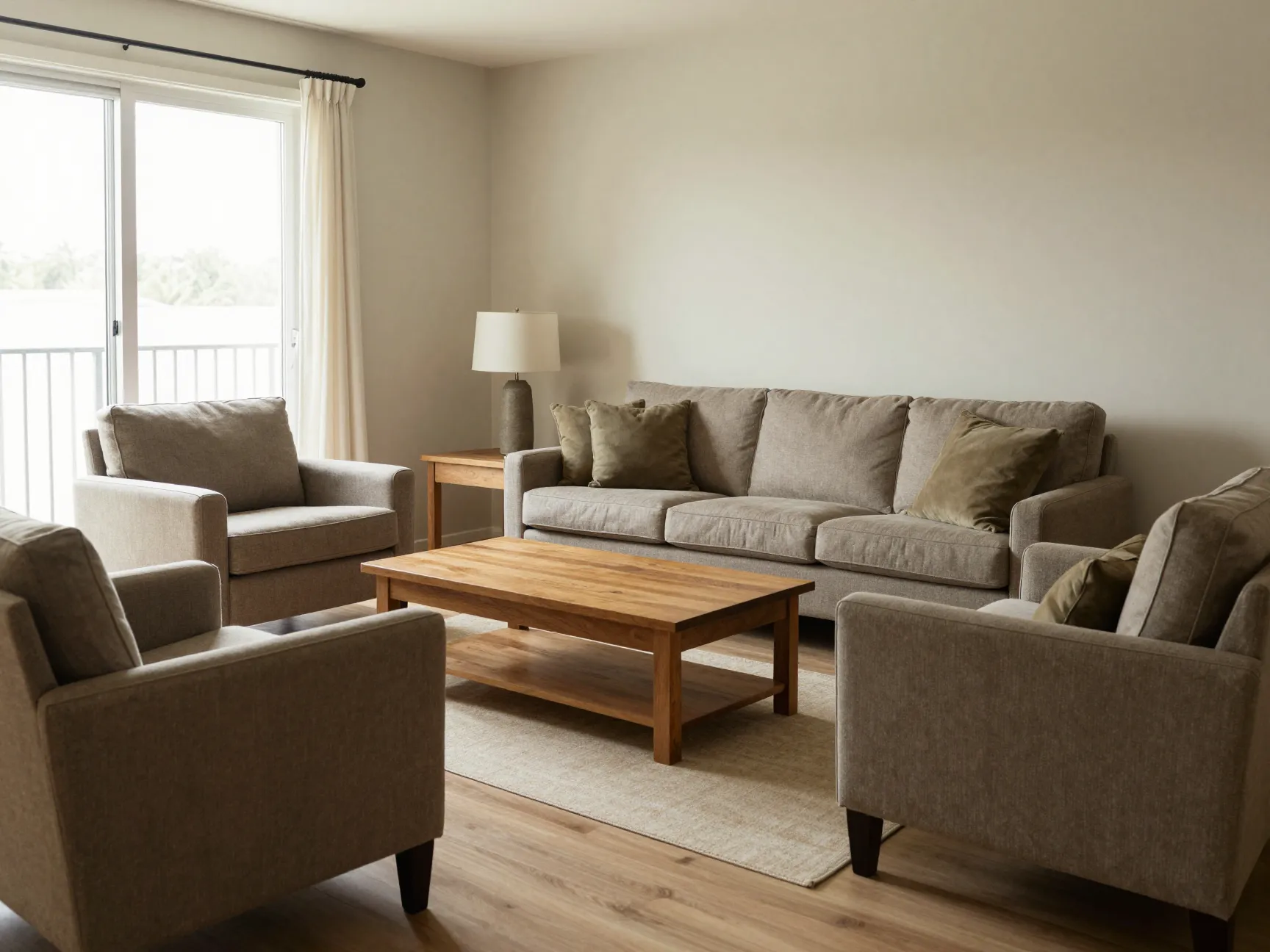
Most people push every piece of furniture against the wall, assuming it makes the room feel larger. Interior designers call this the “furniture island” mistake, and it almost always makes a room feel smaller and less connected.
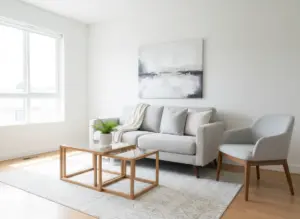
Floating your sofa 12 to 18 inches away from the wall and pulling chairs into a conversational cluster around a central coffee table creates an anchor point that makes the room feel intentional [1]. Clear pathways of at least 36 inches between pieces allow easy movement and prevent the cramped feeling that drives people toward expensive renovations in the first place.
Quick checklist for furniture rearrangement:
- Identify the room’s focal point (fireplace, TV, window)
- Orient the largest seating piece toward that focal point
- Float seating at least one foot from walls
- Ensure at least one clear 36-inch walkway through the space
- Place side tables and lamps within arm’s reach of seating
This costs nothing and can be done in an afternoon. I moved my own sofa away from the wall on a Saturday morning and had three separate guests ask if I had repainted the room that weekend.
2. Layer Textures Throughout the Space
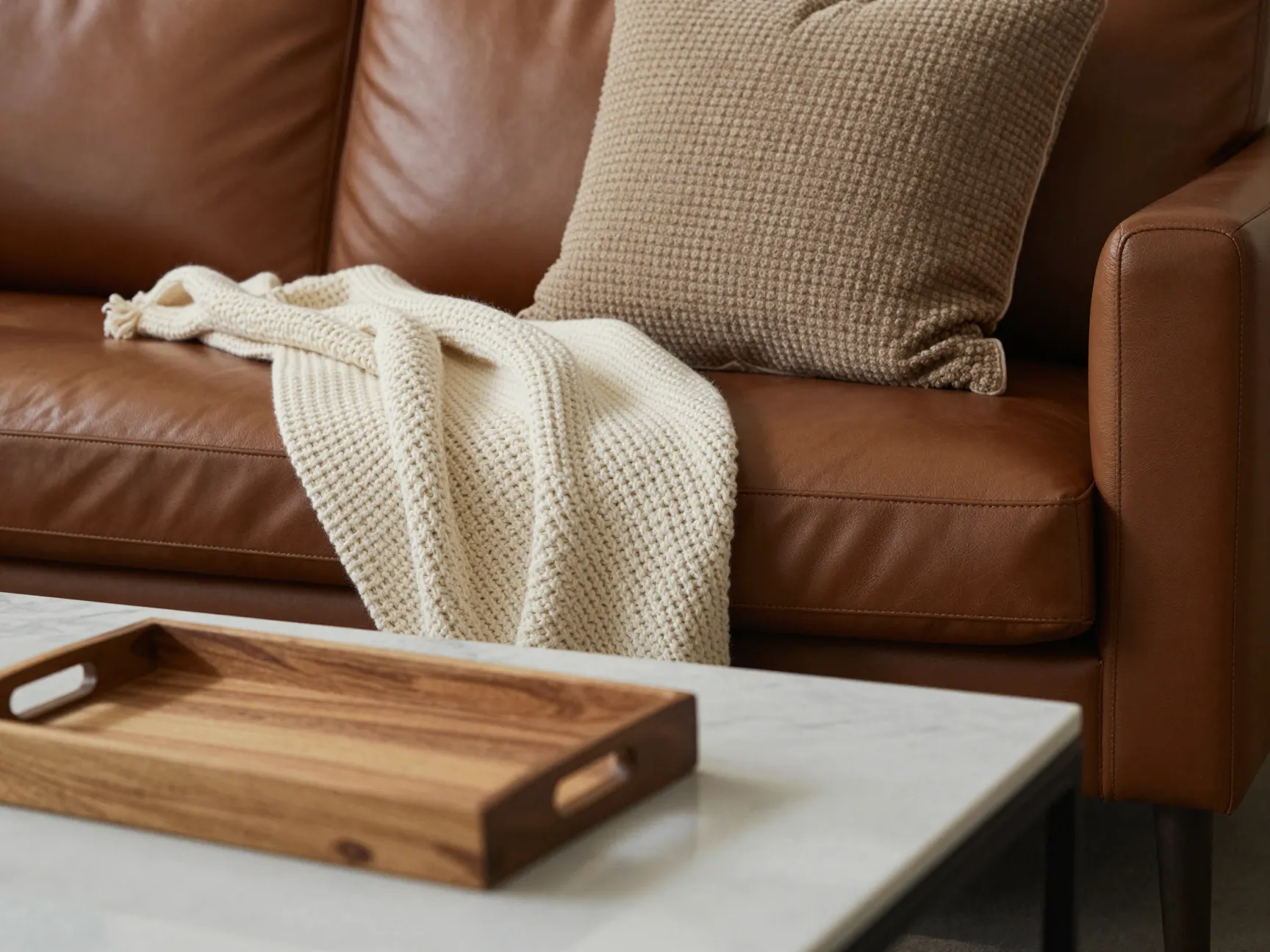
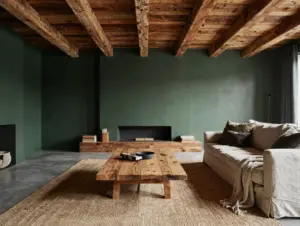
Color gets all the credit, but texture is what makes a room feel rich and considered. A room furnished entirely in smooth, flat surfaces will always feel flat and cold, no matter how carefully the colors are chosen.
Layering textures means placing a chunky knit throw over a smooth leather sofa, setting a rough-hewn wooden tray on a polished marble coffee table, or draping a linen cushion against a velvet one. The contrast between surfaces creates visual depth that photographs well and feels luxurious in person [2].
You do not need to change your color palette to layer textures effectively. Work with what you already own first. Pull items from other rooms, bedrooms, or storage and experiment with combinations before buying anything new.
Textures worth combining:
- Bouclé or boucle-weave cushions against smooth cotton
- Jute or sisal rugs under soft wool throws
- Matte ceramic vases beside glossy lacquer trays
- Woven rattan beside polished metal accents
3. Update Your Soft Furnishings
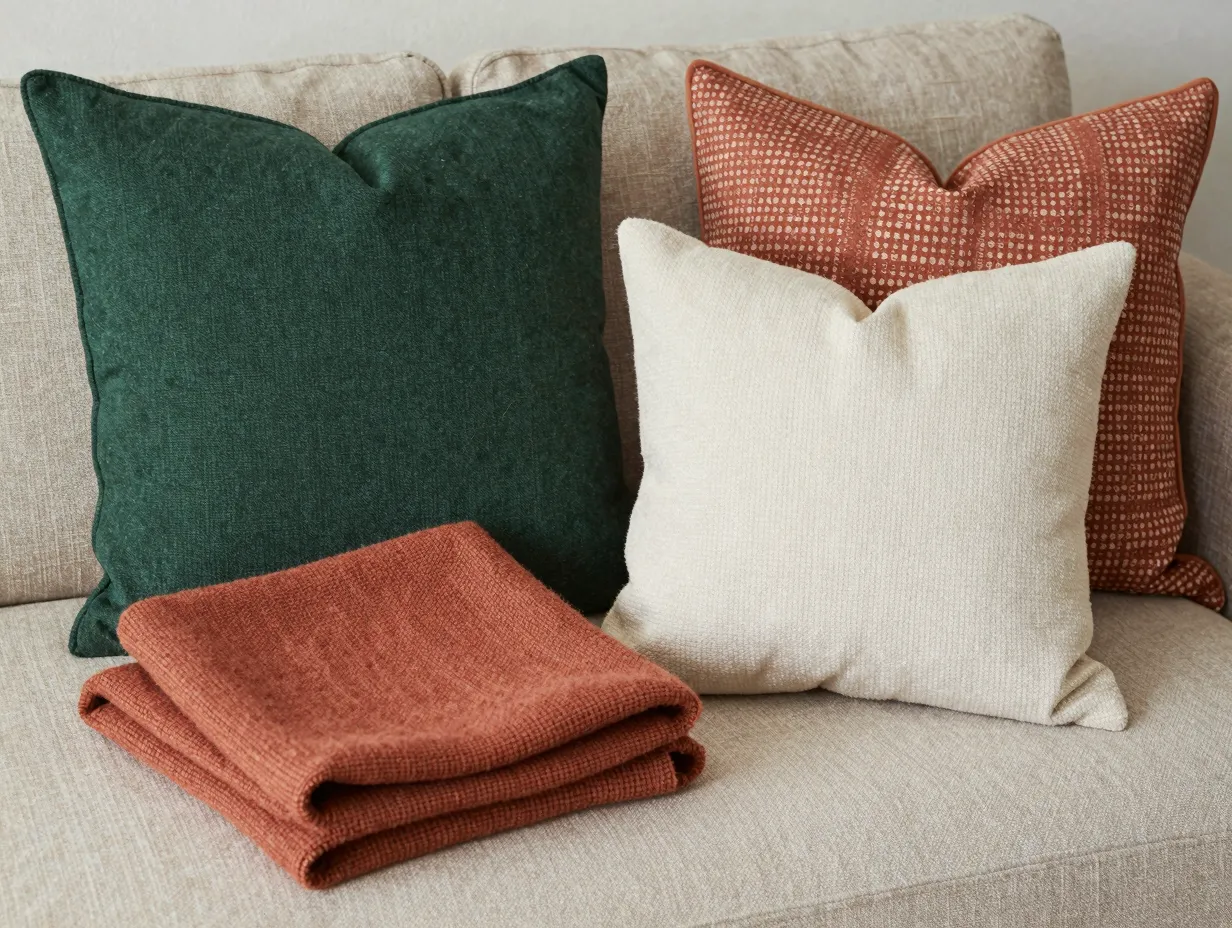
Throw pillows and blankets are the fastest, most affordable way to shift a room’s entire mood. Swapping out a set of flat, faded cushions for a mix of patterns and textures in a new color family can make a five-year-old sofa look like a recent purchase [3].
The key is to work in odd numbers and vary scale. A group of three pillows reads better than two or four. Mix one large solid, one medium pattern, and one small textured piece for a result that looks styled rather than matched.
“Soft furnishings are the wardrobe of your living room. Change them seasonally and the room never feels stale.”
For 2026, the strongest soft furnishing trends lean toward earthy terracotta, deep forest green, and warm off-whites layered together. These tones work across most existing furniture colors, which makes them a safe investment even if you redecorate again in a year or two.
4. Enhance Your Lighting Strategy
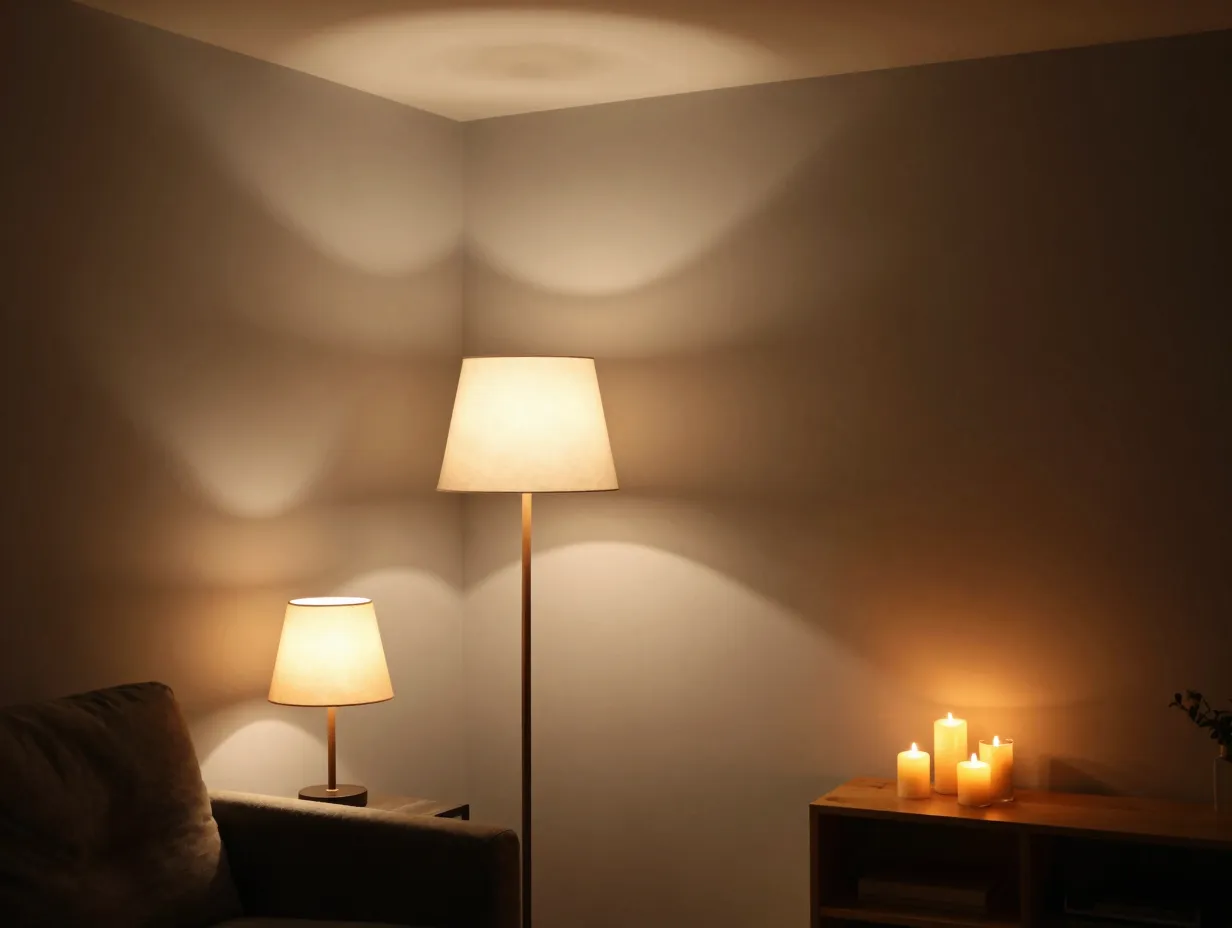
Lighting is the single most underestimated element in residential interiors. Most living rooms rely on one overhead fixture, which creates flat, unflattering light that makes every surface look dull and every shadow look harsh.
The fix is to build a layered lighting scheme using multiple sources at different heights [4]. A floor lamp in a dark corner, a table lamp on a side table, and a set of candles or LED pillar lights on a shelf creates warmth and dimension that no overhead light can replicate.
A simple three-layer lighting plan:
| Layer | Source | Height | Purpose |
|---|---|---|---|
| Ambient | Ceiling fixture or recessed | High | General illumination |
| Task | Table lamp or floor lamp | Mid | Reading, focused activity |
| Accent | Candles, LED strips, shelf lights | Low | Warmth, visual interest |
Switching bulbs to a warm white (2700K to 3000K) across all fixtures immediately makes a room feel more inviting. This change costs less than $20 and takes ten minutes.
5. Declutter and Deep Clean
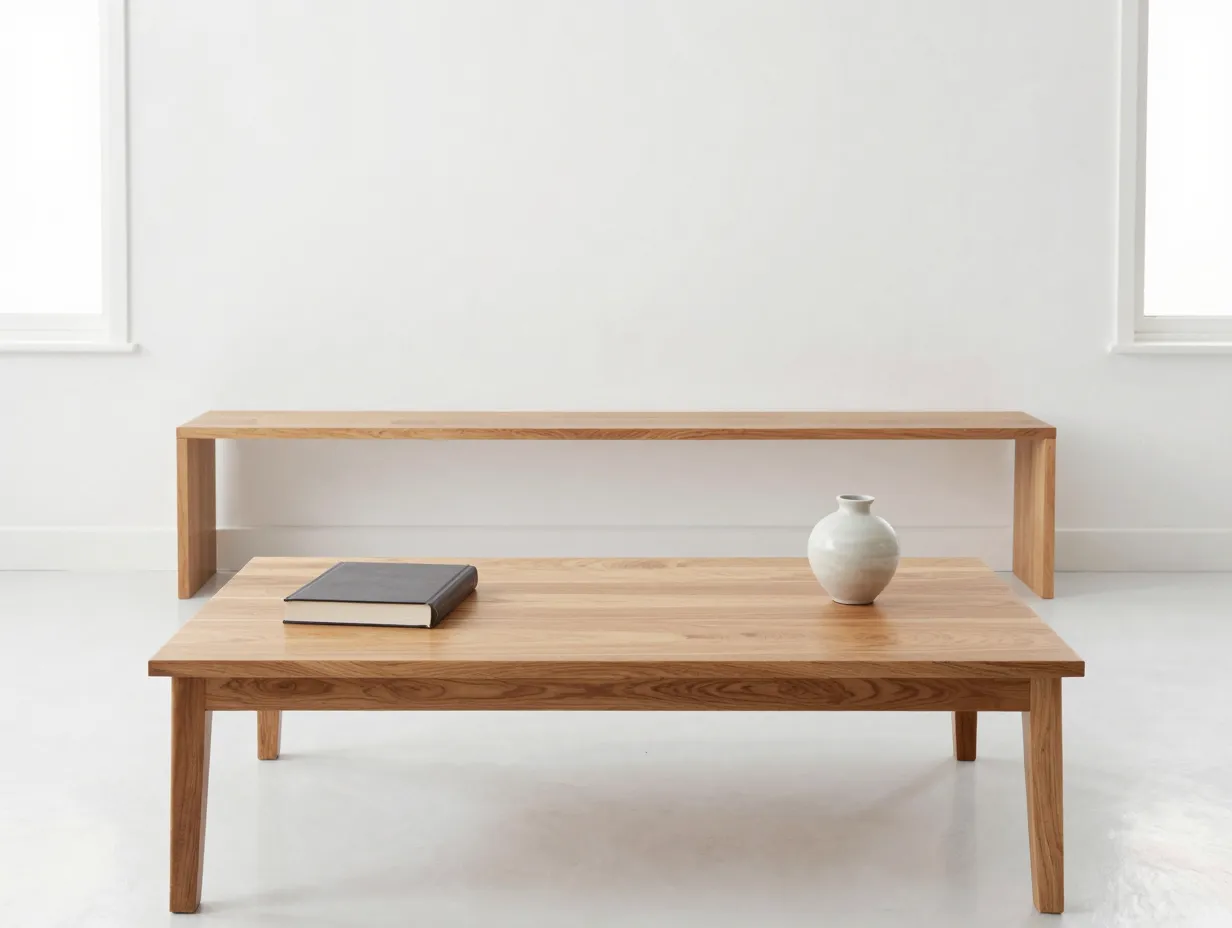
This idea is listed fifth, but many designers would argue it should be first. A cluttered room cannot be styled. Every decorative choice you make will be undermined by visual noise from surfaces covered in mail, remotes, charging cables, and forgotten objects.
Removing unnecessary items and thoroughly cleaning every surface, including baseboards, window sills, and the undersides of furniture, makes the room feel larger and more open before a single new item is introduced [5]. It also helps you see what you actually have to work with.
A useful rule: if an object on a surface does not serve a function or bring you genuine pleasure when you look at it, it belongs in a drawer, a cabinet, or a donation box.
Declutter in this order:
- Remove everything from all flat surfaces
- Clean all surfaces thoroughly
- Return only items that are functional or genuinely beautiful
- Find concealed storage for everything else
More of the 9 Living Room Inspo Ideas to Refresh Your Space Without a Major Reno
6. Introduce an Area Rug
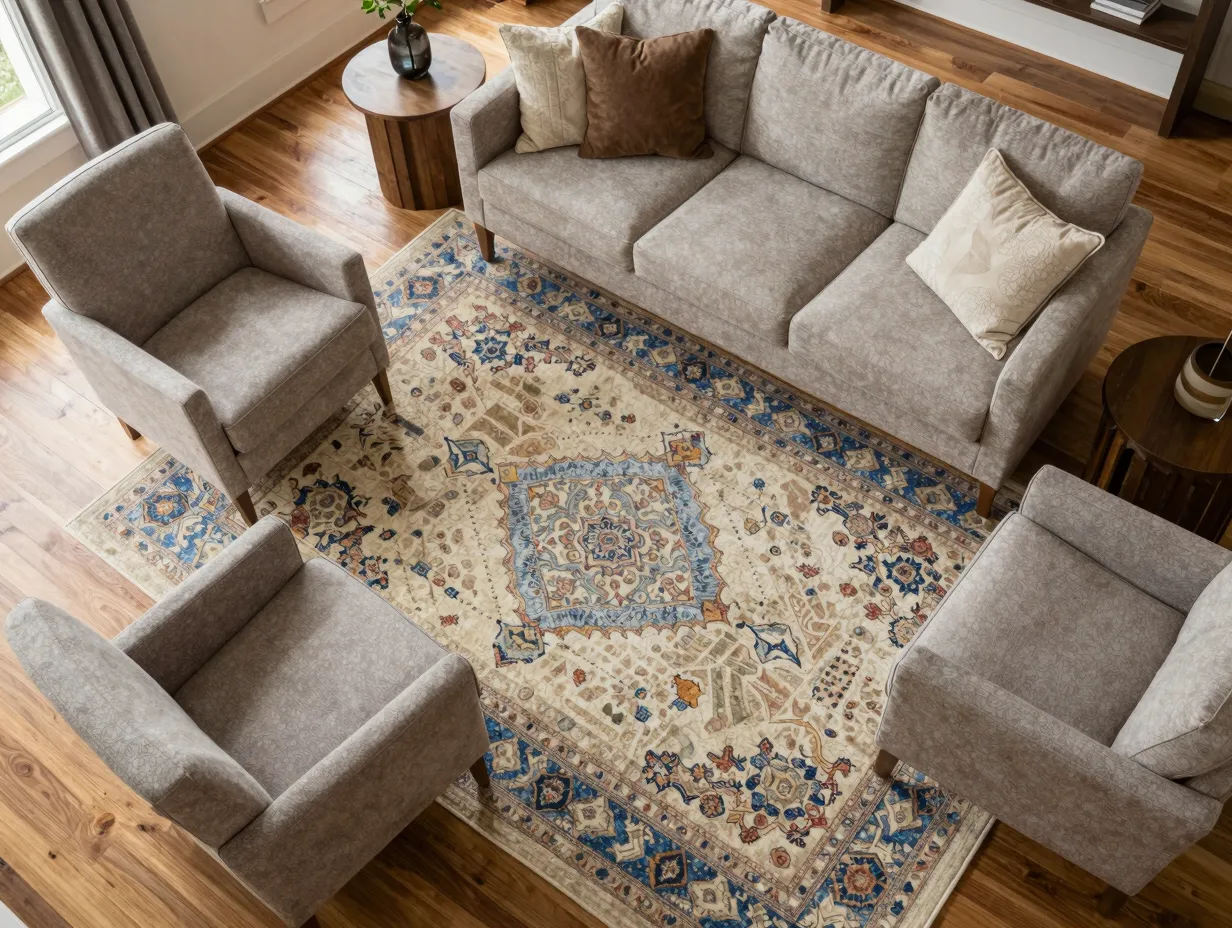
A room without a rug often feels unfinished, even when every other element is well chosen. An area rug anchors the furniture grouping, defines the seating zone within a larger open-plan space, and introduces color, pattern, and texture in a single move [1].
The most common mistake is choosing a rug that is too small. In a standard living room, the rug should be large enough for the front legs of all major seating pieces to rest on it. An 8×10 foot rug is the minimum for most living rooms. Going larger almost always looks better than going smaller.
Rug sizing guide by room type:
- Small living room (under 150 sq ft): 5×8 minimum
- Medium living room (150-250 sq ft): 8×10 recommended
- Large or open-plan living room (250+ sq ft): 9×12 or larger
Natural fiber rugs in jute or sisal work in almost any style of room. Patterned wool rugs add personality. Both options are widely available at accessible price points in 2026.
7. Style Surfaces Intentionally
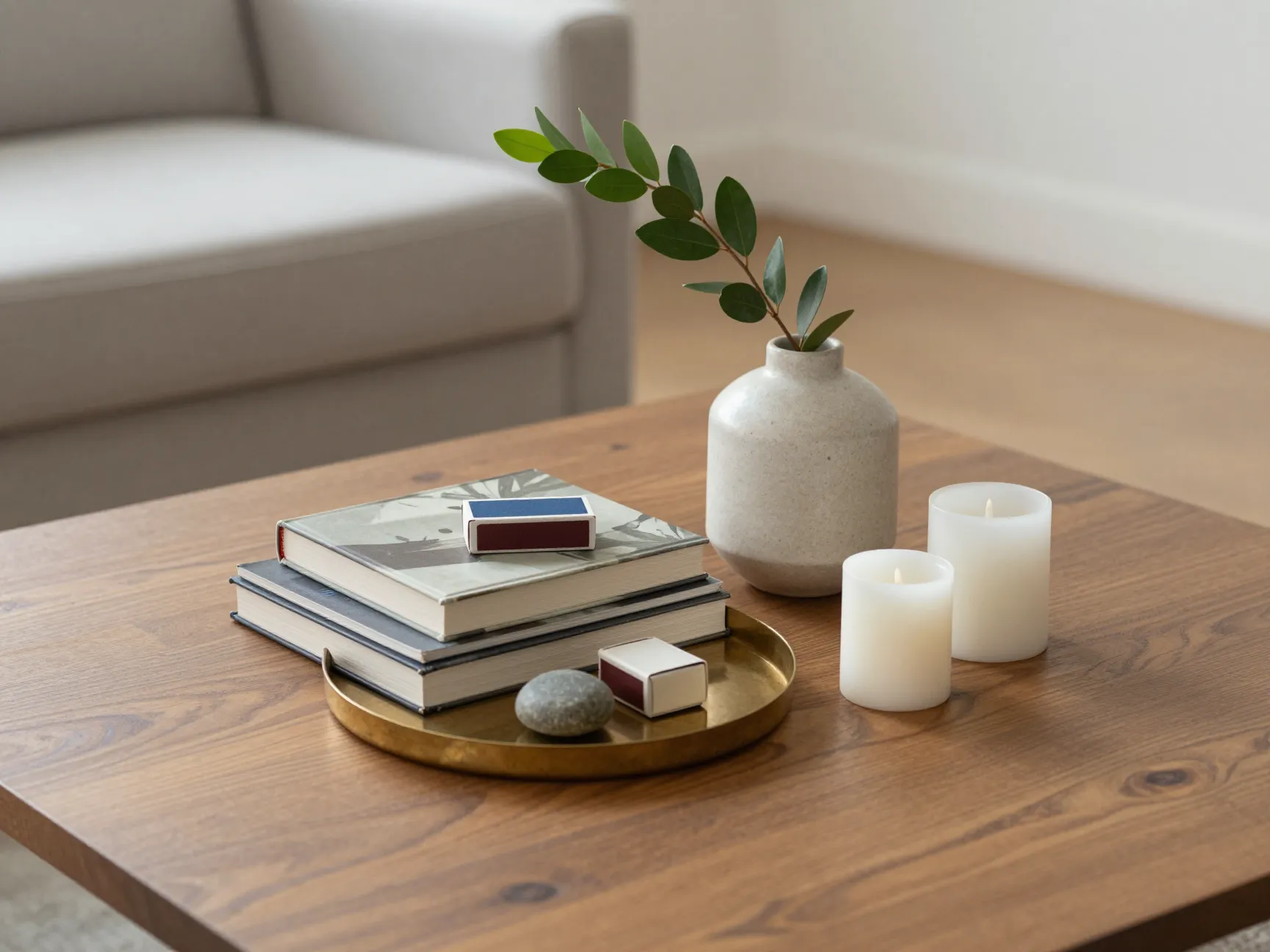
A coffee table covered in random objects is a missed opportunity. A coffee table styled with three to five carefully chosen items becomes a focal point that elevates the entire room.
The principle of intentional surface styling applies to coffee tables, mantels, bookshelves, and console tables. Clear the surface completely, then rebuild it using the rule of three: one tall element, one mid-height element, and one low or flat element [6]. Vary materials and finish. Leave negative space. Negative space is not emptiness, it is breathing room that makes the styled objects look more important.
A coffee table styling formula:
- One stack of two or three books (adds height and personality)
- One small tray (groups smaller objects and creates order)
- One natural element (a plant, a stone, a branch in a vase)
- One personal or decorative object (a sculpture, a candle, a found object)
Resist the urge to fill every inch. The restraint is the point.
8. Incorporate Greenery
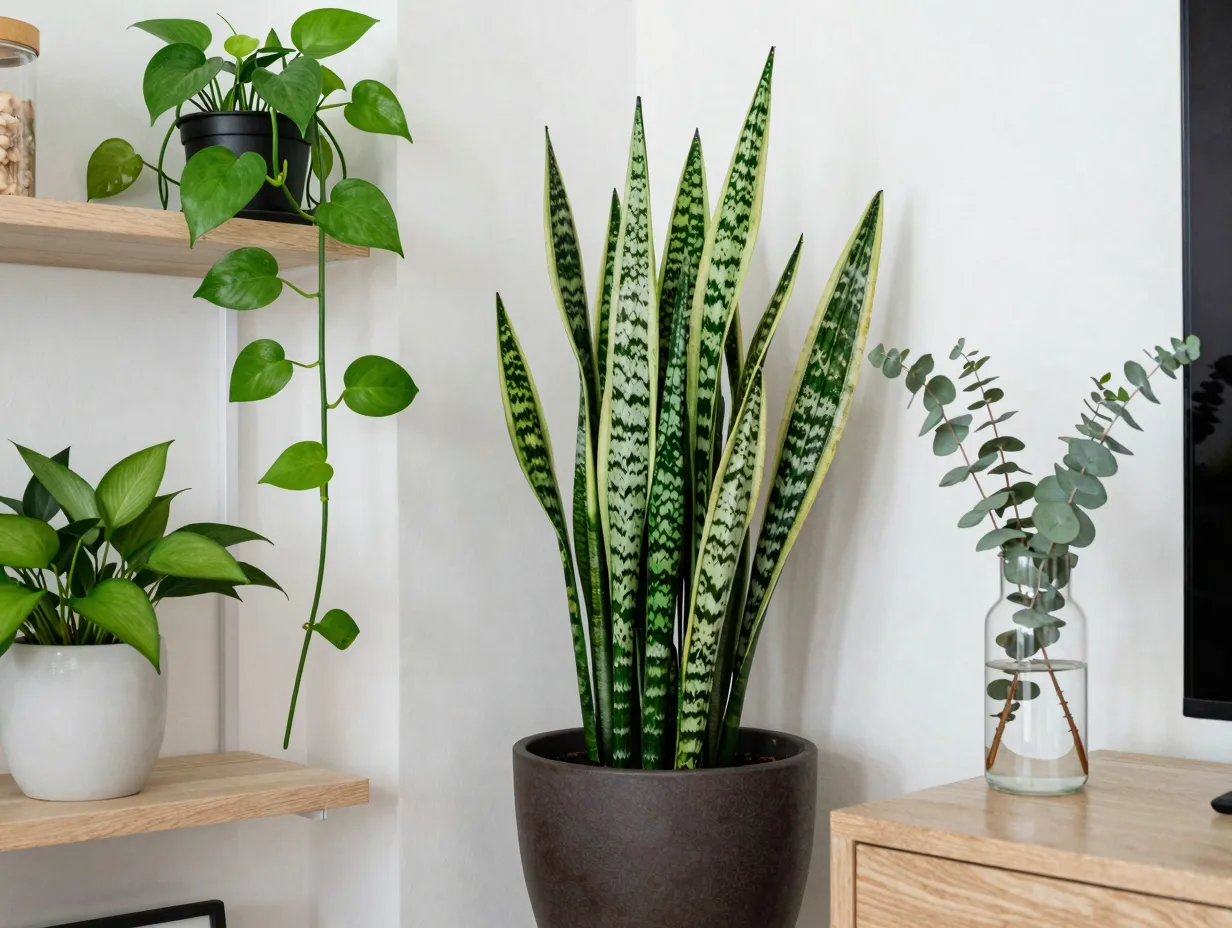
Plants do something to a room that no manufactured object can replicate. They introduce organic shape, movement, and a quality of life that makes a space feel genuinely inhabited rather than staged [7].
You do not need a green thumb or expensive specimens. A trailing pothos on a high shelf, a snake plant in a dark corner, or a simple bunch of eucalyptus stems in a ceramic vase on the coffee table all deliver the same effect: the room feels alive.
For people who struggle to keep plants alive, high-quality dried botanicals and preserved moss panels have improved dramatically in recent years and offer a maintenance-free alternative that still reads as natural.
Best plants for low-light living rooms:
- Pothos (nearly indestructible, trails beautifully)
- Snake plant / Sansevieria (tolerates neglect, architectural shape)
- ZZ plant (glossy leaves, very low water needs)
- Peace lily (flowers indoors, tolerates shade)
- Cast iron plant (lives up to its name)
Fresh flowers in a single vase, changed weekly, are one of the simplest and most effective living room upgrades available. A $10 bunch of stems from a grocery store can make a room feel curated and considered.
9. Rotate Artwork and Add Removable Wallpaper
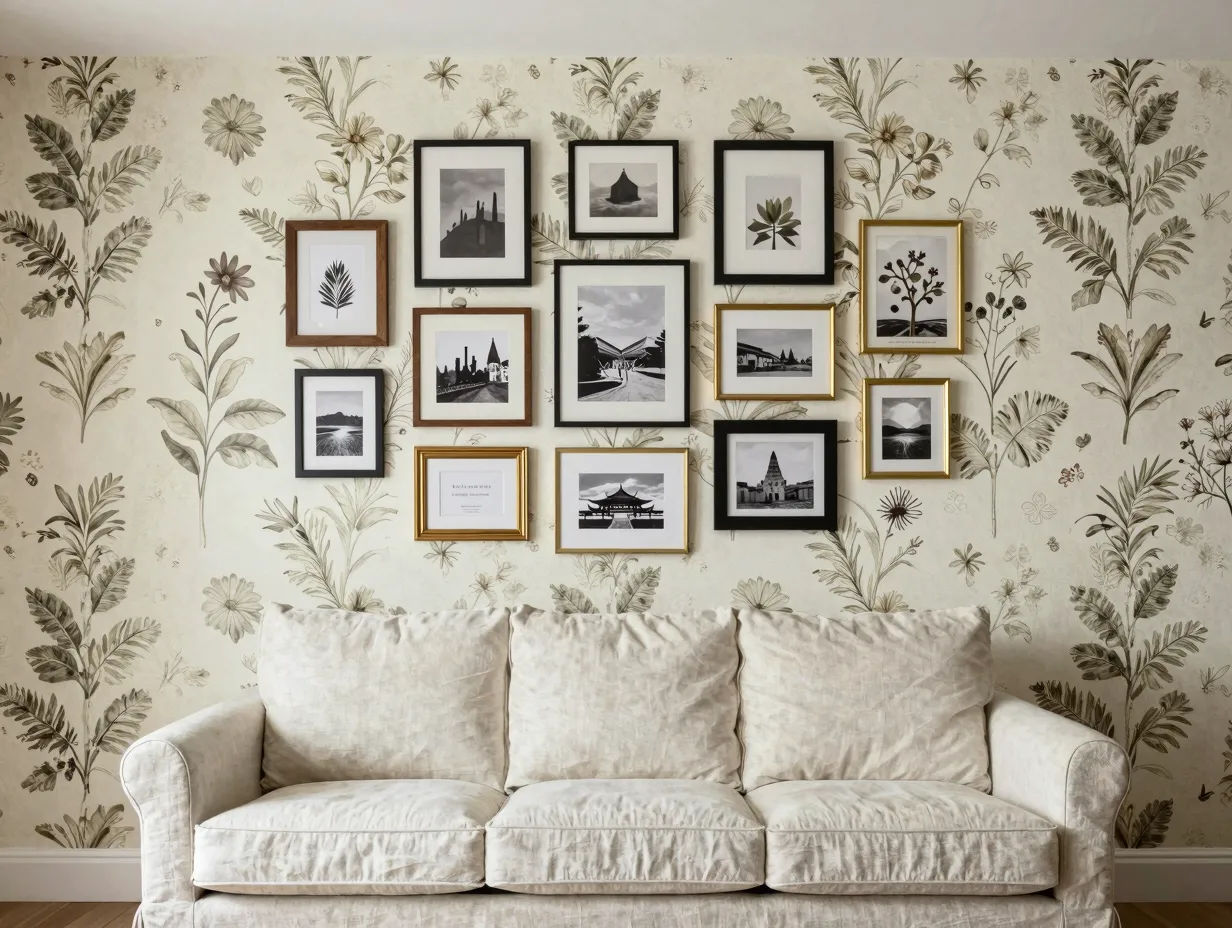
These two ideas work together so naturally that they earn a shared entry. Rotating artwork means moving existing pieces between rooms, changing their frames, or simply rehinging them at a different height or in a different grouping. The same print that has become invisible on your wall for three years will feel new again in a different context [4].
Peel-and-stick wallpaper takes the concept further. Applied to a single accent wall, a fireplace alcove, or the wall behind a bookshelf, removable wallpaper adds pattern and color with no permanent commitment [1]. It can be removed cleanly when you want a change, making it ideal for renters and anyone who likes to refresh their space regularly.
Gallery wall arrangement tips:
- Lay all pieces on the floor first and arrange before hanging
- Use paper templates taped to the wall to plan placement without nail holes
- Keep consistent spacing between frames (2 to 3 inches reads cleanest)
- Mix frame finishes (black, wood, brass) for an collected, layered look
- Center the arrangement at eye level, approximately 57 to 60 inches from floor to center
A bonus idea that pairs well with both of these: slipcovers. A well-fitted slipcover in a fresh linen or cotton canvas can modernize a sofa that has an outdated pattern or worn upholstery, buying years of additional life from a piece you might otherwise replace [1].
Putting It All Together: A Practical Refresh Sequence
The 9 living room inspo ideas listed above work best when applied in a logical order. Starting with decluttering and furniture rearrangement before adding new elements means you are working with a clear canvas rather than layering new things on top of existing chaos.
Recommended sequence:
- Declutter and deep clean (Idea 5)
- Rearrange furniture layout (Idea 1)
- Introduce an area rug if needed (Idea 6)
- Update lighting (Idea 4)
- Layer textures and update soft furnishings (Ideas 2 and 3)
- Style surfaces intentionally (Idea 7)
- Add greenery (Idea 8)
- Rotate artwork or apply removable wallpaper (Idea 9)
Working in this sequence means each step builds on the last. The rug defines the space that the furniture rearrangement created. The lighting reveals the textures that the soft furnishings introduced. The greenery and artwork are the finishing layer on a room that is already functioning well.
Budget Breakdown by Idea
| Idea | Estimated Cost (2026) | Time Required |
|---|---|---|
| 1. Rearrange furniture | $0 | 2-4 hours |
| 2. Layer textures | $0-$50 | 1-2 hours |
| 3. Update soft furnishings | $30-$150 | 1 hour |
| 4. Enhance lighting | $20-$200 | 1-3 hours |
| 5. Declutter and clean | $0 | 3-6 hours |
| 6. Area rug | $80-$400 | 30 minutes |
| 7. Style surfaces | $0-$40 | 1-2 hours |
| 8. Add greenery | $10-$80 | 30 minutes |
| 9. Artwork and wallpaper | $0-$150 | 2-4 hours |
Even if you invest in every idea on this list, the total cost sits well under $1,200, and most people will spend far less by working with what they already own.
Conclusion
These 9 living room inspo ideas to refresh your space without a major reno are not shortcuts or compromises. They are the same principles that professional interior designers apply when they walk into a room and make it feel completely different without touching a single structural element.
Your actionable next steps:
- This weekend, start with the free changes: declutter every surface, rearrange your furniture away from the walls, and swap your overhead bulbs for warm white alternatives.
- In the next two weeks, invest in one area rug in the correct size for your seating group and a set of new throw cushions in a fresh color combination.
- Over the following month, add a floor lamp to your darkest corner, introduce at least one plant, and rotate or rehang your existing artwork in a new arrangement.
Each step builds on the last. By the time you have worked through all nine ideas, your living room will feel like a different space, without a contractor, a building permit, or a five-figure invoice.
The most common regret I hear from homeowners who have done full renovations is that they wish they had tried the small changes first. Start small, be deliberate, and let the room show you what it actually needs.
References
[1] 15 Easy Ways To Refresh Your Living Room Without Repainting – https://cedora.com.au/blogs/news/15-easy-ways-to-refresh-your-living-room-without-repainting?utm_source=openai
[2] How To Update Your Living Room Without Redecorating – https://www.livingetc.com/advice/how-to-update-your-living-room-without-redecorating?utm_source=openai
[3] Refreshing Your Living Room – https://www.baygallery.com.au/blogs/library/refreshing-your-living-room?utm_source=openai
[4] furnitureinfashion – https://www.furnitureinfashion.net/blog/ways-to-refresh-a-living-room-without-buying-new-furniture/amp/?utm_source=openai
[5] How To Update A Living Room Without Buying Anything New – https://www.homesandgardens.com/living-rooms/how-to-update-a-living-room-without-buying-anything-new?utm_source=openai
[6] How To Refresh A Room Without A Full Renovation – https://www.homelovr.com/how-to-refresh-a-room-without-a-full-renovation/?utm_source=openai
[7] 10 Easy Ways To Refresh Your Living Room Stsetivw Vs~177697907 – https://www.houzz.com/magazine/10-easy-ways-to-refresh-your-living-room-stsetivw-vs~177697907?utm_source=openai