9 Industrial Interior Design Elements to Add Raw, Urban Edge to Your Home
Raw concrete, exposed steel, and reclaimed wood now appear in more than 60% of new urban loft renovations across major North American cities, according to recent design industry surveys. That number tells a clear story: the industrial aesthetic is not a passing trend. It is a design philosophy rooted in honesty about materials, structure, and space. If you have been searching for a way to bring serious character and a raw, urban edge into your home, the 9 industrial interior design elements to add raw, urban edge to your home covered in this guide will give you a clear, actionable roadmap.
Disclosure: This post contains affiliate links. As an Amazon Associate, we earn from qualifying purchases, and at no extra cost to you.
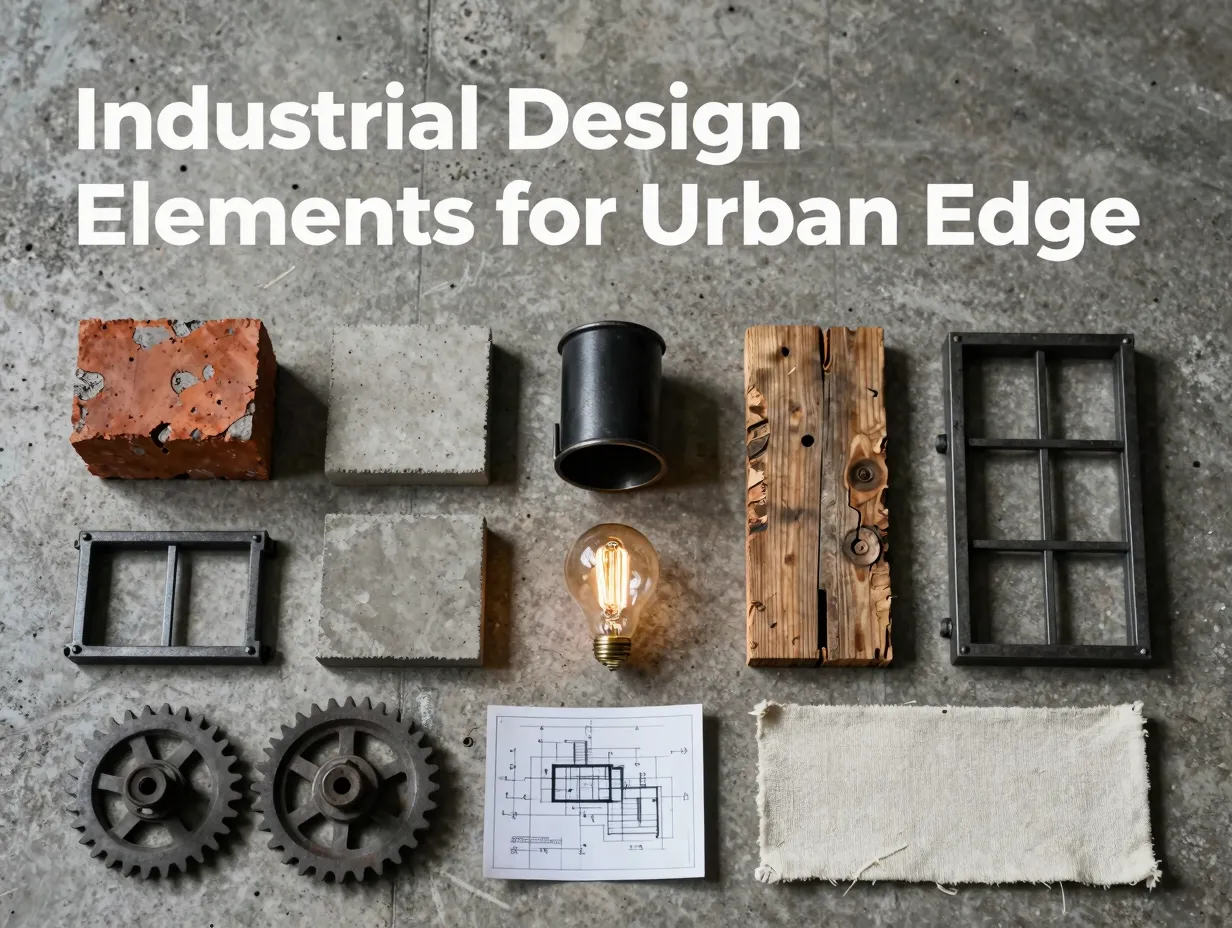
I remember walking into a converted warehouse apartment in Brooklyn for the first time and feeling an immediate sense of calm mixed with energy. The ceilings were high, the pipes were visible, the brick was unpainted, and every surface told a story. That experience changed how I think about interior design entirely.
Key Takeaways
- Exposed brick, raw concrete, and open ceilings are the foundational materials of industrial interior design
- Pairing cold metals with warm reclaimed wood creates the signature tension that defines the style
- Factory-style windows, Edison bulbs, and vintage accessories add authentic urban character
- Industrial design works best when raw materials are balanced with comfort and warmth
- You do not need a warehouse to achieve an industrial look, targeted element choices transform any home
What Makes Industrial Interior Design Work in 2026
Before diving into the specific elements, it helps to understand the core logic behind industrial interior design. The style originated in the early 20th century when artists and creatives began converting abandoned factories, warehouses, and manufacturing plants into living spaces. Rather than hiding the bones of these buildings, they celebrated them.
In 2026, that same philosophy drives residential design. Homeowners are moving away from overly polished, cookie-cutter interiors and toward spaces that feel authentic, textured, and layered with history. The 9 industrial interior design elements to add raw, urban edge to your home described in this article reflect that shift directly.
Industrial design is not about making your home look unfinished. It is about making deliberate, confident choices that honor the beauty of raw materials and structural honesty.
“Industrial interiors are defined not by what is added, but by what is allowed to remain visible.”, a principle echoed across leading design studios in 2026
The 9 Industrial Interior Design Elements to Add Raw, Urban Edge to Your Home
1. Exposed Brick Walls
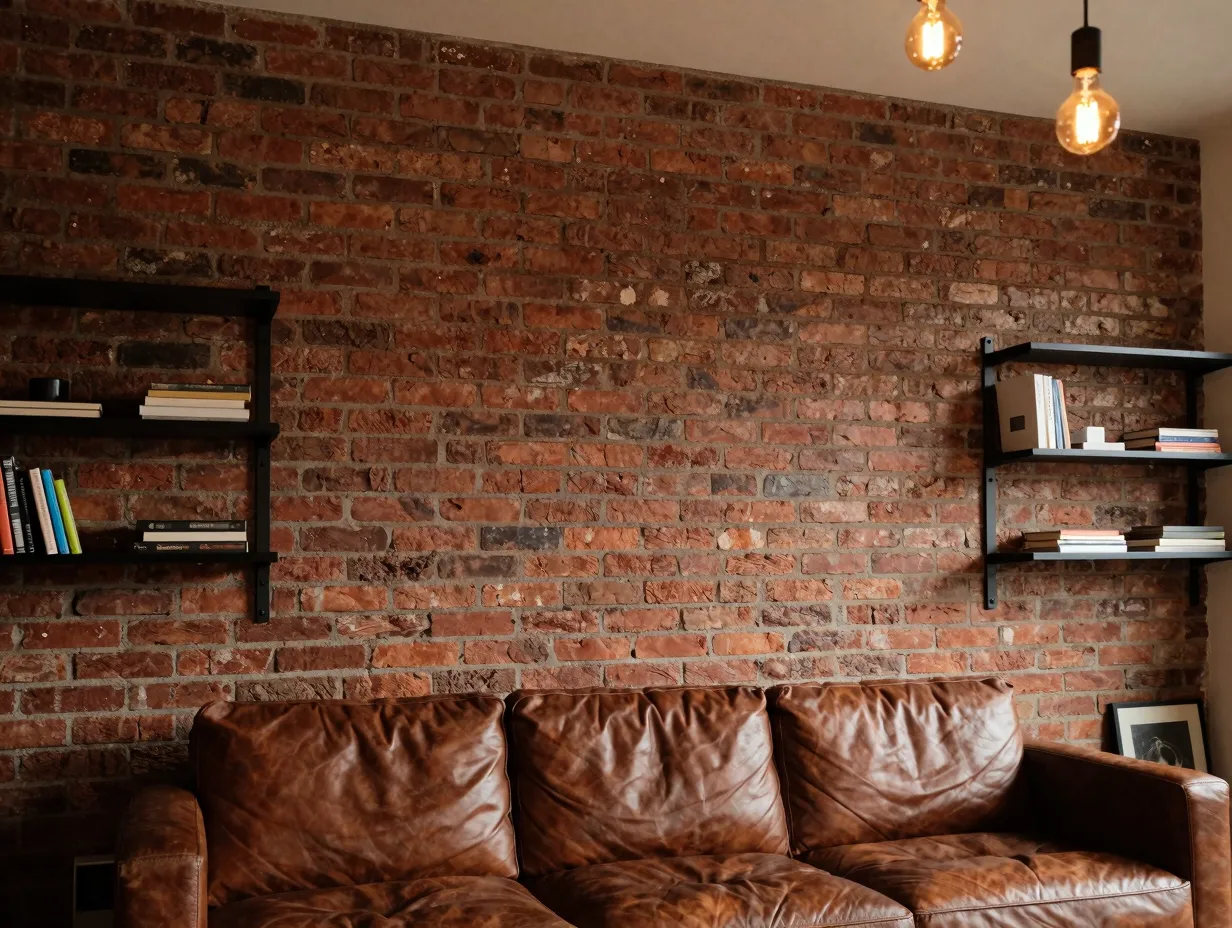
Few elements communicate industrial character as immediately as exposed brick. Raw brick walls bring texture, warmth, and a sense of age to any room. Whether your home has original brick hidden under drywall or you are installing thin brick veneer, the effect is transformative.
Deco-Crystal describes exposed brick as part of the very “foundation” of industrial style, noting that its rough, unfinished texture creates an authentic backdrop that no painted wall can replicate [2][5]. The key is to leave the brick in its natural state, no paint, no sealant that dulls the surface. A light, breathable masonry sealer to prevent dust is acceptable, but the goal is preservation of the raw look.
Best rooms for exposed brick:
- Living rooms as a feature wall behind a sofa or media unit
- Kitchens as a backsplash or full wall behind open shelving
- Bedrooms as a headboard wall for dramatic effect
- Home offices to add creative energy
Exposed brick pairs especially well with dark metal fixtures and warm Edison bulb lighting, which we will cover shortly.
2. Raw and Polished Concrete Surfaces
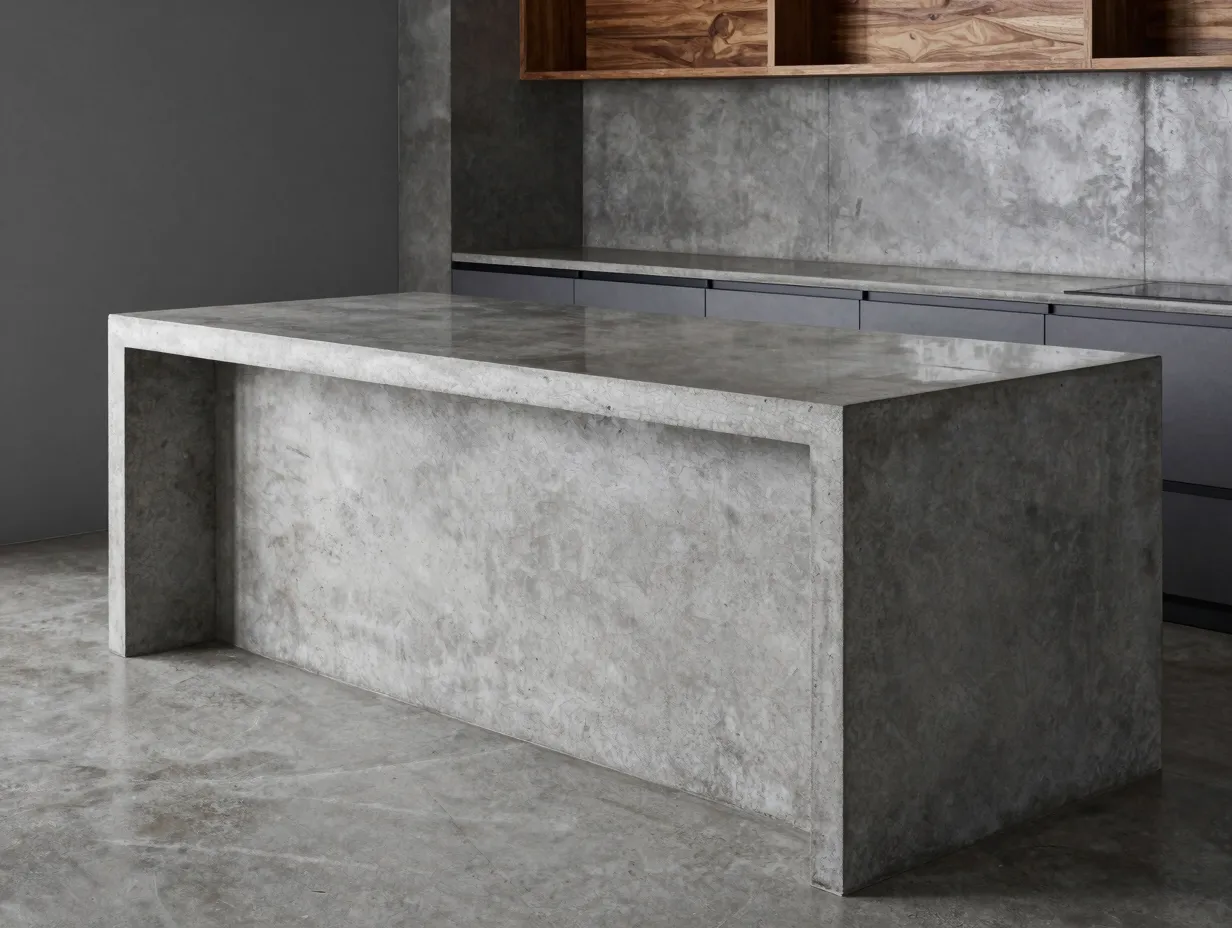
Concrete is the second pillar of industrial interior design. Studio by DH calls concrete and brick the “bread and butter” of industrial style, and for good reason, concrete brings a cool, neutral, almost architectural quality to any space [4].
You have two primary options. Raw concrete floors with a matte finish feel honest and utilitarian. Polished concrete floors, ground and sealed to a smooth sheen, add a more refined industrial look while still maintaining that characteristic grey, mineral palette. Both work well in industrial interiors; the choice depends on the level of refinement you want.
Beyond floors, consider concrete on countertops, accent walls, or even furniture surfaces. Concrete countertops in a kitchen create a powerful industrial statement, especially when paired with open shelving and black metal hardware.
Concrete care tip: Seal concrete surfaces with a penetrating sealer to prevent staining, especially in kitchens and bathrooms. This does not compromise the raw aesthetic but protects the investment.
3. Open Ceilings with Exposed Beams, Ducts, and Pipes
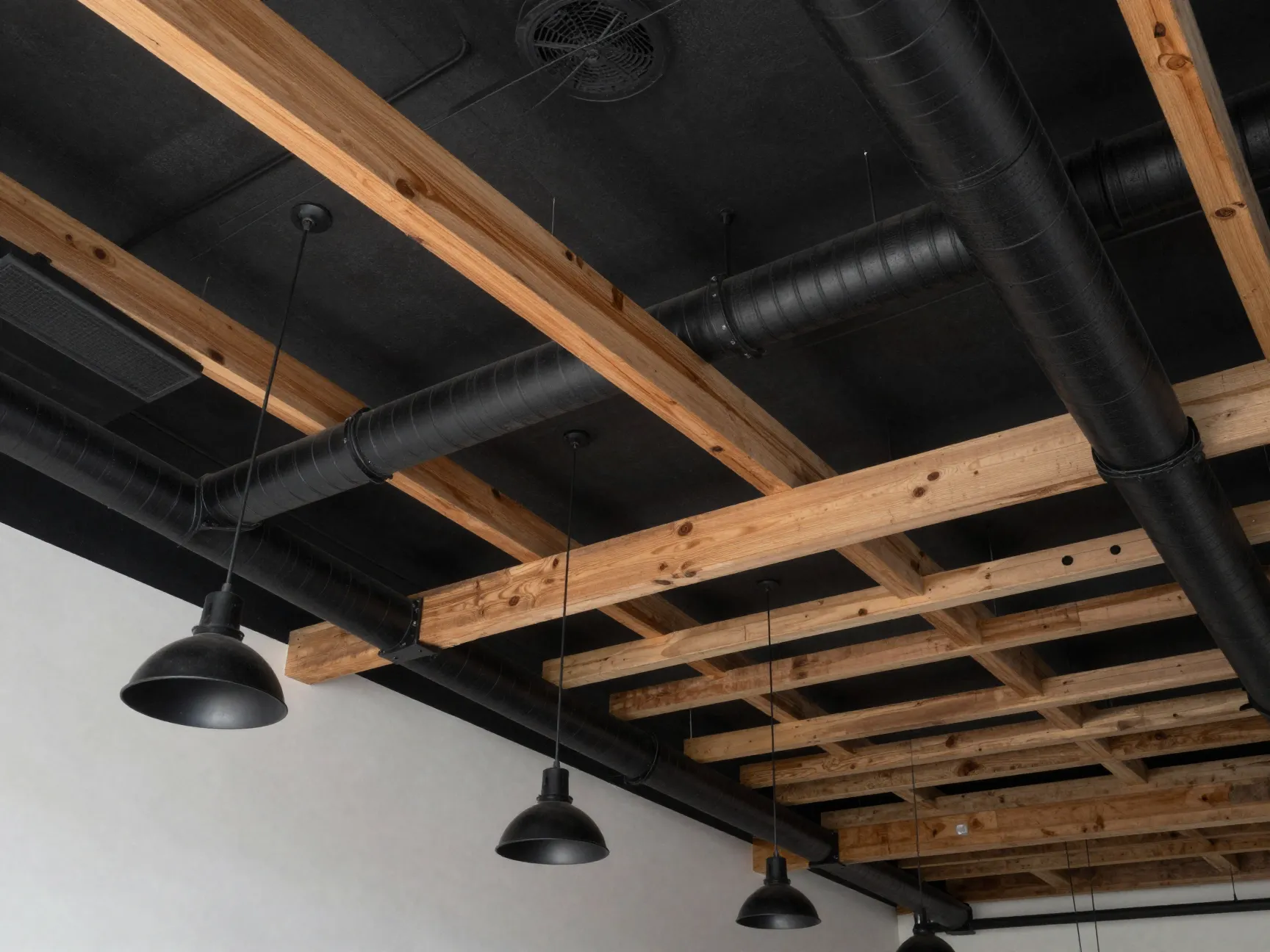
One of the most dramatic moves in industrial interior design is removing the dropped ceiling and exposing what lies above. Structural beams, HVAC ductwork, electrical conduits, and plumbing pipes, when painted or treated deliberately, become architectural features rather than eyesores [5].
Deco-Crystal’s 2026 trend analysis highlights open ceilings as a defining feature of the industrial aesthetic, noting that exposed ductwork and piping reinforce the style’s core commitment to structural honesty [5]. In practice, this means:
- Painting exposed ducts and pipes in flat black, deep charcoal, or raw steel grey
- Leaving wooden beams in their natural or lightly stained state
- Using the height created by removing dropped ceilings to hang statement pendant lighting
If you live in a standard-height home where removing the ceiling is not possible, you can simulate the effect with faux exposed beam kits, surface-mounted conduit runs in black metal, and ceiling-mounted pipe shelving systems.
4. Blackened Steel, Iron, and Mixed Metal Accents
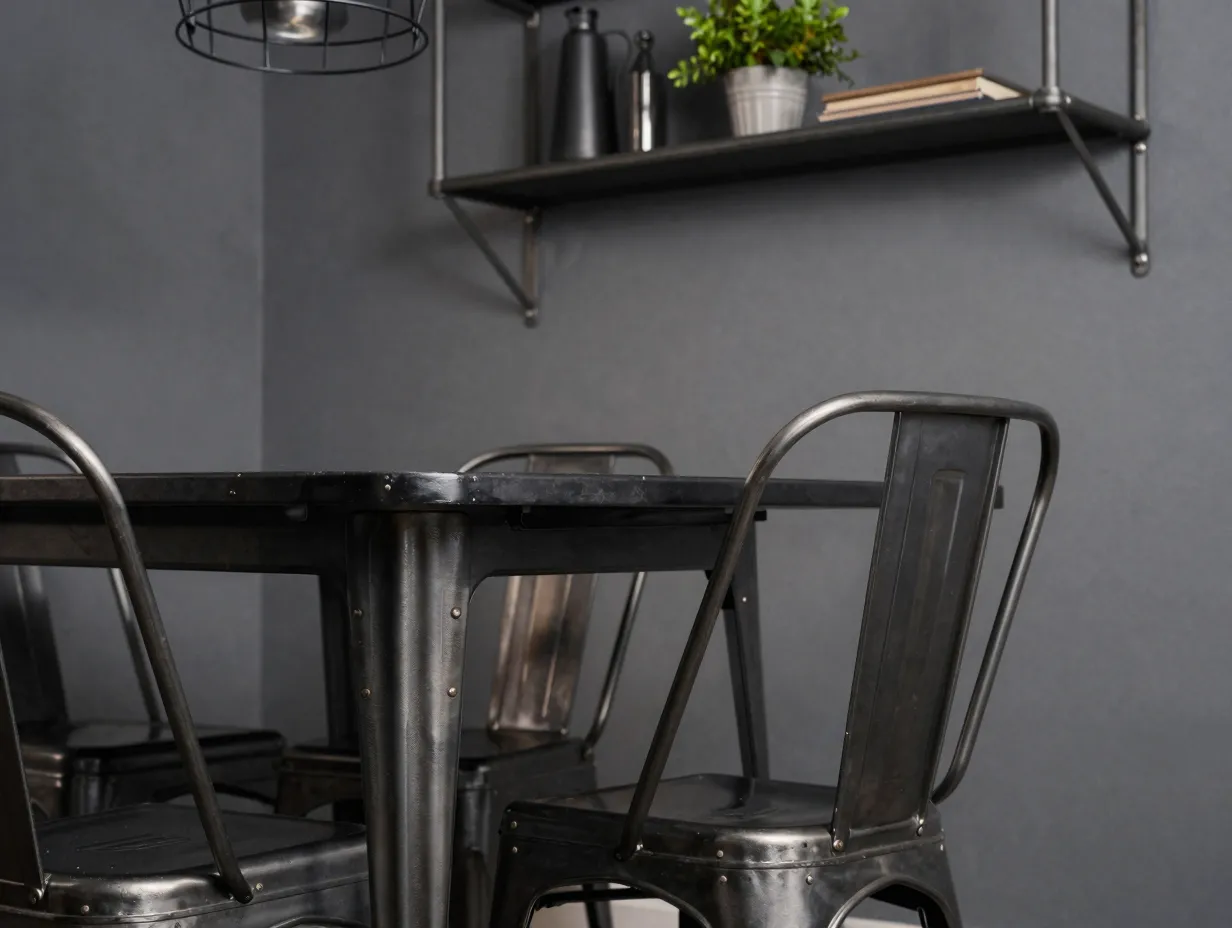
Metal is the material that ties industrial design together. Specifically, the style favors cold, hard metals, blackened steel, raw iron, brushed nickel, and aged bronze, used in furniture frames, light fixtures, shelving brackets, door hardware, and railings [2].
Deco-Crystal emphasizes the importance of pairing these “cold, tough metals” with organic materials to create the signature industrial tension between hard and soft, cold and warm [2]. MeltFlex’s industrial trends guide similarly reinforces that metal accents are non-negotiable in achieving an authentic industrial look [1].
High-impact metal applications:
- Steel-framed windows and interior doors
- Iron pipe shelving units mounted to brick or concrete walls
- Black metal light fixtures, pendants, sconces, and cage-style bulb holders
- Steel-legged dining tables and desk frames
- Exposed bolt and rivet details on furniture
The finish matters. Avoid overly polished chrome, which reads as contemporary rather than industrial. Prioritize matte black, raw steel, and aged iron finishes.
5. Reclaimed Wood and the Wood-Metal Contrast
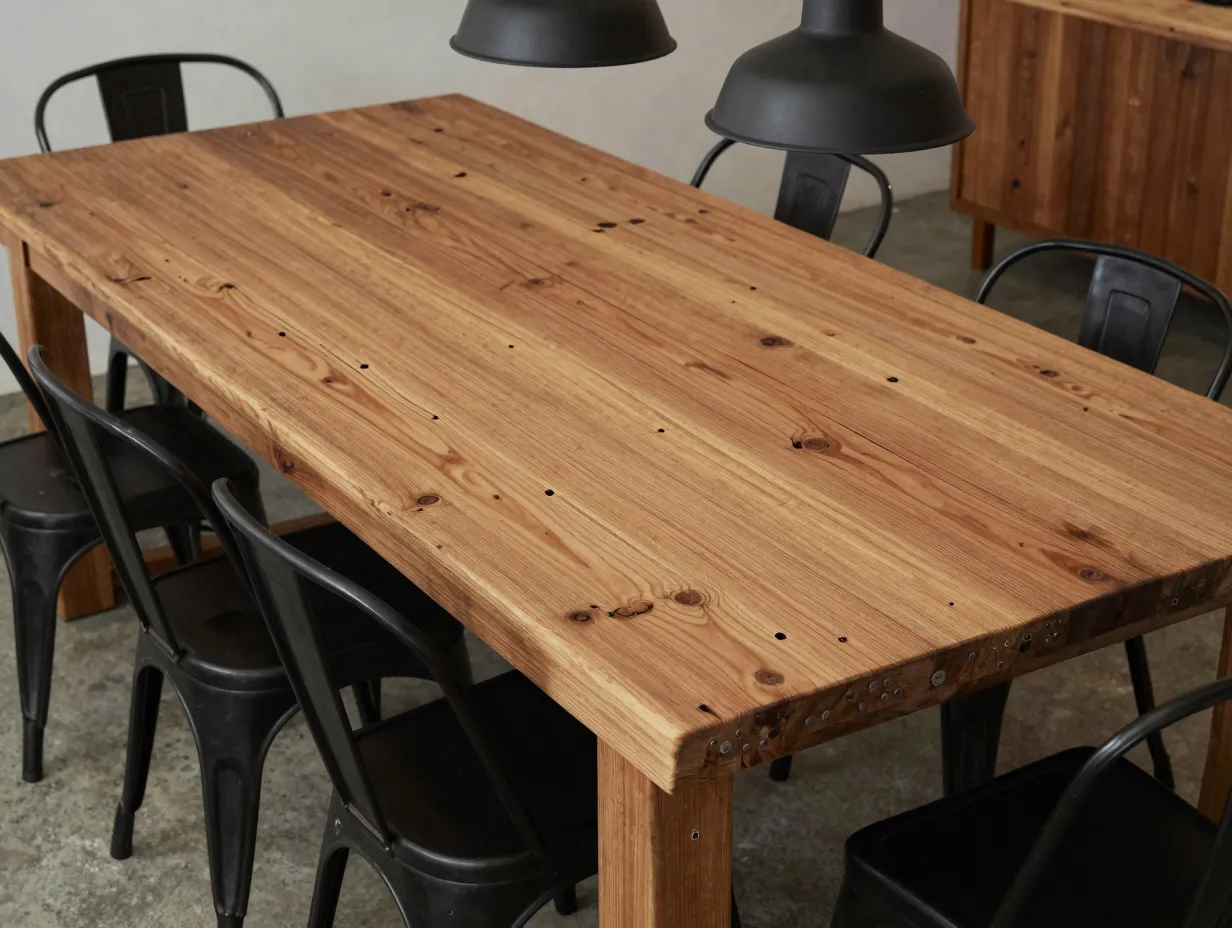
If metal is the backbone of industrial design, reclaimed wood is its soul. The pairing of cold, hard metal with the organic warmth of aged, weathered wood is one of the most recognizable signatures of the industrial interior [2][5].
Reclaimed wood brings history, imperfection, and warmth to spaces that might otherwise feel cold or sterile. Look for wood with visible grain, knots, nail holes, and natural color variation. These “flaws” are actually the point, they communicate authenticity and age.
Where to use reclaimed wood in an industrial interior:
- Dining tables with steel or iron bases
- Floating shelves on black pipe brackets
- Headboards and bed frames
- Kitchen islands with reclaimed wood countertops
- Accent walls with horizontal or vertical wood plank paneling
The contrast principle is important here. A reclaimed wood dining table on a concrete floor, surrounded by black metal chairs, under Edison bulb pendants, creates a layered composition that is unmistakably industrial. Each material amplifies the others.
6. Factory-Style Steel Windows and Doors
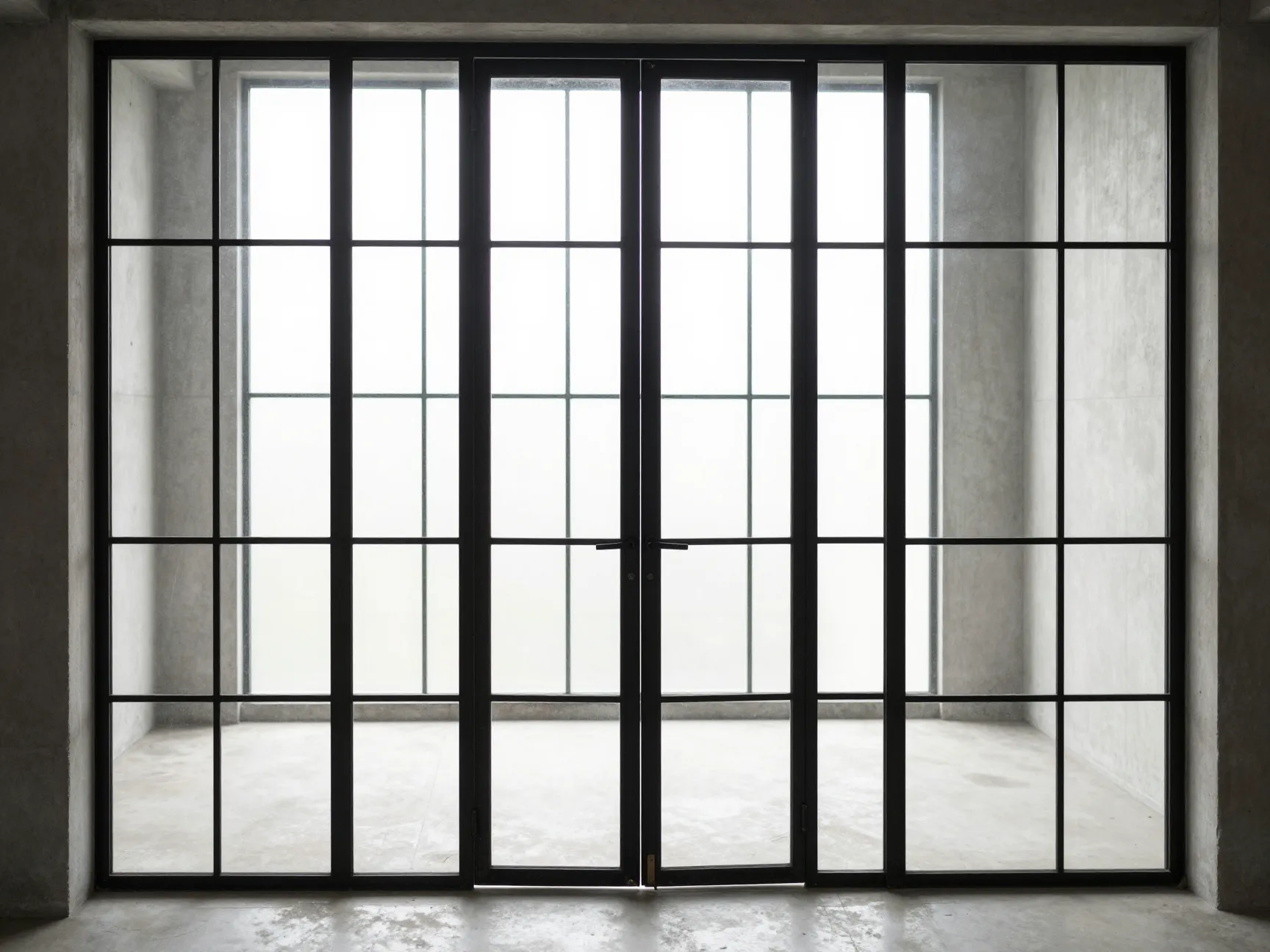
The windows and doors in an industrial interior are not afterthoughts. Steel-framed, multi-pane windows, often called Crittal-style or factory windows, are a hallmark of the aesthetic [3]. These windows divide glass into a grid of smaller panes using thin black or dark steel frames, referencing the industrial buildings that originally used them for maximum light and ventilation.
In residential applications, factory-style windows and doors serve several functions:
- They flood interiors with natural light, which is essential for balancing the heaviness of concrete and metal
- They create strong visual lines that reinforce the geometric, structural quality of the design
- They work as interior room dividers, allowing light to pass between spaces while maintaining visual separation
Steel-framed glass doors between a home office and a hallway, for example, create an immediate industrial statement without requiring a full renovation. These are available as pre-made units from multiple manufacturers and represent one of the most impactful single-element changes you can make.
7. Edison Bulbs and Industrial Lighting Fixtures
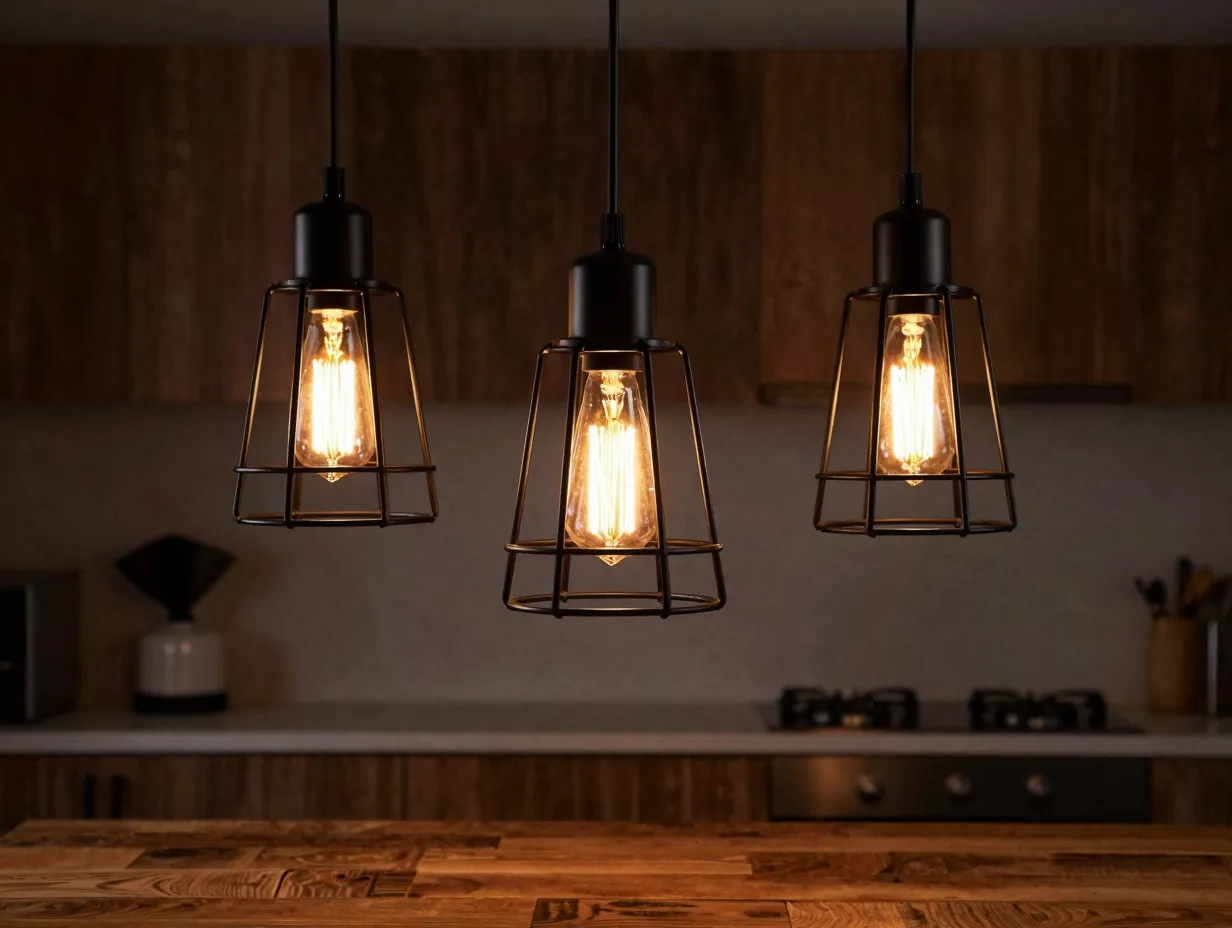
Lighting in an industrial interior is functional, bold, and unapologetically visible. The fixture is as important as the light it produces. Edison bulbs, with their visible filaments and warm amber glow, are the quintessential industrial light source [3].
Pair Edison bulbs with the right fixtures and the effect is powerful:
- Cage pendant lights: Wire or metal cage fixtures hanging from black pipe or conduit over dining tables and kitchen islands
- Pulley pendant systems: Adjustable height pendants on vintage-style pulley mechanisms
- Gooseneck wall sconces: Black metal sconces with a curved arm, ideal for flanking mirrors, artwork, or workspaces
- Bare bulb pendants: Single Edison bulbs on black cloth-covered cord, grouped in clusters for dramatic effect
- Track lighting on exposed conduit: Surface-mounted black metal track systems that reference factory floor lighting
The goal is to make the light source and its housing a design feature, not something to hide. Avoid recessed lighting as the primary source in industrial spaces, it works against the exposed, structural aesthetic.
8. Vintage and Repurposed Industrial Accessories
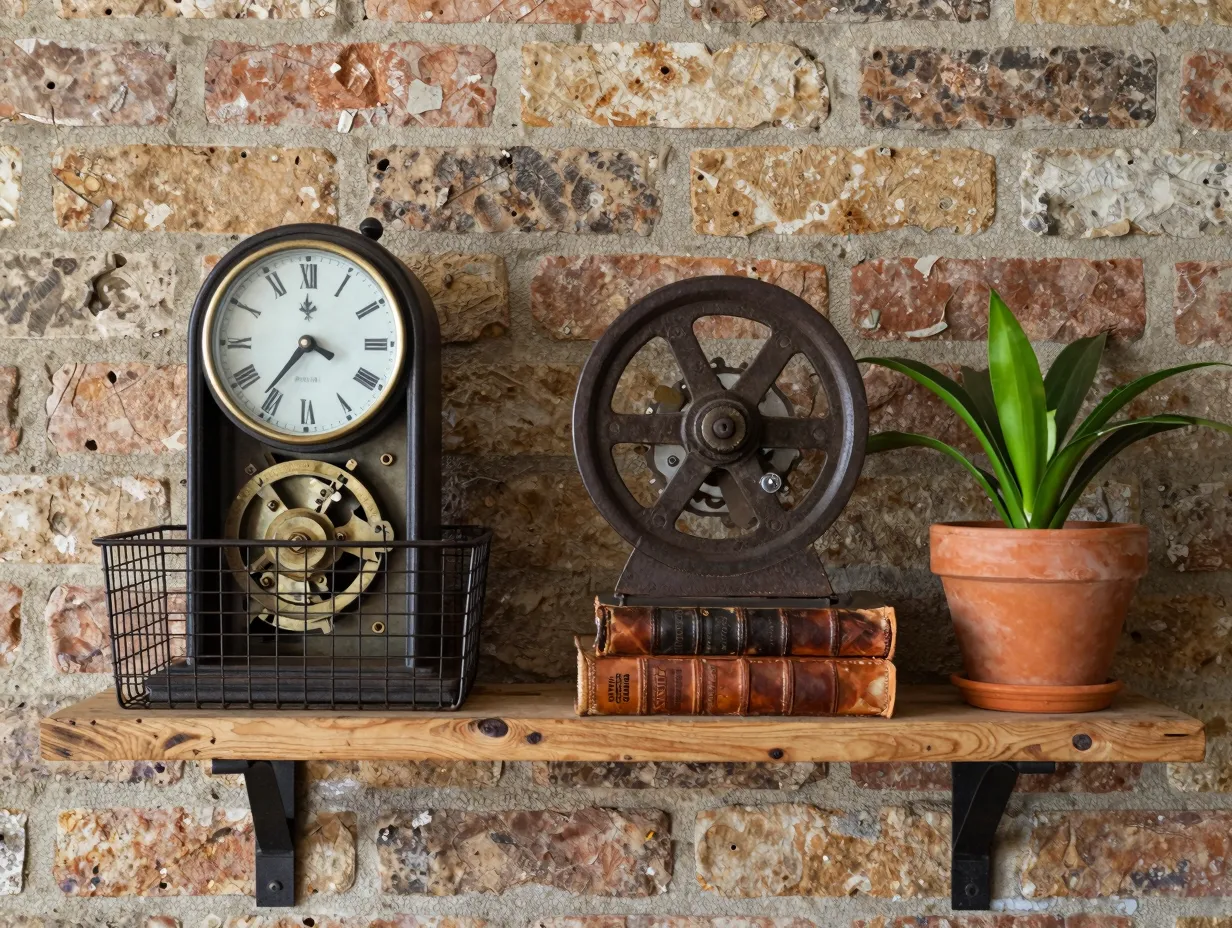
Accessories in an industrial interior are not decorative in the conventional sense. They are objects with history, function, and character. The best industrial accessories look like they were salvaged from a factory, a workshop, or a warehouse [3].
Think about the kinds of objects that would have existed in an early 20th-century industrial building and bring them into your home:
- Vintage factory clocks: Large, utilitarian wall clocks with exposed mechanisms
- Wire mesh storage baskets and lockers: Metal mesh or perforated steel storage units
- Repurposed industrial carts: Old factory trolleys or workshop carts used as coffee tables or kitchen islands
- Antique pulleys and gears: Displayed as wall art or incorporated into shelving systems
- Vintage signage and typography: Metal letters, old industrial signs, and stenciled text on walls
- Leather and canvas accessories: Worn leather cushions, canvas storage bins, and aged leather straps on furniture
The key is restraint. Industrial accessories should feel curated, not cluttered. Choose pieces that have genuine character and let them breathe in the space.
9. Open-Plan Layouts and Zoned Spaces
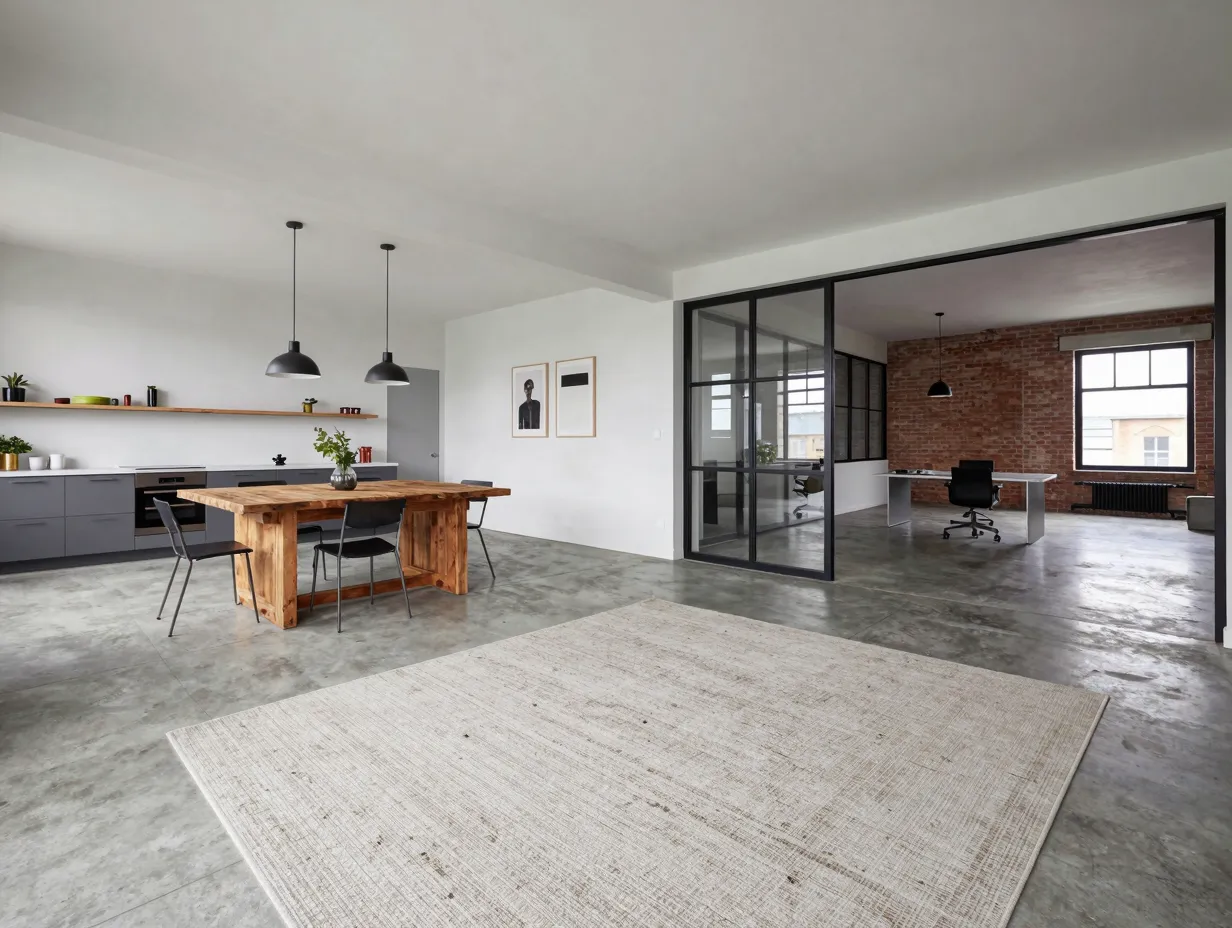
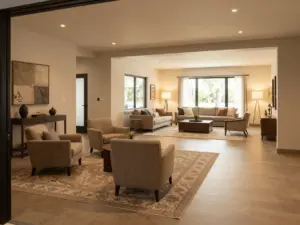
The ninth element is less about a specific material and more about spatial philosophy. Industrial design originated in large, open-plan buildings where function dictated the layout. Bringing that sensibility into a home means resisting the urge to over-partition and instead using furniture, rugs, lighting, and level changes to define zones within open spaces.
An open-plan industrial interior might include:
- A living area defined by a large area rug on concrete floors
- A dining zone anchored by a statement pendant light above a reclaimed wood table
- A kitchen with open shelving and no upper cabinet doors, maintaining visual openness
- A home office separated from the living area by a factory-style glass partition
This approach to layout amplifies every other element on this list. When the space is open, the exposed brick, concrete floors, visible ceiling, and metal fixtures work together as a unified composition rather than competing in separate rooms.
“The industrial interior is a conversation between materials, and open space is what gives that conversation room to breathe.”
How to Balance Industrial Elements with Comfort
One concern I hear often is that industrial interiors feel cold or uncomfortable. This is a real risk if the elements are applied without balance. The solution is intentional layering of warmth and softness against the hard, raw surfaces.
Practical ways to warm up an industrial interior:
- Layer large, textured rugs, wool, jute, or kilim patterns, over concrete or hardwood floors
- Add plush, deep-seated sofas and chairs in warm neutrals, cognac leather, or rich jewel tones
- Introduce plants in simple terracotta or concrete pots to bring organic life into the space
- Use warm-toned Edison bulbs (2700K color temperature) rather than cool white LEDs
- Layer textiles, throw blankets, linen cushions, and curtains, to soften hard surfaces
The goal is contrast, not conflict. The warmth of textiles and wood against the coolness of metal and concrete is exactly the tension that makes industrial interiors so compelling [1][4].
Quick Reference: Industrial Design Element Checklist
| Element | Primary Material | Difficulty Level | Impact Level |
|---|---|---|---|
| Exposed Brick Walls | Brick / Veneer | Medium | Very High |
| Raw / Polished Concrete | Concrete | High | Very High |
| Open Ceilings | Steel / Wood / Duct | High | Very High |
| Metal Accents | Steel / Iron | Low | High |
| Reclaimed Wood | Reclaimed Timber | Low, Medium | High |
| Factory-Style Windows | Steel / Glass | Medium, High | Very High |
| Edison Bulb Lighting | Metal / Glass | Low | High |
| Vintage Accessories | Mixed | Low | Medium, High |
| Open-Plan Layout | Spatial | Medium | Very High |
Common Mistakes to Avoid in Industrial Interior Design
Even with the right elements, it is easy to miss the mark. Here are the most common pitfalls and how to avoid them.
Overdoing the darkness. Industrial design uses dark tones, but an entirely dark room feels oppressive rather than edgy. Balance dark metals and charcoal walls with natural light, warm wood tones, and lighter textiles.
Ignoring acoustics. Hard surfaces, concrete, brick, metal, glass, reflect sound. In an open-plan industrial interior, this can create an echo chamber. Address this with large rugs, upholstered furniture, heavy curtains, and acoustic panels disguised as artwork.
Choosing reproductions over authenticity. Plastic brick veneer that looks fake, or laminate “wood” with an obvious repeat pattern, undermines the entire aesthetic. Industrial design is about material honesty. Invest in real materials where it counts, and use quality reproductions only where necessary.
Neglecting the human scale. Warehouse proportions do not automatically translate to residential comfort. Make sure furniture is scaled to the room, and that cozy, human-scaled zones exist within larger open spaces.
Conclusion
The 9 industrial interior design elements to add raw, urban edge to your home, exposed brick, raw concrete, open ceilings, metal accents, reclaimed wood, factory-style windows, Edison lighting, vintage accessories, and open-plan layouts, work together as a system. No single element creates the full effect; it is the layering and contrast between them that produces the authentic industrial character people find so compelling.
Your actionable next steps:
- Start with one high-impact element. Exposed brick or Edison bulb lighting are the lowest-cost, highest-impact starting points for most homes.
- Audit your existing space for materials that can be revealed rather than covered, original brick, concrete subfloors, or structural beams hiding under drywall.
- Build a material palette before purchasing anything. Pin concrete, reclaimed wood, and black metal finishes together and test how they interact in your specific light conditions.
- Layer warmth deliberately. For every cold, hard surface you introduce, plan a corresponding soft, warm counterpoint, a rug, a leather cushion, a wood shelf.
- Source vintage and reclaimed pieces from architectural salvage yards, estate sales, and online marketplaces. These authentic pieces elevate the entire design in ways that new reproductions cannot.
Industrial interior design rewards patience and intentionality. The spaces that do it best are not assembled overnight, they are built over time, with pieces that carry genuine history and materials that earn their place in the room.
References
[1] Industrial – https://www.meltflexai.com/interior-design-examples/industrial
[2] Industrial Style Decoration – https://www.deco-crystal.com/en/blog/industrial-style-decoration/
[3] Industrial Interior Design Embracing Raw And Urban Aesthetics – https://medium.com/@oliveattaouia/industrial-interior-design-embracing-raw-and-urban-aesthetics-9b5a61b33754
[4] Industrial Interior Design Ideas – https://thestudiobydh.com/blog/industrial-interior-design-ideas/
[5] Industrial Interior Design – https://www.deco-crystal.com/en/blog/industrial-interior-design/