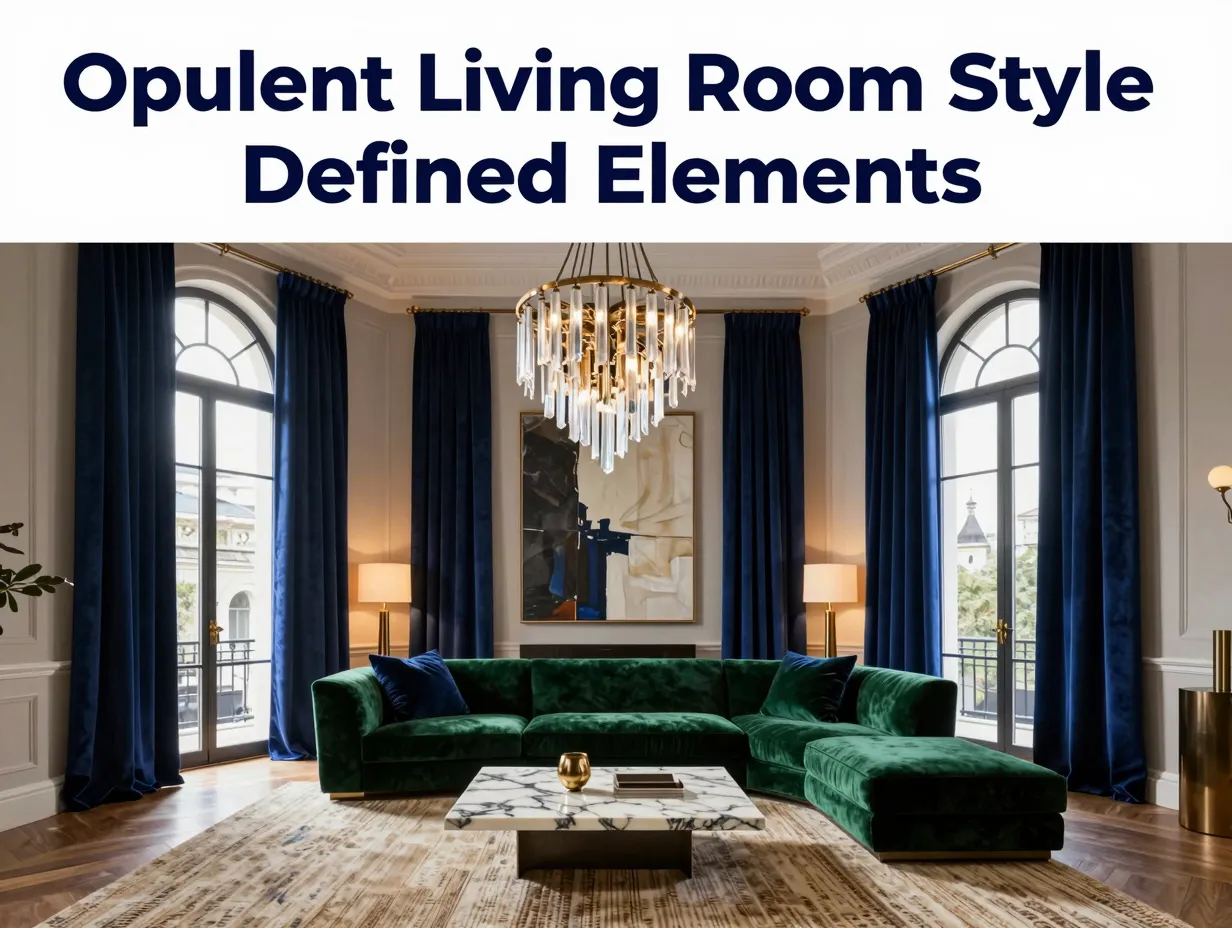
8 Luxury Living Room Design Elements That Define Opulent Style
Only 12% of high-net-worth homeowners report feeling truly satisfied with their living room‘s sense of luxury, not because they spent too little, but because they invested in the wrong elements. Opulence is not a price tag. It is a carefully orchestrated language of materials, proportion, light, and craft. Understanding the 8 luxury living room design elements that define opulent style is the difference between a room that looks expensive and one that genuinely feels extraordinary.
Disclosure: This post contains affiliate links. As an Amazon Associate, we earn from qualifying purchases, and at no extra cost to you.
I have spent years working alongside interior designers and visiting some of the most celebrated private residences across Europe and North America. The lesson I keep learning is the same: true luxury is never accidental. Every detail is deliberate, and every choice reinforces the whole. This guide breaks down those choices into eight clear, actionable elements you can apply whether you are designing from scratch or refining an existing space.
Key Takeaways
- Opulent living rooms are built on a foundation of exceptional materials, marble, silk, velvet, and hand-crafted wood are non-negotiable anchors.
- Lighting design is the single most underestimated element in luxury interiors; layered, warm, and dimmable light transforms any space.
- Scale and proportion matter as much as material quality, grand furniture in a small room kills the effect entirely.
- Bespoke and custom pieces signal authentic luxury far more powerfully than expensive off-the-shelf furniture.
- Restraint is a luxury principle, curated, intentional spaces always outperform rooms crowded with costly objects.
Why the 8 Luxury Living Room Design Elements That Define Opulent Style Matter
Before diving into each element, it helps to understand why this framework exists. Most interior design advice focuses on aesthetics, color palettes, furniture styles, trending finishes. But the 8 luxury living room design elements that define opulent style go deeper. They address the underlying architecture of how luxury is perceived.
Luxury interiors operate on sensory logic. A room feels opulent when multiple senses are satisfied simultaneously: the visual richness of layered textures, the physical comfort of deep upholstery, the acoustic softness of heavy drapery, and the subtle warmth of well-placed light. Strip away any one of these, and the illusion weakens.
“Luxury is in each detail.”, Hubert de Givenchy
This is not abstract philosophy. It is practical design strategy. The eight elements below represent the categories where investment yields the highest return in perceived and actual luxury.
The 8 Luxury Living Room Design Elements That Define Opulent Style
1. Statement Lighting That Commands Attention
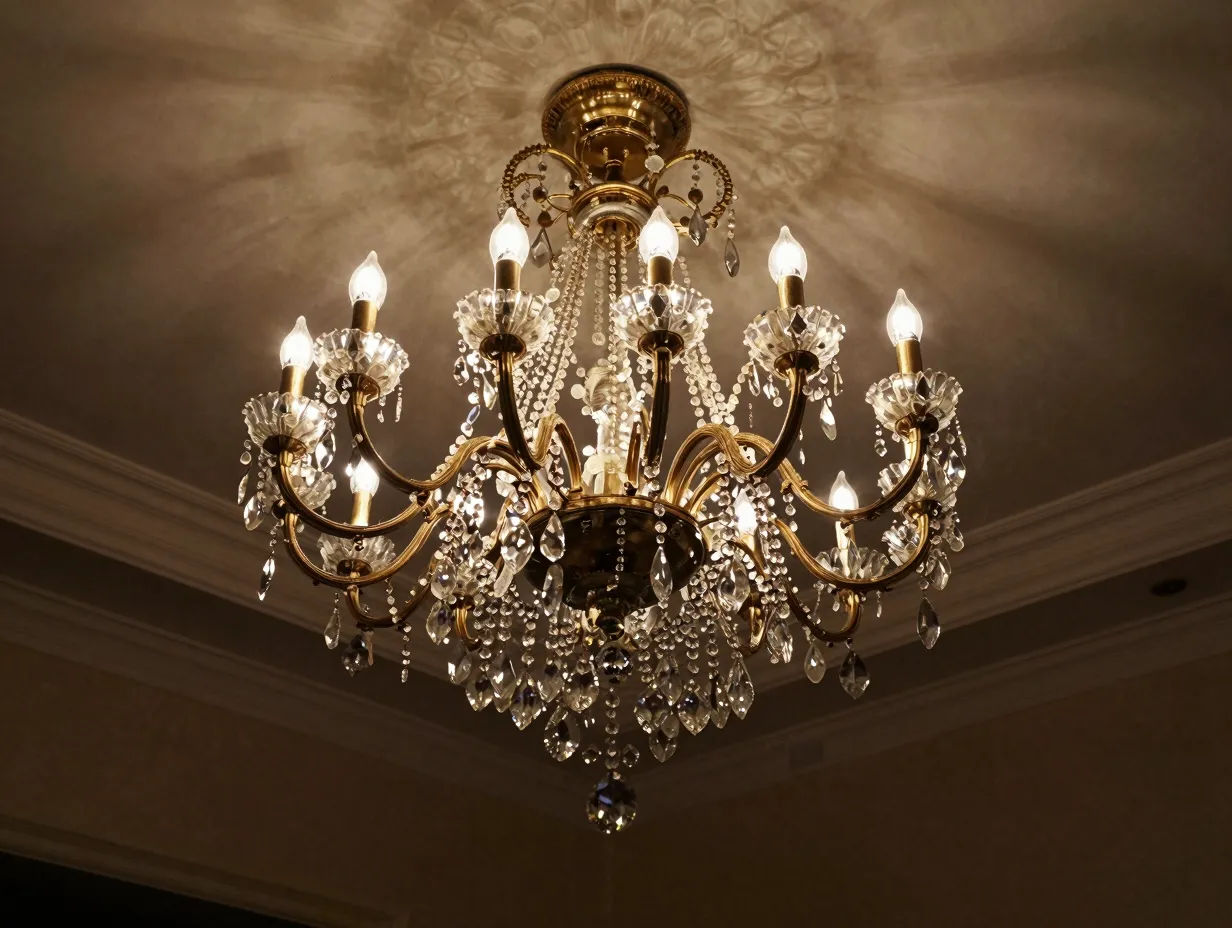
Lighting is the invisible architecture of a luxury living room. It does not just illuminate, it sculpts, dramatizes, and defines mood. The most opulent rooms I have visited share one consistent trait: their lighting was designed with the same rigor as their furniture plan.
A true luxury lighting scheme operates on three layers:
- Ambient lighting, the overall wash of light, ideally from a statement chandelier or architectural cove lighting
- Task lighting, functional light for reading or conversation areas, delivered through elegant table lamps or floor lamps
- Accent lighting, directional light that highlights art, architectural features, or decorative objects
The chandelier is the crown of this system. In luxury living rooms, chandeliers are not afterthoughts. They are sculptural focal points, hand-blown Murano glass, cascading Swarovski crystal, or custom bronze armatures. Brands like Apparatus, Lindsey Adelman, and Lasvit create pieces that function as art installations.
Key principle: Every light source in a luxury living room should be on a dimmer. The ability to shift from bright social light to intimate evening warmth is one of the most powerful tools in the opulent designer’s kit.
Warm color temperatures (2700K, 3000K) are the standard in high-end residential design. Cool white light reads as commercial, not residential. This single adjustment, switching to warm-toned bulbs, elevates any space immediately.
2. Architectural Millwork and Ceiling Detail
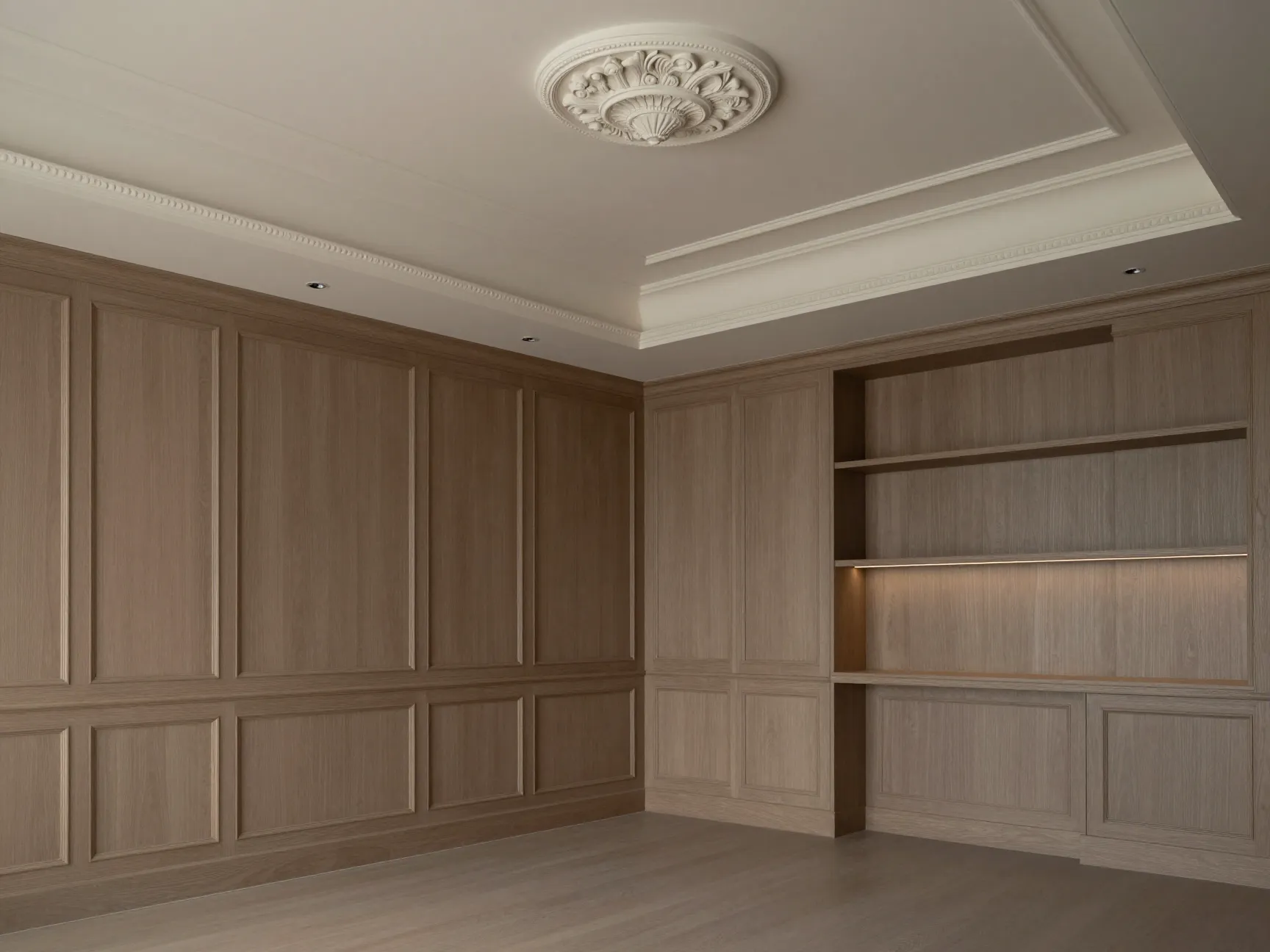
Walk into any genuinely luxurious living room and look up. The ceiling will tell you everything. Coffered ceilings, deep crown molding, hand-applied plasterwork, and custom paneling are the architectural signatures of opulent design. These elements are labor-intensive and expensive to execute, which is precisely why they signal authenticity.
Millwork, the term for custom wood trim, built-in cabinetry, and wall paneling, adds a layer of permanence and craftsmanship that no piece of furniture can replicate. A room with beautifully proportioned wainscoting and a coffered ceiling feels substantial in a way that a room with bare walls simply cannot, regardless of how costly the furniture is.
Common luxury millwork elements include:
- Coffered or tray ceilings with recessed lighting
- Full-height wall paneling in painted wood or lacquer
- Custom built-in shelving with integrated lighting
- Decorative plaster ceiling medallions and cornices
- Herringbone or chevron hardwood flooring with inlaid borders
The investment in architectural detail pays dividends for the life of the home. Unlike furniture, which can be replaced, millwork becomes part of the building’s identity.
3. Exceptional Textiles and Upholstery
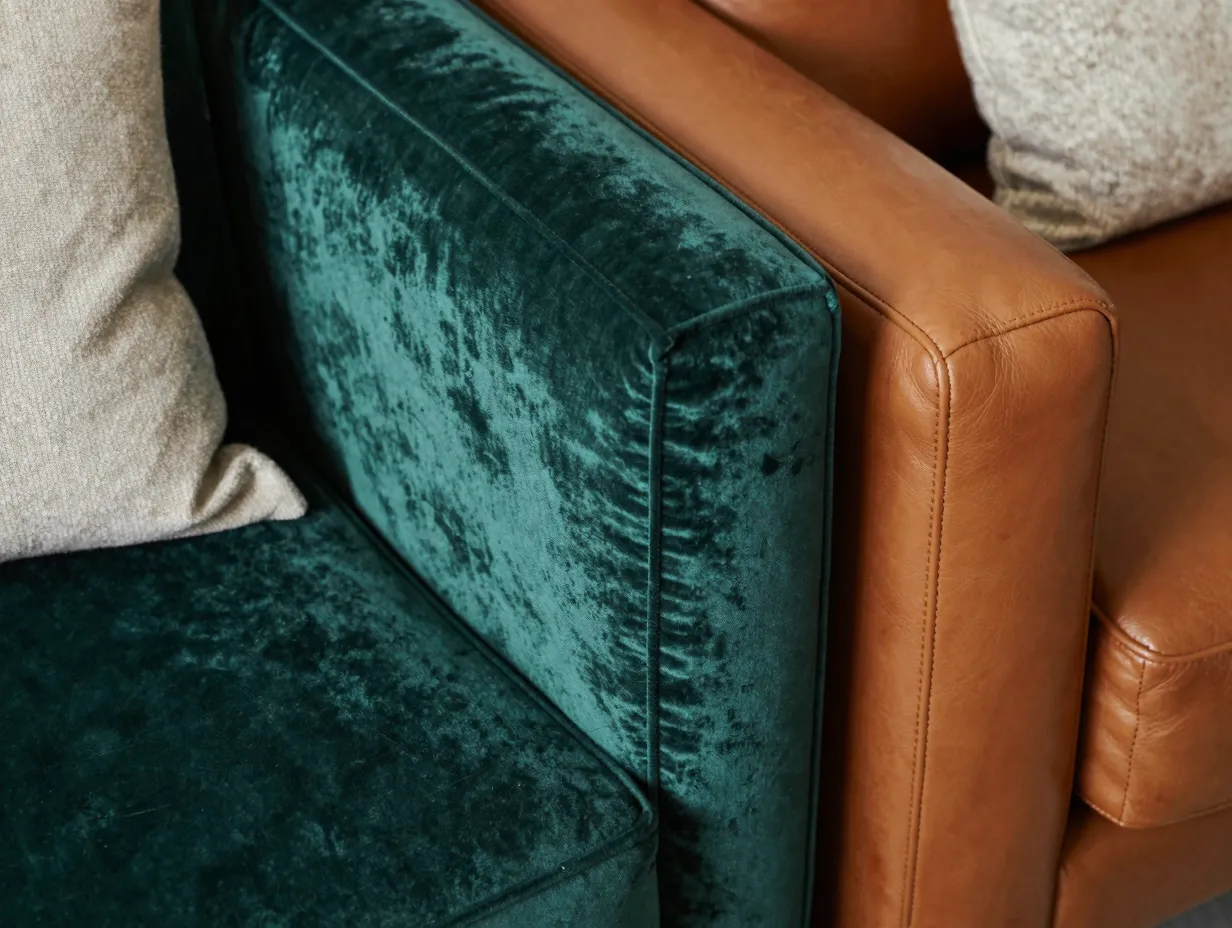
Textiles are where luxury becomes tactile. The moment a guest sinks into a sofa upholstered in hand-stitched cashmere velvet or runs a hand across a silk throw pillow, the quality of the room communicates itself without a single word.
In the world of high-end interior design, fabric sourcing is treated as seriously as furniture selection. The most respected luxury designers work with mills in Como, Italy; Lyon, France; and Kidderminster, England, regions with centuries-long traditions of producing exceptional woven textiles.
A hierarchy of luxury upholstery fabrics:
| Fabric | Character | Best Use |
|---|---|---|
| Silk velvet | Rich depth, light-reactive | Sofas, accent chairs |
| Cashmere | Incredibly soft, warm | Throws, cushions |
| Linen (Belgian) | Crisp, breathable | Drapery, slipcovers |
| Mohair | Lustrous, durable | Ottomans, benches |
| Leather (full-grain) | Timeless, patinas beautifully | Armchairs, sofas |
The key is layering. A single fabric, however beautiful, creates a flat effect. Luxury rooms layer velvet against linen, leather against cashmere, silk against wool, creating a visual and tactile richness that rewards close attention.
4. Investment-Grade Art and Sculptural Objects
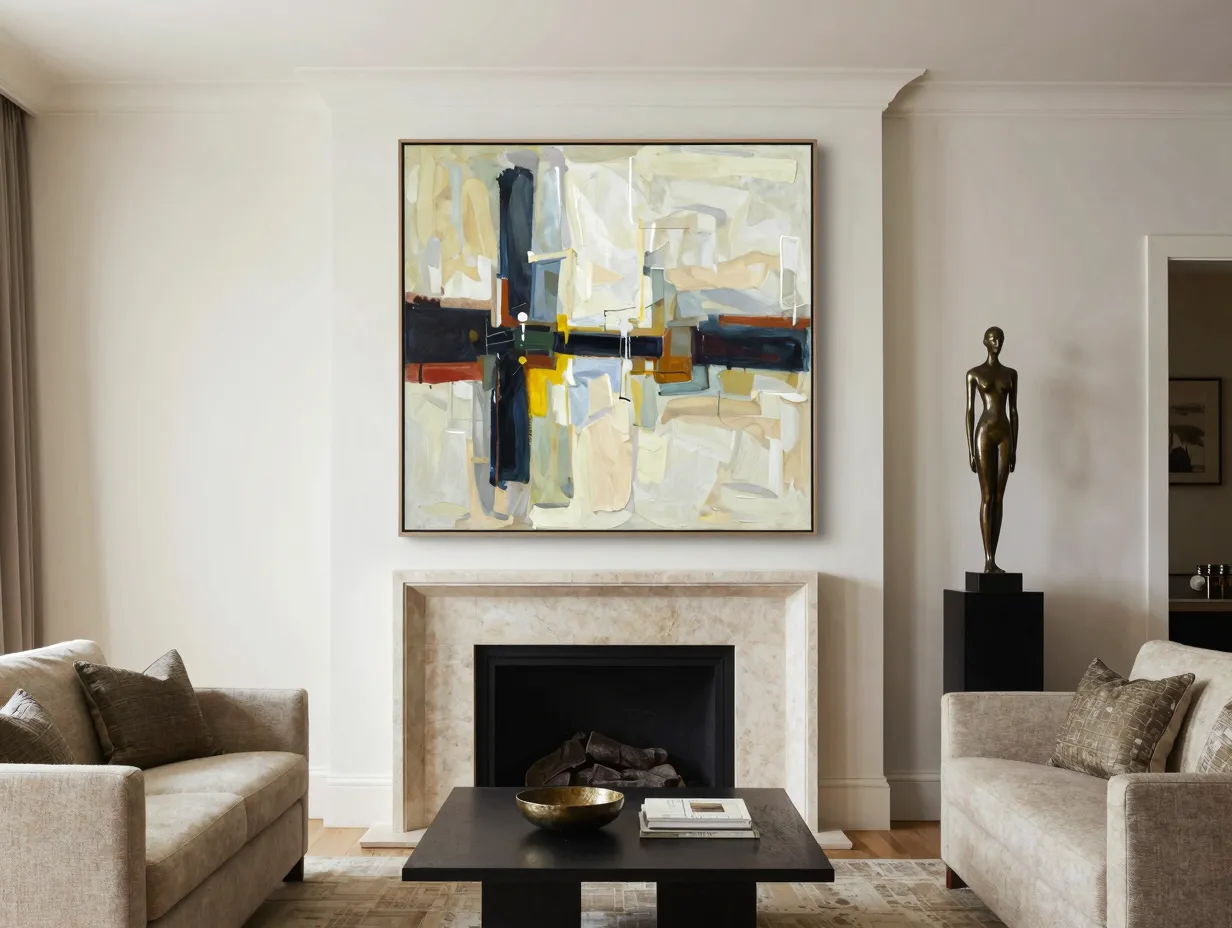
A luxury living room without considered art is like a library without books, the architecture may be impressive, but the soul is missing. Art is the most personal expression of taste in any interior, and in opulent spaces, it is treated as a primary design element, not a finishing touch.
I once visited a penthouse in Geneva where the entire room had been designed around a single large-format painting by a contemporary Swiss artist. The sofa color, the rug palette, the drapery weight, everything responded to that canvas. The result was a room with extraordinary coherence and emotional power.
Art in luxury living rooms typically falls into three categories:
- Large-format paintings or photography, anchoring a primary wall, often above a fireplace or sofa
- Sculptural objects, bronze figures, ceramic vessels, carved stone, placed on plinths or console tables
- Decorative arts, antique objects, rare books, curated collections displayed with intention
The key word in all three categories is intention. A single extraordinary object, well-placed and well-lit, outperforms a wall crowded with mediocre pieces every time.
5. Bespoke Furniture With Provenance
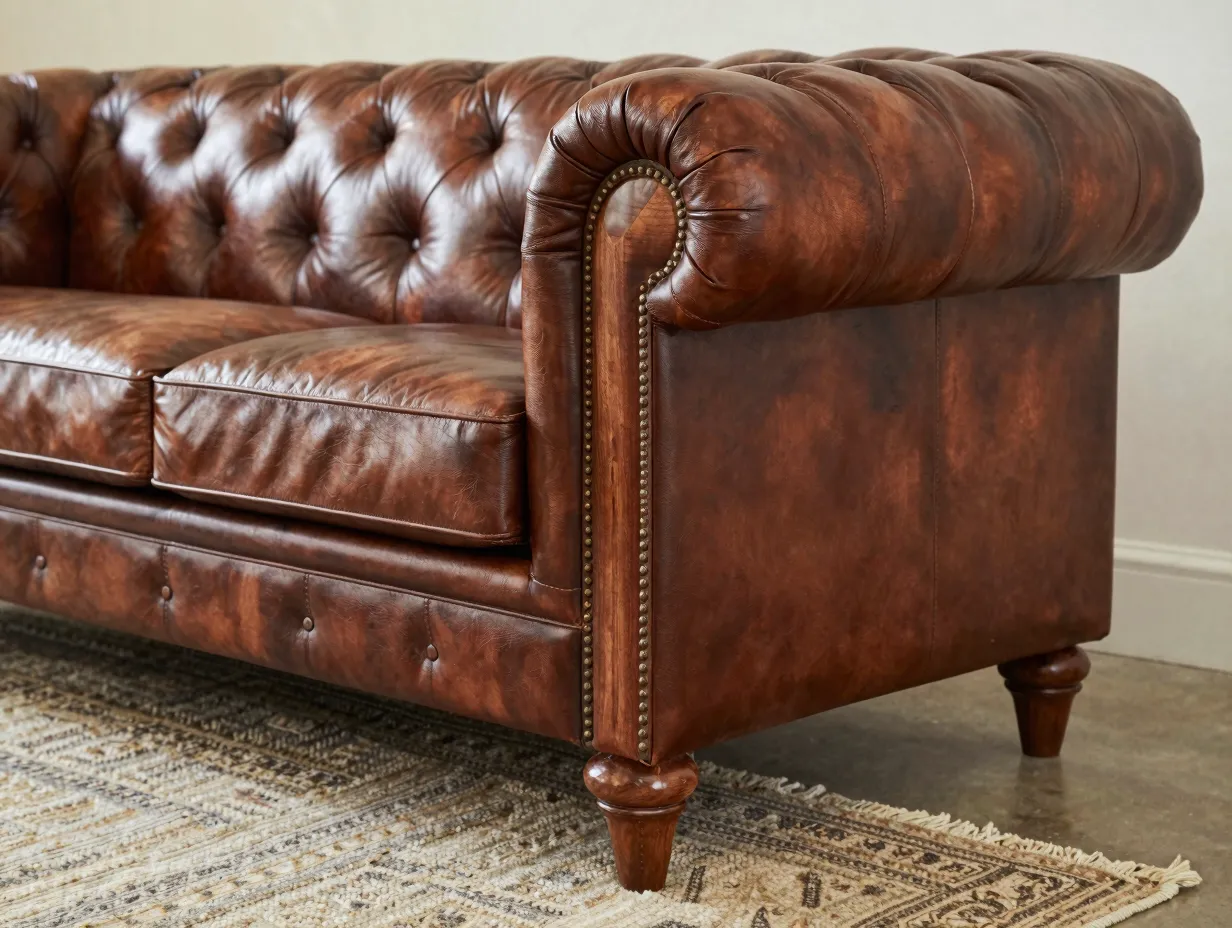
Off-the-shelf furniture, however expensive, carries a ceiling. Once a piece appears in a showroom or a catalog, it loses the exclusivity that defines true luxury. Bespoke furniture, designed and made specifically for a space, is the gold standard of opulent living rooms.
Bespoke does not always mean entirely custom from scratch. It can mean commissioning a known maker to produce a standard form in a specific size, finish, or fabric. What matters is that the piece was made with a specific room and client in mind.
What to look for in luxury furniture:
- Joinery, hand-cut dovetail joints, mortise-and-tenon construction, no visible staples or glue
- Frame material, kiln-dried hardwood (beech, ash, walnut), never particleboard or MDF in structural elements
- Cushion construction, eight-way hand-tied spring systems, down-wrapped foam, or horsehair filling
- Finish quality, hand-applied lacquer, hand-rubbed oil, or hand-polished wax, with multiple coats
Makers like De Sede, Poltrona Frau, and George Smith represent the upper tier of production furniture. For fully bespoke work, specialist workshops in London’s Chelsea, Paris’s Faubourg Saint-Antoine, and New York’s Brooklyn furniture district produce extraordinary pieces on commission.
Provenance matters too. A sofa with a documented maker, a dated commission, and a known history carries a different weight, literally and figuratively, than an anonymous piece from a big-box retailer.
6. Natural Stone and Premium Hard Surfaces
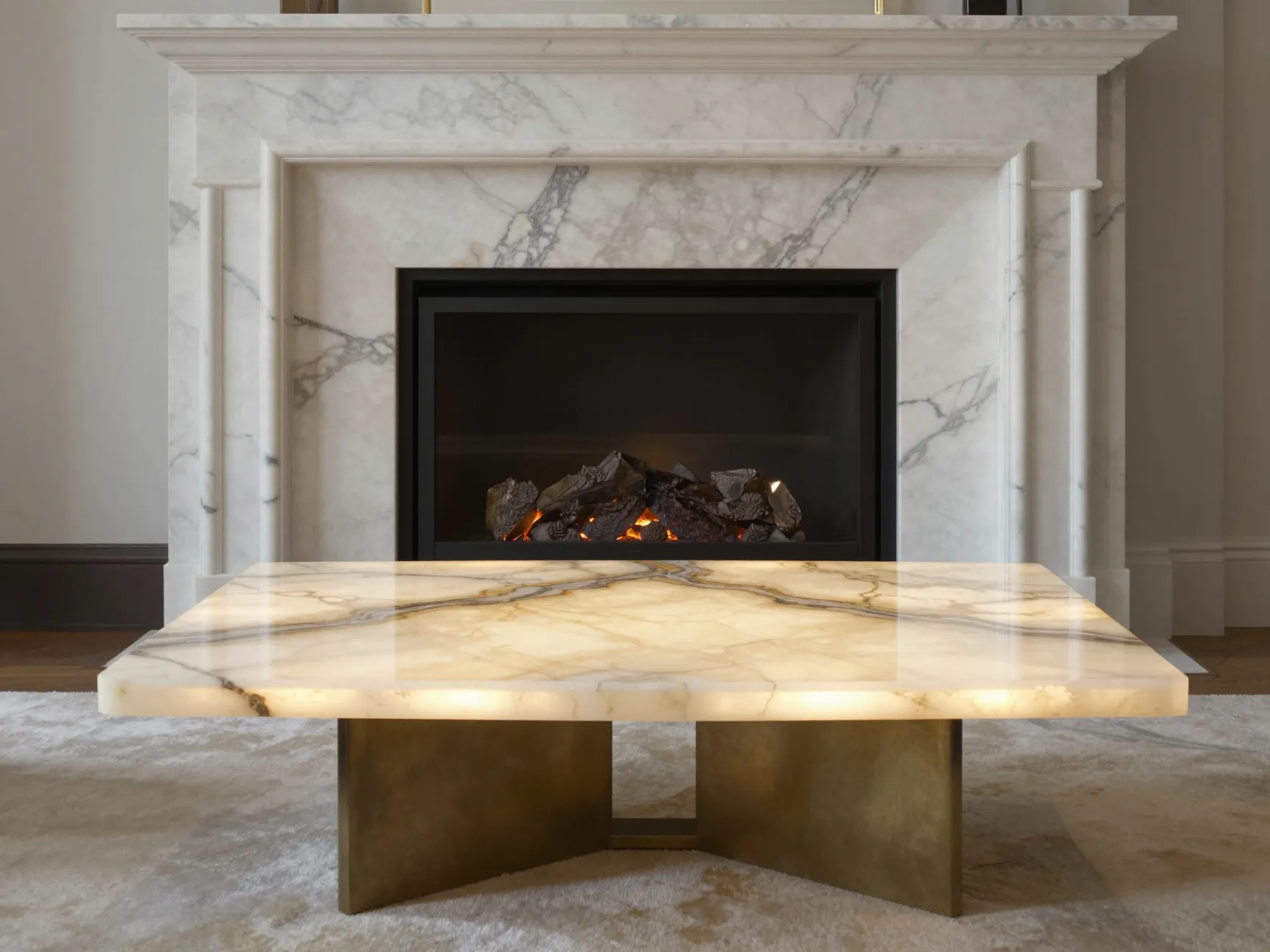
Stone is one of the oldest luxury materials on earth, and it remains one of the most powerful. Marble, travertine, onyx, and quartzite bring geological time into a room, each slab is a unique artifact, millions of years in the making, impossible to replicate exactly.
In luxury living rooms, natural stone appears most commonly as:
- Fireplace surrounds, book-matched marble slabs or carved limestone
- Coffee tables, thick slabs of marble, onyx, or quartzite on bespoke bases
- Flooring inlays, marble borders or medallions set into hardwood floors
- Feature walls, floor-to-ceiling book-matched stone panels
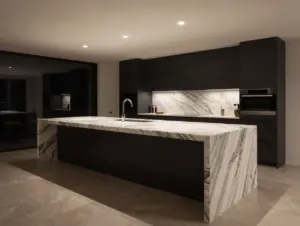
The concept of book-matching, where two adjacent slabs are opened like a book to create a mirrored pattern, is a hallmark of luxury stone installation. It requires careful selection at the quarry and skilled installation, and the result is visually stunning.
Book-matched Calacatta Oro marble has become one of the most recognizable signatures of ultra-high-end residential design in the 2020s.
Onyx, when backlit, creates an effect that no other material can achieve, a warm, translucent glow that transforms a wall or tabletop into something almost otherworldly. It is expensive, fragile, and completely irreplaceable in terms of visual impact.
7. Layered Rugs and Exceptional Floor Coverings
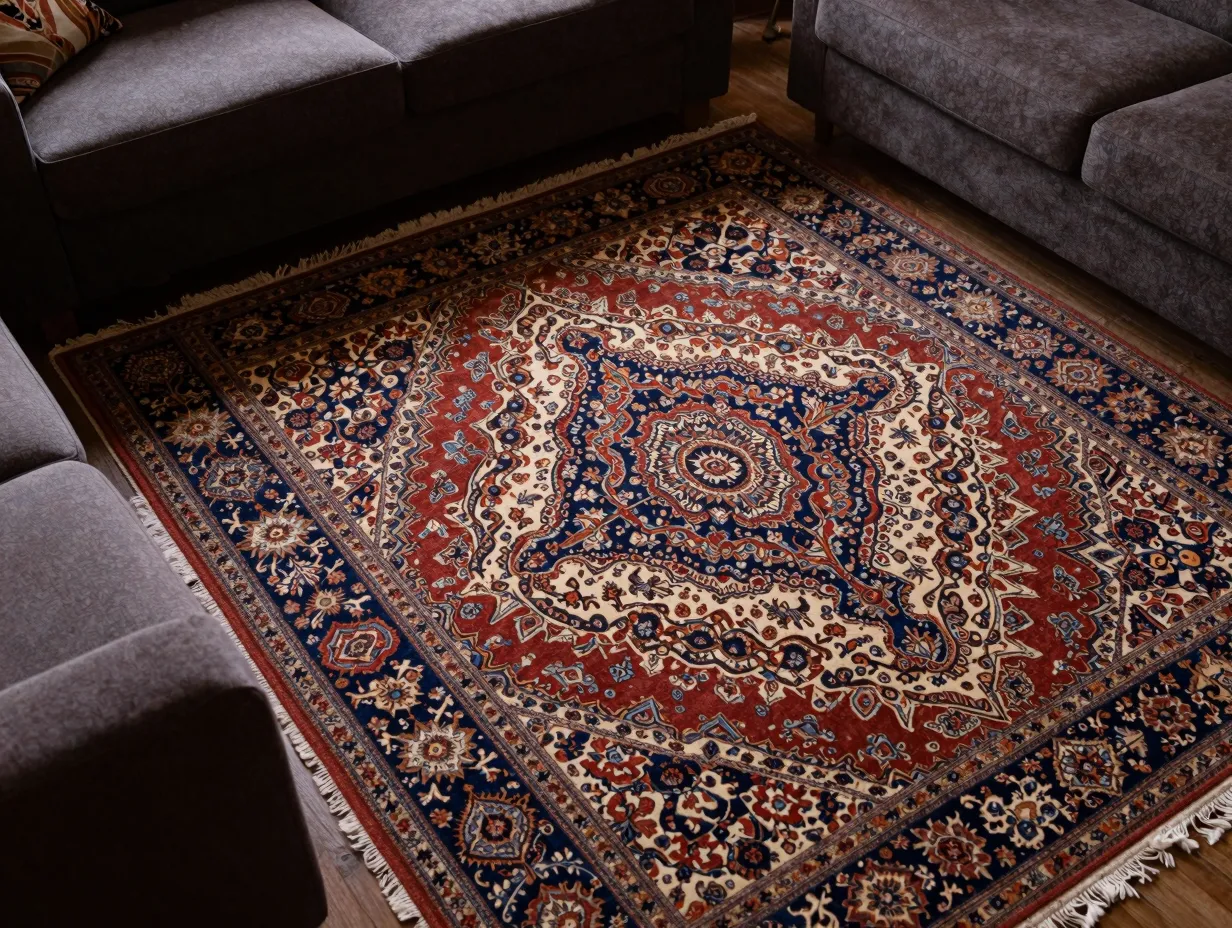
The floor is the largest single surface in any living room, and in luxury interiors, it is treated accordingly. A hand-knotted rug is not just a floor covering, it is a textile artwork, often representing hundreds or thousands of hours of skilled labor.
The most prestigious rug-making traditions come from Persia (modern Iran), Turkey, India (particularly from Jaipur and Agra), and Nepal. Hand-knotted rugs from these regions are valued for their knot density (measured in knots per square inch), the quality of the wool or silk used, and the complexity of the pattern.
A guide to luxury rug materials:
- Silk, the pinnacle of luxury, with a luminous sheen and extraordinary detail capacity; fragile and best used in low-traffic areas
- Hand-spun wool, warm, durable, and deeply textured; the workhorse of luxury rug-making
- Tibetan wool, exceptionally high pile, incredibly soft underfoot, often used in contemporary luxury interiors
- Vegetable-dyed wool, colors that deepen and mellow with age, developing the patina that machine-made rugs can never achieve
Layering rugs, placing a smaller, more decorative rug over a larger natural fiber base, is a technique used by top designers to add depth and visual interest to a seating area. It also protects the more valuable piece from daily wear.
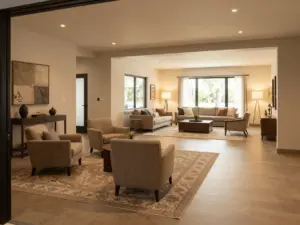
The rug should anchor the entire seating group. A common mistake in luxury living rooms is choosing a rug that is too small, all furniture legs should sit on the rug, or at minimum, the front legs of all seating pieces.
8. Curated Accessories and the Art of Restraint
The final element in the 8 luxury living room design elements that define opulent style is perhaps the most counterintuitive: knowing what to leave out. True opulence is never cluttered. Every object in a luxury living room earns its place through beauty, meaning, or function, ideally all three.
Curated accessories in a luxury living room might include:
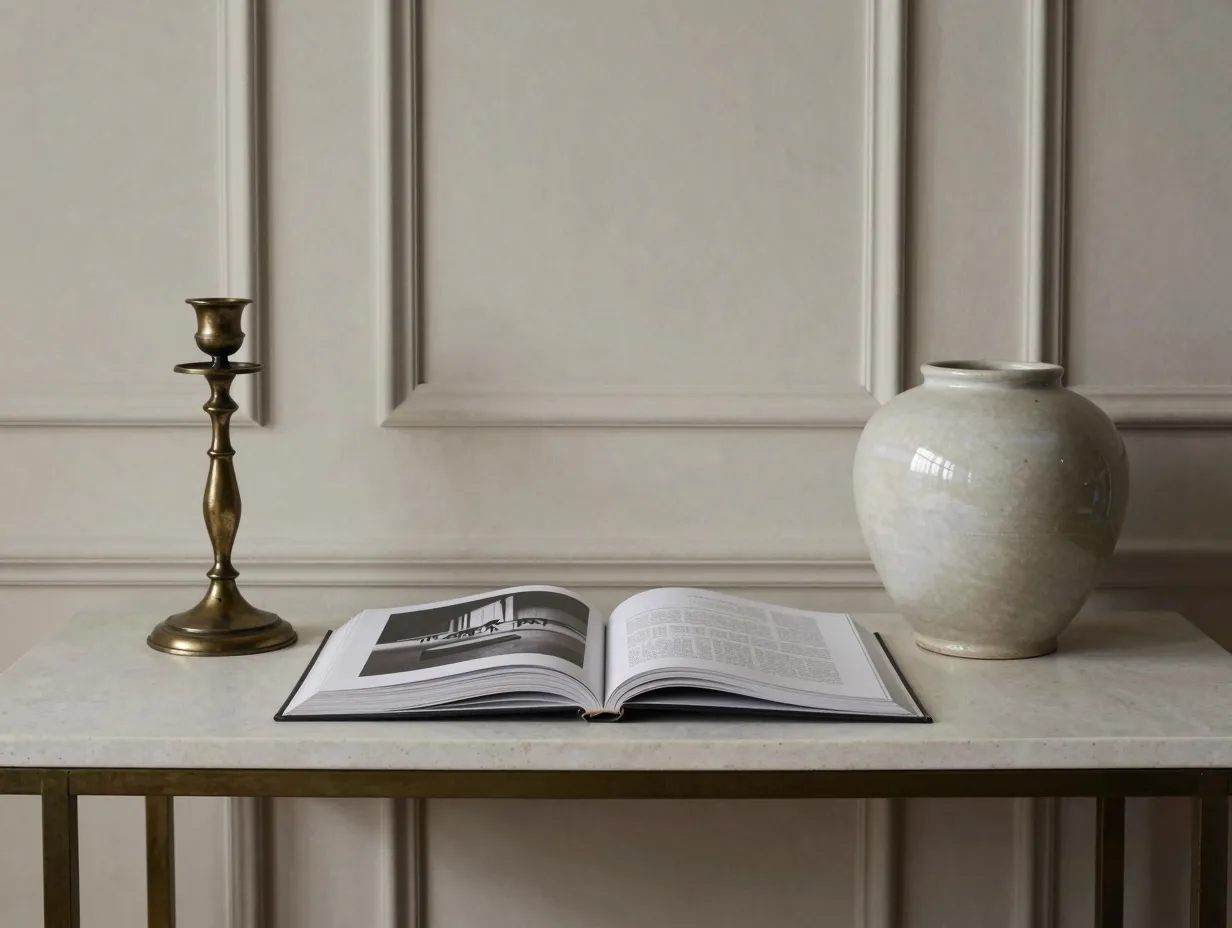
- A pair of antique bronze candlesticks on a console table
- A single large-format art book, open to a striking image
- A ceramic vessel by a recognized studio potter
- Fresh flowers or sculptural dried botanicals in a considered arrangement
- A collection of three or five objects of related material or color, grouped with deliberate spacing
The principle of odd numbers in object grouping is well-established in interior design, three or five objects create a more dynamic composition than two or four. Spacing between objects should be generous enough to allow each piece to breathe.
What to avoid:
- Matching sets of accessories that look like they were purchased together (they probably were)
- Souvenirs or sentimental objects that have no visual relationship to the room’s palette
- Overcrowded surfaces that prevent the eye from resting
- Artificial flowers or plants, which signal inauthenticity in a luxury context
I always advise clients to edit ruthlessly. Remove everything from a surface, then add back only the pieces that genuinely earn their place. The first edit usually removes 60% of what was there, and the room immediately looks more expensive.
How to Apply the 8 Luxury Living Room Design Elements That Define Opulent Style in Practice
Understanding the eight elements is one thing. Applying them in a real project requires a strategic sequence. Here is the approach I recommend:
Start with architecture. Before purchasing a single piece of furniture, assess the room’s bones. Invest in millwork, ceiling detail, and flooring first. These elements are the hardest to change later and have the greatest impact on the room’s fundamental character.
Layer from the floor up. Choose the rug before the furniture. The rug anchors the color palette and sets the scale for everything above it. Many designers work in this sequence: rug, then sofa, then chairs, then tables, then lighting, then art, then accessories.
Invest asymmetrically. Not every element needs to be at the same price point. A strategy used by the best designers is to invest heavily in two or three anchor pieces, a statement sofa, a bespoke coffee table, a significant artwork, and be more restrained elsewhere. This creates a room with genuine focal points rather than uniform mediocrity at every level.
Commission before you buy. For key pieces, explore bespoke options before defaulting to retail. The lead times are longer (typically 12-20 weeks for upholstered furniture), but the result is a room that cannot be replicated.
Edit continuously. Luxury living rooms are not finished on a single day. They evolve as pieces are added, removed, and refined over time. The best rooms I have seen have been lived in and edited for years.
Common Mistakes That Undermine Luxury Living Room Design
Even with significant budgets, certain errors consistently undermine the effect of opulent design.
Mismatched scale is the most common. Furniture that is too small for a large room creates a sparse, under-furnished look. Furniture that is too large overwhelms the space and makes movement uncomfortable. Scale is the foundation of proportion, and proportion is the foundation of elegance.
Over-reliance on brand names is another pitfall. A room filled with recognizable luxury brand furniture often feels more like a showroom than a home. The most sophisticated interiors mix known makers with artisan pieces, antiques, and bespoke commissions.
Neglecting acoustics is a subtle but real problem in luxury living rooms. Hard surfaces, stone floors, glass walls, high ceilings, create echo and harshness. Heavy drapery, upholstered furniture, and layered rugs are not just visual choices; they are acoustic ones. A room that sounds good feels more luxurious.
Ignoring natural light in favor of artificial lighting is a missed opportunity. The relationship between a luxury interior and its natural light, how morning sun falls across a marble surface, how afternoon light shifts the color of velvet upholstery, is one of the most beautiful aspects of high-end residential design.
Conclusion
The 8 luxury living room design elements that define opulent style are not a checklist to be completed in order. They are a framework for thinking about how luxury is built, layer by layer, detail by detail, with intention at every step.
Here are your actionable next steps:
- Audit your current living room against the eight elements. Identify which two or three are weakest and prioritize those for investment.
- Begin with architecture if you are starting fresh, millwork and ceiling detail set the stage for everything else.
- Commission a lighting design before purchasing fixtures. A professional lighting plan costs a fraction of the fixtures themselves and prevents costly mistakes.
- Source your rug before your furniture. Let the rug anchor your palette and scale decisions.
- Edit your accessories ruthlessly. Remove everything from surfaces and add back only what genuinely earns its place.
Opulence is not about spending without limit. It is about spending with knowledge, knowing which elements carry the most weight, which details reward close attention, and which choices define a room for decades rather than seasons. Apply these eight elements with discipline and restraint, and the result will be a living room that does not just look luxurious but genuinely feels it.
References
- Bradbury, D. (2012). The Iconic Interior: Private Spaces of Leading Artists, Architects and Designers. Thames & Hudson.
- Cramer, N., & Yannas, A. (Eds.). (2007). Architectural Record: Interiors. McGraw-Hill.
- Draper, D. (1939). Decorating Is Fun!. Doubleday, Doran.
- Hampton, M. (1992). Mark Hampton on Decorating. Random House.
- Pile, J. F. (2005). A History of Interior Design (2nd ed.). Laurence King Publishing.
- Rybczynski, W. (1986). Home: A Short History of an Idea. Viking Penguin.
- Slesin, S., Cliff, S., & Rozensztroch, D. (1990). The International Book of Lofts. Clarkson Potter.
- Sparke, P. (2008). The Modern Interior. Reaktion Books.