9 Accent Wall Designs That Will Make Any Room Pop
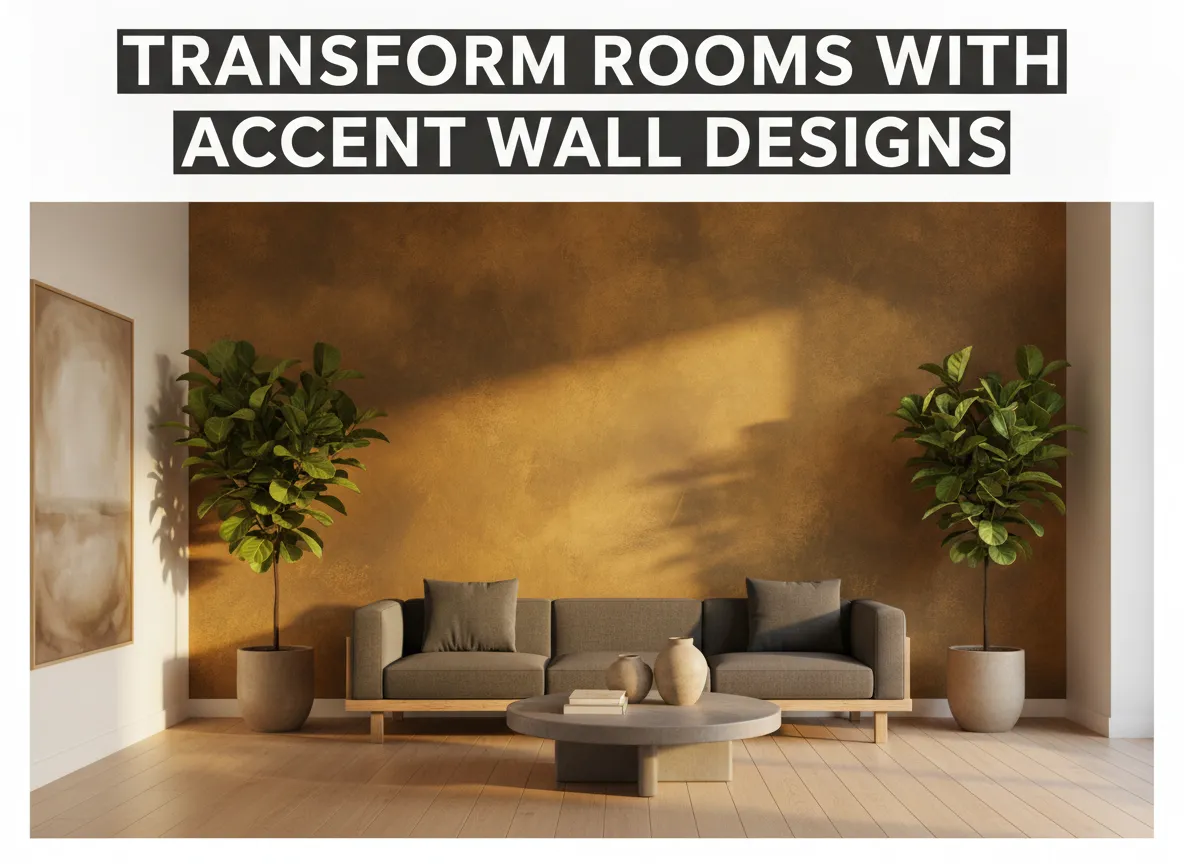
A single wall can increase a home’s perceived value by thousands of dollars, yet most homeowners leave all four walls identical and wonder why their rooms feel flat. The truth is that one well-chosen accent wall does more design work than a full room repaint. Whether you are refreshing a tired bedroom or giving a living room its first real personality, the 9 accent wall designs that will make any room pop covered in this guide offer a proven path from bland to breathtaking. Each design is rooted in 2026’s strongest interior trends, from tactile limewash plaster to bold geometric color-blocking, and every one of them is achievable on a real budget.
Disclosure: This post contains affiliate links. As an Amazon Associate, we earn from qualifying purchases, and at no extra cost to you.
Key Takeaways
- Textured finishes such as limewash, microcement, and plaster are among the most impactful accent wall choices in 2026 because they add depth without heavy furniture investment.
- Vertical wood slat and fluted panel walls are the single fastest-growing DIY-friendly trend this year, praised for warmth and acoustic benefits.
- Geometric and color-blocked designs create visual drama at low cost, requiring only paint and tape in most cases.
- Large-scale wallpaper murals and statement tile accent walls deliver the highest “wow factor” per square foot in dining rooms and bathrooms.
- Choosing the right wall, typically the one your eye lands on first when entering a room, is just as important as choosing the right design.
Why Accent Walls Work and How to Choose the Right One
Before diving into the 9 accent wall designs that will make any room pop, it helps to understand the psychology behind why a single statement wall is so effective. Our eyes naturally seek a focal point when entering a space. When every wall is the same color and texture, the brain has nothing to anchor to, and the room feels unresolved. An accent wall solves this instantly by giving the eye a destination.
The cardinal rule: choose the wall your gaze lands on first when you walk through the door. In most living rooms, that is the wall directly opposite the entrance. In bedrooms, it is almost always the wall behind the headboard. In dining rooms, it tends to be the wall the table is pushed against or the one visible from the kitchen.
A few practical questions to ask before you commit:
- Does the wall have significant interruptions like windows, doors, or built-ins? Heavy texture or bold patterns can work around these, but simpler designs are safer.
- What is the room’s natural light situation? Dark, moody finishes absorb light and work best in rooms with generous windows. Lighter textures and pale colors open up smaller, dimmer spaces.
- What is your budget? Paint-based designs (geometric, color-blocked) are the most affordable. Tile, stone, and custom millwork sit at the higher end.
“The accent wall is not a trend, it is a fundamental design tool that has been used in architecture for centuries. What changes is the material and the mood.” [6]
The 9 Accent Wall Designs That Will Make Any Room Pop
1. Limewash Plaster
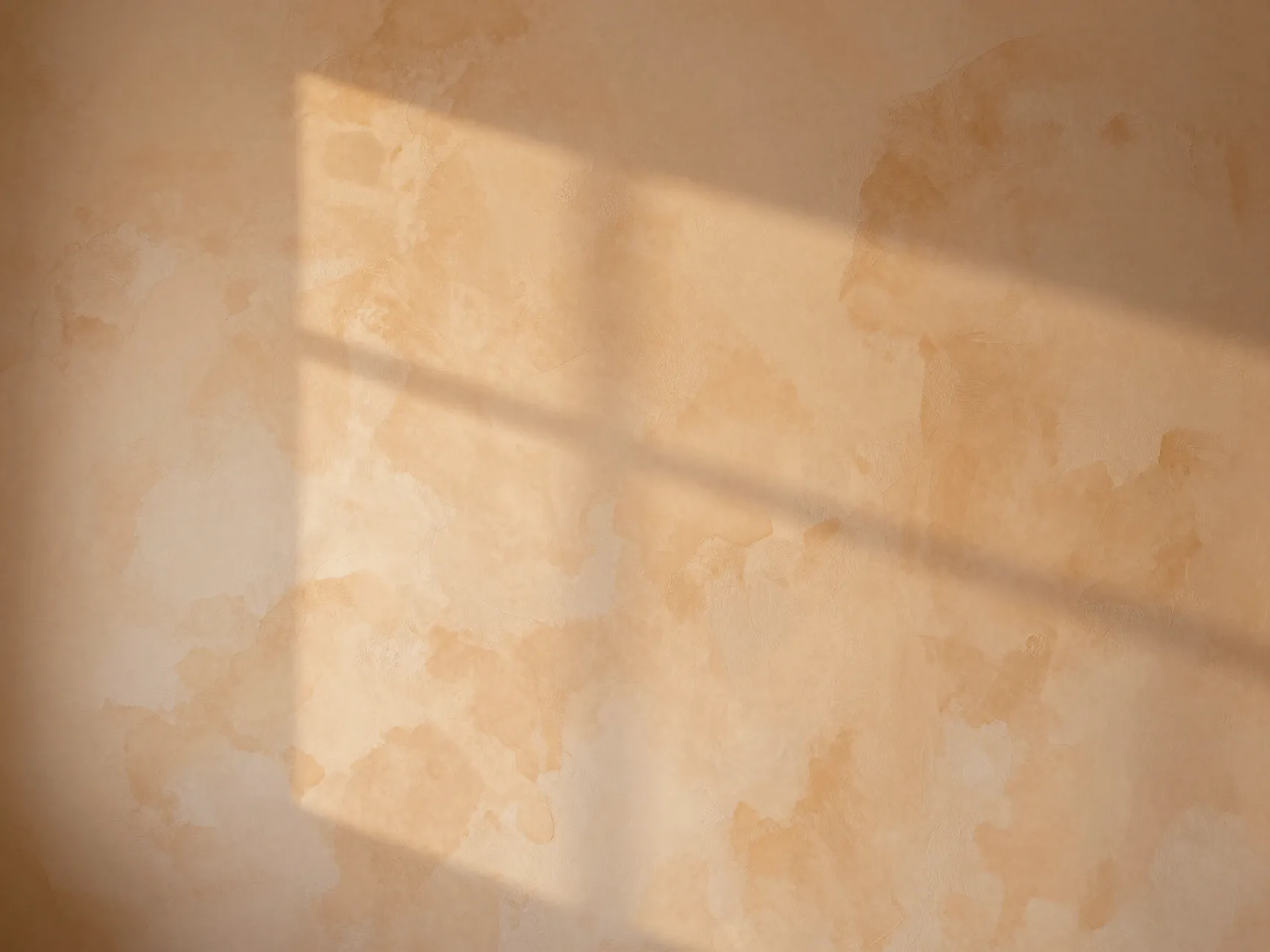
Limewash is having a genuine cultural moment in 2026, and for good reason. This ancient Italian technique involves applying thinned, aged lime paint in multiple thin layers to create a soft, cloudy, almost watercolor effect on walls. The result is a finish that looks like it belongs in a Tuscan farmhouse or a contemporary art gallery, sometimes both at once.
What makes limewash stand out among accent wall options is its depth. Unlike flat paint, limewash reflects light differently depending on the angle, which means the wall appears to shift color throughout the day. Warm morning light makes a limewash wall in ochre look golden. The same wall under evening lamplight looks almost bronze. [3]
Best rooms: Living rooms, primary bedrooms, dining rooms.
DIY difficulty: Moderate. Limewash kits are widely available, and the technique is forgiving, imperfections add to the effect.
Cost range: $1,$3 per square foot for DIY; $4,$8 per square foot professionally applied.
Key application tips:
- Work in small sections and blend edges while wet.
- Apply two to three coats for maximum depth.
- Seal with a matte topcoat if the wall will be touched frequently.
2. Vertical Wood Slat Panels
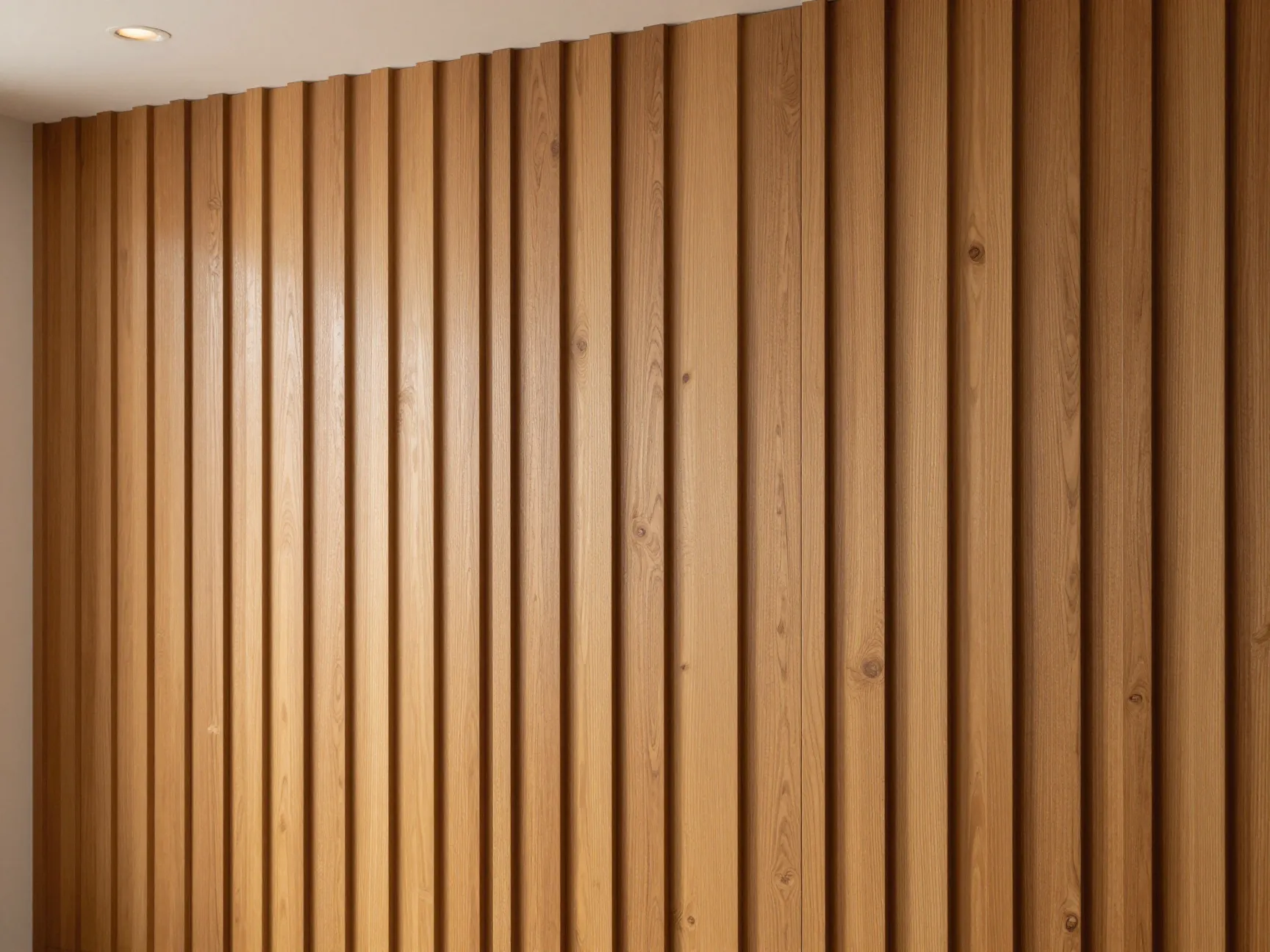
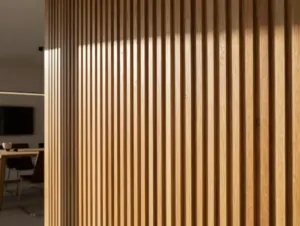
If one design dominated interior design conversations in 2025 and carried that momentum into 2026, it is the vertical wood slat wall. Also called a slatted panel wall or ribbed wood wall, this design uses evenly spaced narrow planks of real wood or MDF mounted vertically to create a rhythm of light and shadow that makes any room feel taller and more architectural. [1]
I installed a version of this in my own home office using pre-primed MDF slats from a local lumber yard. The project took one weekend and cost under $300 for a 10-foot wall. The difference was immediate, the room went from a plain white box to something that looked like it belonged in an architect’s portfolio.
Best rooms: Home offices, bedrooms, living rooms, entryways.
DIY difficulty: Low to moderate. Pre-cut slat kits are available at most home improvement stores.
Cost range: $3,$12 per square foot depending on material (MDF vs. solid oak vs. walnut).
A quick comparison of popular slat materials:
| Material | Look | Cost | Best For |
|---|---|---|---|
| MDF (painted) | Clean, modern | Low | Budget renovations |
| Pine (stained) | Warm, rustic | Low-medium | Casual living spaces |
| Oak (natural) | Rich, architectural | Medium-high | Primary bedrooms, offices |
| Walnut (natural) | Luxurious, dark | High | Dining rooms, primary suites |
3. Geometric Color-Blocked Designs
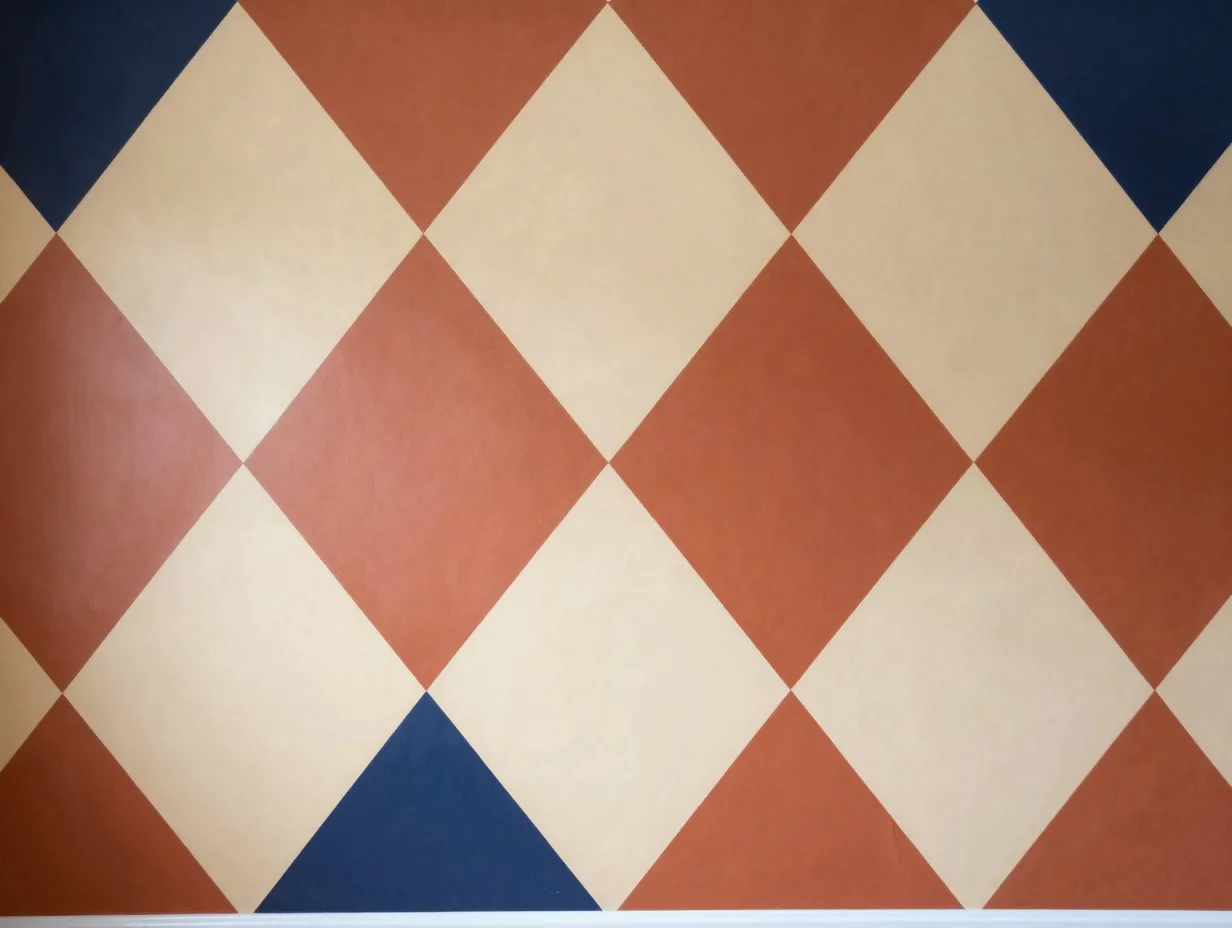
Geometric accent walls are one of the most budget-friendly ways to make a room pop, and they are also one of the most customizable. The concept is simple: use painter’s tape to map out a geometric pattern, triangles, diamonds, hexagons, chevrons, or abstract angular shapes, and fill each section with a different color or shade. [8]
The key to making geometric color-blocking look intentional rather than chaotic is color discipline. Choose two to three colors maximum, and make sure they share a common undertone. A warm navy, a warm terracotta, and a warm cream will always look cohesive together. A cool grey, a warm coral, and a bright yellow will fight each other.
Best rooms: Children’s rooms, home offices, living rooms, entryways.
DIY difficulty: Low. Requires only paint, painter’s tape, a level, and patience.
Cost range: $0.50,$2 per square foot (paint only).
Pro tip: Use a chalk line or laser level to map your geometry before applying tape. Eyeballing angles always leads to regret.
4. Microcement and Polished Concrete Finishes
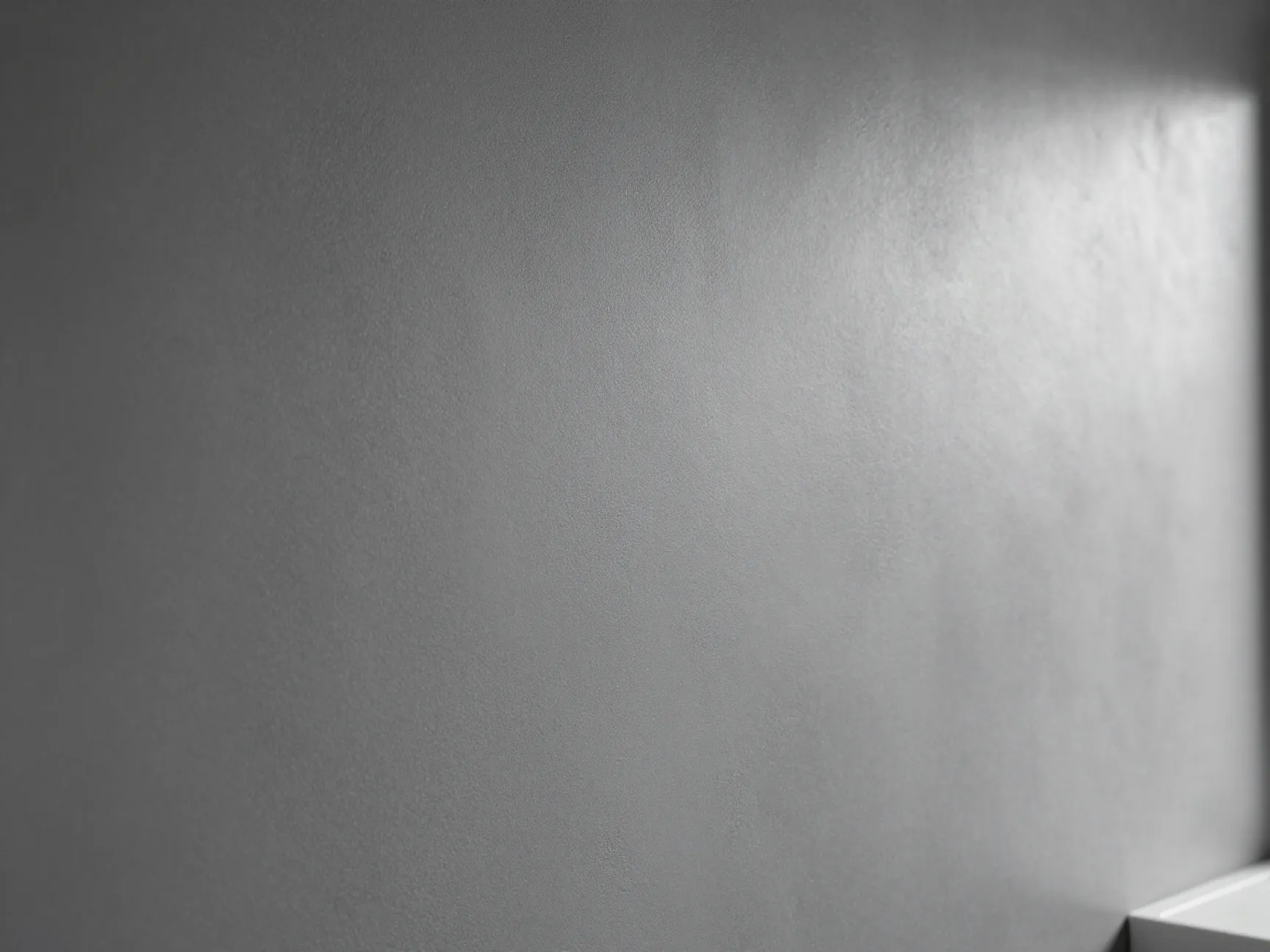
Microcement is the material that bridges the gap between industrial and luxury. It is a thin-coat cement-based material applied directly over existing walls to create a seamless, matte surface that looks like polished concrete but weighs almost nothing and can go over drywall. [3]
In 2026, microcement accent walls are appearing in bathrooms, kitchens, and living rooms as a sophisticated alternative to tile or paint. The finish is waterproof when sealed, making it one of the few accent wall options that works in wet areas. Colors range from near-white to charcoal to warm sand, and the texture can be adjusted from silky smooth to lightly grained.
Best rooms: Bathrooms, kitchens, living rooms, home spas.
DIY difficulty: High. Professional application is strongly recommended for best results.
Cost range: $8,$20 per square foot professionally applied.
5. Large-Scale Wallpaper Murals
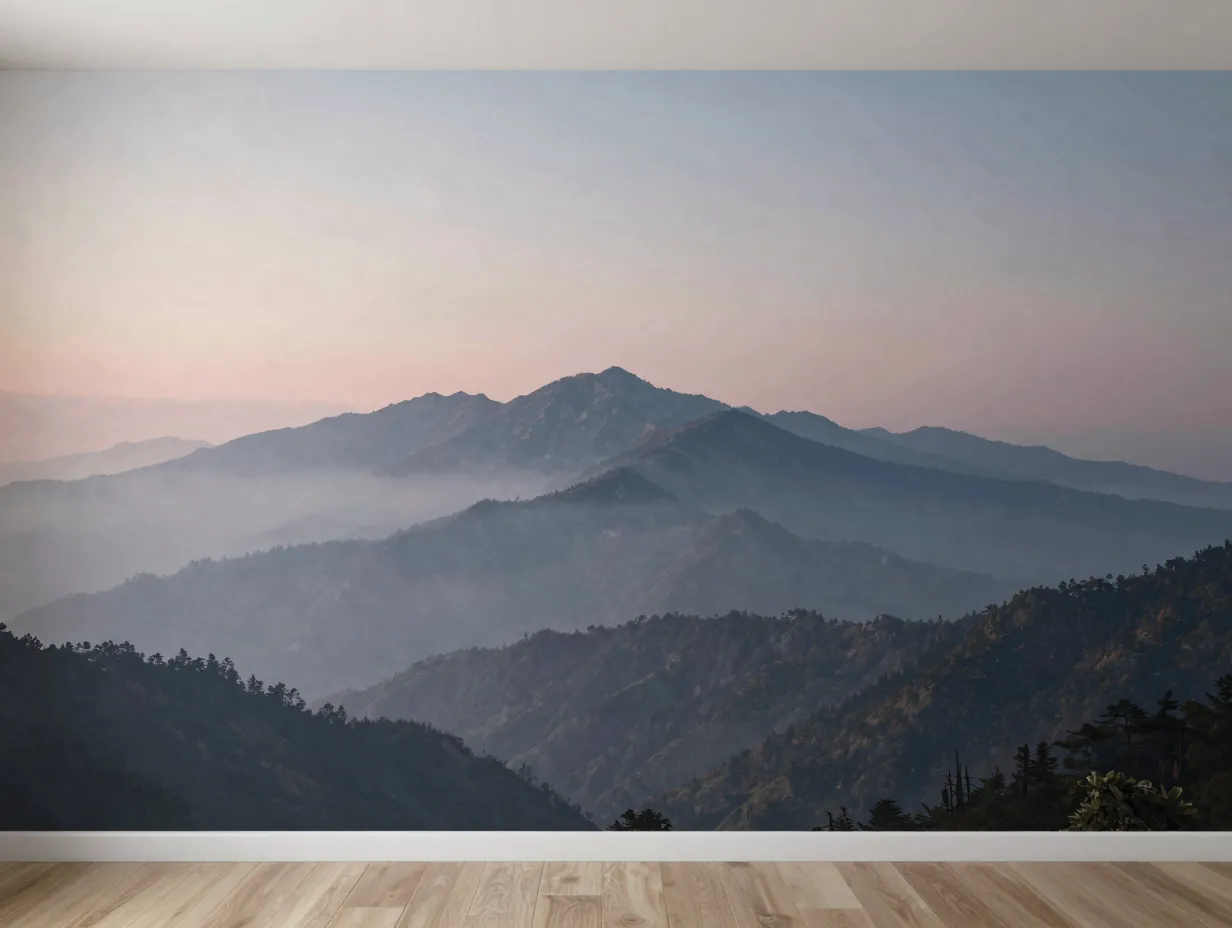
The wallpaper mural has evolved far beyond the faded pastoral scenes of the 1970s. In 2026, large-scale murals printed on high-resolution digital paper can turn a single wall into a floor-to-ceiling photograph of a Japanese forest, an abstract expressionist painting, an architectural blueprint, or a moody underwater scene. [7]
What makes murals so powerful as accent wall designs is their ability to transport a room. A small bedroom with a mural of a misty mountain range behind the bed suddenly feels expansive. A narrow hallway with a mural of a tree-lined path feels like it has somewhere to go.
Best rooms: Bedrooms, dining rooms, hallways, children’s rooms.
DIY difficulty: Low to moderate. Most modern peel-and-stick mural papers are designed for DIY installation.
Cost range: $2,$10 per square foot for peel-and-stick; $5,$20 per square foot for traditional paste murals.
“A well-chosen mural does not just decorate a wall, it redefines the entire spatial experience of a room.” [7]
6. Shiplap and Board-and-Batten Paneling
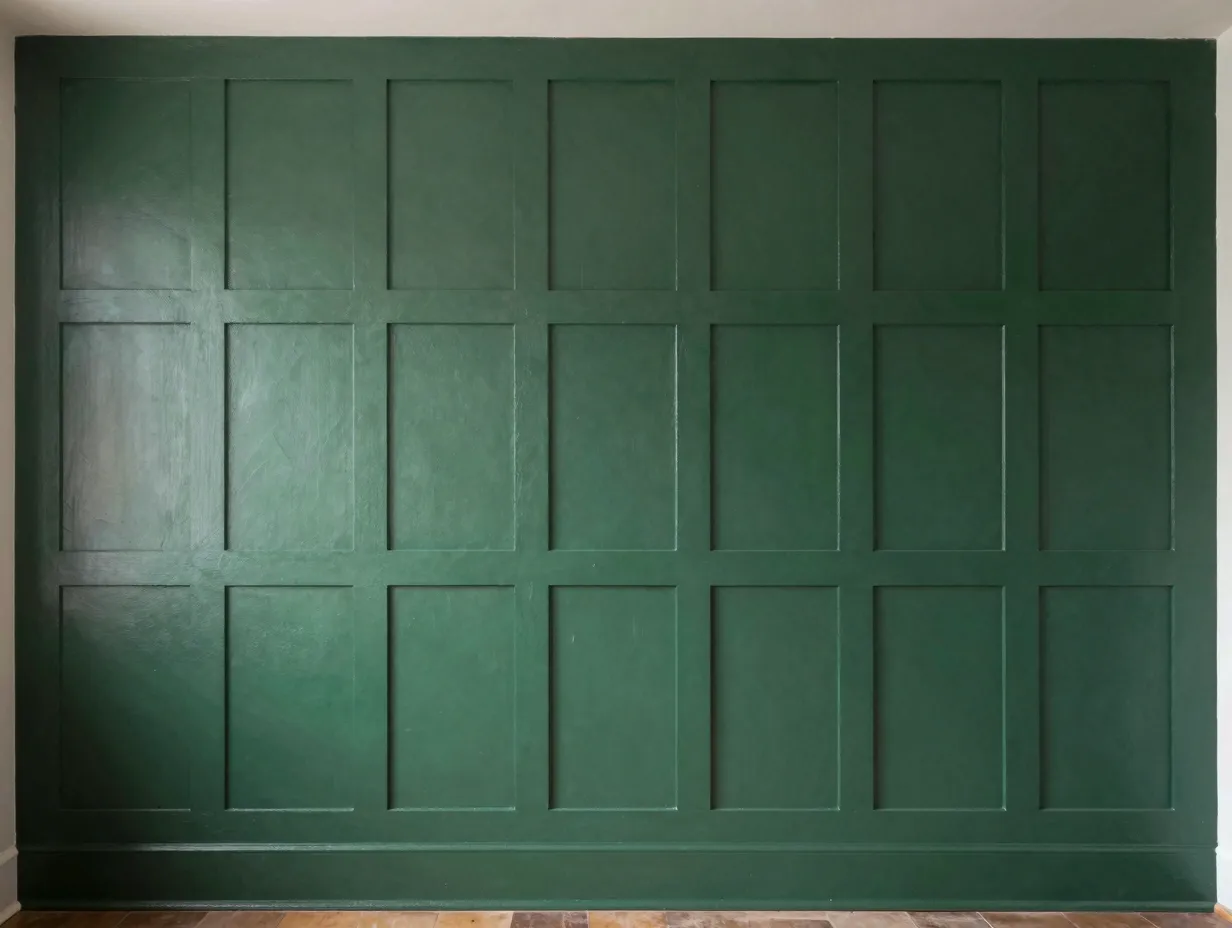
Shiplap and board-and-batten have moved well beyond their farmhouse-style origins. In 2026, both techniques are being used in contemporary, transitional, and even minimalist interiors by painting the panels in deep, unexpected colors, forest green, navy, charcoal, terracotta, rather than the traditional white. [10]
Shiplap consists of horizontal planks with a small gap between each one, creating a subtle shadow line that adds texture and rhythm to a wall.
Board-and-batten uses wide flat panels (boards) with narrower strips (battens) placed over the seams, creating a grid-like pattern that can be scaled from subtle to dramatic depending on the spacing.
Both options add architectural interest and a sense of craftsmanship that paint alone cannot replicate. [4]
Best rooms: Living rooms, dining rooms, mudrooms, bedrooms.
DIY difficulty: Low to moderate.
Cost range: $2,$8 per square foot.
7. Statement Tile Accent Walls
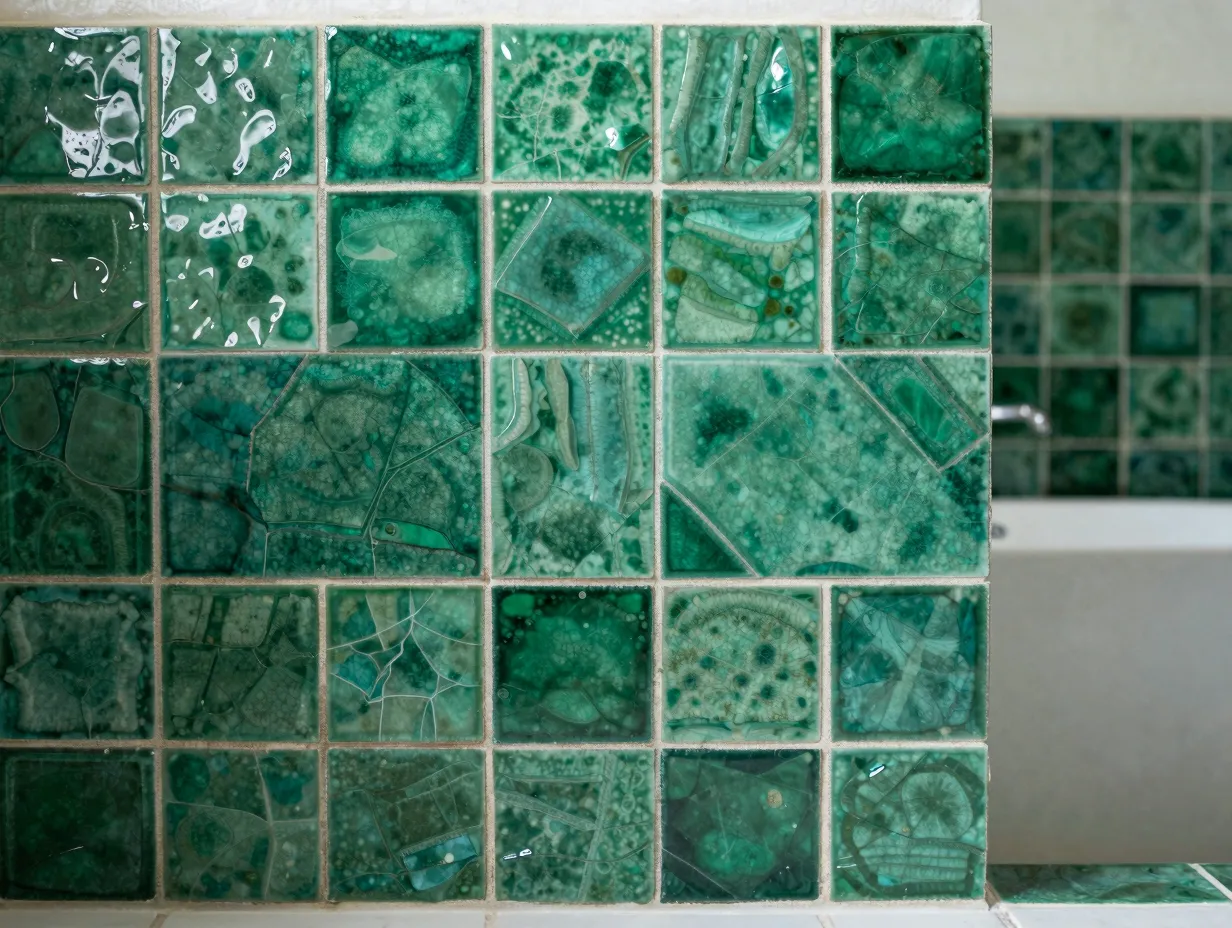
Tile is no longer just for floors and shower surrounds. A statement tile accent wall, particularly in a bathroom, kitchen, or dining room, is one of the most durable and visually striking accent wall options available. [5]
In 2026, the strongest tile trends for accent walls include:
- Zellige tile: Hand-made Moroccan clay tiles with an irregular, jewel-like surface that catches light beautifully. Available in rich jewel tones and earthy neutrals.
- Fluted ceramic tile: Vertical ridges on each tile that echo the wood slat trend in a harder, more permanent material.
- Large-format marble-look porcelain: Slabs of 24×48 inch porcelain with realistic marble veining, creating a seamless, luxurious backdrop.
- Handmade terracotta tile: Warm, imperfect, and deeply textural. Works beautifully in kitchens and dining rooms.
Best rooms: Bathrooms, kitchens, dining rooms.
DIY difficulty: Moderate to high. Tile setting requires skill and the right tools.
Cost range: $5,$40 per square foot depending on tile type.
8. Fluted and Carved Three-Dimensional Wall Panels
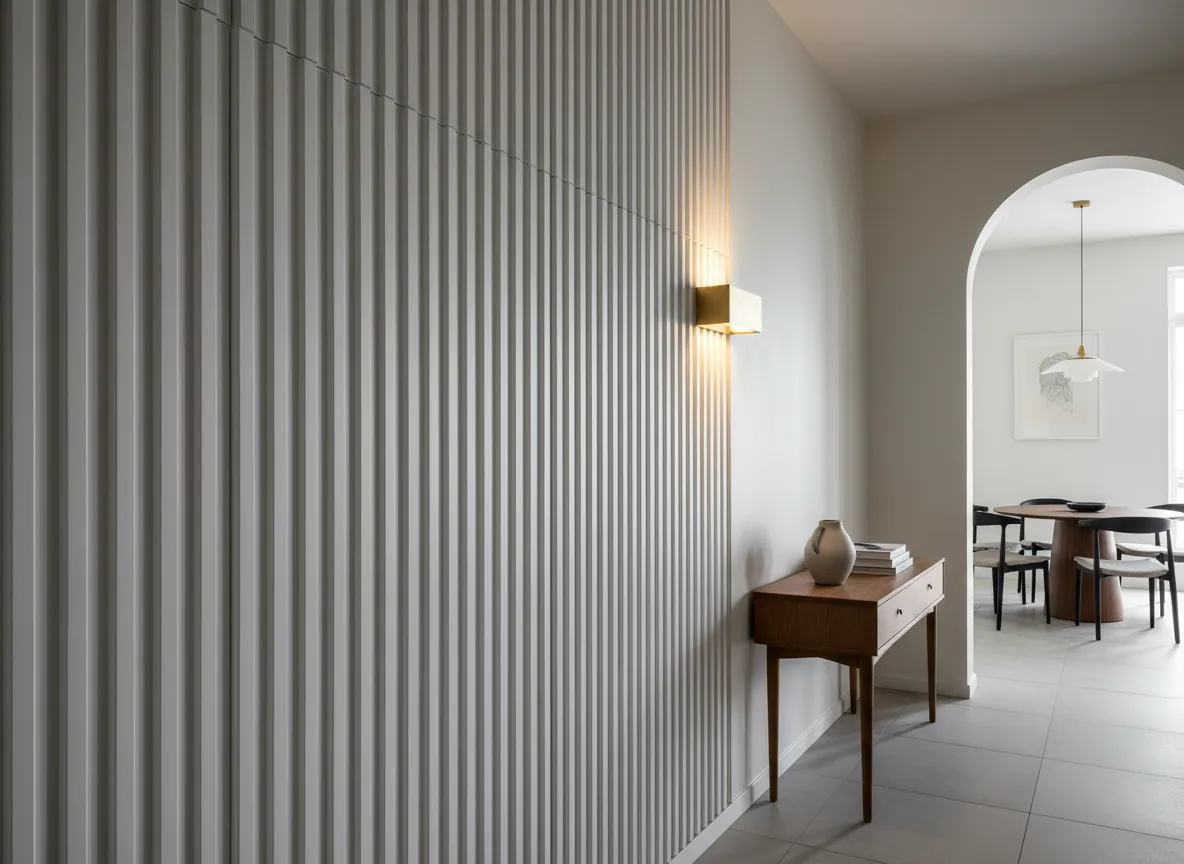
Fluted panels, surfaces with evenly spaced vertical grooves carved or molded into them, are one of 2026’s most discussed accent wall trends. [9] They appear in wood, gypsum, MDF, and even plaster, and their defining quality is the way they interact with light. Every groove casts a small shadow, and as the light in a room shifts throughout the day, the wall appears to change character.
Three-dimensional carved panels take this concept further, with geometric or organic relief patterns pressed into plaster or resin panels. These are particularly striking in entryways and dining rooms where a single dramatic wall is the entire design statement.
Best rooms: Entryways, dining rooms, primary bedrooms, living rooms.
DIY difficulty: Low to moderate for pre-made panel systems; high for custom plaster carving.
Cost range: $6,$25 per square foot.
Key design tip: Fluted walls pair exceptionally well with warm, directional lighting. A wall-mounted sconce or a recessed spotlight aimed at a 45-degree angle will maximize the shadow play and make the texture look three times as dramatic.
9. Bold Single-Color Deep Paint Accent Walls
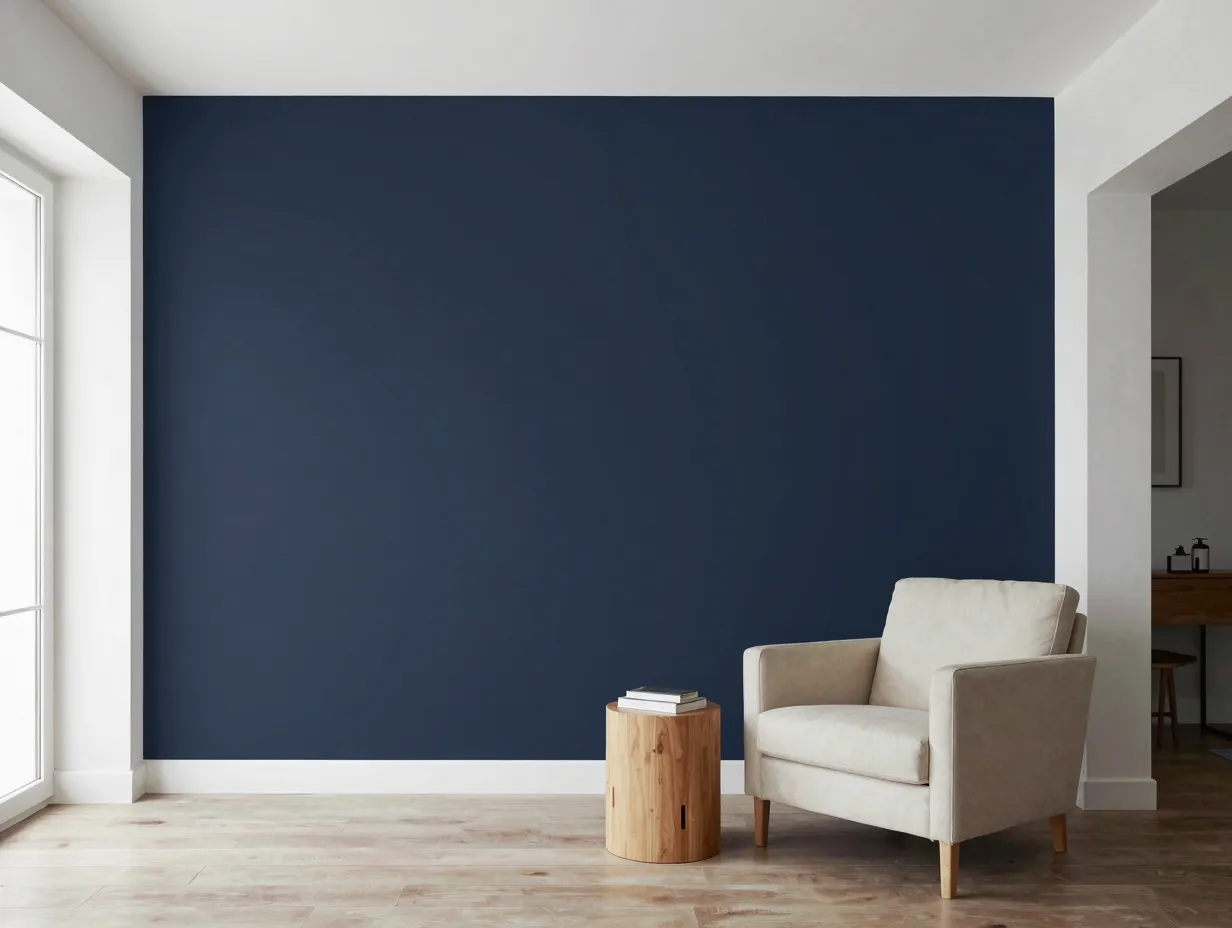
Sometimes the most powerful design move is the simplest one. A single wall painted in a deeply saturated, unexpected color, think midnight blue, forest green, burnt sienna, or near-black charcoal, can transform a room more dramatically than any textured finish or complex pattern. [2]
The reason this works so well is contrast. When one wall is dramatically darker or more saturated than the other three, it creates an instant sense of depth and dimension. The room appears larger because the eye reads the dark wall as being farther away. Furniture placed against it pops forward visually, making the entire space feel more layered and intentional.
In 2026, the most compelling single-color accent wall choices lean toward:
- Midnight navy (pairs with brass hardware and warm wood)
- Deep forest green (pairs with natural linen, rattan, and terracotta)
- Charcoal near-black (pairs with white trim and light oak furniture)
- Warm terracotta red (pairs with cream, sand, and dark bronze)
- Dusty mauve (pairs with blush, ivory, and pale grey)
Best rooms: Any room. This is the most universally applicable accent wall design.
DIY difficulty: Very low. Standard paint application.
Cost range: $0.50,$2 per square foot.
“A deeply saturated single-color accent wall is the fastest, most affordable, and most reversible way to give a room a genuine identity.” [2]
How to Layer Multiple Accent Wall Techniques
The 9 accent wall designs that will make any room pop do not have to be used in isolation. Some of the most striking interiors in 2026 layer two techniques on the same wall, for example, a deep forest green paint as the base color with vertical MDF slats mounted on top, creating both color drama and three-dimensional texture simultaneously. [9]
A few proven combinations:
- Bold paint + wood slats: Paint the wall a deep color first, then mount natural wood slats over it. The dark color visible between the slats creates depth and makes the wood grain pop.
- Limewash + wall sconces: The shifting, organic texture of limewash is amplified by directional lighting. Pair with brass or matte black sconces for maximum effect.
- Geometric color-blocking + wallpaper panel: Use geometric tape lines to divide the wall, then apply a textured wallpaper in one of the sections rather than paint. The contrast of smooth painted sections against textured wallpaper is visually rich.
- Shiplap + bold paint: Paint horizontal shiplap in a deep, moody color to update the traditional farmhouse look into something more contemporary and dramatic. [10]
Common Mistakes to Avoid
Even the best accent wall design can fall flat if a few fundamental mistakes are made. Here are the most common ones:
Choosing the wrong wall. Not every wall in a room is a good accent wall candidate. Walls broken up by multiple windows, doors, or large built-ins are difficult to work with. The best accent wall is usually the largest uninterrupted surface in the room.
Going too light. A common fear of commitment leads homeowners to choose accent wall colors that are only slightly different from the other walls. The result is a wall that looks like a mistake rather than a design decision. Commit to contrast.
Ignoring the ceiling. In rooms with high ceilings, extending the accent wall treatment to the ceiling, or painting the ceiling the same deep color, creates a cocooning effect that feels intentional and luxurious. [5]
Forgetting about furniture placement. An accent wall only works as a focal point if the furniture arrangement supports it. The main seating or sleeping surface should face or be anchored against the accent wall.
Skipping primer. For deep colors and textured finishes, primer is not optional. Skipping it leads to uneven coverage, color shifting, and poor adhesion for textured materials.
Conclusion
The 9 accent wall designs that will make any room pop, from the ancient warmth of limewash plaster to the architectural precision of fluted panels to the bold simplicity of a deep single-color statement wall, share one common quality: they give a room a reason to exist. They transform a box of four walls into a space with a point of view.
Here are your actionable next steps:
- Walk through your home and identify the one room that feels the most unresolved. Stand at the entrance and note which wall your eye goes to first. That is your accent wall candidate.
- Assess your budget and timeline. If you have a weekend and $200, start with a bold deep-paint wall or a geometric color-block design. If you have a month and a larger budget, explore wood slat panels or microcement.
- Pull three to five inspiration images from design platforms and identify which of the 9 designs appears most often. That is your instinct telling you what you actually want.
- Order samples before committing. For paint, test at least a 12×12 inch swatch on the actual wall and observe it at different times of day. For textured materials, order physical samples and hold them against your existing furniture.
- Start with one room. The confidence you gain from a single successful accent wall will make the next one easier and bolder.
A single wall, done right, changes everything.
References
[1] 2025 Accent Wall Trends Design Inspiration – https://www.housedigest.com/1804093/2025-accent-wall-trends-design-inspiration/
[2] Stunning Accent Wall Ideas – https://that1painter.com/waco/stunning-accent-wall-ideas/
[3] Accent Wall Design Trends 2026 Top Decor Ideas Amp Inspiration – https://accentwallsceiling.com/blog/accent-wall-design-trends-2026-top-decor-ideas-amp-inspiration
[4] Accent Wall – https://that1painter.com/marble-falls/news/accent-wall/
[5] Accent Wall Ideas 2026 – https://chattelsdesign.com/blogs/accent-wall-ideas-2026/
[6] Accent Wall Ideas – https://www.architecturaldigest.com/story/accent-wall-ideas
[7] 10 Accent Wall Ideas To Transform Your Home 2026 Tips – https://www.theinteriorful.com/post/10-accent-wall-ideas-to-transform-your-home-2026-tips
[8] Accent Wall Ideas – https://styleyoursanctuary.com/2025/05/23/accent-wall-ideas/
[9] 25 Accent Wall Bedroom Ideas For 2026 15 Trend Setting Designs For The Year Ahead – https://improvewood.com/25-accent-wall-bedroom-ideas-for-2026-15-trend-setting-designs-for-the-year-ahead/
[10] 25 Accent Wall Ideas To Elevate Your Home – https://www.tollbrothers.com/blog/25-accent-wall-ideas-to-elevate-your-home