8 Stunning Vertical Shiplap Wall Ideas for Modern Farmhouse Style
Vertical lines on a wall do something almost architectural, they add height, drama, and a sense of purpose that horizontal boards simply cannot replicate. In 2026, shiplap is no longer about covering every surface in a room. Design experts now agree that strategic placement beats full coverage every time [1]. That shift has opened the door for vertical shiplap to become one of the most versatile and visually striking tools in the modern farmhouse toolkit. If you have been searching for ways to bring character and warmth into your home without a full renovation, these 8 stunning vertical shiplap wall ideas for modern farmhouse style will give you exactly the inspiration you need.
Disclosure: This post contains affiliate links. As an Amazon Associate, we earn from qualifying purchases, and at no extra cost to you.
I have spent considerable time researching, testing, and living with shiplap in my own home, and I can tell you firsthand that the orientation of your planks changes everything. Horizontal shiplap reads as cozy and traditional. Vertical shiplap reads as tall, modern, and intentional, which is precisely why it fits so well within the modern farmhouse aesthetic.
Key Takeaways
- Vertical shiplap draws the eye upward, making rooms feel taller and more spacious than horizontal installations.
- Strategic placement on a single accent wall or half wall delivers more visual impact than full-room coverage [1].
- Paint color dramatically changes the mood of vertical shiplap, from airy white to bold navy or warm greige.
- Vertical shiplap works in every room, including living rooms, bedrooms, entryways, bathrooms, and dining spaces.
- DIY installation is achievable for most homeowners, but proper planning and material choice are critical to a clean result [5].
Why Vertical Shiplap Works So Well in Modern Farmhouse Design
Before diving into the specific ideas, it helps to understand why vertical shiplap has earned such a prominent place in modern farmhouse interiors. The modern farmhouse style balances rustic warmth with clean, contemporary lines. Vertical planks naturally support both sides of that equation. The wood texture delivers the rustic warmth, while the strong vertical geometry delivers the clean, architectural line.
According to design professionals, placement is the dominant trend shaping shiplap use in 2026 [1]. Homeowners are moving away from wrapping every wall in a room and instead choosing one focal surface, a fireplace wall, a headboard wall, or an entryway panel, and making it count. Vertical orientation amplifies that focal effect because the eye travels upward along each plank, reinforcing the height of the space.
Shiplap itself is a wood paneling style defined by its rabbeted or grooved edges, which allow boards to overlap slightly and create a distinctive shadow line between each plank [3]. That shadow line is what gives shiplap its texture and depth. When boards run vertically, those shadow lines become vertical stripes that elongate any surface they touch.
The result is a wall treatment that feels both timeless and fresh, exactly what modern farmhouse design demands.
8 Stunning Vertical Shiplap Wall Ideas for Modern Farmhouse Style
1. The Classic White Vertical Accent Wall
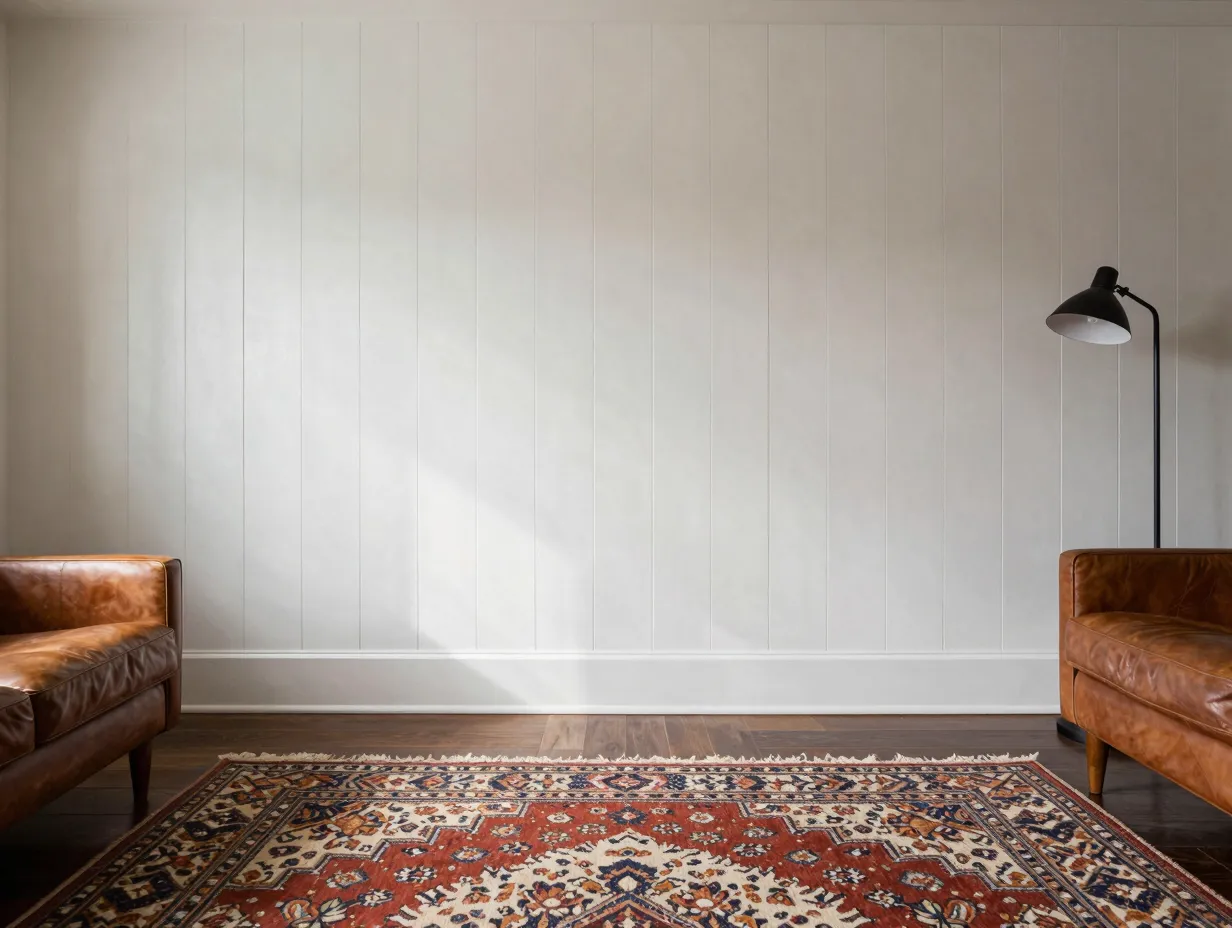
White vertical shiplap is the foundational look of modern farmhouse design, and it remains the most searched and most executed version for good reason. A single wall of floor-to-ceiling white vertical planks transforms an ordinary living room into something that feels curated and intentional.
The key to making this idea work is contrast. White shiplap needs something to push against, dark hardwood floors, warm leather furniture, black iron hardware, or a bold area rug. Without contrast, the wall blends into the background and loses its impact.
Best rooms for this look: Living rooms, primary bedrooms, dining rooms.
Pro tip: Use a semi-gloss or satin finish rather than flat paint on your shiplap. The slight sheen catches light along the vertical shadow lines and enhances the three-dimensional quality of the planks [2].
I painted my own living room shiplap wall in a warm white (Benjamin Moore’s Chantilly Lace) and the difference in how the room felt was immediate. The ceiling appeared at least a foot taller, and guests consistently comment on it.
2. The Vertical Shiplap Half Wall
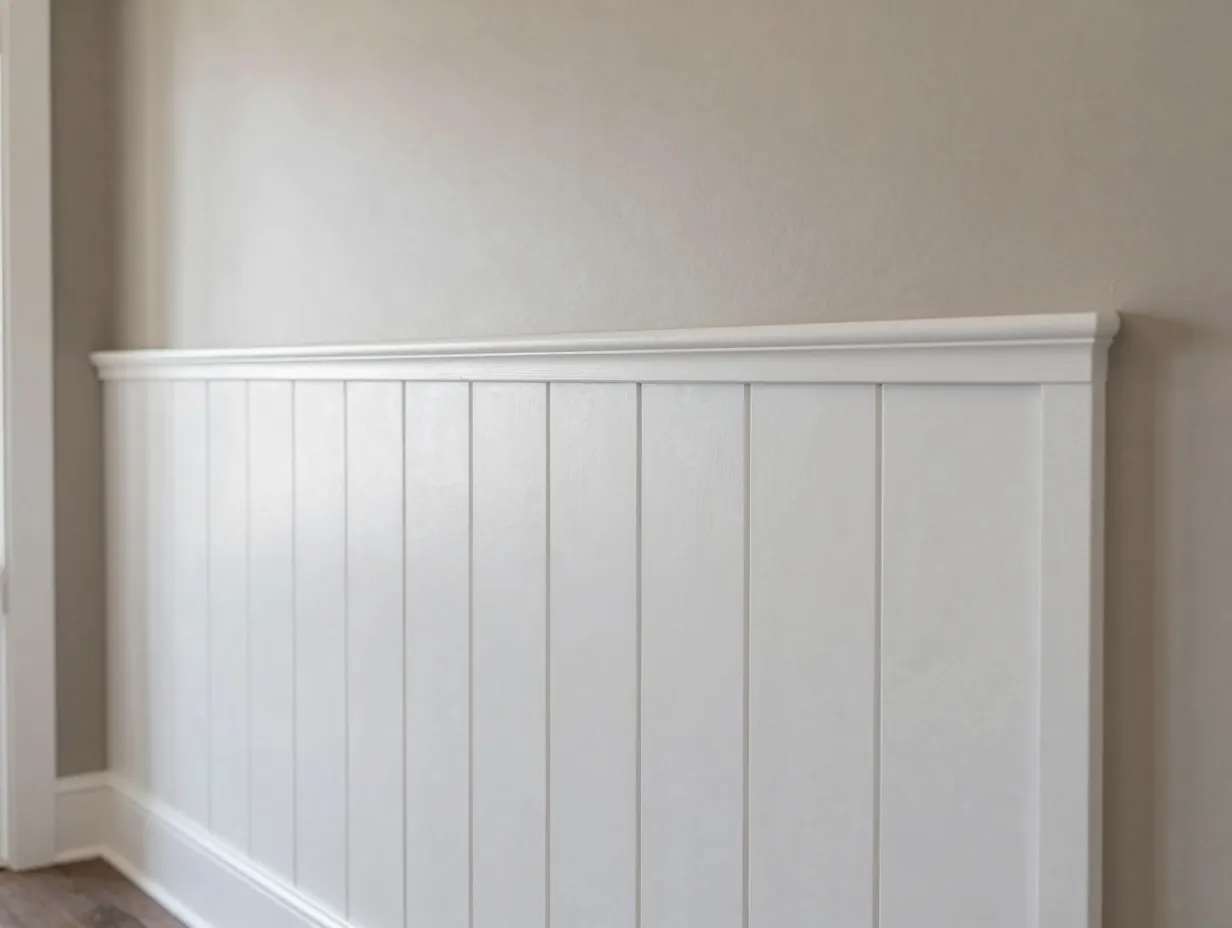
One of the most practical and design-forward applications of vertical shiplap is the half wall treatment. Rather than running planks from floor to ceiling, you install vertical shiplap from the floor to roughly chair-rail height, typically 36 to 48 inches, and leave the upper wall painted or wallpapered [5].
This approach is a go-to modern farmhouse detail in 2026 because it adds texture and architectural interest without overwhelming a smaller space [5]. It also costs less to install and is significantly easier for a DIY project.
The half wall works especially well in entryways, hallways, mudrooms, and bathrooms. In those tighter spaces, full-height shiplap can feel heavy. The half wall version gives you the farmhouse character without closing the room in.
Finishing the top edge: Cap the top of your vertical shiplap half wall with a flat piece of trim or a small shelf. That cap line creates a clean visual break and gives the installation a polished, intentional look [10].
Color pairing idea: White or light gray shiplap on the bottom half, a warm greige or soft sage on the upper wall. The contrast is subtle but sophisticated.
3. Vertical Shiplap Behind a Fireplace
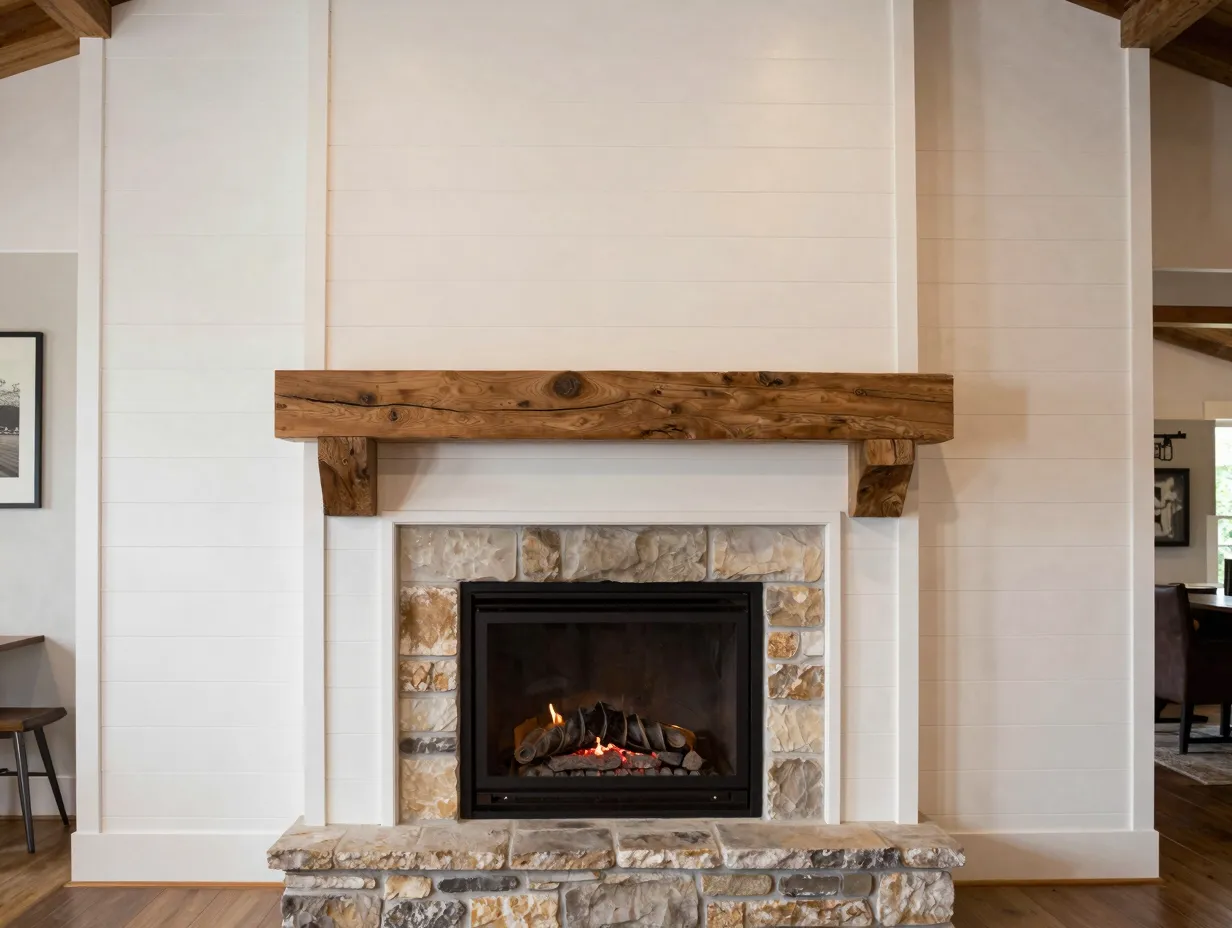
A fireplace surround is one of the most natural homes for vertical shiplap in a modern farmhouse interior. Running planks vertically on the wall behind and around a fireplace creates a dramatic focal point that anchors the entire room.
The vertical orientation is particularly effective here because it draws the eye upward from the firebox toward the ceiling, making the fireplace feel grander and more architectural than it might actually be. This is a smart trick in rooms with standard 8-foot ceilings that need a visual lift.
Material note: If your shiplap will be installed close to a working fireplace, use a fire-resistant material or maintain the required clearance distances specified by your local building code. Many designers use MDF shiplap boards for this application because they can be primed and painted to look identical to wood while offering slightly better fire resistance at a distance [3].
Styling the mantel: Pair vertical shiplap behind a fireplace with a thick, rough-hewn wood mantel shelf. The contrast between the refined vertical lines of the shiplap and the raw, organic texture of the wood beam is the essence of modern farmhouse balance [4].
4. Vertical Shiplap in the Bedroom as a Headboard Wall
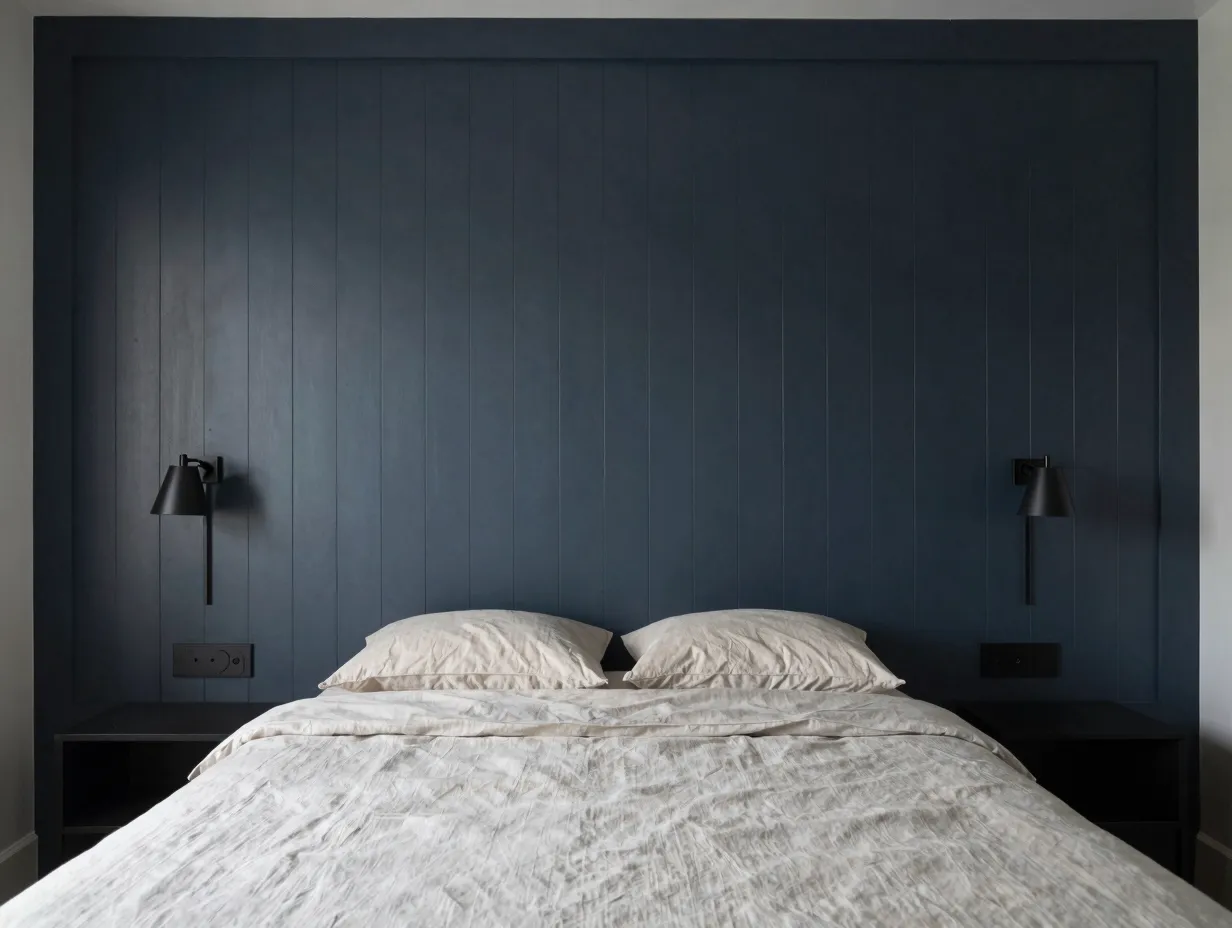
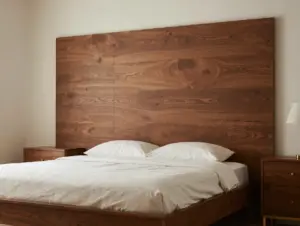
The bedroom headboard wall is one of the most impactful places to install vertical shiplap. It creates a built-in, architectural headboard effect that is far more interesting than a standard painted wall, and it costs a fraction of a custom upholstered headboard.
Design professionals consistently recommend the bedroom as an ideal location for shiplap accent walls because the material adds warmth and texture to a space that benefits most from a cozy, enveloping atmosphere [9]. Vertical planks on a headboard wall take that coziness and add a sense of height and drama that horizontal boards do not provide.
Color options for bedroom shiplap:
- Crisp white for a bright, airy Scandinavian-farmhouse feel
- Warm greige or taupe for a grounded, organic look
- Deep charcoal or navy for a moody, sophisticated bedroom
Lighting integration: Consider adding wall sconces directly onto the vertical shiplap wall on either side of the bed. The sconces mount cleanly to the plank surface, and the vertical shadow lines of the shiplap frame them beautifully [9].
5. Vertical Shiplap in the Entryway
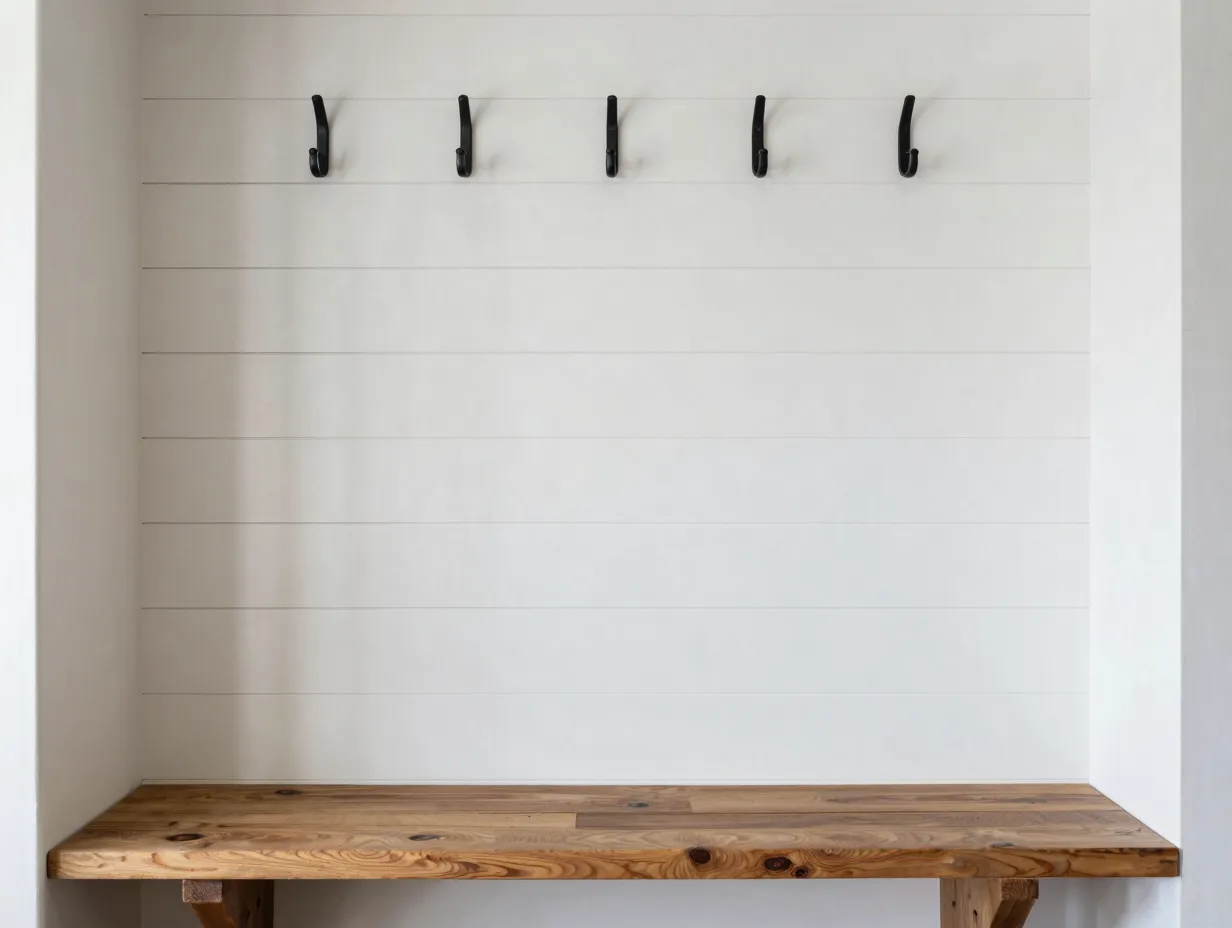
First impressions matter, and a vertical shiplap entryway wall delivers one of the strongest first impressions in modern farmhouse design. The entryway is also one of the most forgiving spaces for a first-time shiplap installation because it is typically a small, contained area.
Running vertical planks in an entryway, either as a full accent wall or as a half wall with a cap rail, immediately signals that the home has been thoughtfully designed. It sets the tone for every room beyond it [7].
Practical addition: Combine vertical shiplap in the entryway with built-in hooks, a floating bench, or a small shelf. The shiplap provides the backdrop, and the functional elements give the space purpose. This combination is a hallmark of modern farmhouse mudroom design [4].
Paint consideration: Entryways take a beating. Use a durable, washable paint finish, eggshell or satin, on your shiplap so that scuffs and fingerprints wipe away cleanly.
6. Vertical Shiplap in the Bathroom
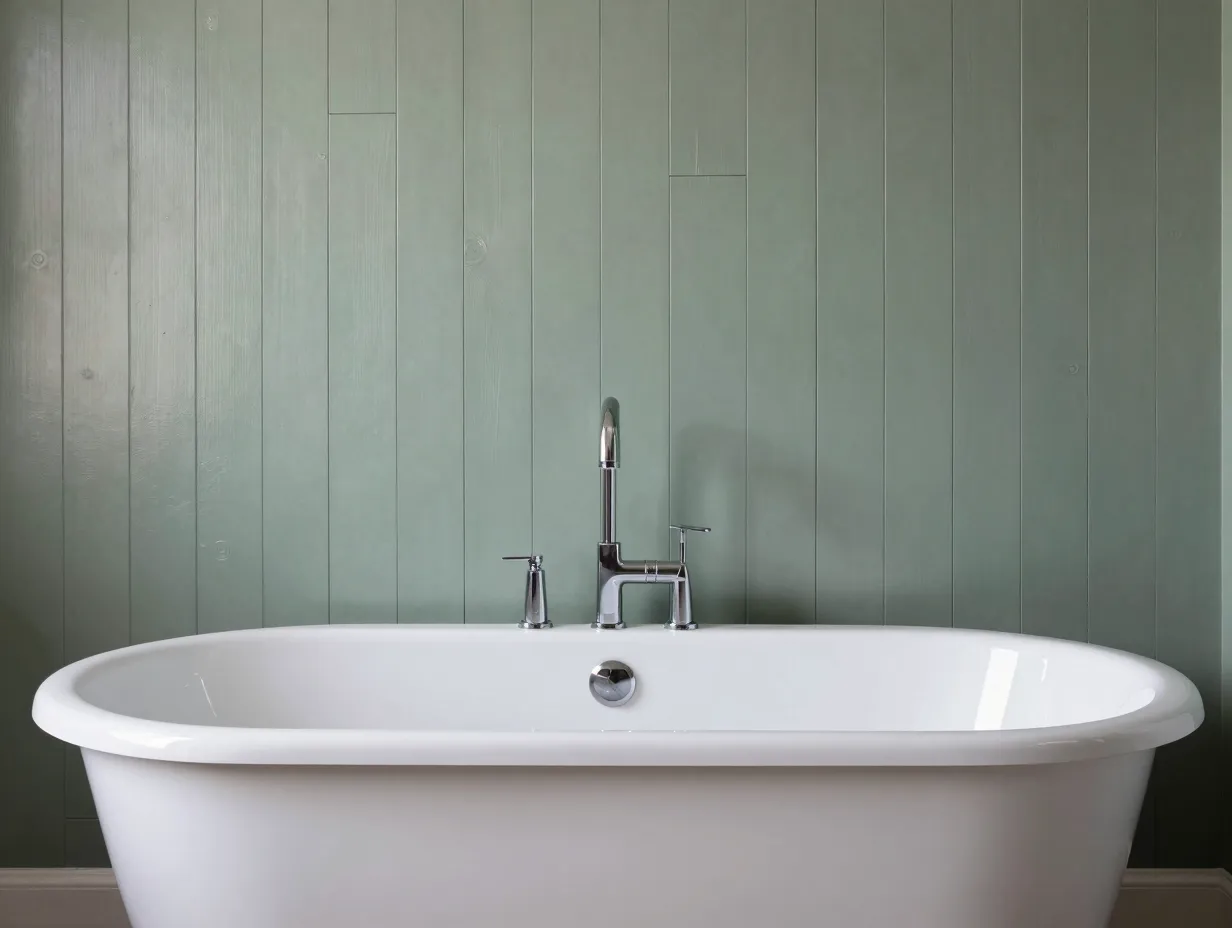
Bathrooms are an underused canvas for vertical shiplap, and that is a missed opportunity. A vertical shiplap accent wall behind a freestanding tub or behind a vanity creates a spa-like, boutique-hotel atmosphere that aligns perfectly with modern farmhouse sensibility.
The vertical orientation is especially valuable in bathrooms because most bathrooms are small. Vertical lines elongate the walls visually and make the ceiling feel higher, which counteracts the boxed-in feeling that many bathrooms suffer from [6].
Moisture protection is non-negotiable: In bathrooms, you must seal your shiplap boards thoroughly, all four sides and the back, before installation. Use a moisture-resistant primer and a semi-gloss or gloss topcoat. Keep shiplap away from direct water contact, such as inside a shower enclosure, unless you use a waterproof material specifically rated for wet areas [8].
Color trend for 2026: Muted sage green vertical shiplap in the bathroom is one of the standout color directions this year. It reads as natural, calm, and deeply connected to the organic materials palette that defines current modern farmhouse interiors.
7. Vertical Shiplap as a Dining Room Statement Wall
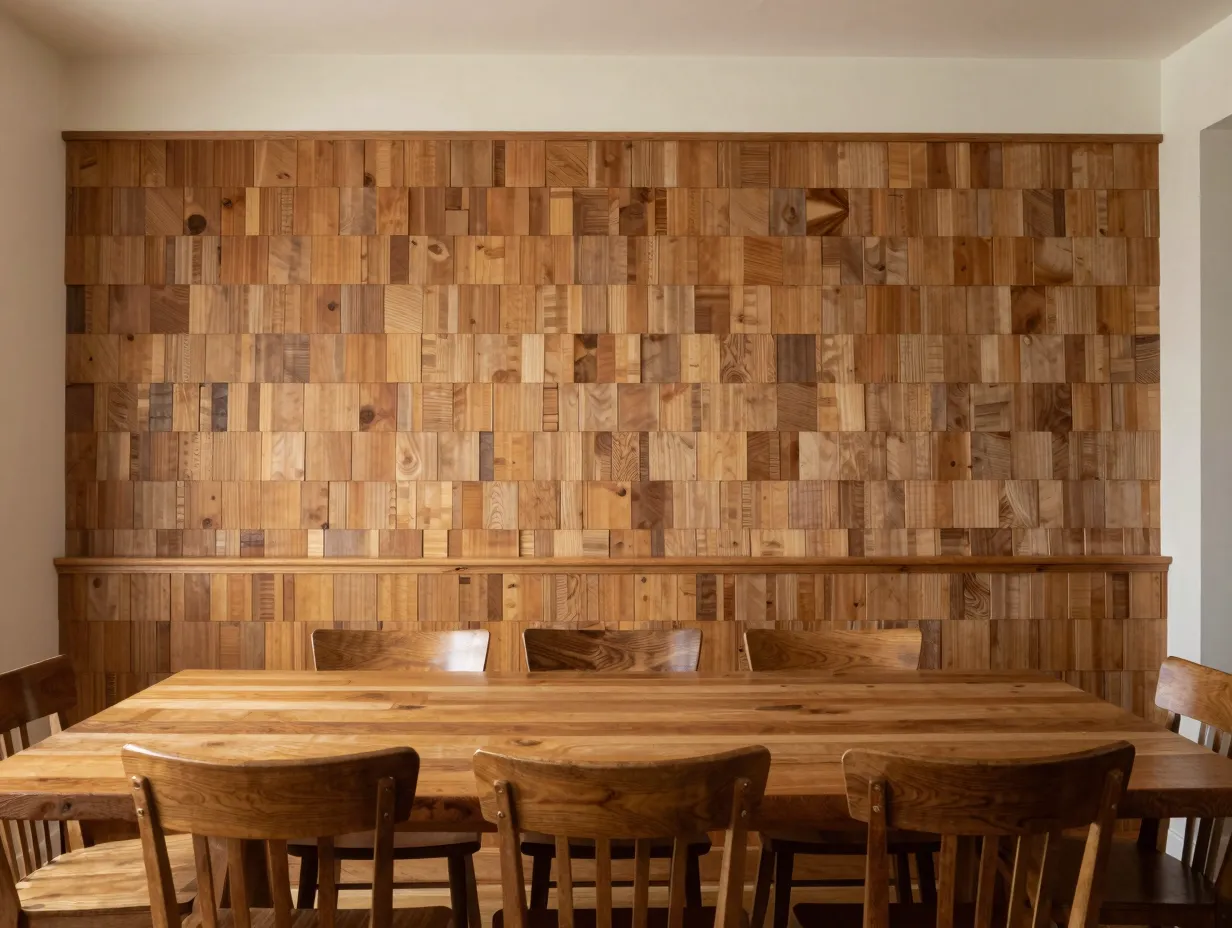
The dining room is a space where people gather, linger, and look around. A vertical shiplap statement wall in the dining room rewards that lingering gaze with texture, warmth, and architectural interest that a flat painted wall simply cannot provide.
The most effective approach in a dining room is to install vertical shiplap on the wall that your dining table faces, typically the wall opposite the entrance to the room. This positions the shiplap as the backdrop for every meal and every gathering, making it a constant presence without being overwhelming [2].
Combining with wainscoting: A sophisticated variation on this idea is to install vertical shiplap as the lower wainscoting panel in a dining room, with a picture rail or chair rail cap at the top. This approach layers architectural detail in a way that feels historically grounded and contemporary at the same time.
Table: Vertical Shiplap Dining Room Color Pairings
| Shiplap Color | Wall Above Color | Overall Mood |
|---|---|---|
| Crisp White | Warm Greige | Bright and welcoming |
| Soft Gray | Deep Navy | Dramatic and elegant |
| Natural Wood Tone | Warm White | Organic and relaxed |
| Sage Green | Cream | Fresh and nature-inspired |
8. Vertical Shiplap with Bold Color for a Modern Twist
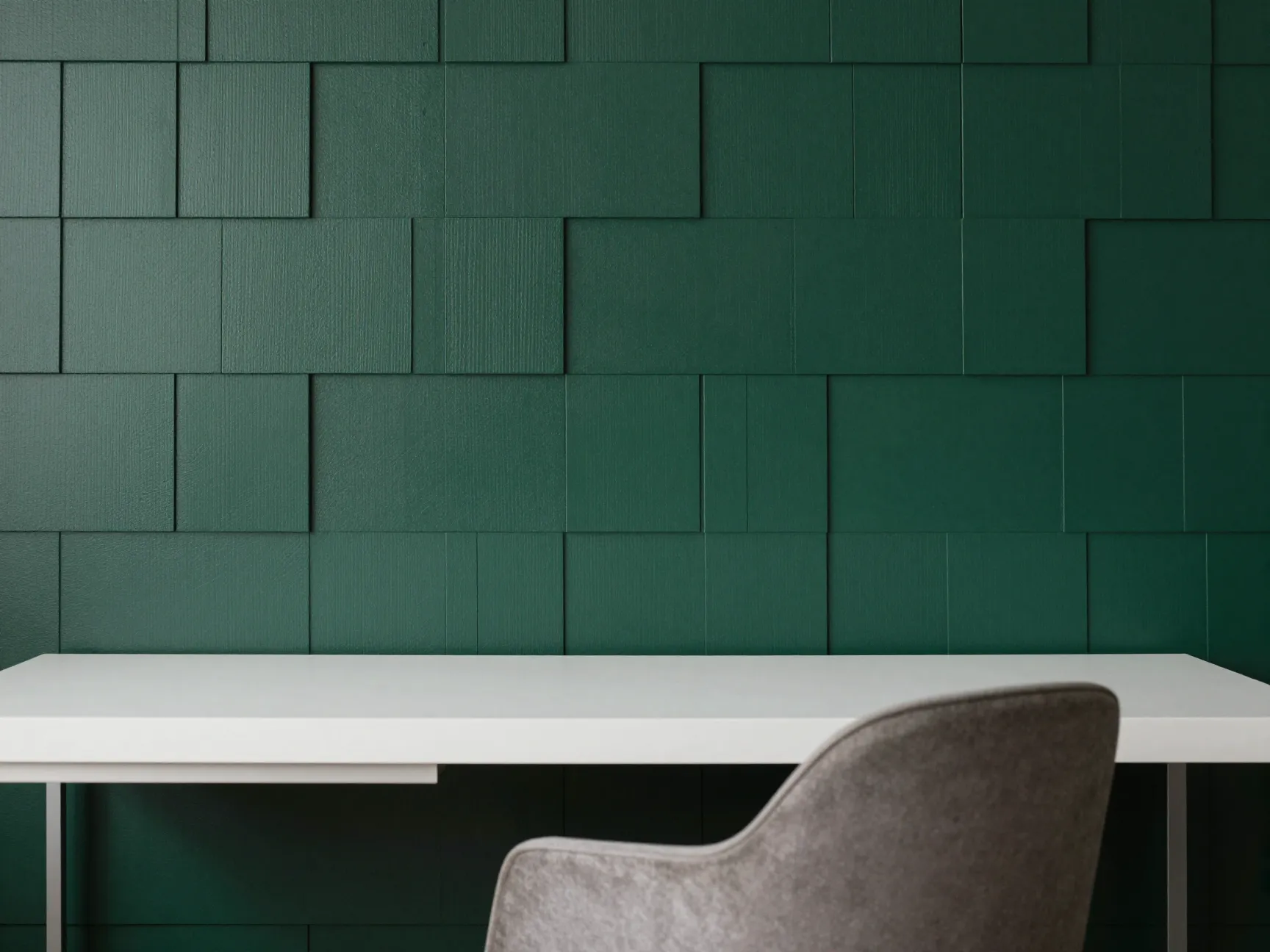
The final idea on this list is the one that pushes modern farmhouse style into genuinely contemporary territory. Painting vertical shiplap in a bold, unexpected color, deep navy, forest green, terracotta, or even black, transforms the material from a rustic farmhouse staple into a sophisticated design statement.
This approach works because the texture of the shiplap planks reads as warm and tactile even when the color is bold and modern. The shadow lines between vertical planks become even more pronounced in dark colors, adding a layer of depth and drama that flat painted walls cannot achieve.
Where to use bold-color vertical shiplap:
- A home office feature wall in deep hunter green
- A powder room fully wrapped in matte black vertical shiplap
- A primary bedroom headboard wall in moody slate blue
- A kitchen island backdrop in warm terracotta
A word of caution: Bold color vertical shiplap is a strong design choice. Use it in rooms where you want to create a deliberate mood, and balance it with lighter, simpler elements in the rest of the space. The contrast between the bold wall and neutral furnishings is what makes the look work [2].
Planning and Installing Vertical Shiplap: What You Need to Know
Understanding the ideas is one thing. Executing them well requires some practical knowledge. Here are the most important planning considerations before you start any vertical shiplap project.
Material choices: Shiplap boards are available in solid wood (pine is most common), MDF, and engineered wood composites. Solid pine offers the most authentic look and takes paint beautifully. MDF is more dimensionally stable and less prone to warping, making it a strong choice for interior accent walls in climate-controlled spaces [3].
Plank width matters: Narrower planks (3 to 4 inches wide) create a more refined, contemporary look. Wider planks (6 to 8 inches) read as more rustic and traditional. For modern farmhouse style, a 4 to 6 inch plank width tends to strike the best balance.
Finding studs: Vertical shiplap must be nailed or screwed into wall studs for a secure installation. Because the planks run vertically, each plank will cross multiple studs, which actually makes vertical installation structurally straightforward [5].
Gap spacing: The gap between planks, typically 1/8 to 1/4 inch, creates the shadow line that defines the shiplap look. Use a consistent spacer (a coin works well) to maintain even gaps throughout the installation.
Acclimate your wood: Before installation, let your wood shiplap boards sit in the room where they will be installed for at least 48 to 72 hours. This allows the wood to adjust to the room’s humidity and temperature, which reduces the risk of warping or gapping after installation [8].
Common Mistakes to Avoid with Vertical Shiplap
Even experienced DIYers make avoidable errors with shiplap installations. Here are the most common ones and how to sidestep them.
Not priming all surfaces: Unprimed wood absorbs paint unevenly, resulting in a blotchy finish. Prime all faces, edges, and ends of your boards before installation and apply a finish coat after the boards are on the wall [3].
Skipping the level check: Vertical planks that are even slightly off-plumb become more obviously crooked as you move across the wall. Start with a perfectly plumb first board and check every few boards as you go.
Ignoring outlets and switches: Plan your plank layout before you start so that electrical outlets and light switches fall between planks rather than directly behind one. Cutting a clean outlet hole in shiplap is manageable, but it requires patience and a sharp jab saw.
Overcrowding the room: Vertical shiplap is a strong visual element. Resist the urge to add too many competing textures or patterns in the same room. Let the shiplap breathe by keeping the rest of the decor relatively simple.
Conclusion
The 8 stunning vertical shiplap wall ideas for modern farmhouse style covered in this article represent a range of approaches, from the approachable white half wall to the bold, color-drenched statement wall, but they all share a common thread. Each one uses vertical orientation strategically to add height, drama, and warmth to a space that deserves more than a flat painted surface.
In 2026, the smartest shiplap installations are the ones that prioritize placement over coverage [1]. You do not need to wrap an entire room. You need one well-chosen wall, the right plank width, a thoughtful color, and the confidence to commit to the look.
Here are your actionable next steps:
- Choose one room and identify the single wall that would benefit most from vertical shiplap, the wall you look at most often, the wall behind your bed, or the wall that greets you at the front door.
- Decide on your plank width and material based on your budget and the look you want to achieve.
- Select your color before you buy materials. Order paint samples and live with them on the wall for a few days before committing.
- Plan your installation carefully, accounting for studs, outlets, and the gap spacing that will define your shadow lines.
- Start small if you are new to shiplap. A half wall or a single bathroom accent wall is a manageable first project that builds confidence for larger installations.
Vertical shiplap rewards careful planning and bold decision-making in equal measure. Pick your wall, commit to the look, and let the planks do the rest.
References
[1] Shiplap Walls For 2026 Where Placement Matters More Than Coverage – https://www.homedit.com/shiplap-walls-for-2026-where-placement-matters-more-than-coverage/
[2] Shiplap Accent Wall Ideas 5184105 – https://www.thespruce.com/shiplap-accent-wall-ideas-5184105
[3] Shiplap Wall – https://www.metrie.com/the-finished-space/shiplap-wall
[4] Creative Uses Of Shiplap – https://www.tollbrothers.com/blog/creative-uses-of-shiplap
[5] Vertical Shiplap Half Wall – https://www.hello-hayley.com/vertical-shiplap-half-wall/
[6] Shiplap Wall Ideas – https://www.homenish.com/shiplap-wall-ideas/
[7] Shiplap Wall Ideas – https://www.centurycommunities.com/the-front-porch/shiplap-wall-ideas/
[8] Shiplap Wall – https://homescopes.com/interior/shiplap-wall/
[9] Shiplap Bedroom Wall 8422141 – https://www.thespruce.com/shiplap-bedroom-wall-8422141
[10] Vertical Shiplap Half Wall 2 – https://willyhomes.com/vertical-shiplap-half-wall-2/