9 Stylish Wall Corner Design Solutions for Every Room
Corners account for roughly 15 percent of usable wall space in a typical home, yet most homeowners leave them completely bare. That wasted real estate adds up fast, especially in smaller apartments where every square foot carries a premium. After spending years helping friends rethink their interiors on modest budgets, I kept noticing the same pattern: the room never felt finished, and the culprit was almost always an ignored corner.
Disclosure: This post contains affiliate links. As an Amazon Associate, we earn from qualifying purchases, and at no extra cost to you.
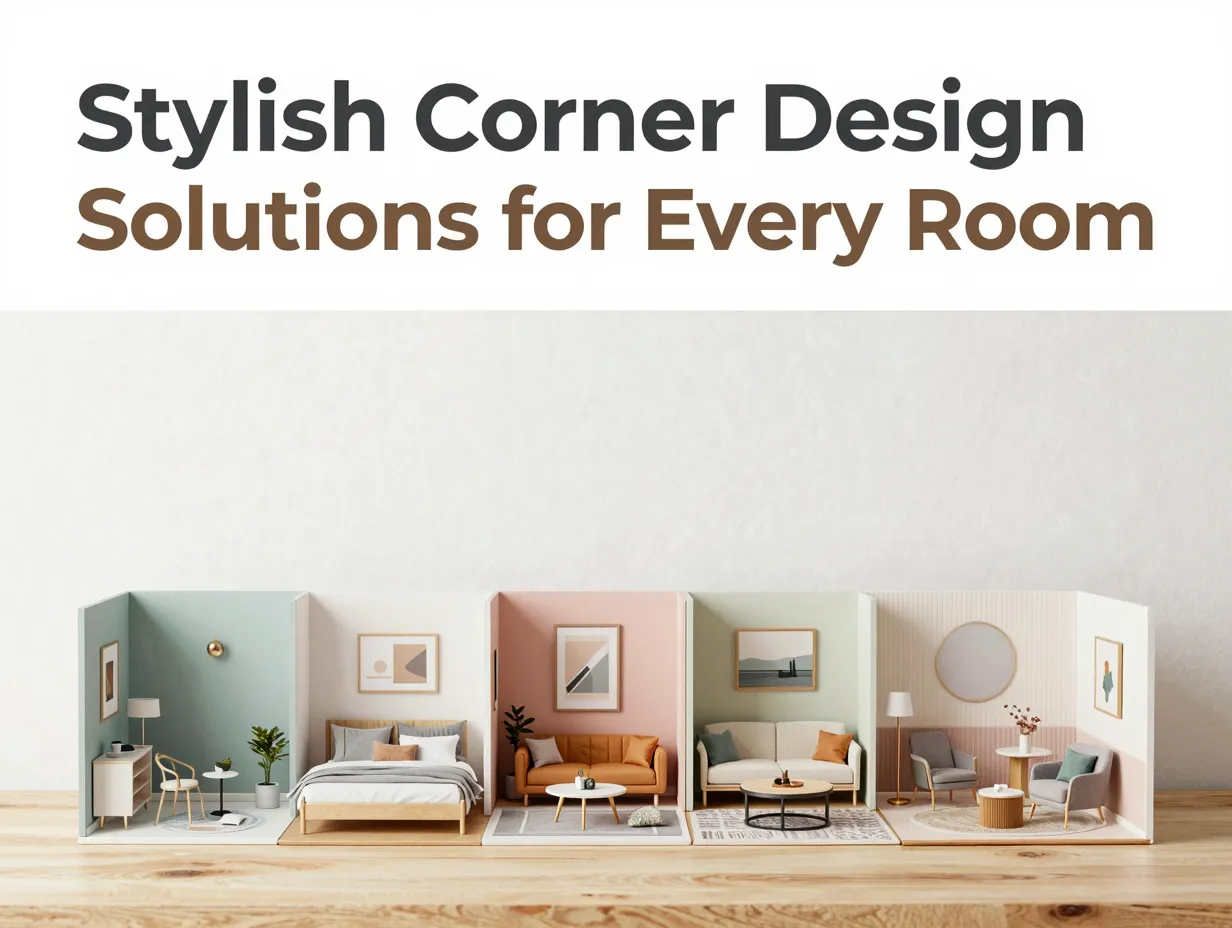
This guide to 9 Stylish Wall Corner Design Solutions for Every Room covers practical, visually striking approaches that work in living rooms, bedrooms, home offices, and beyond. Whether you are dealing with a tight awkward angle or a generous open corner, these solutions will help you turn dead space into a genuine design asset in 2026.
Key Takeaways
- Corners are among the most underused spaces in any room, but they can be transformed with relatively low effort and budget.
- The right solution depends on your room’s function, storage-focused options work best in living areas and offices, while decorative approaches shine in bedrooms and hallways.
- Layering elements, such as shelves combined with art or lighting combined with seating, creates more visual impact than a single standalone piece.
- Built-in solutions like niches and media walls add lasting value to a home, while floating shelves and gallery walls offer flexibility to change over time.
- Lighting is often the most overlooked corner treatment, yet it delivers one of the highest returns in terms of perceived room size and ambiance.
Why Wall Corners Deserve More Attention
Most interior design advice focuses on the center of a room, the sofa arrangement, the dining table, the bed placement. Corners get treated as afterthoughts, receiving a floor plant at best or nothing at all. That approach leaves a room feeling incomplete, as if the designer ran out of ideas before reaching the edges.
The truth is that corners are structural anchors. When styled well, they draw the eye naturally, balance the visual weight of a room, and create a sense of intention throughout the space. A well-designed corner signals that every inch of the room was considered.
In 2026, with open-plan living still dominant and rooms doing double duty as offices, gyms, and entertainment spaces, maximizing corners has become less of a luxury and more of a practical necessity. The 9 Stylish Wall Corner Design Solutions for Every Room outlined below give you a full toolkit to work with.
The 9 Stylish Wall Corner Design Solutions for Every Room
1. Floating Shelves for Display and Storage
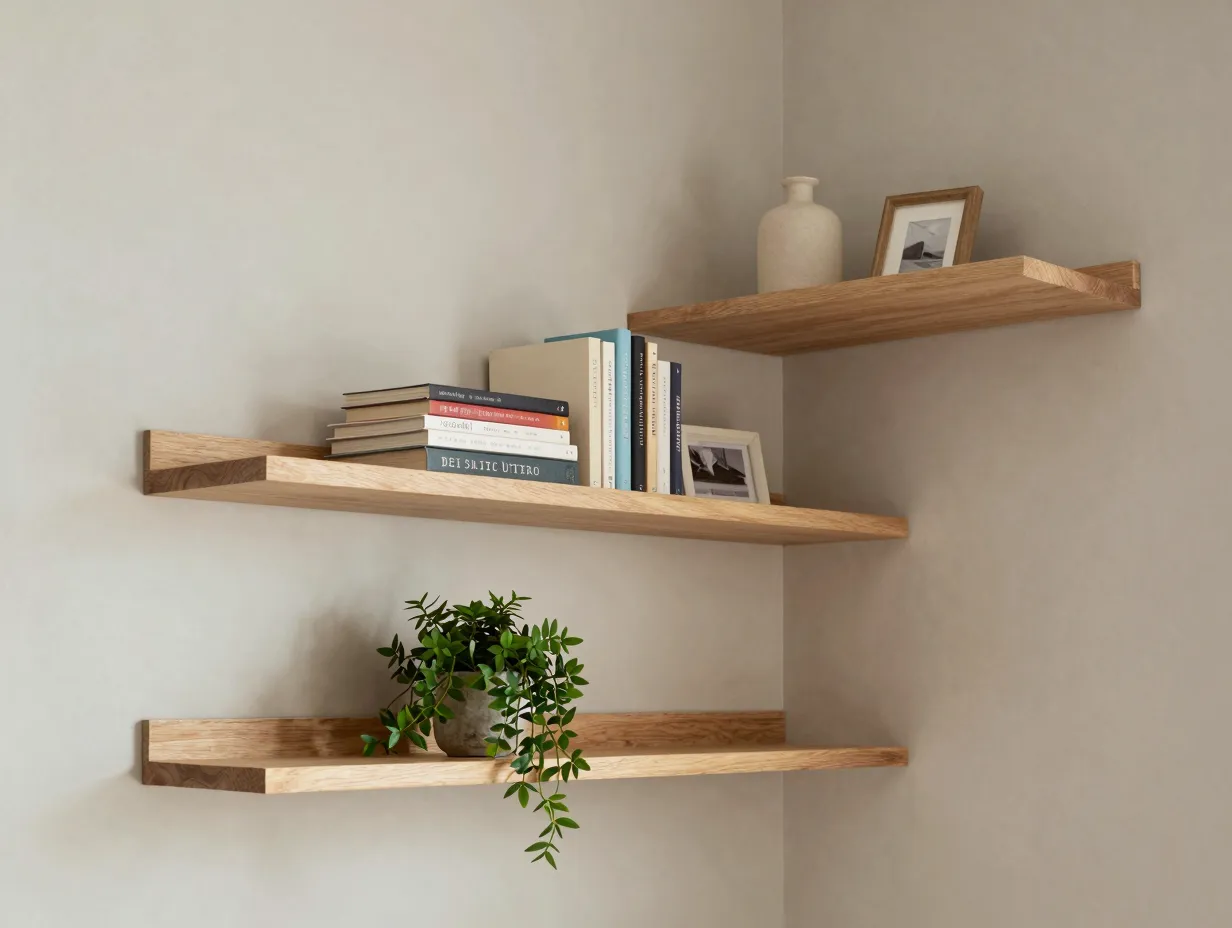
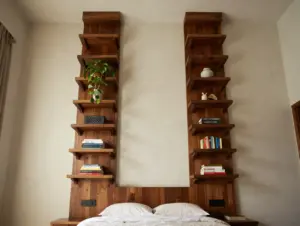
Floating shelves are the most versatile corner solution available. They install directly onto the wall without visible brackets, creating a clean, modern look that suits everything from Scandinavian minimalism to rustic farmhouse style.
In a corner configuration, shelves can be arranged in a staggered triangle pattern or aligned symmetrically on both walls meeting at the corner. Either approach turns a blank angle into a functional display zone for plants, books, framed photos, and small decorative objects [1].
What makes them work:
- Available in wood, metal, glass, and MDF finishes
- Easy to install with standard wall anchors
- Fully customizable in terms of height and spacing
- Removable without major wall damage
For a bedroom corner, I recommend three shelves at ascending heights, with the lowest shelf holding a small plant and the upper shelves reserved for art objects or books. The asymmetry feels intentional and avoids the rigid look of matching shelves.
“The best corner shelves don’t just store things, they tell a story about the person who lives there.”
2. Corner Gallery Walls
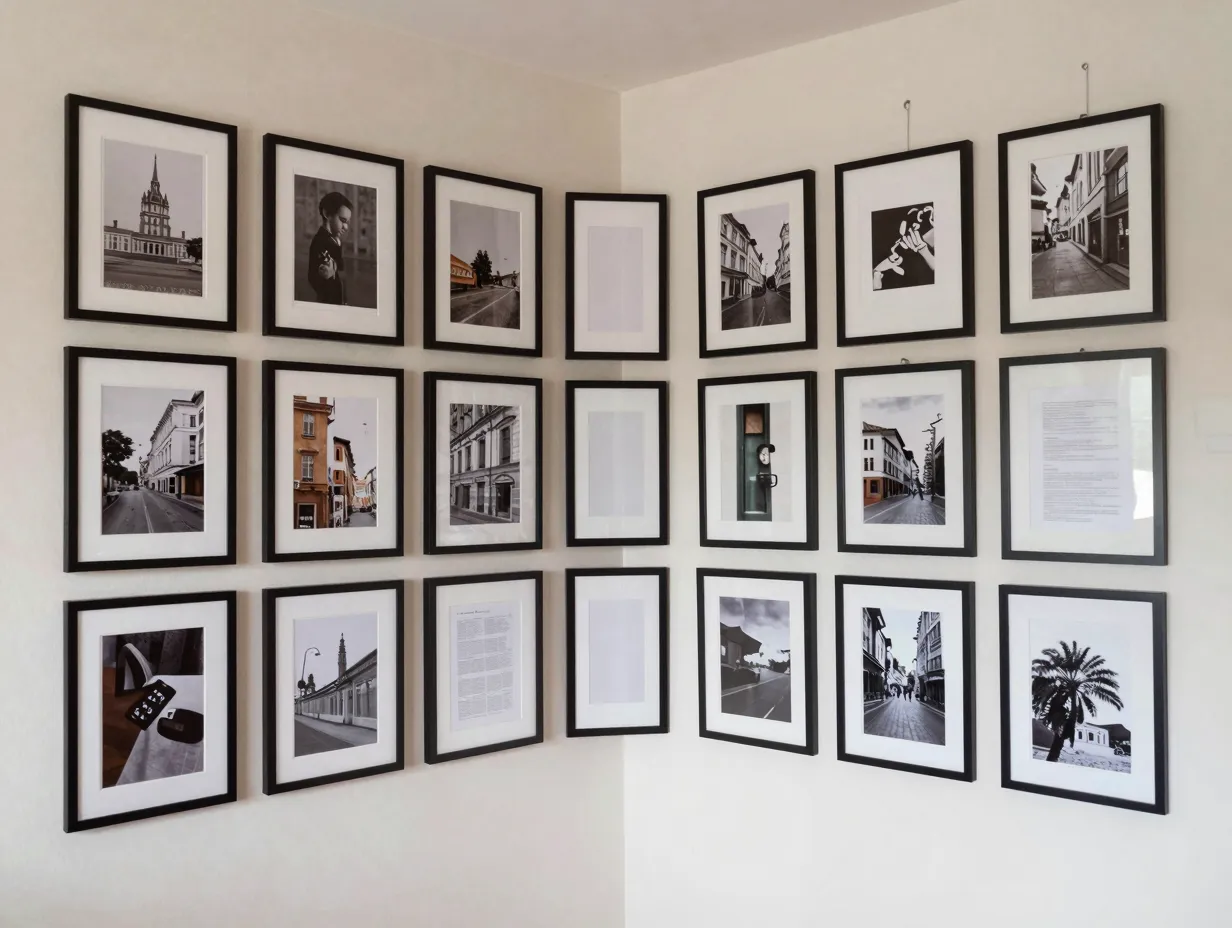
A gallery wall that wraps around a corner creates an immersive art experience that a flat wall simply cannot replicate. The dimensional quality of the corner becomes an asset rather than a challenge, pulling the viewer’s gaze around the room [2].
The key to a successful corner gallery wall is planning the layout before you hang a single nail. Use paper templates cut to the size of each frame and tape them to the wall first. This lets you adjust the composition without leaving unnecessary holes.
Recommended frame arrangements for corners:
| Layout Style | Best Room | Frame Count |
|---|---|---|
| Symmetrical grid | Living room | 6 to 12 frames |
| Organic cluster | Bedroom | 4 to 9 frames |
| Single-column wrap | Hallway | 3 to 5 frames |
| Mixed media | Home office | 5 to 10 frames |
Mix frame sizes and finishes for a collected, curated feel. Black frames with white mats are a reliable starting point if you want a cohesive look without overthinking color coordination.
3. L-Shaped Wraparound Media Walls
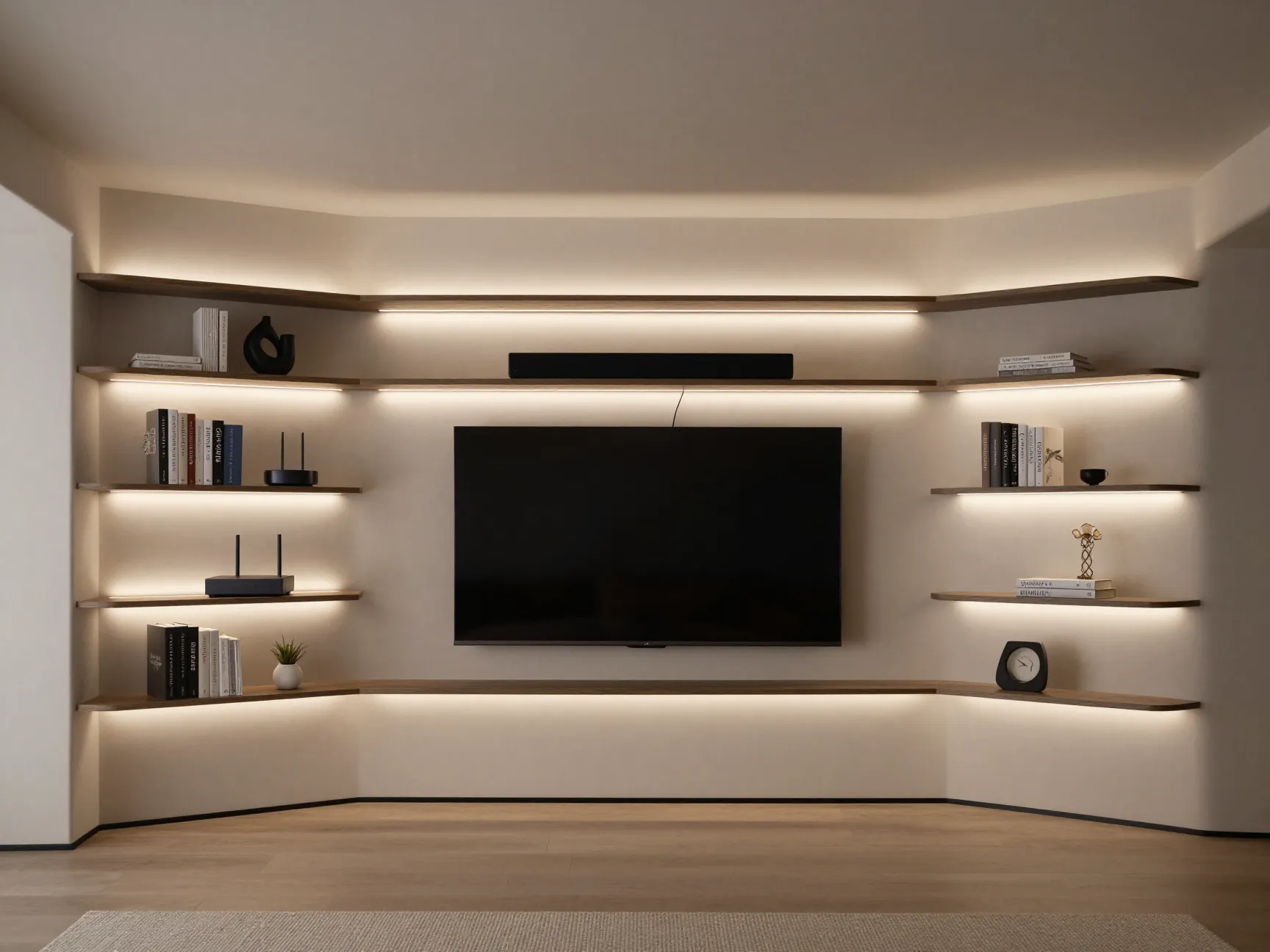
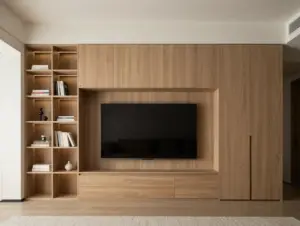
For living rooms where the television is a central feature, an L-shaped corner media wall is one of the most impactful upgrades available. Rather than mounting a TV flat against a single wall, this approach integrates the screen and surrounding shelving across both walls that meet at the corner [3].
The result is a built-in look that adds symmetry, increases storage capacity, and turns the corner into the undisputed focal point of the room. Floating shelves on either side of the TV can hold a sound bar, streaming devices, books, and decorative objects.
Design considerations:
- Cable management is critical, plan conduit routing before installation
- Depth consistency between the two wall sections creates a seamless look
- Backlighting behind the TV panel reduces eye strain and adds ambient depth
- Material choice should match existing furniture for visual cohesion
This solution requires more planning and budget than most others on this list, but the long-term payoff in both function and aesthetics is substantial [3].
4. Built-In Wall Niches
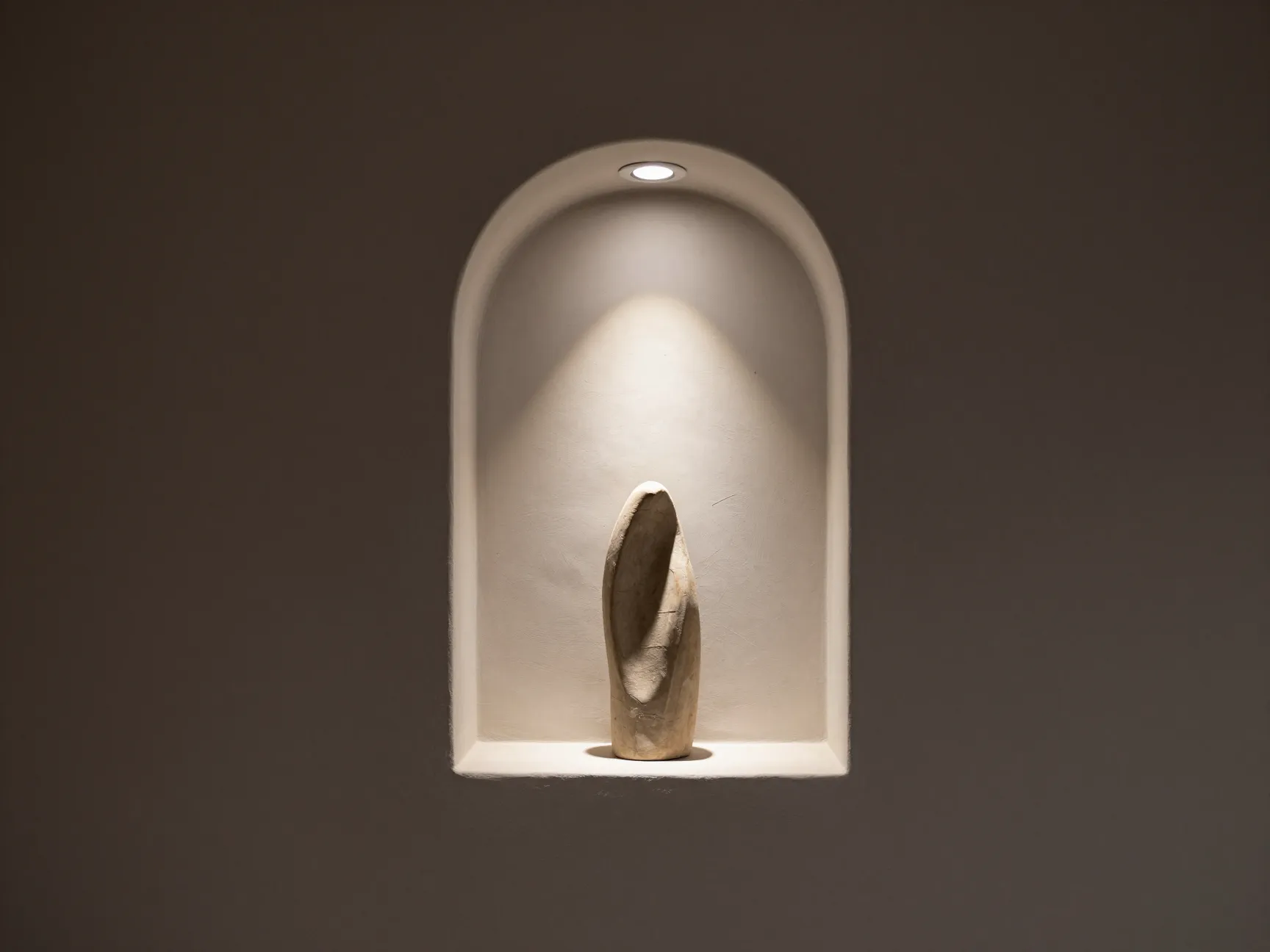
A recessed wall niche carved into a corner adds architectural interest and practical display space without occupying any floor area. Niches can be designed in arched, rectangular, or geometric shapes depending on the room’s style [4].
The installation process involves opening the wall between studs, framing the niche, and finishing with drywall, plaster, or tile. While this is a more involved project than hanging shelves, the result feels permanent and intentional in a way that surface-mounted solutions cannot match.
Best uses by room:
- Bathroom: Tiled niche for toiletries and candles
- Living room: Arched niche for sculpture or a single statement plant
- Bedroom: Rectangular niche as a floating nightstand alternative
- Hallway: Shallow niche for a mirror and small decorative tray
Lighting a niche from within, using a small LED puck light or recessed downlight, dramatically increases its visual impact and makes the displayed object feel like a gallery piece [4].
5. Corner Accent Walls with Bold Patterns
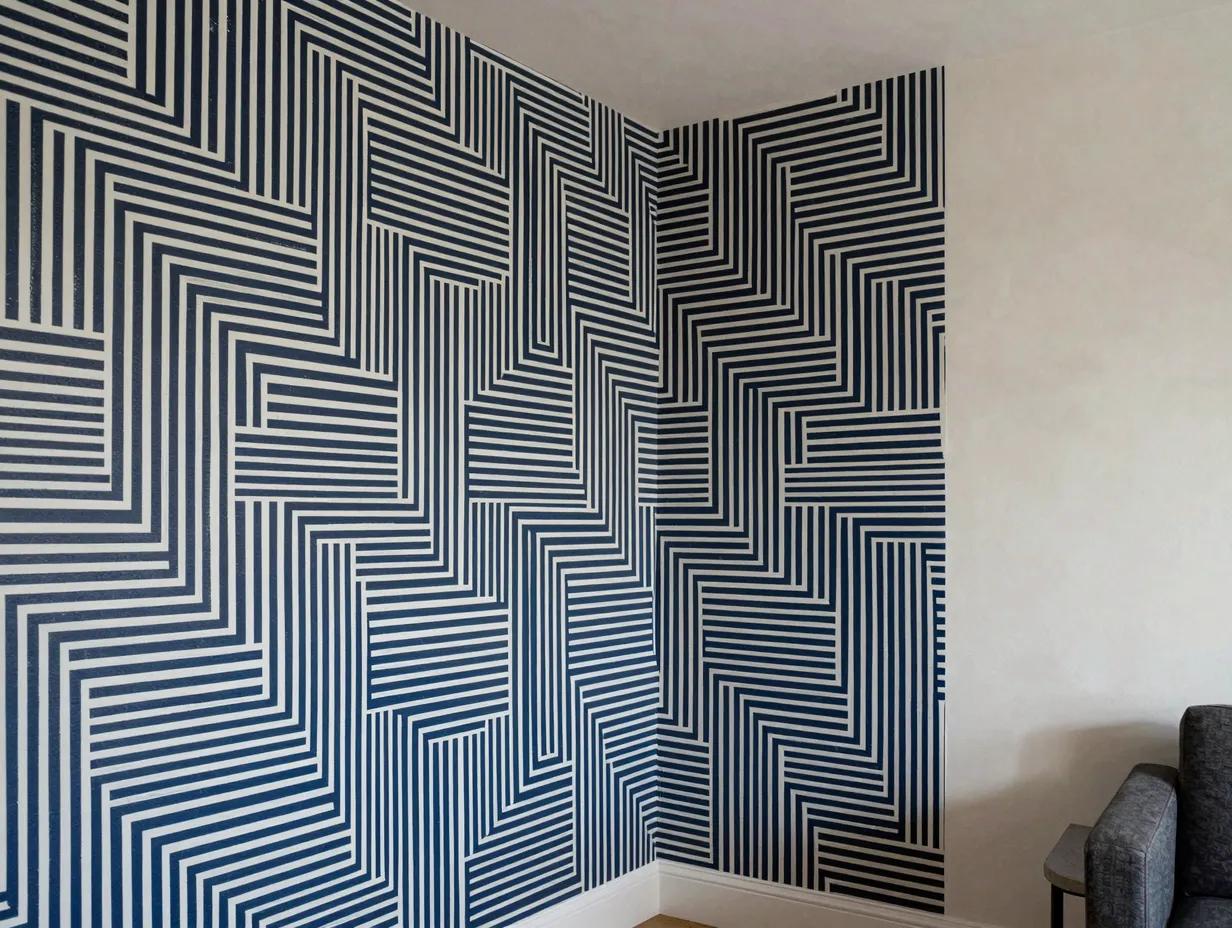
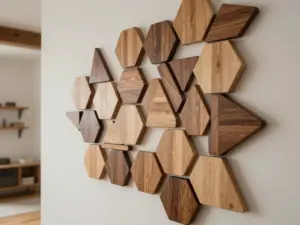
Applying bold geometric patterns, textured wallpaper, or a contrasting paint color to a corner creates a dynamic focal point that energizes the entire room. Unlike a standard accent wall on a single flat surface, a corner accent treatment wraps the pattern around two planes, creating genuine depth and dimension [5].
This approach works particularly well in contemporary and eclectic interiors. Geometric wallpaper in a high-contrast colorway, think deep navy with white line patterns, or terracotta with gold geometric shapes, commands attention without requiring any furniture or accessories to complete the look.
Application tips:
- Use a laser level to keep patterns aligned across the corner seam
- Choose a wallpaper with a small repeat pattern to minimize waste at the corner join
- Paint the adjacent walls in a neutral tone to let the accent corner breathe
- In smaller rooms, limit the pattern to one wall meeting the corner rather than both
Minimalist furniture pairs especially well with bold corner accent walls, as the visual weight is already concentrated in the corner rather than spread across the room [5].
6. Corner Seating Areas
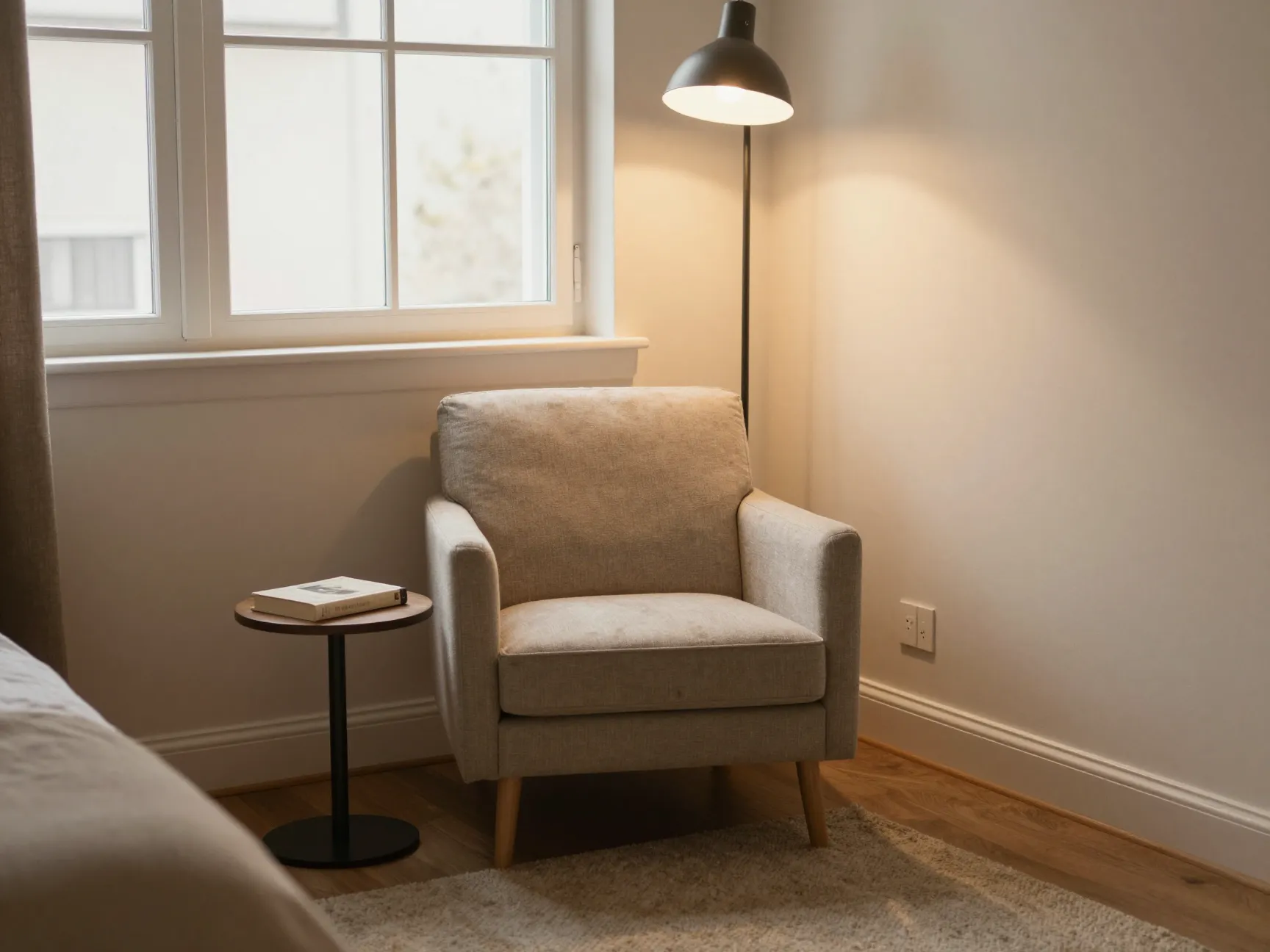
Transforming a corner into a dedicated seating nook is one of the most human-centered design solutions on this list. A small armchair, a slim floor lamp, and a simple area rug create an intentional reading or relaxation zone that gives the corner a clear purpose [6].
This solution works best near a window, where natural light enhances the sense of retreat. A corner positioned away from the main traffic flow of the room is ideal, as it creates a psychological sense of separation from the busier areas.
Elements of an effective corner seating area:
- A chair with a compact footprint, a slipper chair or small accent chair works better than an oversized armchair
- A floor lamp positioned just behind and to the side of the chair for task lighting
- A small side table or wall-mounted shelf at arm height for a book or drink
- A rug that defines the zone without overwhelming the surrounding floor space
The corner seating area is one of those solutions that costs relatively little but delivers an outsized improvement in how a room feels to live in day to day [6].
7. Vertical Corner Stacking
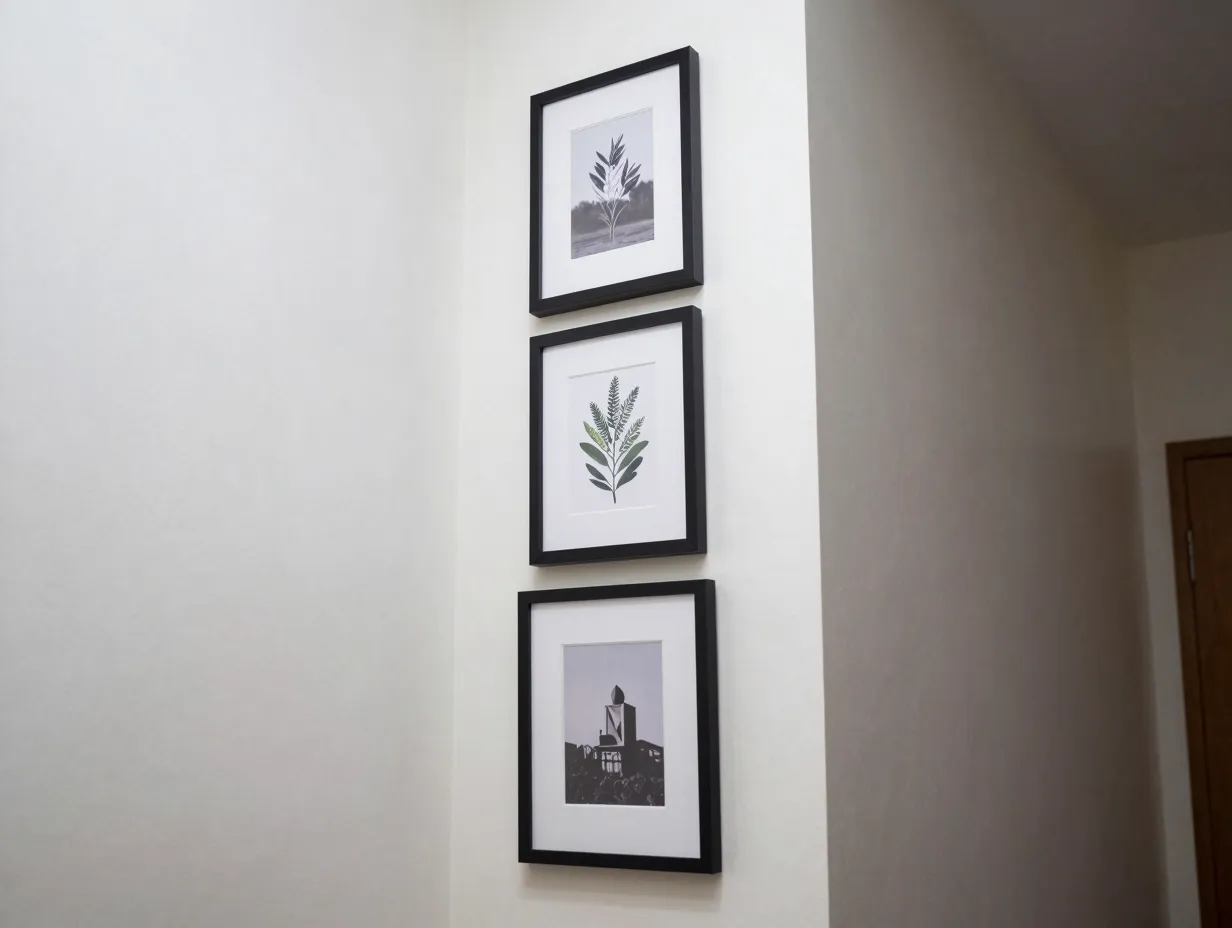
Narrow corners, those tight angles where two walls meet but there is not enough room for furniture or wide shelving, respond well to vertical arrangements. Stacking two or three small canvases in a column, or arranging a series of small framed prints vertically, draws the eye upward and makes the ceiling feel higher [2].
This technique is particularly effective in hallways, stairwells, and bedroom corners where floor space is at a premium. The vertical line created by the stacked arrangement acts as a visual anchor without consuming any physical space.
Vertical stacking guidelines:
- Keep consistent spacing between pieces, 2 to 3 inches works well for most frame sizes
- Use pieces of similar width for a clean column effect
- Vary the content (photograph, abstract print, botanical illustration) to maintain interest as the eye travels upward
- Anchor the column with the largest or most visually heavy piece at the bottom
This is one of the most budget-friendly solutions on this list, since it requires only a few inexpensive prints and basic hanging hardware [2].
8. Corner Shelves with Art Combinations
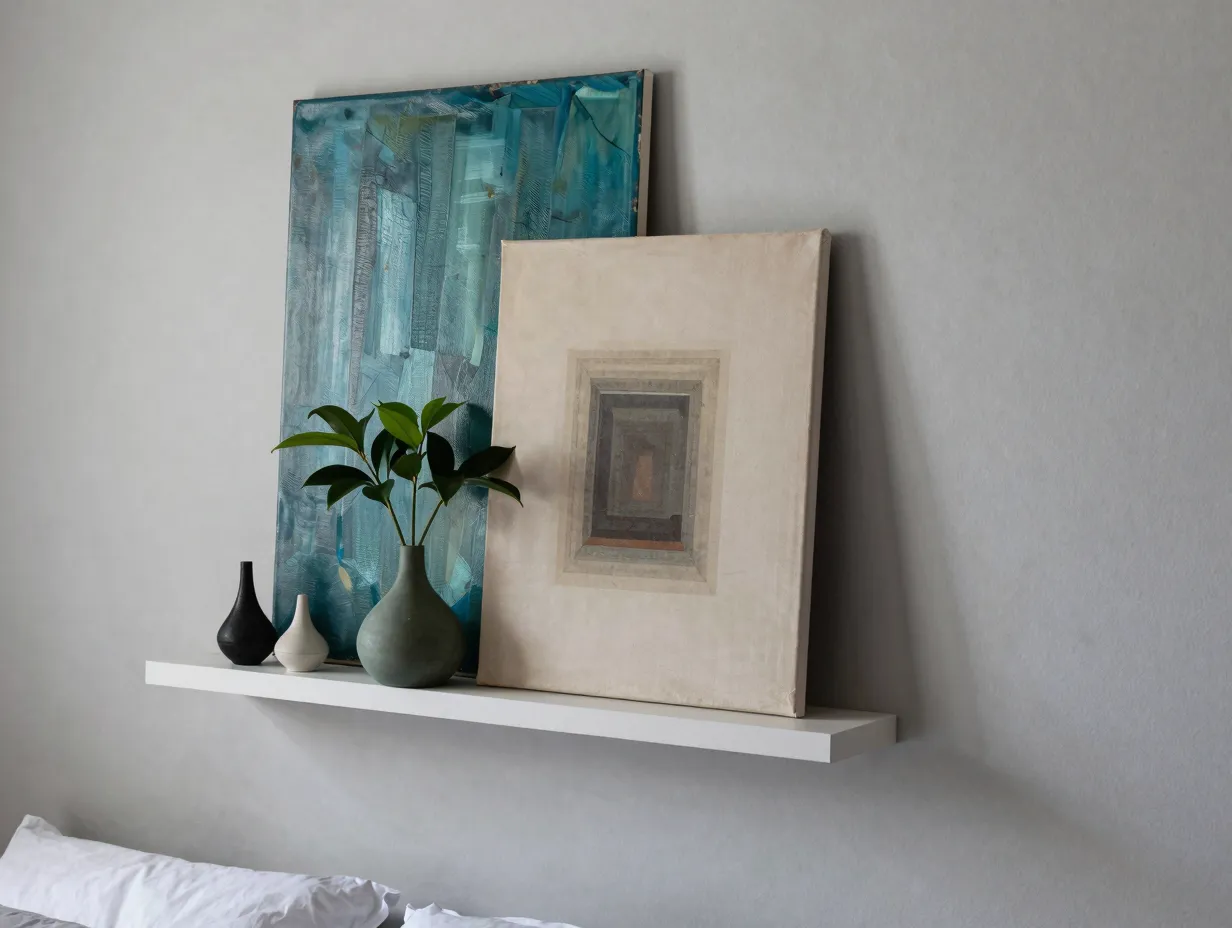
Combining floating corner shelves with canvas art or framed prints creates a layered, dimensional look that is more visually interesting than either element alone. The shelf provides a physical plane that projects from the wall, while the art behind or above it adds color and narrative context [2].
The layering effect works because it introduces multiple depths into the corner, the wall surface, the shelf plane, and the objects on the shelf all occupy different positions in space. This creates the kind of visual richness that makes a room feel professionally styled.
How to layer effectively:
- Lean a medium-sized canvas against the wall on the shelf rather than hanging it, this creates a casual, gallery-like feel
- Place a plant or sculptural object in front of the leaned canvas to add a third layer of depth
- Use a shelf with a lip or raised edge to prevent objects from sliding
- Choose art that echoes the colors already present in the room for cohesion
This approach is highly adaptable and can be updated seasonally by swapping out the art or the shelf objects without any tools or wall damage [2].
9. Corner Lighting Solutions
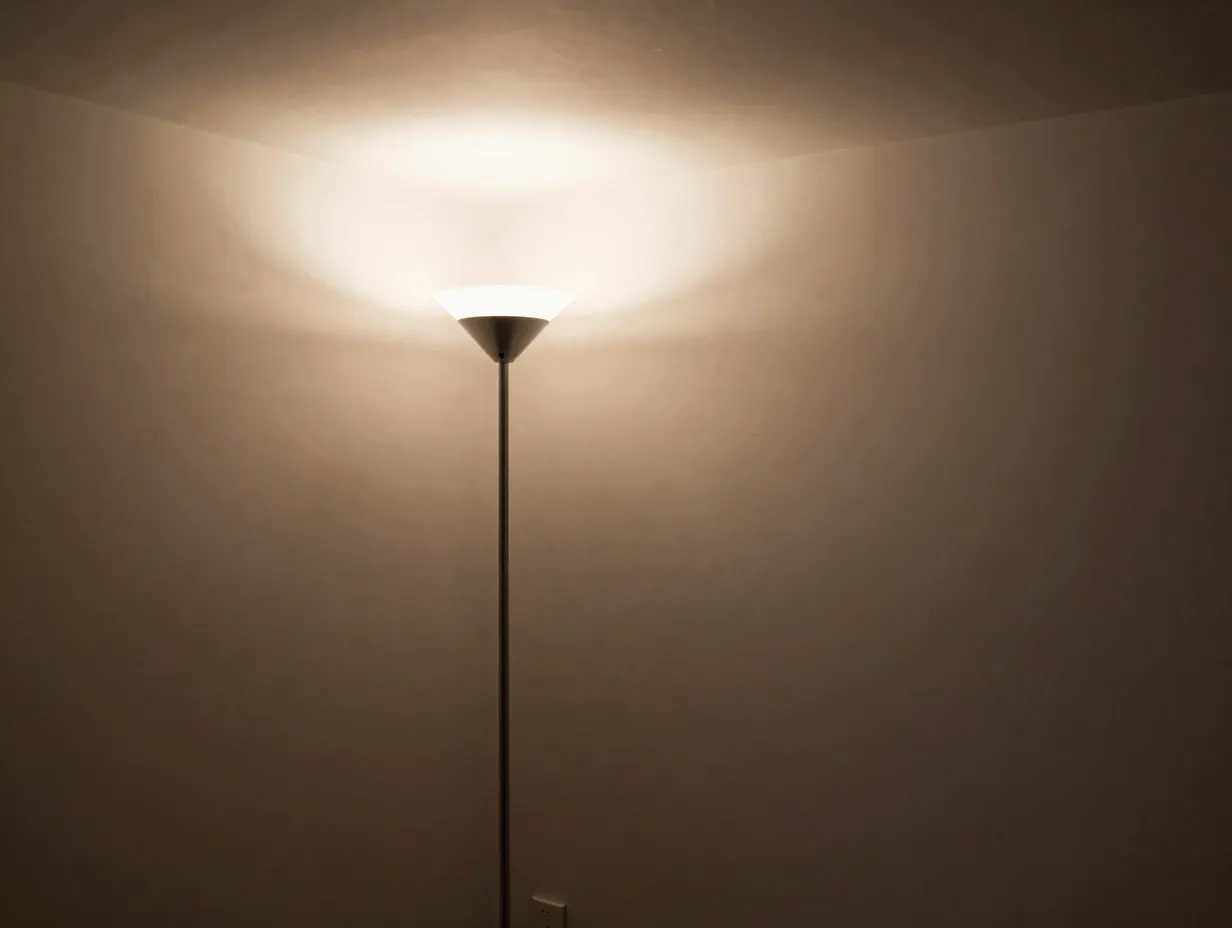
Lighting is the most underestimated element in corner design. A well-placed light source can make a corner feel intentional, expand the perceived size of a room, and shift the entire mood of a space, all without adding any physical objects to the corner itself [7].
The options range from simple to sophisticated. A slim floor lamp with an upward-facing shade washes light across the ceiling and creates a soft glow that makes the corner feel warm and inviting. Wall sconces mounted at eye height on one or both walls flanking the corner add architectural definition. LED strip lights tucked behind a floating shelf or along the baseboard create an ambient underlighting effect that is particularly effective in media rooms and bedrooms [7].
Corner lighting options by effect:
| Light Type | Effect | Best Room |
|---|---|---|
| Upward floor lamp | Ceiling wash, expansive feel | Living room, bedroom |
| Wall sconces | Architectural definition | Hallway, dining room |
| LED strip behind shelf | Ambient glow, modern feel | Media room, bedroom |
| Recessed niche light | Gallery spotlight | Living room, bathroom |
| Table lamp on corner shelf | Warm task light | Home office, reading nook |
One practical tip I have found invaluable: connect corner lighting to a smart plug or dimmer switch. The ability to adjust the intensity of corner lighting throughout the day transforms how a room feels from morning to evening without any additional investment [7].
Choosing the Right Solution for Your Space
Not every corner calls for the same treatment. The best approach depends on three factors: the room’s primary function, the amount of available wall and floor space, and your budget.
A quick decision framework:
- If the corner is in a high-traffic room and you need storage, start with floating shelves (Solution 1) or built-in niches (Solution 4).
- If the corner is in a social space and you want visual impact, consider a gallery wall (Solution 2), an accent wall (Solution 5), or an L-shaped media wall (Solution 3).
- If the corner is in a personal space like a bedroom and you want comfort, a seating area (Solution 6) or layered shelves with art (Solution 8) will deliver the most satisfaction.
- If the corner is narrow or awkward, vertical stacking (Solution 7) or corner lighting (Solution 9) will give you the most improvement for the least investment.
Many of the best corner designs I have seen combine two solutions, for example, a corner seating area with a wall sconce above it, or floating shelves paired with a vertical art column. Layering solutions multiplies the visual impact without necessarily multiplying the cost.
Common Mistakes to Avoid
Even with the best intentions, corner design can go wrong. Here are the most frequent errors and how to sidestep them.
Overcrowding the corner. Adding too many elements creates visual noise rather than interest. Choose one primary solution and one supporting element, then stop.
Ignoring scale. A single small frame on a large corner wall looks lost. Match the scale of your chosen solution to the size of the corner. Large corners need large or multiple elements; small corners need restraint.
Skipping the lighting consideration. Even the most beautifully styled corner will fall flat in poor light. Always assess how natural and artificial light hits the corner before finalizing your design.
Choosing function over form exclusively. A corner packed with practical storage but devoid of any visual appeal still feels unfinished. Aim for solutions that serve both purposes simultaneously.
Conclusion
The 9 Stylish Wall Corner Design Solutions for Every Room covered in this guide represent a complete toolkit for transforming the most neglected spaces in your home. From floating shelves and gallery walls to built-in niches and strategic lighting, each solution addresses a different need and suits a different type of space.
Actionable next steps to get started today:
- Walk through your home and photograph every corner, this gives you an honest inventory of what you are working with.
- Identify the one or two corners that bother you most or that have the most potential, and focus your energy there first.
- Choose a solution from this list that matches your room’s function, your available space, and your budget.
- If you are uncertain, start with corner lighting (Solution 9), it is the lowest-cost, lowest-commitment option and delivers immediate results.
- Layer a second solution once the first is in place, building toward a finished corner that feels intentional and complete.
Corners are not dead ends. In the right hands, they become the most memorable parts of a room. Start with one corner, apply one solution, and see how quickly the rest of the room responds.
References
[1] Corner Decoration Ideas – https://suite101.com/corner-decoration-ideas/?utm_source=openai
[2] Corner Wall Decor Ideas – https://siartavenue.com/blogs/news/corner-wall-decor-ideas?utm_source=openai
[3] 7 Corner Media Wall Ideas – https://www.deanwatson.co.uk/7-corner-media-wall-ideas/?utm_source=openai
[4] Creative Wall Niche Ideas To Change Any Room – https://opplehouse.com/creative-wall-niche-ideas-to-change-any-room/?utm_source=openai
[5] Corner Accent Wall Ideas – https://plusmood.com/corner-accent-wall-ideas/?utm_source=openai
[6] Wall Corner Design – https://www.jkcement.com/blog/home-design/wall-corner-design/?utm_source=openai
[7] Wall Corner Design Ideas Maximize Every Inch At Home – https://www.coohom.com/article/wall-corner-design-ideas-maximize-every-inch-at-home?utm_source=openai