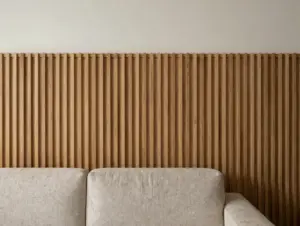
8 Timeless Wooden Wall Design Ideas for a Natural Look
A 2023 survey by the American Institute of Architects found that natural materials, wood chief among them, ranked as the top requested interior design element for the fourth consecutive year. That statistic stopped me mid-scroll when I first read it, because it confirmed something I had already noticed in my own work visiting renovated homes: wood walls are not a trend. They are a permanent fixture of how people want to live.
Disclosure: This post contains affiliate links. As an Amazon Associate, we earn from qualifying purchases, and at no extra cost to you.
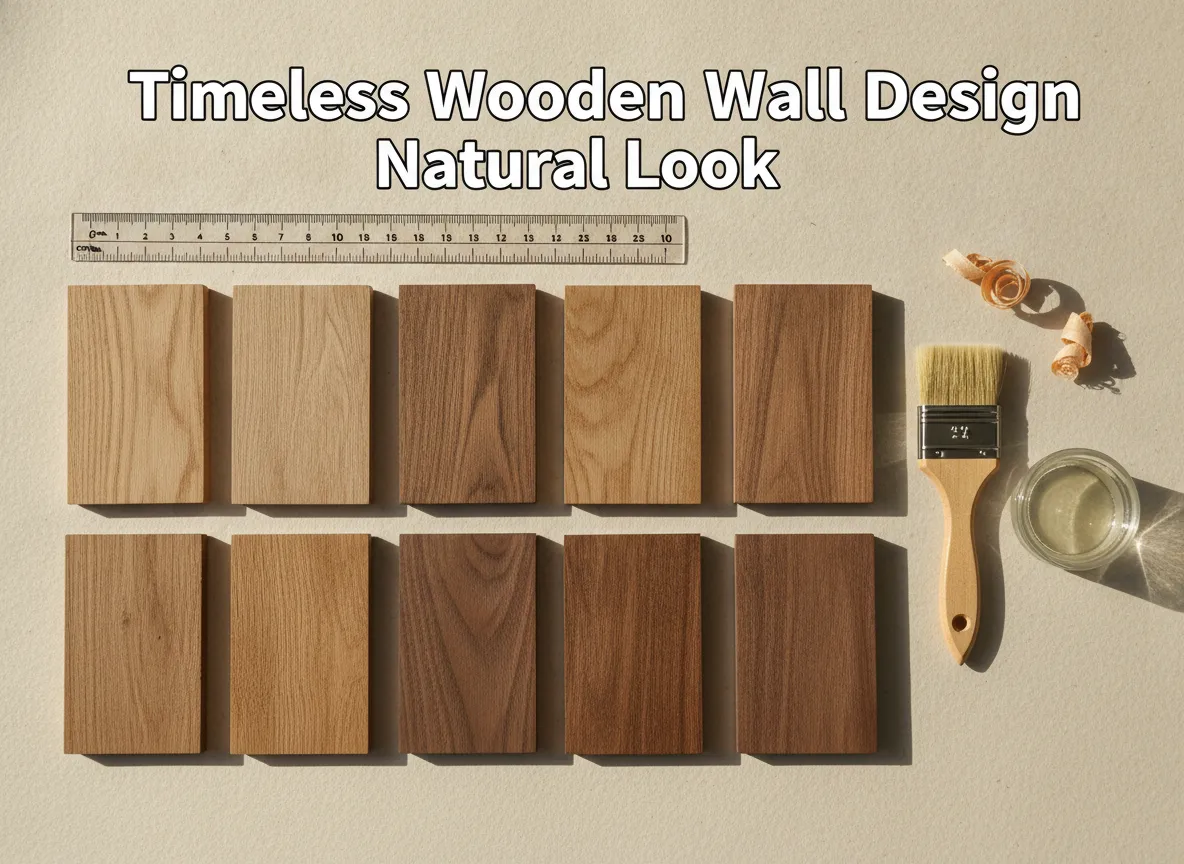
This guide covers 8 timeless wooden wall design ideas for a natural look that work across home styles, budgets, and skill levels. Whether you are renovating a city apartment or finishing a mountain cabin, these ideas will give you a clear, practical starting point. I have pulled together design principles, material comparisons, and real-world application tips so you can move from inspiration to action.
Key Takeaways
- Wood accent walls add warmth, texture, and visual depth that painted drywall simply cannot replicate.
- The right wood species, finish, and installation pattern dramatically changes the mood of a room.
- Reclaimed and sustainably sourced wood options make natural wall design an environmentally responsible choice in 2026.
- Proper surface preparation and sealing are the difference between a wall that ages beautifully and one that warps or stains.
- Even renters and beginners can achieve a high-end wooden wall look with peel-and-stick panels or lightweight shiplap systems.
Why Wooden Walls Have Endured for Centuries
Long before drywall existed, humans covered their walls in wood. From the cedar-paneled longhouses of the Pacific Northwest to the oak-beamed halls of medieval Europe, wood has always been the material people reach for when they want a space to feel alive. There is a scientific reason for that instinct. Research published in the journal BioResources found that visual exposure to wood surfaces measurably lowers cortisol levels and heart rate, the same physiological response triggered by spending time in nature.
I experienced this firsthand when I helped a friend renovate her basement office. The space had no windows, fluorescent lighting, and concrete block walls painted a shade of beige that could only be described as institutional. We installed tongue-and-groove pine planks on one wall. The transformation was not cosmetic. She told me two weeks later that she was working longer hours and feeling less drained. Wood changes the way a room feels at a biological level.
That is the deeper reason the 8 timeless wooden wall design ideas for a natural look explored in this article have staying power. They are not chasing a design moment. They are working with something fundamental about how human beings respond to their environment.
What Makes a Wooden Wall Design “Timeless”
Not every wood wall ages well. Designs that rely on a single trendy finish or an overly specific color palette can look dated within a decade. Timeless wooden wall designs share three qualities:
- Natural grain emphasis, the wood’s own texture does the decorative work
- Neutral or warm tonal range, honey, walnut, ash, and charcoal read as classic rather than seasonal
- Structural simplicity, the installation pattern is clean enough to complement any furniture era
With those principles in mind, here are the eight ideas worth building around.
8 Timeless Wooden Wall Design Ideas for a Natural Look
1. Shiplap Planks
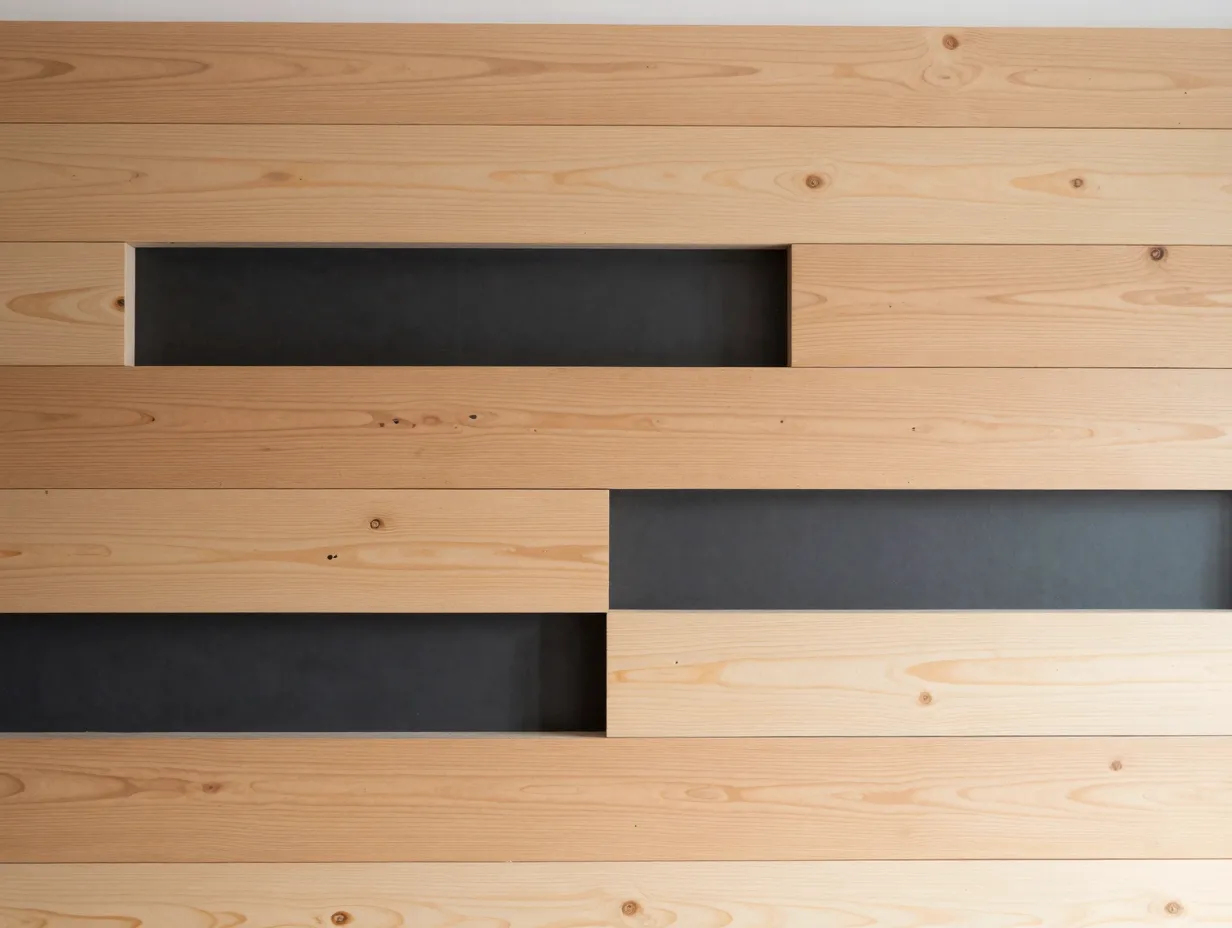
Shiplap is the design world’s reliable workhorse. The overlapping horizontal planks create a clean shadow line that adds depth without visual noise. Originally used in barn construction and ship hulls for weatherproofing, shiplap migrated into interior design because that same overlapping joint hides minor wall imperfections beautifully.
Best wood species for shiplap: Pine (budget-friendly, takes paint well), Douglas fir (stronger grain, works well natural or stained), white oak (premium, ages to a silver-gray that is genuinely stunning).
Application tip: Leave a 1/8-inch gap between planks if you want the shadow line to read clearly. Paint the wall behind the planks a dark color, charcoal or deep navy, before installation. The gap will catch that color and the shadow lines will look intentional and precise.
Shiplap works in every room. I have seen it used in bathrooms with a semi-gloss marine-grade finish, in nurseries painted bright white, and in home offices left raw with a clear matte sealer. The pattern is versatile enough to carry any finish.
2. Reclaimed Wood Accent Walls
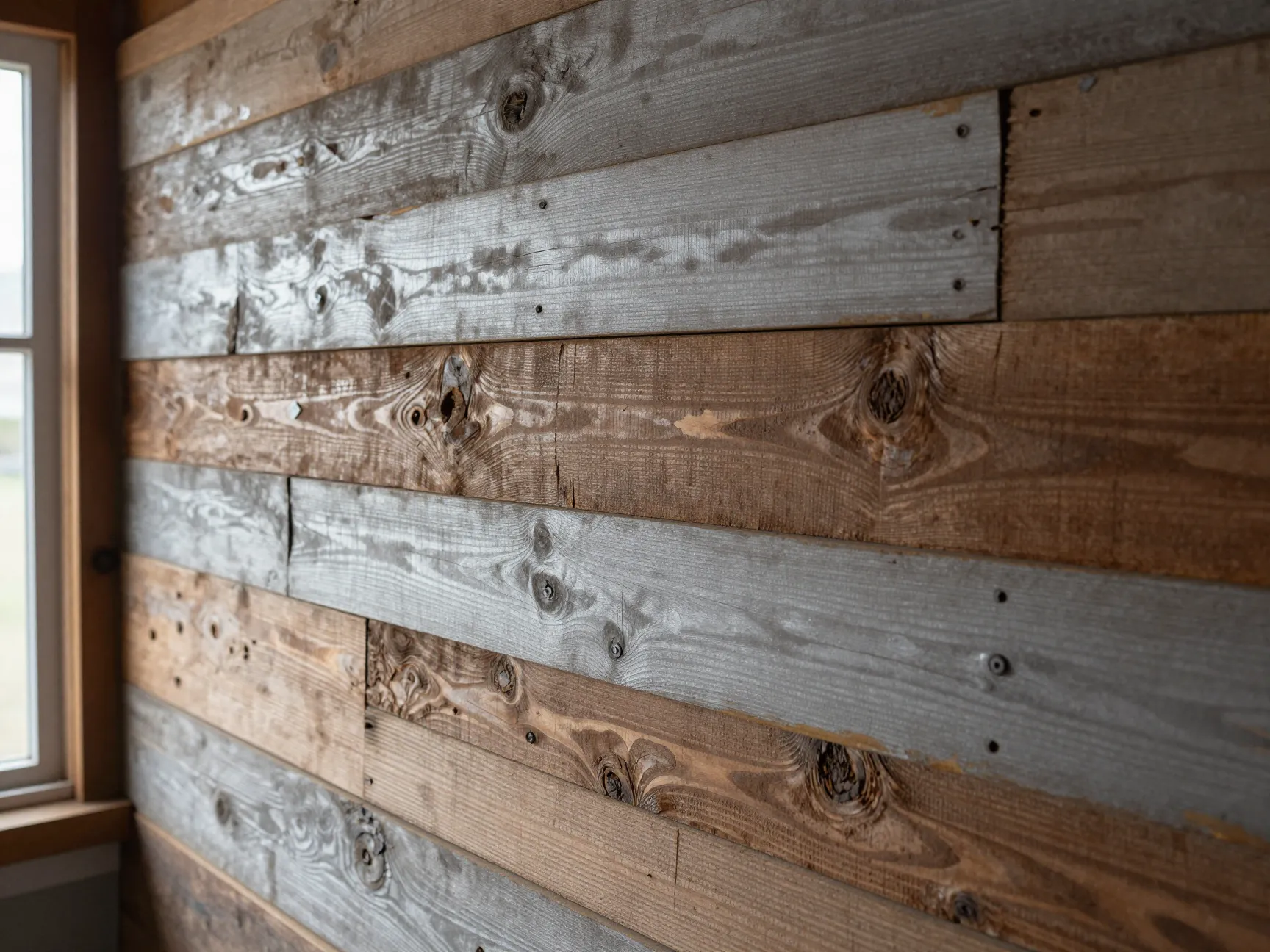
Reclaimed wood is salvaged from old barns, factories, warehouses, and demolished buildings. Each plank carries visible history, nail holes, saw marks, weathering, and color variation that no new wood can replicate. That imperfection is precisely the point.
“Reclaimed wood does not just look old. It looks earned. Every mark on that surface is a record of time, which is exactly what a home should feel like.”, a sentiment I have heard from nearly every designer who works with the material.
Why reclaimed wood is a strong choice in 2026:
- It is carbon-neutral by nature, no new trees are harvested
- The wood is already dried and stabilized, reducing the risk of warping
- Genuine patina cannot be faked convincingly, so the wall reads as authentic immediately
Practical caution: Always inspect reclaimed wood for lead paint, structural pests, and embedded metal before installation. Reputable salvage yards will pre-treat and certify their material. Budget an extra 15-20% for material waste when cutting around irregular edges and knots.
3. Tongue-and-Groove Paneling
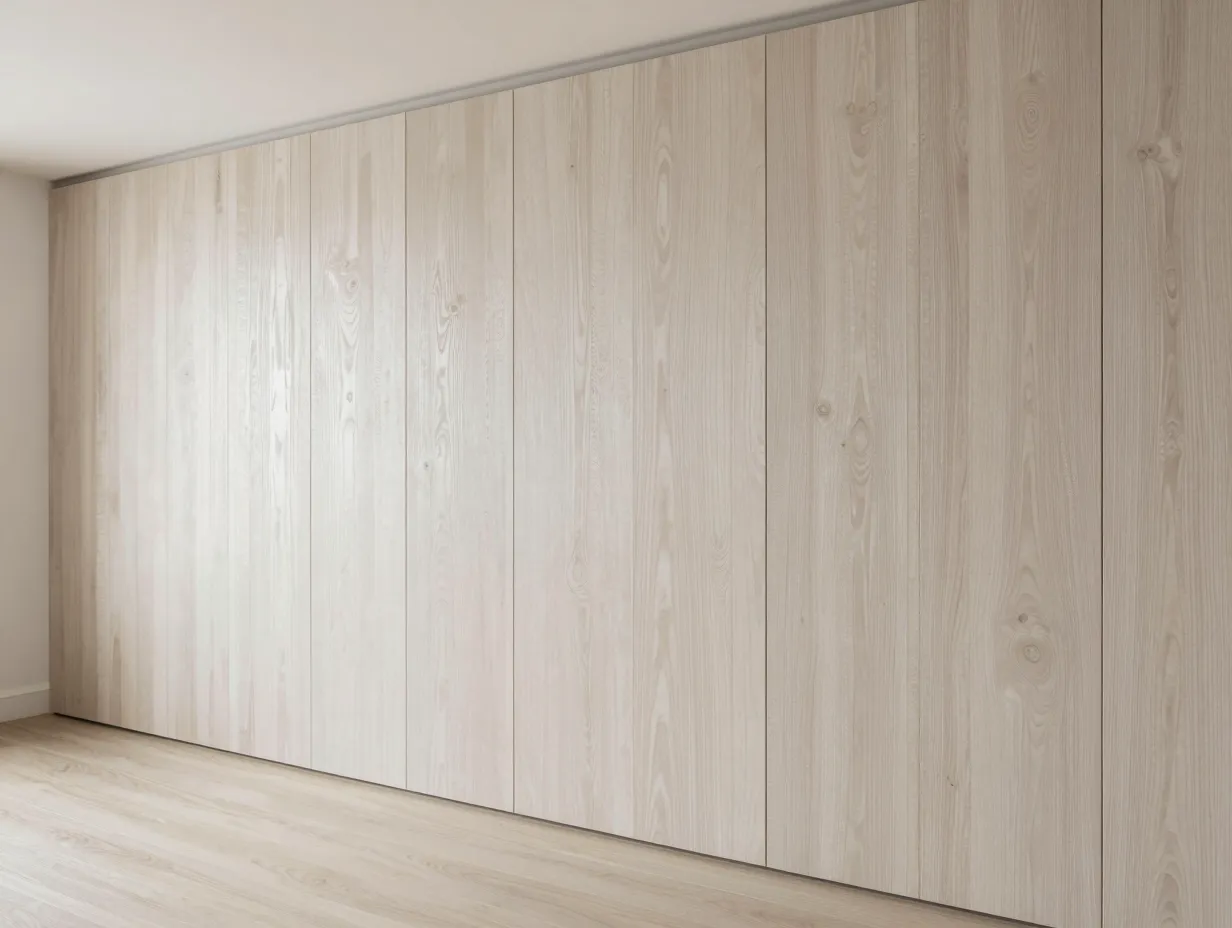
Tongue-and-groove is the classic choice for a seamless, furniture-grade wood wall. Each plank has a protruding tongue on one edge and a receiving groove on the other, so the planks lock together without visible fasteners. The result is a smooth, continuous surface that reads as sophisticated rather than rustic.
Orientation options and their visual effects:
| Orientation | Visual Effect | Best Room Application |
|---|---|---|
| Vertical | Makes ceilings feel taller | Low-ceiling rooms, hallways |
| Horizontal | Widens a narrow space | Bedrooms, dining rooms |
| Diagonal | Adds dynamic energy | Feature walls, studios |
| Herringbone | Maximum visual interest | Living rooms, entryways |
Tongue-and-groove paneling was the standard for American wainscoting throughout the 19th and early 20th centuries, which is why it reads as timeless rather than contemporary. It fits equally well in a Victorian brownstone and a modern farmhouse.
4. Live Edge Wood Slabs as Statement Panels
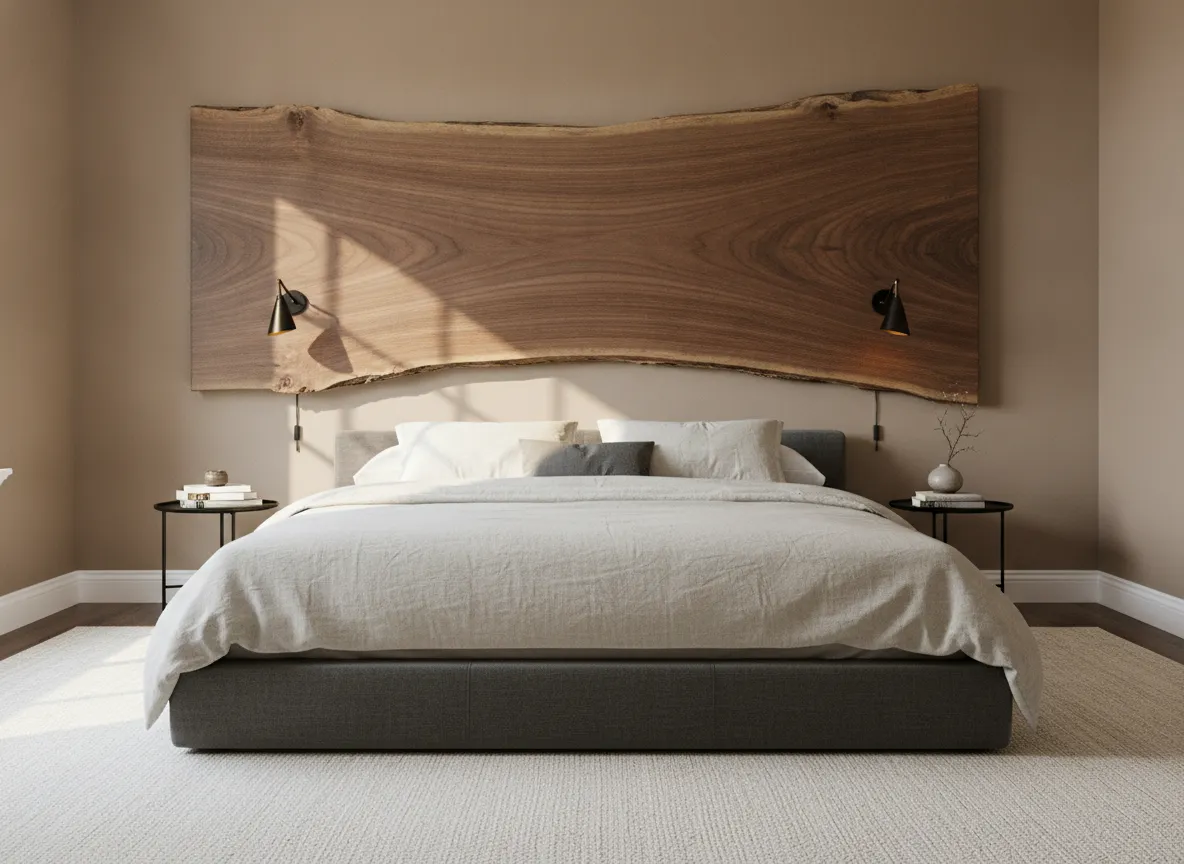
A live edge panel preserves the natural, uncut edge of the tree trunk. Installed as a single wide slab or a series of bookmatched panels, live edge wood brings the organic silhouette of the forest directly into the room. No two live edge walls are identical, which makes this the most personal of all the wooden wall design ideas.
Key design considerations:
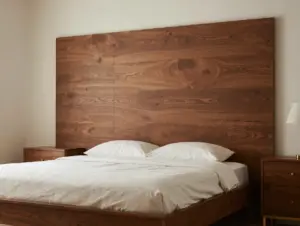
- Scale matters. A single live edge slab works best as a focused statement, behind a bed headboard, above a fireplace, or as a dining room backdrop.
- Finish lightly. A thin coat of hardwax oil or natural tung oil lets the grain and edge breathe. Heavy polyurethane obscures the material’s character.
- Pair with restraint. Live edge is visually dominant. Surrounding furniture and decor should be simple and quiet.
The cost of live edge slabs varies widely. Locally sourced species like black walnut, maple, and cherry are more affordable than exotic imports. Many urban tree services now sell milled slabs from city trees removed for safety reasons, a genuinely sustainable and local option worth investigating.
5. Whitewashed or Limewashed Wood Panels
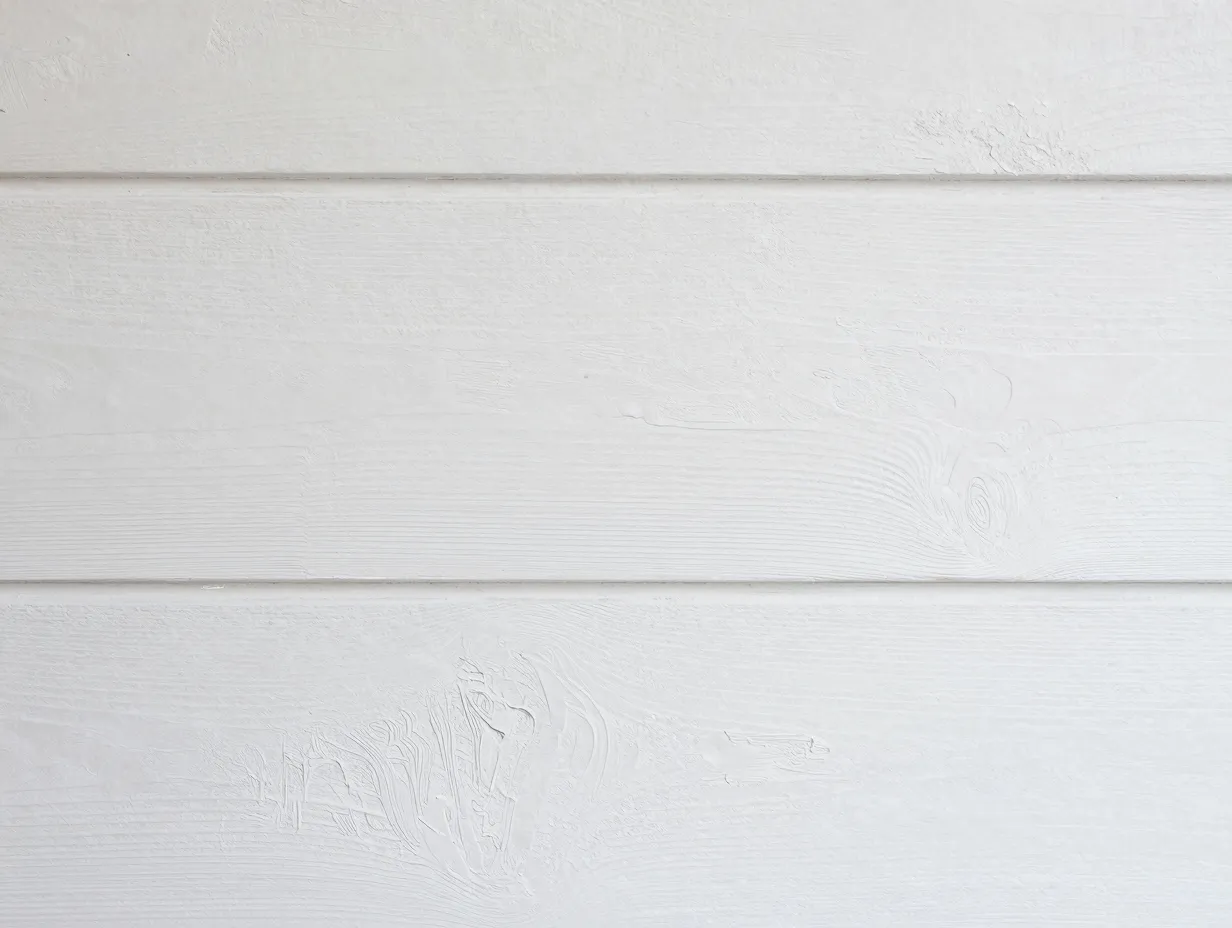
Whitewashing is the technique of applying a diluted white paint or lime solution to raw wood, then partially wiping it away before it dries. The result lets the grain show through a soft, chalky veil of white. The effect is coastal, Scandinavian, and farmhouse all at once, which explains its persistent popularity across very different design aesthetics.
DIY whitewash formula: Mix one part white latex paint with one part water. Brush onto raw or lightly sanded wood. Wait 60-90 seconds, then wipe back with a clean rag in the direction of the grain. Adjust the ratio for more or less opacity.
Limewash vs. whitewash: Limewash uses actual lime putty mixed with water and pigment. It creates a slightly more textured, mineral appearance and is more durable in humid environments like bathrooms and kitchens. Whitewash is easier for beginners and more forgiving on irregular surfaces.
Both techniques work best on woods with pronounced grain, pine, oak, and ash show the effect dramatically. Maple and birch, with their tight grain, produce a more subtle result.
6. Dark-Stained Wood for Dramatic Contrast
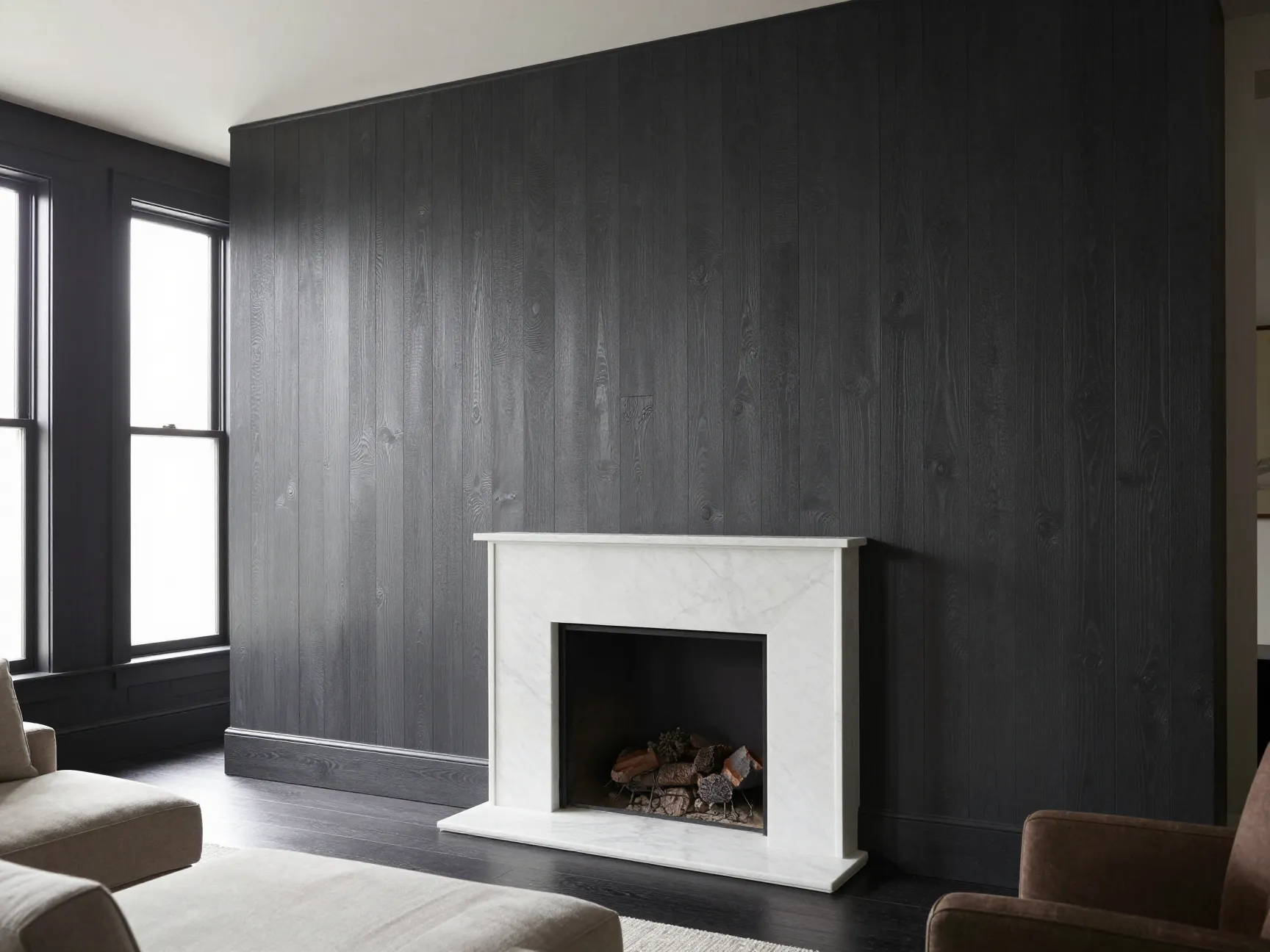
Not every wooden wall needs to be light and airy. Dark-stained wood, ebony, espresso, deep walnut, or charcoal, creates a dramatic backdrop that makes lighter furniture and artwork pop with gallery-level contrast. This approach is particularly effective in rooms with abundant natural light, where the darkness reads as rich rather than oppressive.
Stain selection guide:
- Ebony stain, near-black, works with industrial and contemporary styles
- Dark walnut, warm brown-black, the most versatile dark option
- Jacobean, cool brown with gray undertones, pairs well with mid-century modern furniture
- Charcoal gray, bridges the gap between painted and stained, feels architectural
I once visited a home where the owner had installed wide-plank white oak shiplap and stained it a deep charcoal. The wall ran floor to ceiling behind a white marble fireplace. The contrast was striking without being aggressive. It is one of the most successful wood walls I have seen in person, and it was installed by the homeowner over a single weekend.
Important: Dark stains require more surface preparation than light ones. Any sanding scratches, roller marks, or uneven absorption will be visible. Sand to at least 150-grit, wipe with a tack cloth, and apply a pre-stain wood conditioner before the stain coat.
7. Geometric Wood Panel Installations
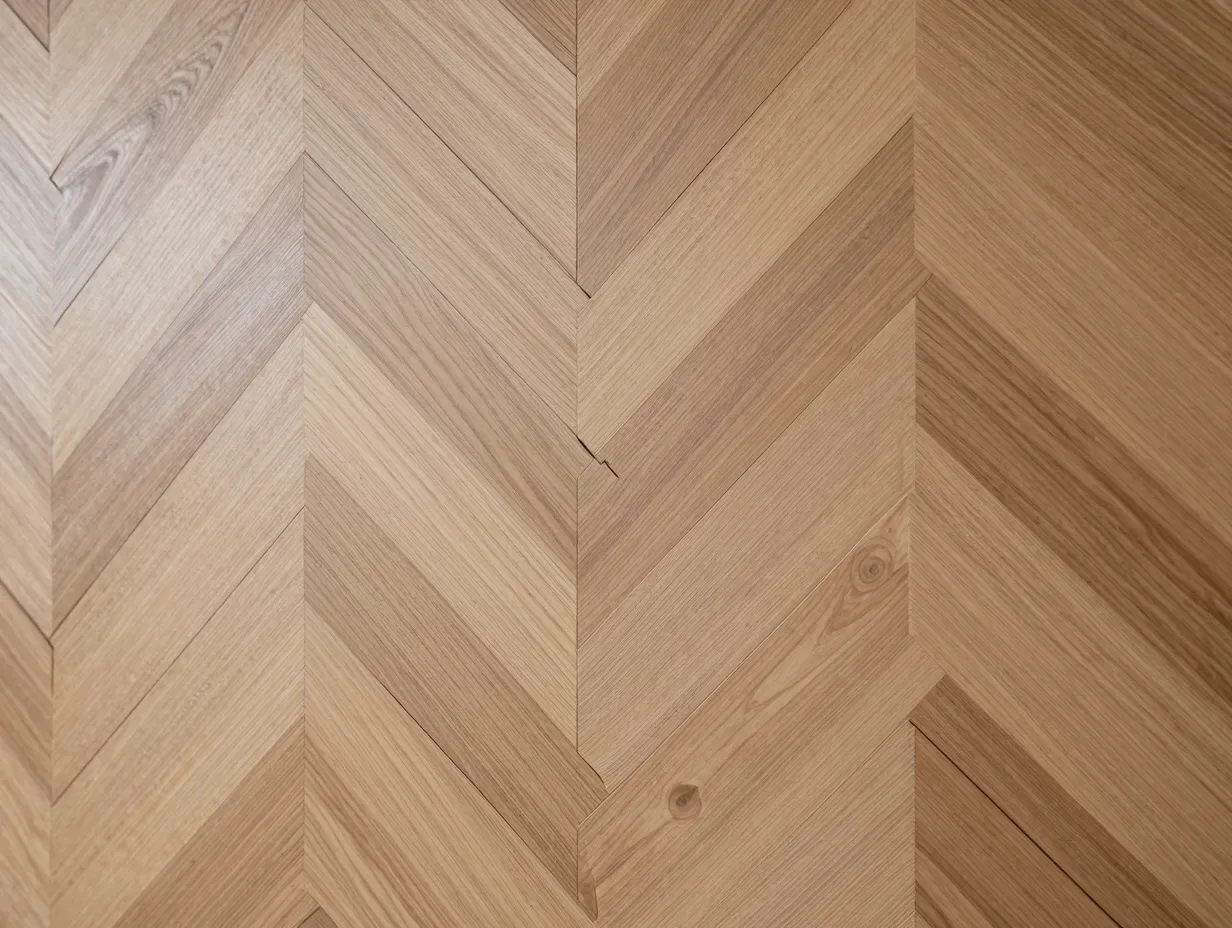
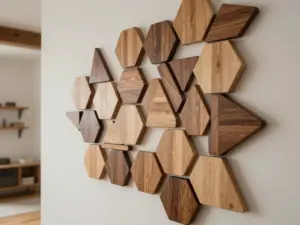
Geometric wood walls use individually cut wood pieces arranged into patterns, diamonds, hexagons, chevrons, or custom abstract arrangements. This approach treats wood as a three-dimensional medium rather than a flat surface covering. The result is a wall that functions as built-in art.
Three popular geometric approaches:
- Chevron or herringbone, diagonal planks meeting at a center point, creates movement and energy
- Diamond grid, square planks rotated 45 degrees, reads as formal and structured
- Layered relief panels, wood pieces of varying thickness mounted to create shadow and depth at different times of day as light shifts
The material cost for geometric installations is often lower than people expect, because the pieces are small and can be cut from off-cuts and shorts. The labor cost, however, is significant. Precision cutting and careful layout planning are essential. A single misaligned piece in a geometric pattern is immediately visible.
Pro tip: Build the pattern on the floor first. Lay out the entire design flat before mounting a single piece. Photograph the layout, then transfer it to the wall section by section.
8. Peel-and-Stick Wood Veneer Panels
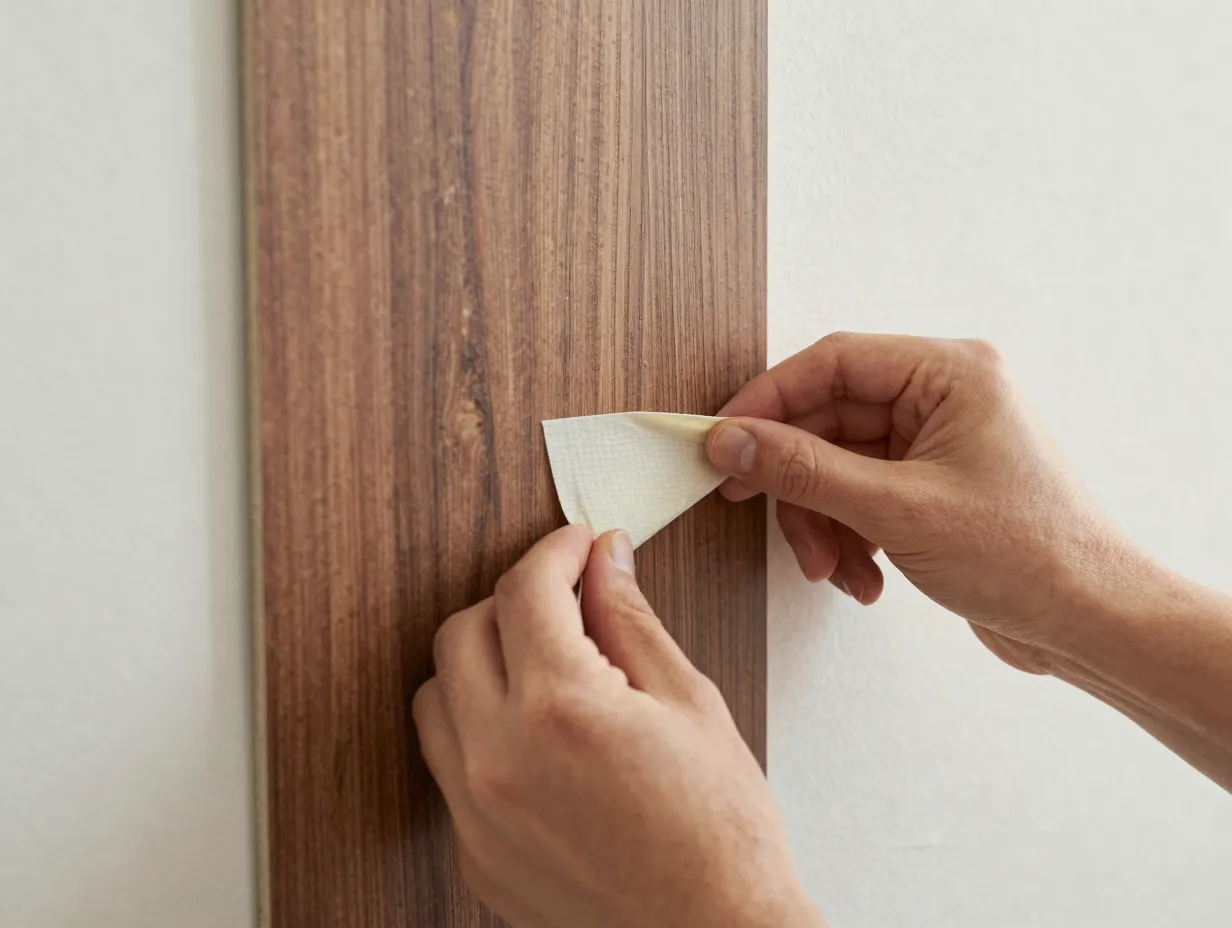
The final idea in this collection of 8 timeless wooden wall design ideas for a natural look is the most accessible: peel-and-stick wood veneer panels. These are thin slices of real wood, typically 1/16 to 1/8 inch thick, bonded to a flexible backing with a pressure-sensitive adhesive. They install without tools, without damage to the underlying wall, and without professional help.
Who this is ideal for:
- Renters who cannot make permanent modifications
- Homeowners testing a design before committing to full installation
- Anyone working with a tight budget who still wants genuine wood texture
Quality markers to look for when buying:
- Real wood veneer (not printed paper or vinyl film, the grain should feel tactile)
- UV-resistant finish to prevent yellowing
- Repositionable adhesive for error correction during installation
- Thickness of at least 1/16 inch for visible grain depth
The product category has matured significantly. In 2026, several manufacturers offer peel-and-stick panels in reclaimed barn wood, white oak, and walnut finishes that are genuinely difficult to distinguish from traditionally installed planks at normal viewing distance. They are not a compromise, they are a legitimate design solution.
How to Choose the Right Wooden Wall Design for Your Space
With eight strong options on the table, the selection process comes down to four variables: room function, existing light levels, budget, and skill level. The table below maps each design idea to these factors to help narrow the decision.
| Design Idea | Best Room | Light Requirement | Skill Level | Relative Cost |
|---|---|---|---|---|
| Shiplap Planks | Any room | Any | Beginner | Low, Medium |
| Reclaimed Wood | Living room, bedroom | Good natural light preferred | Intermediate | Medium, High |
| Tongue-and-Groove | Bedroom, hallway | Any | Intermediate | Medium |
| Live Edge Slabs | Living room, dining room | Bright preferred | Advanced | High |
| Whitewashed Panels | Bedroom, bathroom | Any | Beginner | Low, Medium |
| Dark-Stained Wood | Living room, office | Abundant light required | Intermediate | Medium |
| Geometric Panels | Living room, entryway | Any | Advanced | Medium, High |
| Peel-and-Stick Veneer | Any room, rental-safe | Any | Beginner | Low |
Sustainability and Wood Sourcing in 2026
Wood is a renewable resource, but only when it is harvested responsibly. In 2026, there is no excuse for sourcing wood from uncertified suppliers when credible alternatives are widely available. Two certification systems dominate the market:
FSC (Forest Stewardship Council), the global gold standard. FSC-certified wood comes from forests managed for long-term ecological health. Look for the FSC logo on product packaging or ask your supplier for the chain-of-custody certificate number.
PEFC (Programme for the Endorsement of Forest Certification), a European-origin system with equivalent standards. Widely used in Scandinavian and Central European timber.
Beyond certification, consider these sustainable sourcing strategies:
- Buy locally milled wood to reduce transportation emissions
- Choose reclaimed wood as the most carbon-efficient option available
- Ask lumber yards about off-cuts and shorts, these are often sold at steep discounts and are perfectly sized for accent wall projects
- Consider bamboo as a wood alternative, technically a grass, it grows to harvest maturity in 3-5 years versus 30-80 years for hardwoods
Sustainable sourcing does not add significant cost when you plan ahead. It does require slightly more lead time for sourcing and delivery, so build that into your project timeline.
Common Mistakes to Avoid
Even experienced DIYers make these errors when installing wooden walls. Knowing them in advance saves significant time and money.
Skipping acclimation. Wood must acclimate to the room’s temperature and humidity before installation. Stack the planks in the room for a minimum of 48-72 hours. Skipping this step causes planks to expand or contract after installation, creating gaps or buckling.
Ignoring moisture barriers. In bathrooms, laundry rooms, or any below-grade space, install a vapor barrier behind the wood. Even naturally moisture-resistant species like cedar and teak will deteriorate without this protection over time.
Overusing one wood type throughout the home. A single wood species used on walls, floors, and furniture in the same room creates a flat, monotonous effect. Mix species, finishes, or tones to create depth and visual interest.
Choosing finish before testing. Always apply your chosen stain or finish to a scrap piece of the same wood and let it cure fully before committing to the wall. Stain colors shift significantly between wet application and dry cure, and they look different under artificial light than in the store.
Conclusion
The 8 timeless wooden wall design ideas for a natural look covered in this guide, shiplap, reclaimed wood, tongue-and-groove, live edge slabs, whitewashed panels, dark-stained wood, geometric installations, and peel-and-stick veneer, represent a complete toolkit for transforming any interior with natural material. Each approach has its own character, skill requirement, and price point, which means there is a realistic path forward regardless of your budget or experience level.
Your actionable next steps:
- Identify the single room in your home where a wood wall would have the greatest impact. Start there, not everywhere at once.
- Collect three to five material samples, actual wood pieces, not digital swatches, and live with them in the room for a week under both natural and artificial light.
- Verify your wood source carries FSC or PEFC certification before purchasing.
- If you are a renter or a first-timer, begin with peel-and-stick veneer on a small section of wall. The confidence you build from a successful small project is worth more than any shortcut.
- Seal and protect your finished wall properly. The installation is the beginning of the wall’s life, not the end of the project.
Wood walls are not a decorating decision. They are a long-term investment in how a space feels every single day. Make the choice deliberately, source responsibly, and install with patience. The result will outlast every trend that comes after it.