9 DIY Indoor Plant Stand Ideas To Display Your Green Collection
A 2026 survey by the National Gardening Association found that more than 66% of American households now own at least one houseplant, yet most of those plants sit directly on windowsills, floors, or cluttered shelves, never reaching their full visual potential. The fix is simpler and cheaper than most people realize. These 9 DIY indoor plant stand ideas to display your green collection can transform an ordinary room into a living gallery, using materials you may already own or can source for under $30.
Disclosure: This post contains affiliate links. As an Amazon Associate, we earn from qualifying purchases, and at no extra cost to you.
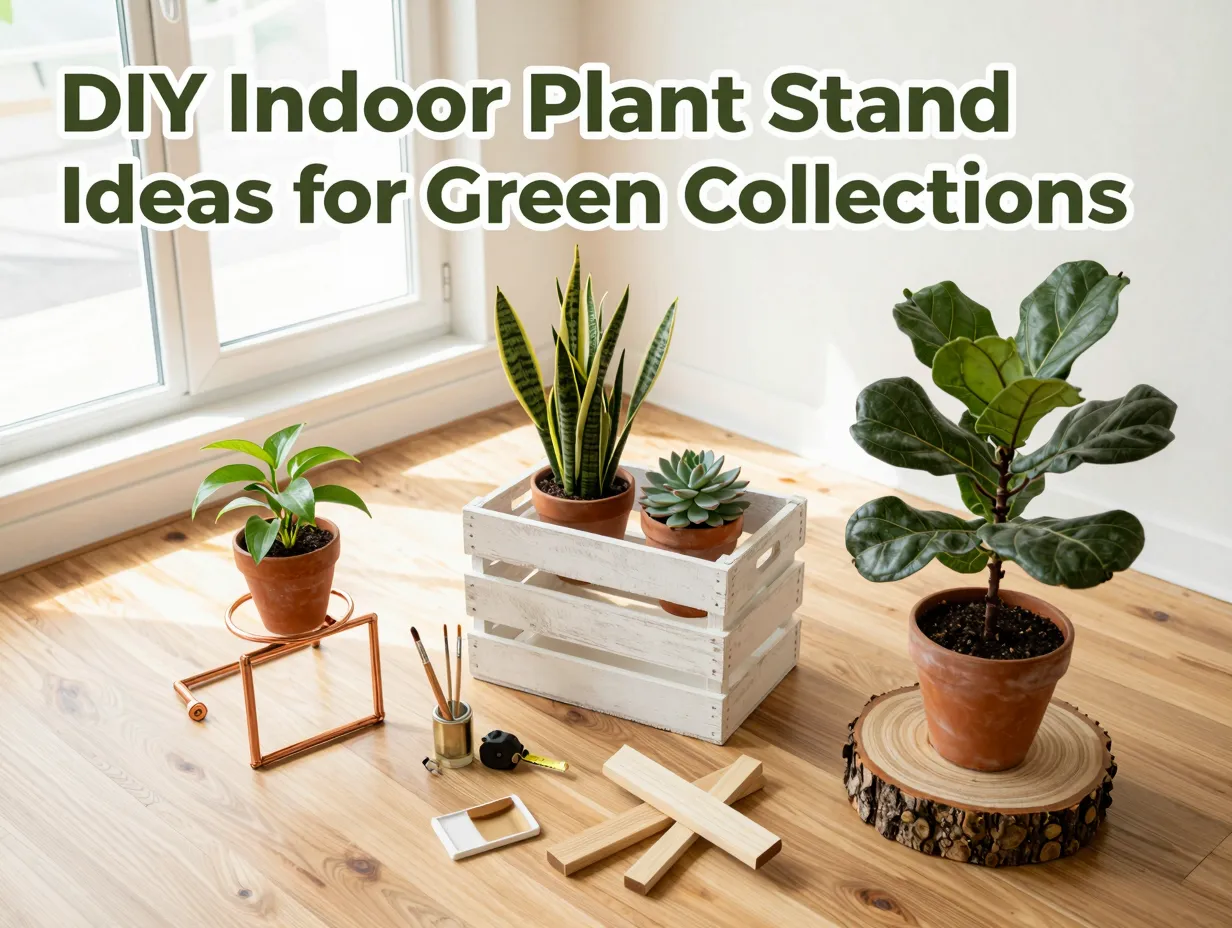
Whether you have a single fiddle-leaf fig or a sprawling collection of trailing pothos, the right stand changes everything: light exposure improves, floor space opens up, and your plants become intentional décor rather than afterthoughts. I built my first DIY plant stand from scrap lumber during a weekend afternoon, and the difference it made to my living room was immediate and dramatic.
This guide walks through nine of the most practical, stylish, and budget-friendly DIY indoor plant stand ideas available in 2026, drawing from the latest roundups and expert sources across the web [8][9].
Key Takeaways
- DIY plant stands can be built for as little as $10 to $30 using basic materials like lumber, cinder blocks, copper pipe, or repurposed ladders.
- Multi-tier designs maximize vertical space, which is especially valuable in small apartments or compact rooms.
- Most of these nine builds require only beginner-level tools and skills, no advanced woodworking experience needed.
- The right stand improves light distribution for your plants and creates a cohesive, intentional display.
- Repurposed and upcycled materials (ladders, crates, pallets) are among the most popular and cost-effective options trending in 2026.
Why Building Your Own Plant Stand Is Worth It
Before diving into the specific builds, it helps to understand why DIY beats store-bought for most plant lovers. Retail plant stands often come in fixed sizes, limited finishes, and generic designs that rarely match your exact space or plant collection. A DIY approach lets you control every dimension, material, and finish.
According to recent roundups covering dozens of indoor stand concepts, the most effective DIY plant stands share three traits: they use vertical space efficiently, they are modular enough to reconfigure as your collection grows, and they are built from materials that complement existing home décor [8]. The nine ideas below are selected with all three traits in mind.
Cost comparison at a glance:
| Stand Type | Estimated Material Cost | Skill Level |
|---|---|---|
| Ladder stand | $0 to $20 (repurposed) | Beginner |
| Cinder block and board | $15 to $30 | Beginner |
| Copper pipe stand | $20 to $40 | Beginner |
| Cedar post stand | $25 to $45 | Intermediate |
| Pallet shelf | $0 to $15 | Beginner |
| Crate stack | $10 to $25 | Beginner |
| Tripod stand | $15 to $30 | Beginner |
| PVC pipe stand | $10 to $20 | Beginner |
| Log slice pedestal | $0 to $10 | Beginner |
9 DIY Indoor Plant Stand Ideas To Display Your Green Collection
The following nine builds are ordered from the most beginner-friendly to those requiring slightly more effort. Each one has been chosen because it is genuinely achievable on a weekend, uses affordable or repurposed materials, and delivers a result that looks intentional and polished.
1. Repurposed Wooden Ladder Stand
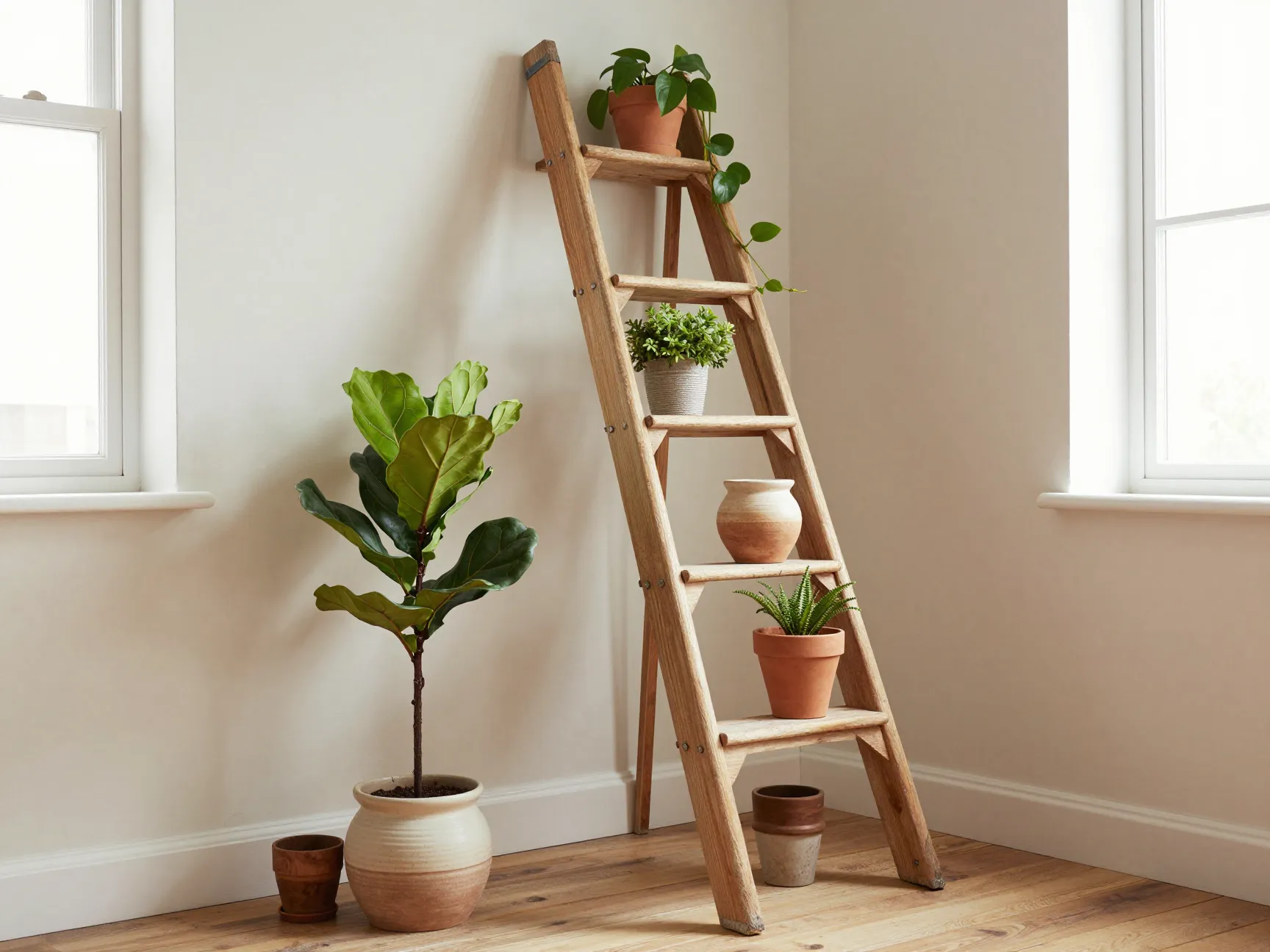
The wooden ladder stand is arguably the most popular DIY plant display solution trending in 2026, and for good reason. An old wooden ladder, the kind found at estate sales, thrift stores, or sitting in a garage, becomes an instant multi-tier plant display with zero modification required [4][9].
What you need:
- One wooden stepladder or leaning ladder
- Sandpaper (120-grit and 220-grit)
- Wood stain or paint (optional)
- Waterproof sealant for the rungs
How to build it: Sand the ladder smooth to remove splinters and old paint. Apply a wood stain in walnut, white, or natural pine to match your room. Once dry, seal the rungs with a waterproof coat to protect against water damage from plant pots. Lean the ladder against a wall near a window and arrange plants on each rung, placing taller plants on lower rungs and trailing varieties near the top.
The height of a standard stepladder naturally staggers plants at different elevations, which dramatically improves light exposure for every plant in the collection [5]. This is one of the most visually striking results for the least amount of work.
2. Cinder Block and Plank Shelf Stand
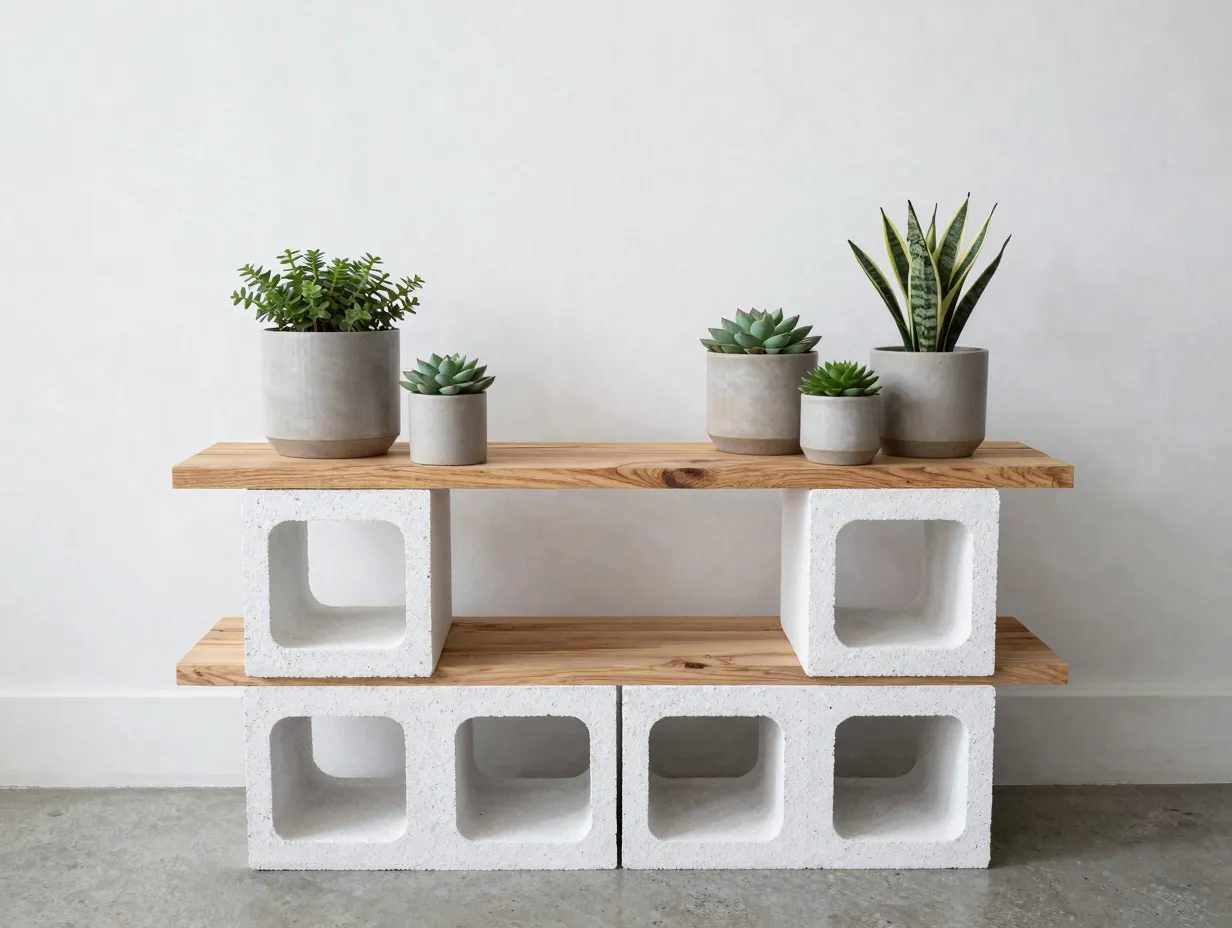
Cinder blocks and wooden planks create a modular, industrial-style plant stand that can be reconfigured endlessly as your collection grows. This build is popular among urban plant enthusiasts because it requires no tools and costs almost nothing if you already have scrap lumber [7][8].
What you need:
- 4 to 8 standard cinder blocks
- 2 to 3 wooden planks (pine, oak, or plywood), cut to your desired width
- Sandpaper and wood stain (optional)
How to build it: Stack two cinder blocks side by side on the floor, leaving a gap equal to the length of your plank. Lay a plank across the top of both blocks. Repeat the process above to create a second tier, offsetting the blocks slightly for visual interest. The blocks act as legs and the planks as shelves. You can paint the blocks in a matte white or terracotta tone to soften the industrial look.
“The beauty of this system is that it grows with you. Add another block and plank when your collection expands, no tools, no screws, no fuss.”
This stand holds heavy pots easily and can span an entire wall if needed [8].
3. Copper Pipe Plant Stand
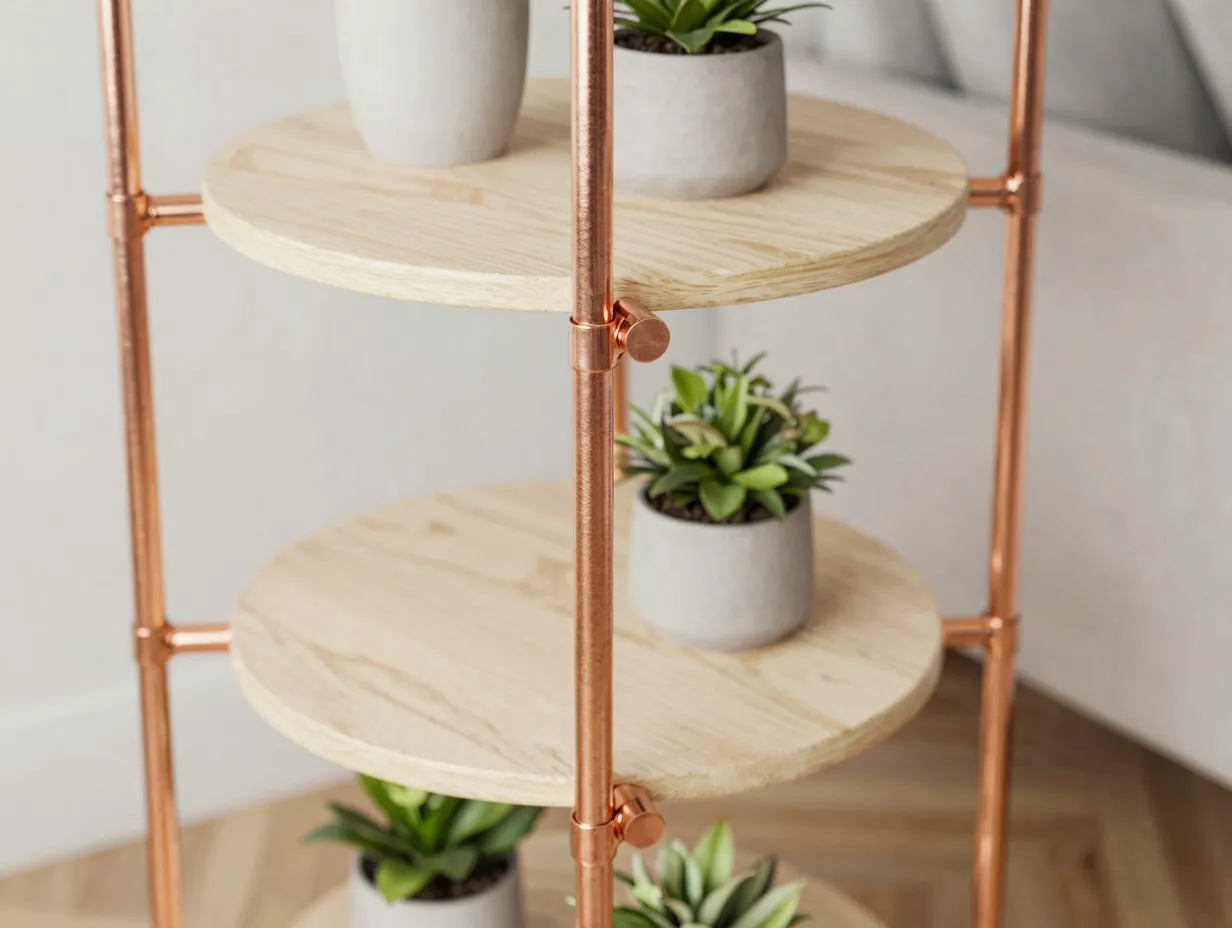
Copper pipe stands have become a staple of modern bohemian and Scandinavian-inspired interiors. They look expensive but cost very little to build, and the warm metallic tone of copper complements almost every plant variety [6][7].
What you need:
- Copper pipes (half-inch diameter, cut to length)
- Copper pipe connectors (T-joints and elbow joints)
- Pipe cutter
- Wooden shelf boards (optional)
How to build it: Cut the copper pipes to your desired leg height (typically 12 to 18 inches for a low stand). Use T-joints and elbow joints to assemble a rectangular or triangular frame. Slip a circular or square wooden board onto the frame as the shelf surface. For a three-tier version, stack frames at increasing heights using longer vertical pipes between each level.
No soldering is required if you use press-fit connectors, making this a true beginner build. The finished stand has a clean, architectural quality that elevates any plant display [6].
4. Cedar Post Multi-Tier Stand
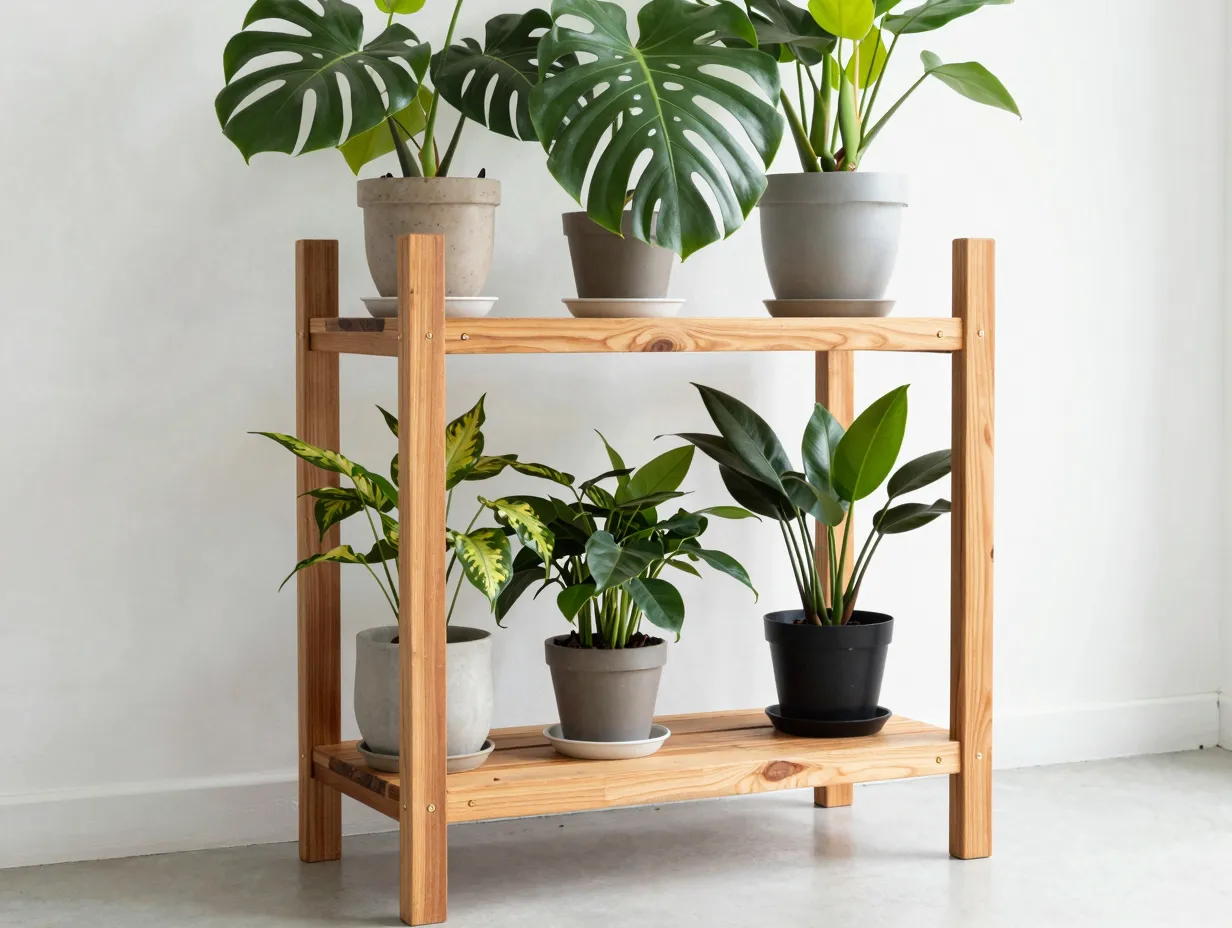
Cedar post stands are built from 2×3 or 2×4 cedar lumber and represent a step up in craftsmanship from the first three ideas. Cedar is naturally resistant to moisture and insects, making it an excellent choice for a plant stand that will be exposed to regular watering [8].
What you need:
- Cedar 2×3 lumber (cut into legs and shelf supports)
- Plywood or cedar boards for shelves
- Wood screws and a drill
- Sandpaper and outdoor-grade wood stain
How to build it: Cut four legs to your desired height (typically 30 to 36 inches for a standing display). Cut horizontal shelf supports to connect pairs of legs at three different heights. Attach the shelf boards across the supports using wood screws. Sand the entire stand smooth and apply a cedar-toned or natural wood stain.
This build produces a sturdy, professional-looking stand that can hold multiple large pots without flexing. It is one of the most durable options in this list and works beautifully in living rooms, sunrooms, and covered patios [5][8].
5. Stacked Wooden Crate Display
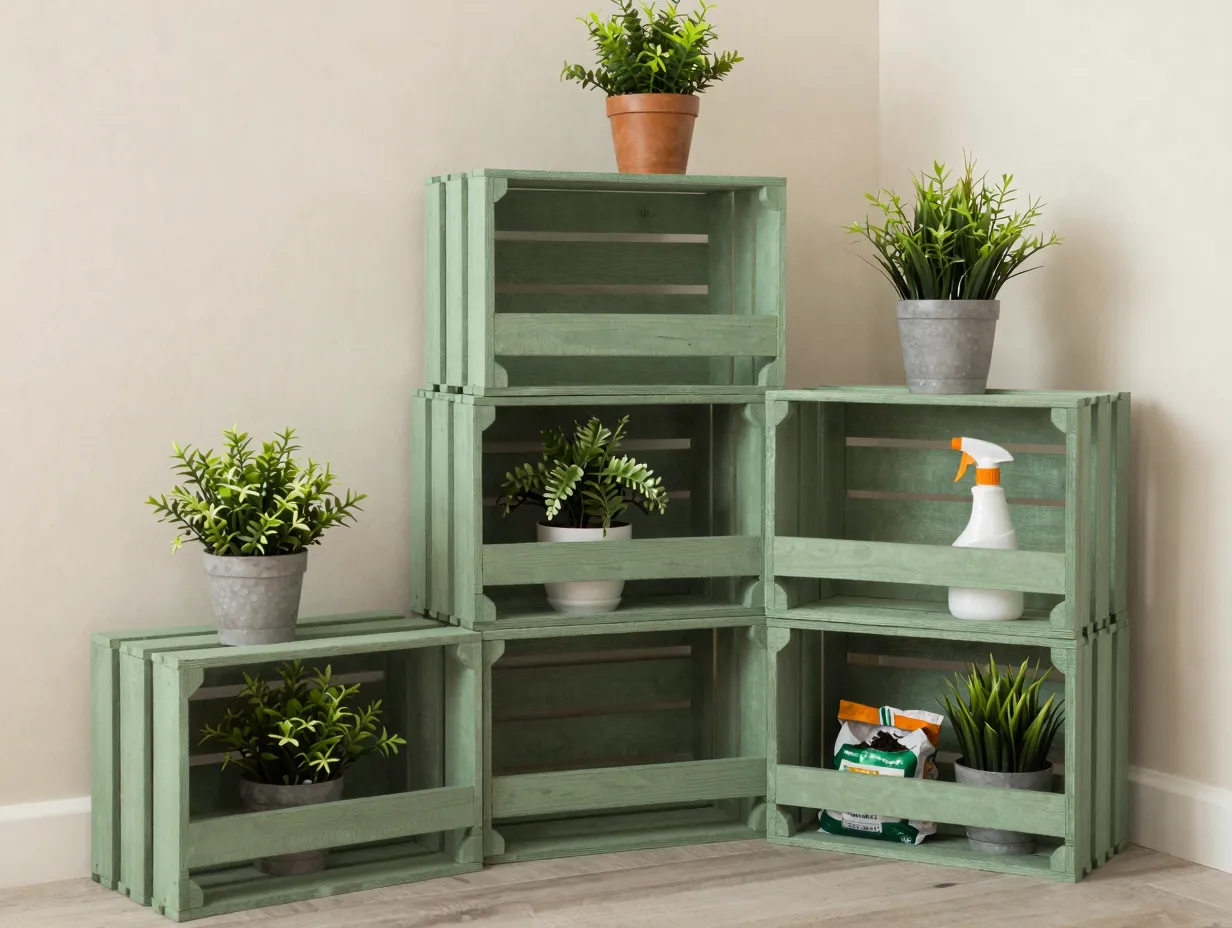
Wooden crates, the kind used for fruit, wine, or storage, stack and arrange into surprisingly elegant plant displays. This is one of the fastest builds on this list and requires almost no tools [9].
What you need:
- 3 to 6 wooden crates (matching or mixed sizes)
- Sandpaper
- Paint or wood stain in a neutral tone
- L-brackets and screws (for stability)
How to build it: Sand each crate to remove rough edges. Paint or stain them in a uniform color, white, sage green, and natural wood are all popular choices in 2026 [9]. Arrange the crates in a staggered pyramid or grid pattern. Secure adjacent crates together using small L-brackets on the interior corners so the structure stays stable. Place plants directly inside the crates or use the crates as shelves for potted plants.
The interior of each crate can also store gardening supplies, spray bottles, or extra soil, making this a functional as well as decorative build.
6. Triangular Plywood Shelf Stand
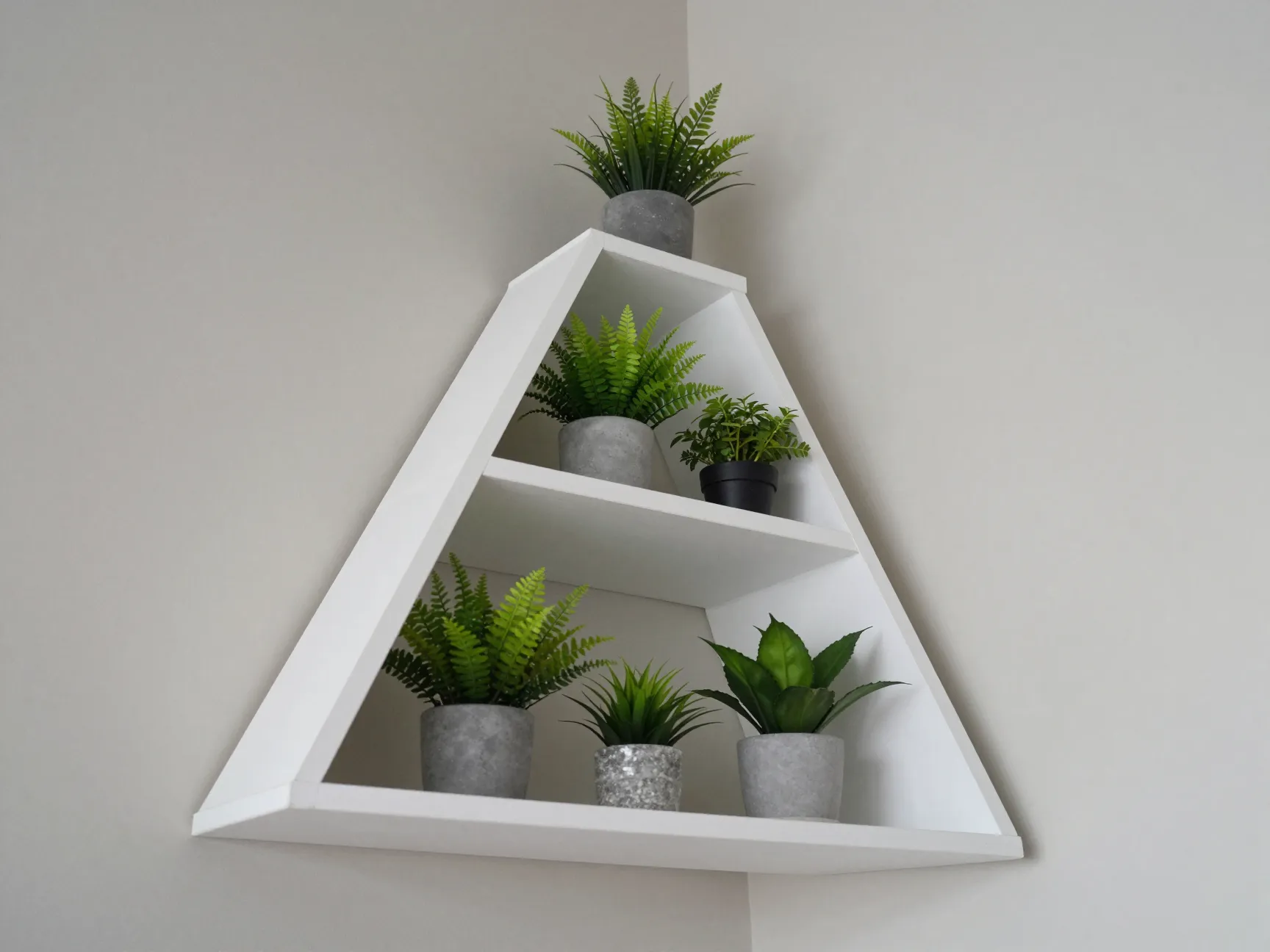
Triangular plywood stands have been featured prominently in recent large DIY roundups as a space-efficient, modern option for displaying plants in corners [8]. The triangular footprint fits perfectly into room corners, using space that would otherwise go to waste.
What you need:
- One sheet of plywood (half-inch thickness)
- Jigsaw or circular saw
- Wood glue and finishing nails
- Sandpaper and paint or stain
How to build it: Cut three identical triangular shelf pieces from the plywood. Cut three vertical side panels to connect the shelves at equal intervals. Assemble the unit using wood glue and finishing nails, creating a three-tier triangular tower. Sand all edges smooth and apply a finish of your choice.
The finished stand stands roughly 36 to 48 inches tall and fits snugly into any corner. It is ideal for displaying a curated collection of small to medium plants at three distinct heights, which creates a layered, gallery-style effect [8].
7. Rope and Wood Hanging Plant Shelf
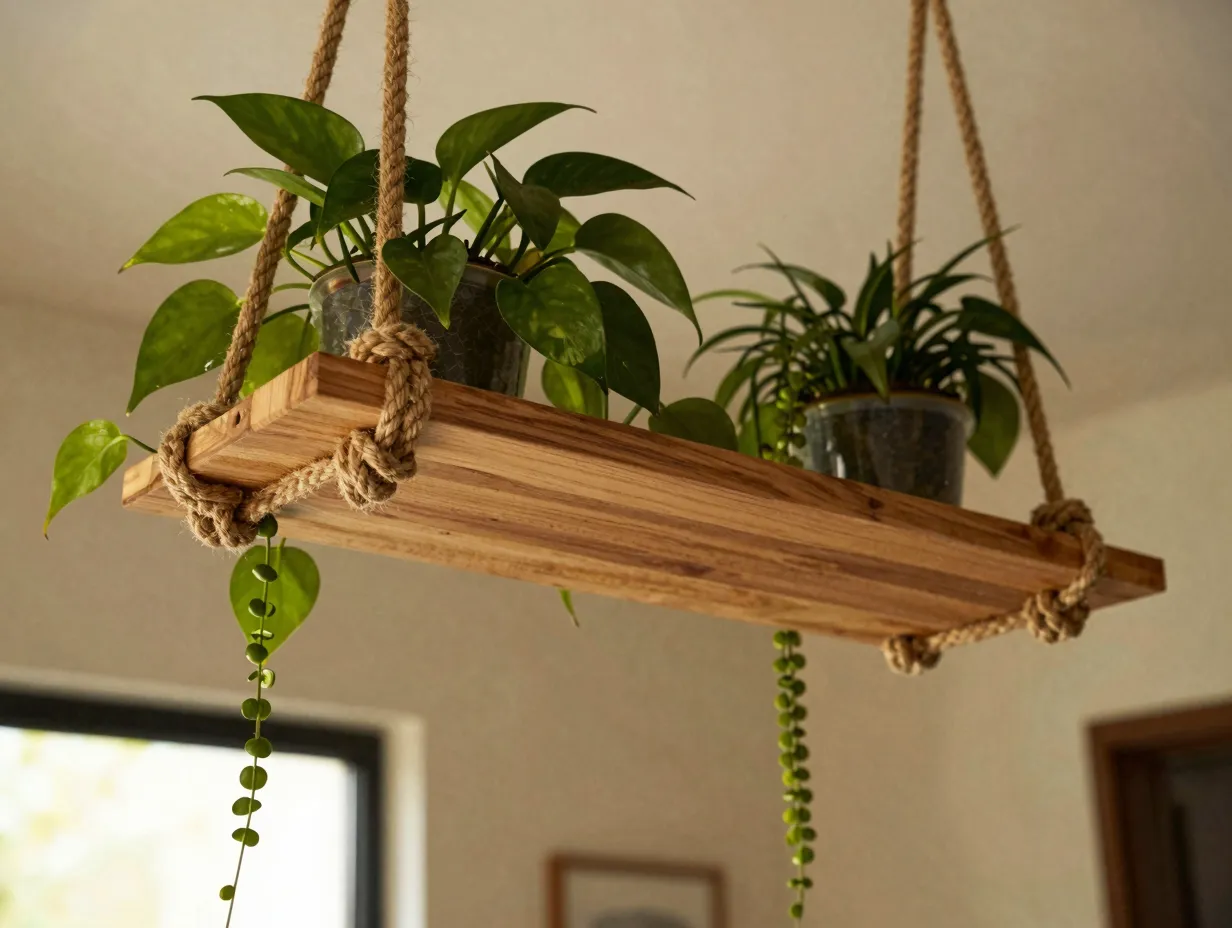
Not all plant stands sit on the floor. A hanging rope shelf brings plants up to eye level, frees up floor space entirely, and adds a warm, artisan texture to any room [3][7].
What you need:
- One or two wooden boards (pine or oak, roughly 12 inches wide)
- Thick natural rope (jute or cotton, at least half-inch diameter)
- Ceiling hook or curtain rod for mounting
- Drill and sandpaper
How to build it: Sand the board smooth and apply a natural wood finish. Drill four holes near the corners of the board. Thread the rope through each hole and tie secure knots beneath the board to support its weight. Gather the four rope ends above the board and tie them together at a consistent height. Hang the completed shelf from a ceiling hook or over a curtain rod.
For a two-tier version, tie a second board into the rope system below the first, spacing the tiers about 12 inches apart. This creates a floating, airy display that works especially well for trailing plants like pothos, string of pearls, or ivy [3].
8. PVC Pipe Modular Stand
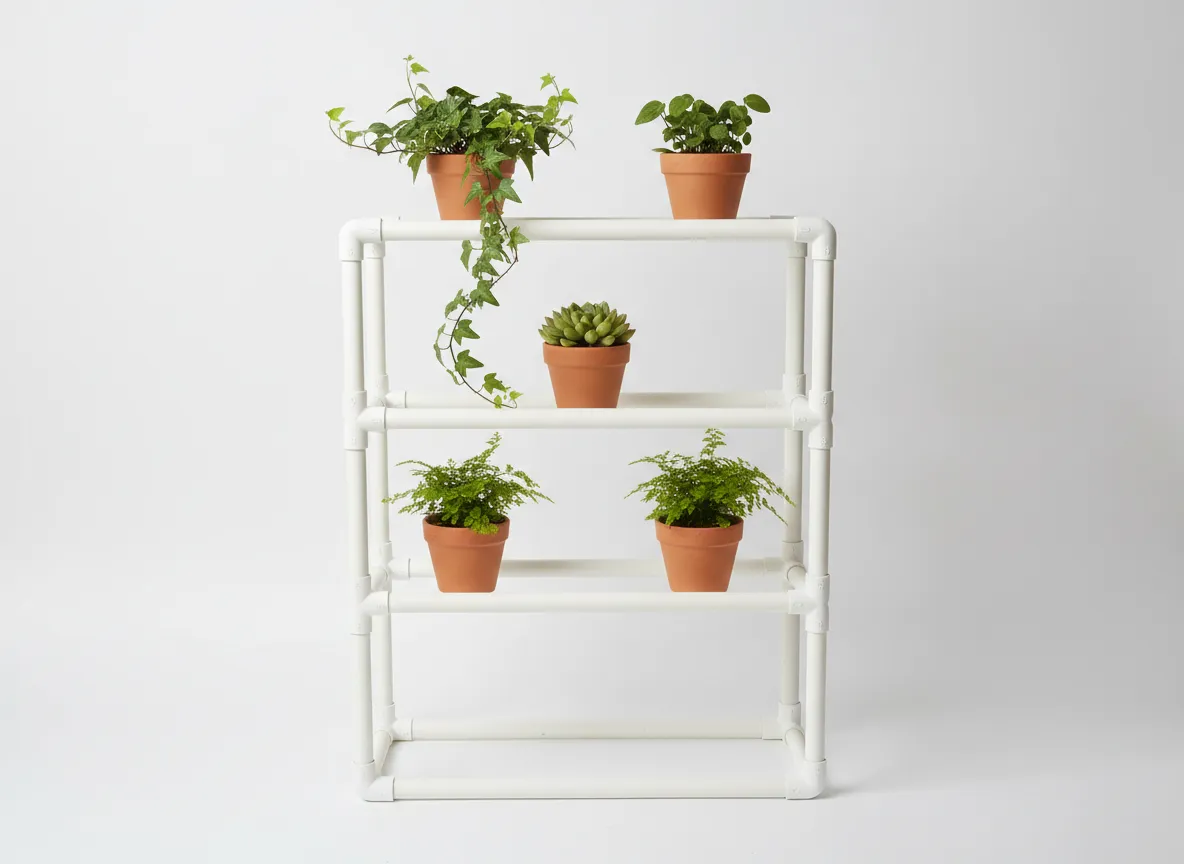
PVC pipe is lightweight, waterproof, and inexpensive, qualities that make it an underrated material for DIY plant stands. A PVC pipe stand can be assembled and disassembled without tools, making it ideal for renters or anyone who moves frequently [1][7].
What you need:
- PVC pipes (three-quarter-inch diameter)
- PVC T-joints, elbow joints, and cross joints
- PVC cutter or hacksaw
- Spray paint (optional)
How to build it: Cut the PVC pipes into equal lengths for legs and shelf supports. Assemble the frame using T-joints and elbow joints, building upward in tiers. For a cleaner look, spray paint the entire assembled stand in matte black, white, or gold before adding plants. The joints press together firmly without glue, allowing you to reconfigure the stand whenever needed.
A three-tier PVC stand can be built in under two hours and costs less than $20 in materials [1]. It is one of the most practical builds for beginners who want a functional result without investing in power tools.
9. Log Slice Pedestal Stand
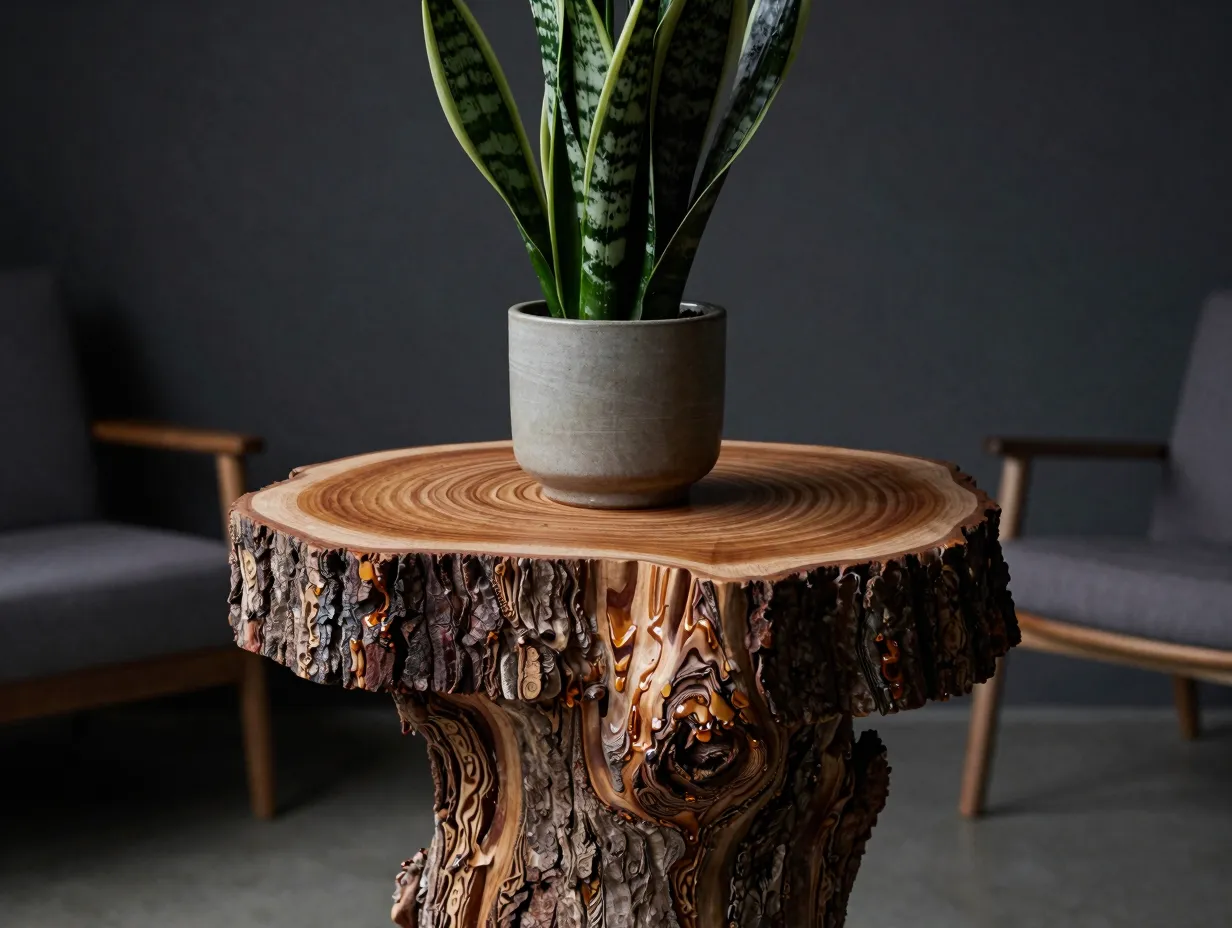
The log slice pedestal is the most natural and organic option in this collection of 9 DIY indoor plant stand ideas to display your green collection. A single thick cross-section cut from a tree trunk becomes an instant, sculptural plant stand that requires almost no work [4][6].
What you need:
- One log slice, 4 to 8 inches thick and 8 to 16 inches in diameter
- Chainsaw or hand saw (or purchase pre-cut slices)
- Sandpaper (80-grit through 220-grit)
- Clear wood sealant or beeswax finish
How to build it: If you are cutting your own slice, cut a round cross-section from a dry log at your desired thickness. Sand the top surface progressively from coarse to fine grit until it is smooth enough to hold a pot without wobbling. Sand the edges to remove bark or rough spots. Apply a clear sealant or beeswax finish to protect the wood from moisture.
The result is a one-of-a-kind pedestal that looks like it belongs in a high-end plant shop. Use it to elevate a single statement plant, a large monstera, a sculptural cactus, or a dramatic snake plant, in a prominent corner or beside a reading chair [4][6].
Tips for Getting the Most From Your DIY Plant Stand
Building the stand is only half the equation. How you arrange and maintain your plant display matters just as much as the structure itself.
Grouping plants by light needs is the most practical approach. Place sun-loving succulents and cacti on the highest tiers of a ladder or multi-tier stand where they will receive the most direct light. Position shade-tolerant ferns and pothos on lower tiers or in spots further from windows [4].
Vary pot heights and sizes within a single stand to create visual rhythm. A stand filled with identical pots at identical heights looks flat. Mix tall, narrow pots with wide, shallow ones, and use risers or small wooden blocks to further vary the elevation within a single shelf.
Protect your floors and shelves by placing waterproof saucers under every pot. For wooden stands, consider adding small felt pads to the bottom of each saucer to prevent scratching.
Rotate your plants regularly. Even on a well-positioned stand, plants grow toward their light source and can become lopsided. A quarter-turn every two weeks keeps growth even and symmetrical.
Seal all wooden stands with a waterproof finish before use. Water from watering cans and drainage saucers will eventually damage unsealed wood, warping shelves and staining floors [5][7].
Choosing the Right Stand for Your Space
Not every build suits every home. Here is a quick guide to matching the right stand to your situation:
- Small apartment or studio: Choose the ladder stand, stacked crates, or triangular corner shelf. All three have minimal footprints and use vertical space efficiently [9].
- Large living room or sunroom: The cedar post stand or cinder block shelf system scales up easily and can hold a large collection without looking cluttered [8].
- Rental home (no drilling): The PVC pipe stand and cinder block system require no wall anchors or permanent fixtures, making them ideal for renters [1].
- Minimalist or Scandinavian décor: Copper pipe stands and log slice pedestals complement clean, natural aesthetics without overwhelming the room [6].
- Bohemian or eclectic style: Rope hanging shelves and repurposed ladder stands fit naturally into layered, textured interiors [3][7].
Conclusion
These 9 DIY indoor plant stand ideas to display your green collection prove that you do not need a large budget or advanced skills to create a stunning plant display. From a $0 repurposed ladder to a $40 copper pipe stand, every build on this list is achievable in a single weekend and produces results that rival anything you would find in a home décor store.
Actionable next steps:
- Assess your space and identify one corner, wall, or window area where a plant stand would have the most impact.
- Choose one build from this list that matches your skill level, budget, and décor style.
- Gather your materials, check your garage, local thrift stores, and hardware stores before buying anything new.
- Build your stand this weekend. Most of these projects take two to four hours from start to finish.
- Once your first stand is complete, use the grouping and arrangement tips above to create a display that looks intentional and cohesive.
Your plants deserve better than a windowsill. Give them a stage.
References
[1] Diy Plant Stands – https://hngideas.com/diy/diy-plant-stands/
[2] Diy Plant Stand 8645468 – https://www.thespruce.com/diy-plant-stand-8645468
[3] Ideas Diy Plant Stand – https://youhadmeatgardening.com/ideas-diy-plant-stand/
[4] Indoor Plant Stand Ideas – https://www.gardeneros.com/blog/indoor-plant-stand-ideas
[5] Diy Plant Stand Plans You Can Make Quickly – https://ahouseinthehills.com/diy-plant-stand-plans-you-can-make-quickly/
[6] Plant Stands To Fill Your Home – https://www.homedit.com/plant-stands-to-fill-your-home/
[7] Diy Indoor Plant Stand Ideas – https://www.housedigest.com/1556667/diy-indoor-plant-stand-ideas/
[8] Diy Plant Stand Ideas – https://handykeen.com/diy-plant-stand-ideas/
[9] Best Indoor Plant Stand Ideas For Small Spaces – https://plantfixx.com/best-indoor-plant-stand-ideas-for-small-spaces/