9 Wall Decor Ideas That Instantly Elevate a Boring and Bare Room
A bare wall costs you nothing, but it silently drains the energy from every room it occupies. Studies in environmental psychology consistently show that visual stimulation in living spaces directly influences mood, productivity, and perceived comfort. Yet millions of homeowners leave their walls completely untouched for years, convinced that decorating them is either too expensive or too complicated. It is neither. The 9 wall decor ideas that instantly elevate a boring and bare room covered in this guide range from budget-friendly DIY fixes to bold design statements, and every single one can be executed in a weekend or less.
Disclosure: This post contains affiliate links. As an Amazon Associate, we earn from qualifying purchases, and at no extra cost to you.
Whether you are moving into a new apartment, refreshing a rental, or simply tired of staring at the same blank canvas every morning, this article gives you a clear, actionable roadmap for transforming your walls in 2026.
Key Takeaways
- Textured accent walls are the single most impactful upgrade you can make to a bare room in 2026, according to current interior design trends.
- A curated gallery wall remains the fastest way to inject personality into a space without a major renovation.
- Oversized single artworks now outperform clusters of small pieces for visual impact and modern appeal.
- Organic and biophilic elements like moss panels and living walls are surging in popularity as both decor and wellness tools.
- Strategic mirrors and lighting can make a small or dark room feel dramatically larger and brighter without structural changes.
Why Your Walls Matter More Than You Think
Most people focus their decorating budget on furniture, rugs, and lighting. Walls are an afterthought. That is a mistake. Walls make up the largest continuous surface area in any room. They set the tone before a single piece of furniture is noticed. Interior designers have long argued that a well-dressed wall can make inexpensive furniture look intentional, while a bare wall can make even luxury pieces feel unfinished.
In 2026, the conversation around wall decor has shifted significantly. The trend is no longer about filling space for the sake of it. It is about making deliberate, considered choices that reflect personality, improve atmosphere, and create a sense of cohesion [1]. The 9 wall decor ideas that instantly elevate a boring and bare room outlined below are grounded in this philosophy.
The 9 Wall Decor Ideas That Instantly Elevate a Boring and Bare Room
1. Create a Textured Statement Wall
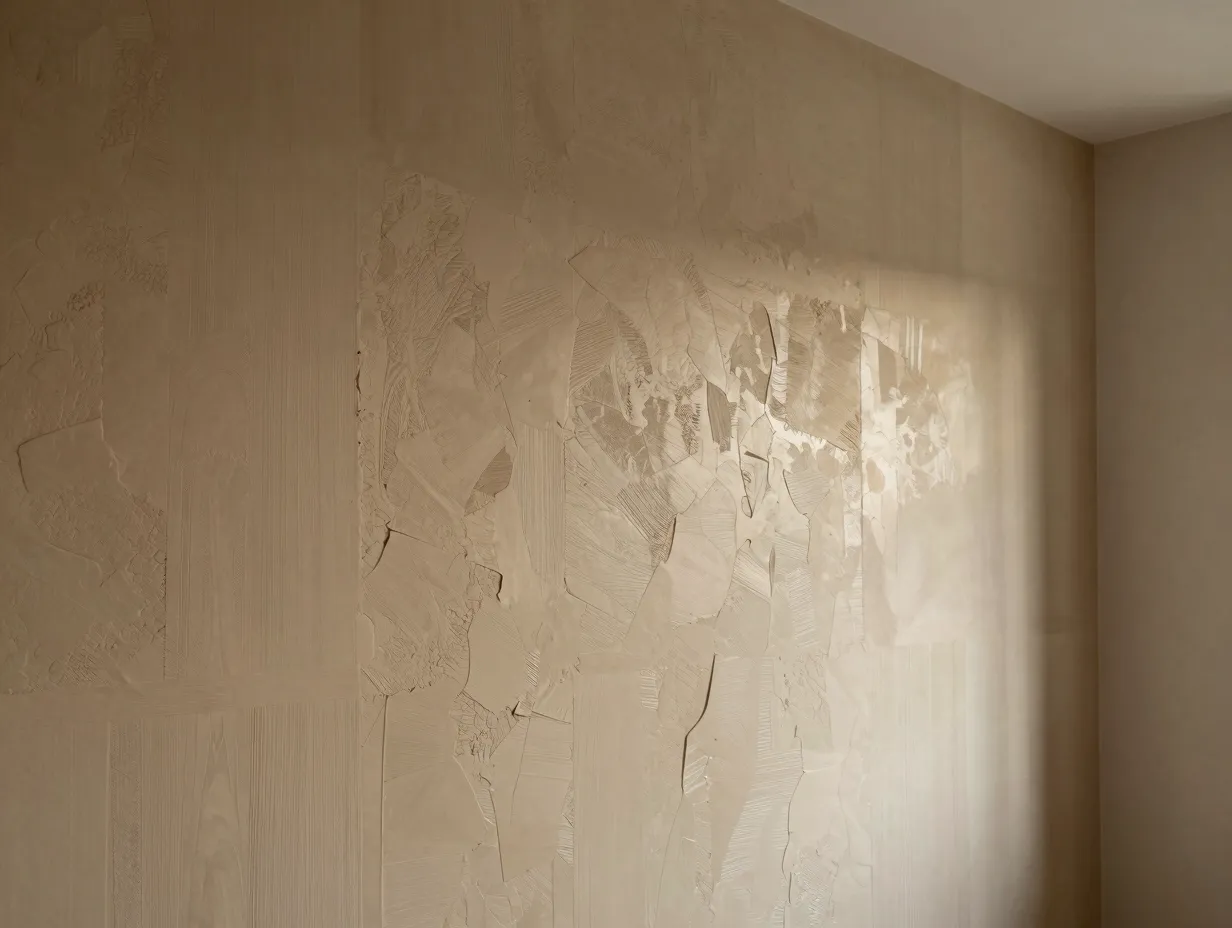
If you only do one thing from this list, make it this one. Textured walls are the single biggest upgrade trend for boring rooms in 2026 [1]. A textured statement wall introduces depth, warmth, and architectural interest that paint alone simply cannot achieve.
Options range from affordable to investment-level:
- Limewash paint creates a soft, aged, organic finish that photographs beautifully and costs little more than standard paint.
- Venetian plaster is a higher-end option that delivers a polished, almost marble-like surface with extraordinary depth.
- Peel-and-stick textured panels are ideal for renters and can be removed without damaging walls.
- Shiplap and wood slat panels add a warm, Scandinavian-inspired texture that works in living rooms, bedrooms, and home offices.
The key is to choose one wall, typically the wall your eye lands on first when entering the room, and commit to it. Trying to texture every wall dilutes the effect [4].
“Texture is the quiet luxury of interior design. It does not shout, but it is always noticed.”
I once helped a friend transform her rental bedroom by applying a single accent wall of peel-and-stick limewash panels. The room went from looking like a budget hotel to feeling like a boutique stay, for under $120 and one Saturday afternoon.
2. Build a Curated Gallery Wall
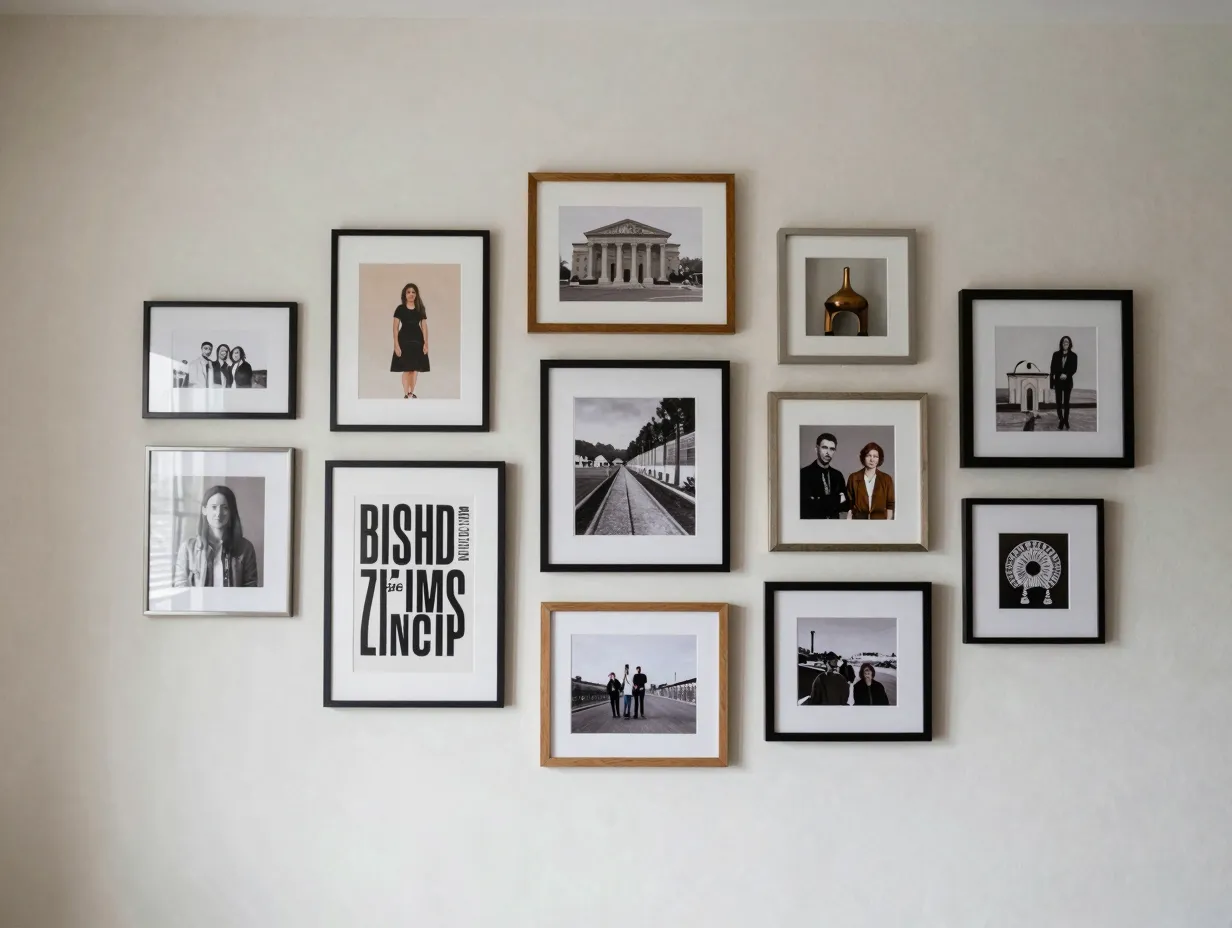
The gallery wall is not a new idea, but the way it is being executed in 2026 has evolved considerably. Forget the mismatched collection of random frames. Today’s gallery walls are curated with intention, a mix of art prints, personal photographs, typographic pieces, and small sculptural objects arranged with visual rhythm [5].
What makes a gallery wall work in 2026:
| Element | What to Aim For |
|---|---|
| Frame variety | Mix metals, wood, and frameless pieces |
| Scale contrast | Combine large anchors with small accents |
| Color cohesion | Stick to 2-3 tones across all pieces |
| Subject diversity | Art, photos, mirrors, and objects together |
| Spacing | Keep gaps between pieces consistent (2-3 inches) |
The most common mistake is starting with the frames already on the wall. Instead, lay everything out on the floor first. Photograph it, adjust it, and only then begin hanging. This approach saves hours of spackle work [9].
A gallery wall is the most recommended “instant personality” fix for bare rooms because it tells a story. Every piece you choose reveals something about who lives in the space [2].
3. Hang One Oversized Piece of Art
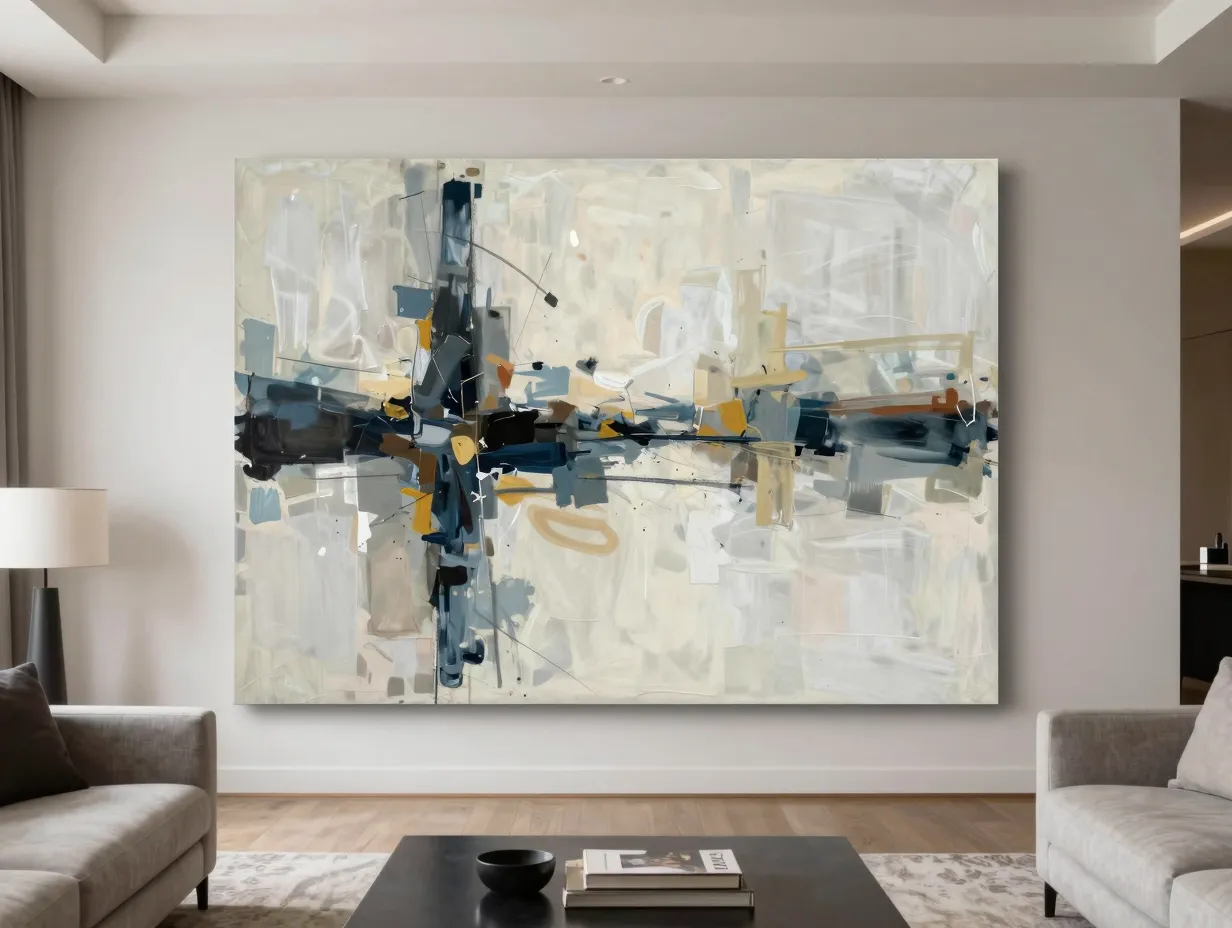
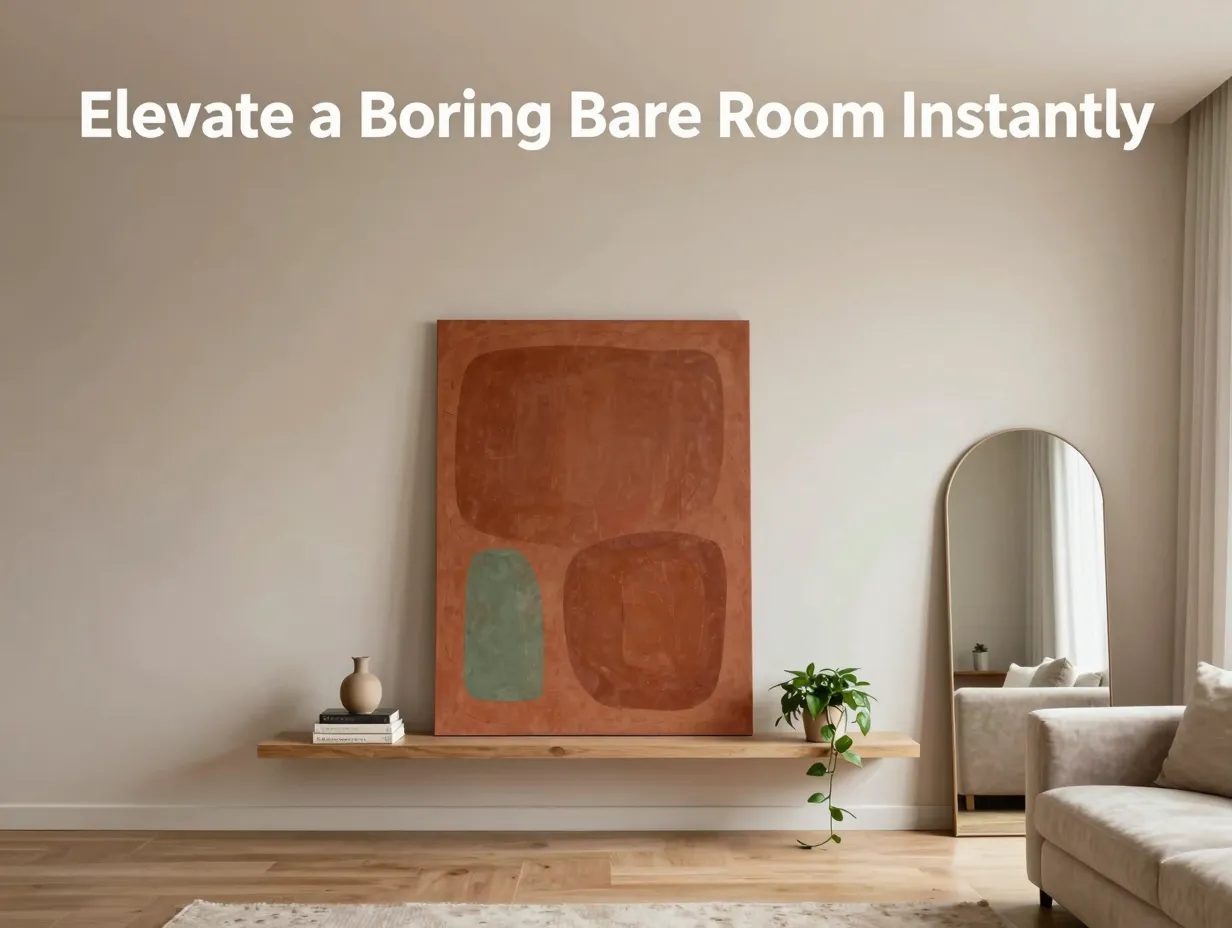
There is a counterintuitive truth in interior design: one large piece of art almost always looks more sophisticated than several small ones. In 2026, oversized single artworks have become the preferred approach over clustered arrangements for anyone seeking a clean, contemporary look [2].
An oversized canvas or print, anything above 36 inches on its shorter side, creates an immediate focal point. It draws the eye, anchors the room, and signals confidence in the design.
Tips for choosing and hanging oversized art:
- The bottom edge of the art should sit approximately 8-10 inches above a sofa or console table.
- The center of the piece should hang at roughly eye level (approximately 57-60 inches from the floor).
- Choose a subject or color palette that pulls from existing tones in the room.
- Abstract art tends to be the most versatile, it works in virtually any style of space.
You do not need to spend thousands. Many online print services now offer museum-quality large-format prints for under $100. The frame often costs more than the art itself, and that is perfectly fine.
4. Paint an Immersive Color or Accent Wall
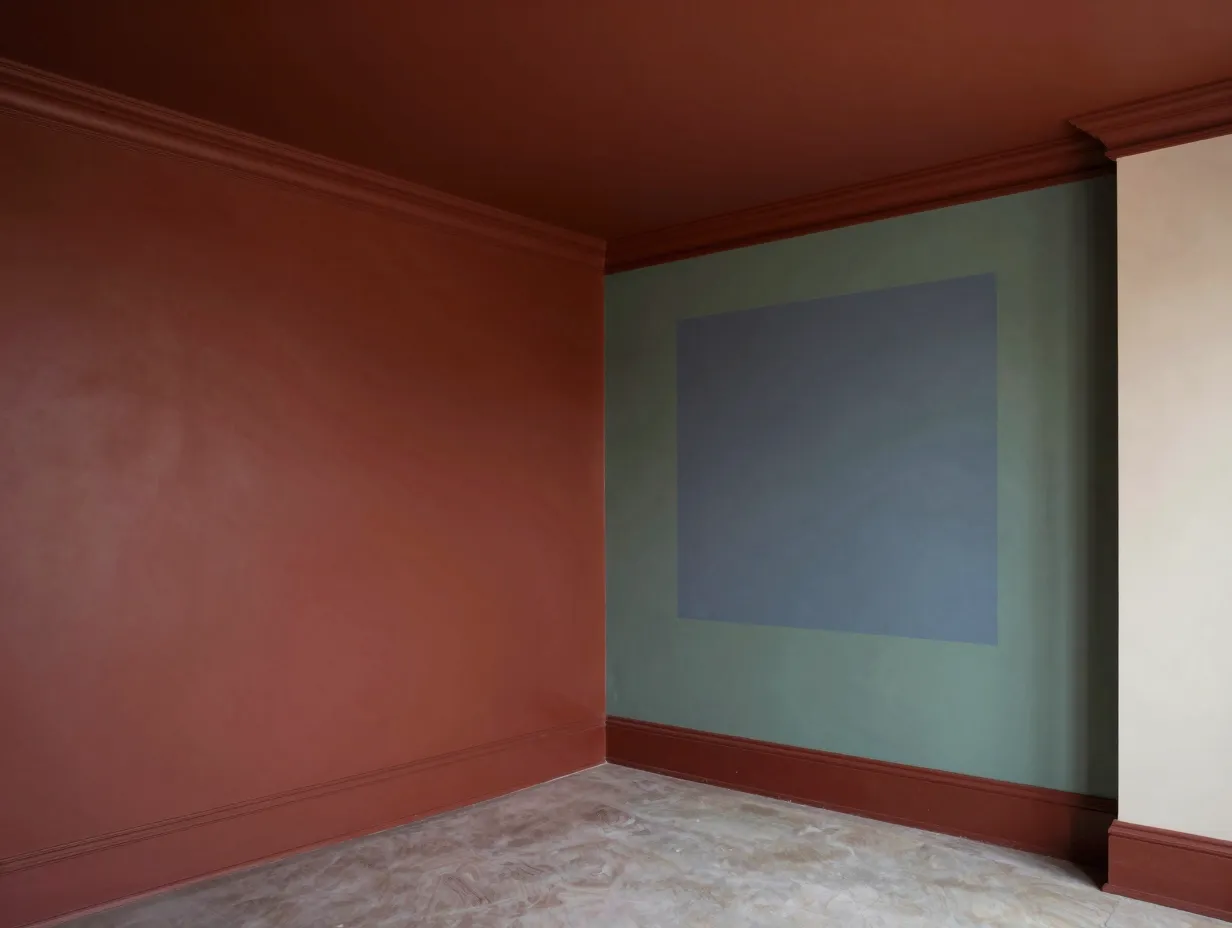
Color is the most affordable transformation tool available to any homeowner or renter. In 2026, immersive color and accent walls have moved firmly into the mainstream of interior design recommendations [1] [8].
The concept of “color drenching”, painting not just a wall but also the ceiling, trim, and adjacent surfaces in the same or closely related hue, has gained enormous traction. It creates an enveloping, cocoon-like atmosphere that feels intentional and luxurious.
Colors leading the 2026 accent wall conversation:
- Deep terracotta and warm rust tones
- Sage green and muted olive
- Dusty blue and slate
- Rich plum and burgundy
- Warm off-white with strong undertones (not stark white)
For renters, removable wallpaper has become a credible alternative. The quality of peel-and-stick wallpaper has improved dramatically, and many designs are now indistinguishable from traditional wallpaper at a glance [10].
One important rule: test your chosen color in a large swatch (at least 12 by 12 inches) and observe it at different times of day before committing. Paint colors shift dramatically under artificial light versus natural light.
5. Install Floating Shelves as Functional Wall Decor
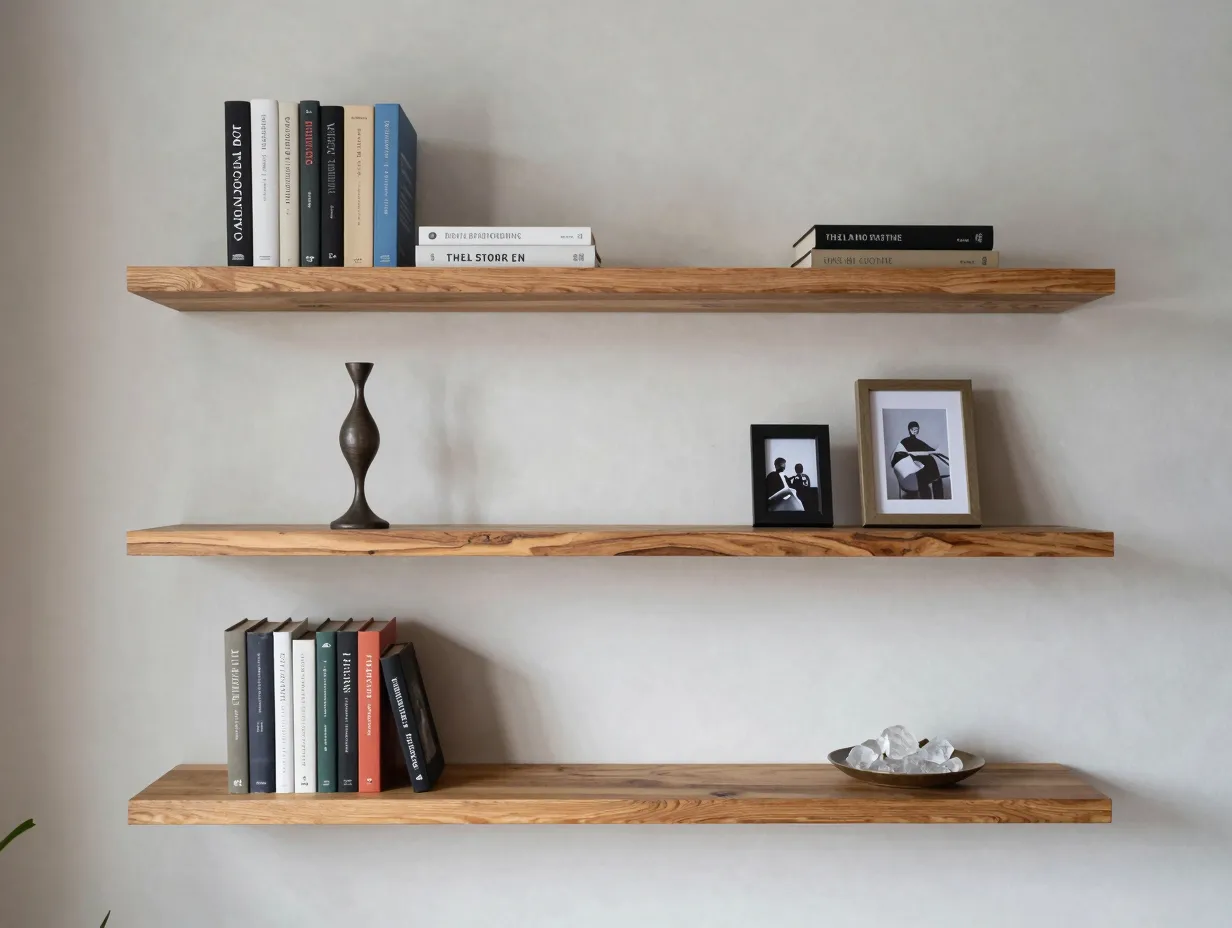
Floating shelves occupy a unique position in the wall decor conversation because they are simultaneously practical and decorative. When styled well, a set of floating shelves becomes a curated display that adds layers of visual interest to any wall [9].
The styling of the shelves matters as much as the shelves themselves. The most effective floating shelf displays follow a simple rule: mix books, objects, plants, and negative space in roughly equal measure. Overcrowding a shelf makes it look cluttered. Underfilling it makes it look forgotten.
A simple formula for shelf styling:
- One tall item (a vase, a candle, a stack of books)
- One medium item (a small sculpture, a framed photo, a plant)
- One low item (a small dish, a crystal, a tiny pot)
- Deliberate empty space between groupings
Floating shelves work particularly well in living rooms, home offices, and kitchens. In a bedroom, they can replace a traditional bedside table while adding visual height to the wall.
6. Incorporate Mirrors Strategically
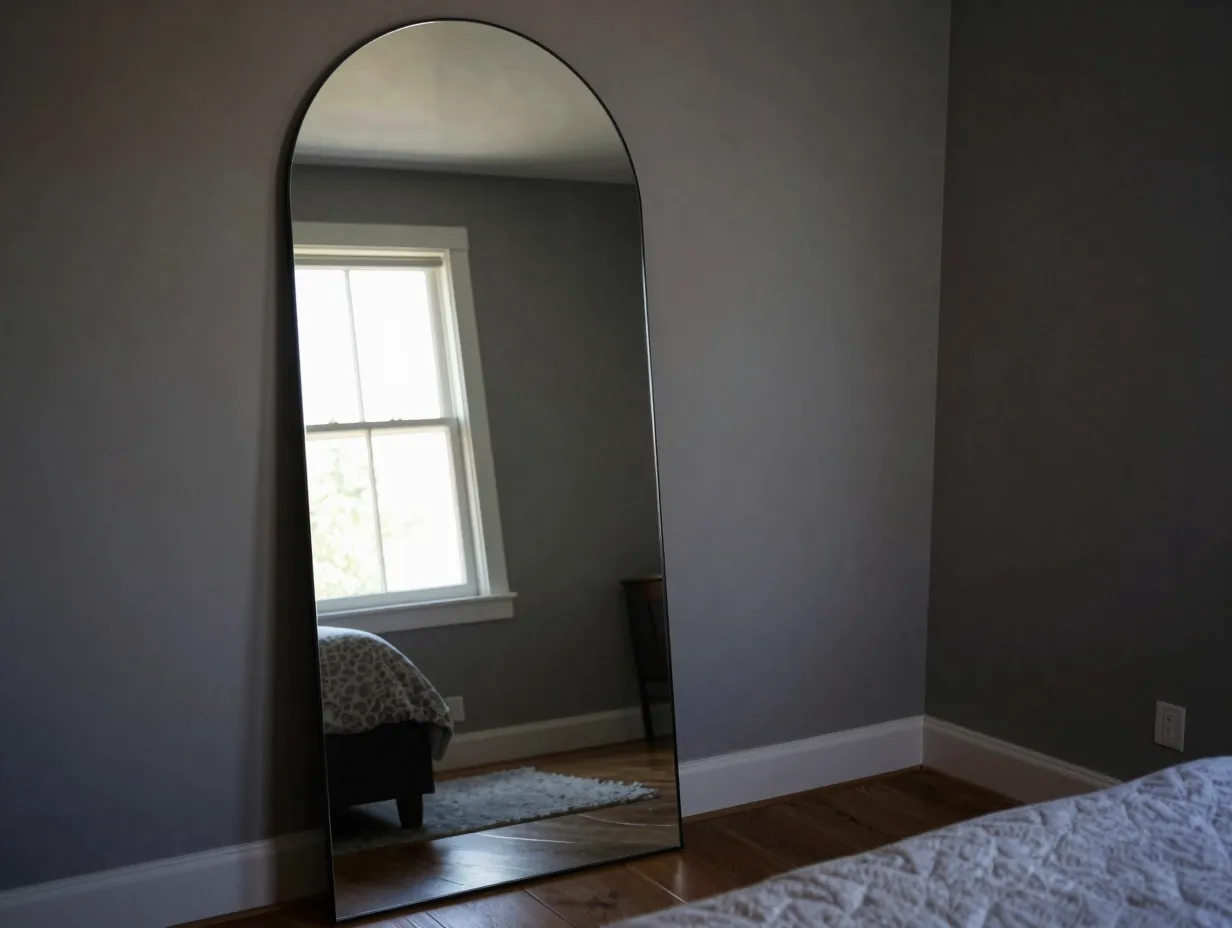
A well-placed mirror is one of the most powerful tools in interior design, and one of the most underused. Mirrors and strategic lighting are consistently framed as “instant elevation” tools for small or dark rooms [2] [9].
The reason is simple physics. A mirror reflects light and creates the illusion of depth. In a small room, a large mirror placed opposite a window can effectively double the perceived size of the space. In a dark hallway, a mirror near a light source can brighten the entire corridor.
Mirror placement principles:
- Place large mirrors opposite or adjacent to windows to maximize light reflection.
- Use a leaning floor mirror in a bedroom or living room corner for casual elegance.
- Group smaller mirrors of varying shapes for a gallery-wall effect with light-reflecting benefits.
- Avoid placing mirrors directly opposite the main entrance, it creates a disorienting first impression.
In 2026, arched and organic-shaped mirrors have largely replaced the traditional rectangular frame as the default choice. Their soft curves add sculptural interest even when the mirror is not actively reflecting anything noteworthy [4].
7. Add Sculptural and 3D Wall Art
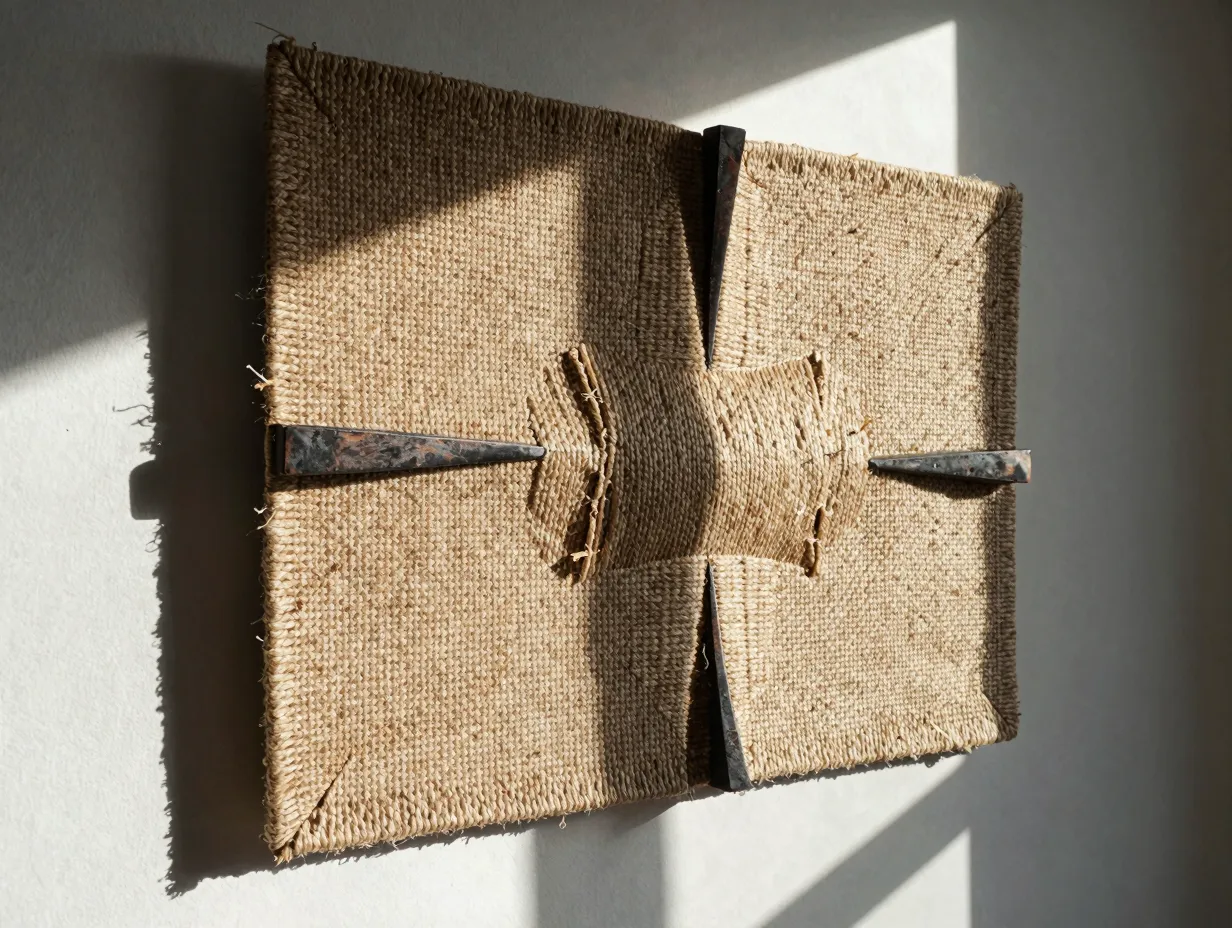
Flat art has its place, but sculptural and three-dimensional wall pieces are emerging as key focal points in 2026 interior design [1] [4]. They introduce shadow, movement, and tactile interest that no canvas print can replicate.
3D wall art options span a wide range of styles and budgets:
- Woven wall hangings in natural fibers (jute, cotton, wool) add warmth and a handcrafted quality.
- Metal wall sculptures range from geometric abstracts to organic botanical forms.
- Ceramic wall tiles arranged in a pattern create a mosaic-like effect with genuine texture.
- Carved wood panels bring warmth and craftsmanship to any wall.
- Paper and fabric installations are lightweight, affordable, and surprisingly impactful.
The key advantage of 3D wall art is that it changes appearance throughout the day as natural light shifts. A piece that looks one way in the morning will cast entirely different shadows by late afternoon. That built-in dynamism makes a room feel alive.
8. Bring in Organic and Biophilic Wall Elements
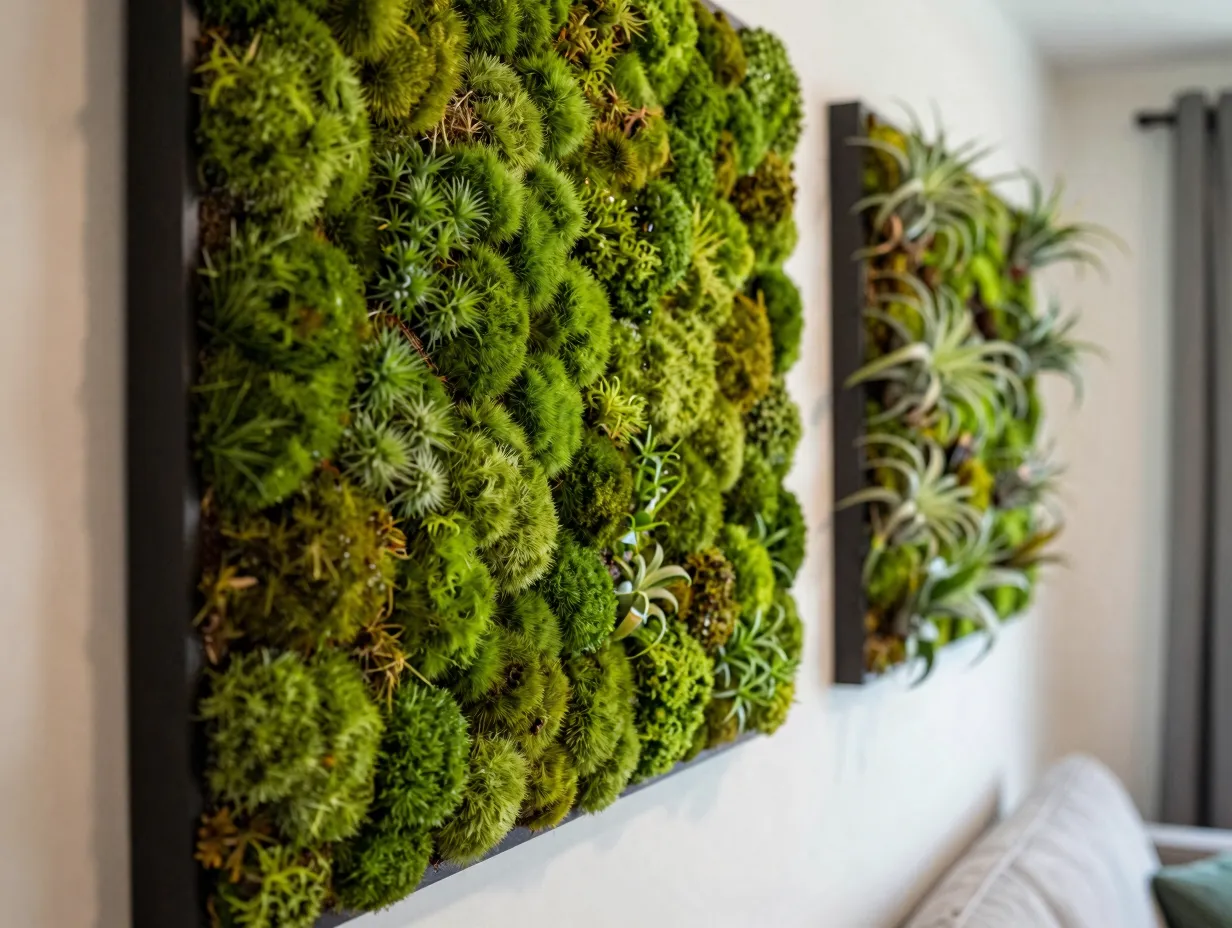
Biophilic design, the practice of incorporating natural elements into interior spaces, has moved from niche wellness trend to mainstream interior recommendation [8]. On the wall decor front, this translates into living walls, preserved moss panels, and botanical arrangements that blur the line between art and nature.
Biophilic wall decor options by commitment level:
| Option | Maintenance | Cost Range | Best For |
|---|---|---|---|
| Preserved moss panel | None | $50-$300 | Any room |
| Air plant wall display | Minimal | $30-$150 | Kitchens, bathrooms |
| Living plant wall | High | $200-$2,000+ | Living rooms |
| Botanical print gallery | None | $20-$200 | Bedrooms, offices |
| Dried flower arrangement | None | $20-$100 | Entryways |
Preserved moss panels are particularly compelling for people who love the look of a living wall but cannot commit to the maintenance. The moss is treated to maintain its color and texture indefinitely without water or sunlight [1].
Beyond aesthetics, research in environmental psychology suggests that exposure to natural elements, even representations of them, reduces cortisol levels and improves focus. Your wall decor can literally make you feel better.
9. Use Wallpaper or Wall Murals as a Statement
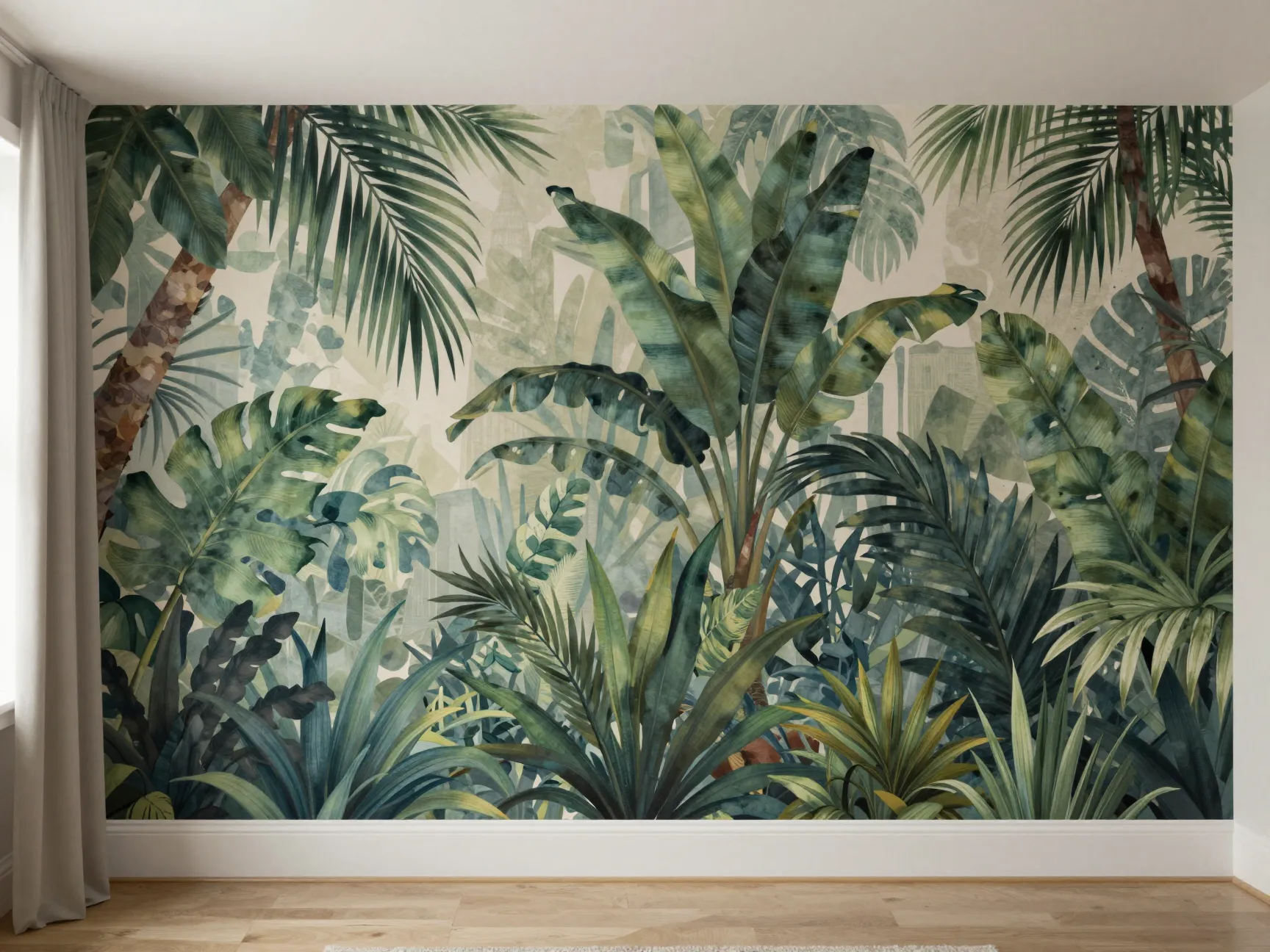
Wallpaper has had a full cultural rehabilitation over the past decade. Once associated with dated floral patterns and difficult removal, it is now one of the most exciting tools in a decorator’s arsenal. In 2026, wall murals and large-scale wallpaper designs are among the most recommended approaches for transforming a boring room into something truly memorable [10] [4].
The distinction between wallpaper and a wall mural is worth clarifying:
- Wallpaper typically features a repeating pattern and is applied across an entire wall or room.
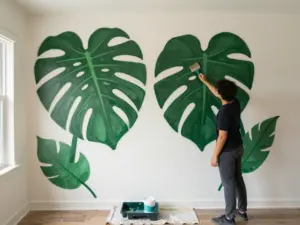
- A wall mural is a single large image, a landscape, an abstract composition, a botanical scene, that covers one wall like an oversized piece of art.
Both options are now available in peel-and-stick formats that are genuinely renter-friendly. The quality has improved to the point where many designers now prefer peel-and-stick for its flexibility.
What works best in 2026:
- Botanical and jungle murals for living rooms and dining areas
- Abstract watercolor patterns for bedrooms
- Geometric and architectural prints for home offices
- Tonal and textural patterns (rather than busy figurative designs) for smaller spaces
One practical note: measure twice, order once. Wallpaper and murals are ordered by the roll or panel, and running short mid-installation is a frustrating and costly mistake.
How to Choose the Right Idea for Your Space
Not every wall decor idea works equally well in every room. Before committing to any approach, consider three factors:
1. Room size and ceiling height. Oversized art and vertical elements like tall shelving or floor-to-ceiling murals make small rooms feel larger. Horizontal arrangements like gallery walls work better in rooms with standard ceiling heights.
2. Existing color palette. Your wall decor should either complement or deliberately contrast with your existing furniture and textiles. Choosing a wall treatment that fights with your sofa color creates visual chaos rather than elevation.
3. Lifestyle and maintenance tolerance. A living plant wall is stunning but demanding. Preserved moss requires nothing. Be honest about how much time you are willing to invest in upkeep.
A quick decision framework:
- Small, dark room: Mirror plus strategic lighting plus light-colored accent wall
- Large, empty living room: Oversized art or textured statement wall
- Rental apartment: Peel-and-stick wallpaper, removable panels, or gallery wall
- Home office: Floating shelves plus botanical prints
- Bedroom: Soft textured wall behind the bed plus one organic element
Common Mistakes to Avoid
Even with the best ideas, execution errors can undermine the result. Here are the most frequent mistakes people make when decorating their walls:
Hanging art too high. This is the single most common error. Art should be centered at eye level, not pushed toward the ceiling. The standard guideline is 57-60 inches from the floor to the center of the piece.
Using frames that are too small. A small frame on a large wall looks timid and unintentional. When in doubt, go larger.
Ignoring the relationship between wall decor and furniture. Wall art should be sized relative to the furniture beneath it. A piece that is narrower than the sofa below it looks mismatched.
Overcrowding. More is not always more. Negative space on a wall is not wasted space, it gives the eye a place to rest and makes the pieces you do hang feel more considered.
Neglecting lighting. Even the most beautiful piece of art looks flat without proper illumination. Picture lights, adjustable track lighting, and wall sconces can transform how your wall decor reads in a room [9].
Conclusion
A bare wall is not a neutral choice, it is a missed opportunity. The 9 wall decor ideas that instantly elevate a boring and bare room covered in this guide prove that transformation does not require a large budget, professional help, or weeks of work. It requires intention, a clear sense of your space, and the willingness to make a decision.
Here are your actionable next steps:
- Walk through your home today and identify the one wall in each room that gets the most visual attention. That is your starting point.
- Choose one idea from this list that fits your budget, lifestyle, and existing decor.
- Before buying anything, test your concept. Tape paper to the wall to simulate art placement. Sample paint colors in large swatches. Lay out gallery frames on the floor.
- Start with one room, one wall. Finish it completely before moving on. The satisfaction of a completed transformation is the best motivation to continue.
The difference between a room that feels designed and one that feels unfinished often comes down to the walls. In 2026, there has never been a wider range of accessible, affordable, and genuinely beautiful options for addressing them. The only remaining step is yours.
References
[1] 2026 Wall Decor Trends From Organic Textures To Immersive Color Drenching – https://thedigestonline.com/branded-content/2026-wall-decor-trends-from-organic-textures-to-immersive-color-drenching/
[2] Wall Art And Decor Trends – https://glowupmyhome.com/wall-art-and-decor-trends/
[4] Wall Decor Trends 2026 – https://sarmaldesign.com/wall-decor-trends-2026/
[5] Wall Decor Ideas 255923 – https://www.apartmenttherapy.com/wall-decor-ideas-255923
[8] The Eight Interior Design Trends Youll See Everywhere In 2026 – https://www.forbes.com/sites/amandalauren/2026/01/24/the-eight-interior-design-trends-youll-see-everywhere-in-2026/
[9] Wall Decor Ideas – https://www.homesandgardens.com/ideas/wall-decor-ideas
[10] 15 Stunning Wall Decor Ideas To Instantly Transform A Boring Room – https://thetrendgarage.com/cozy-corners-home-decor/15-stunning-wall-decor-ideas-to-instantly-transform-a-boring-room