8 Home Decor Ideas That Will Make Every Room Feel Stylish and Inviting
A 2023 survey by the American Institute of Architects found that more than 60 percent of homeowners listed “making their home feel more personal and welcoming” as their top interior priority, yet most admitted they had no clear plan for how to get there. That gap between wanting a beautiful home and knowing exactly how to create one is where most people get stuck.
Disclosure: This post contains affiliate links. As an Amazon Associate, we earn from qualifying purchases, and at no extra cost to you.
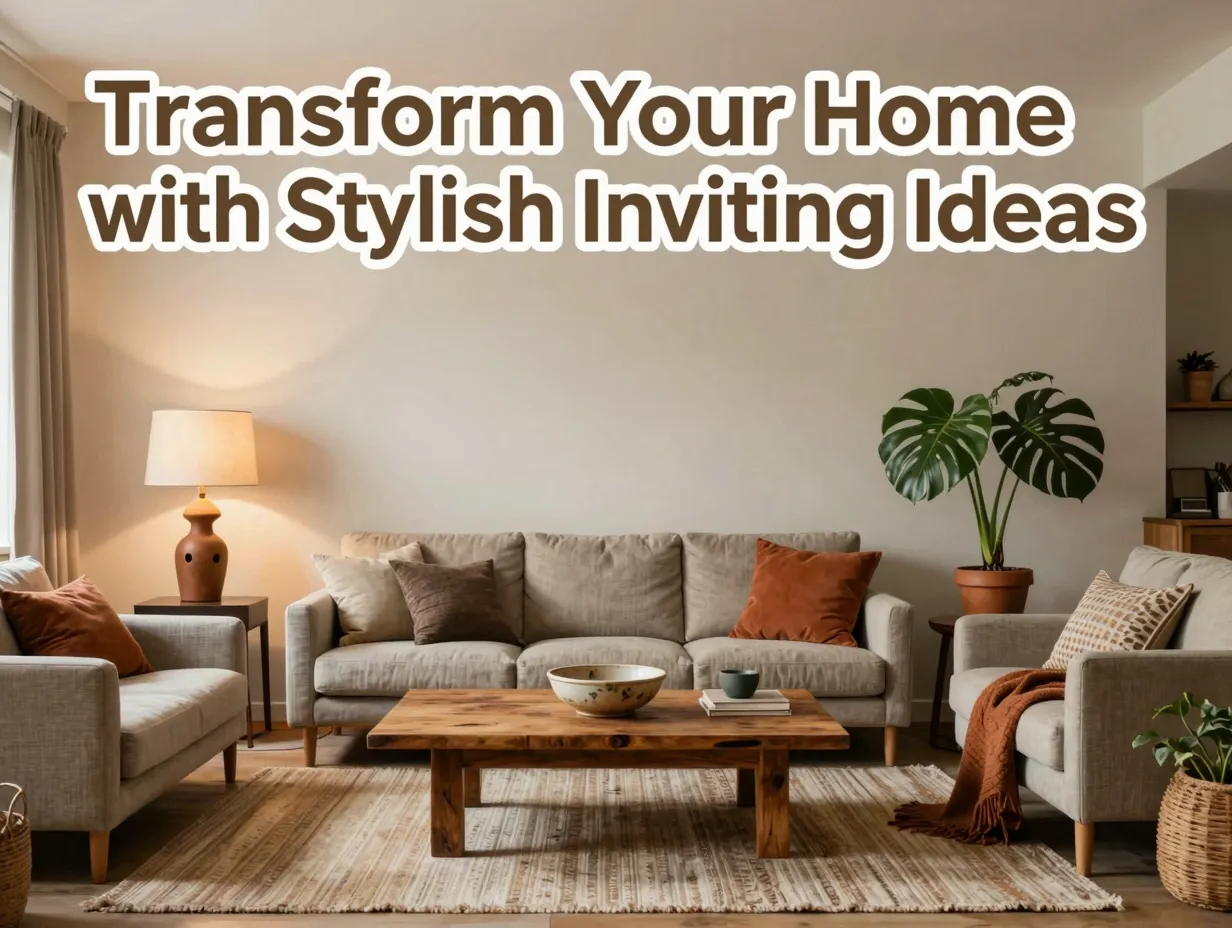
The good news is that transforming your living spaces does not require a complete renovation or a designer’s budget. These 8 home decor ideas that will make every room feel stylish and inviting are practical, accessible, and grounded in what professional designers actually recommend. Whether you are refreshing a single room or rethinking your entire home, this guide gives you a clear, actionable path forward.
Key Takeaways
- Layering lighting sources is one of the fastest ways to add warmth and depth to any room
- Mixing furniture styles and textures creates a curated, lived-in feel that matching sets cannot achieve
- Vintage and thrifted pieces add personality and history that new items often lack
- Natural materials, a calm color palette, and a well-placed area rug work together to ground a space
- Personal touches, from travel finds to playful accents, are what make a house feel like a home
Why These Home Decor Ideas Work in Every Room
Before diving into the specific ideas, it helps to understand why certain design principles translate across every room in a house. The most inviting spaces share three qualities: they feel intentional, they reflect the people who live in them, and they engage the senses through texture, light, and color.
The 8 home decor ideas that will make every room feel stylish and inviting in this article are not arbitrary trends. Each one is backed by design expertise and real-world application. They work in studios, family homes, rental apartments, and sprawling open-plan spaces alike.
Think of these ideas as a toolkit. You do not need to apply all eight at once. Start with one or two that resonate most, and build from there.
1. Layer Your Lighting for Warmth and Depth
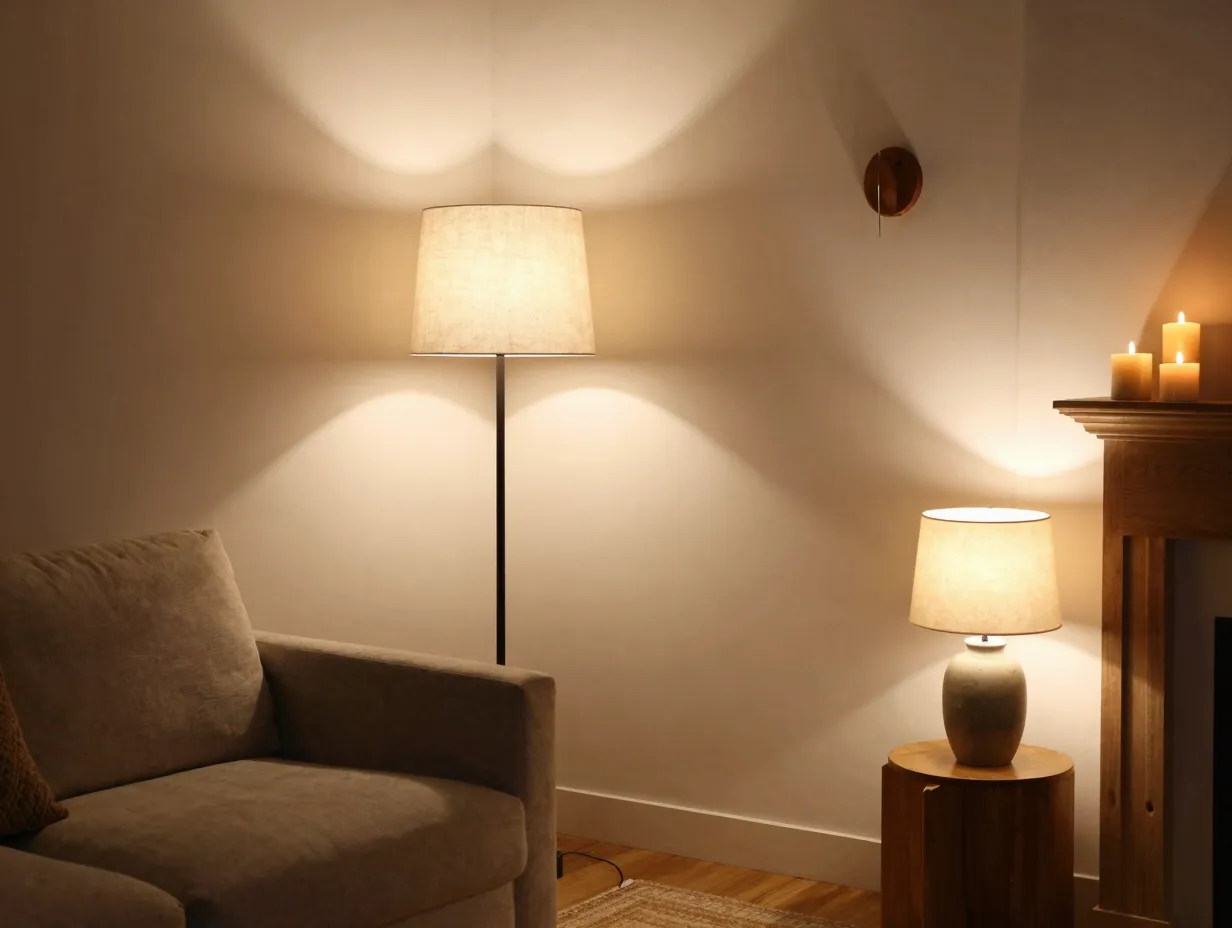
Overhead lighting is the single most common decorating mistake I see in homes. A single ceiling fixture floods a room with flat, unflattering light that drains warmth and makes even beautiful furniture look dull.
Professional designers consistently point out that relying solely on overhead lighting is one of the design details that makes a home look less elevated [3]. The fix is straightforward: layer your light sources.
What layered lighting looks like in practice:
- A floor lamp in the corner of a living room
- Table lamps on either side of a sofa or bed
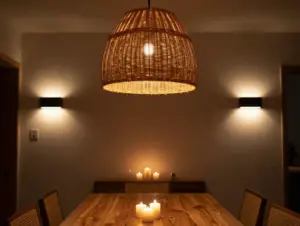
- Sconces mounted at eye level in hallways or dining areas
- Candles or small decorative fixtures on shelves and mantels
Each layer serves a different purpose. Overhead lights handle general visibility. Lamps create pools of warm light that draw the eye and make a room feel intimate. Sconces add architectural interest. Together, they give a space dimension and a sense of luxury that a single fixture simply cannot achieve [3].
A practical tip: switch your bulbs to warm-white options in the 2700K to 3000K range. Cool or daylight bulbs (5000K and above) tend to make rooms feel clinical rather than cozy.
2. Choose a Serene, Nature-Inspired Color Palette
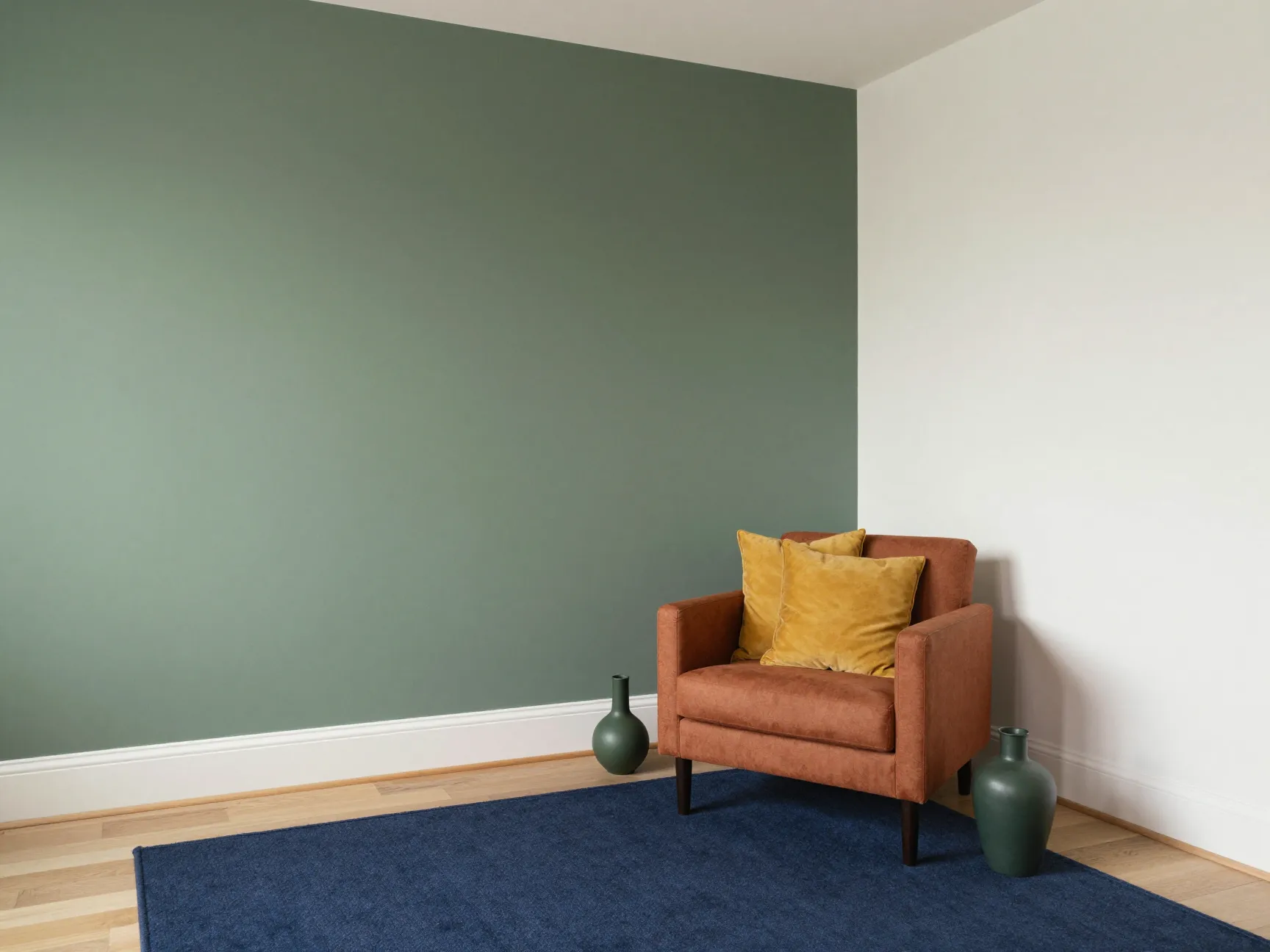
Color is the fastest and most affordable way to change how a room feels. The challenge is that most people either play it too safe with stark white walls or overcorrect with colors that feel overwhelming after a few weeks.
The most enduring approach, according to design experts, is to lean into soothing earth tones and nature-inspired hues. Blues, greens, warm taupes, and soft terracottas can evoke a sense of calm and visually connect interior spaces with the outdoors [4].
A simple framework for building a room palette:
| Role | Description | Example Colors |
|---|---|---|
| Base | Walls and large surfaces | Warm white, sage, soft taupe |
| Mid-tone | Upholstery and rugs | Terracotta, navy, warm gray |
| Accent | Pillows, art, small objects | Mustard, rust, deep green |
The key is to keep the base calm and let the accents carry personality. This approach creates a room that feels cohesive without being boring.
One thing I have found personally: painting just one wall in a deeper, nature-inspired shade, what designers call an accent wall, can transform a room without the commitment of painting all four walls. It is a low-risk way to test a color before going all in.
3. Mix Furniture Styles and Textures
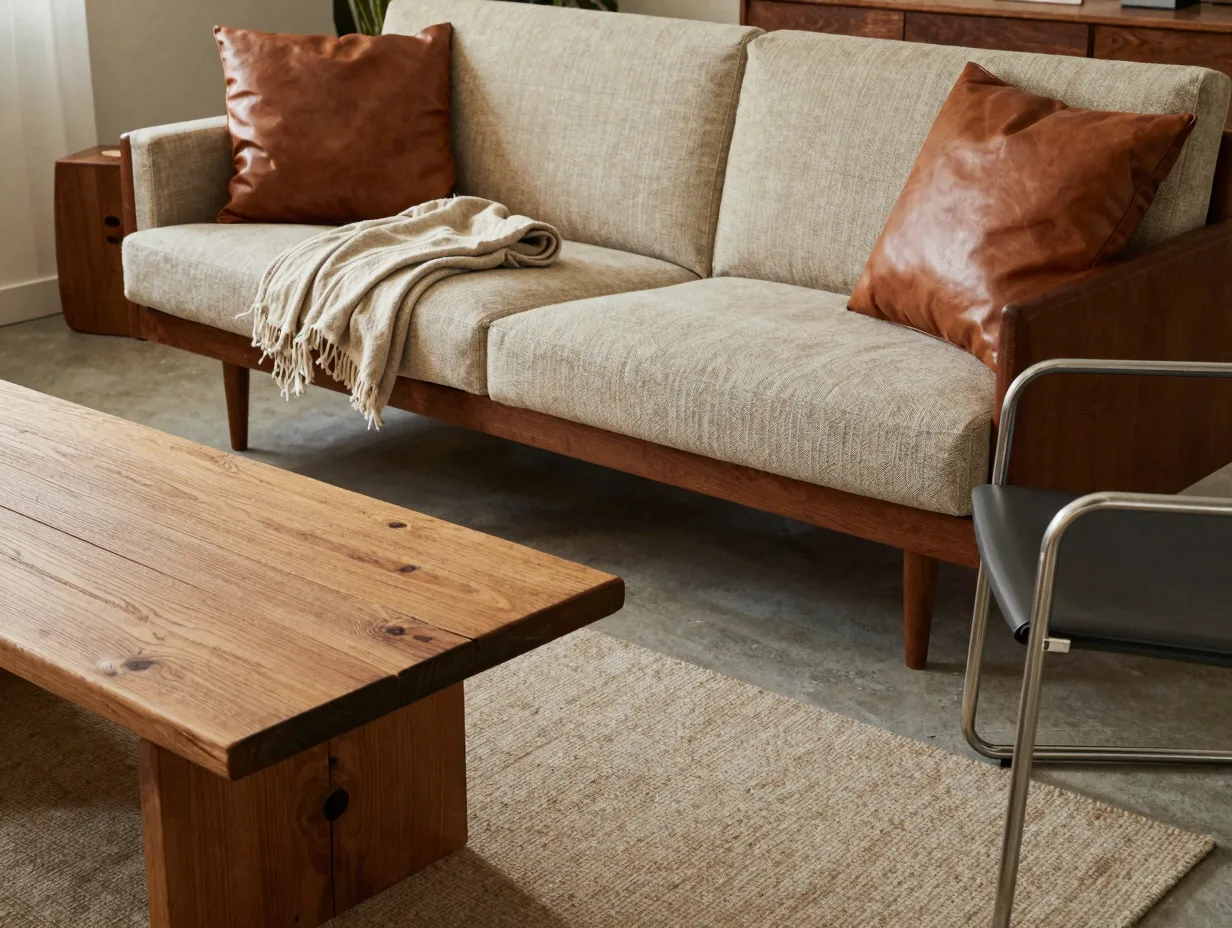
Matching furniture sets were a staple of home decor for decades, but they are one of the primary reasons so many rooms feel dated and lifeless today [5]. When every piece in a room comes from the same collection, the result is predictable and flat.
The more interesting approach is to deliberately mix furniture from different eras, styles, and finishes. A mid-century modern sofa paired with a rustic wooden coffee table and a contemporary side chair creates a room that looks curated rather than assembled from a catalog.
Guidelines for mixing furniture successfully:
- Anchor the room with one dominant style (the piece you love most)
- Add one piece from a contrasting era or material
- Use textiles, throws, cushions, curtains, to bridge the visual gap between pieces
- Vary the leg styles: mix tapered, turned, and hairpin legs for visual rhythm
Texture matters just as much as style. Combining smooth leather with nubby linen, polished metal with rough-hewn wood, or glossy ceramic with matte plaster gives a room tactile richness that photographs well and feels wonderful to live in.
“A room that looks like it was decorated all at once, all from the same store, will always feel less personal than one that has been assembled over time.”, A principle echoed by designers across the industry [5]
4. Incorporate Thrifted or Vintage Pieces
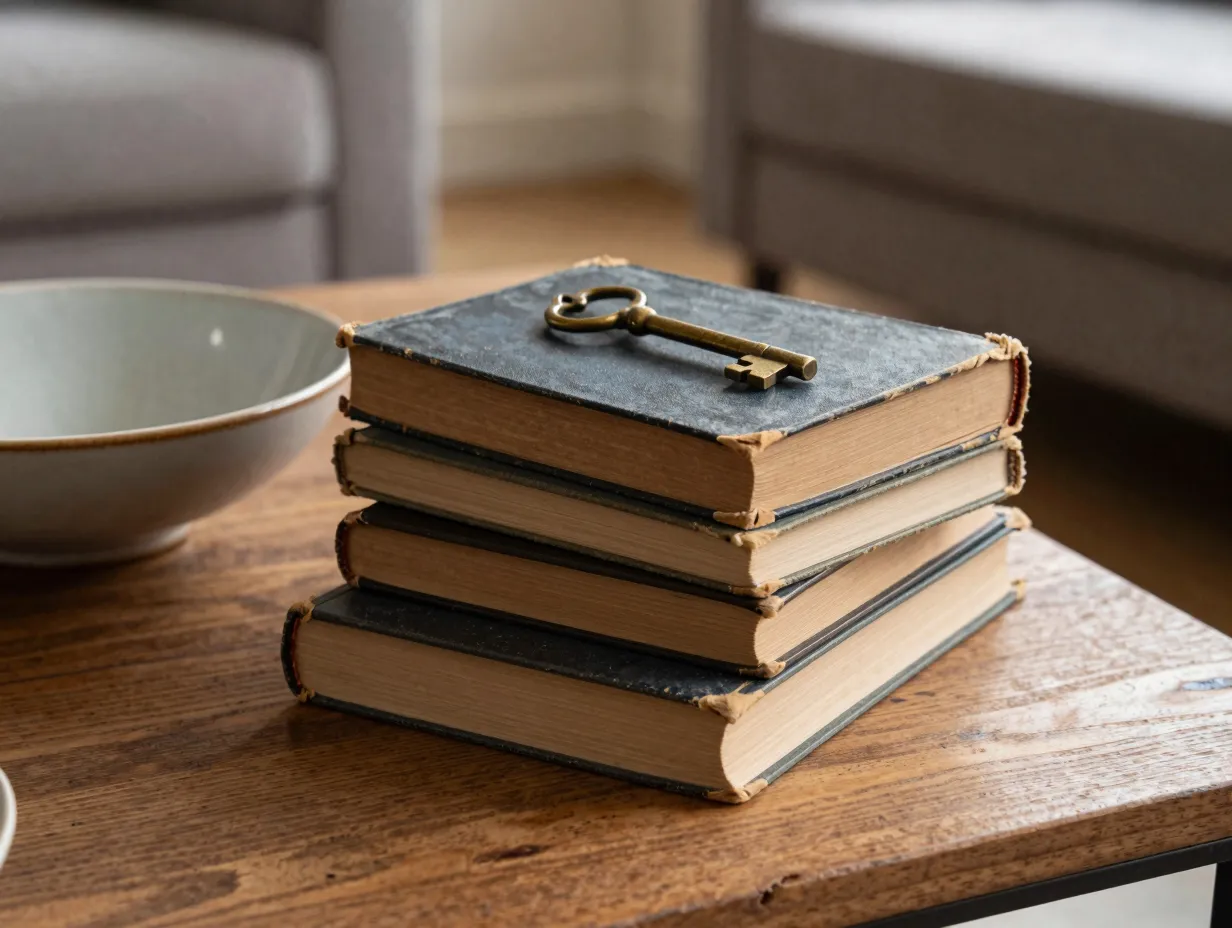
There is a reason why the most photographed, most admired rooms almost always contain at least one vintage or thrifted item. These pieces carry history. They have a patina, a weight, and an imperfection that new items simply cannot replicate.
Designers emphasize that adding even a single vintage piece to a room can transform it from sterile to warm and lived-in [1]. It does not need to be expensive or rare. An antique bowl on a kitchen counter, a stack of old hardcover books on a coffee table, or a vintage mirror in a hallway all achieve the same effect.
Where to find quality vintage pieces:
- Estate sales and garage sales
- Thrift stores and charity shops
- Online marketplaces like Facebook Marketplace and Craigslist
- Antique markets and flea markets
- Specialty vintage retailers online
The rule of thumb I follow: aim to have at least one vintage or thrifted item in every room. It does not need to be prominent. Even a small vintage ceramic on a shelf signals to the eye that this space has depth and story [1].
One personal favorite: I picked up a worn leather-bound atlas from a thrift store for three dollars. It sits on my living room coffee table and has sparked more conversations than any piece of new decor I have ever bought.
5. Collect Unique Decor Items During Travels
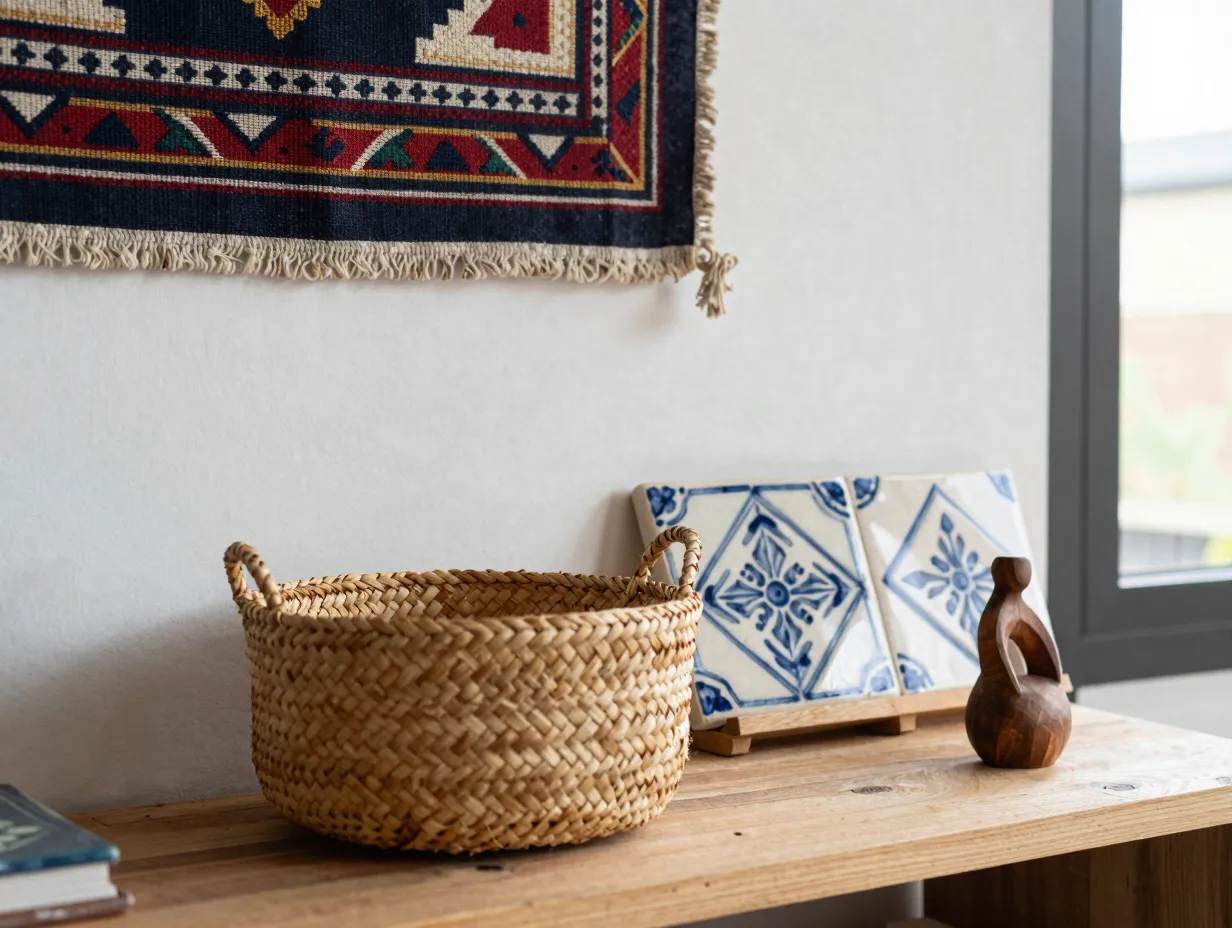
Every trip you take is an opportunity to bring home a piece of the world. Interior designers who shop for decor on vacation consistently recommend seeking out locally made, culturally significant items rather than mass-produced souvenirs [2].
A handwoven basket from a local market, a set of hand-painted tiles from a coastal town, or a piece of textile art from an artisan fair, these items do something that store-bought decor cannot. They tell a story. Every time you see them, you are transported back to the moment and place you found them.
What designers look for when shopping abroad [2]:
- Handmade items with visible craft and texture
- Local art that reflects the culture or landscape of the region
- Unique tableware or serving pieces that can be used daily
- Textiles with regional patterns or weaving techniques
- Small sculptural objects that can anchor a shelf or tabletop
The practical advice is to travel with a small, soft bag specifically for decor finds. Fragile items can be wrapped in clothing. Flat pieces like prints or textiles take up almost no space.
This approach also solves a common decorating problem: how to make a home feel personal rather than generic. A room filled with travel finds is, by definition, unique to the person who lives there.
6. Use Natural Materials and Textures
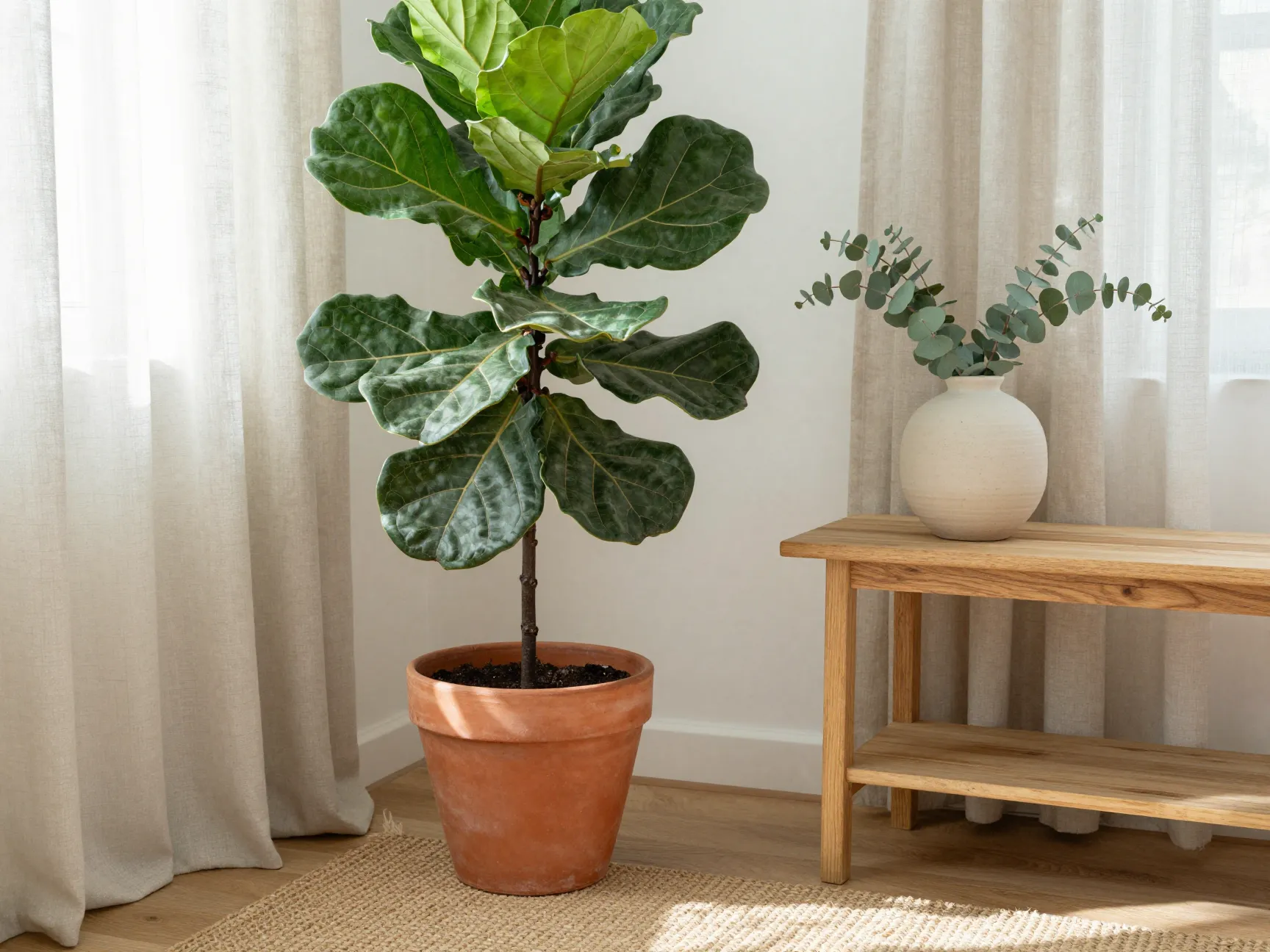
There is a growing body of design and wellness research suggesting that natural materials, wood, linen, cotton, stone, rattan, and living plants, make spaces feel more restorative and grounding. This is not just aesthetic preference. It reflects a deeper human response to the natural world.
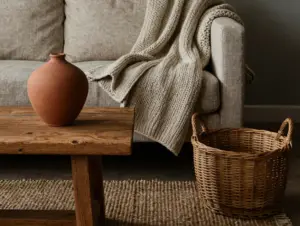
Integrating natural elements brings freshness and warmth to a room in a way that synthetic materials rarely achieve [7]. The goal is not to create a rustic or farmhouse aesthetic unless that is your preference. Natural materials work equally well in modern, minimalist, and eclectic interiors.
Natural materials by room:
- Living room: Linen or cotton upholstery, a jute or wool rug, wooden shelving, potted plants
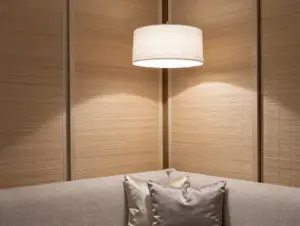
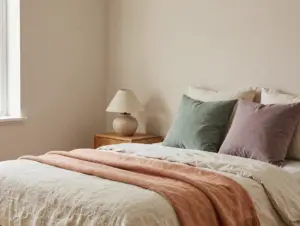
- Bedroom: Linen or cotton bedding, a wooden bed frame, rattan pendant light, fresh flowers
- Kitchen: Wooden cutting boards displayed as decor, ceramic vessels, a small herb garden on the windowsill
- Bathroom: Bamboo accessories, stone soap dishes, a eucalyptus bundle hung in the shower
Plants deserve special mention. A single well-placed plant, a trailing pothos on a high shelf, a fiddle-leaf fig in a corner, a cluster of succulents on a windowsill, adds life and movement to a room that no inanimate object can replicate.
7. Add a Statement Rug to Define and Anchor Spaces
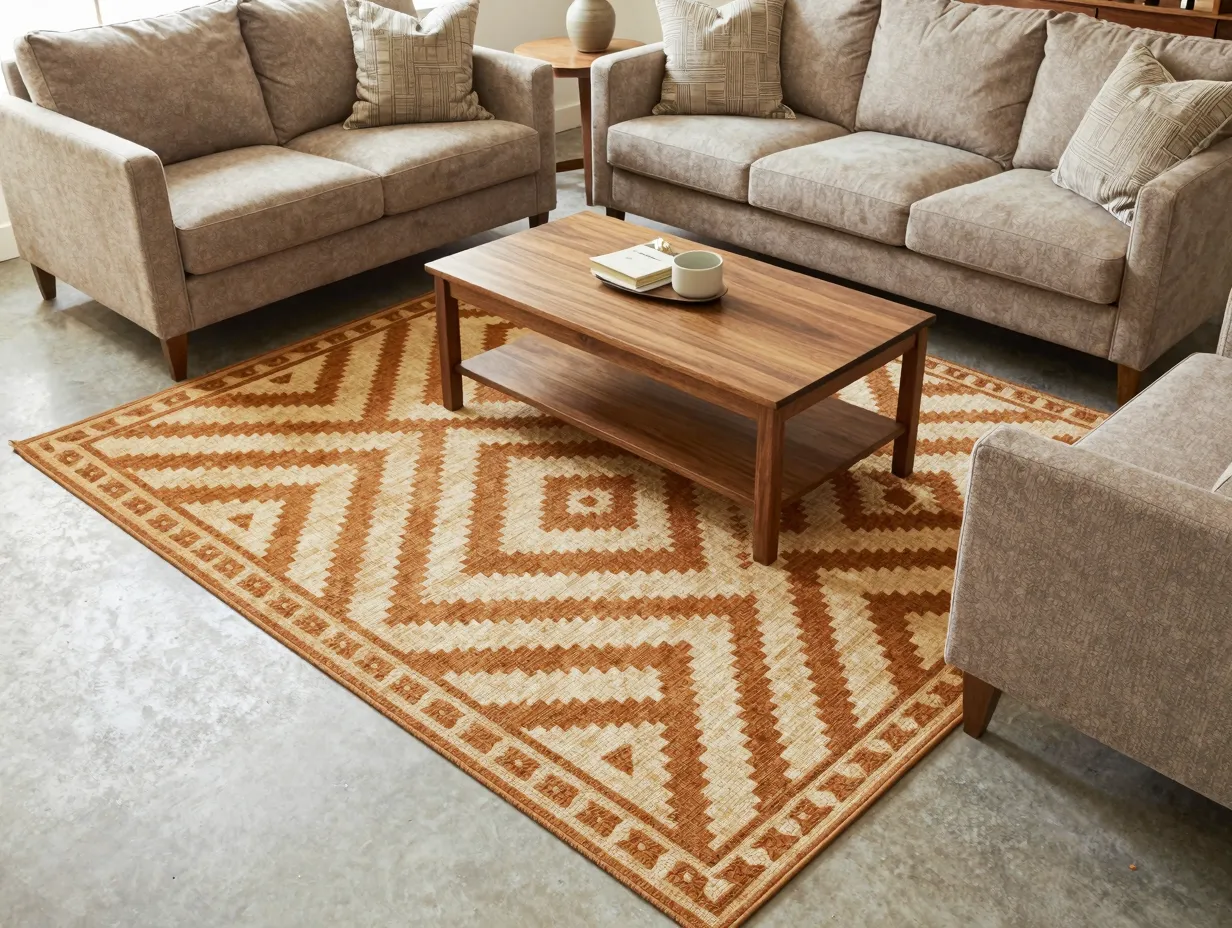
A well-chosen area rug is one of the most powerful tools in home decorating, and one of the most frequently underused. In open-plan spaces, a rug defines a seating zone and gives the eye a clear boundary. In smaller rooms, the right rug can make a space feel larger, warmer, and more intentional [8].
The most common mistake is choosing a rug that is too small. A rug that only fits under the coffee table, leaving the sofa legs floating on bare floor, makes a room feel disconnected and unfinished. The general rule: go larger than you think you need.
Rug sizing guidelines:
- Living room: All front legs of the sofa and chairs should sit on the rug, or all legs of all furniture should sit on it
- Bedroom: The rug should extend at least 18 to 24 inches beyond either side of the bed
- Dining room: The rug should be large enough that all chair legs remain on it even when chairs are pulled out
Beyond size, the rug is an opportunity to introduce color, pattern, and texture in a way that ties the room together. A bold geometric rug can anchor a neutral room. A soft, textured rug in a warm tone can make a minimalist space feel inviting rather than cold [8].
8. Incorporate Playful and Whimsical Elements
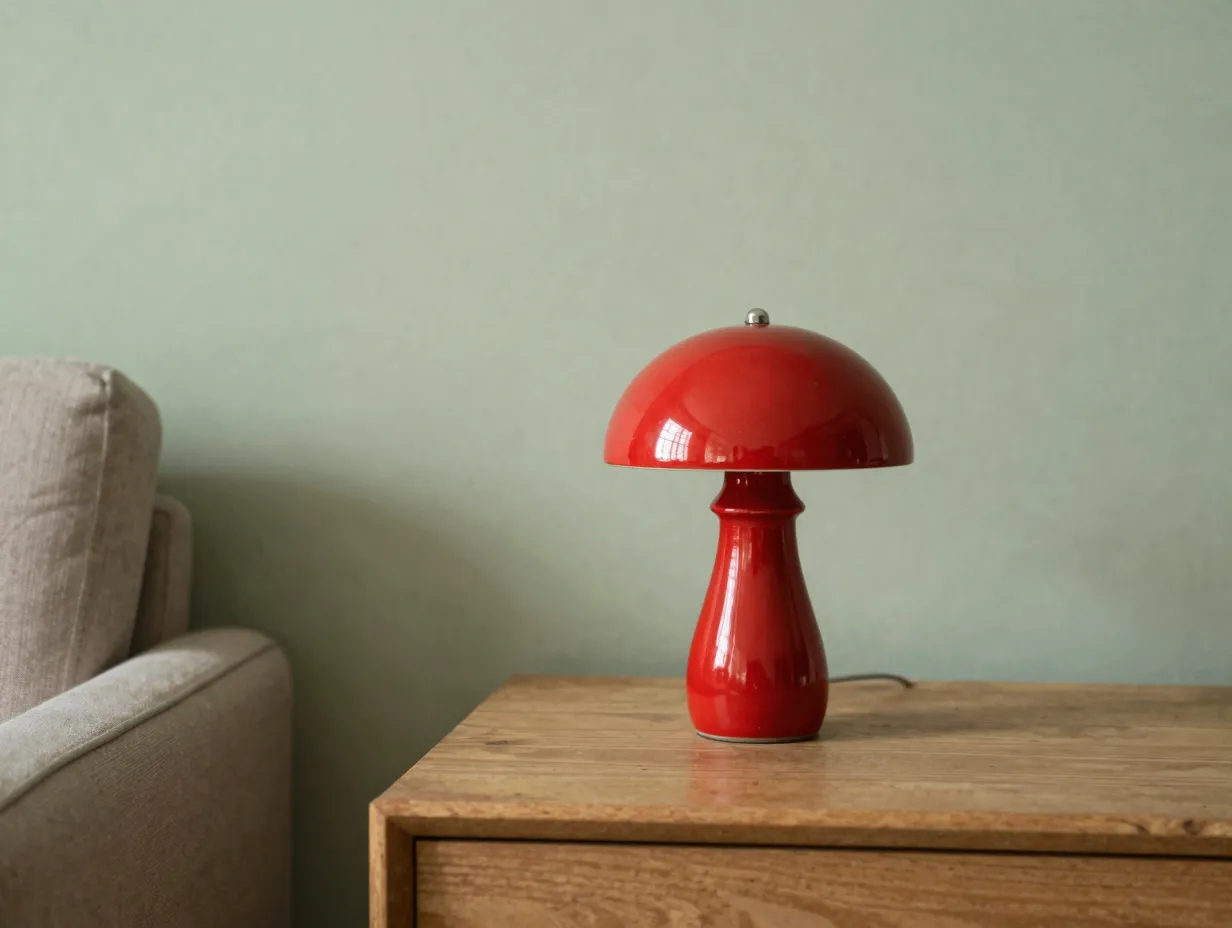
This is the idea that surprises most people, but it may be the most important one on this list. The most memorable, most talked-about rooms always contain at least one element that is unexpected, something that makes you smile, pause, or look twice.
Design culture has recently embraced what some are calling “silly-maxxing”: the deliberate use of humor, unexpected scale, unusual color, or whimsical form to create spaces that are emotionally engaging rather than merely polished [6]. This is a direct response to years of overly curated, Instagram-perfect interiors that look beautiful in photographs but feel cold and impersonal to live in.
What playful elements look like in practice:
- An oversized piece of art in an unexpected location
- A sculptural lamp in an unusual shape or color
- A vintage toy or collectible displayed on a serious bookshelf
- Mismatched dinner plates that are each beautiful on their own
- A bold, unexpected paint color inside a cabinet or on a ceiling
The key distinction is intentionality. A whimsical element that is clearly chosen with care reads as personality. Clutter reads as chaos. The difference is curation.
I once placed a ceramic mushroom lamp, bright red, slightly absurd, on a side table in an otherwise very calm, neutral living room. Every single person who visited commented on it. Not because it was expensive or rare, but because it was joyful. That is what playful elements do: they make a room feel inhabited by a real, interesting person [6].
How These 8 Home Decor Ideas Work Together
The real power of these 8 home decor ideas that will make every room feel stylish and inviting comes from how they interact. Layered lighting makes your vintage finds glow. A statement rug anchors the mixed furniture you have collected over time. Natural materials complement your travel souvenirs. A playful accent gives the whole room a pulse.
Think of each idea as a layer rather than a standalone fix. The more layers you add, the richer and more personal the space becomes.
A simple room audit checklist:
- Does this room have at least two light sources beyond the overhead fixture?
- Does the color palette feel calm and intentional?
- Is there a mix of furniture styles and textures?
- Is there at least one vintage or thrifted piece?
- Is there at least one item with personal or travel significance?
- Are natural materials present in at least two forms?
- Is the rug the right size for the furniture arrangement?
- Is there one element that surprises or delights?
If you can answer yes to most of these questions, you are well on your way to a room that feels both stylish and genuinely inviting.
Conclusion
Decorating a home that feels truly stylish and inviting is less about spending money and more about making intentional choices. The 8 home decor ideas that will make every room feel stylish and inviting outlined in this article, from layering lighting and choosing a serene color palette to mixing furniture styles, incorporating vintage pieces, and adding a touch of whimsy, are all within reach regardless of your budget or experience level.
Your actionable next steps:
- Walk through each room in your home with the eight-point checklist above and identify the one or two areas where each space is weakest.
- Start with lighting. It is the fastest, most affordable change you can make and the one with the most immediate impact.
- Visit a thrift store or flea market this weekend with no specific goal. Let yourself be drawn to pieces that feel interesting or personal.
- On your next trip, even a day trip to a nearby town, look for one small handmade or locally crafted item to bring home.
- Give yourself permission to add one playful, unexpected element to a room you consider “finished.” See what happens.
A home that feels stylish and inviting is not a destination you arrive at. It is something you build gradually, one thoughtful choice at a time.
References
[1] When You Should Add Vintage To A Room – https://www.homesandgardens.com/decor/when-you-should-add-vintage-to-a-room?utm_source=openai
[2] What Designers Look For When Shopping For Home Decor On Vacation – https://www.homesandgardens.com/decor/what-designers-look-for-when-shopping-for-home-decor-on-vacation?utm_source=openai
[3] Design Details That Make A Home Look Less Elevated – https://www.homesandgardens.com/interior-design/design-details-that-make-a-home-look-less-elevated?utm_source=openai
[4] How To Make Your Home Feel Calmer – https://www.livingetc.com/ideas/how-to-make-your-home-feel-calmer?utm_source=openai
[5] Why Your Home Looks Dated – https://www.homesandgardens.com/interior-design/why-your-home-looks-dated?utm_source=openai
[6] Silly Maxxing In Interiors – https://www.livingetc.com/ideas/silly-maxxing-in-interiors?utm_source=openai
[7] Elegant Home Decor Ideas – https://www.designcafe.com/blog/home-decor/elegant-home-decor-ideas/?utm_source=openai
[8] Creative Living Room Decorating Ideas Inviting Home – https://decor10blog.com/design-decorate/decorating-ideas/creative-living-room-decorating-ideas-inviting-home.html?utm_source=openai