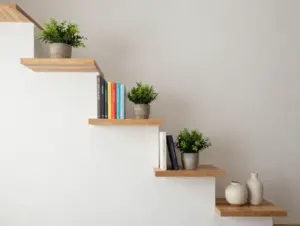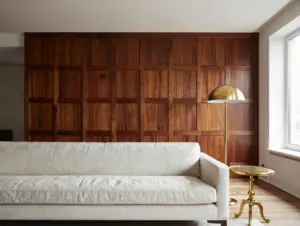
8 Creative Ways to Style Wooden Wall Shelves in Your Home
A single wooden shelf, styled badly, disappears into the wall. Styled well, it becomes the first thing every guest notices. Interior designers have known this for decades, yet most homeowners still default to lining up a few books and calling it done. In 2026, that approach is firmly behind us. The research, the trends, and the real-world results all point to the same conclusion: wooden wall shelves are one of the highest-impact, lowest-cost ways to transform any room, if you know how to use them. This guide covers 8 creative ways to style wooden wall shelves in your home, drawing on current design trends, expert insight, and practical techniques you can apply this weekend.
Disclosure: This post contains affiliate links. As an Amazon Associate, we earn from qualifying purchases, and at no extra cost to you.

Key Takeaways
- Asymmetrical and wall-wrapping shelf layouts create dynamic focal points that feel intentional and sculptural rather than generic.
- The Japandi “imperfect minimalism” trend favors sparse arrangements on raw, light-toned wood, letting natural grain do the visual work.
- Integrated LED lighting has moved from a luxury feature to a standard styling tool in high-end shelf design.
- Live-edge, reclaimed, and epoxy-accented shelves work best when styled with fewer, larger objects so the material itself remains the star.
- Mixing textures, tones, and heights, rather than matching everything, produces the layered, curated look that defines contemporary shelf styling.
Why Wooden Wall Shelves Deserve More Attention in 2026
Before diving into the 8 creative ways to style wooden wall shelves in your home, it helps to understand why this topic matters more now than it did even two years ago. Remote work normalized spending more time at home, and that shift pushed millions of people to look harder at their walls. Blank space started to feel like wasted potential.
Wooden shelves specifically have surged in popularity because they sit at the intersection of function and warmth. Unlike metal or glass alternatives, wood introduces organic texture, color variation, and a sense of permanence. Whether you prefer the clean lines of Scandinavian design or the richness of dark American walnut, wood adapts.
The eight methods below are not theoretical. They reflect what designers are actually doing in 2026, backed by current trend reporting and real styling guidance. Each one is actionable, scalable to different budgets, and applicable to multiple rooms.
1. Embrace Asymmetrical, Wall-Wrapping Layouts
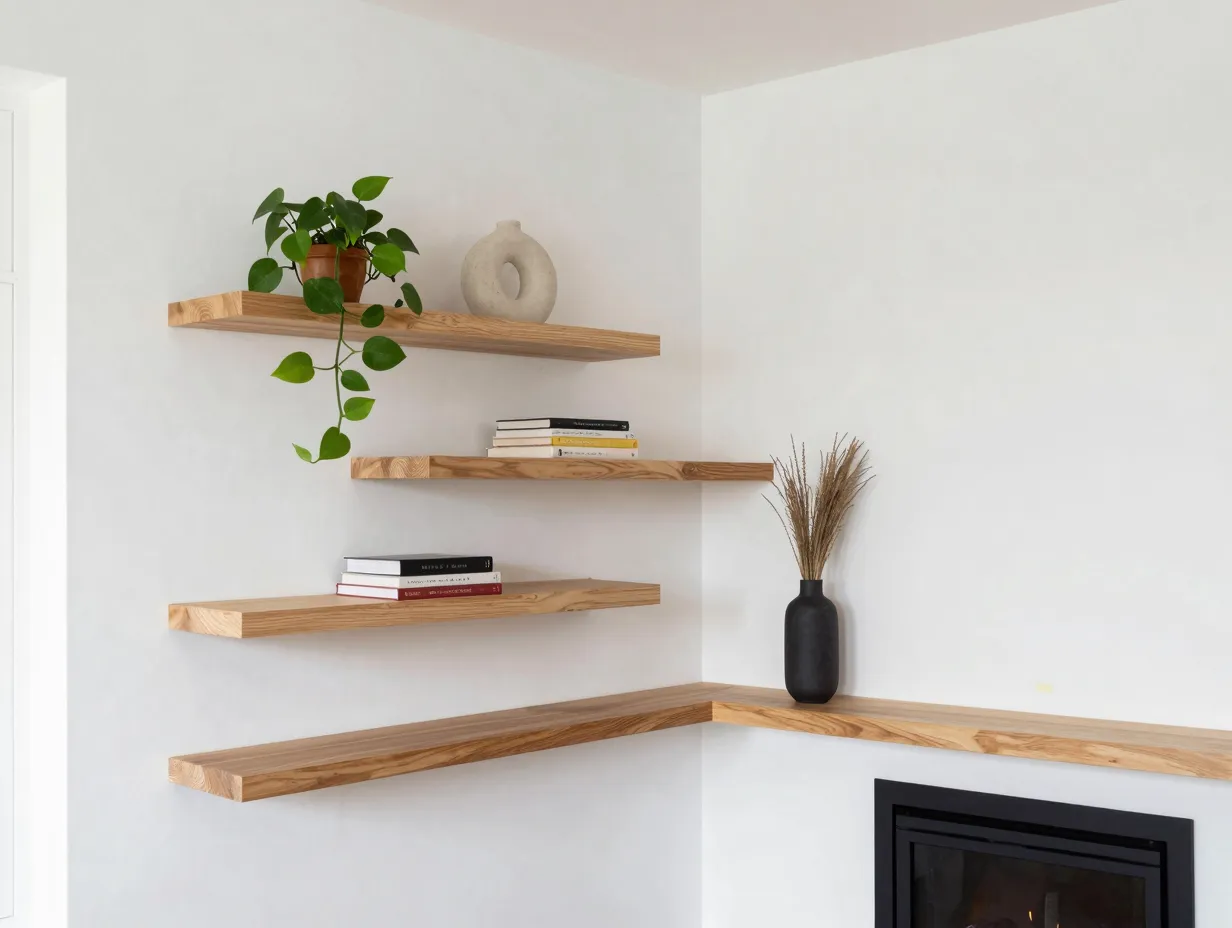
The most talked-about shelf styling move in 2026 is also the one most homeowners hesitate to try: breaking the grid entirely.
Traditional shelf arrangements follow a rigid, symmetrical logic, two shelves side by side, evenly spaced, same length. That approach is safe, but it produces walls that feel static and forgettable. Asymmetrical layouts, by contrast, create visual tension and energy. They draw the eye across the wall rather than stopping it in one place.
What this looks like in practice:
- Shelves of different lengths installed at varying heights
- A cluster of shorter shelves on one side balanced by a single long shelf on the other
- Shelves that wrap around a corner or frame a fireplace, following the architecture of the room
Design firm LTA Interiors specifically highlights shelves that “wrap along walls or frame fireplaces” as a way to make built-ins feel intentional and sculptural rather than afterthoughts [11]. The key is treating the wall as a composition, not a storage grid.
“The goal is for the shelves to feel like they grew out of the architecture, not like they were bolted on afterward.”
When styling an asymmetrical layout, resist the urge to fill every shelf equally. Let some shelves breathe with just one or two objects. Let others carry more visual weight with stacked books or a trailing plant. The imbalance is the point.
Quick-start tip: Before drilling, use painter’s tape to map out your shelf positions on the wall. Live with the tape layout for a day or two. This low-commitment preview helps you feel the composition before committing to hardware.
2. Install Wall-to-Wall Floating Shelves Above Sofas or Beds
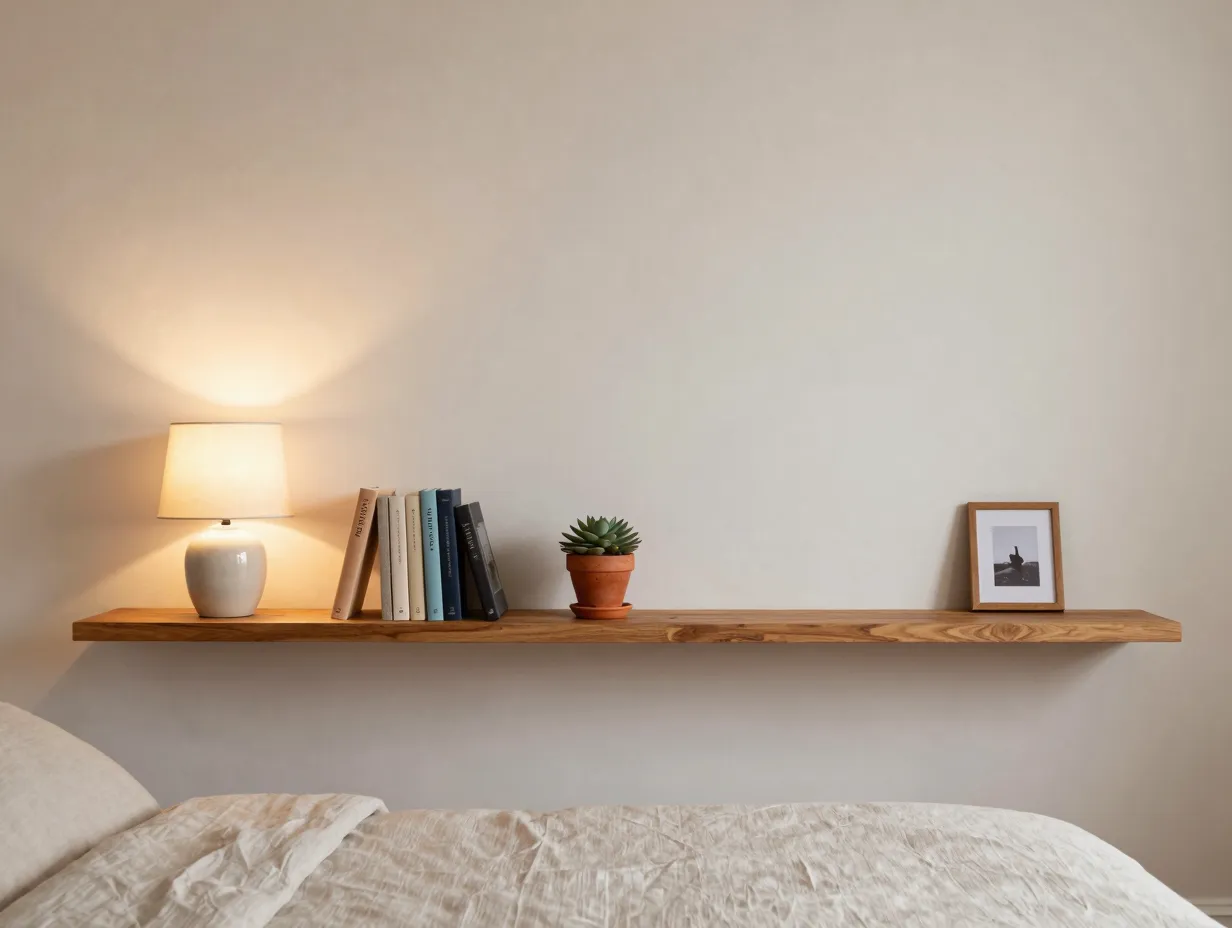
One of the most impactful, and underused, shelf configurations is the long, continuous floating shelf that stretches across an entire wall. This approach works especially well above a sofa in a living room or above the headboard in a bedroom [2][9].
The effect is striking. A shelf that runs the full width of a wall does several things at once:
- It anchors the furniture below it, making the sofa or bed feel intentional and grounded
- It provides generous display and storage space without dominating the room
- It blurs the line between decorative display and functional storage in a way that feels cohesive
Homedit’s 2026 roundup notes that these shelves “stretch across the wall, blurring the line between storage and headboard,” making them ideal for styling with a mix of books, art, and small decor [9]. In a bedroom, this replaces the need for a traditional headboard entirely, freeing up floor space and creating a cleaner silhouette.
Styling a wall-to-wall shelf effectively:
- Vary the height of objects across the shelf’s length to avoid a flat, monotonous line
- Use books horizontally in some sections and vertically in others
- Anchor each end of the shelf with a taller object, a lamp, a tall vase, or a stack of oversized books
- Leave deliberate gaps so the shelf does not feel crammed
For bedrooms especially, warm-toned wood (honey oak, light walnut, or natural pine) keeps the space feeling restful rather than stimulating.
3. Style Shelves in the Japandi “Imperfect Minimalism” Tradition
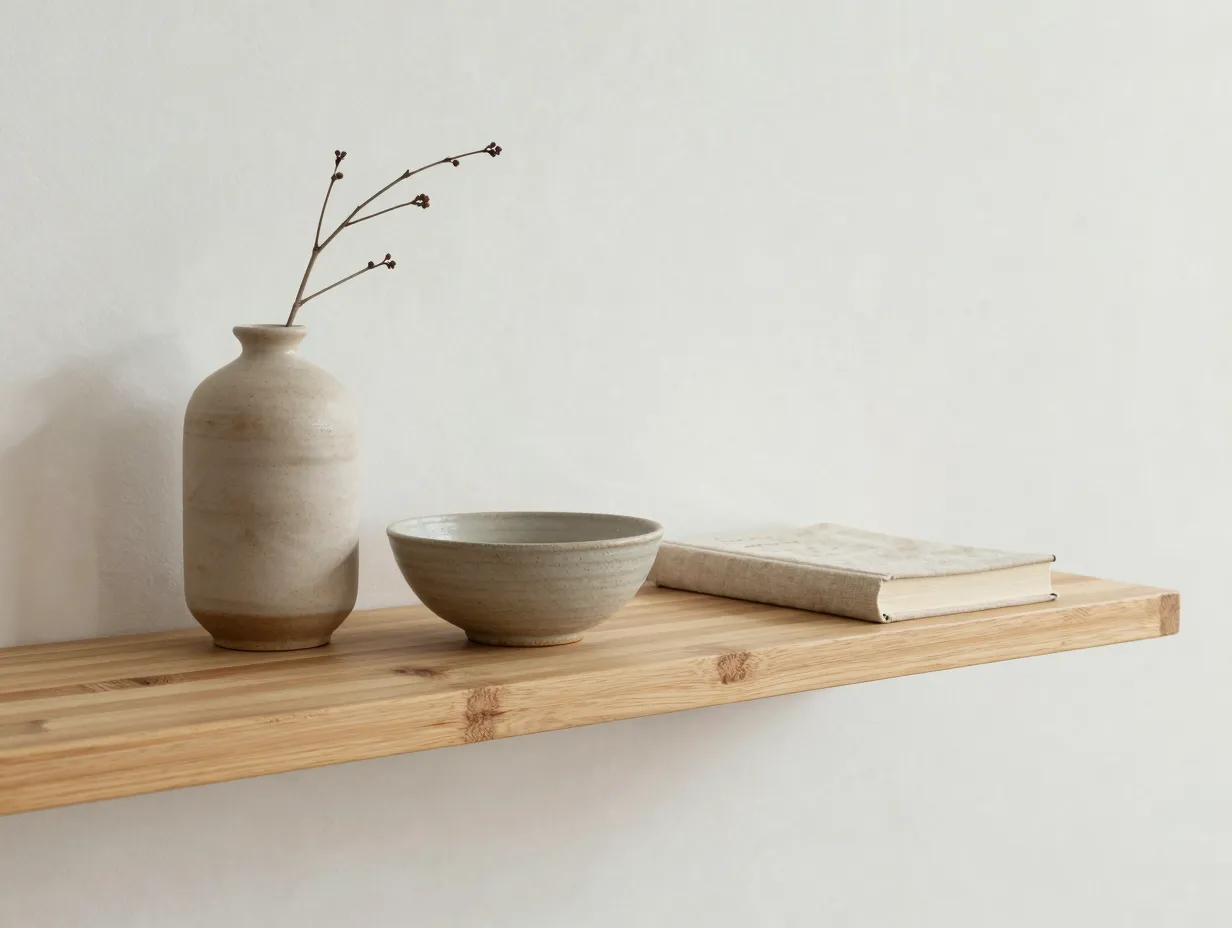
Japandi design, the hybrid of Japanese wabi-sabi philosophy and Scandinavian functionality, has been building momentum for several years. In 2026, it has fully arrived as a dominant shelf-styling approach [10].
The core principle is counterintuitive for many Western decorators: imperfection is the point. A shelf styled in the Japandi tradition does not look curated in the polished, magazine-perfect sense. It looks considered. There is a difference.
What Japandi shelf styling involves:
- Raw, light-toned wood or sustainable bamboo that shows visible grain patterns and natural irregularities [10]
- A sparse arrangement, perhaps three to five objects maximum per shelf
- Objects chosen for tactile quality: unglazed ceramics, hand-thrown pottery, linen-wrapped books, smooth river stones
- Deliberate empty space treated as a design element, not a gap to fill
A May 2026 visual guide for retailers and designers identifies this approach as one of the most commercially resonant shelf trends of the year, noting that the emphasis on “subtle irregularities” in both the wood and the decor is what gives the style its emotional warmth [10].
I tried this approach in my own home office last year, replacing a shelf crowded with tech accessories and branded merchandise with three objects: a small ceramic bowl, a single hardcover book laid flat, and a dried grass arrangement in a matte vase. The room immediately felt calmer. Visitors commented on it without being able to articulate exactly why.
The rule of three works well here: choose one tall object, one medium object, and one low, horizontal element per shelf. Then stop.
4. Use Richly Stained Dark Woods for Depth and Atmosphere
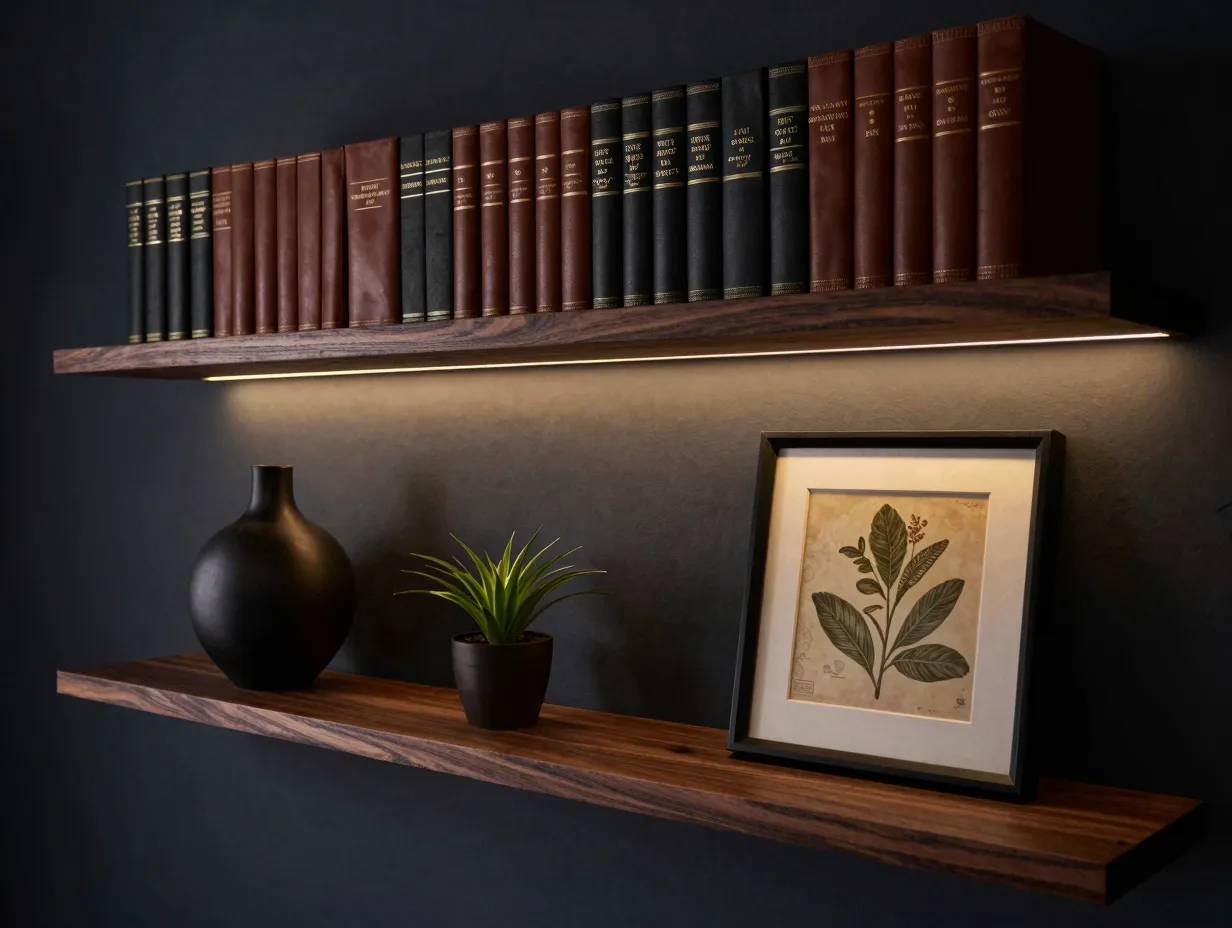
For years, the default choice in shelf styling was white or light-painted wood. Bright, airy, easy to photograph. In 2026, that default is being challenged by a strong counter-movement toward darker, richer wood tones [11].
Walnut, rift-cut oak, and deeply stained pine are appearing in living rooms, home libraries, and even kitchens. The appeal is straightforward: dark wood creates depth. It makes a room feel layered and considered. It signals permanence.
Designer Britany Simon recommends dark, warm wood tones specifically to build “cozy darkness and depth” on shelves, particularly for personal libraries and living rooms aiming for a sophisticated mood [11]. This is not about making a room feel small or heavy, it is about creating a sense of enclosure and comfort that lighter shelves simply cannot achieve.
Pairing dark shelves with the right styling elements:
| Element | Works Well With Dark Wood |
|---|---|
| Lighting | Warm amber LED strips or small spotlights |
| Books | Cloth-bound, leather-bound, or dark-spined volumes |
| Ceramics | Earth tones, matte black, deep green |
| Plants | Dark-leafed varieties (ZZ plant, rubber tree) |
| Art | Framed prints with warm or moody palettes |
The key is consistency of mood. Dark shelves styled with bright white objects and cool-toned accessories will look disconnected. Commit to the warmth.
5. Feature Live-Edge, Reclaimed, or Epoxy-Accented Shelves as Art Pieces
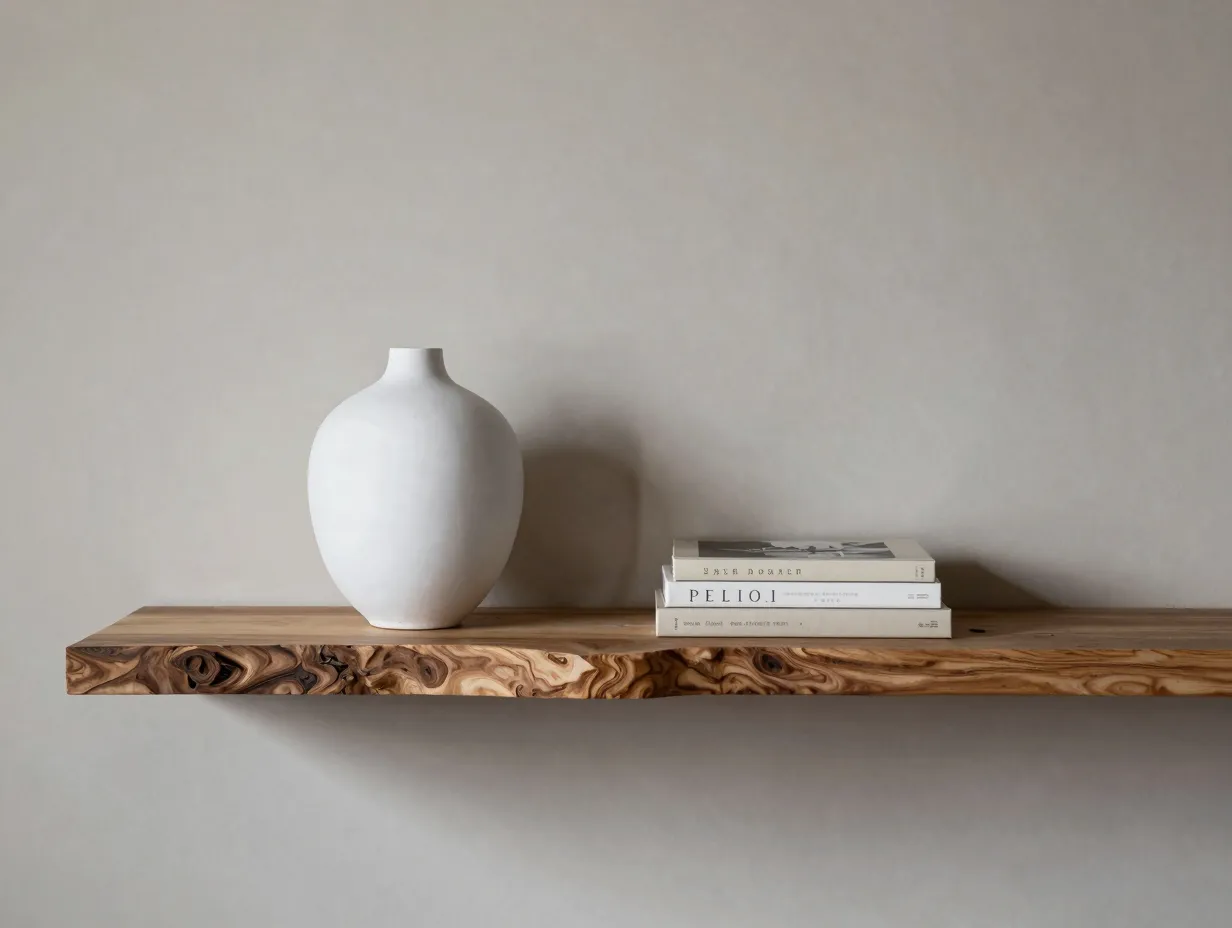
Some shelves are not just shelves. They are the focal point of the room, and everything placed on them is secondary to the material itself.
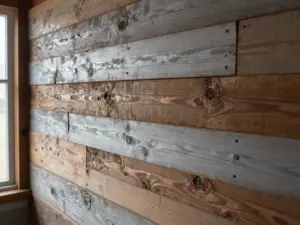
Live-edge shelves, cut from a single slab of wood with the natural edge of the tree preserved, have been popular for several years, but they continue to evolve. In 2026, they appear alongside two related approaches: reclaimed wood shelves that showcase weathering, nail holes, and patina, and epoxy-resin accented shelves where rivers of colored or clear resin fill natural voids in the wood [3].
Trend reporting on wall shelves notes strong interest in solid wood craftsmanship and epoxy resin accents that “turn simple shelves into art pieces” [3]. Video guides for 2026 designs also highlight reclaimed wood as a sustainable option, with many homeowners leaving the wood unfinished or lightly sealed to preserve its natural character [1][8].
The styling rule for these shelves is simple: less is more.
When the shelf itself is visually complex, a live edge with dramatic grain, or a slab with an epoxy river running through it, competing with it using a crowded arrangement is a mistake. Instead:
- Place one or two large, simple objects
- Choose objects with smooth, matte surfaces that contrast with the wood’s texture
- Leave significant empty space so the shelf’s material can be seen and appreciated
A single sculptural vase, a stack of three books, and nothing else can be the perfect arrangement for a live-edge shelf. The restraint is what makes it work.
6. Integrate Warm LED Lighting Beneath or Within Shelves
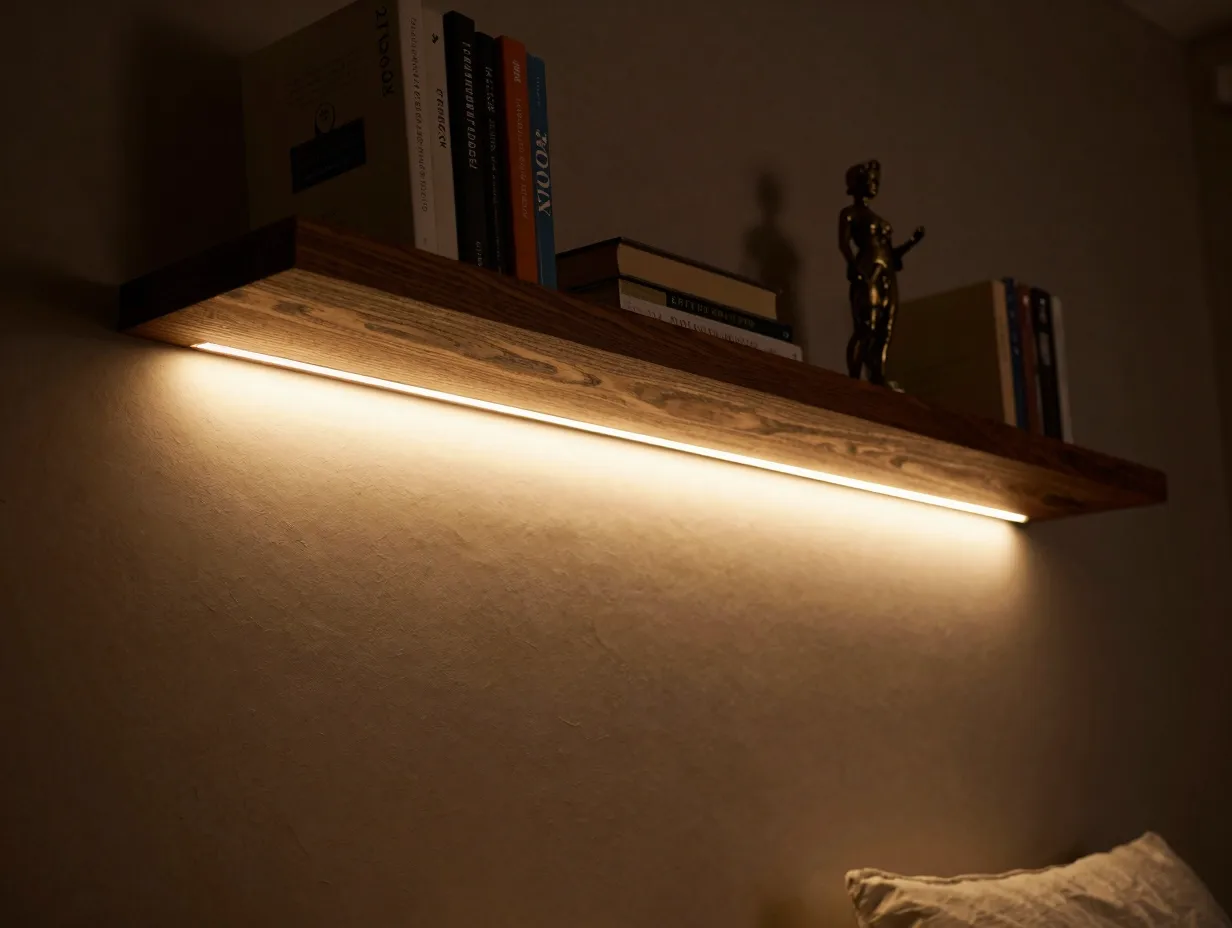
Lighting transforms wooden wall shelves from daytime display surfaces into evening focal points. In 2026, integrated LED lighting beneath or within shelves has moved from a luxury feature to a standard element of high-end styling [4][5][7].
The most effective approach uses warm-toned LED strips (2700K to 3000K color temperature) mounted to the underside of each shelf. This creates a soft downward wash of light that illuminates the objects below while adding a warm glow to the wall itself. The effect is particularly dramatic on dark wood shelves, where the light catches the grain and creates rich shadow play.
Practical LED shelf lighting options:
- Under-shelf strip lights: Adhesive LED strips mounted to the underside of the shelf. Low cost, easy to install, effective for most applications.
- Recessed puck lights: Small circular lights set into the shelf itself. Cleaner look, but require more installation effort.
- Clip-on picture lights: Mounted above the shelf, angling down. Works well for shelves displaying art or photography.
- Smart LED strips: Color-adjustable strips that can shift from warm white to amber depending on time of day or mood.
Homestyler’s wall-mounted shelving design guide notes that lighting integration is one of the most frequently requested features in contemporary shelf design, as it allows the same shelf to serve multiple functions throughout the day [7].
One practical note: run your LED power cables before mounting the shelf if possible. Hiding cables after the fact is one of the most common frustrations in DIY shelf lighting projects.
7. Create a Hybrid Gallery Wall and Shelf System
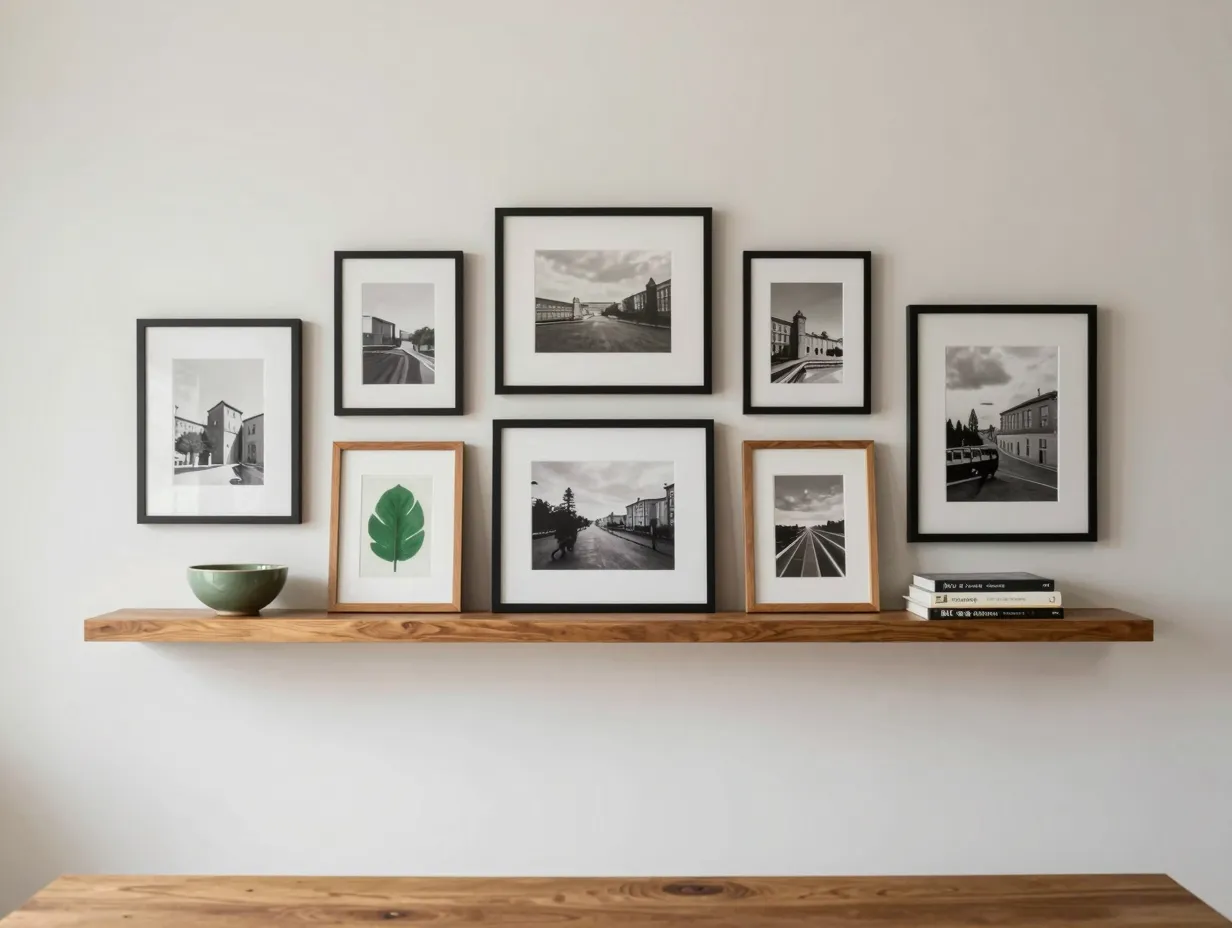
One of the most versatile approaches in the 8 creative ways to style wooden wall shelves in your home is treating shelves not as isolated storage units, but as part of a larger wall composition that includes framed art, mirrors, and other wall-mounted elements.
The hybrid gallery-shelf wall combines the dimensional quality of shelves (objects project from the wall, creating depth and shadow) with the visual storytelling of a gallery wall (framed prints, photographs, and artwork create narrative and personality).
How to build a hybrid gallery-shelf wall:
- Start with one anchor shelf, typically the longest one, at eye level
- Arrange framed pieces above, below, and beside the shelf rather than only above it
- Use the shelf to display three-dimensional objects that complement the flat art nearby
- Vary the spacing between frames and shelves intentionally, tight clusters in some areas, breathing room in others
The wall-mounted shelving design resources available in 2026 consistently emphasize the importance of treating the entire wall as a single composition rather than arranging shelves and art independently [7]. When the two systems talk to each other, when a ceramic on the shelf echoes a color in the print beside it, or when the shelf’s wood tone matches the frame finish, the wall feels unified rather than busy.
Color coordination tip: Choose one accent color that appears in at least three places on the wall, in a print, in a ceramic, and in a plant pot or book spine. This repetition creates visual rhythm without requiring everything to match.
8. Apply Zone-Based Styling for Multi-Function Rooms
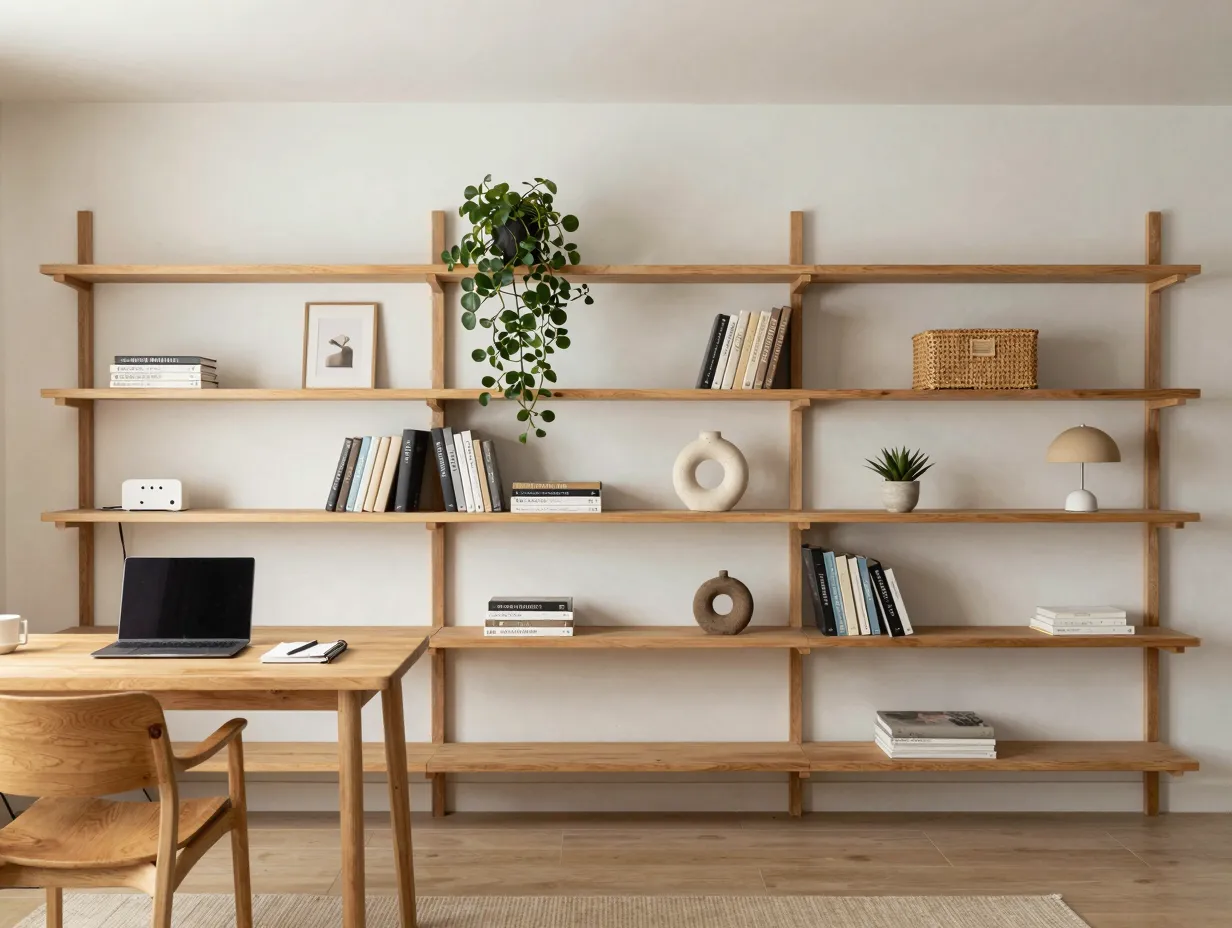
The final approach in this guide addresses one of the most common real-world challenges: styling wooden wall shelves in rooms that serve multiple purposes. Home offices that double as guest rooms. Living rooms that also function as playrooms. Kitchens with open shelving that must be both practical and attractive.
Zone-based styling solves this by dividing the shelf system into distinct visual zones, each with its own purpose and aesthetic logic, while maintaining enough consistency across zones to make the whole wall feel coherent [6].
A practical zone-based framework:
- The functional zone: Everyday items, books in current use, frequently accessed tools, charging stations, housed in a section of the shelf system that prioritizes access over aesthetics. Keep this zone tidy but do not over-style it.
- The display zone: The most visually prominent section of the shelf wall, styled with curated objects, plants, and art. This is the zone that photographs well and makes the first impression.
- The transitional zone: A middle section that bridges the functional and display zones, containing items that are both useful and attractive, a beautiful notebook, a small plant, a decorative box that also holds remote controls.
Wall shelf design resources for 2026 highlight this kind of intentional zone planning as particularly effective in open-plan living spaces, where shelves must work harder because they are visible from multiple angles and vantage points [3][6].
The rule for zone-based styling: the display zone should always be the largest and most prominent. If the functional zone starts to dominate, the wall will read as cluttered regardless of how well the individual zones are organized.
Bringing It All Together: Mixing Methods for Maximum Impact
The 8 creative ways to style wooden wall shelves in your home are not mutually exclusive. The most successful shelf installations in 2026 combine multiple approaches. An asymmetrical layout (Method 1) might feature a live-edge shelf as its centerpiece (Method 5), lit from beneath with warm LEDs (Method 6), styled in a Japandi-inspired sparse arrangement (Method 3), and integrated into a hybrid gallery wall (Method 7).
The key is intentionality. Every choice, the wood tone, the arrangement, the lighting, the objects, should serve a coherent vision for the room. That vision does not need to be elaborate. It just needs to exist before you start drilling holes.
A simple planning framework before you begin:
- Choose a dominant wood tone (light, medium, or dark) and commit to it
- Decide on a primary styling method from the eight above
- Select a secondary method that complements the first
- Choose three to five objects that represent the room’s personality
- Install, arrange, step back, and edit
The editing step is the one most people skip. After arranging your shelf, remove one object. Then assess. In most cases, the shelf looks better with one fewer item than you thought it needed.
Conclusion
Wooden wall shelves are among the most flexible design tools available to any homeowner. They are relatively inexpensive, reversible, and capable of transforming a blank wall into the defining feature of a room. The 8 creative ways to style wooden wall shelves in your home covered in this guide, from asymmetrical wall-wrapping layouts and wall-to-wall floating shelves, to Japandi minimalism, dark wood atmospherics, live-edge focal points, LED integration, hybrid gallery walls, and zone-based styling, represent the full spectrum of what is possible in 2026.
Your actionable next steps:
- Walk through your home and identify the one wall that most needs attention. That is your starting point.
- Choose one method from this guide that matches both your aesthetic preference and your practical needs.
- Before purchasing anything, use painter’s tape to mock up shelf positions on the wall and live with the layout for 48 hours.
- Source your wood first. The material drives every other decision, the styling, the lighting, the objects.
- Style the shelf, then edit it down by at least one object before calling it finished.
The difference between a shelf that disappears and one that defines a room is almost never about budget. It is about intention. Start with a clear vision, apply one or two of the methods above with consistency, and the results will speak for themselves.
References
[1] Watch – https://www.youtube.com/watch?v=pZ-zq04Q1io
[2] Watch – https://www.youtube.com/watch?v=NIWEqYy2gJo
[3] Wall Shelf Design Ideas Living Room Bedroom 2026 – https://www.woodensure.com/blog/wall-shelf-design-ideas-living-room-bedroom-2026
[4] Watch – https://www.youtube.com/watch?v=GIntymtbuhA
[5] Watch – https://www.youtube.com/watch?v=7X3-14XzW4k
[6] Wall Shelves Trends That Are Changing Home Decor – https://woodensure0.wordpress.com/2026/03/19/wall-shelves-trends-that-are-changing-home-decor/
[7] Wallmounted Shelving Design – https://www.homestyler.com/article/wallmounted-shelving-design
[8] Watch – https://www.youtube.com/watch?v=21AXVktxvF0
[9] Wall Shelf Ideas For 2026 – https://www.homedit.com/wall-shelf-ideas-for-2026/
[10] A Visual Guide For Retailers Designers – https://www.accio.com/blog/a-visual-guide-for-retailers-designers