9 Dream House Decor Living Room Ideas to Bring Your Vision to Life
Only 12% of homeowners say their living room truly reflects their personal style, yet the living room is the first space guests see and the room where most families spend the majority of their time at home. That gap between the space you have and the space you dream about is exactly what this guide is designed to close.
Disclosure: This post contains affiliate links. As an Amazon Associate, we earn from qualifying purchases, and at no extra cost to you.
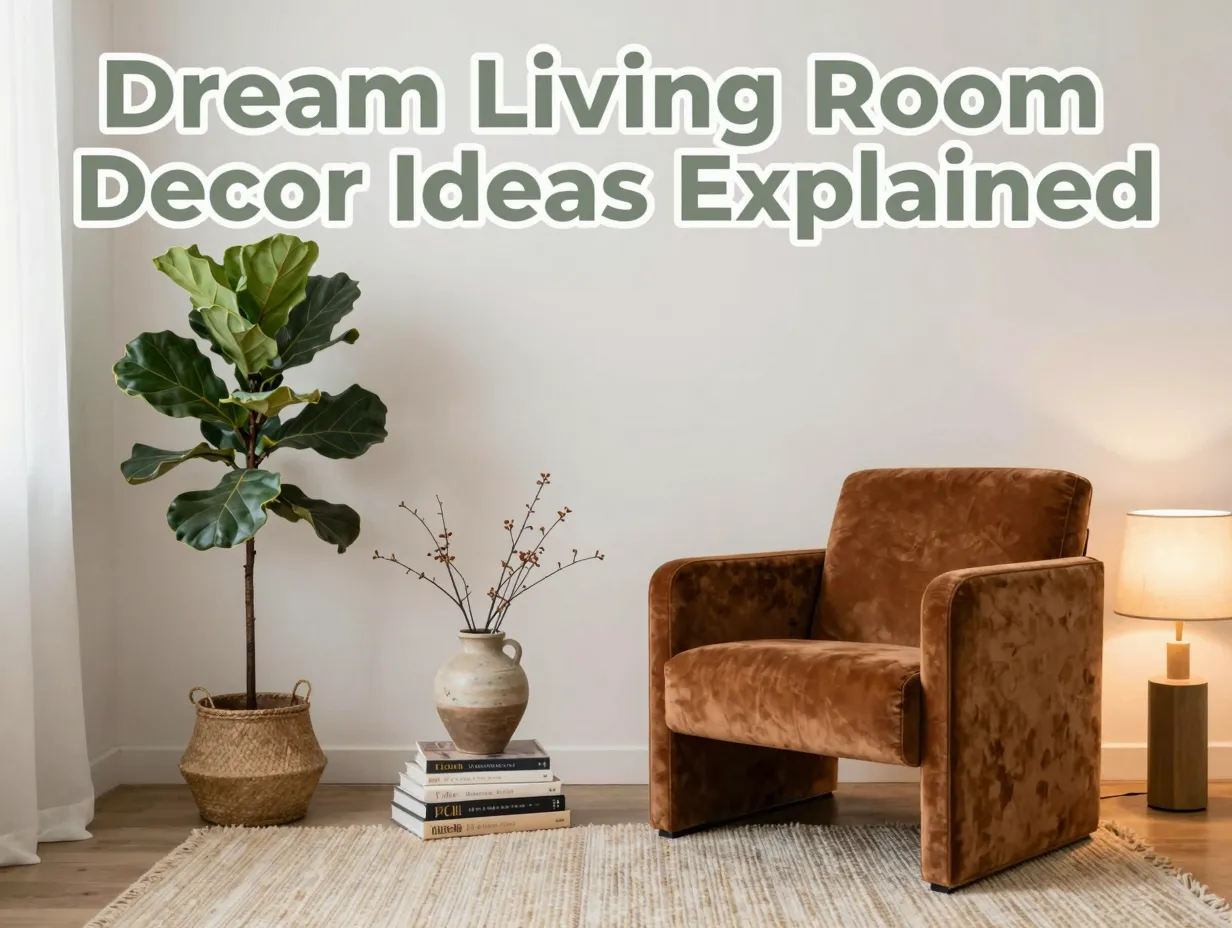
Whether you are starting from scratch or refreshing a tired room, these 9 Dream House Decor Living Room Ideas to Bring Your Vision to Life will give you a clear, actionable roadmap. I have spent years studying interior design trends, consulting with professional decorators, and, honestly, making plenty of my own decorating mistakes. What follows is the distilled wisdom from all of that experience.
Key Takeaways
- A cohesive color palette is the single most powerful tool for transforming a living room from ordinary to extraordinary.
- Layering textures and mixing materials adds depth and warmth that paint alone cannot achieve.
- Statement furniture pieces anchor a room and give it a clear design identity.
- Lighting is often the most underestimated element in living room decor, it can completely change the mood of a space.
- Personalizing your space with art, plants, and meaningful objects is what turns a decorated room into a dream home.
Why These 9 Dream House Decor Living Room Ideas Actually Work
Before diving into the list, it is worth understanding why certain decor ideas succeed while others fall flat. The difference almost always comes down to intention. Rooms that feel curated and beautiful did not happen by accident. They are the result of deliberate choices about color, scale, light, and personal meaning.
A 2022 study published in the Journal of Environmental Psychology found that people who felt their home environment reflected their identity reported significantly higher levels of well-being and life satisfaction. In other words, decorating your living room is not a superficial exercise, it genuinely affects how you feel every day.
The 9 Dream House Decor Living Room Ideas to Bring Your Vision to Life outlined below are grounded in both design principles and real-world practicality. They are organized to build on each other, so you can implement them in sequence or pick the ones most relevant to your current situation.
The 9 Dream House Decor Living Room Ideas, Explained
1. Build Your Room Around a Signature Color Palette
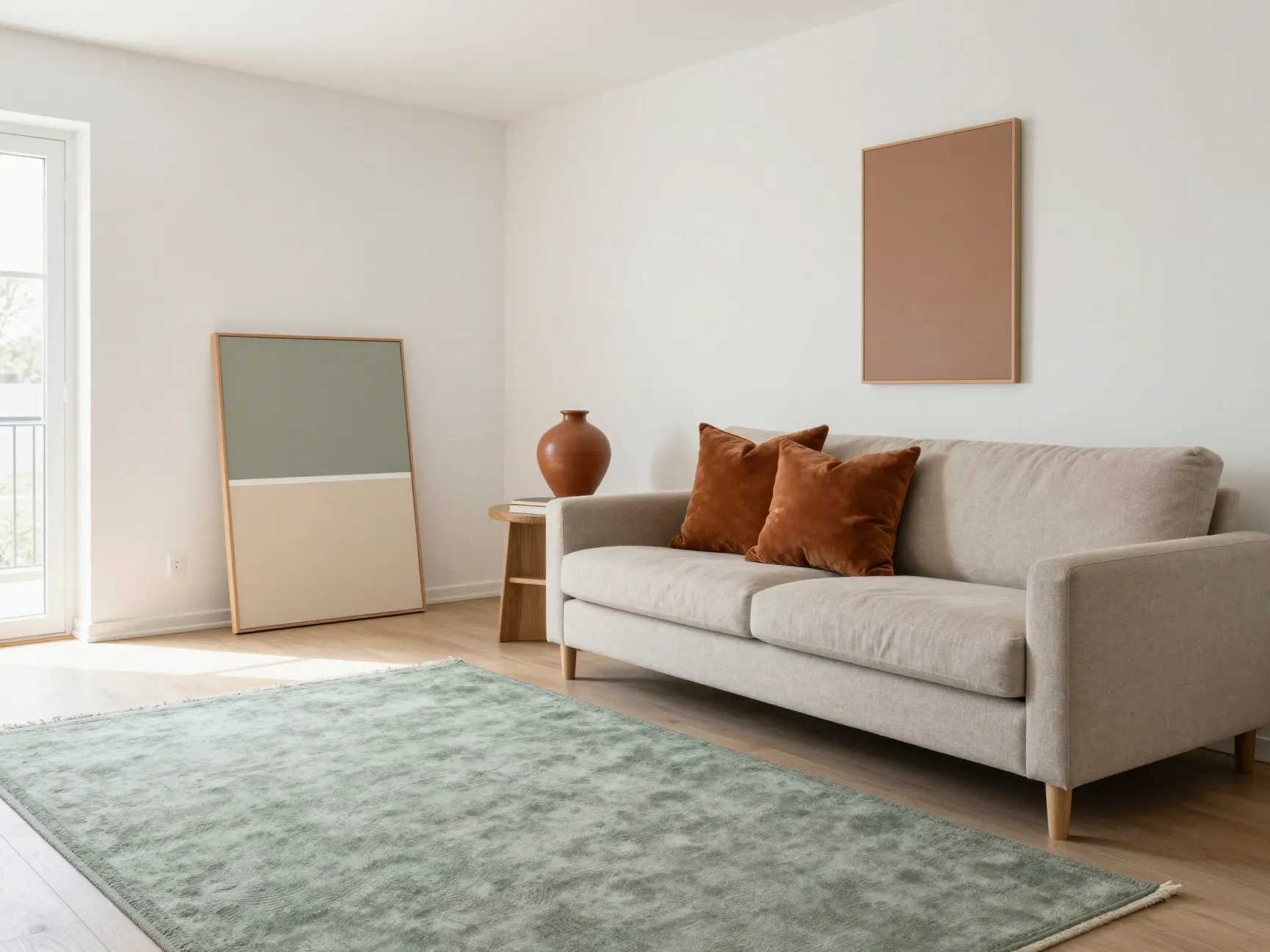
Every great living room starts with a color story. Before buying a single piece of furniture or hanging a single frame, decide on a palette of three to five colors that will govern every decision you make.
A reliable formula used by professional interior designers is the 60-30-10 rule:
- 60% of the room is your dominant color (walls, large sofa, or area rug)
- 30% is your secondary color (accent chairs, curtains, or a large piece of art)
- 10% is your accent color (throw pillows, vases, candles, and small decor objects)
For example, in my own living room renovation, I chose warm white as the dominant color, dusty sage as the secondary, and burnt sienna as the accent. The result was a room that felt calm, cohesive, and unmistakably intentional.
Pro tip: Before committing to a wall color, paint large swatches (at least 12 by 12 inches) and observe them at different times of day. Natural morning light and artificial evening light will make the same color look dramatically different.
2. Invest in One Statement Furniture Piece
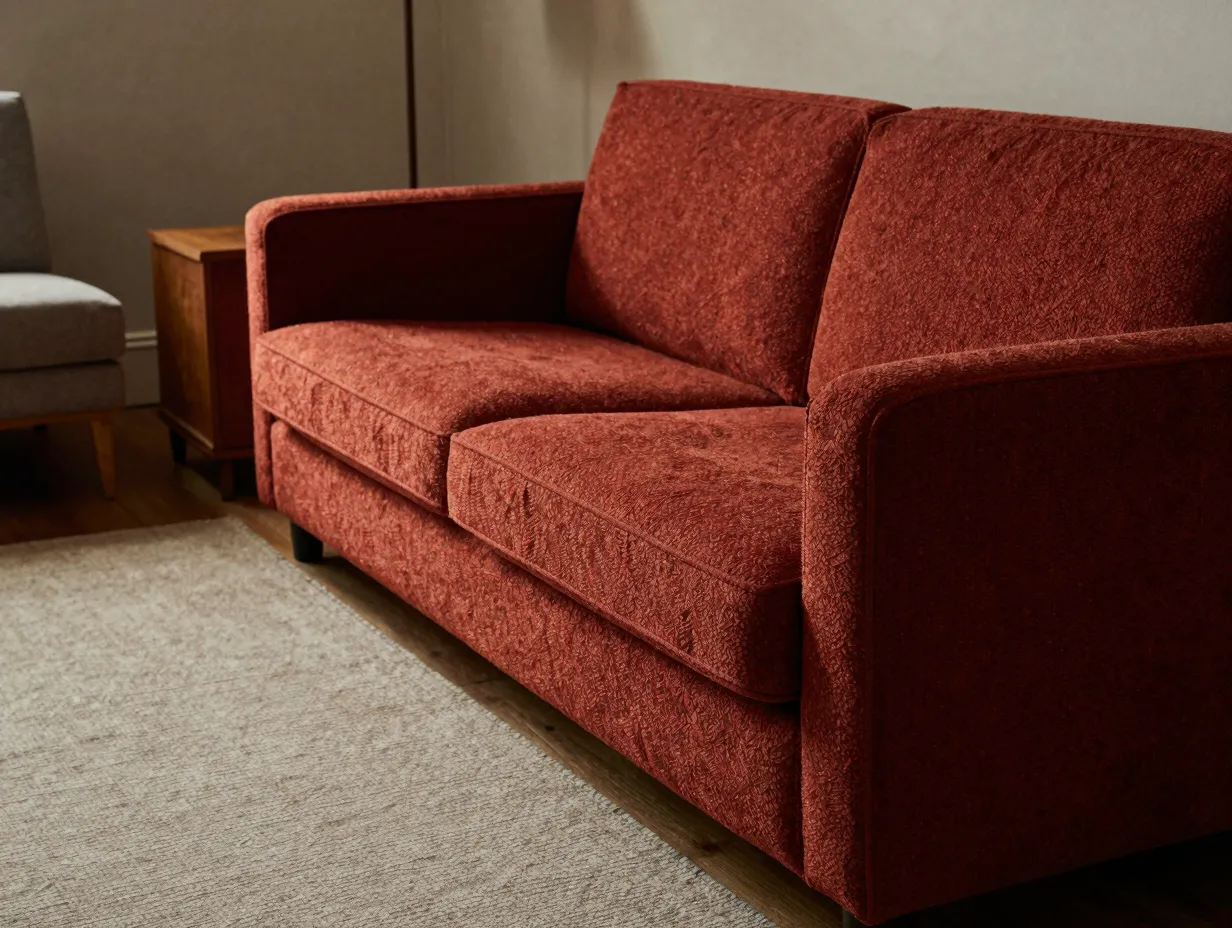
If there is one piece of advice I wish someone had given me earlier, it is this: do not try to make everything in the room equally interesting. Choose one statement piece and let everything else support it.
This anchor piece could be:
- A sculptural sofa in a bold velvet or textured boucle fabric
- An oversized, hand-knotted area rug with a striking pattern
- A custom bookcase that spans an entire wall
- A vintage or antique piece that carries history and character
The statement piece sets the tone for the entire room. Once you have it, every other purchase becomes easier because you are always asking: does this support or compete with my anchor piece?
A word of caution: Avoid the common mistake of buying all your furniture from the same store or collection. Rooms that look like a showroom floor feel sterile. Mix eras, materials, and styles for a space that feels lived-in and personal.
3. Layer Textures to Create Depth and Warmth
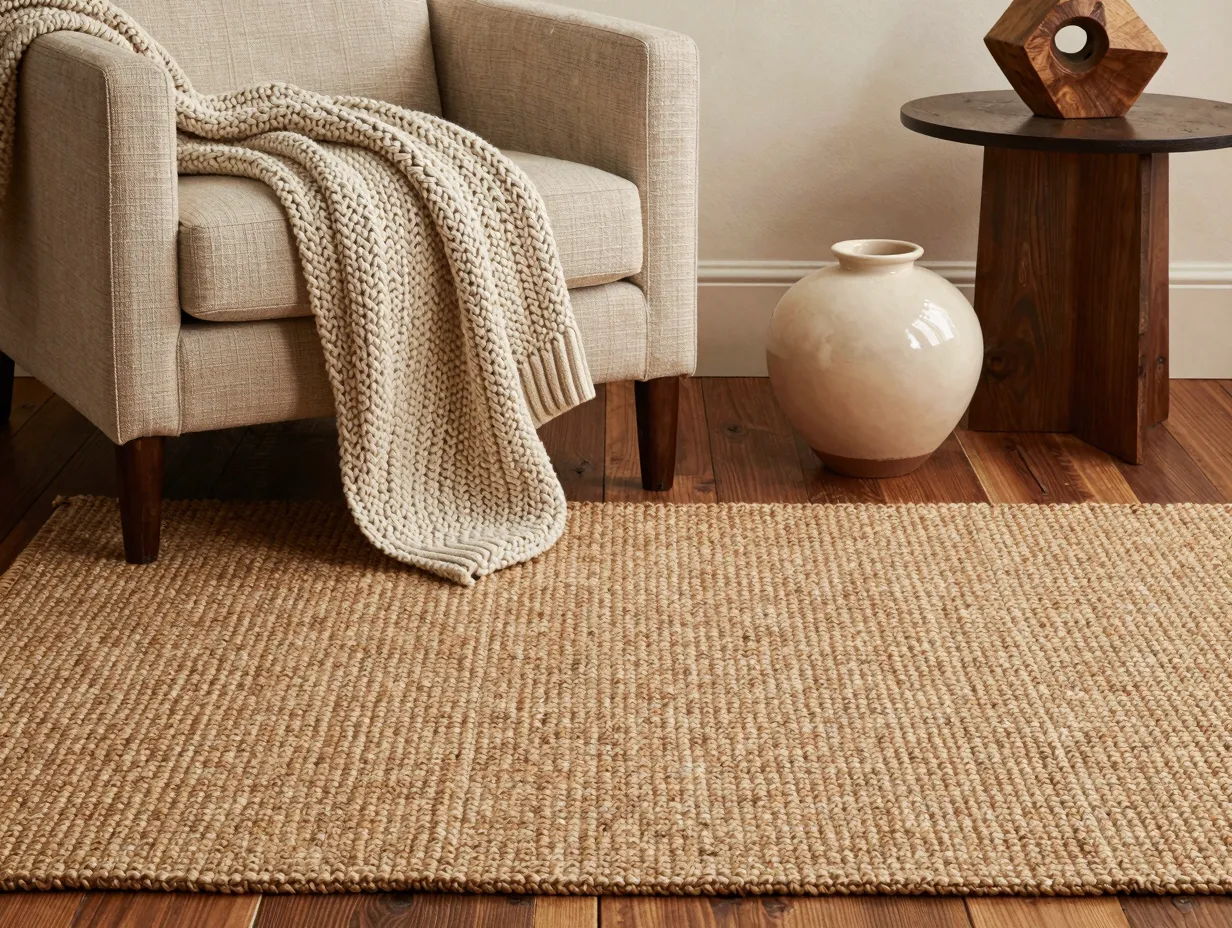
A room decorated entirely in smooth, flat surfaces will always feel cold, no matter how beautiful the individual pieces are. Texture is what makes a space feel inviting and three-dimensional.
Think about texture in terms of layers:
| Layer | Examples |
|---|---|
| Foundation | Hardwood floors, stone tile, concrete |
| Middle | Area rugs, upholstered furniture, curtains |
| Top | Throw blankets, decorative pillows, woven baskets |
| Accent | Ceramic vases, wooden sculptures, metal objects |
The goal is to have at least four to five different textures present in the room at any given time. Combine rough with smooth, matte with glossy, soft with hard. This contrast is what creates visual interest and makes a room feel rich and layered.
4. Master the Art of Living Room Lighting
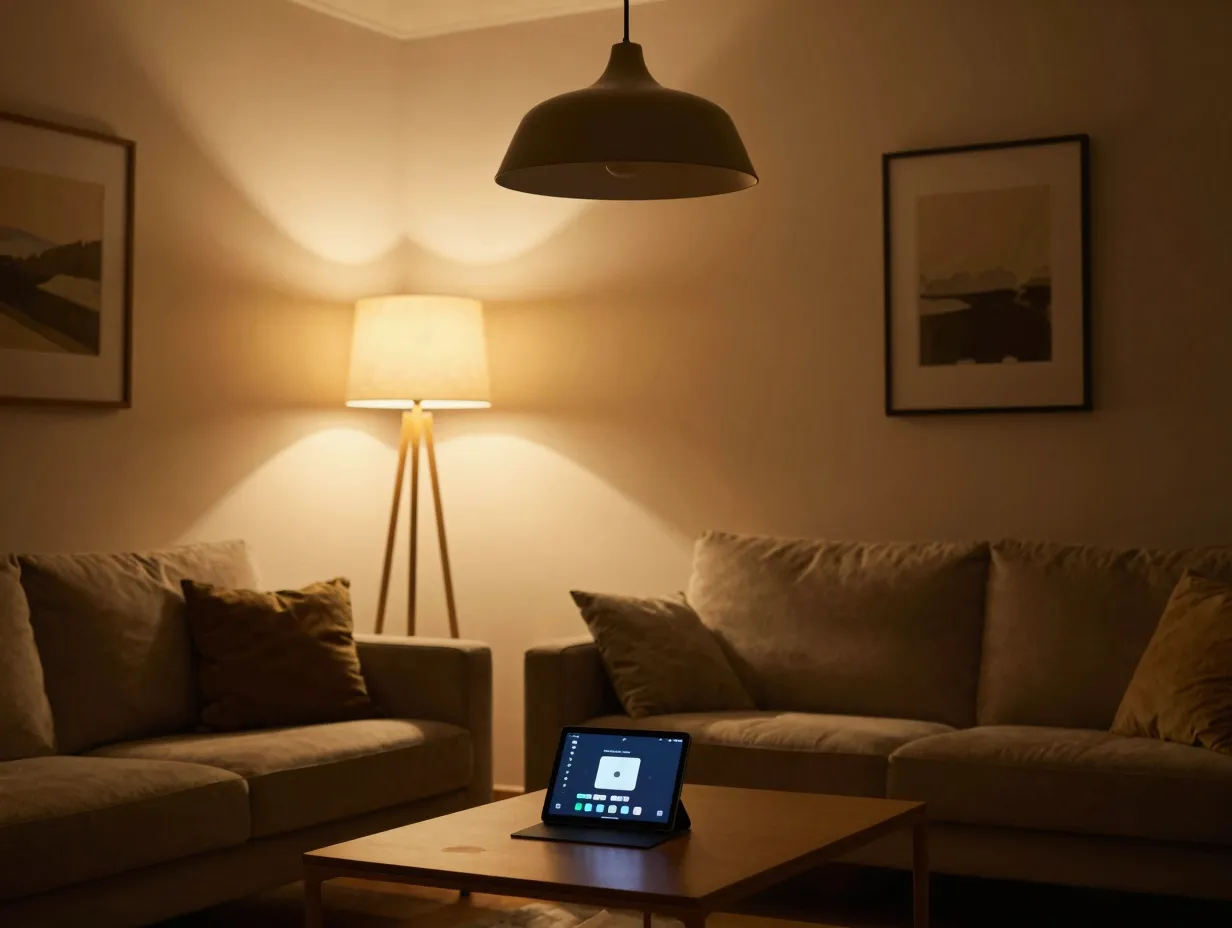
“Lighting is to a room what music is to a film, you barely notice it when it is done well, but the whole experience falls apart without it.”
Most living rooms rely too heavily on a single overhead light source. This creates a flat, institutional feel that no amount of beautiful furniture can overcome. A dream living room uses multiple light sources at different heights to create warmth and dimension.
The three-layer lighting approach:
- Ambient lighting: The general illumination of the room (recessed lights, a central pendant, or a chandelier)
- Task lighting: Functional light for reading or working (floor lamps, table lamps)
- Accent lighting: Decorative light that highlights specific features (picture lights, LED strip lighting behind shelving, candles)
In 2026, smart lighting systems have made it easier than ever to control the mood of your living room with a single tap. Dimmer switches and warm-toned bulbs (look for a color temperature between 2700K and 3000K) will instantly make any room feel more like a dream home.
5. Define Your Space with an Area Rug
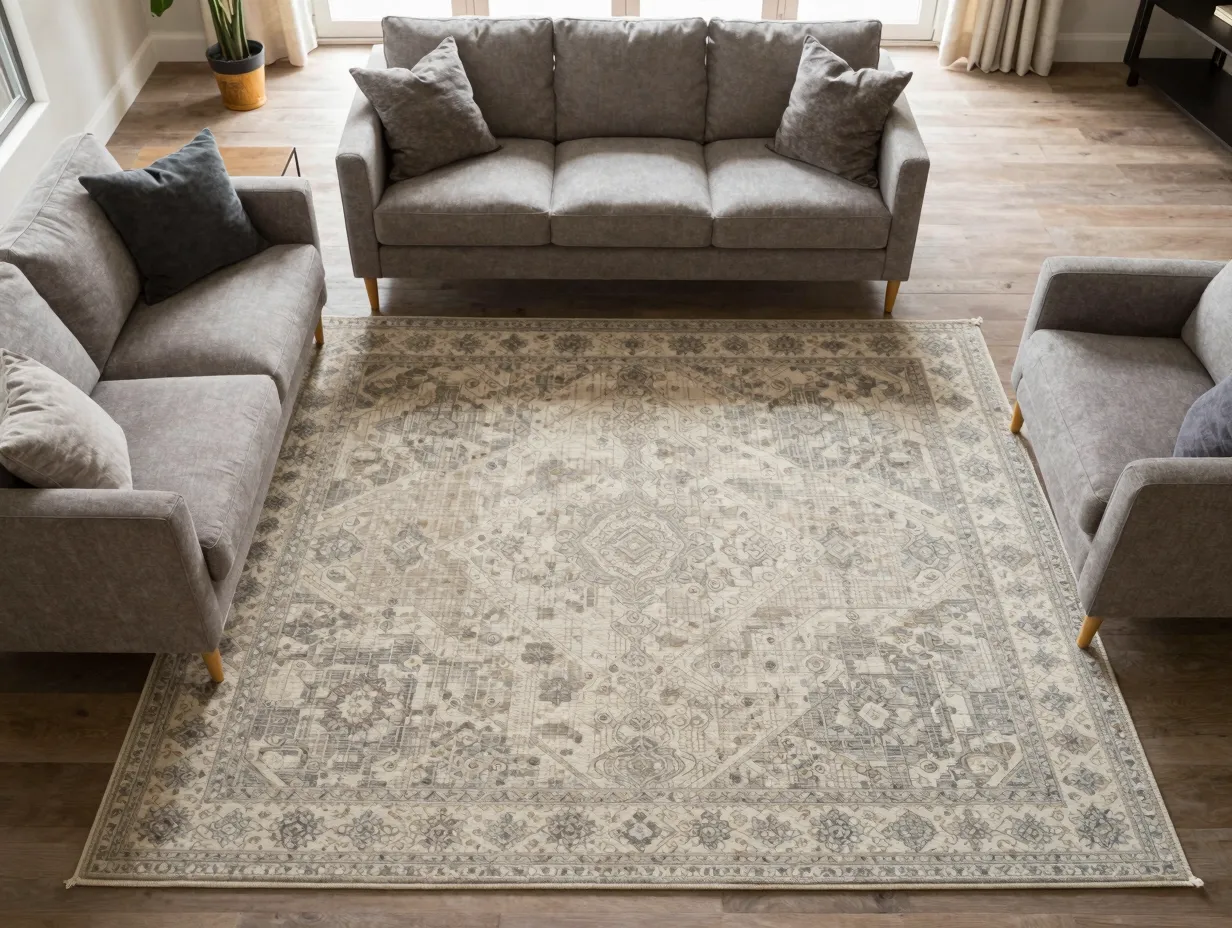
One of the most common decorating mistakes I see is a rug that is too small for the room. An undersized rug makes a space feel disconnected and unfinished. The right rug, on the other hand, acts as a visual anchor that ties all the furniture together.
General sizing guidelines:
- In a standard living room, the rug should be large enough for all the main furniture legs to sit on it, or at minimum for the front legs of the sofa and chairs to rest on it.
- A 8 by 10 foot rug is the most common starting point for a medium-sized living room.
- In an open-plan space, the rug defines the “living room zone” within the larger area.
Beyond size, consider the material. A hand-knotted wool rug will last decades and develop beautiful character over time. A flatweave cotton rug is more casual and easier to clean. A jute or sisal rug adds organic texture but can feel rough underfoot.
6. Curate a Gallery Wall That Tells Your Story
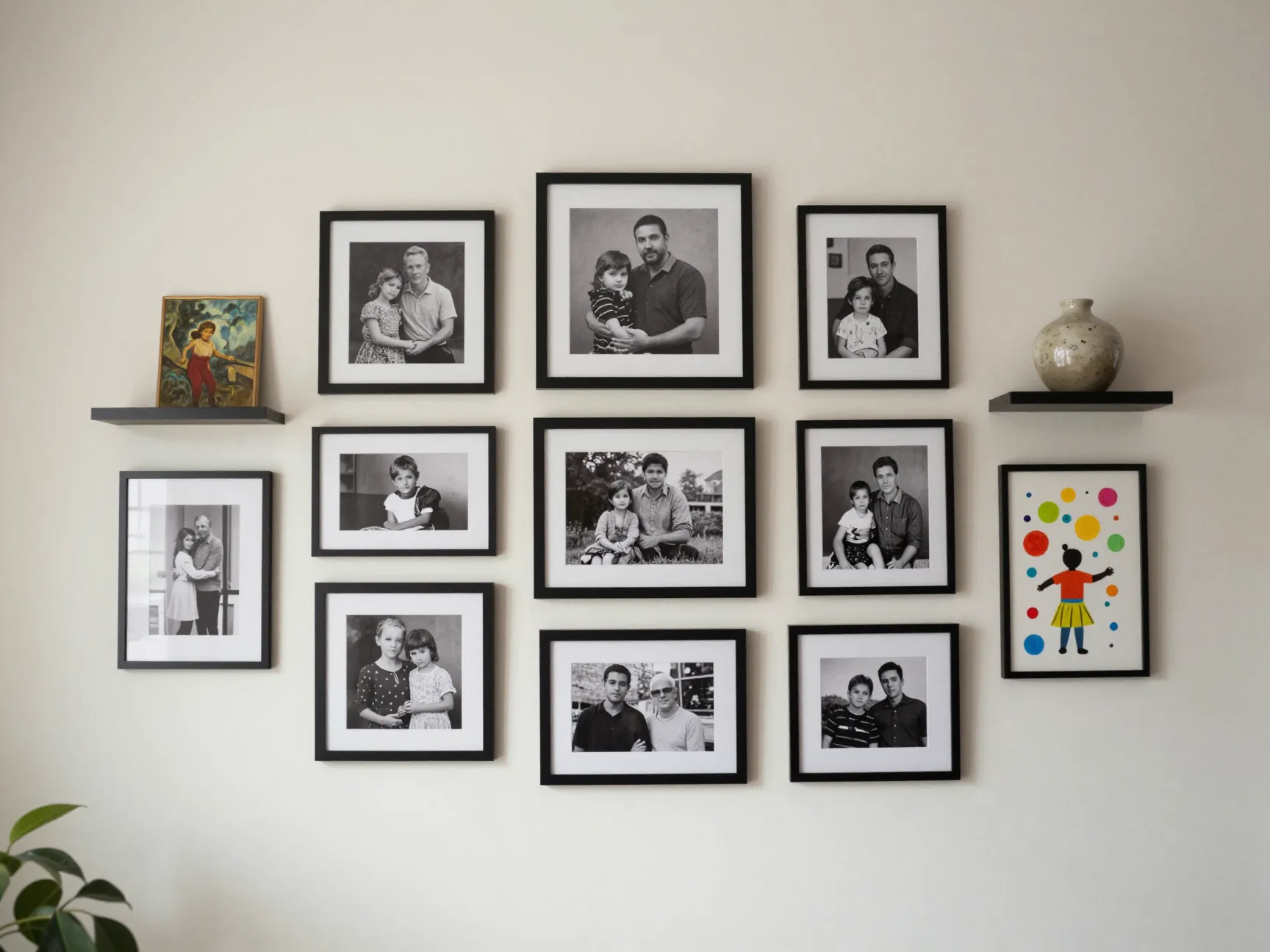
A gallery wall is one of the most personal and impactful ways to bring dream house decor to life in a living room. Done well, it transforms a blank wall into a narrative, a visual autobiography of the people who live there.
Steps to create a gallery wall that looks intentional rather than chaotic:
- Choose a unifying element (same frame color, same mat style, same color palette in the artwork, or a consistent theme)
- Lay all the pieces out on the floor first and arrange them before putting a single nail in the wall
- Start with the largest piece and build outward, keeping spacing consistent (2 to 3 inches between frames is a reliable standard)
- Mix frame sizes but keep the visual weight balanced, a cluster of small frames can balance one large piece
- Include at least one three-dimensional element (a small shelf, a sculptural object, or a woven wall hanging) to add depth
Personal note: My own gallery wall includes a mix of family photographs printed in black and white, a small oil painting I found at a local market, and a framed piece of my daughter’s childhood artwork. It is the first thing visitors comment on, and it is the part of my living room I love most.
7. Bring the Outdoors In with Plants and Natural Elements
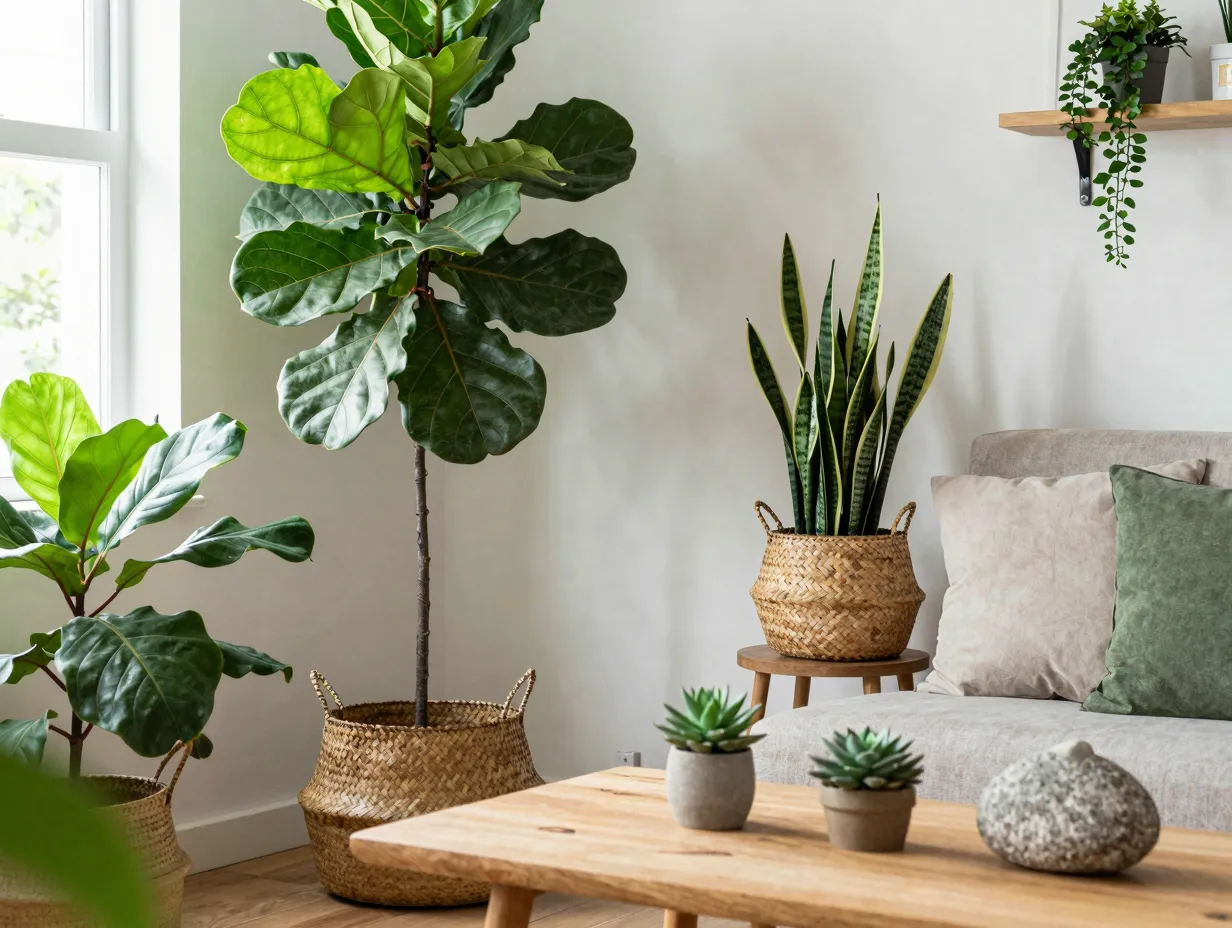
Biophilic design, the practice of incorporating natural elements into interior spaces, has moved from a niche trend to a mainstream design principle, and for good reason. A 2015 study by researchers at the University of Exeter found that incorporating plants into living spaces increased well-being by 47% and productivity by 38%.
For a living room, the most impactful approach is to think in terms of scale:
- Large statement plants (fiddle-leaf fig, monstera, olive tree) act as living sculptures and fill vertical space
- Medium plants (pothos, snake plant, rubber tree) work on shelves, side tables, and in corners
- Small plants (succulents, air plants, herbs) add life to coffee tables and windowsills
Beyond plants, natural elements like raw wood, stone, rattan, linen, and clay bring an organic warmth that synthetic materials cannot replicate. A single piece of driftwood on a shelf or a ceramic bowl on the coffee table can shift the entire feeling of a room.
8. Design for How You Actually Live
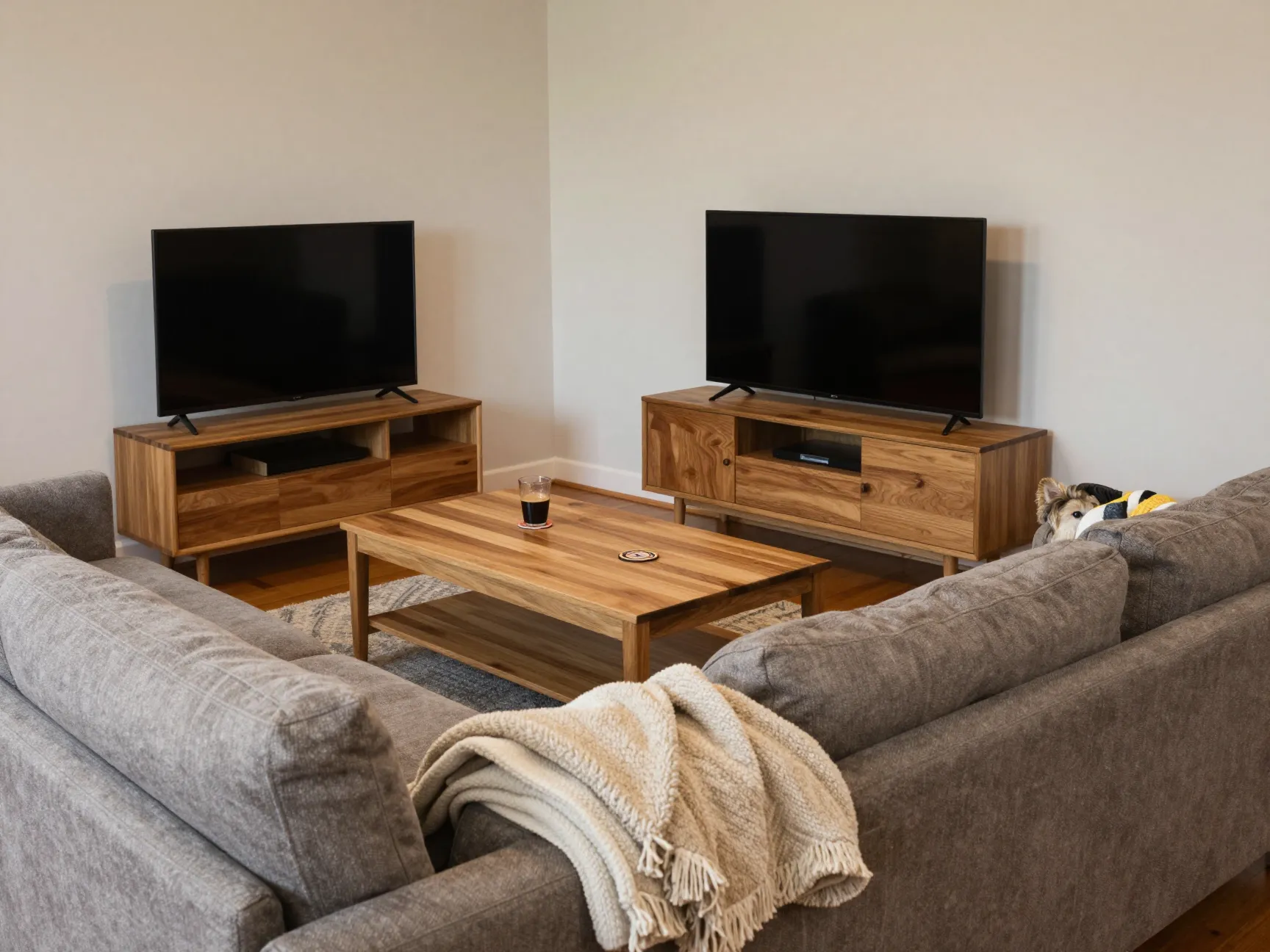
This is the idea that separates truly livable dream homes from rooms that look beautiful in photographs but feel uncomfortable in real life. Your living room should be designed around your actual habits and needs, not an idealized version of how you think you should live.
Ask yourself these questions before making major decor decisions:
- Do you watch television every day, or is it an occasional activity? (This determines how prominently the TV should feature in the room’s layout)
- Do you entertain large groups or mostly have one or two guests at a time? (This affects seating quantity and arrangement)
- Do you have children or pets? (This influences fabric choices, rug materials, and the placement of fragile objects)
- Do you work from home? (You may need to integrate a functional workspace into the living room)
I once spent considerable money on a beautiful cream linen sofa, only to realize within weeks that my two dogs and my habit of eating dinner on the couch made it completely impractical. The lesson was expensive but clear: beauty and function must coexist.
A useful framework: For every decorative choice, ask both “Does this look the way I want?” and “Does this work the way I need?” If the answer to either question is no, keep looking.
9. Add Personal Touches That Make the Space Uniquely Yours
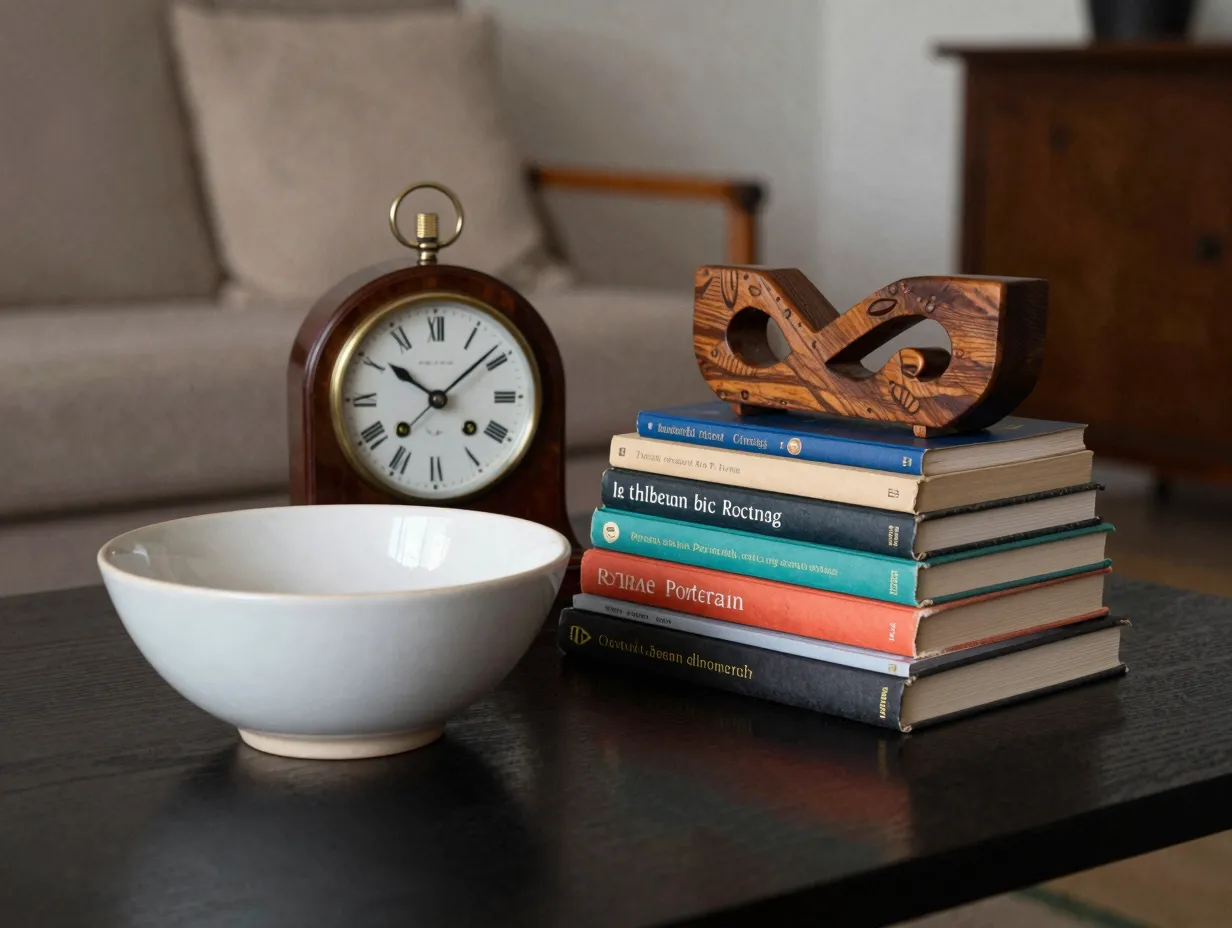
The final and perhaps most important of the 9 Dream House Decor Living Room Ideas to Bring Your Vision to Life is the one that no designer can do for you: personalization.
A room can have perfect proportions, a flawless color palette, and beautiful furniture, and still feel hollow if it does not reflect the people who live in it. Personal touches are what transform a well-decorated room into a home.
Consider incorporating:
- Travel souvenirs displayed intentionally (a ceramic bowl from Portugal, a textile from Morocco, a carved wooden figure from Japan)
- Books you have actually read, arranged by color or size on open shelves
- Heirlooms and inherited pieces that carry family history
- Handmade or locally crafted objects that support artisans and add authenticity
- Seasonal decor that changes with the time of year, keeping the room feeling fresh
The key is curation. Personalization does not mean displaying everything you own. It means choosing the objects that carry the most meaning and displaying them with intention and space around them.
How to Prioritize These 9 Dream House Decor Living Room Ideas
Not everyone has the budget or the time to implement all nine ideas at once. Here is a practical prioritization framework based on impact and cost:
| Priority | Idea | Impact | Relative Cost |
|---|---|---|---|
| 1 | Color Palette | Very High | Low |
| 2 | Lighting | Very High | Low to Medium |
| 3 | Area Rug | High | Medium |
| 4 | Personal Touches | High | Low |
| 5 | Plants and Natural Elements | High | Low |
| 6 | Texture Layering | High | Low to Medium |
| 7 | Gallery Wall | Medium to High | Low to Medium |
| 8 | Design for Real Life | Very High | No Cost |
| 9 | Statement Furniture | Very High | Medium to High |
Common Mistakes to Avoid When Decorating Your Dream Living Room
Even with the best ideas in hand, certain pitfalls can undermine your results. Here are the most frequent mistakes and how to sidestep them:
- Buying everything at once. A room that comes together over time feels more authentic than one assembled in a single shopping trip. Give yourself permission to live with a space before filling it.
- Ignoring scale. A tiny sofa in a large room or an oversized coffee table in a small space will always look wrong, regardless of how beautiful the individual pieces are.
- Neglecting the ceiling. The ceiling is often called the “fifth wall” for a reason. A coat of paint, a statement light fixture, or even wallpaper on the ceiling can transform a room dramatically.
- Over-matching. Perfectly matched sets of furniture, cushions, and decor look flat and lifeless. Embrace contrast and variety.
- Forgetting about smell. The sensory experience of a room is not just visual. Candles, diffusers, fresh flowers, and even a clean, well-maintained space all contribute to the feeling of a dream home.
Conclusion
The 9 Dream House Decor Living Room Ideas to Bring Your Vision to Life outlined in this guide are not a rigid prescription, they are a flexible toolkit. You do not need to implement all nine at once, and you do not need a large budget to start seeing results.
Here are your actionable next steps:
- This week: Define your color palette. Pull inspiration from sources you love, a painting, a photograph, a piece of fabric, and identify three to five colors that feel right.
- This month: Audit your lighting. Add at least one additional light source at a lower level than your overhead light and observe how the room changes.
- This quarter: Identify the one statement piece your room is missing and begin saving for or sourcing it intentionally.
- Ongoing: Personalize. Every time you travel, visit a market, or inherit something meaningful, ask whether it belongs in your living room story.
Your dream living room is not a destination you arrive at, it is a space that evolves with you. Start where you are, use what you have, and build toward the vision that is uniquely yours.
References
- Leary, M. R., & Tangney, J. P. (2012). Handbook of Self and Identity. Guilford Press.
- Knight, C., & Haslam, S. A. (2010). The relative merits of lean, enriched, and empowered offices: An experimental examination of the impact of workspace management strategies on well-being and productivity. Journal of Experimental Psychology: Applied, 16(2), 158-172.
- Nieuwenhuis, M., Knight, C., Postmes, T., & Haslam, S. A. (2014). The relative benefits of green versus lean office space: Three field experiments. Journal of Experimental Psychology: Applied, 20(3), 199-214.
- Augustin, S. (2009). Place Advantage: Applied Psychology for Interior Architecture. Wiley.
- Kellert, S. R., Heerwagen, J., & Mador, M. (2008). Biophilic Design: The Theory, Science and Practice of Bringing Buildings to Life. Wiley.