9 Modern European Home Interior Design Principles for Timeless Style
Fewer than 12% of homeowners who renovate their interiors report being satisfied with the result five years later, a statistic that reveals a painful truth about trend-chasing design. The rooms that age gracefully are almost never the ones built around the season’s hottest color or the most-shared Instagram aesthetic. They are built on principles. The 9 Modern European Home Interior Design Principles for Timeless Style explored in this article draw from the most current European design discourse, from Milan’s Salone del Mobile to Scandinavian editorial homes, and offer a framework that outlasts any single trend cycle. Whether you are redesigning a single room or planning a full renovation in 2026, these principles give you the intellectual foundation to make decisions that hold up beautifully over time.
Disclosure: This post contains affiliate links. As an Amazon Associate, we earn from qualifying purchases, and at no extra cost to you.
Key Takeaways
- Warm minimalism, built on sand, oat, camel, and terracotta tones, has replaced cold grey minimalism as the dominant European interior language in 2026
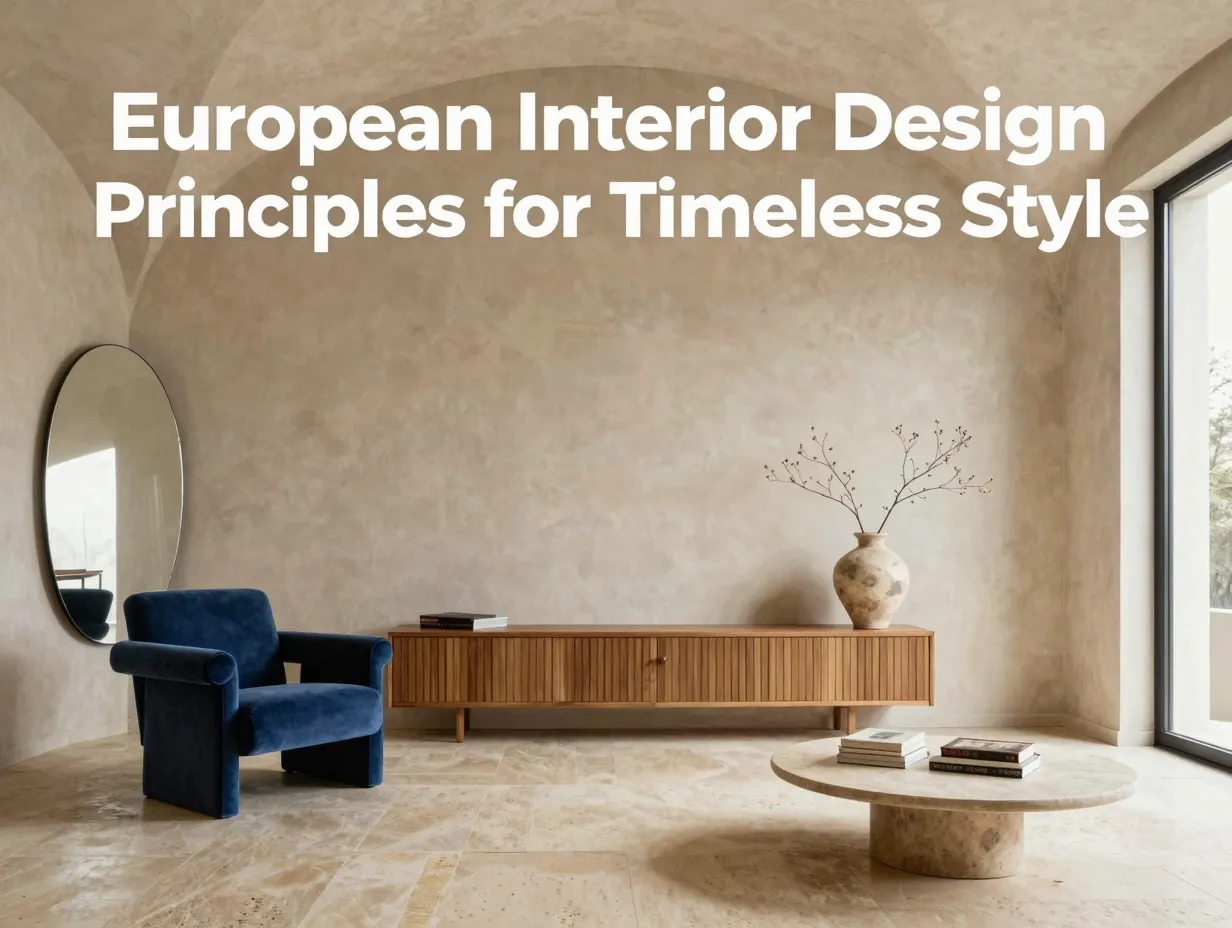
- Material honesty, meaning the use of plaster, limestone, limewash, and natural wood without decorative masking, is the clearest marker of timeless European style
- Rounded, soft forms in furniture and architecture signal a definitive move away from rigid rectilinear minimalism
- Strategic color injections, one bold chair, one vibrant pendant, prevent warm neutral rooms from feeling flat or lifeless
- Quiet luxury is now defined by longevity, craftsmanship, and restraint rather than by price tags or brand logos
Why European Interior Design Sets the Global Standard for Timeless Style
Before we examine each principle individually, it is worth asking why European design, and not any other regional tradition, consistently produces interiors that feel relevant across decades. The answer is partly cultural and partly structural.
European design culture, particularly in Italy, France, Germany, and Scandinavia, has long prioritized craft over novelty. Design schools in Milan, Copenhagen, and Paris train designers to solve problems with materials and form rather than with surface decoration. The result is an aesthetic vocabulary that is inherently durable. A Milanese apartment from 1975 and a Berlin loft from 2026 can share the same visual logic, honest materials, considered proportions, and restrained color, because both are rooted in principles rather than trends.
In 2026, that tradition is evolving rather than standing still. Reports from across Europe describe a clear pivot: away from the cold, grey, white-on-white minimalism that dominated the 2010s and toward something warmer, more tactile, and more human [1][9]. The 9 Modern European Home Interior Design Principles for Timeless Style outlined below capture exactly that evolution.
The 9 Modern European Home Interior Design Principles for Timeless Style
1. Embrace Warm Minimalism Over Cold Minimalism
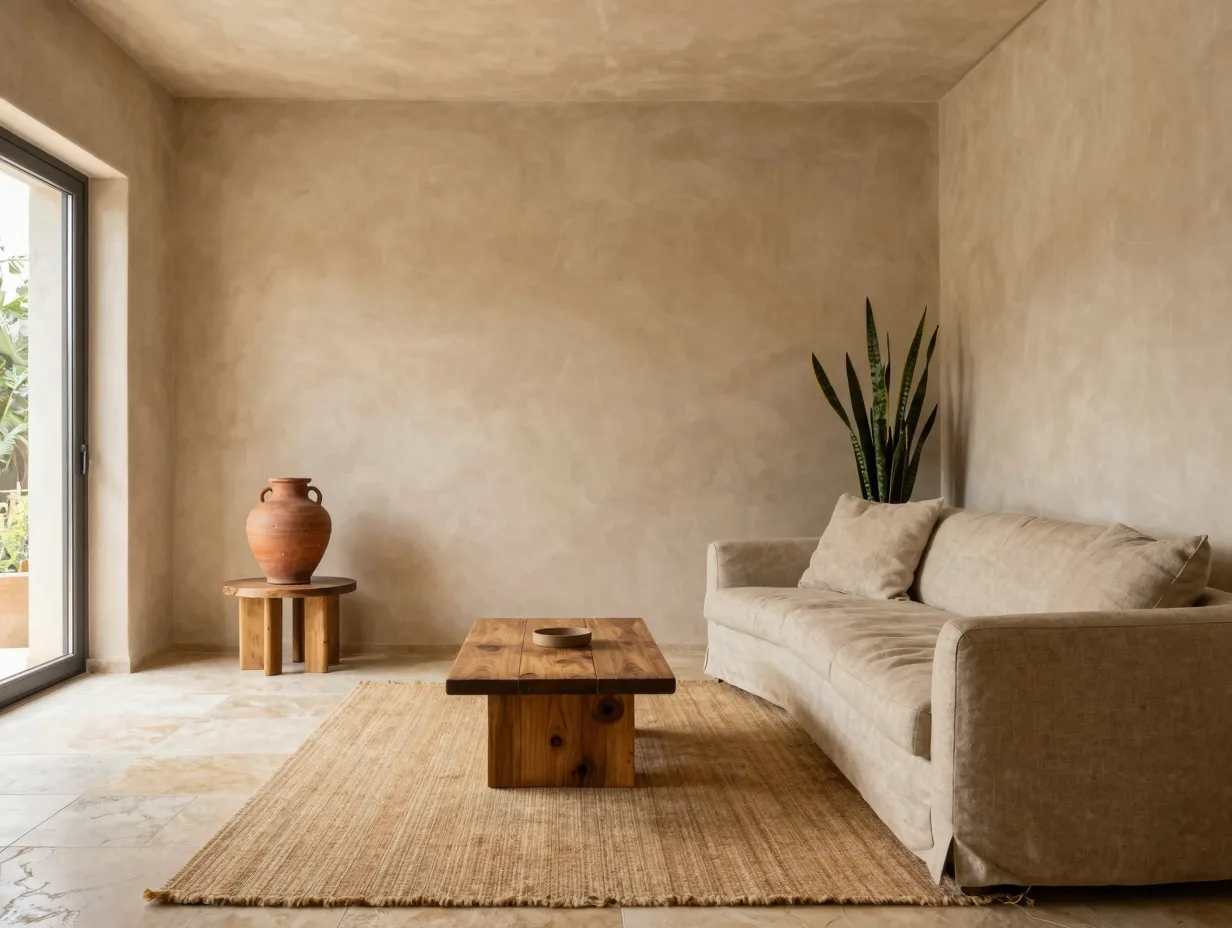
The most significant shift in European interiors right now is the replacement of cool-toned minimalism with what designers are calling “warm minimalism” or “soft modernism.” [9][10]
Cold grey minimalism, stark white walls, polished concrete floors, chrome fixtures, defined a certain aspirational aesthetic for nearly two decades. But that look has aged poorly. It reads as clinical rather than calm, empty rather than considered.
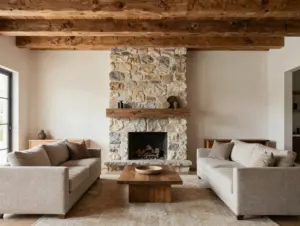
Warm minimalism works differently. It uses the same commitment to simplicity and restraint but builds on a palette of sand, oat, camel, terracotta, and deep green. Walls are finished in matte, low-reflective plasters rather than high-gloss paint. Floors lean toward raw limestone or warm-toned hardwood. The overall effect is a space that feels quiet without feeling cold [9][10].
The practical rule: Choose one warm neutral as your dominant tone and layer two or three close relatives around it. Avoid high contrast. Let the room breathe through tonal continuity rather than through emptiness.
“Tonal continuity and matte finishes create a calm, timeless base that no amount of furniture shopping can replicate.”, European design consensus, 2026 [9]
2. Integrate Nature as a Structural Principle, Not a Decorative Afterthought
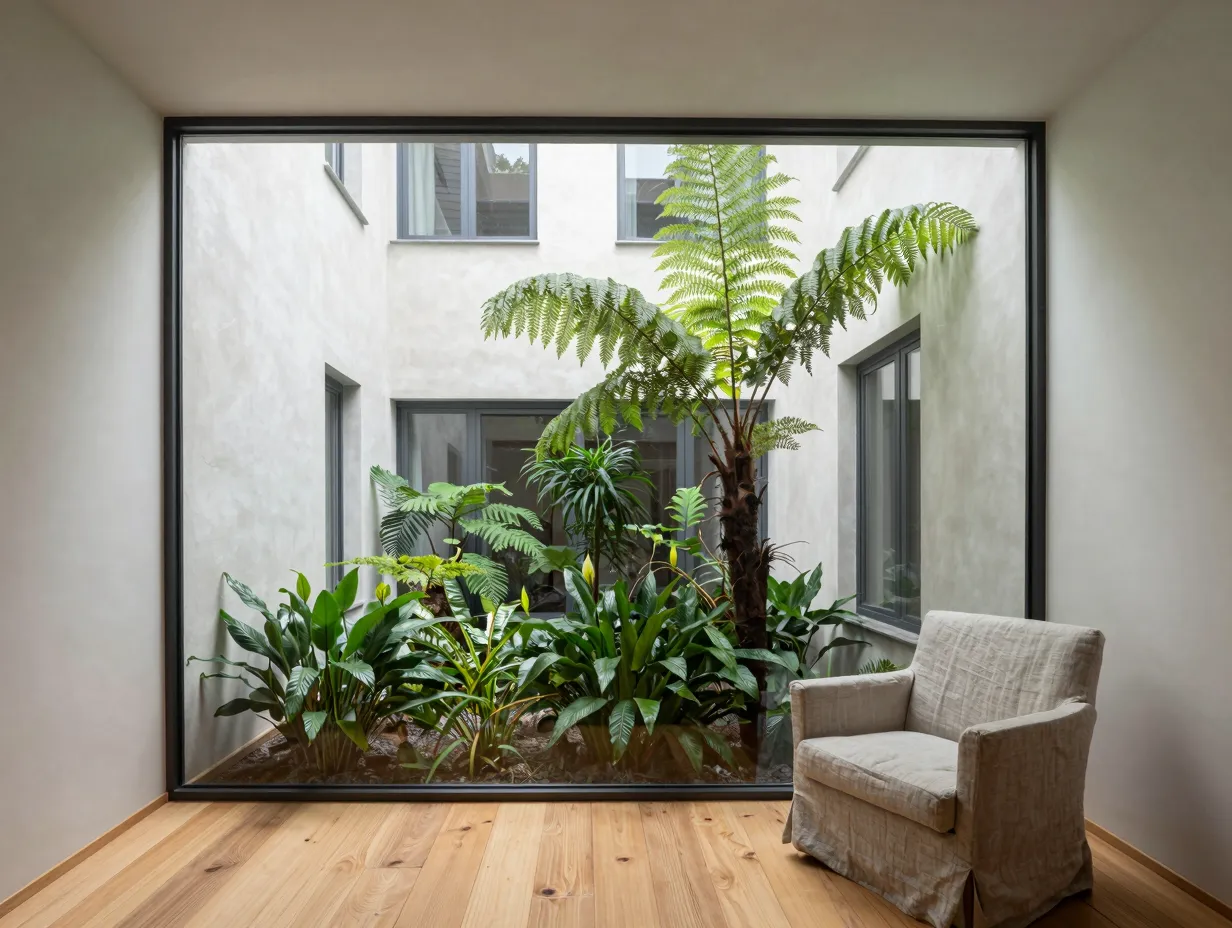
European design discourse in 2026 has moved well beyond placing a few houseplants in a corner. The concept now being discussed is regenerative design, interiors that actively support human health and ecological health simultaneously [2][8].
Biophilic design, at its most sophisticated, means that natural light, air quality, plant-based finishes, and views of greenery are built into the architecture of a room rather than added on top of it. A bioclimatic approach considers how a room breathes, how it filters light, and how its materials interact with the human nervous system [2].
I visited a renovated apartment in a 1930s building two years ago where the owner had replaced a load-bearing wall with a structural glass panel overlooking an internal courtyard garden. The effect was immediate and visceral, the room felt alive in a way that no furniture arrangement could have achieved. That is the difference between decorative nature and structural nature.
Practical applications:
- Use plant-based wall finishes such as limewash, clay plaster, or natural chalk paint
- Prioritize windows and skylights over artificial lighting wherever possible
- Choose living plants with air-purifying properties, ferns, peace lilies, snake plants, and give them structural positions in the room rather than corner placements
- Select natural fiber textiles: linen, wool, jute, and cotton over synthetics
3. Commit to Material Honesty and Tactile Richness
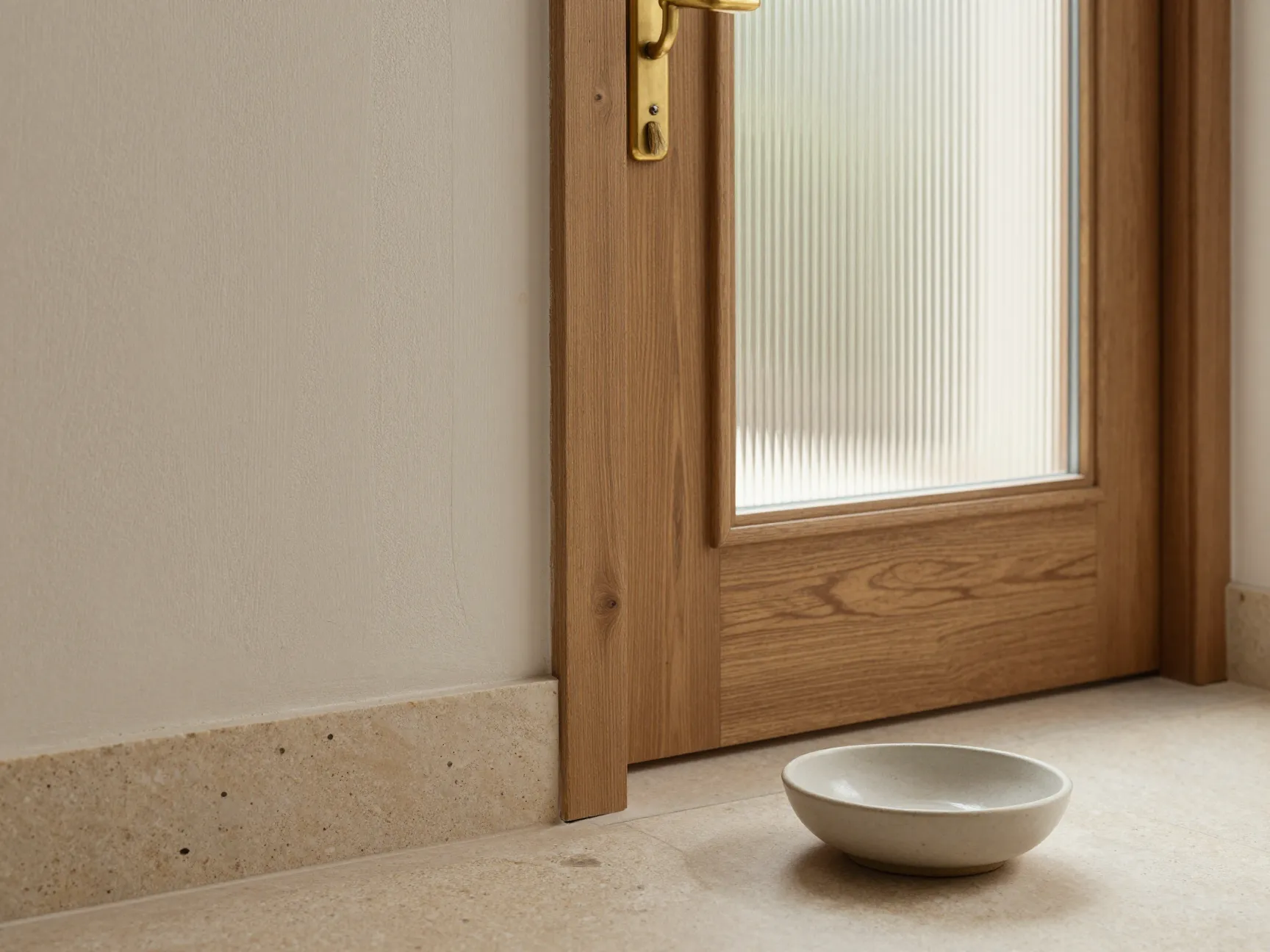
One of the clearest markers separating timeless European interiors from trend-driven ones is what designers call “truth to materials.” [9] This means allowing materials to express their own inherent character rather than covering them with applied decoration.
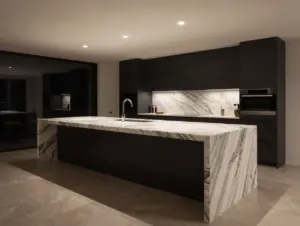
Plaster walls that show the hand of the plasterer. Limestone floors that reveal their natural veining. Slatted oak cabinetry where the grain is the decoration. Ribbed glass panels that catch and diffuse light. These choices create visual interest through texture and authenticity rather than through ornament [9][13].
The commercial logic is compelling too. Authentic materials age gracefully. A limewash wall develops a patina over years that actually improves its appearance. A marble countertop that chips or stains becomes more characterful, not less. Synthetic surfaces, by contrast, degrade in ways that cannot be repaired, they simply look old rather than aged.
Choose: Limewash plaster, raw limestone, slatted wood, ribbed glass, brushed brass, unglazed ceramic
Avoid: High-gloss laminate, faux marble vinyl, chrome-plated plastic, printed wood-effect surfaces
4. Design for Soft Architecture and Rounded Forms
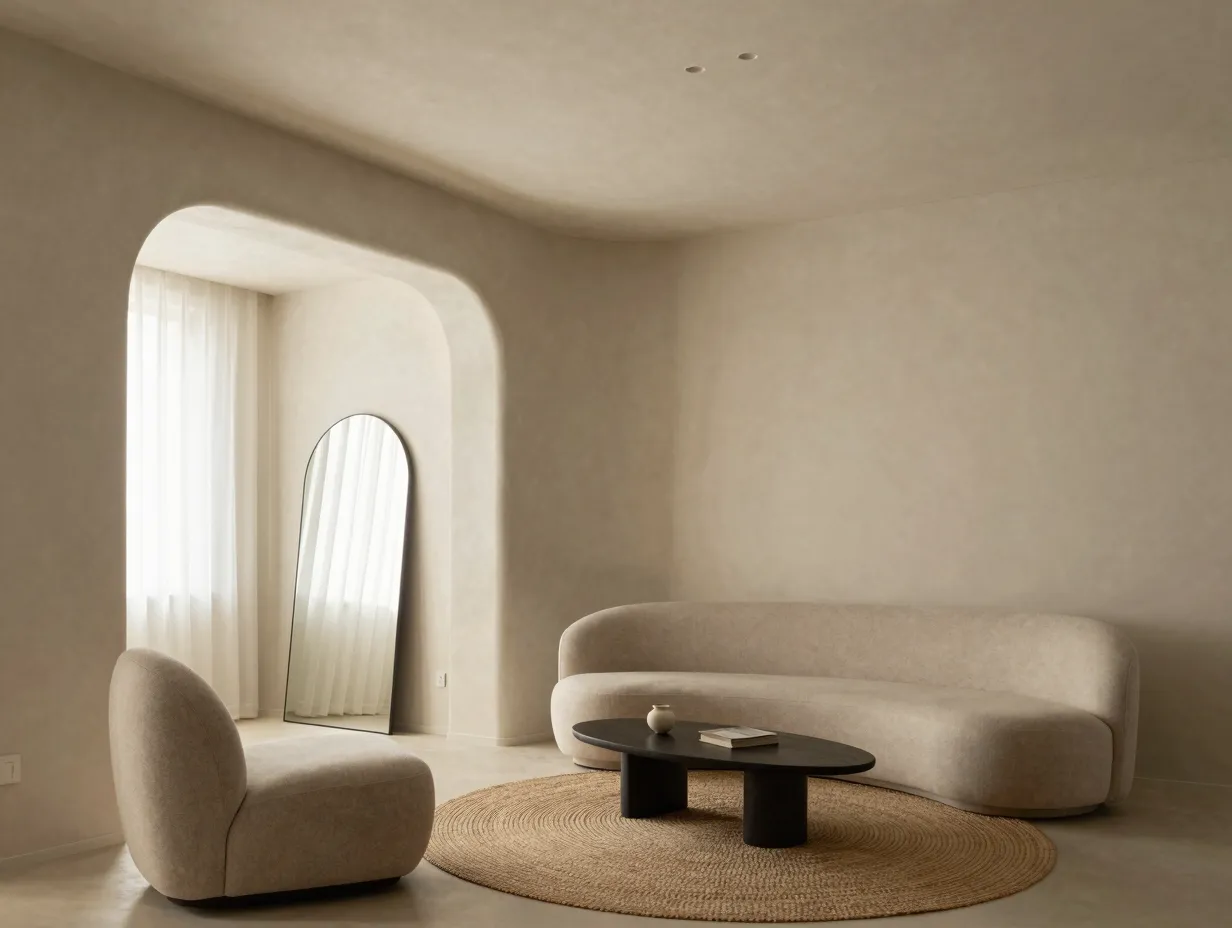
The geometry of a room communicates before a single piece of furniture is placed. European designers in 2026 are consistently choosing soft geometry over hard geometry, arched doorways instead of square ones, curved walls instead of sharp corners, rounded niches instead of rectangular recesses [1][4][9].
At the furniture level, this translates to curved sofas, circular mirrors, oval dining tables, and sculptural chairs with organic silhouettes. Reports from Milan Design Week and Salone del Mobile 2026 describe ultra-soft seating disrupted by sculptural curved elements as one of the defining visual languages of the year [4].
This is not merely an aesthetic preference. Rounded forms are psychologically softer. They reduce the visual tension in a room and make spaces feel more welcoming and less institutional. In practical terms, they also reduce physical hazards, a rounded coffee table corner is simply safer in a home with children or elderly residents.
Where to introduce soft architecture without a full renovation:
- Replace rectangular mirrors with circular or oval ones
- Choose a curved sofa or a kidney-shaped accent chair
- Add arched cabinet doors to existing kitchen or wardrobe units
- Use round rugs to soften angular floor plans
5. Define Luxury Through Longevity and Quiet Craftsmanship
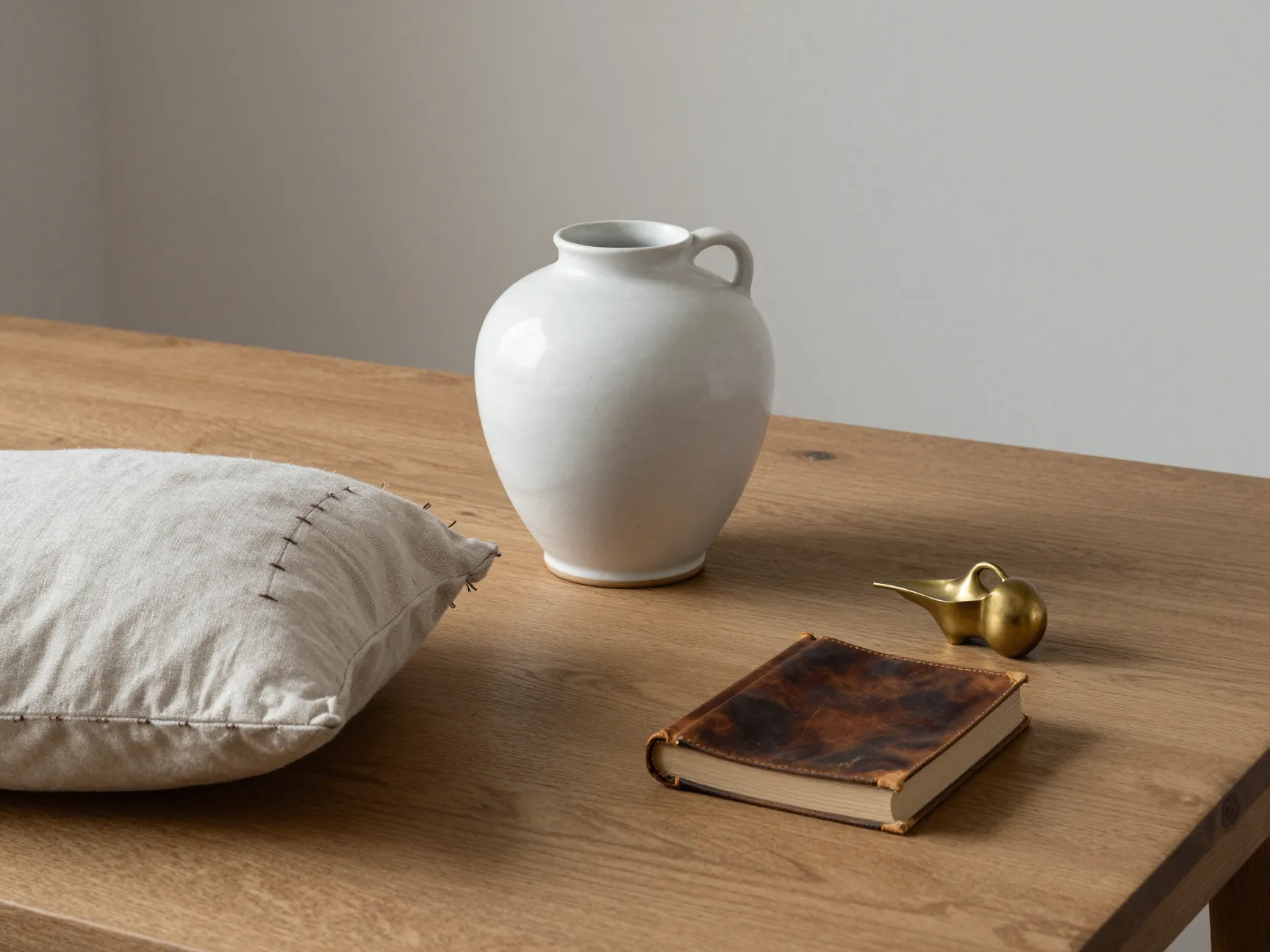
The European definition of luxury has shifted decisively in 2026. It is no longer about visible brand logos, maximalist layering, or statement pieces that demand attention. It is about what designers are calling “quiet luxury”, matte finishes, low contrast, softer stones, and the kind of detail-driven craftsmanship that rewards close inspection rather than demanding it from across the room [9][11].
This is a fundamentally different value proposition from the luxury of a decade ago. Quiet luxury asks: will this piece still feel right in fifteen years? Is the joinery on this cabinet worth examining? Does this fabric improve with washing?
The investment logic follows naturally. Fewer, better pieces, a handmade ceramic lamp, a solid oak dining table, a hand-stitched linen sofa, cost more upfront but accumulate value over time, both financially and aesthetically [9][13]. They also reduce the renovation cycle. A room built on quiet luxury principles does not need to be updated every three to five years.
“Luxury is intelligence and longevity, investing in fewer, better pieces that anchor a space in timeless aesthetic rather than seasonally trend-driven looks.” [9]
6. Use Strategic Color Injections to Prevent Tonal Flatness
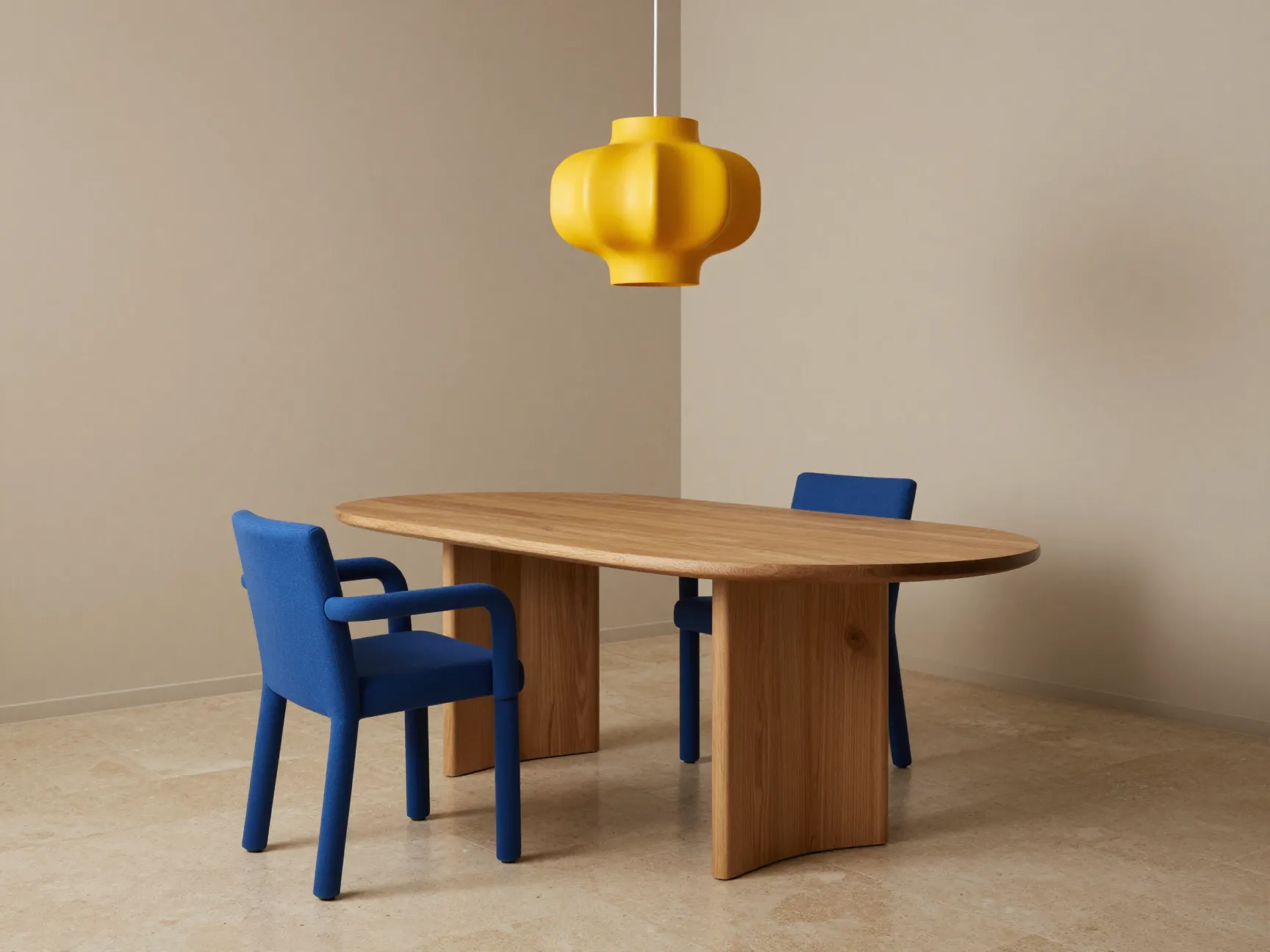
Warm neutrals are the foundation, not the whole building. One of the most common mistakes I see in rooms attempting European minimalism is the elimination of all color in the name of restraint. The result is a space that feels safe but lifeless, a showroom rather than a home.
European designers in 2026 are solving this with what trend agencies call “strategic color injections”, single, deliberate introductions of a vibrant hue into an otherwise neutral room [1][5]. A single electric blue armchair in a room of oat and sand. A saffron yellow pendant light above a limestone dining table. A deep teal bookcase against a limewash plaster wall.
Notably, dark green has been identified as a “new neutral” across multiple European trend reports, meaning it can function as a base tone rather than an accent [5][8]. And “Transformative Teal” has been named as the defining color of 2026 by several European trend agencies, representing resilience and balance, qualities that align naturally with the timeless design philosophy [5].
The rule of one: Introduce no more than one vibrant color per room. Let it be the single point of energy in an otherwise calm palette. This creates visual interest without visual noise.
7. Layer Lighting as a Design Material, Not a Utility
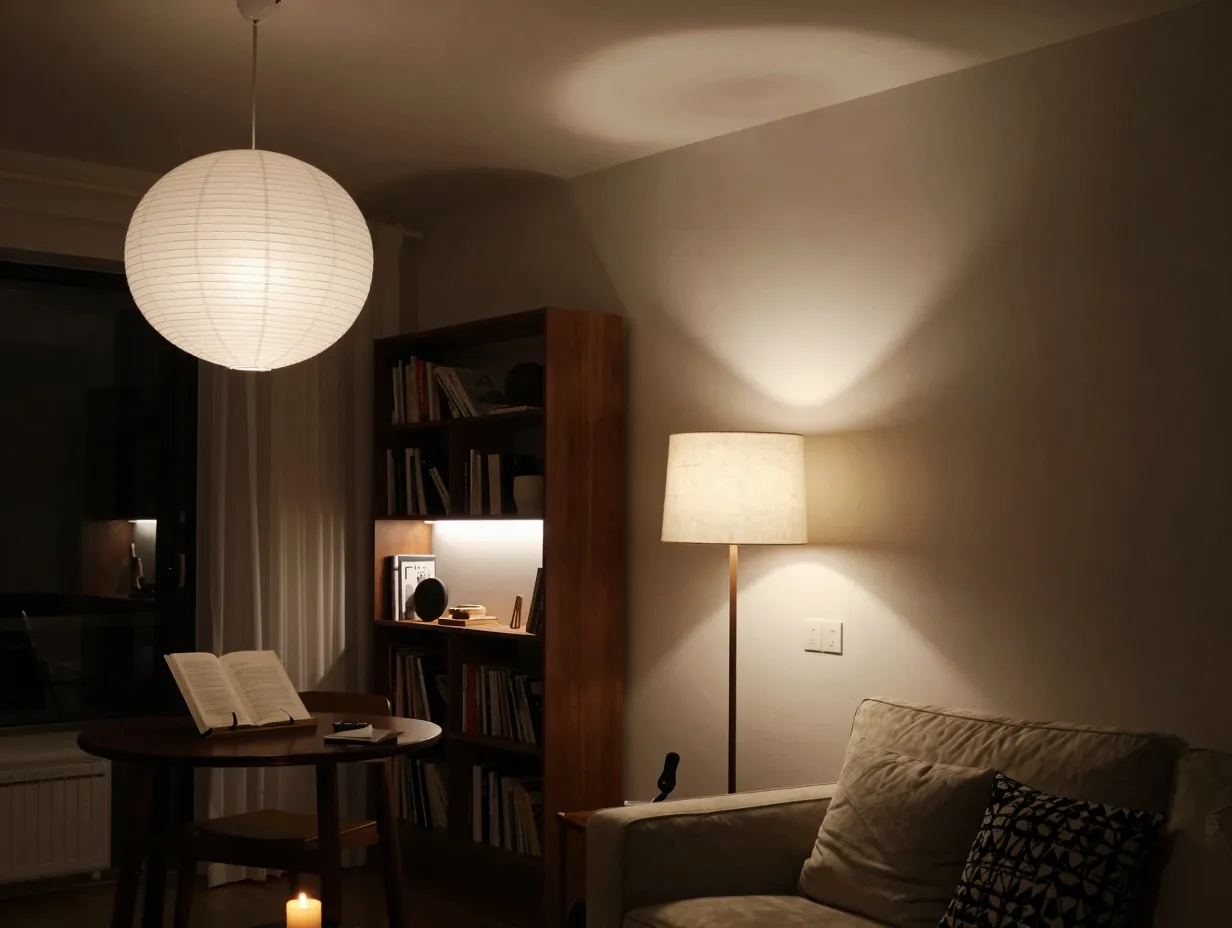
Lighting is the most underinvested element in most home interiors, and it is the one that most dramatically affects the perception of every other design decision. European interiors that achieve a timeless quality almost universally treat lighting as a design material in its own right rather than as a functional utility [6][7].
The principle is layering: ambient light (general illumination), task light (focused functional light), and accent light (light that sculpts and highlights). Each layer operates at a different height and intensity, and together they give a room the ability to shift mood from energetic to intimate without any physical change.
In 2026, European lighting design favors warm-toned bulbs (2700K to 3000K), sculptural pendant forms, and integrated architectural lighting, LED strips recessed into shelving, uplighting behind plants, candlelight on dining tables, over overhead ceiling fixtures alone [6].
A practical lighting audit for any room:
- Identify whether you have all three layers: ambient, task, and accent
- Replace any cool-white bulbs (above 4000K) with warm-white equivalents
- Add at least one floor lamp or table lamp to create a secondary light source below eye level
- Consider dimmers on every circuit, they are the single highest-return lighting investment available
8. Curate Rather Than Accumulate: The Art of Considered Editing
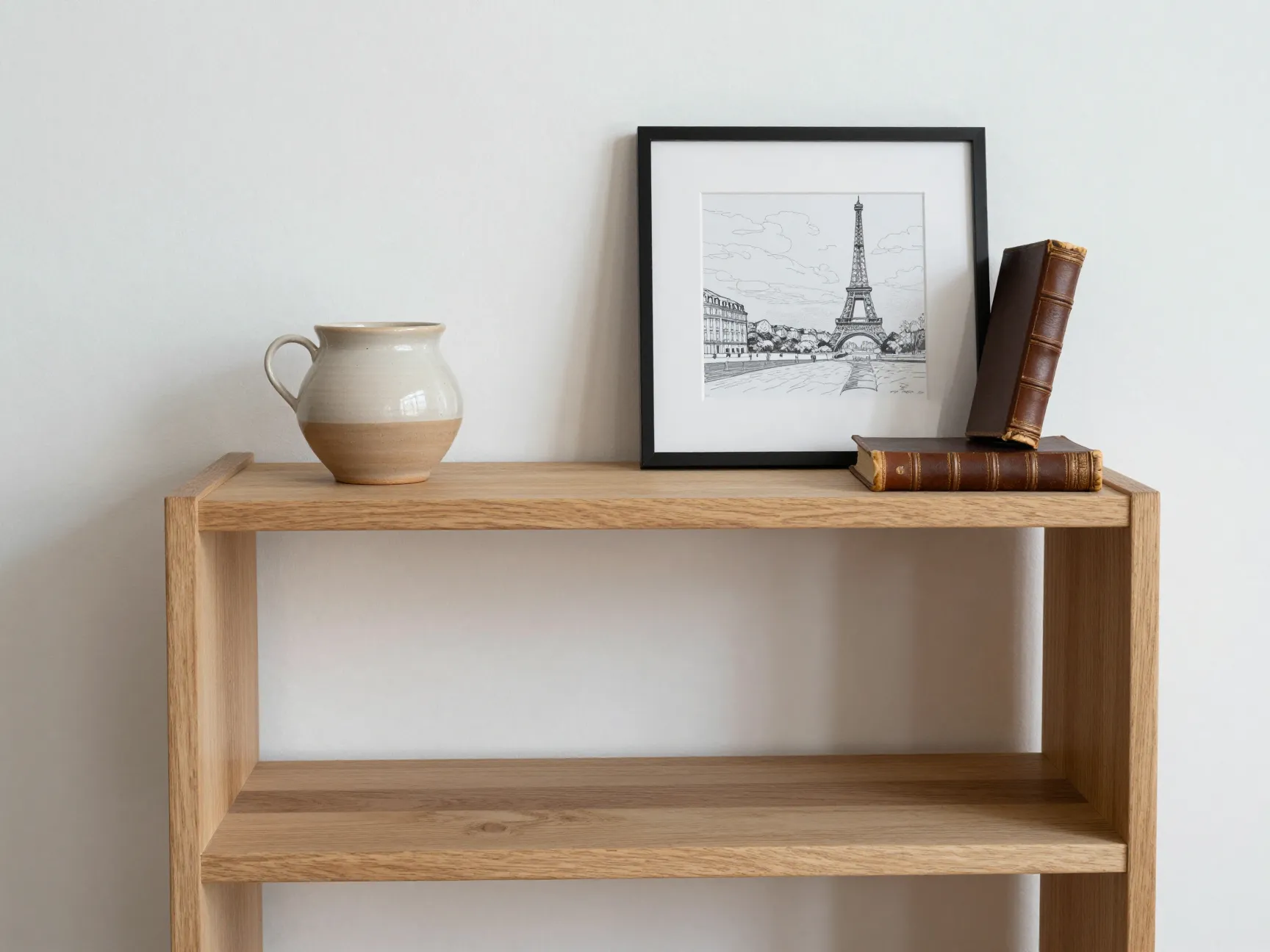
One of the defining characteristics of timeless European interiors, from a Parisian apartment to a Copenhagen townhouse, is the visible evidence of editorial restraint. These rooms do not contain everything their owners love. They contain the things their owners have chosen to live with most deliberately [3][6].
Curation is an active practice, not a passive one. It means regularly removing things from a room as well as adding them. It means resisting the impulse to fill every surface and every wall. It means accepting that negative space, empty wall, clear shelf, unoccupied floor, is itself a design element with weight and value.
The European approach to curation also tends toward the personal and the imperfect. A single piece of handmade pottery on an otherwise clear shelf. A framed architectural drawing from a city visited years ago. A worn leather chair that has been reupholstered twice. These objects carry history, and that history gives a room depth that no amount of new furniture can replicate [3].
A practical editing exercise:
- Remove every decorative object from one room
- Wait 48 hours before returning anything
- Return only the objects you genuinely missed
- Observe what the room reveals about itself without them
9. Design for Adaptability: Timeless Style Evolves Without Starting Over
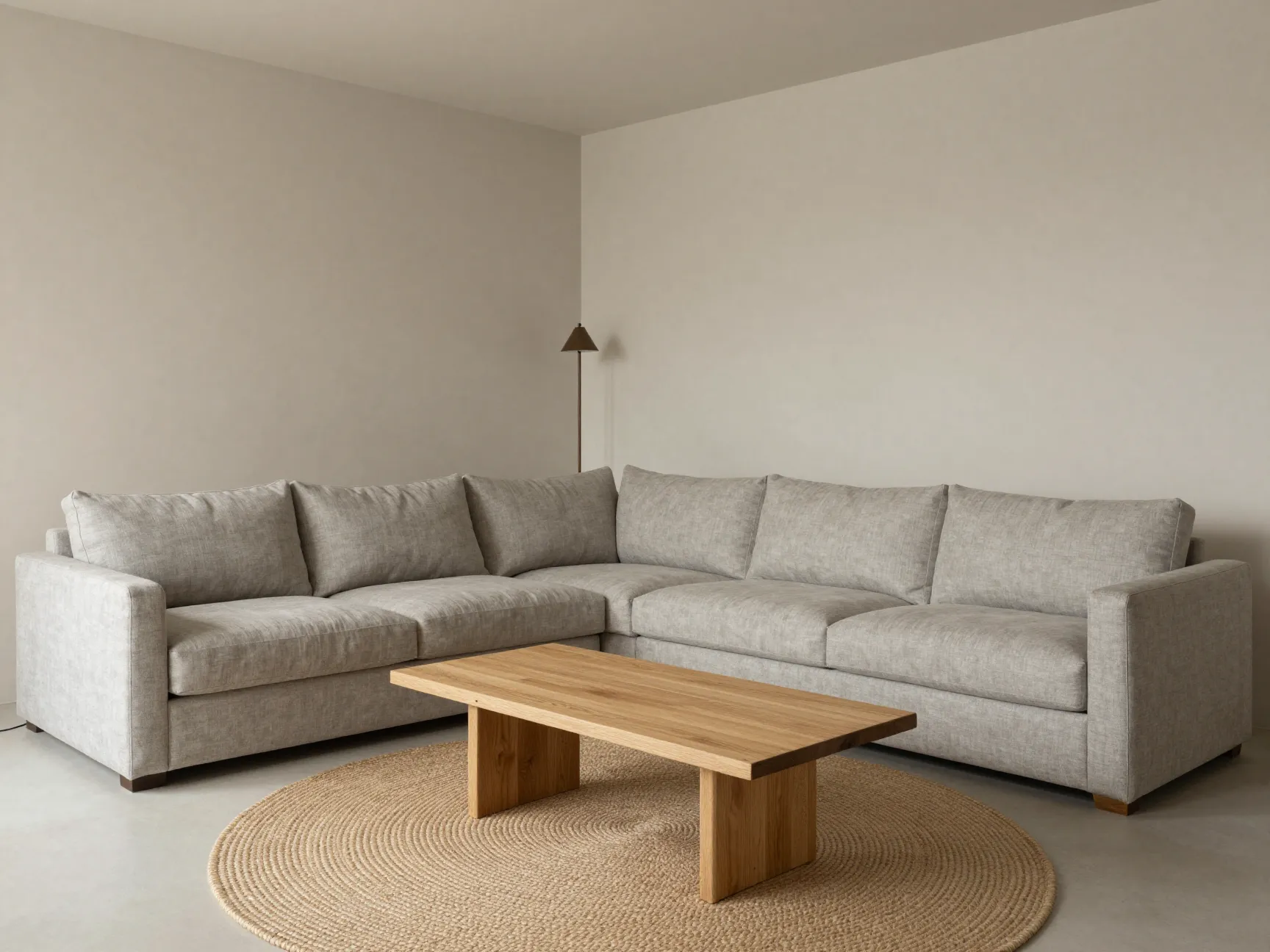
The final principle in the 9 Modern European Home Interior Design Principles for Timeless Style is perhaps the most strategic: design your room so that it can absorb change without requiring a full renovation.
Timeless interiors are not static. They evolve. But they evolve through addition and subtraction of smaller elements, textiles, lighting, plants, art, rather than through structural overhaul. This is possible only when the foundational decisions (wall finish, flooring, cabinetry, primary furniture) are made in materials and forms that are neutral enough to accommodate change [9][10].
Practically, this means:
- Choosing wall finishes that can be repainted or re-plastered without major disruption
- Investing in modular furniture systems that can be reconfigured
- Selecting a sofa in a neutral linen or wool that can be re-covered rather than replaced
- Building a lighting infrastructure (conduit, dimmers, multiple circuits) that allows future fixture changes without rewiring
The European homes that have remained beautiful and relevant for thirty or forty years are almost always the ones where the owners made this kind of infrastructural investment early. The room changes around a stable, honest core, and the result is a space that always feels current without ever feeling trendy.
How the 9 Principles Work Together as a System
It is worth stepping back to observe that these nine principles are not independent rules. They form a coherent system. Warm minimalism (Principle 1) creates the tonal base on which material honesty (Principle 3) becomes visible. Soft architecture (Principle 4) provides the spatial container that makes curation (Principle 8) feel intentional rather than sparse. Strategic color injections (Principle 6) only work because the surrounding palette is restrained enough to give them room to breathe.
The table below summarizes how each principle contributes to the overall system:
| Principle | Primary Role in the System | Key Material or Action |
|---|---|---|
| 1. Warm Minimalism | Sets the tonal foundation | Sand, oat, terracotta, matte finishes |
| 2. Nature Integration | Supports human and ecological health | Limewash, biophilic architecture, plants |
| 3. Material Honesty | Creates durable visual interest | Plaster, limestone, slatted wood, ribbed glass |
| 4. Soft Architecture | Reduces visual tension, increases welcome | Arched openings, curved furniture, round mirrors |
| 5. Quiet Luxury | Anchors investment in longevity | Handmade ceramics, solid wood, hand-stitched textiles |
| 6. Strategic Color | Prevents tonal flatness, adds personality | Single accent chair, teal, electric blue, saffron |
| 7. Layered Lighting | Controls mood and perception | Warm bulbs, dimmers, ambient/task/accent layers |
| 8. Curation | Preserves visual calm and narrative depth | Editing, negative space, personal objects |
| 9. Adaptability | Enables evolution without overhaul | Modular systems, neutral bases, re-coverable textiles |
Conclusion: Your Next Steps Toward a Timeless European Interior
The 9 Modern European Home Interior Design Principles for Timeless Style are not a checklist to complete in a single weekend. They are a way of thinking about space that, once internalized, changes every design decision you make, from the paint finish on a single wall to the way you choose a dining chair.
Here are the most actionable next steps to begin applying these principles today:
- Audit your current palette. Walk through your home and identify every cool-toned or high-contrast element. Note which ones could be replaced with warmer, matte alternatives without structural change.
- Choose one material upgrade. Select one surface, a wall, a floor, a cabinet front, and research what a limewash, natural plaster, or solid wood alternative would cost. In most cases, the price difference is smaller than expected and the longevity difference is enormous.
- Introduce one rounded form. Replace one rectangular mirror, one square side table, or one angular lamp with a curved or circular alternative. Observe how it changes the feeling of the room.
- Edit one surface. Clear one shelf, one console table, or one windowsill completely. Live with it empty for a week before deciding what, if anything, deserves to return.
- Plan one color injection. Identify the single piece in one room that could carry a bold, intentional color, a chair, a pendant, a single wall, and research options in deep teal, electric blue, or saffron yellow.
Timeless style is not achieved in a single renovation. It is built through a series of considered decisions, each one guided by principles rather than trends. The European design tradition has been refining those principles for centuries. In 2026, they are more accessible, more clearly articulated, and more relevant to everyday homes than ever before.
References
[1] 20 European Interior Design Trends For 2026 Whats In Whats Out And Where To Source It – https://arcops.studio/en/blog/20-european-interior-design-trends-for-2026-whats-in-whats-out-and-where-to-source-it
[2] European Interior Trends 2026 – https://elaramaison.com/blogs/elara-maison-journal/european-interior-trends-2026
[3] European Editorial Homes We Re Obsessed With In 2026 – https://www.nordicdesigninstitute.com/post/european-editorial-homes-we-re-obsessed-with-in-2026
[4] Interior Design Trends 2026 Milan Design Week Salone Del Mobile – https://www.wallpaper.com/design-interiors/interior-design-trends-2026-milan-design-week-salone-del-mobile
[5] Interieurtrends 2026 – https://velida.eu/blogs/blog/interieurtrends-2026
[6] European Style 2026 Design Trends In Paris Frankfurt And Beyond – https://www.furniturerow.com/blog/european-style-2026-design-trends-in-paris-frankfurt-and-beyond
[7] Home Trends 2026 Calm Colour Character In Your Interior – https://vibesdelmundo.com/blogs/vibes-stories/home-trends-2026-calm-colour-character-in-your-interior
[8] European Interior Design Trends – https://www.accio.com/business/european-interior-design-trends
[9] France To Florida European Design Trends For 2026 – https://nkba.org/kbis-2026/france-to-florida-european-design-trends-for-2026/
[10] 2026 Interior Design Trends Materials Colors And Shapes To Know – https://www.bontempi.it/en/2026-interior-design-trends-materials-colors-and-shapes-to-know/