9 Bathroom Interior Design Tips for a Functional and Stylish Retreat
The average person spends roughly 1.5 years of their life in the bathroom, yet most homeowners invest far less thought in this space than they do in a living room or kitchen. That gap between time spent and design effort is exactly where opportunity lives. Whether you are working with a compact powder room or a sprawling master bath, applying the right 9 bathroom interior design tips for a functional and stylish retreat can transform a purely utilitarian space into something that genuinely improves your daily quality of life.
Disclosure: This post contains affiliate links. As an Amazon Associate, we earn from qualifying purchases, and at no extra cost to you.
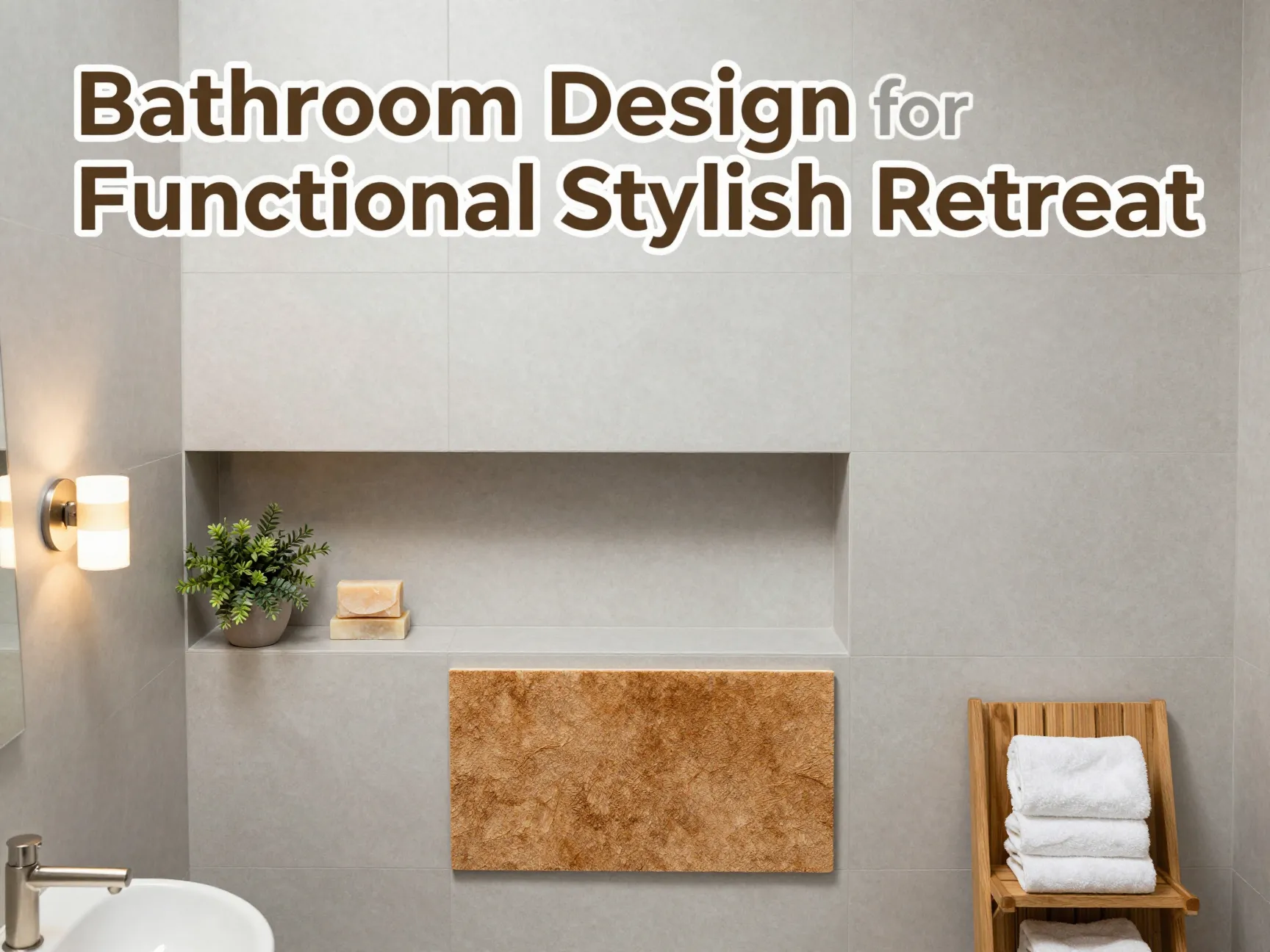
This guide walks through nine proven, actionable strategies that balance aesthetics with practicality. Each tip draws on current design principles, real-world renovation experience, and insights from professional interior designers. By the end, you will have a clear roadmap for creating a bathroom that works harder, looks better, and feels like a true personal retreat.
Key Takeaways
- Layered lighting, ambient, task, and accent, is the single highest-impact upgrade most bathrooms are missing
- Storage planning should happen before tile selection, not after
- Natural materials and biophilic elements measurably reduce perceived stress in small enclosed spaces
- A cohesive color palette anchored by one dominant neutral dramatically simplifies every other design decision
- Smart zoning, even in small bathrooms, makes the space feel larger and more intentional
Why These 9 Bathroom Interior Design Tips for a Functional and Stylish Retreat Actually Work
Before diving into the individual tips, it helps to understand the underlying design philosophy. A bathroom that functions well and looks beautiful is not the result of expensive materials alone. It is the result of deliberate decisions made in a specific order, layout and storage first, surfaces second, lighting third, and finishing touches last.
I learned this the hard way during my own bathroom renovation a few years ago. I fell in love with a particular marble-look porcelain tile and built every other decision around it. The result was a bathroom that photographed beautifully but had almost no usable counter space, a single overhead light that cast harsh shadows, and a vanity with three drawers that could not hold a full set of toiletries. Beautiful, yes. Functional, absolutely not.
The nine tips below are sequenced to prevent exactly that kind of mistake.
1. Start With a Zoning Plan Before Choosing Any Finishes
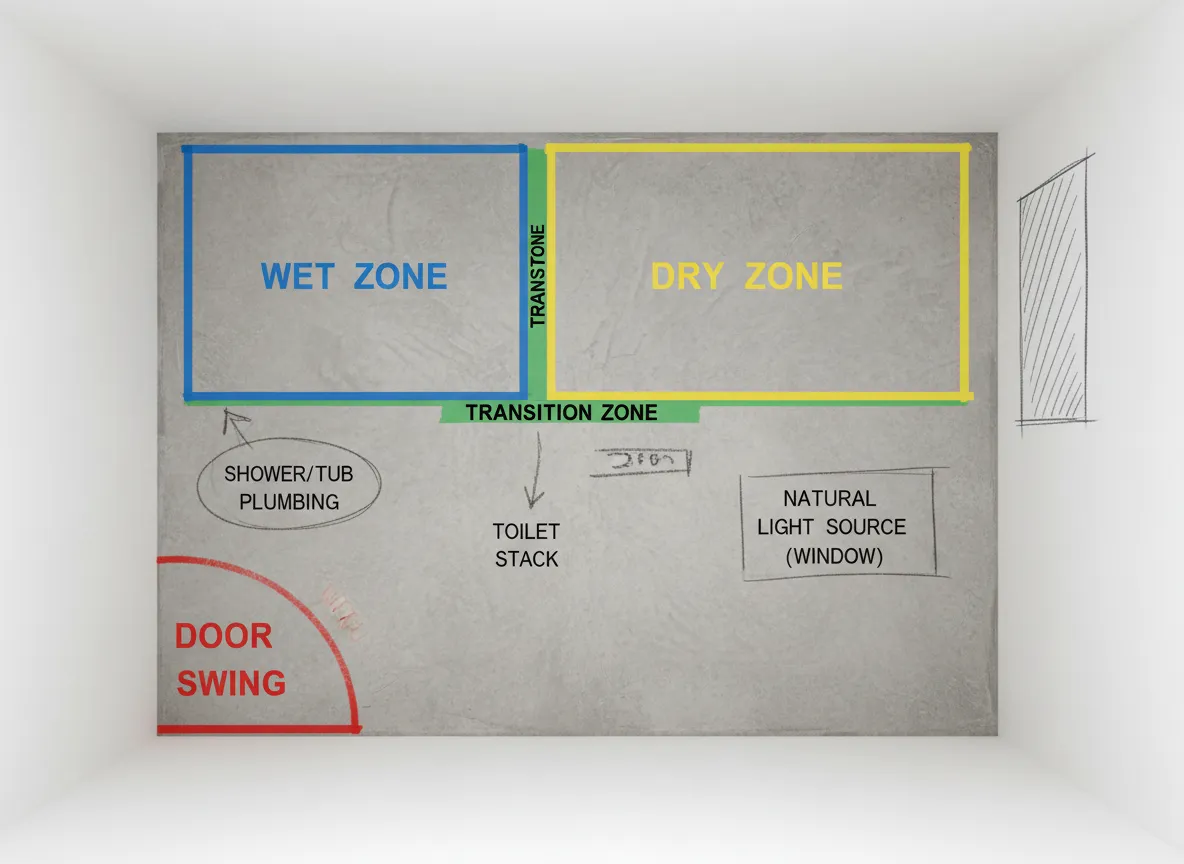
The most common bathroom design mistake is choosing tiles, fixtures, and colors before establishing a clear spatial plan. Zoning means dividing your bathroom into distinct functional areas: the wet zone (shower and tub), the dry zone (vanity and toilet), and the transition zone (entry, towel storage, seating if applicable).
Why it matters: Proper zoning prevents traffic conflicts, improves safety, and creates a logical flow that makes the space feel larger than its square footage suggests.
A simple way to zone your bathroom:
- Draw a rough floor plan to scale on graph paper or use a free app like RoomSketcher
- Mark the wet zone in one color, the dry zone in another
- Identify where natural light enters and plan the vanity to take advantage of it
- Note any plumbing rough-ins, since moving them adds significant cost
Even in a 5×8 foot bathroom, zoning clarifies which walls can carry storage, where the door swing creates dead space, and how to position fixtures for maximum comfort.
2. Design Storage Into the Architecture, Not Around It
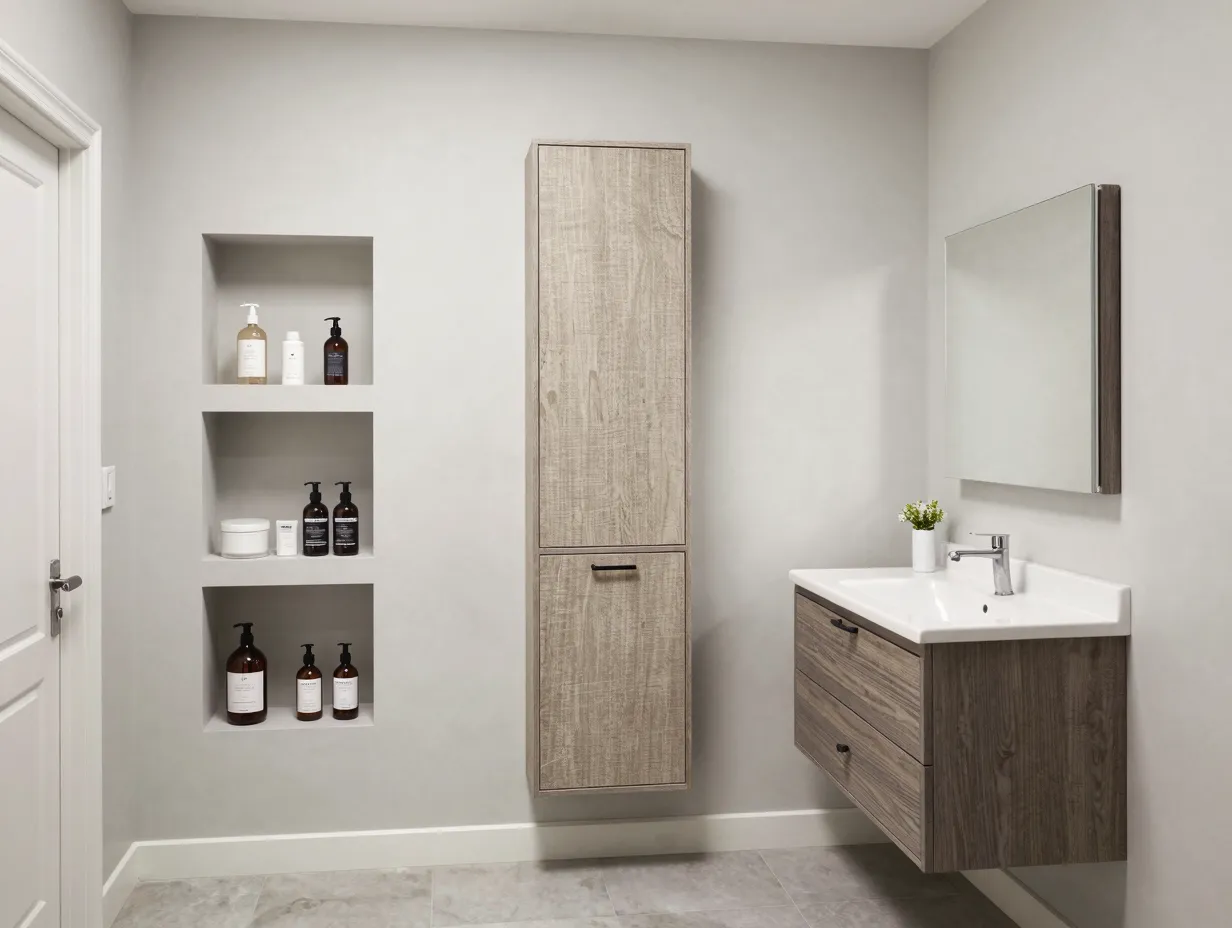
Built-in storage is the difference between a bathroom that feels curated and one that feels cluttered. Surface-level solutions like countertop organizers and over-door hooks are useful, but they are no substitute for storage that is integrated into the walls and cabinetry from the start.
High-impact built-in storage options:
| Storage Type | Best For | Approximate Cost Range |
|---|---|---|
| Recessed wall niches | Shower products, small items | Low to moderate |
| Floating vanity with drawers | Daily toiletries, hair tools | Moderate |
| Medicine cabinet with mirror | Medications, skincare | Low to moderate |
| Under-stair or under-tub cabinet | Bulk supplies, cleaning products | Moderate to high |
| Tall linen tower | Towels, extra linens | Low to moderate |
The key principle here is vertical thinking. Most bathrooms have at least 8 feet of wall height, but storage rarely extends above eye level. A tall linen cabinet or open shelving that reaches toward the ceiling doubles usable storage without consuming any additional floor space.
3. Layer Your Lighting for Function and Atmosphere
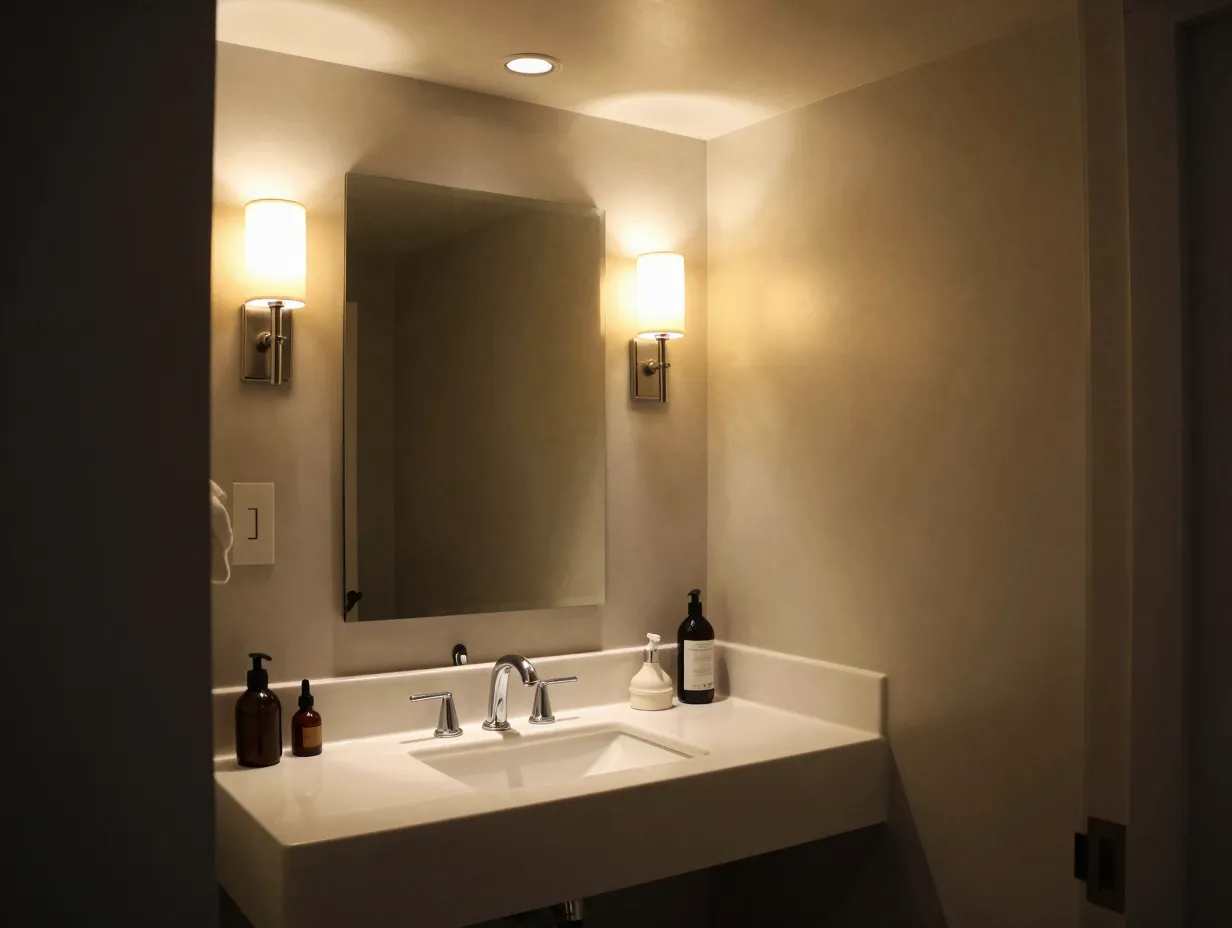
Single-source overhead lighting is the most persistent and damaging design mistake in bathroom interiors. A single ceiling fixture creates flat, unflattering light that makes grooming tasks harder and eliminates any sense of warmth or atmosphere.
A well-lit bathroom uses three distinct layers:
Ambient lighting provides overall illumination. Recessed LED downlights or a central flush-mount fixture serve this purpose. Aim for a color temperature between 2700K and 3000K for a warm, spa-like feel.
Task lighting is critical at the vanity. Side-mounted sconces at eye level (approximately 60-65 inches from the floor) eliminate the shadows that overhead lighting casts across the face. This is non-negotiable for accurate makeup application or shaving.
Accent lighting adds depth and visual interest. LED strip lighting under a floating vanity, inside a glass-front cabinet, or along a toe-kick creates a layered glow that makes the space feel intentional and designed.
“Lighting is the one element that changes everything else. The same tile looks completely different under warm layered light versus a single cool overhead fixture.”, A principle repeated by virtually every professional interior designer I have spoken with.
Adding a dimmer switch to at least the ambient layer allows the bathroom to transition from a bright, functional morning space to a relaxed evening retreat.
4. Choose a Cohesive Color Palette Anchored by One Dominant Neutral
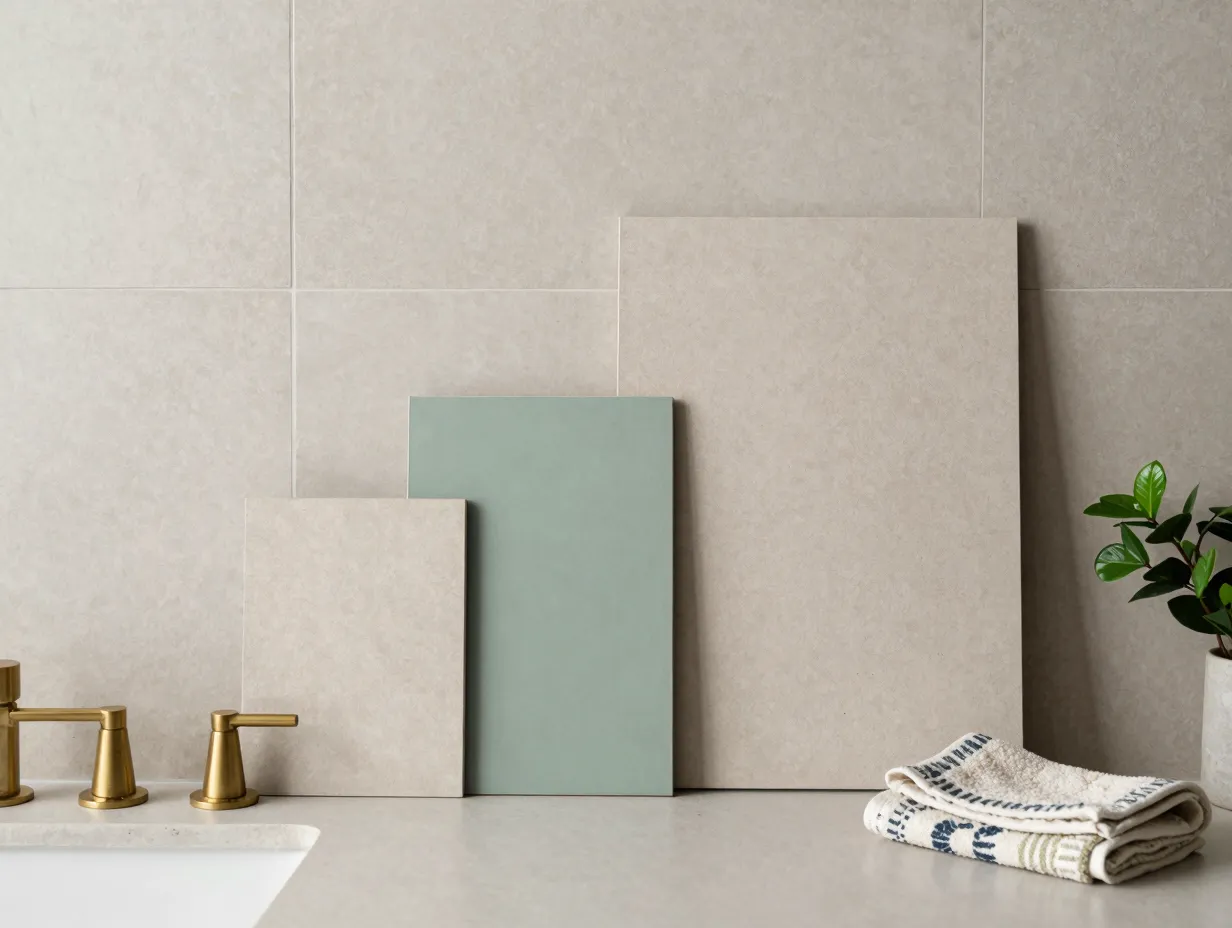
Color decisions in a bathroom are amplified by the hard, reflective surfaces that surround them. A color that looks subtle on a paint chip can feel overwhelming when it covers floor-to-ceiling tile in a small enclosed space.
The most reliable approach is the 60-30-10 rule adapted for bathrooms:
- 60% dominant neutral, walls, large-format floor tile, or the vanity cabinet color
- 30% secondary tone, accent tile, countertop material, or wall paint
- 10% accent color, hardware finishes, towels, plants, or a single decorative element
Popular dominant neutrals in 2026 include warm greige (gray-beige), soft white with warm undertones, and muted sage green. These tones photograph well, age gracefully, and pair with a wide range of secondary materials.
Avoid choosing a bold or saturated color as your dominant tone unless the bathroom has exceptional natural light and at least 80 square feet of floor space. In smaller bathrooms, bold color works best as the 10% accent, a single painted wall, a colored vanity, or a set of patterned hand towels.
5. Invest in Quality Fixtures at the Points of Daily Contact
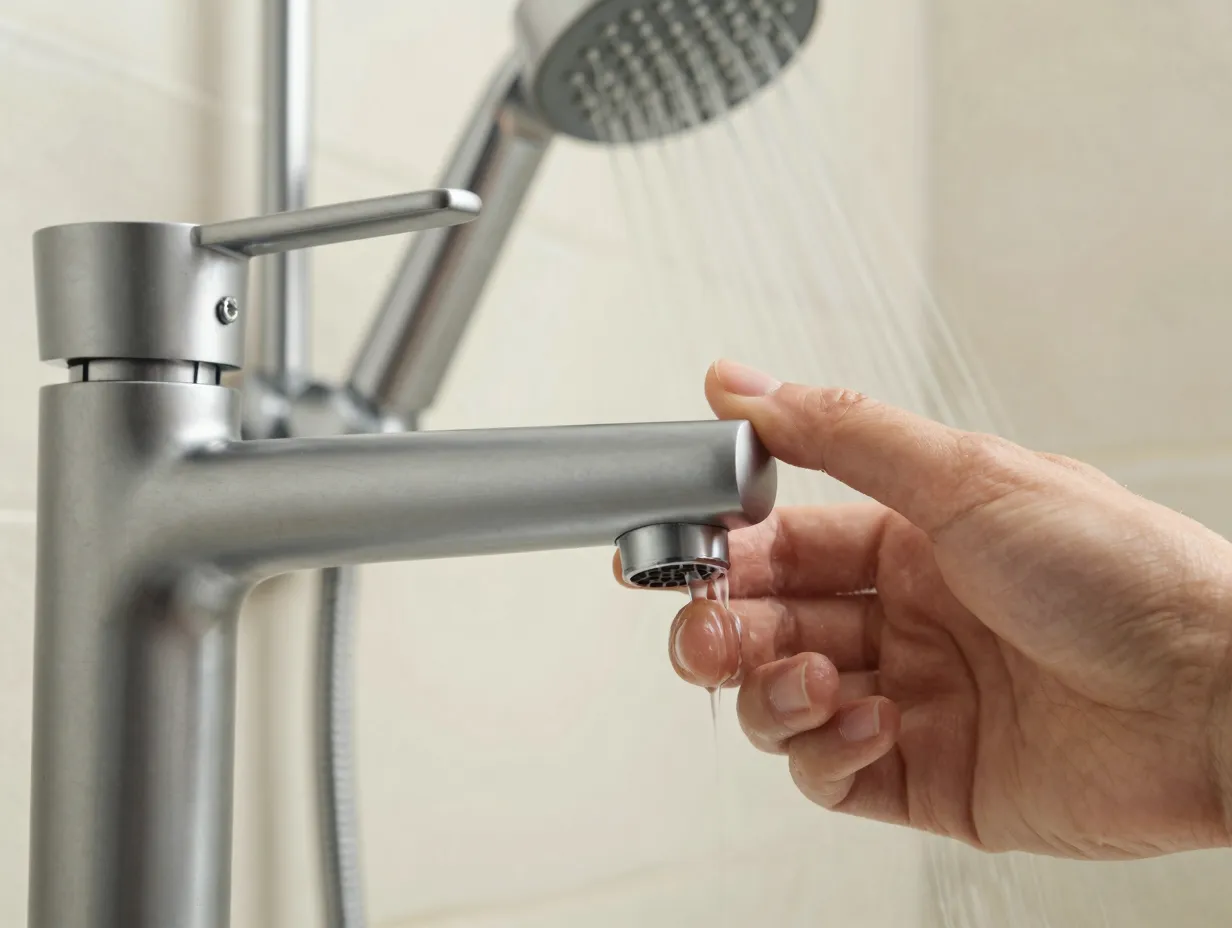
Not all bathroom fixtures deserve equal investment. The principle of touch-point prioritization means spending more on the items you interact with every single day and less on decorative elements that are primarily visual.
The highest-priority touch points in any bathroom:
- Faucet and handles, You touch these multiple times daily. A quality faucet with smooth operation and a durable finish (brushed nickel, matte black, or unlacquered brass) will outlast a cheap alternative by decades.
- Showerhead, A rainfall or multi-function showerhead transforms the shower experience. This is one of the highest-return upgrades per dollar spent.
- Toilet, A comfort-height toilet with a soft-close seat improves daily comfort significantly, especially for older users or those with mobility considerations.
- Vanity hardware, Drawer pulls and cabinet knobs are inexpensive but highly visible. Upgrading hardware is one of the fastest and cheapest ways to refresh an existing vanity.
Where you can afford to spend less: decorative mirrors (which can be sourced affordably), towel bars (functional and simple), and light fixture covers (since the bulb quality matters more than the housing).
6. Use Large-Format Tile Strategically to Expand Visual Space
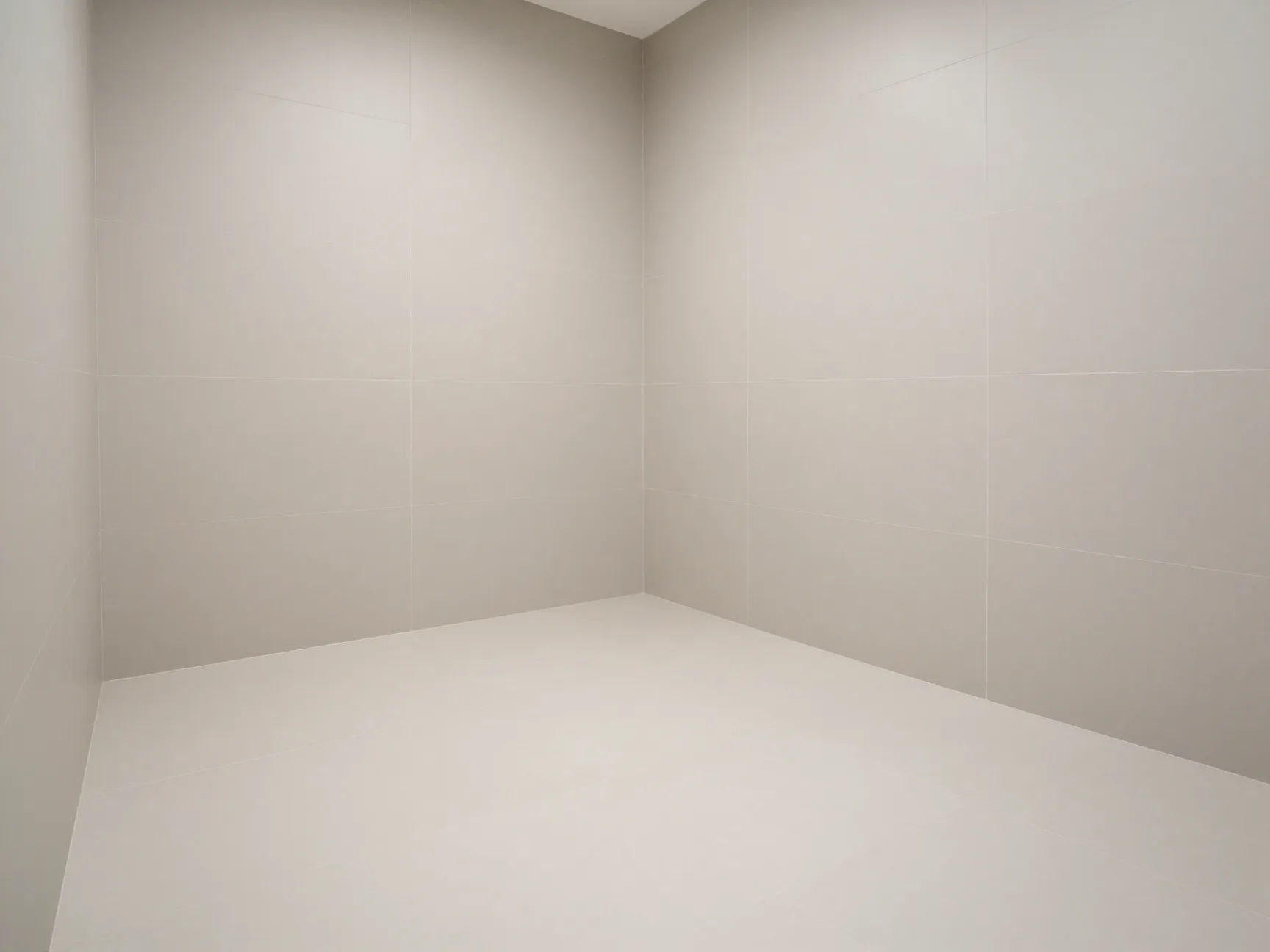
Tile selection has an outsized impact on how large or small a bathroom feels. The general rule is that larger tiles with minimal grout lines make a space feel more expansive, while small mosaic tiles create visual texture but can make a room feel busier and smaller.
Large-format tile guidelines:
- Tiles 24×24 inches or larger work best in bathrooms with at least 50 square feet of floor space
- Rectified tiles (precision-cut with very tight tolerances) allow for grout lines as narrow as 1/16 inch, which creates a near-seamless look
- Running the same large-format tile from floor to wall (known as a continuous plane installation) visually raises the ceiling height
- Light-colored tiles with a matte or honed finish reduce the appearance of water spots and fingerprints compared to high-gloss finishes
One technique I particularly recommend is using a single large-format tile in a continuous plane from the shower floor through the shower walls and onto the main bathroom floor. This eliminates visual interruption and makes even a modest bathroom feel deliberately designed.
7. Incorporate Natural Materials and Biophilic Elements
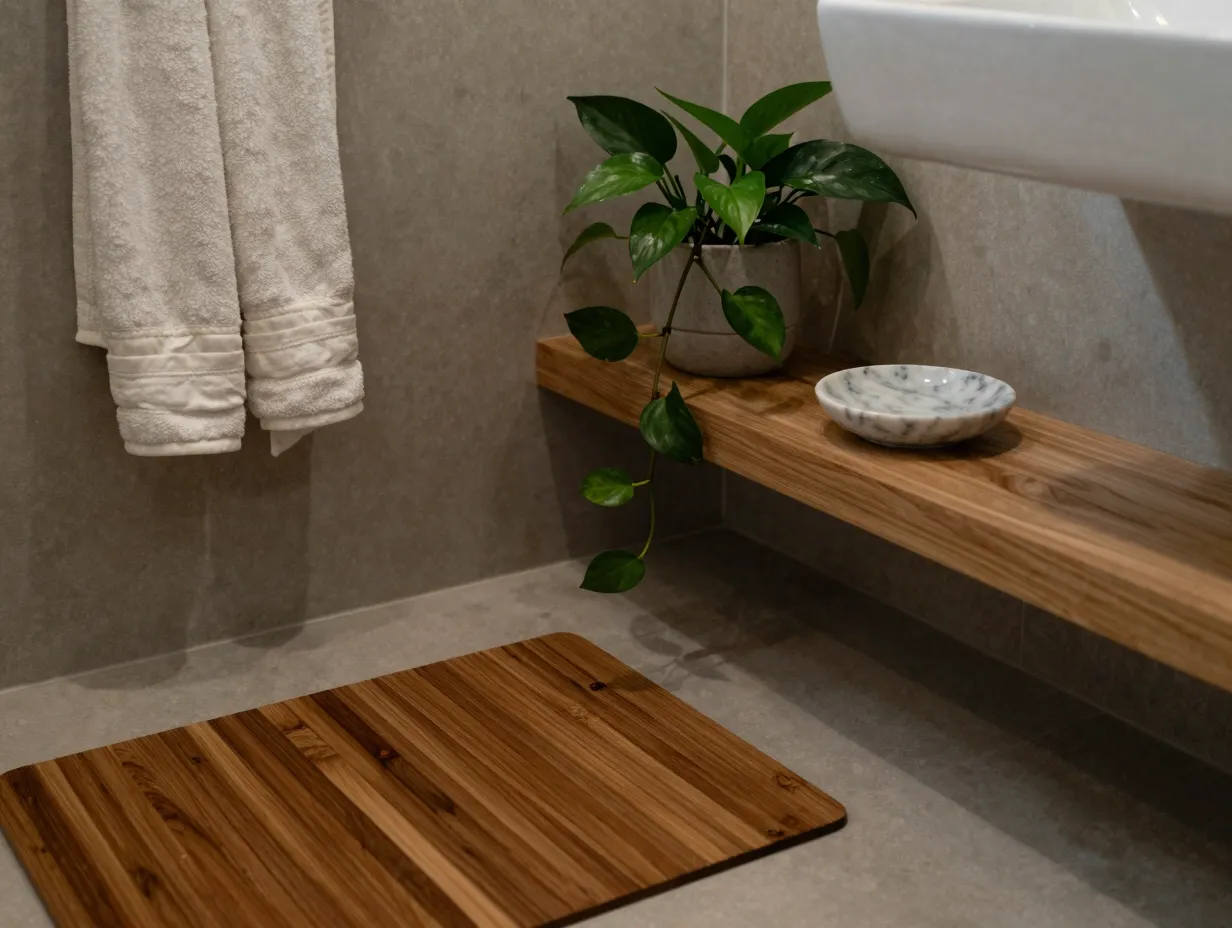
Research published in the journal Building and Environment found that exposure to natural materials and living plants in interior spaces measurably reduces cortisol levels and perceived stress. For a bathroom, a space associated with morning routines and evening wind-down rituals, this finding has direct practical implications.
Natural materials that work well in bathrooms:
- Stone (marble, travertine, slate), durable, beautiful, requires sealing
- Wood accents (teak, bamboo, treated oak), best used in dry zones or as sealed floating shelves
- Linen and cotton textiles, towels, bath mats, and window treatments in natural fibers feel noticeably different from synthetic alternatives
- Live plants, pothos, peace lilies, and ferns thrive in humid bathroom environments and add genuine biophilic value
The key is restraint. Two or three natural material touches are more effective than an overwhelming mix of stone, wood, and greenery competing for attention. A teak bath mat, a marble soap dish, and a single trailing pothos on a shelf can collectively shift the entire atmosphere of a bathroom without a single structural change.
8. Optimize Ventilation and Humidity Control as a Design Element
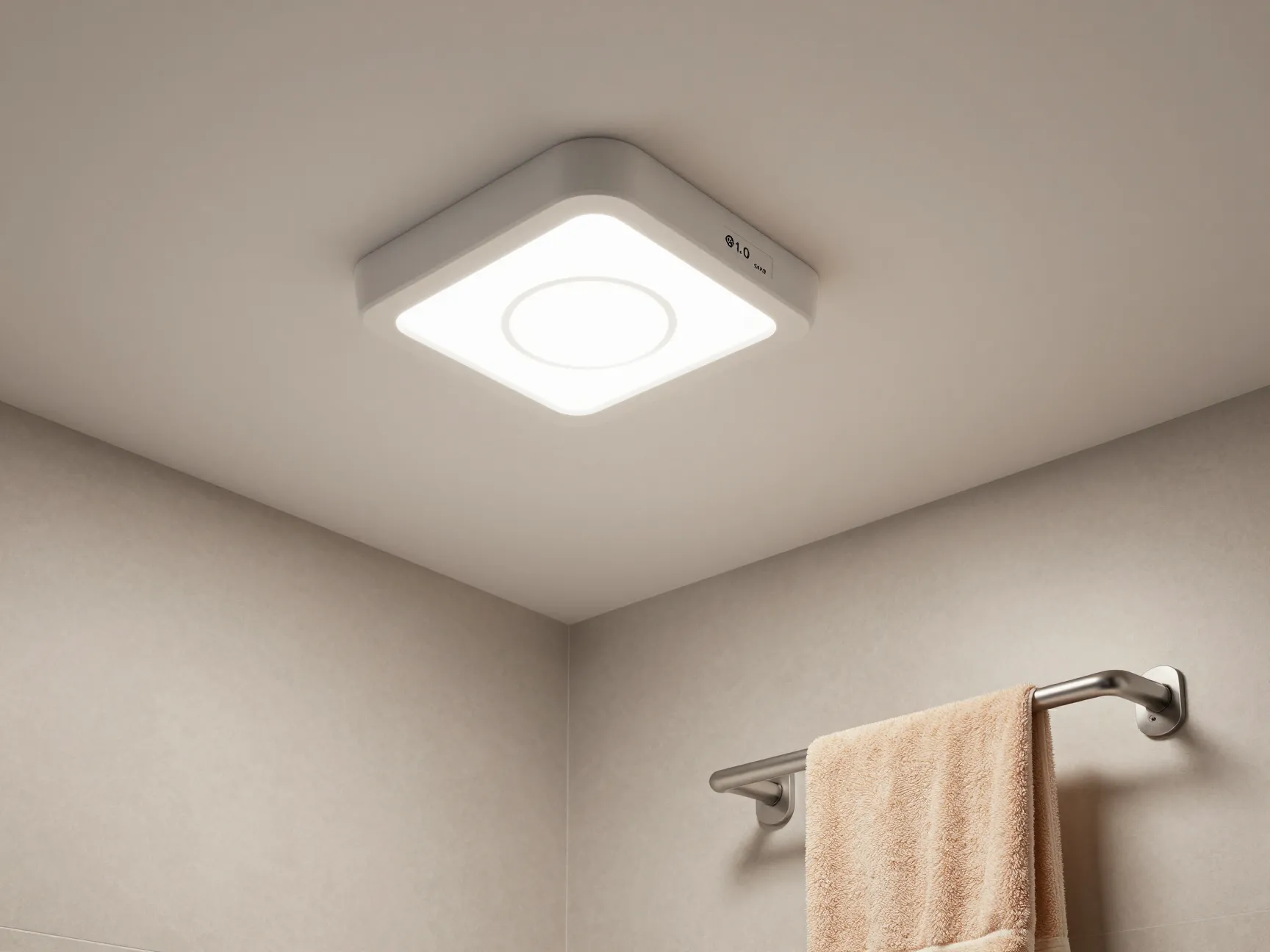
Ventilation is almost always treated as a purely functional afterthought, a builder-grade exhaust fan hidden in the ceiling, doing its job invisibly. But poor ventilation causes mold, degrades finishes, warps wood cabinetry, and shortens the lifespan of every expensive material in the room.
In 2026, ventilation technology has advanced to the point where it can be integrated seamlessly into the design:
- Quiet exhaust fans (rated at 1.0 sone or less) from brands like Panasonic WhisperCeiling eliminate the noise that makes people avoid running ventilation
- Humidity-sensing fans automatically activate when moisture levels rise, removing the need for manual operation
- Combination fan-light fixtures eliminate the visual clutter of a separate fan and light in small bathrooms
- Heated towel rails serve double duty as both a luxury touch and a passive humidity reducer, since warm towels dry faster and reduce ambient moisture
Proper ventilation protects every other investment in the bathroom. It is the least glamorous tip on this list and arguably the most financially important one.
9. Personalize With Intentional Finishing Touches That Reflect Your Lifestyle
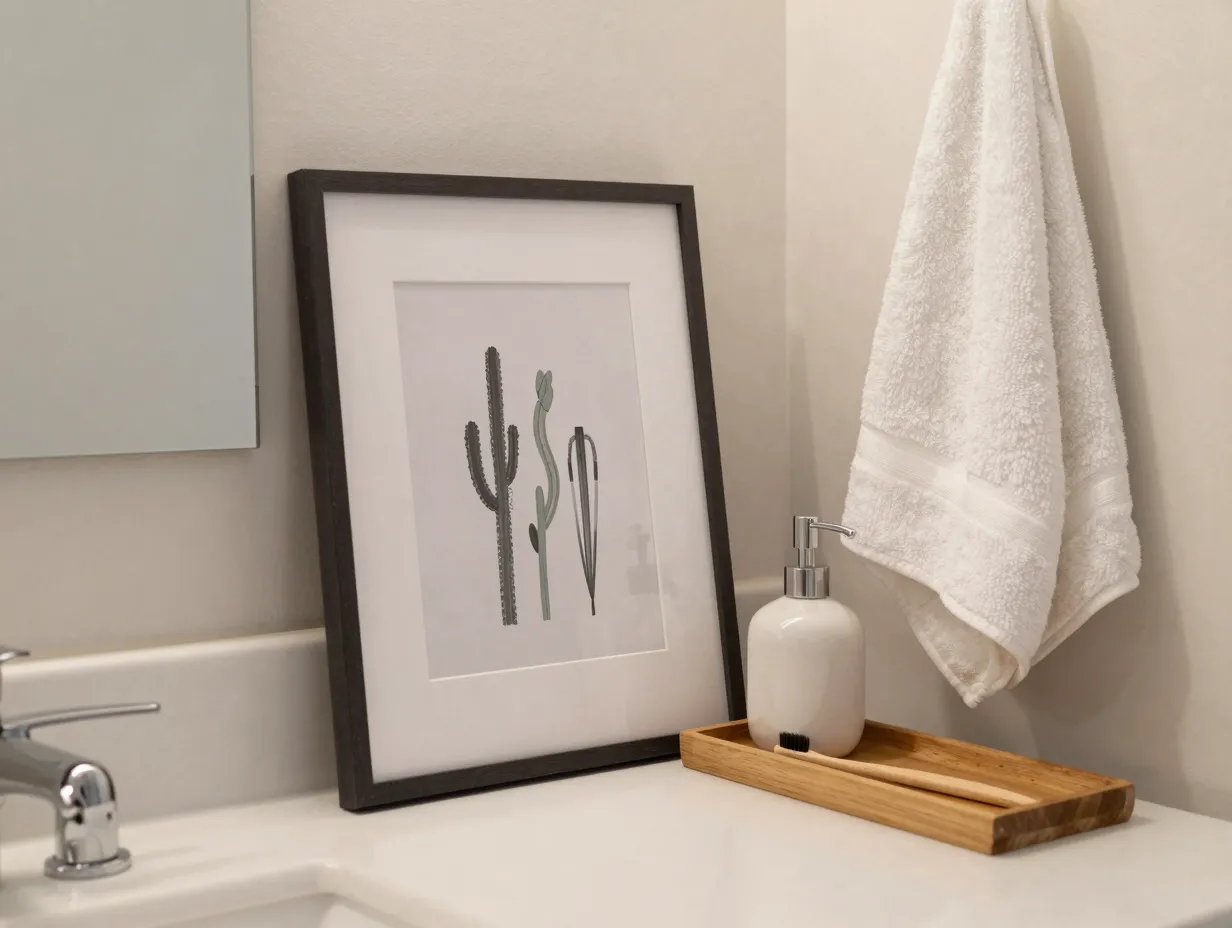
The final layer of any well-designed bathroom is personalization, the details that make the space feel like it belongs to you rather than a hotel showroom. This is where many design guides go wrong by recommending specific trends (currently popular: fluted glass, arched mirrors, terrazzo accents) without acknowledging that trends change and personal spaces should reflect personal taste.
A more durable approach to personalization:
- Art, A single framed print or photograph in a moisture-resistant frame adds personality without competing with the architecture
- Scent, A reed diffuser or a single candle in a scent you associate with relaxation creates a sensory anchor that makes the space feel intentional
- Textiles, Investing in high-quality towels (look for 600-700 GSM Turkish or Egyptian cotton) elevates the tactile experience of the space every single day
- Functional objects as decor, A beautiful soap dispenser, a wooden tray organizing the countertop, a ceramic toothbrush holder, these items are used daily and visible constantly, making them worth choosing carefully
The test for any finishing touch is simple: Does this item make me feel better when I see or use it? If the answer is yes, it belongs. If it is there purely because a design blog said it was trending, reconsider.
Applying All 9 Bathroom Interior Design Tips for a Functional and Stylish Retreat Together
The nine tips above are most powerful when applied as a system rather than in isolation. Here is a suggested implementation sequence for a full bathroom renovation or refresh:
- Establish your zoning plan and confirm plumbing locations
- Design storage into the architecture (niches, cabinetry, vertical shelving)
- Plan your lighting layout (ambient, task, accent) and mark switch locations
- Select your dominant neutral and build the 60-30-10 color palette
- Choose fixtures, prioritizing touch points first
- Select tile based on the spatial goals established in your zoning plan
- Source natural material accents (stone, wood, textiles, plants)
- Specify ventilation, do not leave this to the contractor’s default choice
- Add personalized finishing touches after all functional elements are confirmed
This sequence prevents the most common and costly mistake in bathroom design: making aesthetic decisions before functional ones are locked in.
Conclusion
A bathroom that genuinely functions as a personal retreat is not a luxury reserved for large budgets or sprawling floor plans. It is the result of deliberate, sequenced decision-making applied consistently across nine key areas. The 9 bathroom interior design tips for a functional and stylish retreat outlined in this guide, from zoning and storage through lighting, materials, ventilation, and personalization, form a complete framework that works at any scale and any budget level.
Your actionable next steps:
- Sketch your current bathroom layout and identify which of the nine areas needs the most attention
- Prioritize the two or three tips that will have the highest impact for your specific space (for most bathrooms, that is lighting, storage, and ventilation)
- Set a realistic budget that front-loads spending on touch points and built-in storage before allocating funds to decorative finishes
- Revisit the color palette decision last, after all functional choices are made
The bathroom you spend 1.5 years of your life in deserves more than an afterthought. Start with one tip this week, and the rest will follow naturally.
References
- Bringslimark, T., Hartig, T., & Patil, G. G. (2009). The psychological benefits of indoor plants: A critical review of the experimental literature. Journal of Environmental Psychology, 29(4), 422-433.
- Kaplan, R., & Kaplan, S. (1989). The Experience of Nature: A Psychological Perspective. Cambridge University Press.
- Kim, J., & de Dear, R. (2012). Nonlinear relationships between individual IEQ factors and overall workspace satisfaction. Building and Environment, 49, 33-40.
- National Kitchen and Bath Association. (2021). NKBA Design Guidelines for Bathrooms. NKBA.
- Veitch, J. A., & Newsham, G. R. (1998). Lighting quality and energy-efficiency effects on task performance, mood, health, satisfaction, and comfort. Journal of the Illuminating Engineering Society, 27(1), 107-129.