9 Bathroom Decor Ideas That Will Make Your Space Feel Like a Luxury Spa
A 2023 survey by the American Institute of Architects found that the bathroom ranked as the number one room homeowners wanted to remodel, yet most people spend less than $500 on decor updates before giving up. The gap between a cramped, forgettable bathroom and a calming, hotel-worthy retreat is rarely about square footage or a massive renovation budget. It is about intention, layering, and knowing which details actually move the needle.
Disclosure: This post contains affiliate links. As an Amazon Associate, we earn from qualifying purchases, and at no extra cost to you.
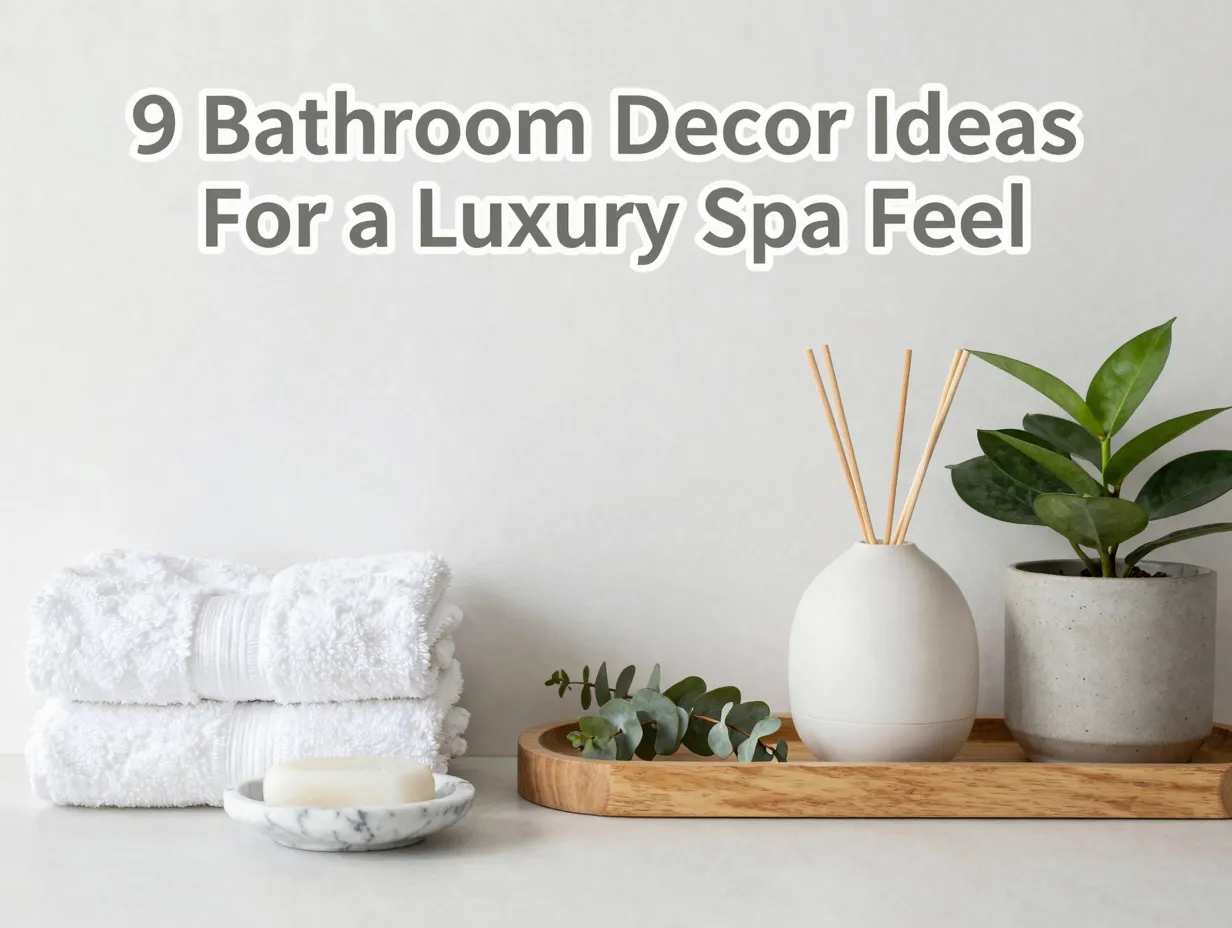
That is exactly why I put together these 9 bathroom decor ideas that will make your space feel like a luxury spa. Whether you are renting an apartment or own a home with a dated en suite, each idea on this list can be applied without tearing out a single tile. I have tested most of these changes in my own home, and the difference in how I start and end each day has been genuinely noticeable.
Key Takeaways
- Sensory details, scent, texture, lighting, and sound, are the foundation of any spa-like bathroom experience.
- You do not need a full renovation to transform your bathroom; strategic decor swaps deliver outsized results.
- Natural materials like wood, stone, and linen signal luxury and are widely available at accessible price points.
- Decluttering and smart storage are non-negotiable first steps before adding any new decor.
- Layering multiple small upgrades together creates a cumulative effect that feels far more expensive than the sum of its parts.
Why Most Bathrooms Fall Short of the Spa Experience
Walk into any five-star hotel spa and you will notice something immediately: nothing feels accidental. Every towel is folded the same way. The lighting is warm but not dim. There is a faint, clean scent in the air. The surfaces are clear. That level of intentionality is what separates a functional bathroom from a restorative one.
Most home bathrooms fail on three fronts. First, they are overcrowded with products left out on every surface. Second, the lighting is harsh and unflattering, typically a single overhead fixture that was installed by a contractor who never thought about ambiance. Third, there is no sensory coherence: the towels clash with the mat, the soap dispenser is a different style from the toothbrush holder, and the overall effect is visual noise.
The good news is that all three of these problems are fixable, often in a single weekend. The 9 bathroom decor ideas that will make your space feel like a luxury spa outlined in this article address each of these failure points directly and systematically.
The 9 Bathroom Decor Ideas That Will Make Your Space Feel Like a Luxury Spa
1. Start With a Deep Declutter and Smarter Storage
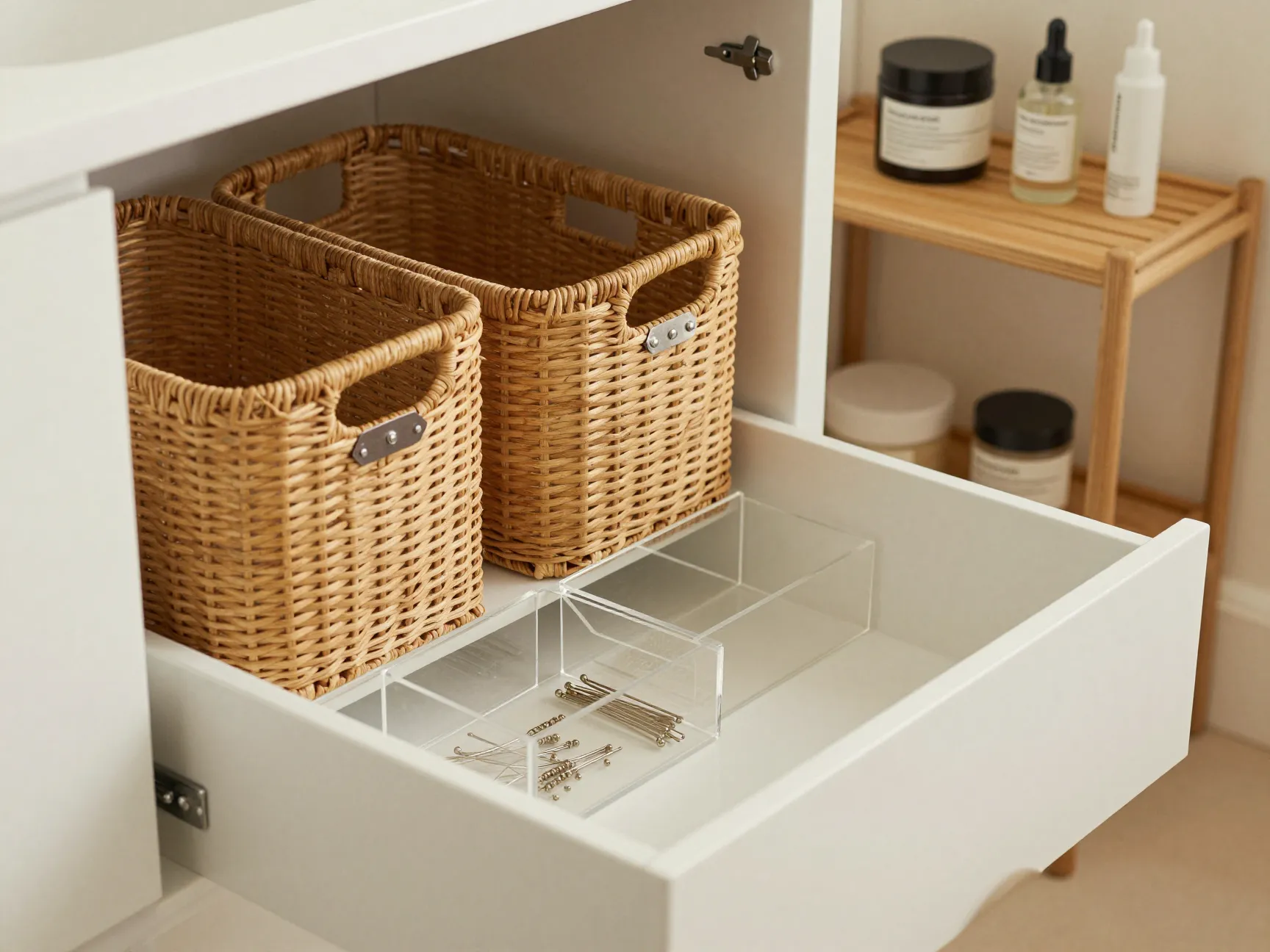
Before a single new item enters your bathroom, everything that does not belong there needs to leave. I know this sounds obvious, but it is the step most people skip, and it is the reason their new candles and fancy soap dispensers still look out of place.
Spa bathrooms are defined by clear surfaces. The products you use daily should be stored, not displayed. Consider these storage solutions:
- Woven baskets under the sink for extra towels and toiletries
- A magnetic strip inside a cabinet door for bobby pins and small metal items
- Clear acrylic organizers inside drawers to group similar items
- A tiered bamboo shelf in the corner for items you use every day
The rule I follow: if it does not contribute to the visual calm of the room, it lives behind a door or inside a drawer. Once you clear the surfaces, the room immediately feels 30 percent larger and significantly more intentional.
2. Upgrade Your Lighting With Warm-Toned Bulbs and Dimmers
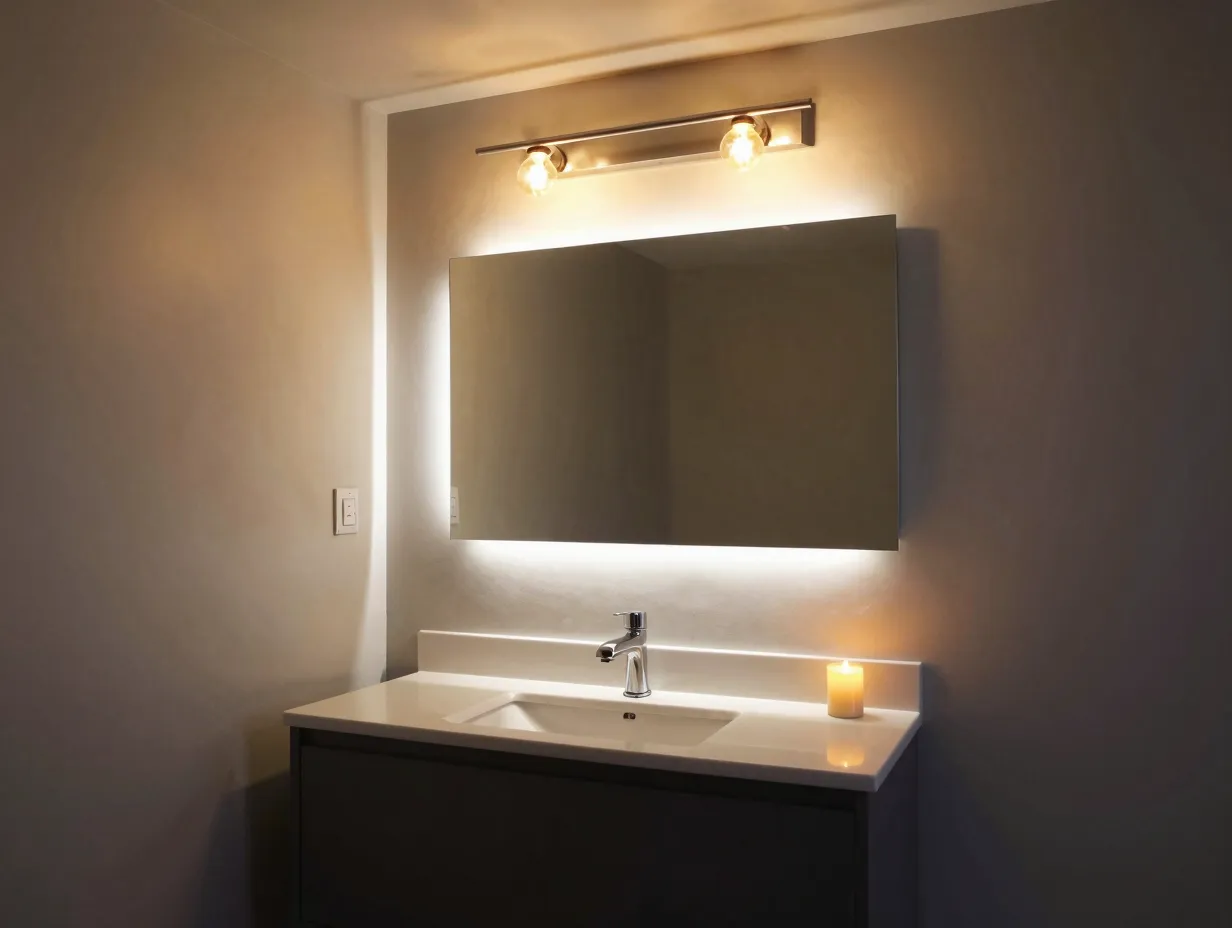
Lighting is the single highest-leverage change you can make in a bathroom, and it is almost always underestimated. Overhead fluorescent or cool-white LED lighting creates a clinical, unflattering environment. Warm-toned bulbs in the 2700K to 3000K range create the soft, golden glow you associate with high-end spas and boutique hotels.
If your fixtures allow it, install a dimmer switch. A dimmer lets you set the mood, bright and energizing in the morning, soft and calming in the evening. This one change costs between $15 and $40 for the switch and about 20 minutes to install.
Layered lighting is even more effective:
- Primary overhead light for tasks
- Sconces or backlit mirrors for flattering, even illumination
- A small LED candle or plug-in accent light for evening wind-down
A well-lit bathroom does not just look better, it changes how you feel in the space.
3. Invest in High-Quality, Oversized Towels
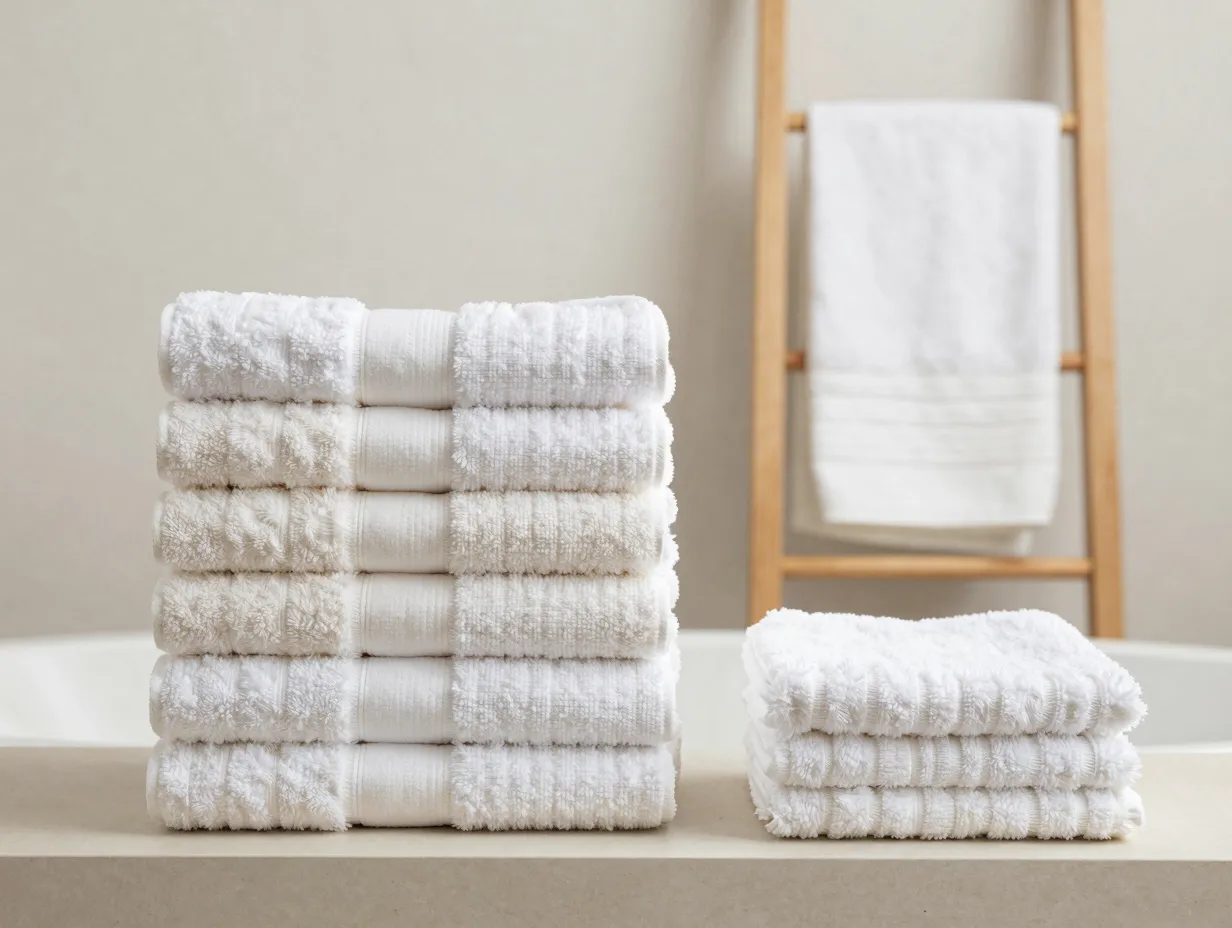
There is a reason luxury hotels spend significantly more per towel than the average household does. The weight, softness, and size of a towel communicates quality the moment you touch it. Standard towels from budget retailers are typically 400 to 500 GSM (grams per square meter). Spa-quality towels start at 600 GSM and go up to 900 GSM.
Look for towels made from:
- Egyptian cotton, long-fiber cotton that is exceptionally soft and durable
- Turkish cotton, slightly lighter, fast-drying, and gets softer with every wash
- Bamboo-cotton blends, naturally antimicrobial and silky in texture
Stick to a neutral palette: white, ivory, warm gray, or soft sage. Fold them neatly and stack them in a visible spot, a ladder towel rack or an open shelf. The visual of neatly folded, plush towels is one of the fastest ways to signal “spa” to the eye.
4. Introduce Natural Materials and Textures
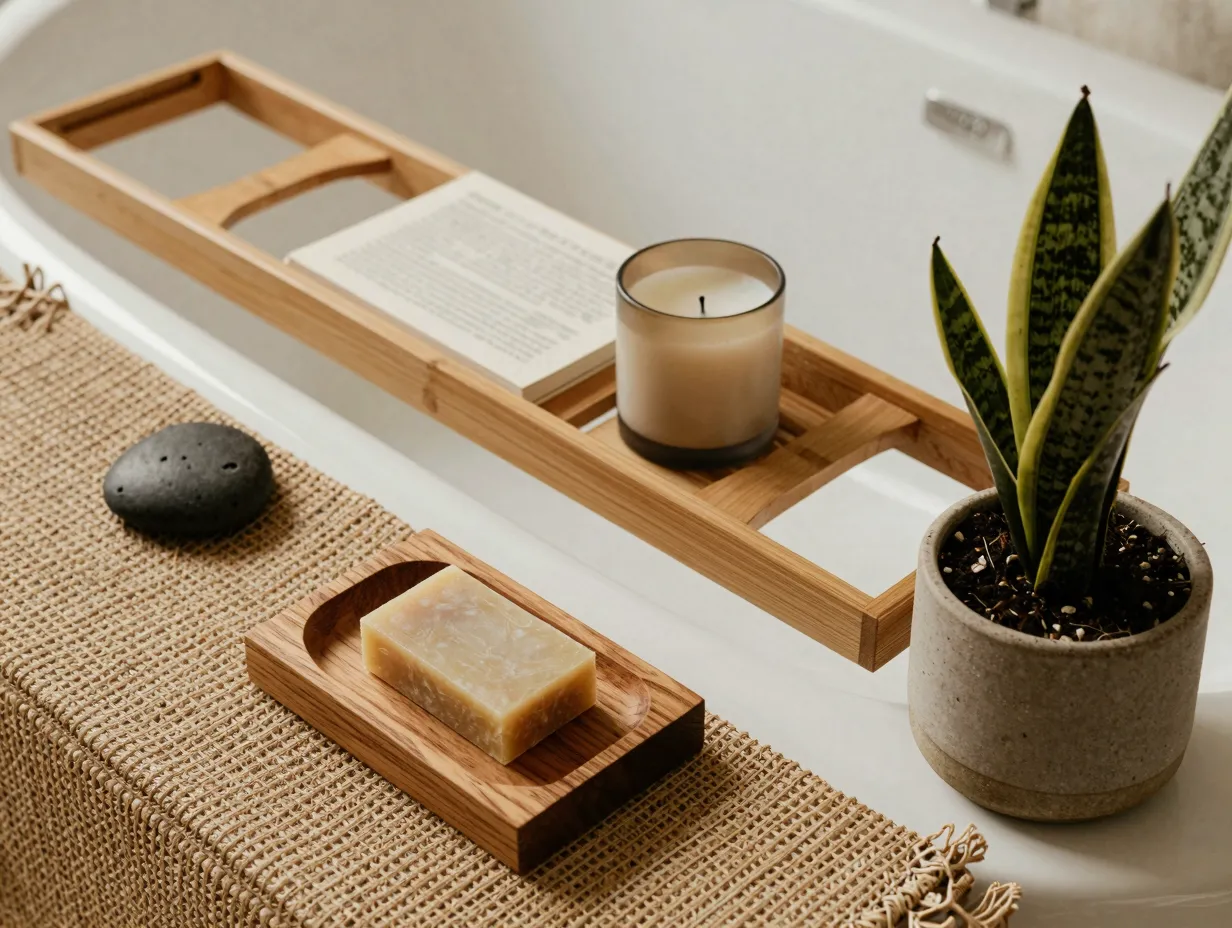
Luxury spas draw heavily from nature. Stone, wood, bamboo, linen, and ceramic are the materials that appear most consistently in high-end spa interiors, and for good reason, they are grounding, tactile, and visually calming.
Here are specific swaps you can make today:
- Replace a plastic soap dish with a teak or marble one
- Add a wooden bath tray across your tub for candles, a book, or a glass of water
- Swap a plastic shower caddy for a rust-resistant stainless steel or bamboo version
- Use a woven jute or cotton bath mat instead of a synthetic one
- Place a small potted plant, a pothos, snake plant, or air plant, on a shelf or windowsill
5. Use Aromatherapy to Engage the Sense of Smell
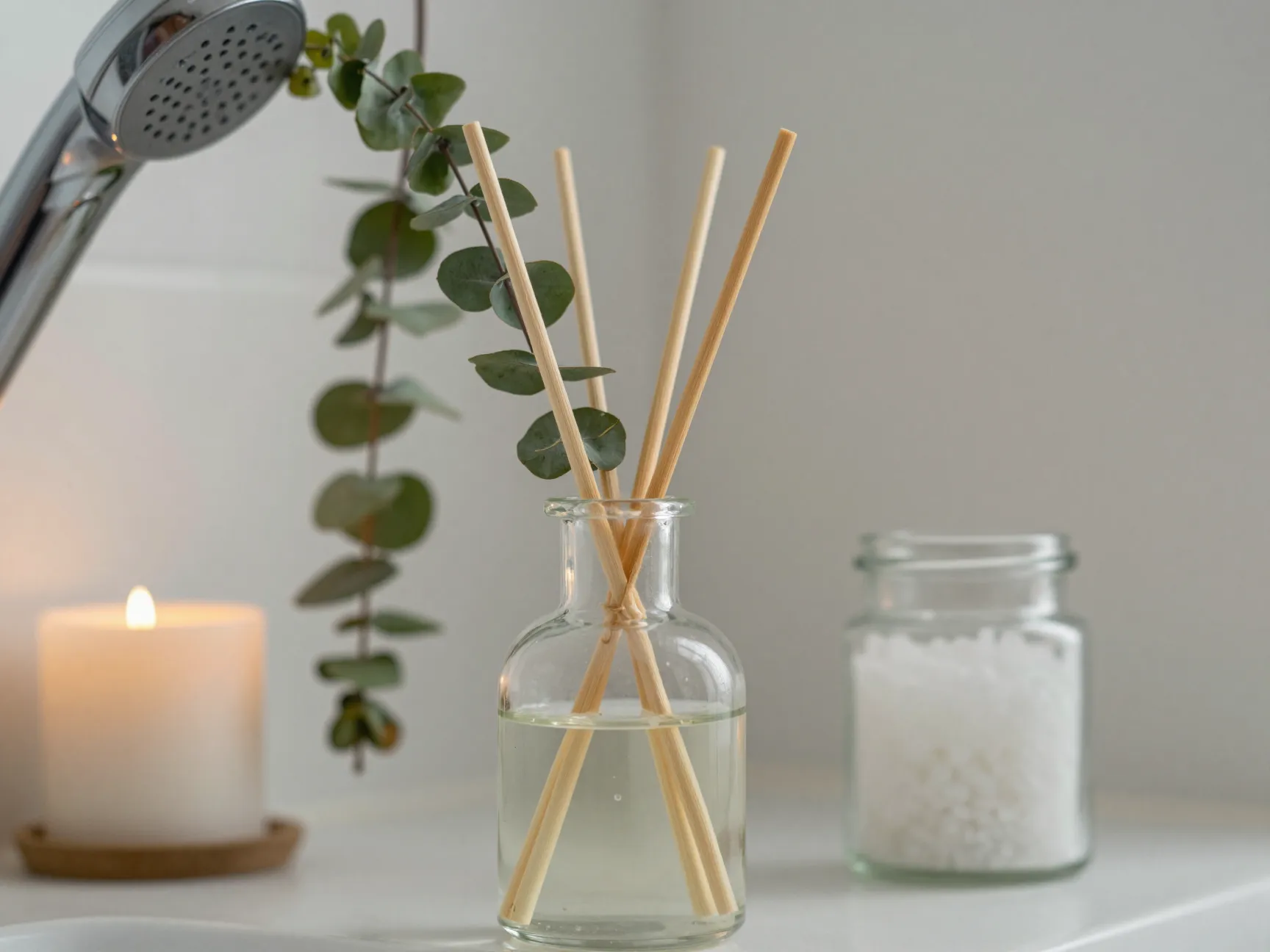
Scent is the most underused element in home bathroom design, yet it is one of the most powerful. Research published in the journal Frontiers in Psychology has shown that certain scents, lavender, eucalyptus, bergamot, and sandalwood, activate the parasympathetic nervous system, which is responsible for the body’s rest-and-digest response.
In practical terms, that means the right scent can make your bathroom feel calming before you have even turned on the tap.
Ways to introduce therapeutic scent:
- Reed diffusers, long-lasting, low maintenance, and consistent
- Essential oil diffusers, allow you to change scents and control intensity
- Eucalyptus bundles, hang a fresh bundle from your showerhead; the steam activates the oils
- Soy or beeswax candles, avoid paraffin, which releases soot; choose candles with clean burn profiles
- Scented bath salts in an open jar, subtle, decorative, and functional
Choose one primary scent family and stay consistent. Mixing too many competing fragrances creates sensory noise rather than calm.
6. Add Greenery and Living Elements
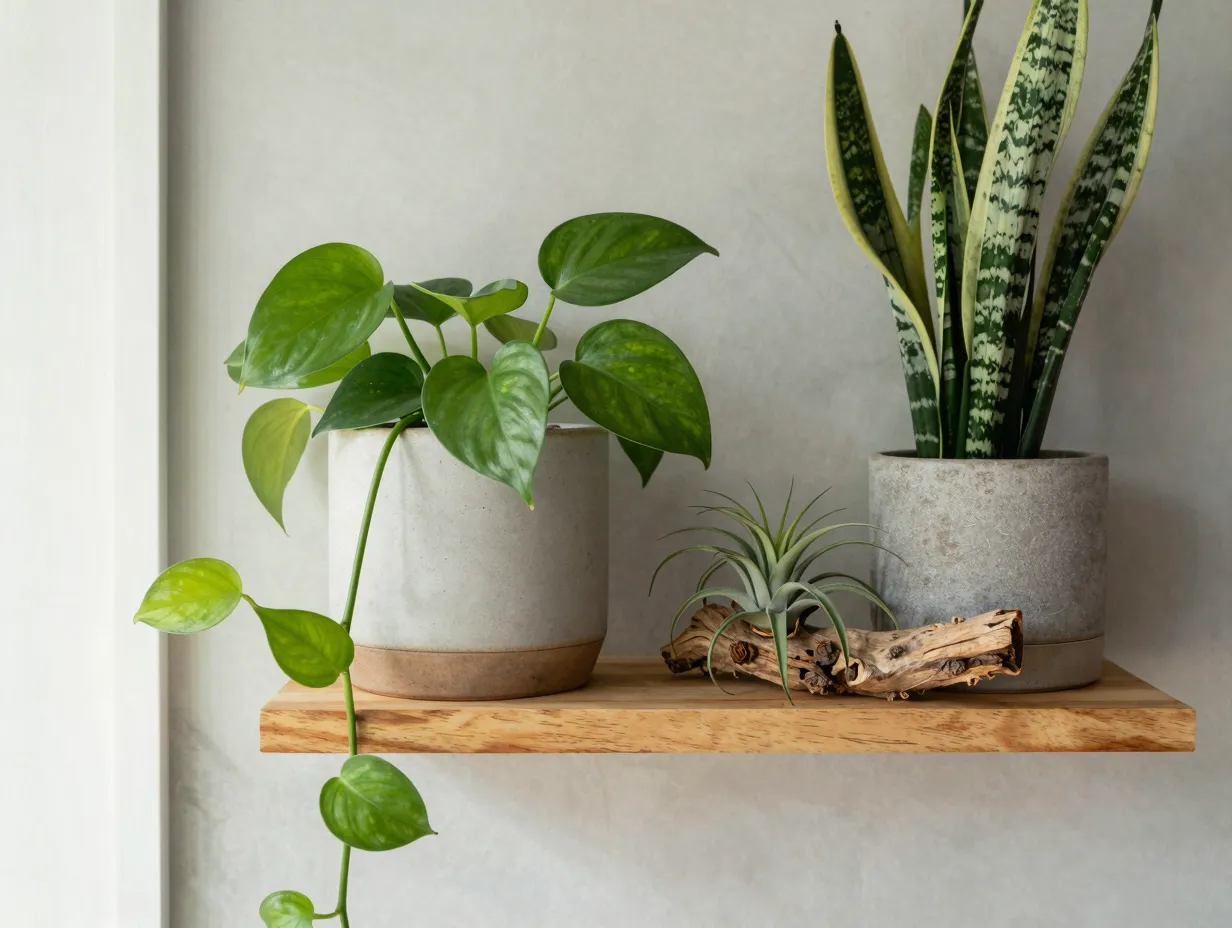
Plants do more than look good. A 1989 NASA Clean Air Study identified several common houseplants, including pothos, peace lilies, and snake plants, as effective at filtering indoor air pollutants. While the scale of benefit in a home setting is debated, the psychological effect of greenery is well-documented: plants reduce perceived stress and increase feelings of wellbeing.
For a bathroom, you want plants that thrive in low light and high humidity:
| Plant | Light Needs | Humidity Tolerance | Maintenance Level |
|---|---|---|---|
| Pothos | Low to medium | High | Very low |
| Snake plant | Low | Medium to high | Very low |
| Air plants (Tillandsia) | Bright indirect | High | Low |
| Peace lily | Low | High | Low |
| Boston fern | Medium | High | Medium |
A single well-placed plant in a ceramic pot can anchor the entire room. Group two or three plants at different heights for a more layered, botanical feel.
7. Create a Cohesive Color Palette
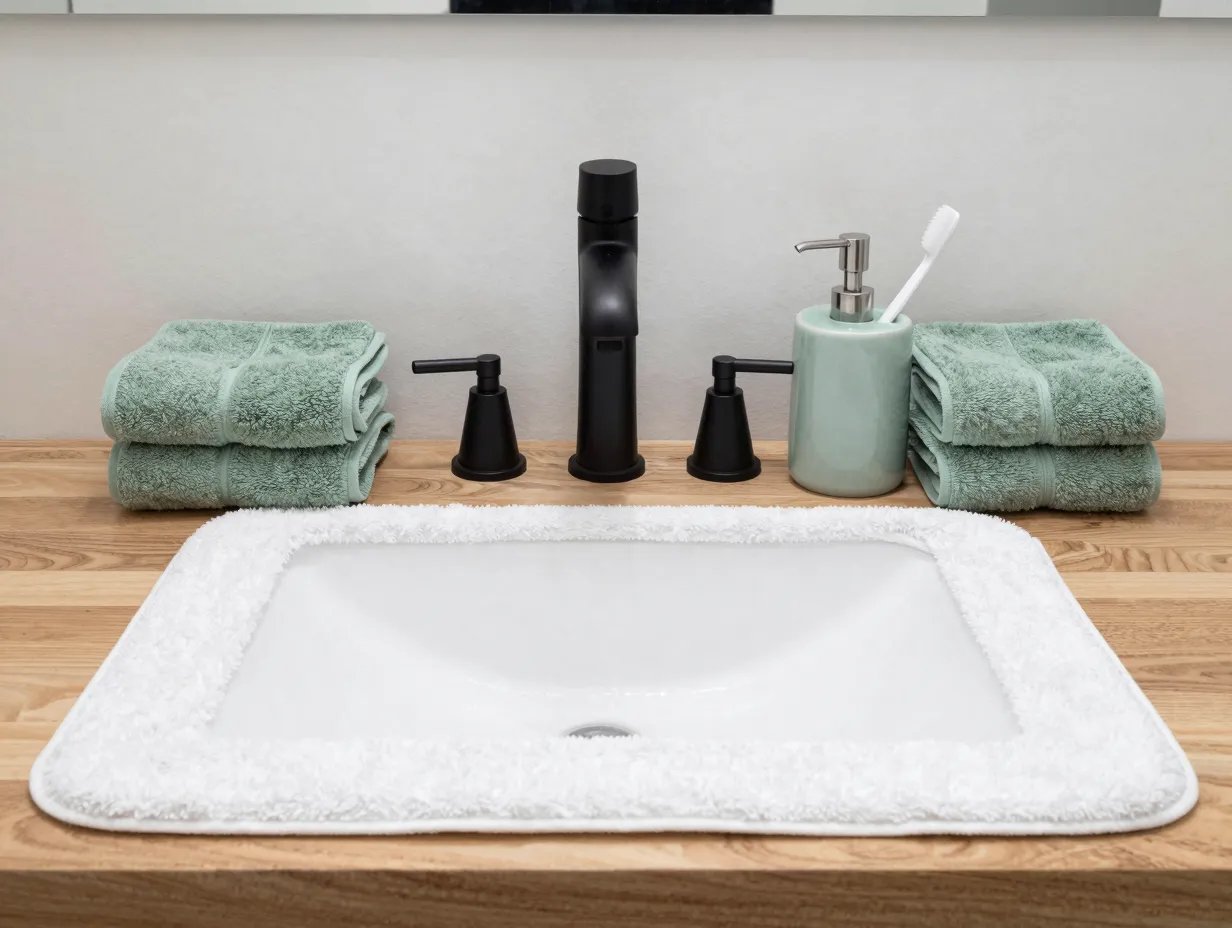
Color psychology plays a direct role in how a space feels. Spa interiors consistently use a narrow, cohesive palette built around neutrals, warm whites, soft greiges, muted sage, dusty blue, and warm taupe. These colors recede visually, making a space feel open and calm.
The mistake most people make is accumulating bathroom accessories over time without any coordination. The result is a collection of clashing colors that creates visual tension.
A simple framework for a spa-inspired palette:
- Choose one dominant neutral (white, cream, or warm gray) for large surfaces and towels
- Choose one accent tone (sage green, dusty blue, warm terracotta) for accessories and textiles
- Use natural wood or matte black as a grounding metallic or hardware tone
- Limit the palette to three tones maximum
If you cannot repaint your walls, use textiles, accessories, and plants to introduce your chosen palette. A new bath mat, hand towel, soap dispenser, and toothbrush holder in coordinating tones can unify a bathroom without touching a single wall.
8. Elevate the Shower and Bath Experience With Intentional Accessories
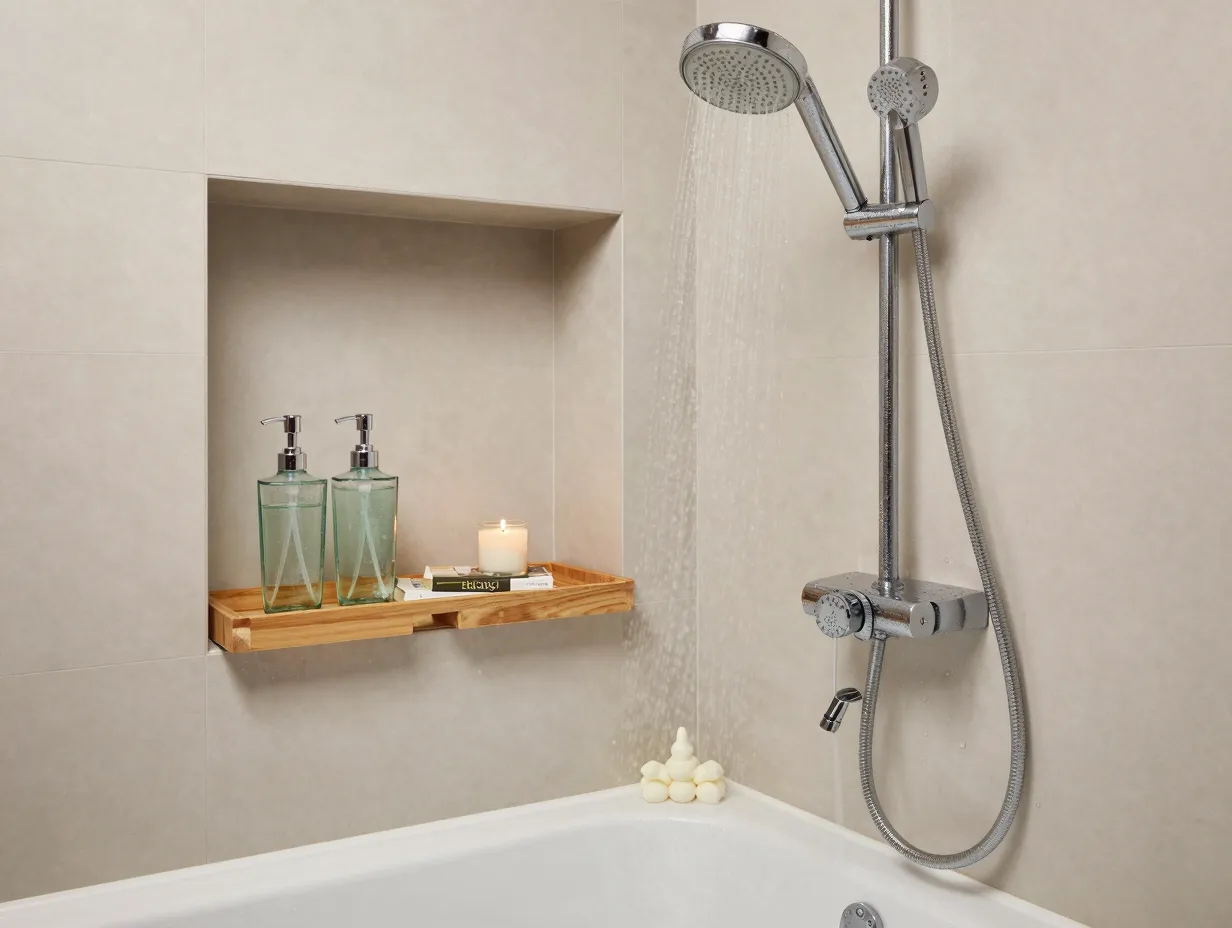
The shower and bath are the functional heart of any bathroom, and they are where the spa experience is most directly felt. A few targeted upgrades here deliver an immediate, tangible difference.
Showerhead upgrade: A rainfall showerhead or a handheld model with multiple settings can transform a functional rinse into an immersive experience. Many models install without any plumbing work, they simply screw onto the existing arm. Prices range from $30 to $200 depending on features.
Bath tray: A teak or bamboo tray that spans your bathtub creates a surface for candles, a book, a glass of water, or a small plant. It signals that the bath is a ritual, not just a task.
Shower steamers: These are compressed tablets of essential oils and baking soda that dissolve on the shower floor, releasing aromatherapy steam. They are inexpensive and create an instant spa-like atmosphere.
Quality bath products displayed intentionally: Decant your shampoo, conditioner, and body wash into matching glass or ceramic dispensers. This single change eliminates visual clutter from mismatched plastic bottles and instantly elevates the aesthetic.
9. Layer Sound and Silence Intentionally
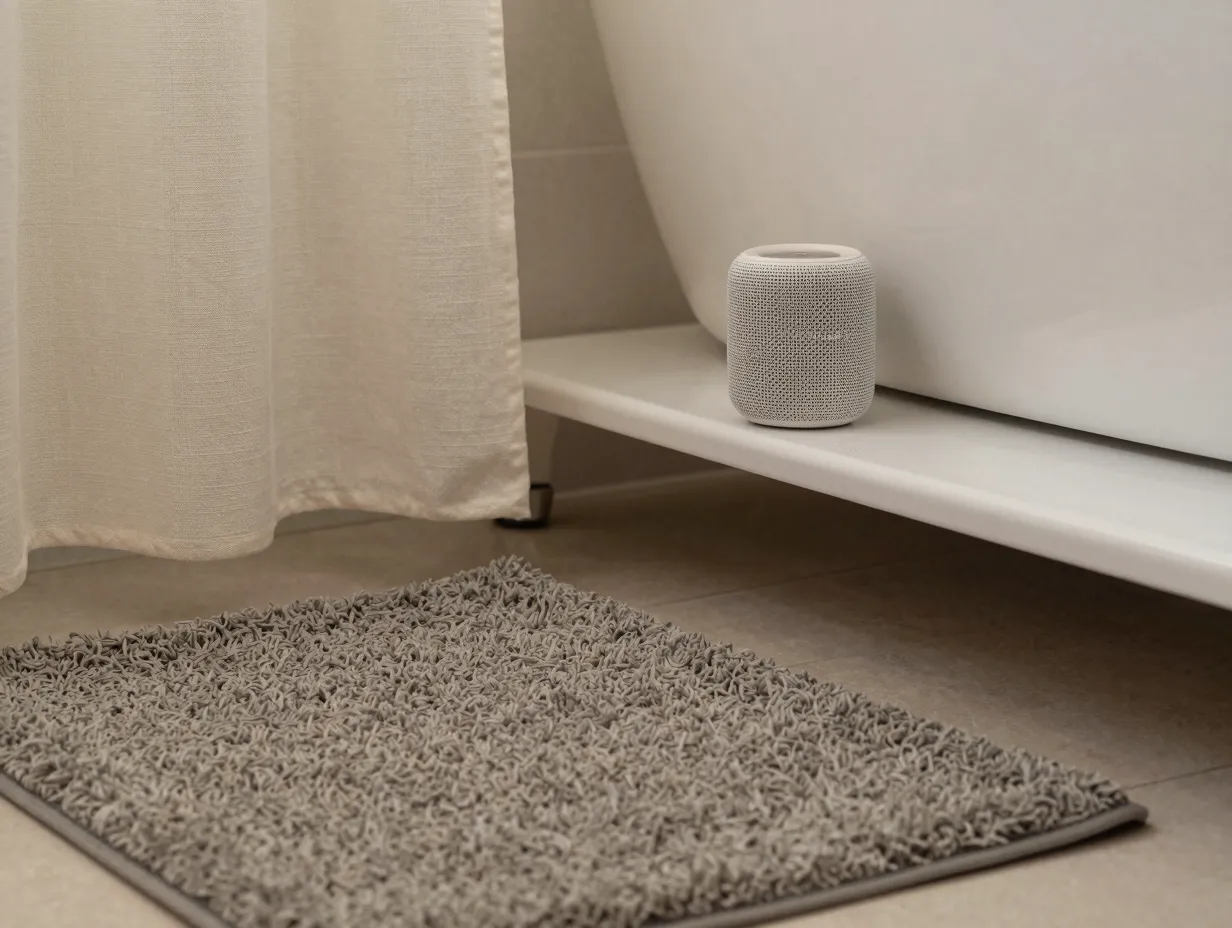
This is the idea that most people overlook entirely, and it is one of the most impactful. Sound, or the deliberate absence of it, shapes the emotional tone of any space.
Consider adding a small, water-resistant Bluetooth speaker to your bathroom. Curate a playlist specifically for your morning routine and another for evening wind-down. Research from the British Journal of Health Psychology has found that music with a tempo below 60 beats per minute reliably reduces cortisol levels and promotes relaxation.
On the other end of the spectrum, if your bathroom has poor sound insulation, adding a thick bath mat, a fabric shower curtain, and soft textiles can absorb sound and reduce echo, making the space feel quieter and more contained.
A simple sound strategy:
- Morning: upbeat, energizing playlist at moderate volume
- Evening bath or shower: slow, ambient music or nature sounds
- Meditation or self-care moments: silence, or a single-instrument piece (piano, acoustic guitar)
The bathroom should feel like a transition space, a place where you consciously shift from one mode to another. Sound is one of the most direct tools for creating that shift.
How to Combine These 9 Bathroom Decor Ideas That Will Make Your Space Feel Like a Luxury Spa
The real power of these ideas comes from layering them together. Each individual change is meaningful, but the cumulative effect of combining several of them is what creates that unmistakable “spa feeling”, the sense that the room is working with you rather than against you.
Here is a practical phased approach:
Phase 1, Foundation (Weekend 1):
Declutter, deep clean, and add warm-toned bulbs. These three steps cost very little and create the base for everything else.
Phase 2, Sensory Layer (Weekend 2):
Add a reed diffuser or eucalyptus bundle, upgrade your towels, and introduce one or two plants.
Phase 3, Aesthetic Refinement (Weekend 3):
Swap out mismatched accessories for a cohesive set, decant your shower products into matching dispensers, and add a bath tray.
Phase 4, Experience Layer (Ongoing):
Add a Bluetooth speaker, experiment with shower steamers, and fine-tune your lighting with a dimmer or accent light.
This phased approach prevents overwhelm and allows you to see the impact of each change before moving to the next.
Common Mistakes to Avoid
Even with the best intentions, a few common errors can undermine the spa-like effect you are working toward.
Overloading on accessories. More is not more in a spa bathroom. Every item on a surface should earn its place. If it does not serve a function or contribute to the visual calm, remove it.
Ignoring the floor. A worn, thin bath mat undermines even the most beautiful vanity setup. A thick, high-quality mat in a neutral tone is a small investment with a large visual payoff.
Mixing too many metallic finishes. Chrome, brushed gold, matte black, and nickel all in the same bathroom creates visual chaos. Choose one finish for all hardware and fixtures, or at most two that complement each other.
Neglecting the ceiling and upper walls. Spas use the full vertical space of a room. A plant hung from the ceiling, a wall-mounted shelf at eye level, or a simple piece of art above the toilet can transform what is usually dead space.
Skipping maintenance. A spa bathroom requires upkeep. Wipe down surfaces regularly, replace diffuser reeds every few months, and wash your bath mat weekly. The experience depends on freshness.
Conclusion
Transforming your bathroom into a space that genuinely feels like a luxury spa does not require a contractor, a large budget, or weeks of disruption. It requires clarity about what creates the spa experience, sensory calm, visual coherence, natural materials, and intentional detail, and a willingness to apply that clarity one step at a time.
The 9 bathroom decor ideas that will make your space feel like a luxury spa in this article are designed to work together as a system. Start with the foundation: declutter, upgrade your lighting, and invest in quality towels. Then layer in scent, greenery, and natural materials. Finally, refine the experience with intentional accessories, a cohesive color palette, and sound.
Your actionable next steps:
- Set aside two hours this weekend to declutter your bathroom surfaces completely.
- Order one set of high-GSM towels in a neutral tone.
- Pick up a warm-toned LED bulb and replace your current overhead light.
- Choose one scent, a reed diffuser or a eucalyptus bundle, and place it in the room.
Start there. The rest will follow naturally, and within a few weeks, you will have a bathroom that genuinely supports the rest and restoration you deserve at the start and end of every day.
References
- American Institute of Architects. (2023). Home design trends survey. AIA.
- Cho, J. H., et al. (2017). Relaxation effects of lavender aromatherapy. Frontiers in Psychology, 8, 1548.
- Wolverton, B. C., Johnson, A., & Bounds, K. (1989). Interior landscape plants for indoor air pollution abatement. NASA Technical Report.
- North, A. C., Hargreaves, D. J., & Hargreaves, J. J. (2004). Uses of music in everyday life. Music Perception, 22(1), 41-77.