8 Ways to Style a Rustic Vase With Flowers for Every Season
A single rustic vase, placed thoughtfully on a windowsill, can shift the entire mood of a room. That is not an exaggeration. According to interior design research, decorative objects like vases rank among the top five most-used styling accessories in American homes, yet most people rotate the same tired arrangement year-round. If you own one good rustic vase and you are not changing its contents with the seasons, you are leaving serious decorating potential on the table.
Disclosure: This post contains affiliate links. As an Amazon Associate, we earn from qualifying purchases, and at no extra cost to you.

This guide covers 8 ways to style a rustic vase with flowers for every season, walking you through practical, beautiful, and budget-friendly approaches that work whether you are a seasoned decorator or someone who just bought their first ceramic jug at a farmers market. Each method is grounded in real design principles, and I have tested most of them in my own home. The goal is simple: help you get more life, more beauty, and more personality out of one of the most versatile objects in your living space [5].
Key Takeaways
- Rustic vases work across all four seasons when you match the vessel shape and material to the flowers or botanicals you choose
- Taller, narrower vases support upright stems, while wide-mouthed vessels suit loose, wild arrangements [2]
- Seasonal transitions are easy to execute with simple swaps like dried grasses in summer or bare branches in winter [1]
- A minimalist single-stem approach can feel just as striking as a full bouquet, often more so [3]
- Matching the vase style to the bouquet character, whether rustic, romantic, or structured, elevates the entire display [4]
What Makes a Rustic Vase the Perfect Year-Round Styling Tool
Before diving into the 8 ways to style a rustic vase with flowers for every season, it helps to understand why rustic vessels are so adaptable. Unlike polished crystal or sleek modern ceramics, rustic vases carry an organic quality. Their imperfections, whether that means uneven glazing, rough-hewn clay, or the natural weave of rattan, echo the textures found in nature itself. That quality makes them natural partners for botanicals of every kind.
Decorative vases are among the most versatile styling pieces you can own. They add height, shape, color, and personality to a space, and a well-chosen vase works beautifully all year round [5]. The rustic category is especially forgiving because its aesthetic is rooted in the natural world, which means it never truly clashes with seasonal flowers, grasses, or branches.
Vase shapes matter more than most people realize. Choosing the right vessel starts with understanding the scale and structure of the flowers it will hold. Taller arrangements benefit from narrower openings that help stems stay upright, while shorter or fuller blooms often look best in wider, more rounded shapes [2]. Keep this principle in mind as you work through each of the eight styling methods below.
A Quick Reference: Vase Types and Their Best Seasonal Pairings
| Vase Type | Best Season | Ideal Botanicals |
|---|---|---|
| Terracotta pot | Fall, Summer | Dried wheat, sunflowers, pampas grass |
| Whitewashed ceramic | Winter, Spring | Evergreens, cherry blossoms, bare branches |
| Woven rattan/jute | Summer | Dried palm leaves, tall grasses |
| Mason jar / ceramic jug | Spring, Summer | Wildflowers, mixed greenery, herbs |
| Wooden container | Fall, Winter | Pinecones, dried botanicals, faux stems |
8 Ways to Style a Rustic Vase With Flowers for Every Season
1. Spring Wildflower Arrangements in Ceramic Jugs

Spring is the season that practically styles itself. The challenge is not finding beautiful flowers in spring; it is resisting the urge to cram every single one into a single vase. In spring, fill ceramic vases with wildflowers, cherry blossoms, or budding branches to bring a fresh start to your decor [1]. The key is to let the arrangement breathe.
I remember picking up a bundle of ranunculus and anemones at my local market one April morning and stuffing them into a wide-mouthed ceramic jug I had bought at a pottery sale. The result was effortlessly beautiful precisely because I did not overthink it. Loose, slightly asymmetrical, and full of color.
Tips for spring styling:
- Choose a ceramic jug with an earthy glaze in cream, sage, or muted blue
- Mix at least three flower types for visual depth
- Add a few sprigs of budding branches to give the arrangement height
- Place near a window to let natural light amplify the colors
Rustic bouquets, characterized by wildflowers, mixed greenery, and natural, imperfect shapes, pair exceptionally well with mason jars, ceramic jugs, or wooden containers because they complement the organic feel of both vessel and bloom [4].
2. Single-Stem Minimalism for a Modern Rustic Look

Not every arrangement needs to be abundant. One of the most underrated approaches in the 8 ways to style a rustic vase with flowers for every season is the single-stem method. A sleek tall vase with one flower type, or even one dramatic stem, can feel calm, modern, and expensive without much effort [3].
Think of a single peony in a tall, narrow stoneware vase. Or one dramatic protea stem in a matte clay cylinder. The restraint is the statement. This approach works in every season because you simply swap the stem: a tulip in spring, a sunflower in summer, a dried cotton branch in fall, an amaryllis in winter.
“The restraint is the statement. One perfect stem in the right vessel says more than a dozen crowded blooms.”
How to execute single-stem styling:
- Select a vase that is at least two-thirds the height of your stem
- Choose a bloom with strong visual character, an unusual shape, bold color, or interesting texture
- Keep the surrounding surface clear to let the arrangement command attention
- Change the stem every two to three weeks to keep it feeling intentional, not forgotten
3. Summer Dried Grass and Palm Leaf Displays

Summer styling is all about capturing warmth, movement, and the feeling of a light breeze. During summer, use woven vases with dried palm leaves or tall grasses to echo sunny, breezy vibes [1]. This is also one of the most budget-friendly approaches because dried botanicals cost very little and last for months.
Woven rattan or jute-wrapped vases are the ideal partners here. Their texture mirrors the organic quality of dried grasses, creating a cohesive, layered look that feels intentional rather than accidental. Place a cluster of three different-height woven vases on a console table or mantle, each holding a different dried grass variety, and you have a display that looks like it came straight from a high-end home decor boutique.
Best dried botanicals for summer rustic vases:
- Pampas grass (available in natural cream or dyed blush and terracotta)
- Dried palm spears
- Bunny tail grass
- Bleached wheat stalks
- Dried lavender bundles
The beauty of this approach is its longevity. A well-arranged dried grass display can last an entire summer and beyond with minimal maintenance.
4. Fall Terracotta Vases With Warm-Toned Botanicals

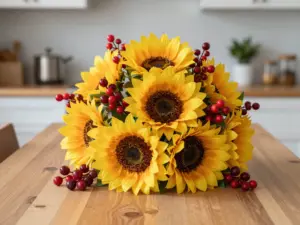
Fall is arguably the season that was made for rustic vase styling. The color palette of autumn, amber, rust, burnt orange, deep burgundy, maps perfectly onto the earthy tones of terracotta and unglazed clay. In fall, combine terracotta vases with dried wheat, pampas grass, or autumn-hued faux stems for cozy warmth [1].
I keep two terracotta vases on my dining table from September through November. One holds a bundle of dried wheat and a few sprigs of bittersweet vine. The other holds a cluster of rust-colored pampas grass. Together they create a harvest-table atmosphere that guests always comment on, and the total cost was under thirty dollars.
Fall styling formula:
- Vessel: Terracotta pot, unglazed clay jug, or wooden container
- Primary botanical: Dried pampas grass or wheat
- Accent: Faux autumn leaves, small dried gourds, or cotton stems
- Surface: Pair with a linen runner or a wooden tray for a complete vignette
Faux stems are worth mentioning here because high-quality artificial botanicals have come a long way. For fall, where the goal is warmth and texture rather than fresh fragrance, faux stems are a practical and beautiful choice that requires zero maintenance.
5. Winter Whitewashed Vases With Evergreens and Bare Branches

Winter vase styling is where many people lose confidence. Without the abundance of spring and summer blooms, it can feel like there is nothing to work with. That perception is wrong. For winter, display bare branches dusted with faux snow, or add evergreens in whitewashed clay vases for holiday charm [1].
Bare branches are one of the most striking winter botanicals available, and they are often free. A walk through a winter garden or park will yield birch branches, dogwood stems, or magnolia twigs that look extraordinary in a tall whitewashed ceramic vase. The stark simplicity of bare branches against a white or cream vessel captures the quiet beauty of winter better than any artificial decoration.
Winter rustic vase ideas:
- Tall whitewashed ceramic with birch branches and a few sprigs of eucalyptus
- Wide terracotta bowl filled with pinecones and a single pillar candle
- Narrow stoneware vase with a bundle of dried rosemary and cedar
- Matte clay cylinder with forced paperwhite bulbs for a living winter display
The whitewashed finish is particularly effective in winter because it reflects the cool, clean quality of the season while keeping the overall look warm and inviting rather than cold and clinical.
6. Layered Groupings for Maximum Visual Impact

One vase is beautiful. Three vases grouped together is a statement. Styling rustic vases in odd-numbered clusters, typically three or five, creates visual rhythm and depth that a single vessel simply cannot achieve. This approach works in every season and is one of the most effective techniques in the full toolkit of 8 ways to style a rustic vase with flowers for every season.
The rule for grouping is simple: vary the height, vary the width, and keep the materials cohesive. Three terracotta vases of different sizes, each holding a different botanical from the same color family, will always look more intentional than three identical vases holding the same flower.
Grouping guidelines:
- Use three vessels at noticeably different heights, for example 6 inches, 10 inches, and 14 inches
- Keep the material family consistent, all ceramic, all terracotta, or all woven
- Vary the botanical content but stay within one color palette
- Place the tallest vase at the back or off-center for a dynamic composition
This technique is especially effective on mantlepieces, console tables, and dining sideboards where you have horizontal surface space to work with.
7. Mixing Fresh and Dried Botanicals for Texture and Longevity

One of the most practical and visually rich approaches in rustic vase styling is combining fresh flowers with dried botanicals in the same arrangement. This hybrid method extends the life of your display because as the fresh blooms fade, the dried elements remain beautiful and hold the composition together.
A classic example: a wide ceramic jug filled with fresh garden roses as the focal point, surrounded by dried bunny tail grass, preserved eucalyptus, and a few dried lavender stems. The fresh roses provide color and fragrance, while the dried elements add texture and ensure the arrangement still looks intentional a week after the roses have been removed.
How to build a mixed arrangement:
- Start with your dried botanicals as the base structure
- Add fresh stems in the center or at the front as the focal point
- Choose fresh flowers whose color complements the dried material
- When fresh flowers fade, remove them and add a different fresh stem to refresh the display
This approach is particularly valuable in transitional seasons, late spring moving into summer, or early fall before the full harvest palette arrives, when you want to bridge two seasonal aesthetics without committing fully to either.
8. Seasonal Vignette Styling With Supporting Decor Elements

The eighth and most advanced approach in 8 ways to style a rustic vase with flowers for every season is treating your vase not as a standalone object but as the anchor of a full seasonal vignette. A vignette is a small, curated grouping of objects that tells a visual story together.
Your rustic vase and its botanical contents set the seasonal theme. Everything else in the vignette, a stack of books, a small candle, a piece of driftwood, a seasonal fruit or vegetable, reinforces that theme. Done well, a vignette transforms a corner of a room into a moment of intentional beauty.
Seasonal vignette formulas:
- Spring: Ceramic jug with wildflowers plus a small bird’s nest, a few smooth stones, and a linen-bound journal
- Summer: Woven vase with dried grasses plus a driftwood piece, a white pillar candle, and a small bowl of sea glass
- Fall: Terracotta vase with pampas grass plus a wooden tray, mini pumpkins, and a beeswax candle
- Winter: Whitewashed vase with evergreens plus a stack of vintage books, a pinecone, and a mercury glass tealight holder
The vignette approach requires the most thought but delivers the highest visual reward. It also makes seasonal transitions feel like a deliberate act of home care rather than a chore.
How to Choose the Right Rustic Vase for Each Season
With eight styling methods now in hand, the final piece of the puzzle is vase selection itself. The vessel you choose shapes the entire character of the arrangement. A few guiding principles will serve you well across all four seasons.
Scale and proportion are the starting point. Choosing a vase starts with understanding the scale and structure of the flowers it will hold. Taller arrangements benefit from narrower openings that help stems stay upright, while shorter or fuller blooms often look best in wider, more rounded shapes [2].
Material and texture carry seasonal weight. Terracotta reads as warm and earthy, making it ideal for fall and summer. Whitewashed or pale ceramics feel cool and clean, which suits winter and spring. Woven rattan and jute are inherently summery. Unglazed stoneware is a neutral that works year-round.
Color should complement rather than compete. A rustic vase in a neutral tone, cream, grey, terracotta, natural wood, will work with virtually any botanical. Avoid vases with busy patterns or strong colors unless you are confident in your ability to balance them against the flowers.
Size of your collection matters too. Owning three to five rustic vases in different shapes and materials gives you the flexibility to execute any of the eight methods above without needing to buy new vessels every season. Think of it as a small investment that pays decorating dividends for years.
Conclusion
Styling a rustic vase with flowers does not require a design degree, an unlimited budget, or a subscription to a flower delivery service. It requires curiosity, a willingness to experiment, and a basic understanding of how vessels, botanicals, and seasons relate to each other. The 8 ways to style a rustic vase with flowers for every season covered in this guide give you a complete toolkit for transforming your home decor through every month of the year.
Your actionable next steps:
- Audit what you already own. Identify one or two rustic vessels in your home that could anchor a seasonal display.
- Choose one of the eight methods above that fits your current season and your personal style.
- Source your botanicals locally. Farmers markets, garden centers, and even your own backyard are excellent starting points.
- Start small with a single vignette in one room, then expand as your confidence grows.
- Revisit this guide at each seasonal transition to refresh your approach and keep your spaces feeling alive and intentional.
The most beautiful home decor is not expensive. It is thoughtful. One rustic vase, changed with the seasons, is proof of that.
References
[1] Rustic Living Room Decor Ideas With Vases – https://www.rusticozy.com/blog/rustic-living-room-decor-ideas-with-vases?utm_source=openai
[2] Decorative Vase Ideas For The Flowers Obsessed – https://www.livingspaces.com/inspiration/ideas-advice/decor-tips/decorative-vase-ideas-for-the-flowers-obsessed?utm_source=openai
[3] Ideas For Vases – https://fioredesigns.com/journal/inspiration-style/ideas-for-vases?utm_source=openai
[4] Guide To Matching Flower Bouquet Styles With Different Vases – https://www.bloom-song.com/sg-florist/guide-to-matching-flower-bouquet-styles-with-different-vases?utm_source=openai
[5] How To Style Decorative Vases In Every Room Of Your Home – https://shades4seasons.com/blogs/news/how-to-style-decorative-vases-in-every-room-of-your-home?utm_source=openai