8 Organic Modern Living Room Inspiration Ideas for a Serene Sanctuary
A 2026 survey by the American Institute of Architects found that nearly 68% of homeowners now rank “calm and restorative” as the single most important quality they want in a living room, surpassing both style and storage. That shift tells a clear story: people are no longer designing rooms to impress guests. They are designing rooms to heal themselves.
Disclosure: This post contains affiliate links. As an Amazon Associate, we earn from qualifying purchases, and at no extra cost to you.
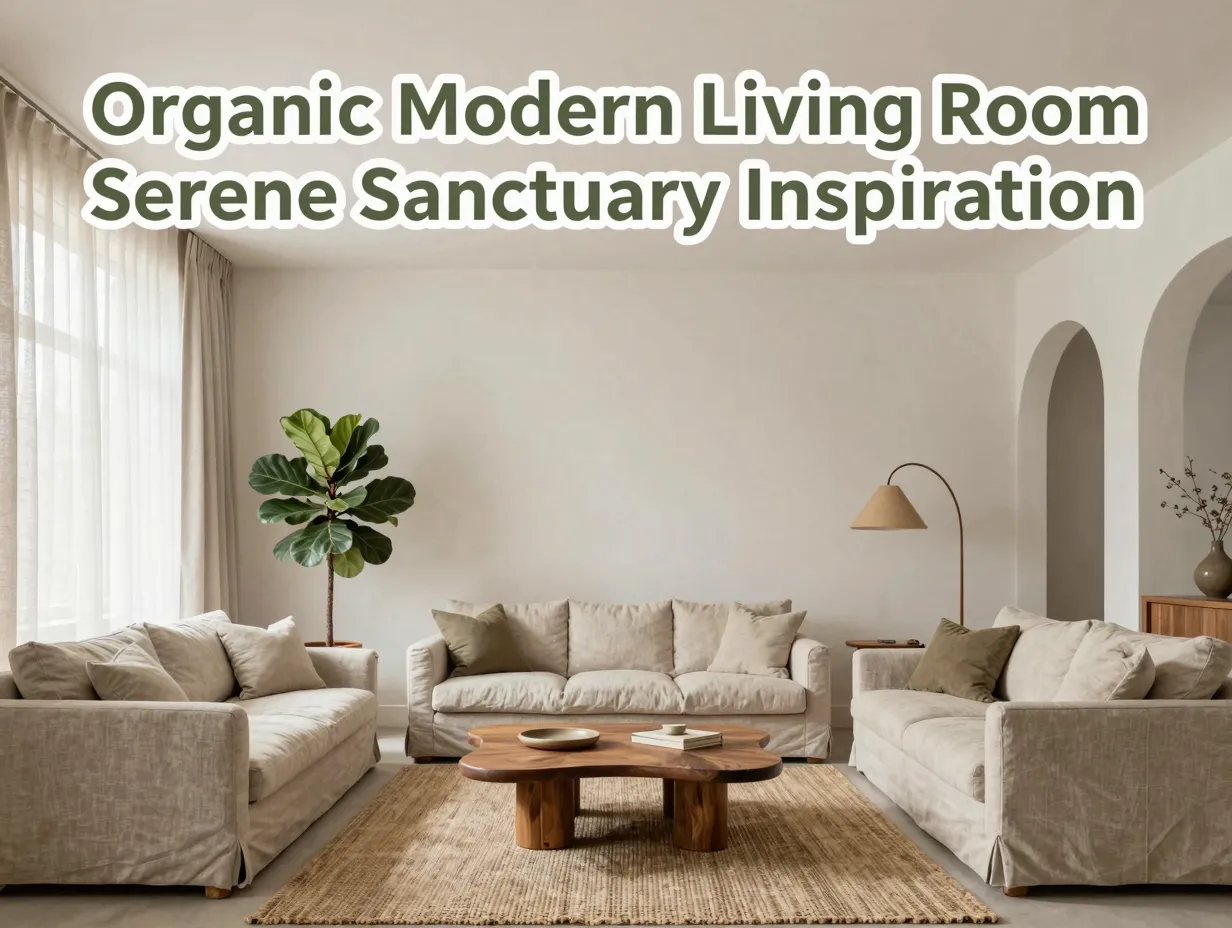
That is exactly where the organic modern aesthetic comes in. These 8 Organic Modern Living Room Inspiration Ideas for a Serene Sanctuary sit at the crossroads of clean contemporary design and the raw, grounding beauty of the natural world. Each idea in this guide is rooted in real design principles, backed by research on how our environments affect our wellbeing, and tested by interior designers who have spent years helping clients build spaces that genuinely feel like a refuge.
Whether you are starting a full renovation or just want to refresh what you already have, this article will walk you through every layer of the organic modern approach, from furniture choices to lighting, textiles, and the quiet power of negative space.
Key Takeaways
- Organic modern design blends clean lines with natural materials to create spaces that feel both polished and deeply calming.
- Biophilic elements, plants, natural light, stone, and wood, are not just decorative; they measurably reduce stress.
- A restrained, earthy color palette is the foundation of every serene organic modern living room.
- Layering textures, rather than adding more objects, is the fastest way to add warmth without visual clutter.
- Intentional negative space is as important as every piece of furniture you choose.
What Makes Organic Modern Design Different From Other Styles
Before diving into the specific ideas, it helps to understand what separates organic modern from its closest cousins, Scandinavian minimalism, bohemian, and mid-century modern.
Organic modern is not purely minimal. It welcomes warmth, imperfection, and the honest beauty of natural materials. But unlike bohemian design, it does not layer pattern on pattern or fill every shelf. It edits ruthlessly. Every object earns its place.
| Style | Key Materials | Color Palette | Clutter Tolerance |
|---|---|---|---|
| Organic Modern | Wood, stone, linen, clay | Warm neutrals, earthy greens | Very low |
| Scandinavian | Light wood, wool, metal | Cool whites, greys | Low |
| Bohemian | Rattan, mixed textiles, macrame | Jewel tones, warm brights | High |
| Mid-Century Modern | Teak, leather, molded plastic | Mustard, olive, walnut | Low |
The organic modern living room is defined by three non-negotiable principles: natural materials, a muted earth-tone palette, and intentional simplicity. Keep those three anchors in mind as you explore each idea below.
8 Organic Modern Living Room Inspiration Ideas for a Serene Sanctuary
1. Ground the Room With a Warm Neutral Color Palette
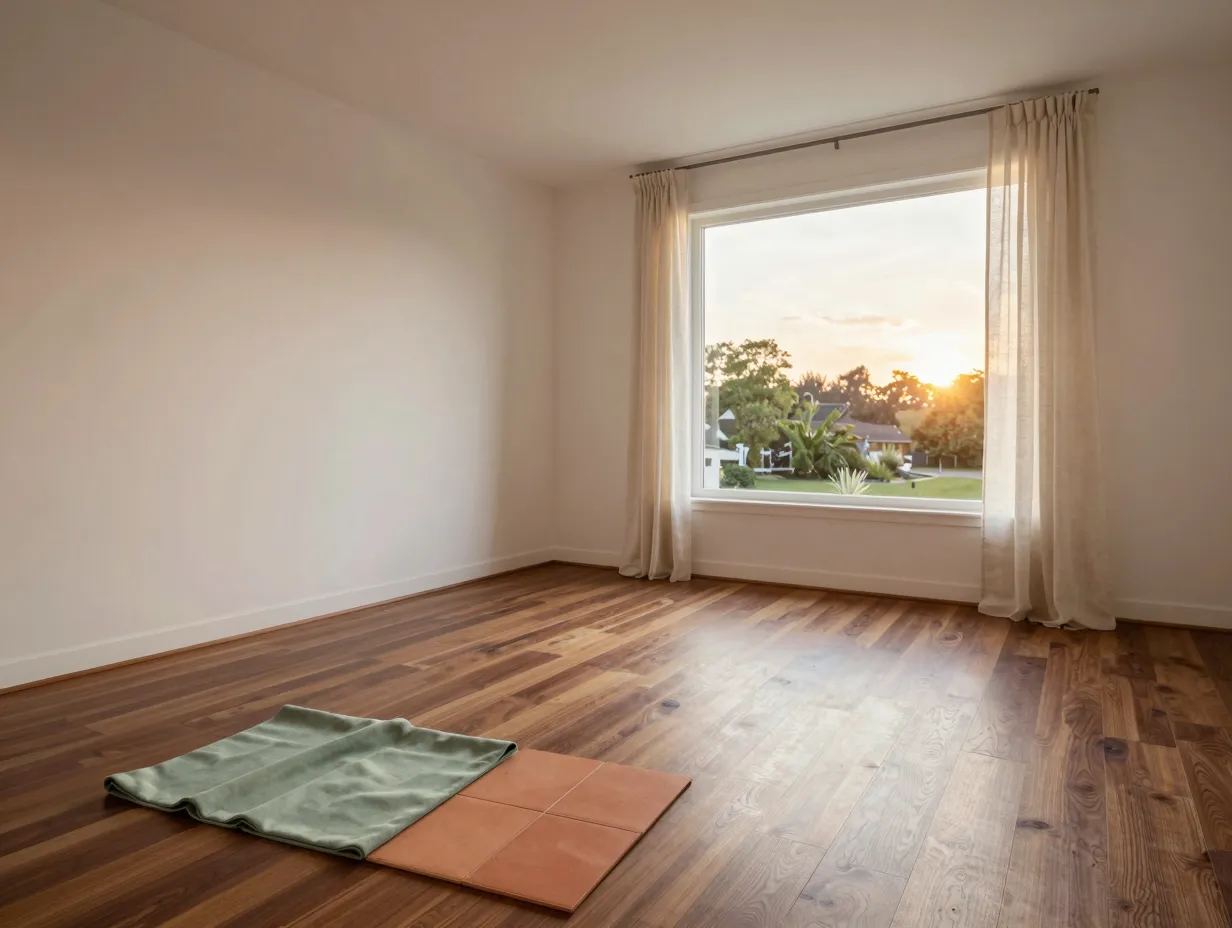
Color is the first decision, and in organic modern design, it is also the most important. The palette should feel like you stepped outside just before sunset, warm, soft, and completely unhurried.
Think warm white walls (not stark, blue-toned white), paired with sandy beiges, dusty taupes, and muted sage greens. These tones work because they mimic the natural world. Research published in the journal Frontiers in Psychology found that exposure to earth-toned environments lowers cortisol levels compared to high-contrast or saturated color schemes.
Practical palette starting points:
- Wall color: Benjamin Moore “White Dove” or Sherwin-Williams “Accessible Beige”
- Accent color: Muted sage green or warm terracotta
- Grounding tone: Deep walnut brown through furniture or trim
Avoid cool greys, stark whites, or anything that reads as sterile. The goal is warmth, not clinical precision.
“Color is the silent language of a room. In a serene space, it should whisper, not shout.”, a principle I have returned to every time I have helped a friend rethink a living room that felt ‘off’ despite having beautiful furniture.
2. Choose Furniture With Organic Shapes and Natural Wood
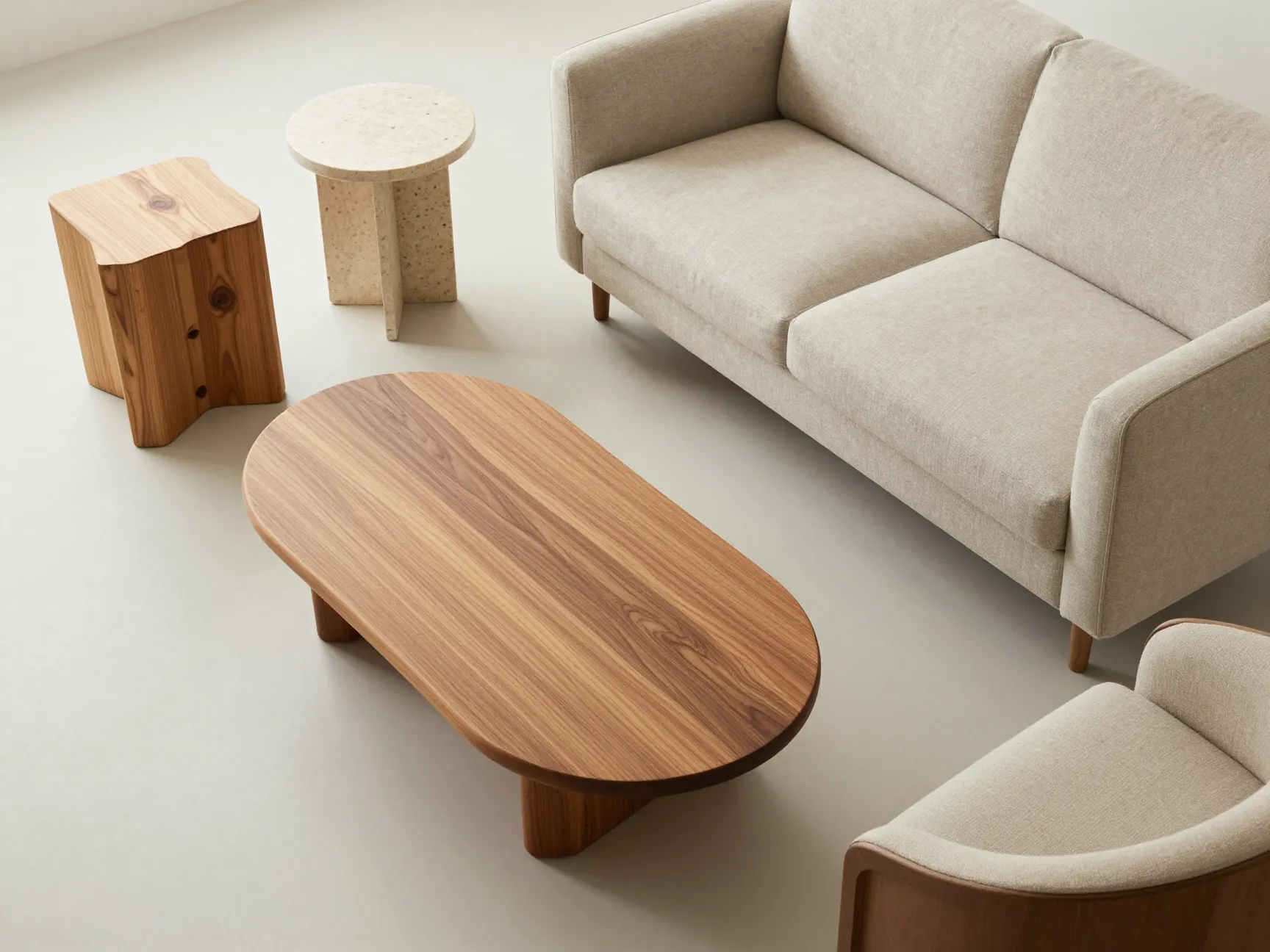
Straight lines have their place in organic modern design, but the pieces that make a room feel truly serene tend to have a softness to them, rounded arms on a sofa, a curved edge on a coffee table, legs that taper gently rather than cut sharply.
Wood is the backbone material. Walnut, white oak, and ash are the most popular choices in 2026 because they offer visible grain without being overly rustic. Look for pieces that show the wood’s natural character, knots, grain variation, and slight imperfections are features, not flaws.
What to look for in organic modern furniture:
- Sofas with low profiles and rounded or sloped arms
- Coffee tables in solid wood or stone with organic, non-rectangular shapes
- Side tables in travertine, marble, or raw-edge wood
- Chairs with curved silhouettes, the barrel chair and the egg chair both work well
One designer I spoke with described her approach this way: “I tell clients to imagine every piece of furniture was grown, not manufactured. If it looks like it could have come from the earth, it belongs.”
3. Layer Natural Textures Instead of Adding More Objects
This is the idea that most people get wrong when they first attempt organic modern design. They remove clutter, which is correct, but then the room feels empty and cold rather than serene and intentional.
The solution is texture layering. Instead of adding more objects to fill visual space, you add depth through materials that interact with light differently.
A practical texture stack for an organic modern living room:
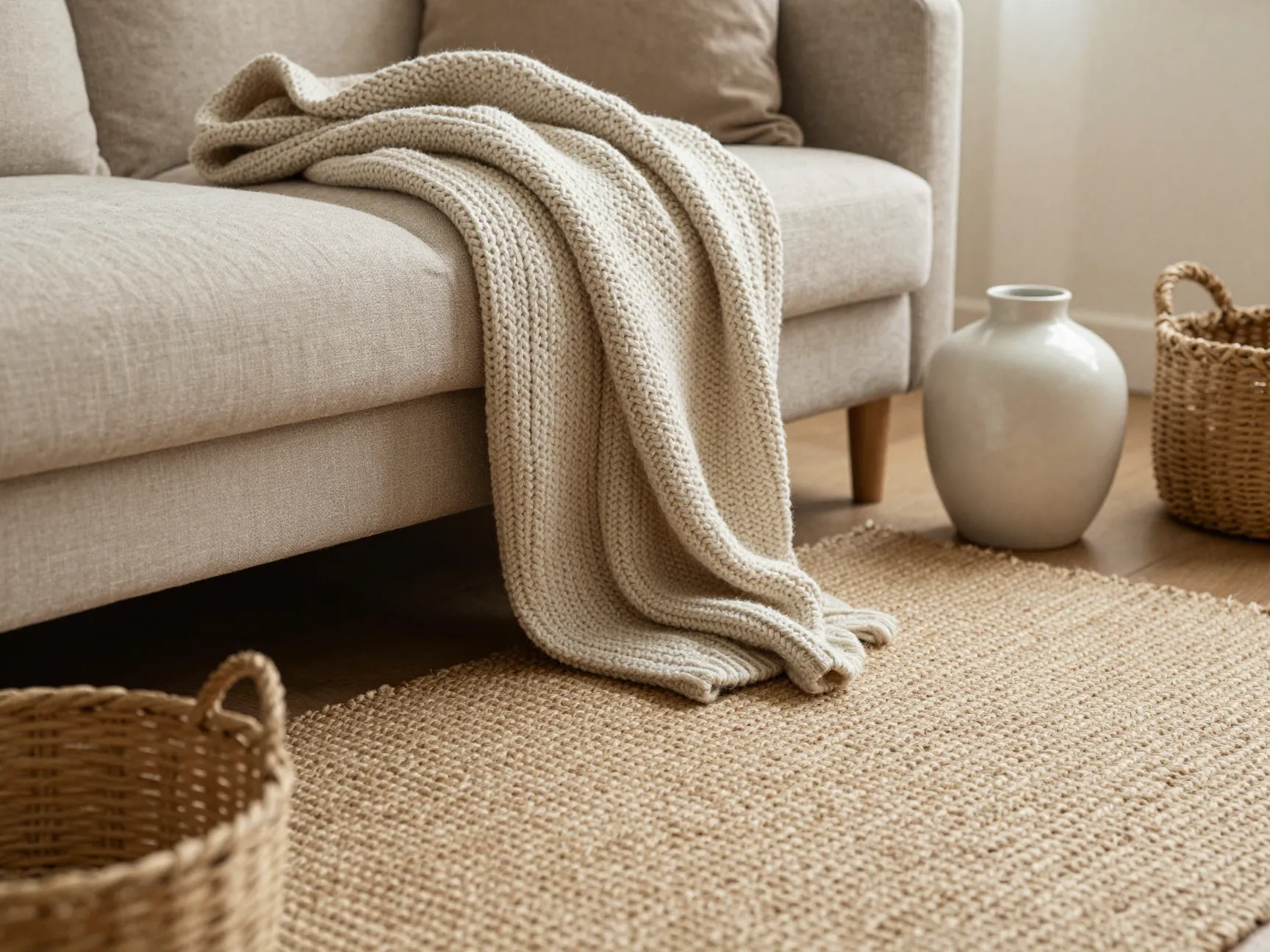
- Base layer: A jute or sisal area rug, rough, natural, grounding
- Middle layer: A linen or cotton sofa in a warm neutral
- Soft layer: A chunky knit or boucle throw draped over one arm
- Detail layer: A ceramic vase, a smooth stone bowl, or a woven basket
Each material catches light differently. The jute absorbs it. The linen diffuses it. The ceramic reflects it. That interplay creates visual richness without a single extra object on a shelf.
Materials that work best together:
| Material | Texture Quality | Best Use |
|---|---|---|
| Jute / Sisal | Rough, matte | Area rugs, baskets |
| Linen | Soft, slightly textured | Sofas, curtains, pillows |
| Boucle | Plush, looped | Accent chairs, throws |
| Travertine | Smooth with natural pitting | Coffee tables, side tables |
| Raw oak | Warm grain, matte | Shelving, furniture legs |
4. Bring the Outside In With Biophilic Design Elements
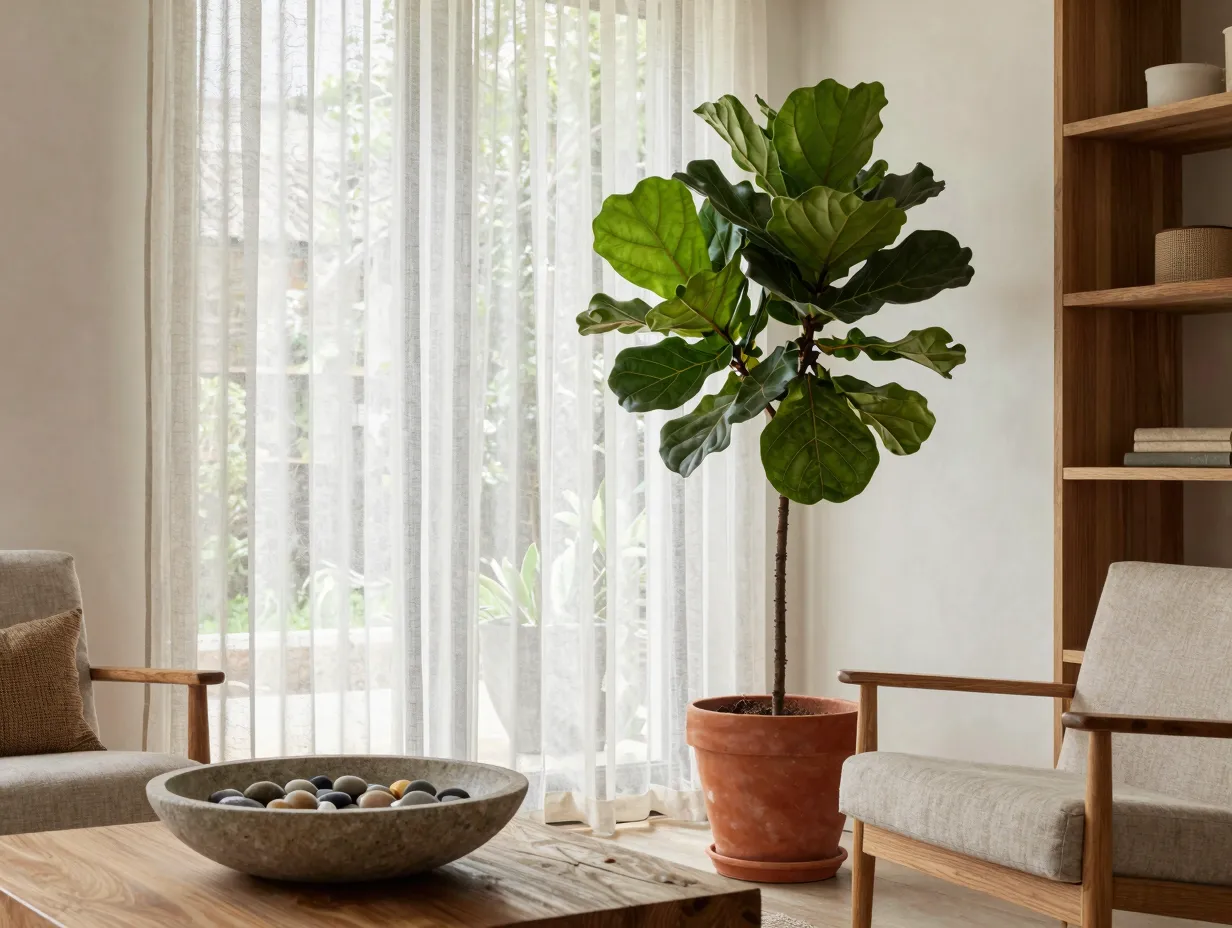
Biophilic design, the practice of connecting interior spaces to the natural world, is no longer a trend. It is a well-researched design philosophy with measurable benefits for mental health, focus, and stress reduction.
A 2015 study by researchers at the University of Exeter found that employees in offices with plants reported a 15% increase in wellbeing and a 6% increase in productivity. While that research focused on workplaces, subsequent studies have replicated similar findings in residential settings.
For a living room, biophilic design does not mean turning your space into a greenhouse. It means making deliberate, strategic choices:
- One large statement plant, a fiddle leaf fig, olive tree, or monstera in a terracotta or stone pot
- Natural light as a design element, arrange seating to face windows, use sheer linen curtains that filter rather than block light
- Natural materials as stand-ins for nature, stone, wood, and clay all carry the visual and tactile language of the outdoors
- Water sounds if possible, a small tabletop fountain adds an auditory biophilic layer that many designers overlook
I once visited a friend’s apartment that had no plants at all but felt deeply connected to nature because of her floor-to-ceiling linen curtains, raw wood shelving, and a large bowl of smooth river stones on the coffee table. Biophilic design is about suggestion as much as literal greenery.
5. Use Lighting to Set the Mood, Not Just Illuminate the Room
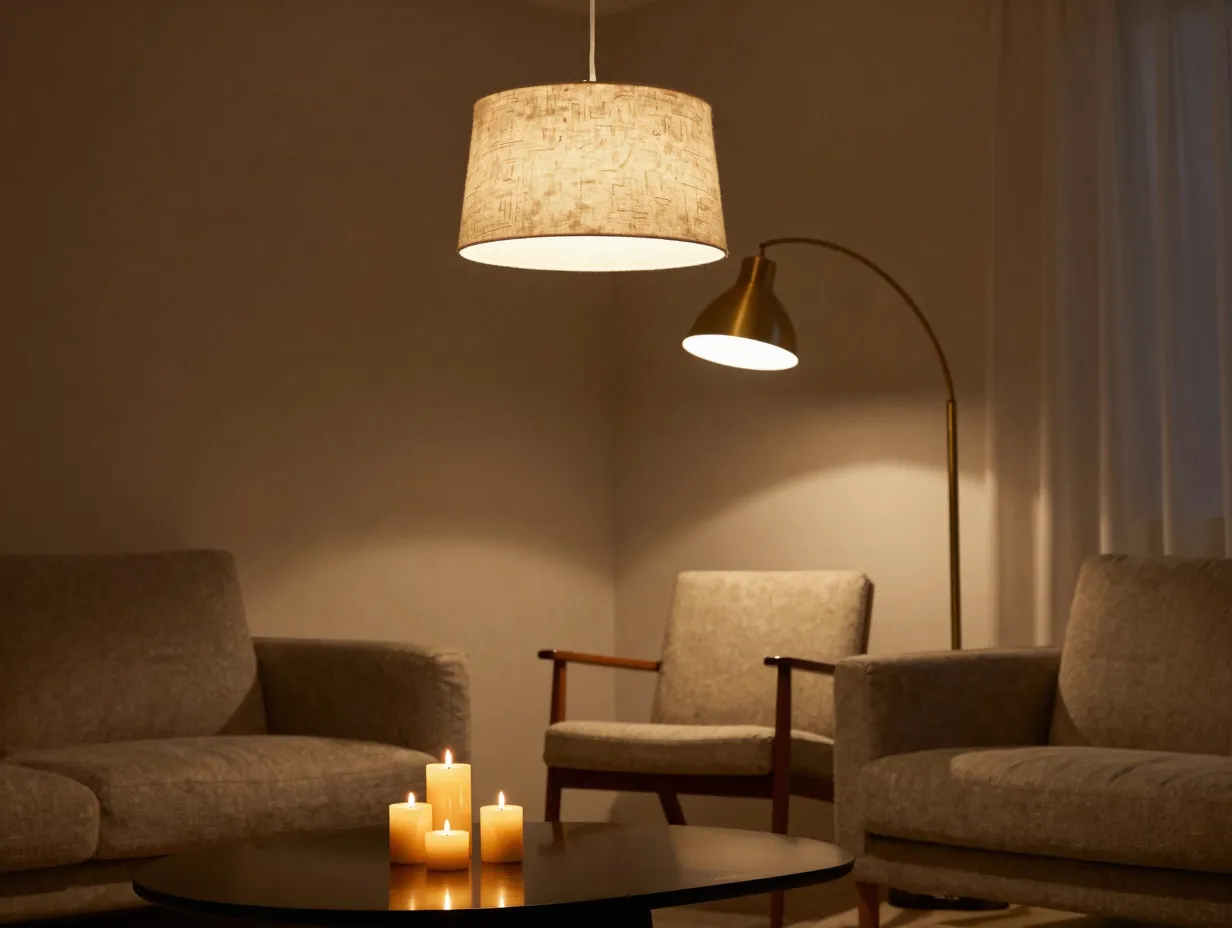
Lighting is the most underestimated element in any living room design, and in an organic modern space, it carries enormous weight. Harsh overhead lighting destroys the serene atmosphere that every other element is working to create.
The organic modern approach to lighting uses three layers:
- Ambient light, soft, diffused overhead lighting, ideally from a linen or paper pendant rather than a recessed can
- Task light, a floor lamp with a warm-toned bulb positioned near a reading chair
- Accent light, a table lamp or a candle cluster that creates pools of warm light in the evening
Bulb temperature matters enormously. Aim for bulbs in the 2700K, 3000K range. Anything above 3500K reads as cool and clinical. Anything below 2700K can feel too amber and dim.
Arched floor lamps have become a signature piece in organic modern living rooms because they combine sculptural presence with functional warmth. A single arched lamp in brushed brass or matte black over a reading chair can anchor an entire corner of a room.
The goal is to make your living room feel like candlelight at 7 p.m., even when you are using electric light.
6. Edit Ruthlessly: Embrace Negative Space as a Design Tool
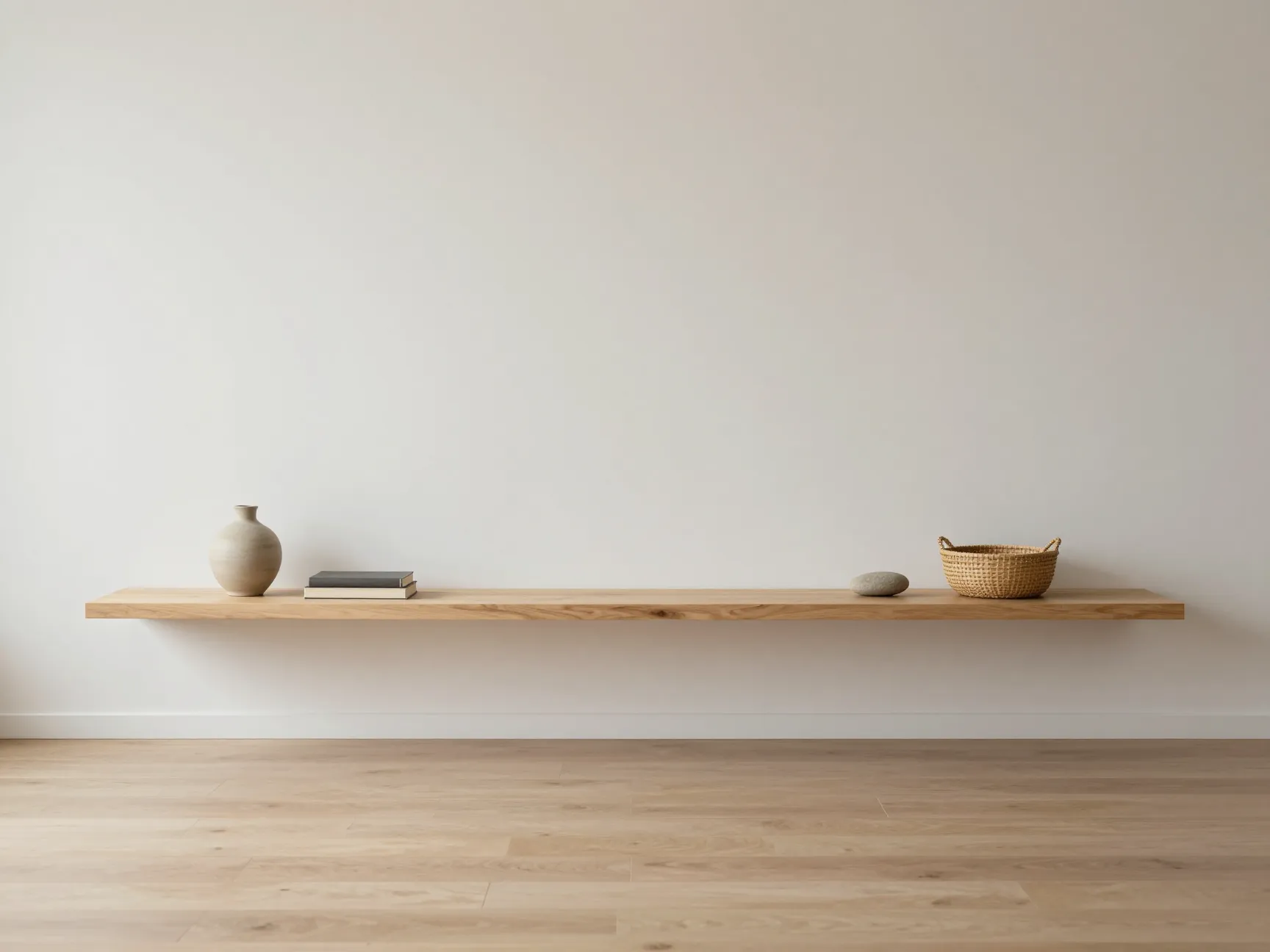
This is the idea that separates a truly serene organic modern living room from one that just has nice furniture. Negative space, the empty areas of a room, is not wasted space. It is active space.
In Japanese design philosophy, this concept is called ma, the meaningful pause, the space between things that gives the things themselves their power. A single ceramic vase on an otherwise clear shelf has far more visual impact than a shelf crowded with objects.
How to edit your living room for negative space:
- Remove everything from surfaces and shelves entirely. Start from zero.
- Add back only items that serve a clear purpose, functional, beautiful, or deeply meaningful.
- Leave at least 40% of any shelf or surface empty.
- Allow floor space to breathe, do not push furniture against every wall.
- Resist the urge to fill corners. An empty corner with good light is a design statement.
I went through this process in my own living room two years ago. I removed 23 objects from a single bookshelf and kept 4. The room immediately felt larger, calmer, and more intentional. Nothing else changed.
7. Incorporate Handmade and Artisanal Pieces for Soul
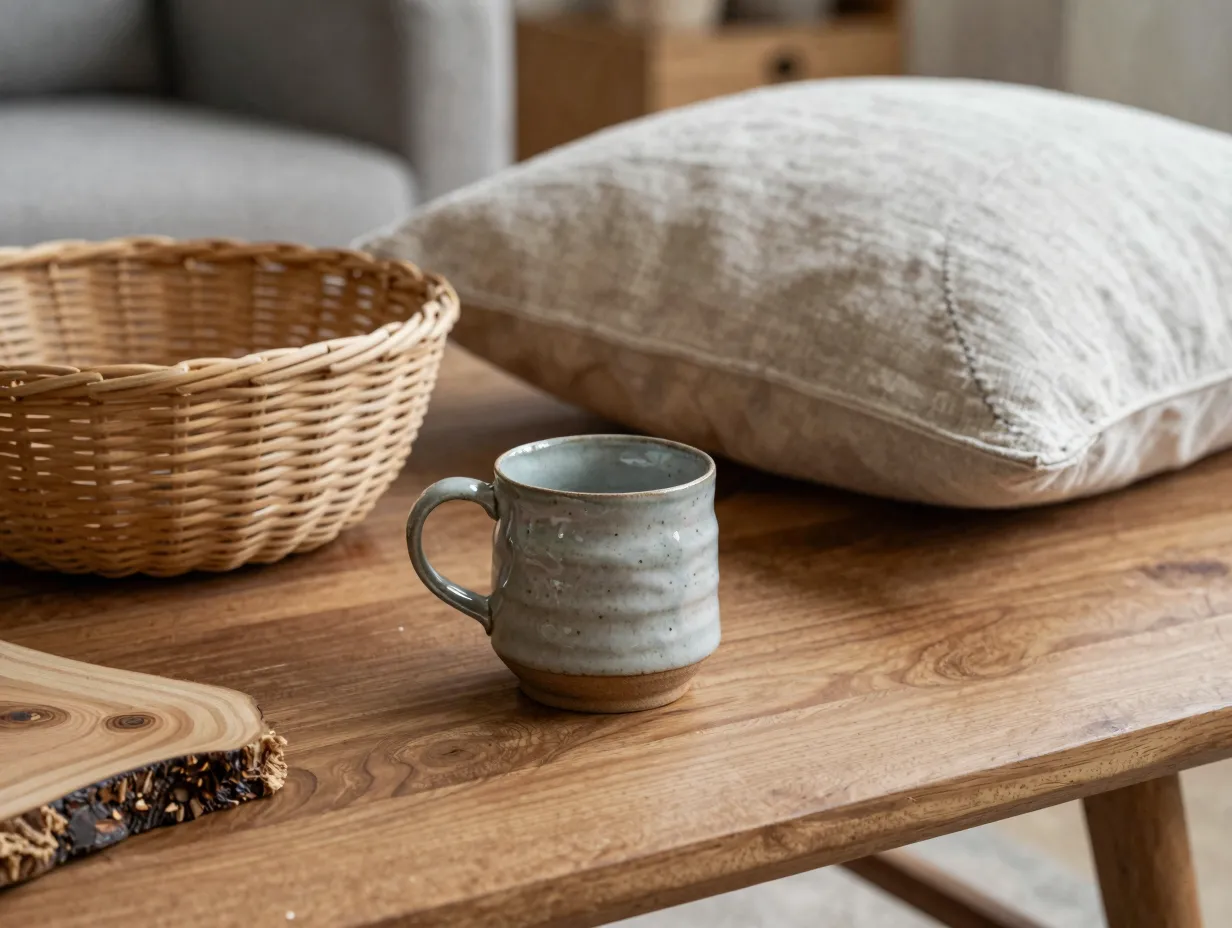
One of the risks of organic modern design is that it can tip into feeling too controlled, too perfect, too showroom-like. The antidote is handmade and artisanal pieces, objects that carry the visible mark of a human hand.
A wheel-thrown ceramic mug on a tray. A hand-woven basket. A linen pillow with slightly uneven stitching. These imperfections are not mistakes. They are what designers call wabi-sabi, the Japanese aesthetic of finding beauty in imperfection and transience.
Where to find artisanal pieces for an organic modern living room:
- Local ceramicists and pottery studios
- Etsy sellers who specialize in hand-thrown ceramics or woven textiles
- Vintage and antique markets (older pieces often have the handmade quality that mass production cannot replicate)
- Small-batch home goods brands that emphasize craft
What to look for:
- Slight irregularities in shape or glaze on ceramics
- Visible weave patterns in baskets and textiles
- Natural variations in wood grain on furniture
- Patina and wear on vintage pieces
The goal is not to fill the room with crafts. It is to ensure that at least a few objects in the space carry genuine human energy. Those pieces are what make a room feel lived-in and loved rather than staged.
8. Design a Focal Point That Anchors the Entire Room
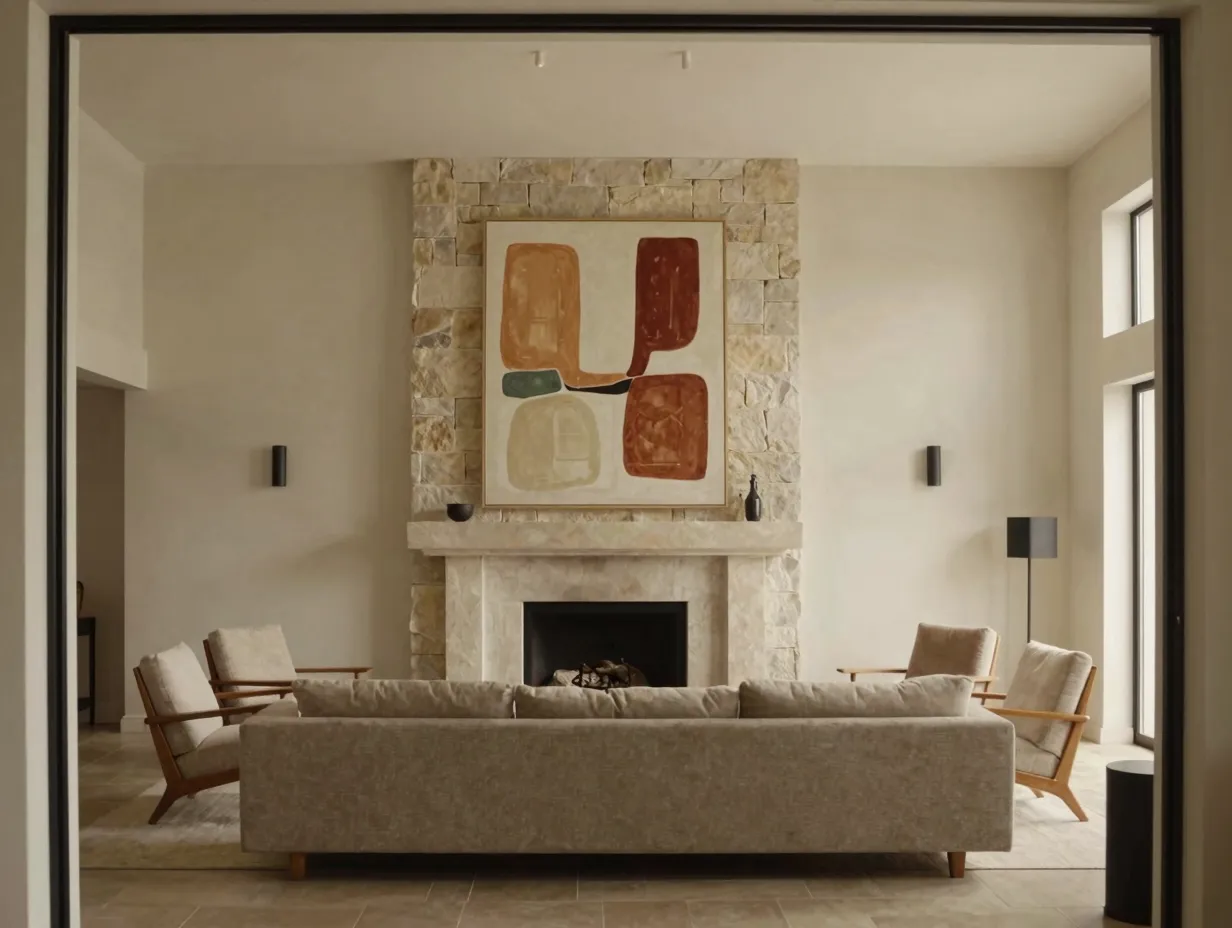
Every great living room has one clear focal point, the place your eye goes first when you walk in. In organic modern design, that focal point should be both visually strong and deeply calming.
The most effective focal points in organic modern living rooms:
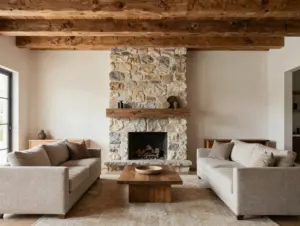
- A fireplace with a stone or plaster surround, nothing anchors a room more powerfully or more naturally
- A large-scale piece of organic abstract art, think earthy tones, textured surfaces, or nature-inspired forms
- A dramatic window or set of sliding doors, if you have a view, frame it and let it be the art
- A feature wall in limewash or textured plaster, the subtle variation in tone and texture creates depth without pattern
Once you have identified your focal point, arrange all other furniture and objects in service of it. The sofa faces it. The lighting draws the eye toward it. The negative space around it gives it room to breathe.
A note on art in organic modern spaces: Abstract art in earthy tones, ochre, terracotta, sage, warm black, works beautifully. Avoid anything too literal or too colorful. The art should feel like it grew out of the palette rather than being dropped into it.
How to Combine All 8 Ideas Into One Cohesive Design
Reading through these 8 Organic Modern Living Room Inspiration Ideas for a Serene Sanctuary individually is useful. But the real magic happens when they work together as a system.
Here is a simple sequencing approach I recommend:
- Start with color. Lock in your warm neutral palette before buying a single piece of furniture.
- Choose your focal point. Every other decision radiates outward from this anchor.
- Select your main furniture pieces with organic shapes and natural wood.
- Layer textures across rugs, upholstery, and soft furnishings.
- Add biophilic elements, one large plant, natural light strategy, natural material accents.
- Plan your lighting in three layers before you buy any fixtures.
- Edit for negative space, remove before you add.
- Finish with artisanal pieces that bring soul and imperfection to the space.
This sequence matters because each layer builds on the one before it. Trying to add artisanal pieces before you have edited for negative space, for example, often results in a cluttered room with nice objects rather than a serene sanctuary.
Common Mistakes to Avoid in Organic Modern Design
Even with the best intentions, a few common errors can undermine the serene quality you are working toward.
Mistake 1: Choosing too many accent colors. Pick one or two. More than that fragments the palette and creates visual noise.
Mistake 2: Buying furniture that is too large for the space. Organic modern design requires breathing room. Oversized sectionals in small rooms eliminate the negative space that makes the style work.
Mistake 3: Using synthetic materials that mimic natural ones. A faux wood laminate or a polyester rug that looks like jute will undermine the tactile authenticity of the space. Natural materials age beautifully. Synthetic imitations do not.
Mistake 4: Neglecting the ceiling and upper walls. The organic modern palette should extend upward. A warm white ceiling and upper walls painted in the same tone as the lower walls (or a shade lighter) create a cocoon-like quality that is deeply calming.
Mistake 5: Over-planting. One large, healthy plant has more impact than eight small ones. Quality over quantity applies to biophilic elements just as much as it applies to furniture.
Conclusion
The 8 Organic Modern Living Room Inspiration Ideas for a Serene Sanctuary outlined in this guide are not about following a trend. They are about building a room that works for your nervous system, a space that slows you down, grounds you, and makes coming home feel like an exhale.
Your actionable next steps:
- Audit your current living room against the eight ideas above. Identify the two or three areas with the most room for improvement.
- Start with color and negative space, both are free or low-cost and have the highest immediate impact.
- Make one material upgrade at a time: swap a synthetic rug for a jute one, replace a cold-toned bulb with a 2700K warm bulb, add one handmade ceramic piece.
- Give each change two weeks before adding the next. Serene spaces are built slowly and intentionally.
- Return to the principle of ma, the meaningful pause, whenever you are tempted to add something new. Ask whether the empty space itself might be the better choice.
A truly serene living room is not finished in a weekend. It is refined over time, with patience and intention. That process, it turns out, is part of the sanctuary itself.