8 Modern Office Cabin Design Interior Ideas to Boost Productivity
A 2023 study by Leesman found that only 57% of employees believe their workplace design supports their ability to work productively, a number that should alarm any business owner or facilities manager. The design of a private office cabin is not a cosmetic decision. It directly shapes focus, energy levels, and output. If you are rethinking your workspace in 2026, these 8 Modern Office Cabin Design Interior Ideas to Boost Productivity offer a practical, research-backed roadmap for building a cabin that actually works for the people inside it.
Disclosure: This post contains affiliate links. As an Amazon Associate, we earn from qualifying purchases, and at no extra cost to you.
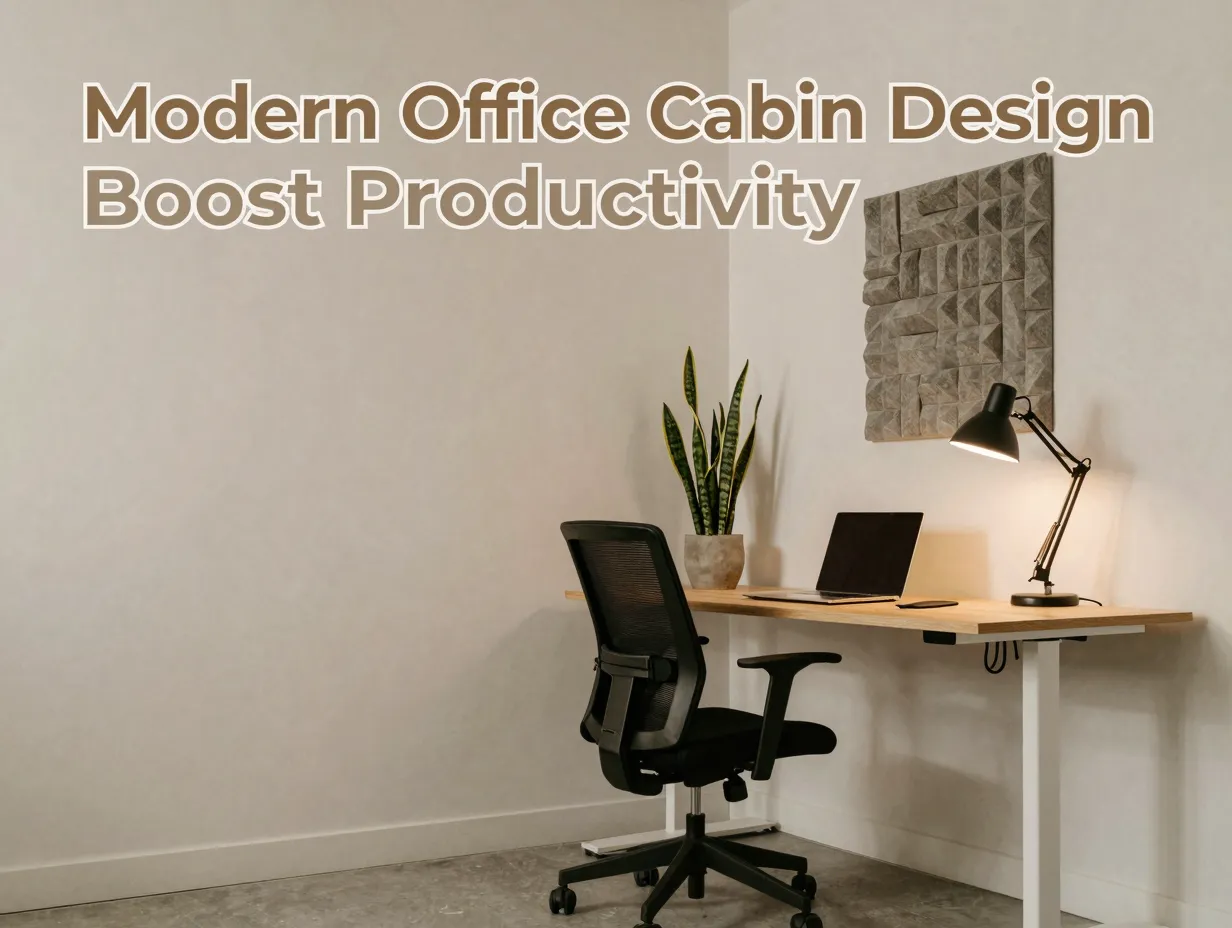
Whether you manage a corporate floor, run a boutique firm, or work from a home office cabin, the principles here apply. Each idea is grounded in ergonomics, environmental psychology, and real-world design practice, not just aesthetics.
Key Takeaways
- Ergonomic furniture and proper lighting are the two highest-impact changes you can make to a cabin workspace.
- Biophilic design elements such as plants and natural materials measurably reduce stress and improve focus.
- Acoustic control is often overlooked but is critical for deep work in open-plan buildings.
- Smart technology integration, from automated lighting to standing desks, supports healthier work habits.
- Color, layout, and personal touches work together to create a cabin that feels motivating rather than draining.
Why Office Cabin Design Matters More Than You Think
Before diving into the specific ideas, it helps to understand why cabin design carries so much weight. I once visited a mid-sized law firm where senior associates worked in identical cabins, same desk, same chair, same fluorescent overhead light. Turnover in that department was notably high. After a redesign that introduced adjustable lighting, acoustic panels, and sit-stand desks, the firm reported a 22% drop in self-reported fatigue within six months.
That story is not unique. Research from the World Green Building Council links well-designed workplaces to a 15% increase in productivity on average. The physical environment sends constant signals to the brain, about safety, comfort, status, and focus. A poorly designed cabin tells the brain to stay alert and uncomfortable. A well-designed one tells it to settle in and do deep work.
The 8 Modern Office Cabin Design Interior Ideas to Boost Productivity outlined below address every major dimension of that environment: furniture, light, sound, nature, technology, color, storage, and personal expression.
8 Modern Office Cabin Design Interior Ideas to Boost Productivity
1. Invest in Ergonomic Furniture as the Foundation
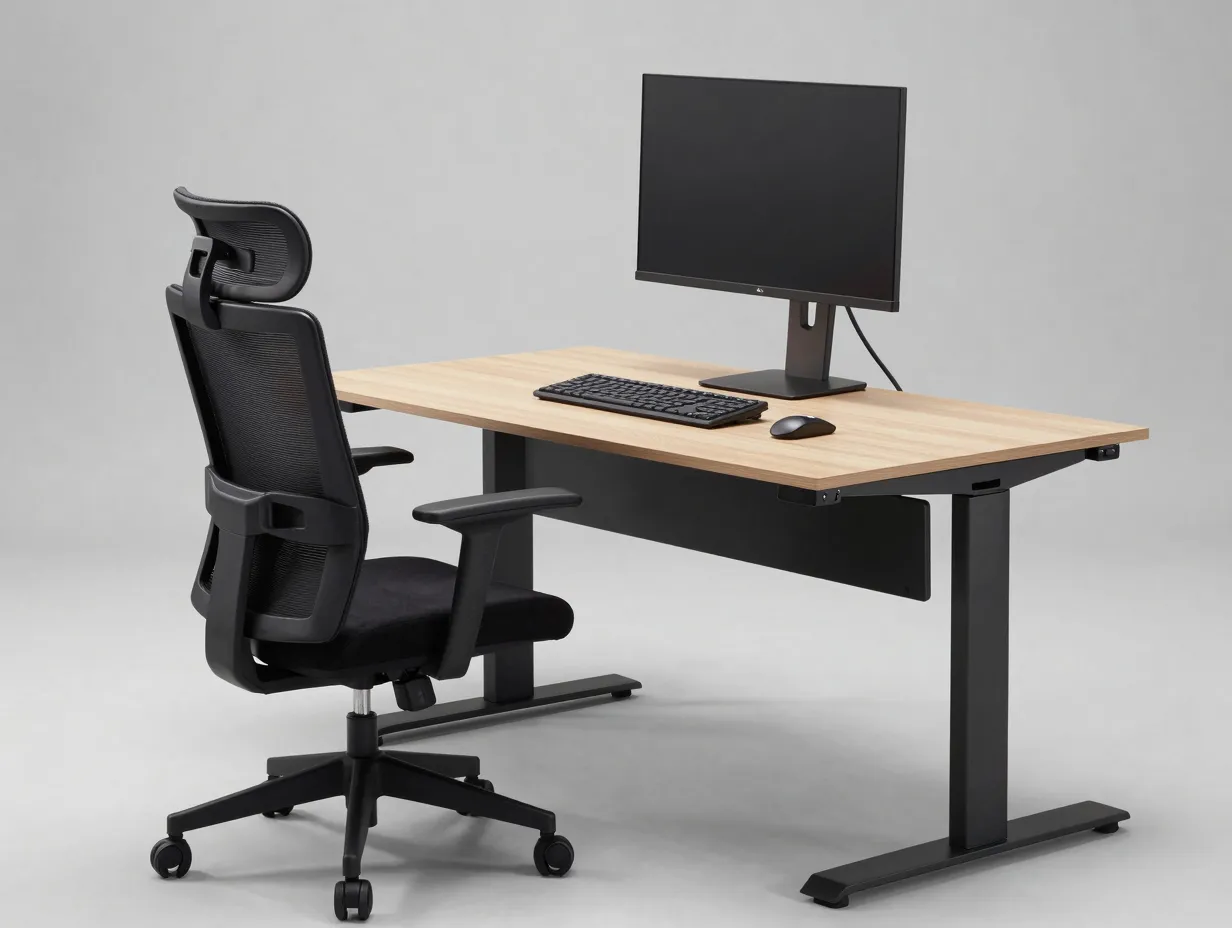
No design decision has a faster return on investment than ergonomic furniture. An ergonomic chair and desk setup reduces musculoskeletal discomfort, which is one of the leading causes of lost workdays globally according to the International Labour Organization.
What to prioritize:
- A chair with lumbar support, adjustable armrests, and seat depth control
- A desk at the correct height so elbows rest at roughly 90 degrees
- A monitor arm that positions screens at eye level, 50-70 cm from the face
- A footrest if the chair height does not allow feet to rest flat on the floor
Sit-stand desks deserve special mention. A 2018 study published in the British Journal of Sports Medicine found that workers who used sit-stand desks reported significantly less upper back and neck pain compared to those using standard desks. In 2026, height-adjustable desks have become more affordable and are widely available in both electric and hand-crank models.
“The chair you sit in for eight hours is not a furniture purchase. It is a health investment.”
If budget is a constraint, prioritize the chair first. A good ergonomic chair can be used with almost any desk, but a bad chair undermines every other design improvement you make.
2. Design a Layered Lighting System
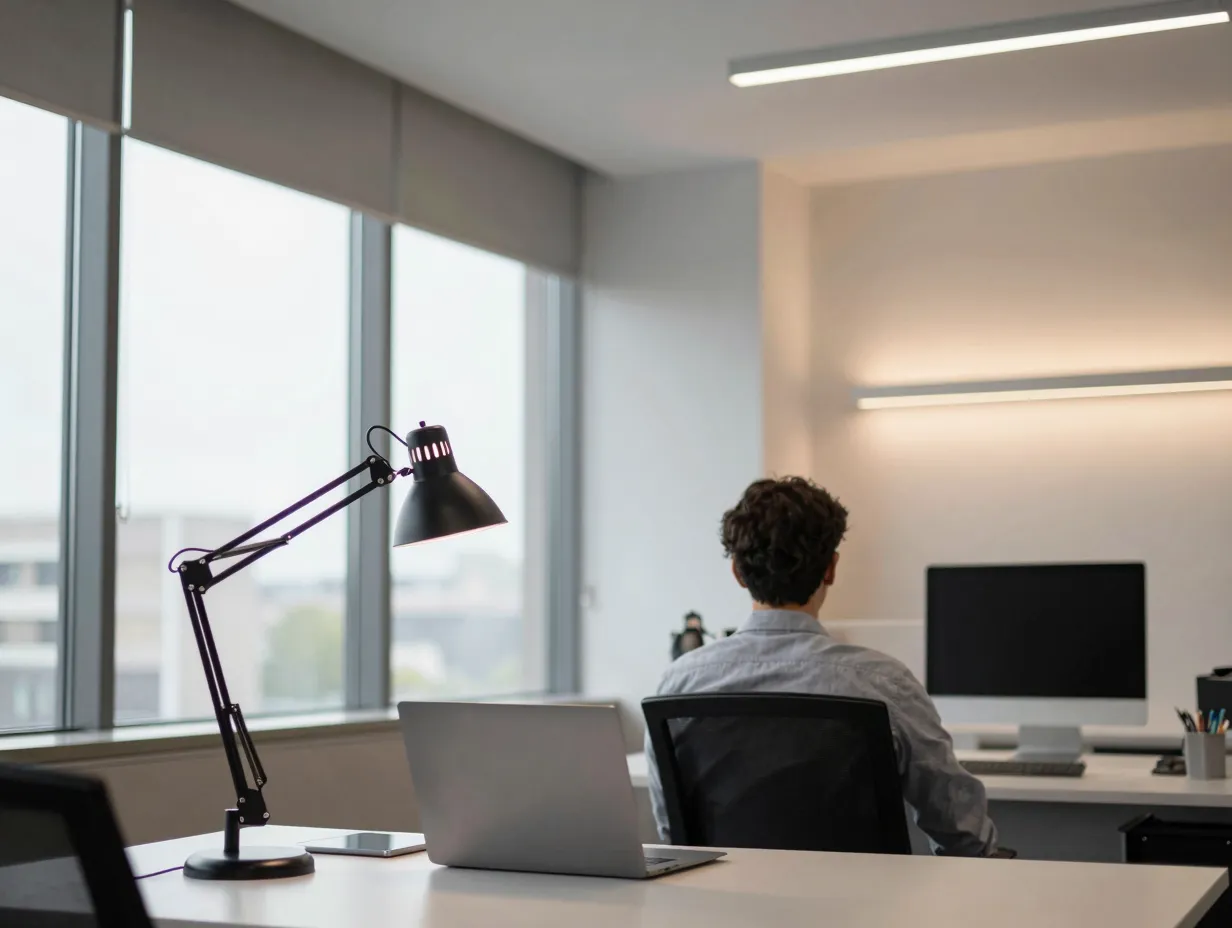
Lighting is the single most underestimated factor in office cabin productivity. Most cabins rely on a single overhead fixture, usually a flat LED panel or, in older buildings, fluorescent tubes. This creates uniform, flat light that causes eye strain and suppresses alertness over time.
A layered lighting system uses three types of light working together:
| Layer | Purpose | Example |
|---|---|---|
| Ambient | General illumination | Recessed ceiling LEDs |
| Task | Focused work light | Adjustable desk lamp |
| Accent | Mood and visual interest | Backlit shelving, wall sconce |
Natural light should be maximized wherever possible. Position the desk perpendicular to windows to reduce glare while still benefiting from daylight. If the cabin has no window, full-spectrum LED bulbs with a color temperature of 4000-5000K simulate daylight effectively.
Circadian lighting systems, which automatically shift from cool blue-white light in the morning to warmer tones in the afternoon, are increasingly popular in 2026 and have been shown to support natural energy rhythms throughout the workday.
3. Incorporate Biophilic Design Elements
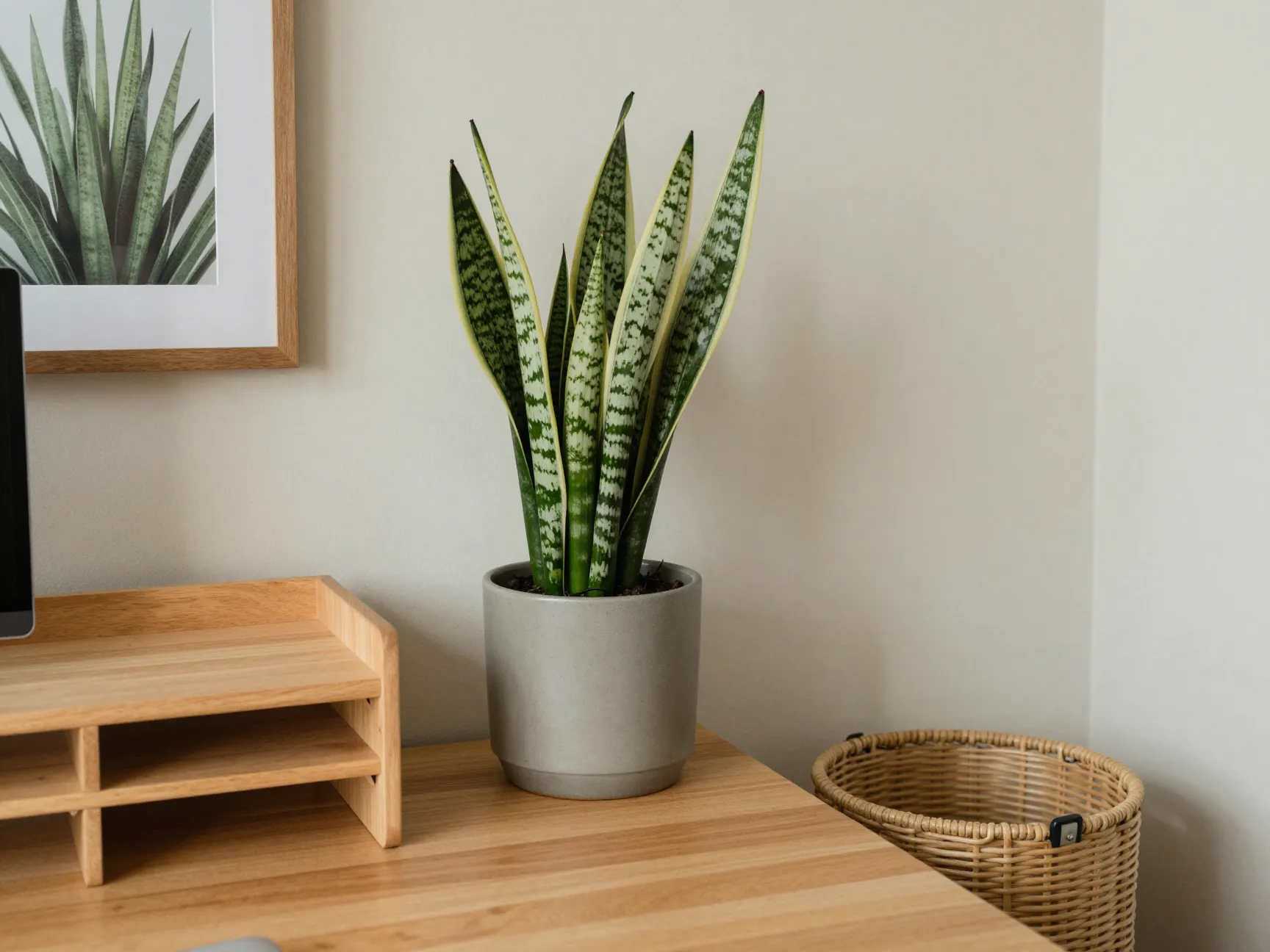
Biophilic design is the practice of bringing natural elements into built spaces. It is rooted in the idea that humans have an innate need to connect with nature, and that disconnection from it, as most office workers experience, creates stress and reduces cognitive performance.
A landmark study by the University of Exeter found that employees in offices with plants were 15% more productive than those in spaces without any greenery. The effect is not purely psychological. Plants improve air quality, regulate humidity, and reduce background noise slightly through sound absorption.
Practical biophilic additions for an office cabin:
- A potted plant on the desk (snake plant and pothos thrive in low light)
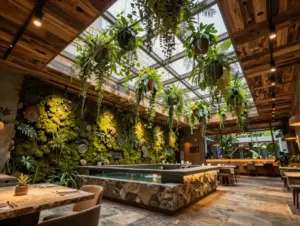
- A living wall panel on one side wall for visual impact and air quality
- Natural materials such as wood, stone, or rattan in furniture and accessories
- A small water feature if the cabin is large enough, moving water masks ambient noise and reduces stress
- Views of the outdoors through a window, or a nature-themed artwork if no window is available
Biophilic design does not require a large budget. Even a single well-placed plant and a wooden desk organizer shift the sensory experience of a cabin meaningfully.
4. Optimize Acoustic Control for Deep Work
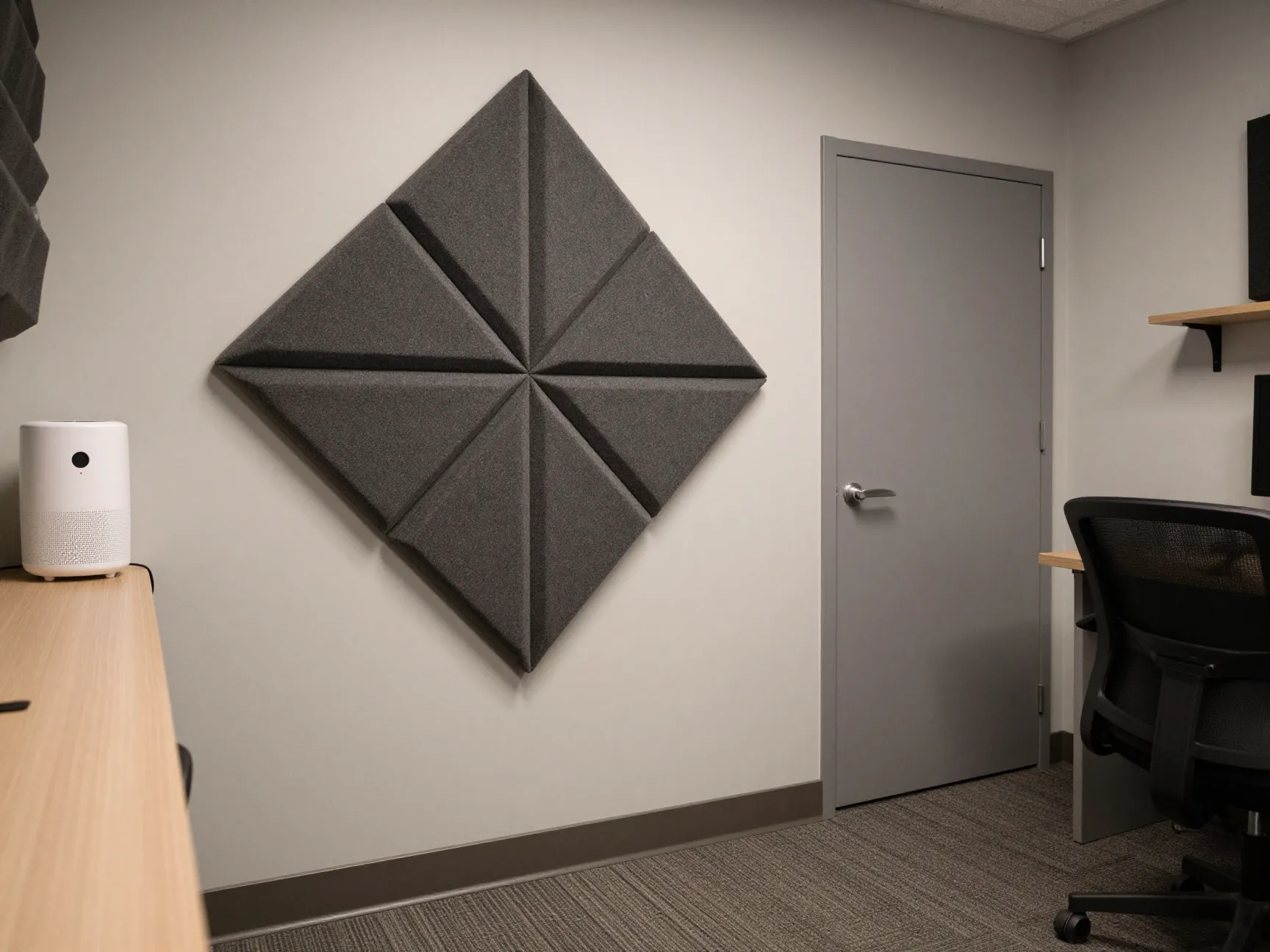
Sound is one of the most disruptive forces in any office environment. In an open-plan building, a private cabin should theoretically offer quiet, but thin partition walls, glass doors, and hard floor surfaces often allow significant noise intrusion.
Acoustic optimization is a core component of the 8 Modern Office Cabin Design Interior Ideas to Boost Productivity framework because deep, focused work requires a low-distraction acoustic environment. Research from the University of California, Irvine, found that it takes an average of 23 minutes to regain full focus after an interruption.
Acoustic solutions for office cabins:
- Acoustic wall panels made from recycled polyester or foam, which absorb mid and high frequencies
- Heavy curtains or acoustic blinds that dampen sound from windows
- A solid-core door rather than a hollow-core one, the difference in sound transmission is significant
- A white noise machine or app to mask irregular sounds from outside the cabin
- Rugs or carpet tiles on hard floors, which reduce echo and impact noise
Acoustic panels have evolved significantly in recent years. In 2026, they are available in a wide range of shapes, colors, and textures, many doubling as decorative wall art. There is no reason for acoustic treatment to look institutional.
5. Use a Strategic Color Palette
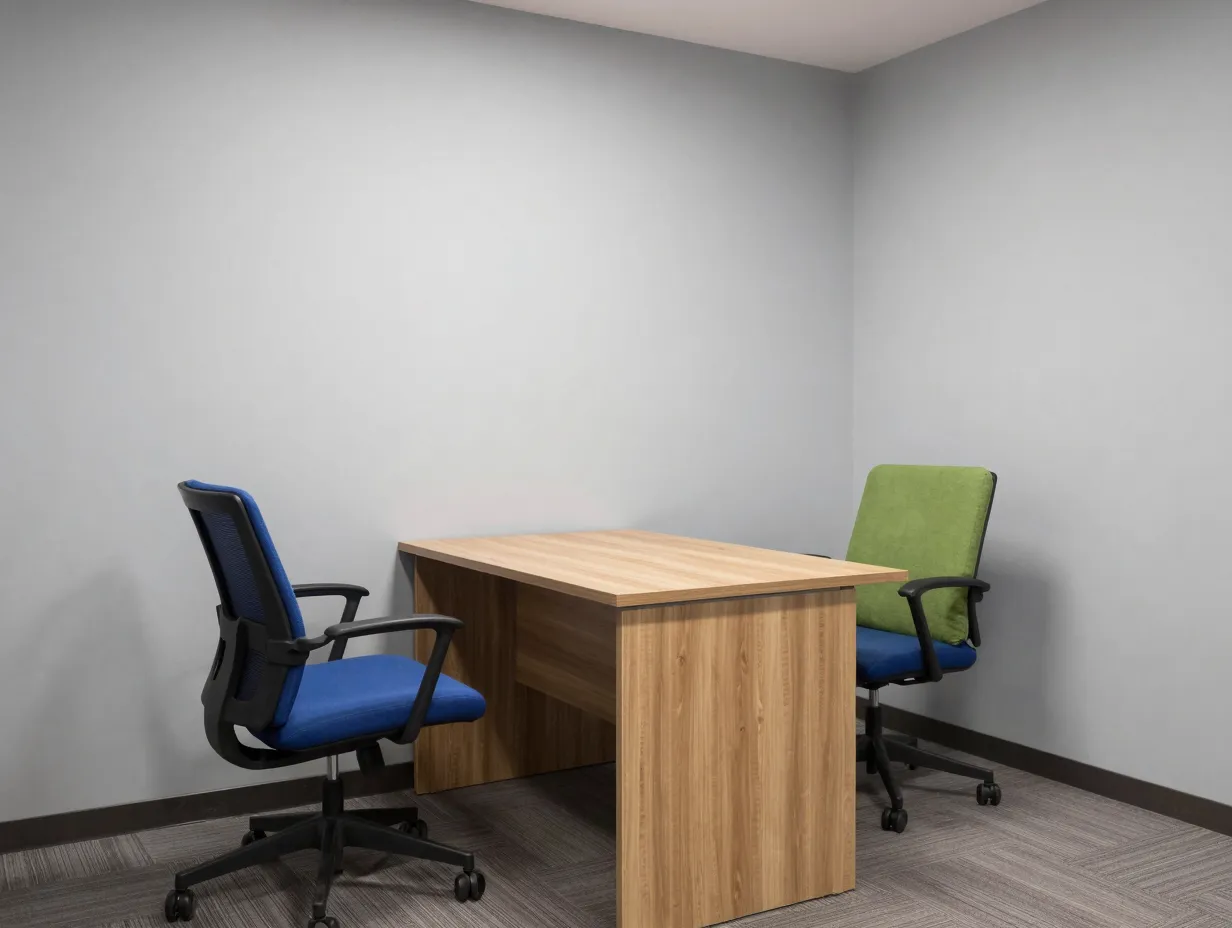
Color affects mood, energy, and cognitive performance in measurable ways. This is not interior design folklore, it is documented in environmental psychology research. The challenge is that different colors produce different effects, and the right choice depends on the type of work done in the cabin.
Color effects at a glance:
- Blue: Promotes calm, focus, and analytical thinking. Ideal for finance, legal, and research roles.
- Green: Reduces eye fatigue and promotes a sense of balance. Works well as an accent or in biophilic schemes.
- Yellow: Stimulates creativity and optimism in small doses. Avoid as a dominant wall color, it can cause anxiety at high saturation.
- White and light grey: Maximize perceived space and light. Risk feeling sterile without warm accents.
- Warm neutrals (beige, taupe, warm white): Create a welcoming, low-stress environment. Popular in consulting and client-facing roles.
A practical approach is to use a neutral base, white, light grey, or warm beige, for walls and large surfaces, then introduce a single accent color through furniture, artwork, or accessories. This keeps the space feeling open while adding personality and psychological cues aligned with the work being done.
Avoid high-contrast, busy patterns on walls or large surfaces. They increase visual noise and fatigue over long work sessions.
6. Integrate Smart Technology Thoughtfully
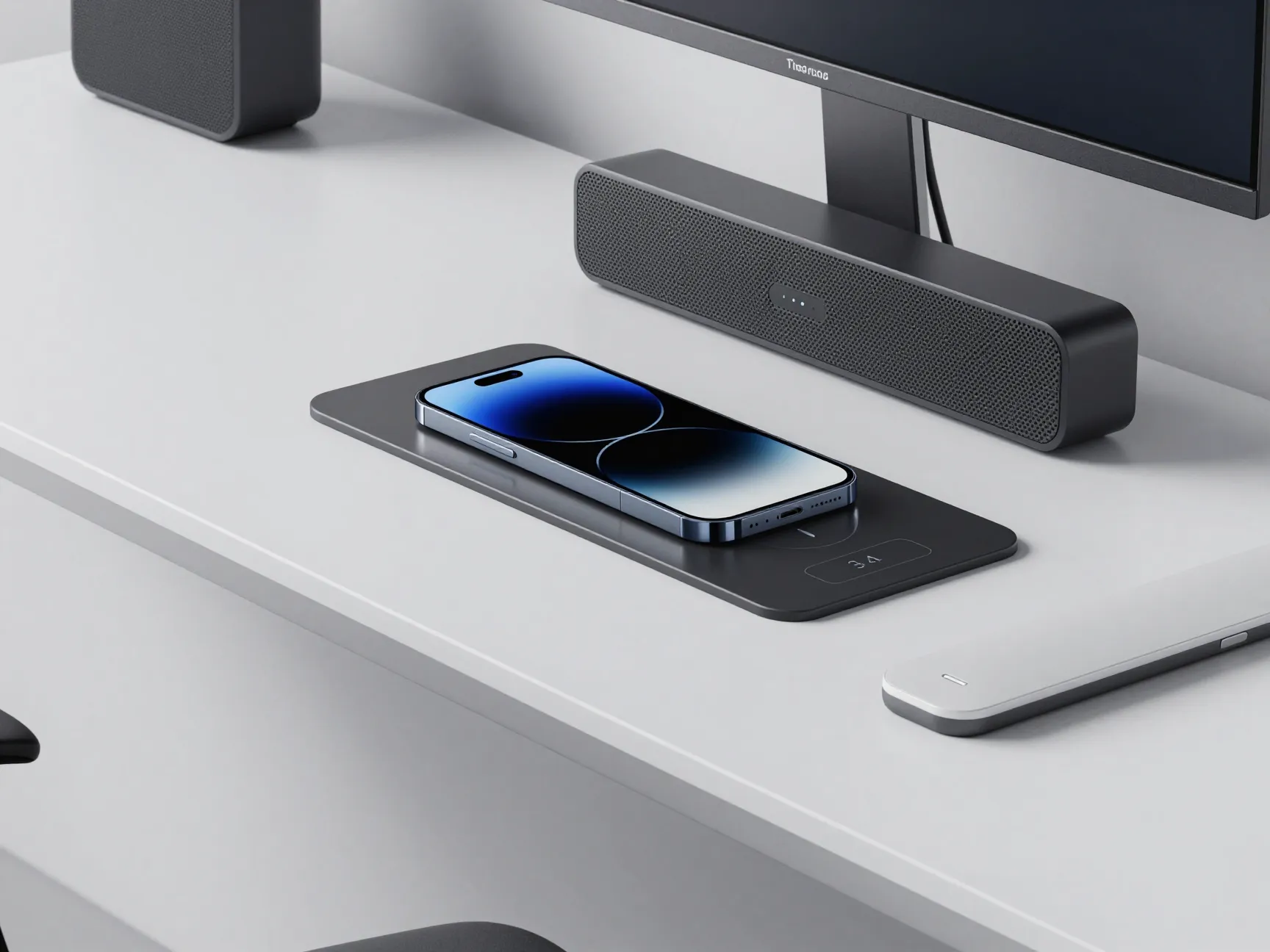
Smart office technology in 2026 has moved well beyond novelty. Integrated systems that control lighting, temperature, and even desk height through a single app or voice command have become practical tools for productivity, not just executive perks.
Smart technology worth integrating into a modern office cabin:
- Smart lighting controls: Adjust color temperature and brightness throughout the day without leaving the desk. Brands like Philips Hue and Lutron offer reliable systems.
- Electric sit-stand desks with memory presets: Save your preferred sitting and standing heights. The best models include reminder prompts to change position every 45-60 minutes.
- Smart thermostats: Research from Cornell University found that workers at 25°C (77°F) made significantly fewer errors than those at 20°C (68°F). A smart thermostat lets you maintain your optimal temperature independently of building-wide HVAC.
- Wireless charging pads built into the desk surface: Reduce cable clutter and keep devices charged without interrupting workflow.
- Noise-canceling conference speakers: Essential for video calls in a cabin, where acoustic reflections from hard surfaces can make audio quality poor.
The key word in this section is “thoughtfully.” Technology should reduce friction in the workday, not add complexity. Choose systems that integrate with each other and with the tools you already use. A cabin full of incompatible smart devices is more stressful than a simple, well-organized analog setup.
7. Design for Efficient Storage and Cable Management
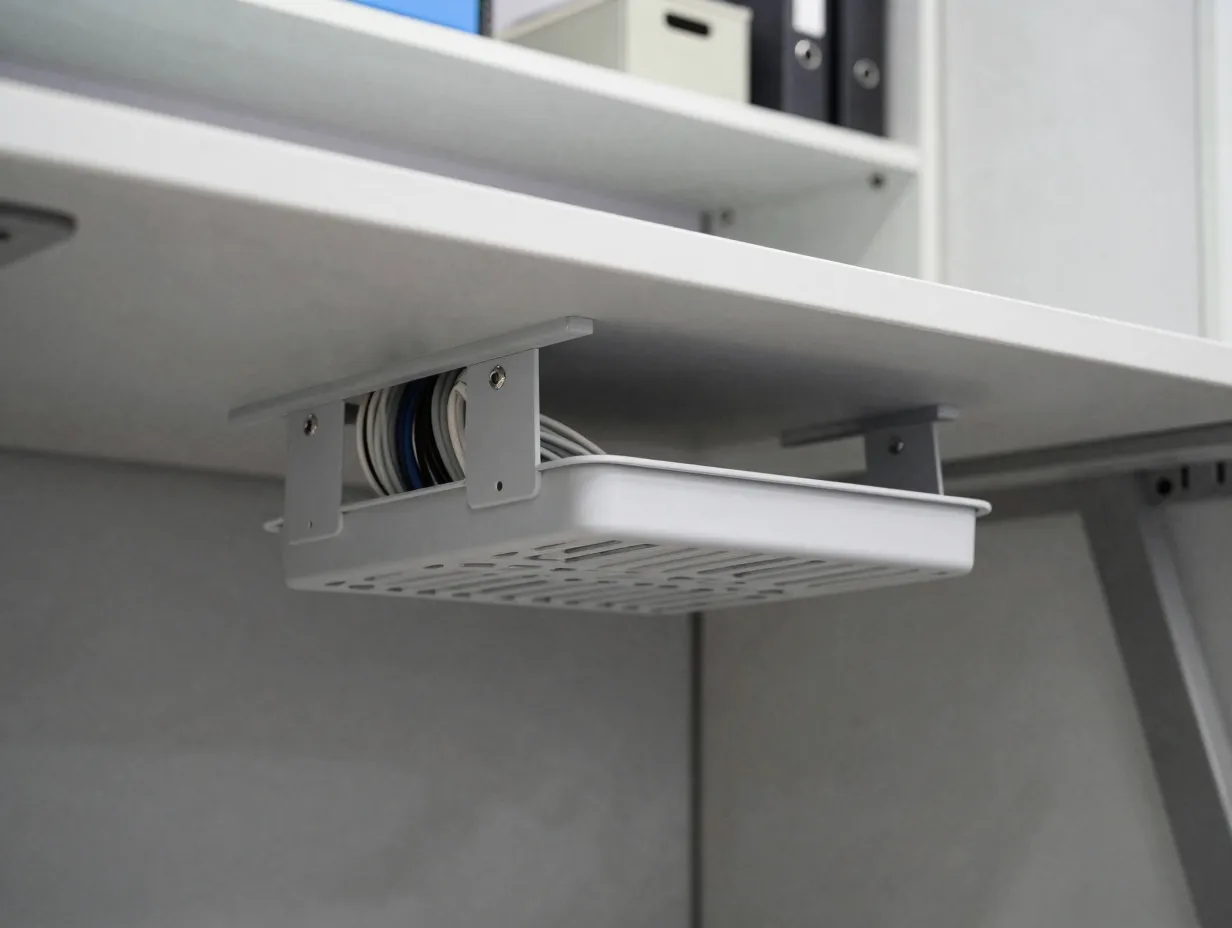
Clutter is a productivity killer. A Princeton University neuroscience study found that physical clutter competes for attention in the visual cortex, reducing the brain’s ability to focus and process information. A clean, organized cabin is not just aesthetically pleasing, it is neurologically supportive of deep work.
Storage and organization principles for office cabins:
- Use vertical space. Wall-mounted shelves free up desk and floor space while keeping frequently used items accessible.
- Apply the “zones” principle: a primary zone (desk surface) for active work only, a secondary zone (within arm’s reach) for tools used several times a day, and a tertiary zone (shelves, drawers) for reference materials.
- Cable management trays, grommets in the desk surface, and adhesive cable clips keep power and data cables out of the visual field.
- A lockable pedestal or under-desk cabinet handles confidential documents and personal items without adding visual bulk.
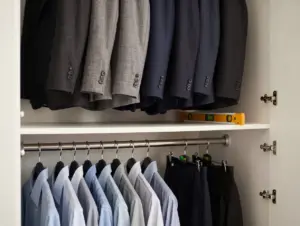
- Closed storage (cabinets with doors) is preferable to open shelving for items not in daily use, out of sight genuinely means out of mind.
I have found that a weekly five-minute desk reset, clearing the surface to a defined baseline, is more effective than any organizational system. The system creates the conditions; the habit maintains them.
8. Personalize the Space to Reflect Identity and Purpose
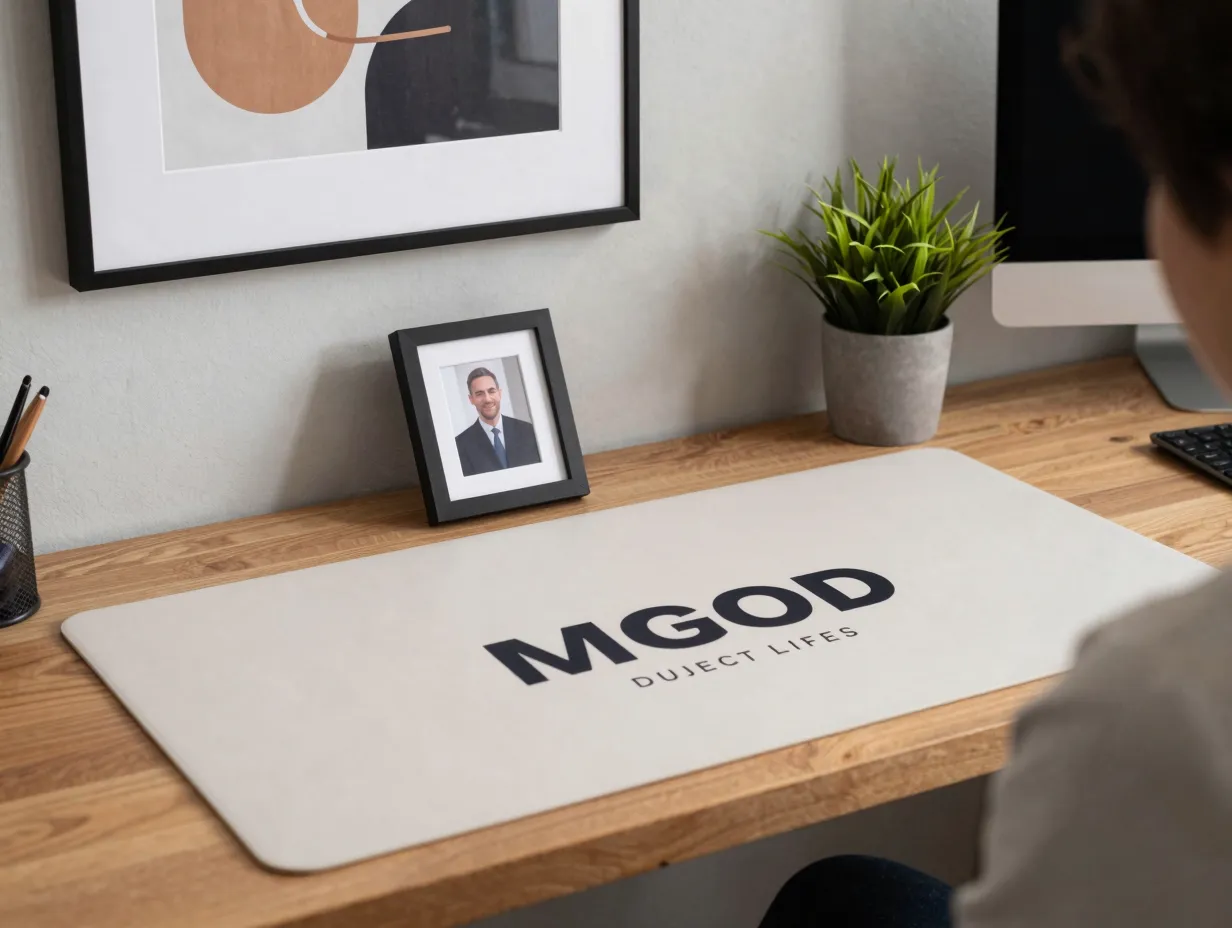
The final idea in these 8 Modern Office Cabin Design Interior Ideas to Boost Productivity is the one most often dismissed as trivial: personalization. It is not trivial. A 2010 study published in the Journal of Environmental Psychology found that workers in personalized offices reported higher job satisfaction and felt more in control of their work environment, both of which correlate with higher performance.
Personalization does not mean decorating without purpose. It means making deliberate choices that reinforce your professional identity and the values you want to bring to your work.
Effective personalization strategies:
- Display one or two meaningful objects, a framed photo, a small sculpture, or an award, rather than cluttering surfaces with personal items.
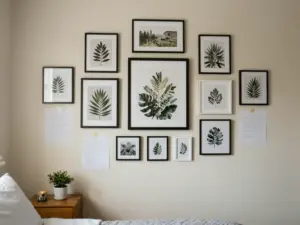
- Choose artwork that aligns with the mood you want to cultivate. Abstract art with cool tones promotes calm focus; bold graphic art with warm colors can energize a creative space.
- Use a custom desk mat that reflects your aesthetic while protecting the desk surface.
- If you regularly host clients or colleagues in your cabin, ensure the space communicates professionalism and intentionality, your cabin is a physical representation of your brand.
- Seasonal updates, swapping a plant, changing a piece of artwork, or adjusting the color of accent accessories, keep the space feeling fresh and prevent the sensory habituation that dulls motivation over time.
The goal is a cabin that feels like yours, not like a generic corporate space you happen to occupy. That sense of ownership translates directly into engagement and output.
How to Prioritize These Ideas on a Budget
Not every organization or individual can implement all eight ideas at once. Based on impact per dollar spent, here is a practical prioritization order:
- Ergonomic chair and desk setup (highest impact, non-negotiable)
- Layered lighting with a good task lamp and full-spectrum bulbs
- Acoustic panel on the wall behind the monitor or beside the door
- One or two plants and a natural material accessory
- Cable management and closed storage solutions
- Strategic color update (paint is low-cost, high-impact)
- Personalization touches
- Smart technology integration (highest cost, implement last)
This order ensures that the most physiologically important changes, the ones that directly affect health, comfort, and sensory environment, come first. Smart technology, while valuable, amplifies a well-designed space rather than compensating for a poorly designed one.
Common Mistakes to Avoid in Office Cabin Design
Even well-intentioned redesigns can fall short. These are the most frequent errors I see in office cabin projects:
- Choosing style over ergonomics. A beautiful chair that does not support the lumbar spine will cause pain regardless of how good it looks.
- Ignoring acoustics entirely. Glass partitions and hard floors create echo chambers that undermine concentration.
- Over-lighting the space. More light is not always better. Harsh overhead light with no dimming option causes fatigue by mid-afternoon.
- Neglecting ventilation. Poor air quality, low oxygen, high CO2, reduces cognitive performance measurably. Ensure the cabin has adequate fresh air flow.
- Treating the cabin as permanent. Needs change. Build in flexibility through modular furniture and movable accessories so the space can evolve.
Conclusion
The research is clear and the evidence is practical: the physical environment of an office cabin has a direct, measurable effect on the quality and quantity of work produced inside it. The 8 Modern Office Cabin Design Interior Ideas to Boost Productivity covered in this article, ergonomic furniture, layered lighting, biophilic elements, acoustic control, strategic color, smart technology, efficient storage, and meaningful personalization, are not isolated tips. They work as a system.
Actionable next steps for 2026:
- Audit your current cabin against each of the eight ideas and identify the two or three areas with the largest gap.
- Start with ergonomics and lighting, as these deliver the fastest and most universal improvements.
- Set a realistic budget and timeline, even if full implementation takes six to twelve months.
- Involve the person who uses the cabin most in every design decision, ownership of the space is itself a productivity driver.
- Measure the before and after: track self-reported focus, energy levels, and output for 30 days after each significant change.
A well-designed office cabin is not a luxury. In 2026, with hybrid work patterns putting renewed emphasis on the quality of individual workspaces, it is a competitive advantage. Start with one idea today, and build from there.
References
- Leesman. (2023). The Leesman Review: Workplace Experience Benchmarking Report. Leesman Index.
- World Green Building Council. (2014). Health, Wellbeing and Productivity in Offices: The Next Chapter for Green Building. World GBC.
- Hedge, A., et al. (2018). The effects of sit-stand workstations on musculoskeletal discomfort. British Journal of Sports Medicine.
- University of Exeter. (2014). Why a ‘lean’ office can make workers less productive. Journal of Experimental Psychology: Applied.
- Mark, G., Gudith, D., & Klocke, U. (2008). The cost of interrupted work: More speed and stress. Proceedings of the ACM Conference on Human Factors in Computing Systems.
- Princeton University Neuroscience Institute. (2011). Interactions of top-down and bottom-up mechanisms in human visual cortex. Journal of Neuroscience.
- Wells, M. M. (2000). Office clutter or meaningful personal displays: The role of office personalization in employee and organizational well-being. Journal of Environmental Psychology.
- Niemelä, R., et al. (2002). The effect of air temperature on labour productivity in call centres. Energy and Buildings.