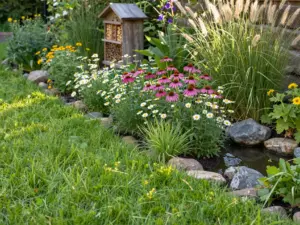
8 New Build Garden Ideas to Transform Your Blank Slate Backyard
Nearly 70% of new build homeowners in the UK describe their garden handover as “a muddy rectangle with nothing in it”, and yet that same empty plot is one of the most exciting design opportunities you will ever have. Unlike an inherited garden full of someone else’s choices, a blank slate backyard lets you build exactly the outdoor space you want from the ground up.
Disclosure: This post contains affiliate links. As an Amazon Associate, we earn from qualifying purchases, and at no extra cost to you.
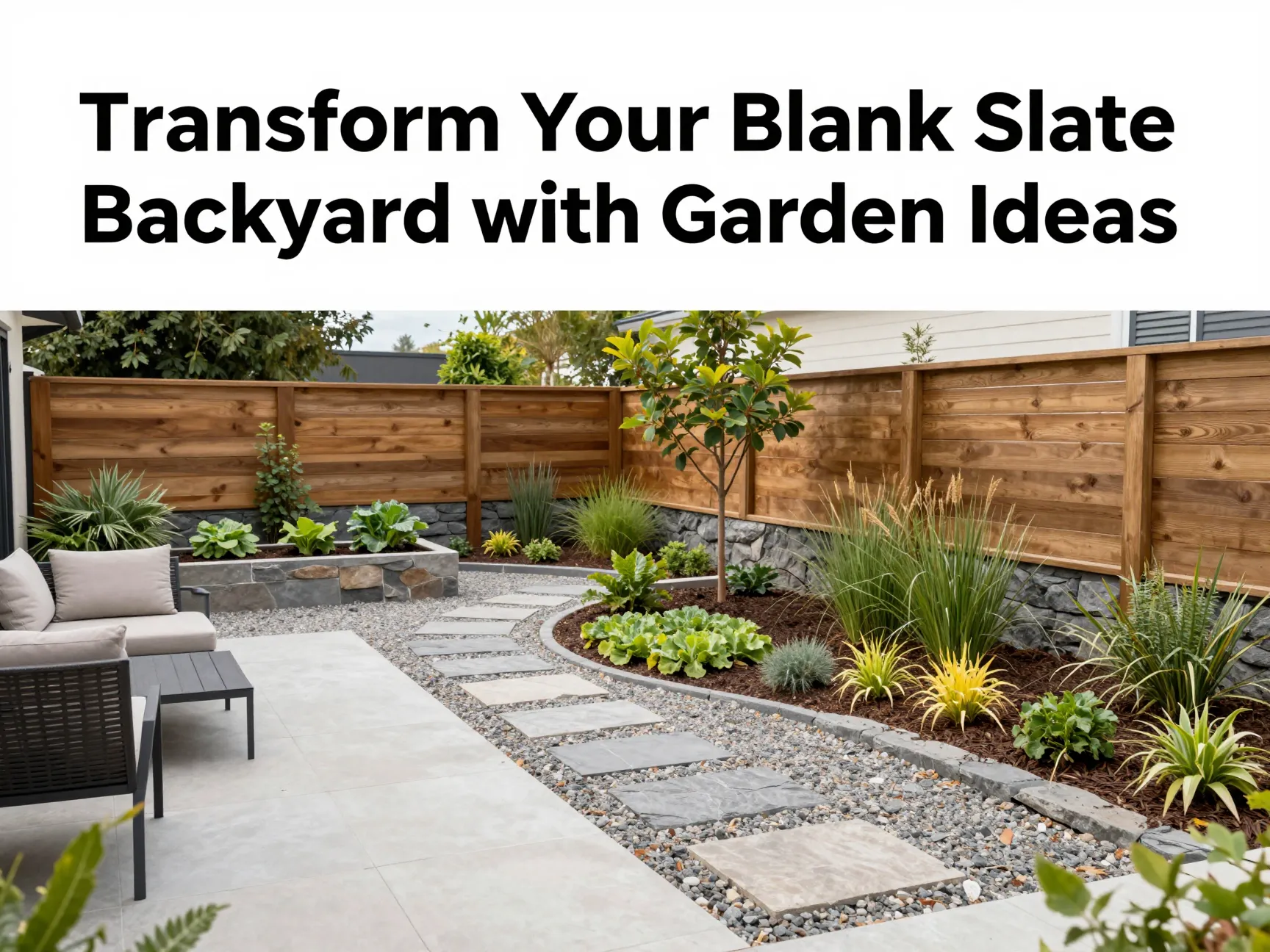
That is the core promise behind these 8 new build garden ideas to transform your blank slate backyard. Whether you have just collected your keys or have been staring at bare subsoil for months, this guide walks you through eight proven strategies, from zoning your space into distinct rooms to creating low-maintenance planting schemes, that will turn a builder’s afterthought into a genuine extension of your home.
Key Takeaways
- Dividing your new build garden into defined zones, seating, growing, play, and planting, is the single most effective starting point for any blank slate design
- Soil preparation is not optional; new build plots frequently contain compacted subsoil and builder’s rubble that will kill plants if left untreated
- Raised beds solve multiple new build problems at once: poor soil, low budget, and the need for immediate visual impact
- Outdoor living features such as fire pits, pergolas, and cosy nooks are among the fastest-growing additions to new build gardens in 2026
- A phased approach, hard landscaping first, planting second, finishing touches third, prevents costly mistakes and spreads the investment over time
Why Your Blank Slate Backyard Is Actually an Advantage
Most gardening advice assumes you are working around existing trees, awkward borders, or a patio poured in the wrong place. You are not. A new build garden is a clean canvas, and that is genuinely rare.
When my neighbours moved into their Victorian terrace, they spent their first two years removing a concrete bunker, three overgrown conifers, and a pond they never wanted. I moved into a new build the same year and had none of those battles. My challenge was different: I had to create structure, interest, and life from scratch. That felt daunting at first, but the freedom it gave me was extraordinary.
The 8 new build garden ideas to transform your blank slate backyard in this article are drawn from current best practice guidance, real homeowner experiences, and the latest 2026 design trends. Each idea is practical, scalable, and achievable whether you are working with a 20-square-metre courtyard or a generous 100-square-metre plot.
8 New Build Garden Ideas to Transform Your Blank Slate Backyard
1. Zone Your Garden Into Distinct Rooms
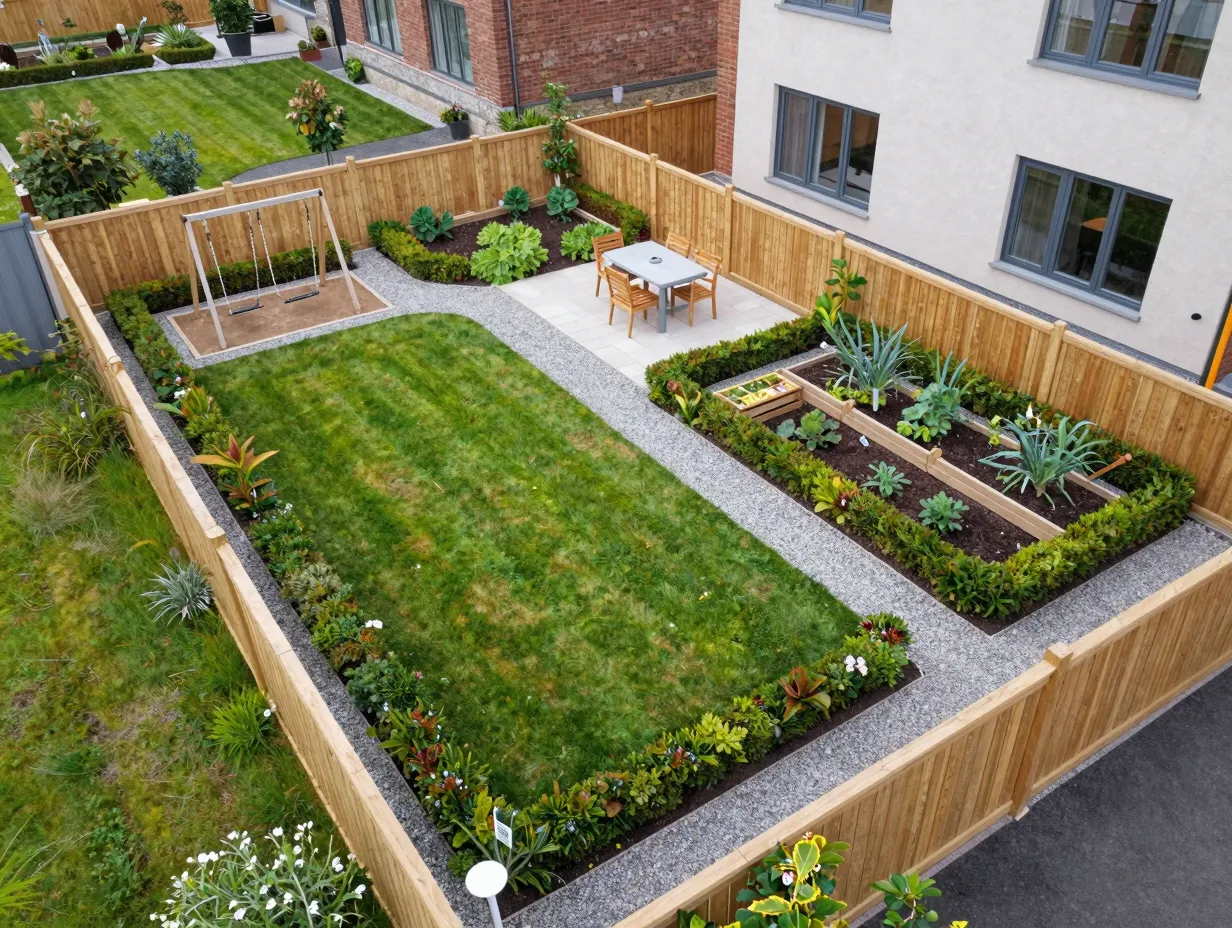
The single most important step in any new build garden design is dividing the space into purposeful zones before you plant a single bulb or lay a single slab.
Zoning blank-slate backyards into distinct “garden rooms” is now considered core best practice for new build plots [2]. The principle is straightforward: rather than treating your garden as one undifferentiated rectangle, you carve it into smaller areas, a dining zone, a relaxation nook, a children’s play area, a vegetable patch, each with its own character and function.
Hamptons’ expert guide recommends using screens, planting, and paths to create flow between these zones, giving even a modest garden a sense of depth and discovery [8]. The RHS similarly highlights zoning with paths and hard landscaping as the correct starting point for any new build design [7].
How to zone effectively:
- Sketch your plot on paper and assign a purpose to each area before spending any money
- Use low hedging, timber screens, or raised planters as dividers rather than solid walls, which can make small gardens feel enclosed
- Create a clear path or sightline that draws the eye from the house to the far boundary
- Allow zones to overlap slightly, a seating area that bleeds into a planting border feels more natural than a rigid grid
Even a small garden of 30 square metres can comfortably hold three distinct zones if they are planned intelligently.
2. Fix the Soil Before You Do Anything Else

This is the step most new build homeowners skip, and the one they most regret.
New build plots are notorious for poor soil quality. Builders compact the ground with heavy machinery, strip away topsoil during construction, and frequently bury rubble, sand, and construction waste just below the surface [4]. Plants placed into this environment will struggle or fail entirely, no matter how carefully you choose them.
Border in a Box’s guidance for new build gardeners is emphatic on this point: test your soil, remove debris, and add organic matter before committing to any planting scheme [10]. Gardeners’ World echoes this, noting that compacted subsoil is one of the most common and damaging problems on new build plots [4].
Practical soil preparation steps:
- Dig down at least 30 cm across planting areas and remove any rubble, plastic, or builder’s waste
- Use a soil test kit (widely available for under £10) to check pH and nutrient levels
- Incorporate generous amounts of well-rotted compost or topsoil, aim for a 50/50 mix with existing soil
- If the ground is heavily compacted, hire a rotavator for half a day rather than attempting to break it up by hand
Think of soil preparation as the foundation of your garden. Every pound spent here saves three pounds spent replacing dead plants later.
3. Start With Hard Landscaping to Create Permanent Structure
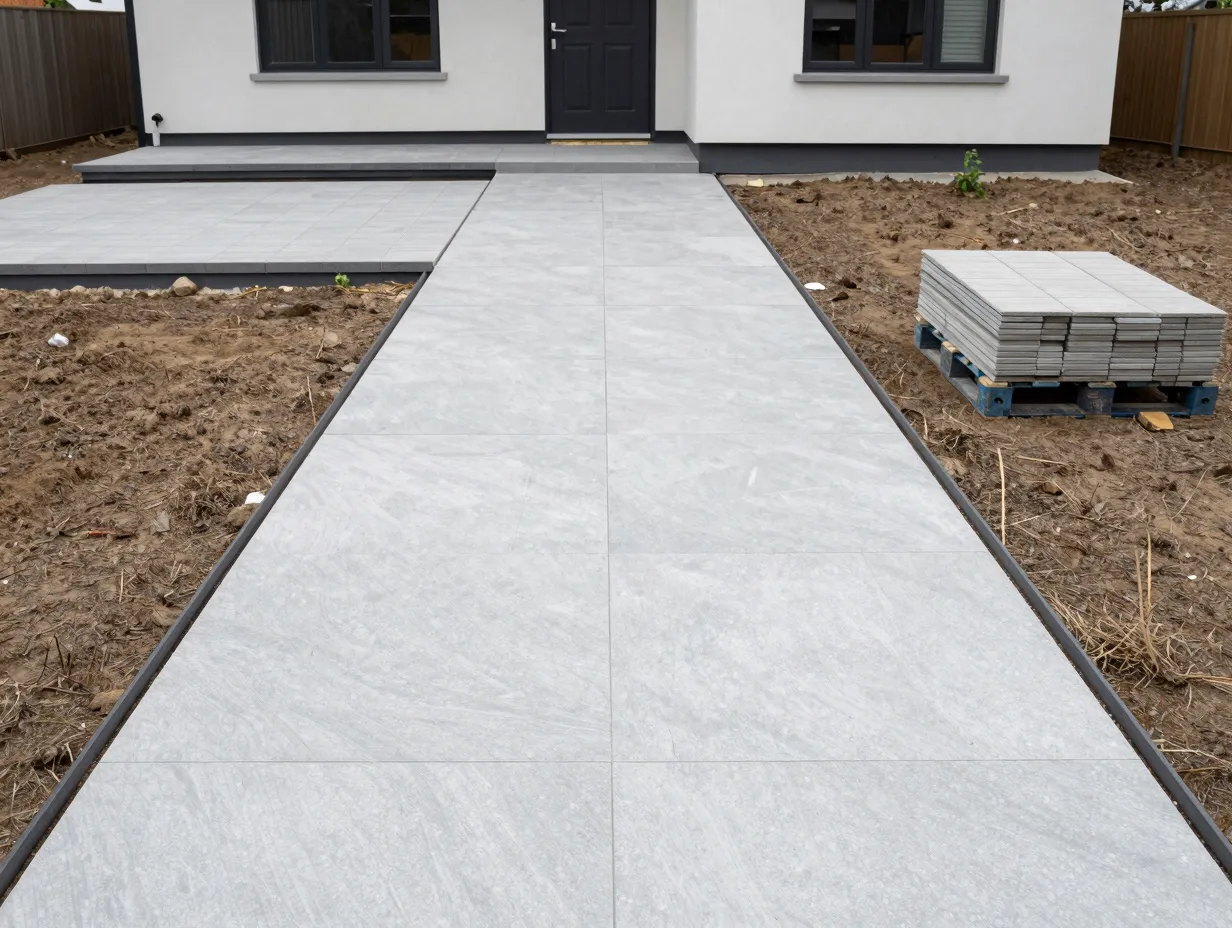
Once your zones are planned and your soil is addressed, hard landscaping, patios, paths, edging, and raised structures, should come next. This is the skeleton of your garden, and getting it right before you plant anything is the professional approach [2].
Hard landscaping decisions are also the most expensive to reverse. A patio poured in the wrong position, or a path that creates an awkward flow, will frustrate you for years. Spending time on this phase pays dividends across every subsequent stage.
Popular hard landscaping choices for new build gardens in 2026:
| Material | Best For | Approximate Cost (per m²) |
|---|---|---|
| Porcelain paving | Patios, low maintenance | £40,£80 |
| Timber decking | Raised areas, warmth | £30,£60 |
| Gravel | Paths, low-cost coverage | £10,£25 |
| Concrete block paving | Driveways, utility areas | £25,£50 |
| Slate chippings | Borders, drainage | £15,£30 |
Checkatrade’s guidance on new build garden ideas recommends using hard landscaping to define the edges of each zone before adding any planting, which prevents borders from creeping into pathways over time [5].
4. Raise Your Beds for Instant Impact and Better Growing Conditions
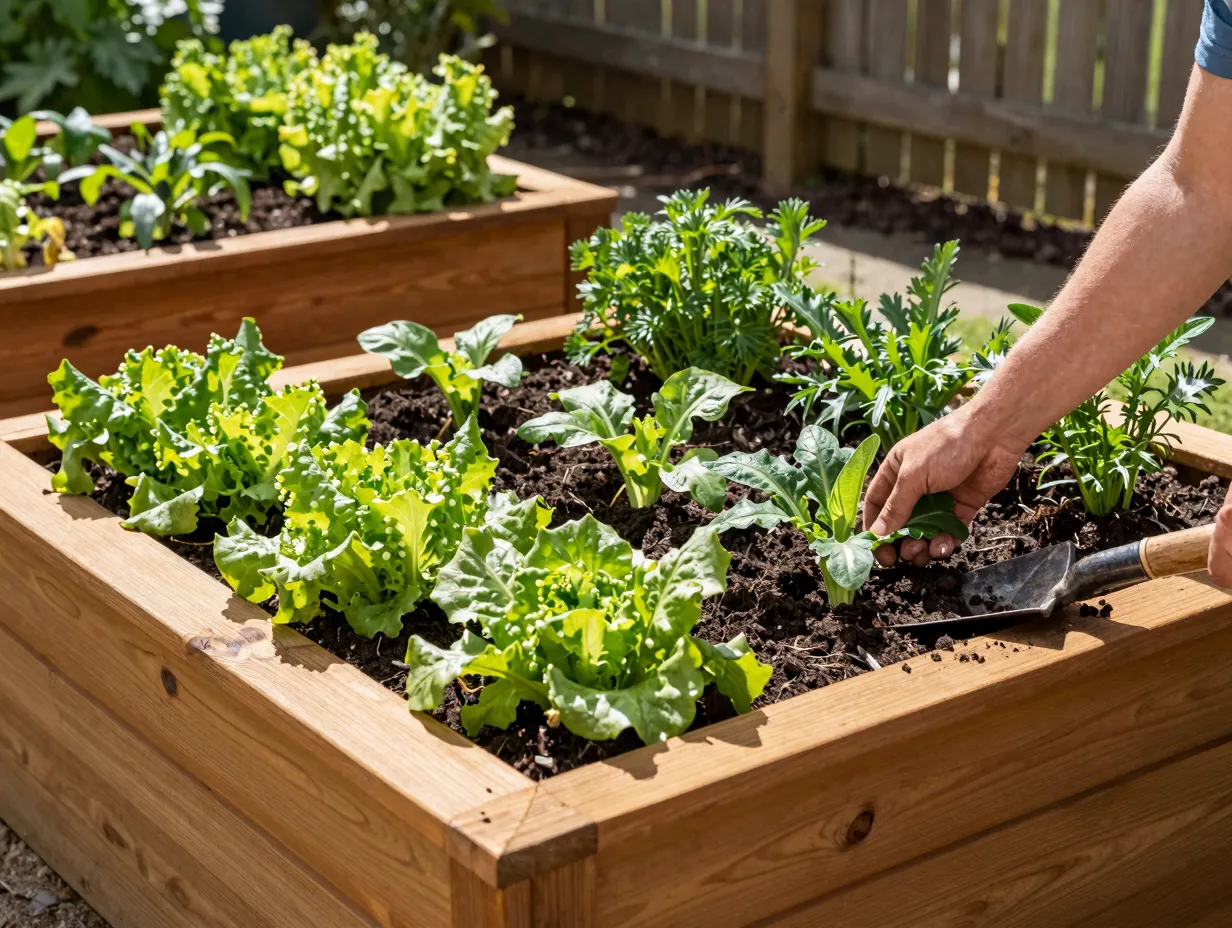
Raised beds are one of the smartest investments you can make in a new build garden, and they solve several problems simultaneously.
First, they allow you to bypass the poor native soil entirely by filling the beds with high-quality growing medium. Second, they create immediate visual structure on a plot that might otherwise look bare for years while plants establish. Third, they are accessible, making gardening more comfortable for people of all ages and abilities.
Ideal Home’s coverage of new build garden ideas specifically highlights raised beds as a practical and attractive solution for plots where soil quality is uncertain [3]. The RHS also recommends them as a way to begin growing vegetables and herbs quickly while the rest of the garden develops [7].
Raised bed quick-start guide:
- Timber (sleeper-style) raised beds are the most popular choice, they are warm-looking, affordable, and easy to build
- Fill with a mix of topsoil and compost at a ratio of roughly 60:40
- Position vegetable beds where they will receive at least six hours of direct sunlight daily
- Start with easy crops: salad leaves, radishes, courgettes, and herbs will reward beginners quickly and look attractive while growing
A single 1.2 m x 2.4 m raised bed can produce enough salad to feed a family of four through summer, a deeply satisfying return on a modest investment.
5. Create an Outdoor Living Area That Extends Your Home
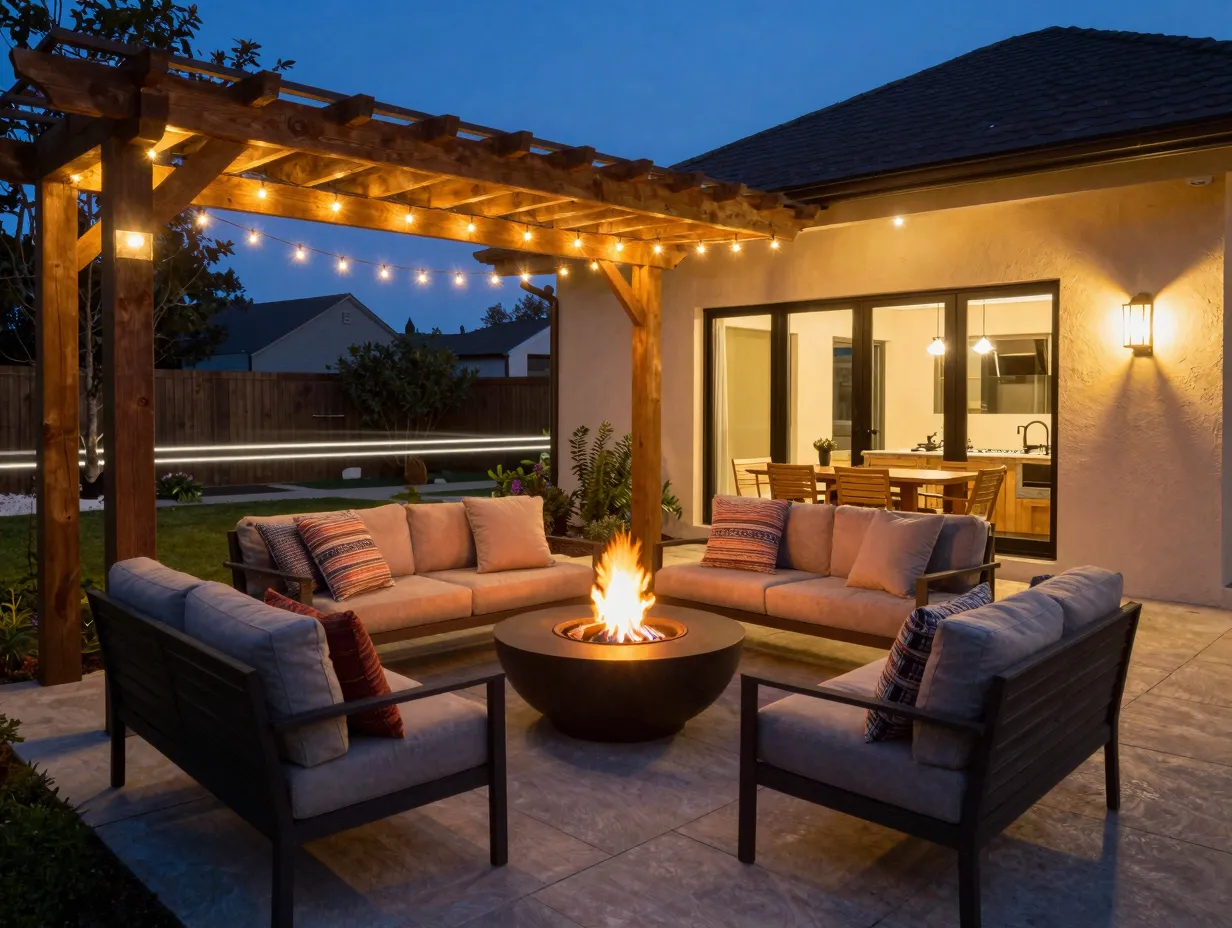
The boundary between indoor and outdoor living has blurred significantly in recent years, and 2026 new build garden design reflects this shift strongly. Fire pits, sunbathing areas, cosy nooks, and pergola-covered dining spaces are among the leading features homeowners are adding to their new build gardens this year [1].
Barker & Stonehouse’s guide to new build garden ideas identifies outdoor living features as the trend with the greatest impact on both enjoyment and property value [1]. Milorien’s 2026 garden design trends report similarly notes that creating “outdoor rooms” with weather-resistant furniture, lighting, and heating is now a mainstream expectation rather than a luxury addition [9].
Outdoor living features worth prioritising:
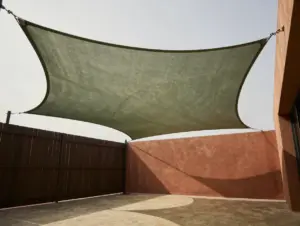
- A covered pergola or sail shade over the main seating area extends usability through spring and autumn
- A fire pit or chiminea creates a focal point and adds warmth on cool evenings, even a budget model transforms the atmosphere
- Outdoor string lighting is low-cost, easy to install, and dramatically changes how a garden feels after dark
- A dedicated sunbathing area with quality all-weather loungers signals that the garden is a genuine living space, not just a lawn
“The gardens that people love most are the ones that feel like rooms, they have a ceiling, walls, and a floor, just like inside the house. Pergolas, planting, and paving create exactly that effect outdoors.”
6. Choose Low-Maintenance Planting That Establishes Quickly
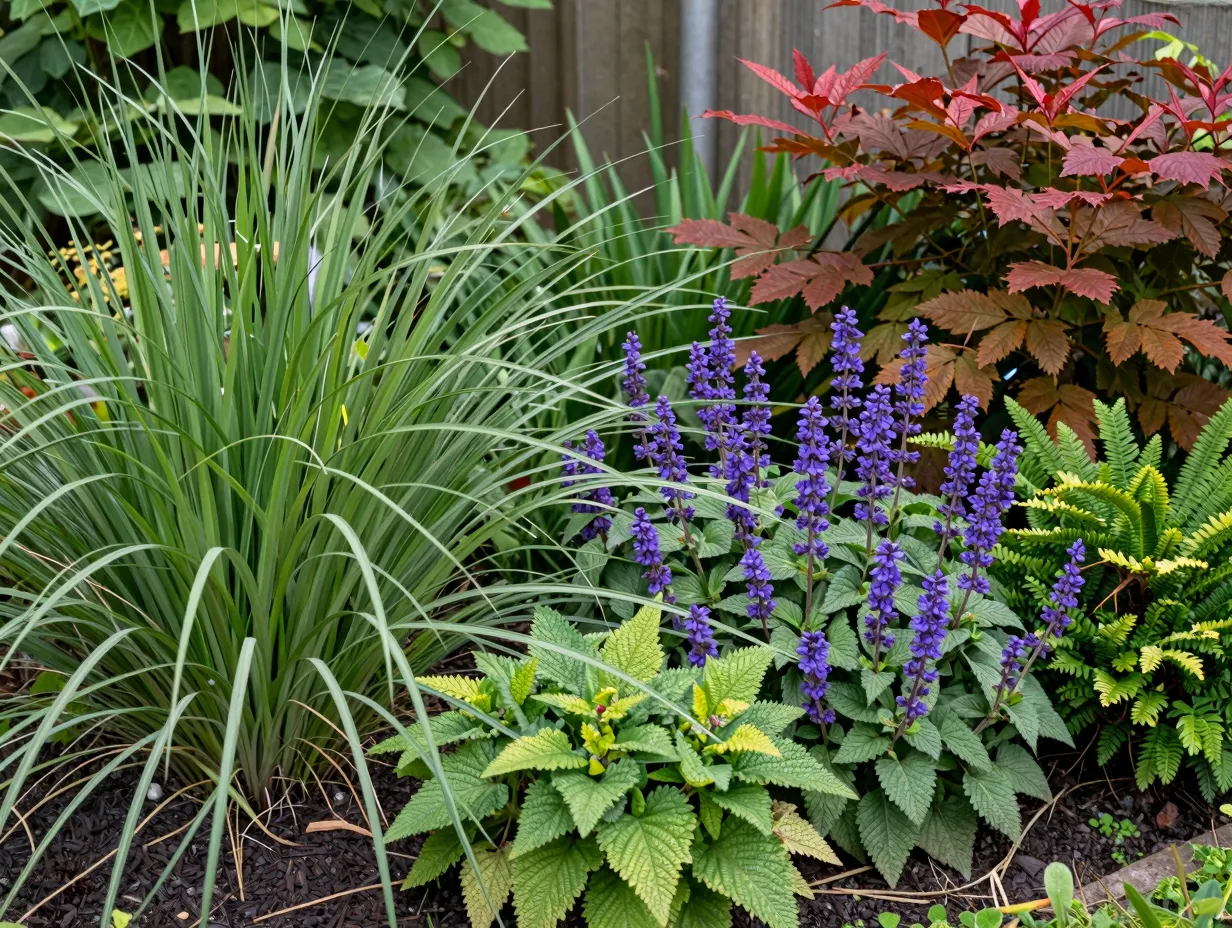
New build gardeners face a specific planting challenge: they want results quickly, but new plants in disturbed soil need time to establish. The answer is choosing species that are both fast-growing and low-maintenance, so the garden looks good within one to two seasons without demanding constant attention.
Gardeners’ World recommends focusing on structural plants, ornamental grasses, evergreen shrubs, and hardy perennials, as the backbone of any new build planting scheme [4]. These plants provide year-round interest, require minimal intervention once established, and create the kind of layered, professional-looking border that makes a garden feel designed rather than assembled.
Recommended low-maintenance plants for new build gardens:
- Miscanthus sinensis (ornamental grass), fast-growing, structural, beautiful in autumn
- Lavender, drought-tolerant, fragrant, loved by pollinators
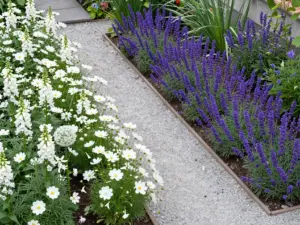
- Salvia nemorosa, long flowering season, extremely hardy, minimal care
- Photinia ‘Red Robin’, evergreen shrub with striking red new growth, excellent as a boundary screen
- Echinacea (coneflower), bold, colourful, attracts wildlife, spreads naturally over time
Border in a Box’s new build guidance suggests planting in odd-numbered groups of three or five for a naturalistic effect, and leaving adequate spacing so plants can grow to their full size without crowding [10].
7. Add Vertical Interest With Fences, Climbers, and Screens
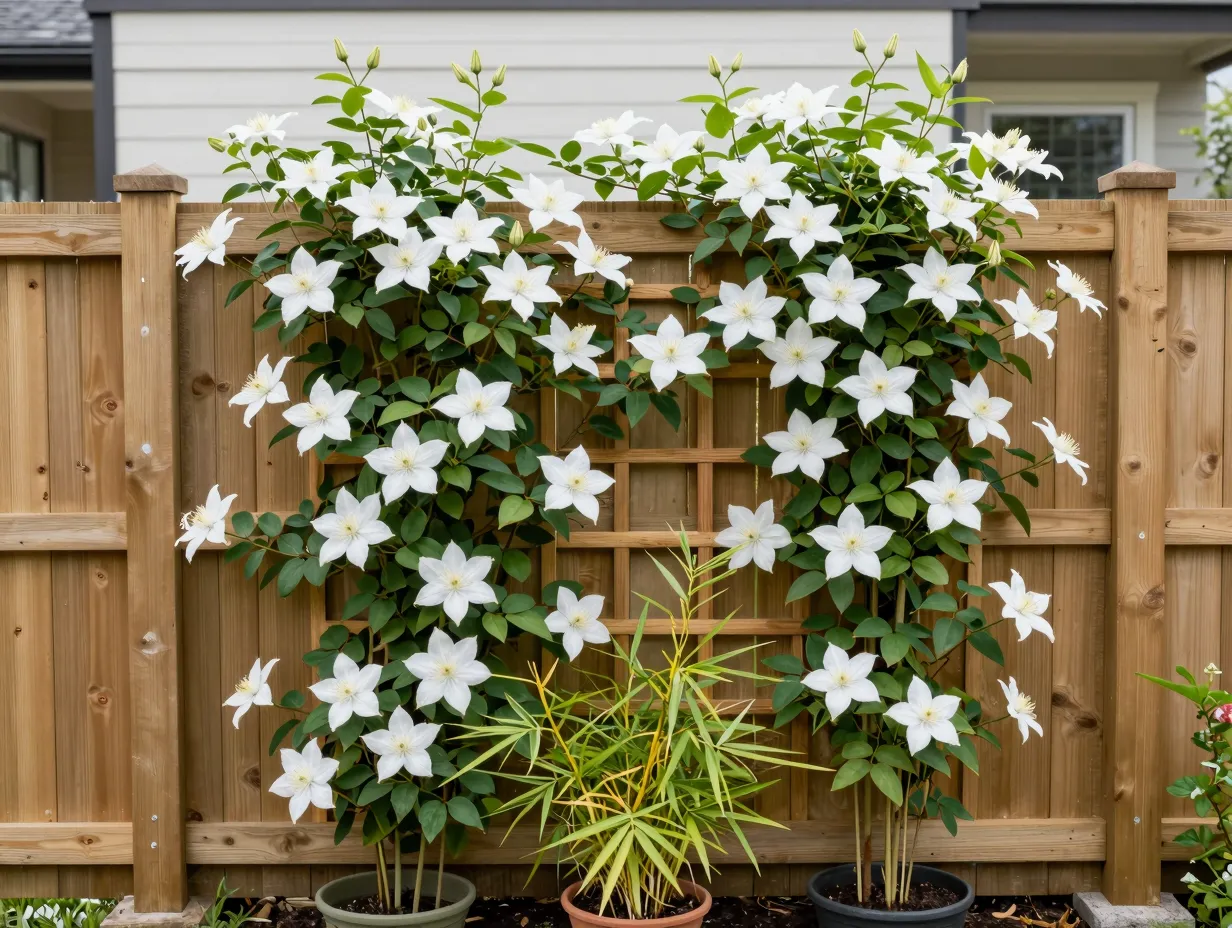
Most new build gardens come with standard timber panel fencing, functional, but visually flat. Transforming your vertical surfaces is one of the most cost-effective ways to add character and privacy to a blank slate backyard.
Climbers planted against fences establish relatively quickly and soften hard boundaries dramatically. Who’s the Mummy’s personal account of transforming a new build garden during lockdown highlights how training climbers along fencing changed the entire feel of the space within a single growing season [6]. Ideal Home’s new build garden ideas coverage similarly recommends using vertical planting to add layers and draw the eye upward [3].
Vertical interest ideas for new build gardens:
- Clematis is one of the fastest and most reliable fence climbers, choose a variety suited to your aspect (sun or shade)
- Jasmine provides fragrance as well as coverage and is particularly effective near seating areas
- Timber trellis panels fixed to existing fencing add immediate structure and give climbers something to grip
- Bamboo screens (in containers, to prevent spreading) create an instant tropical or contemporary feel
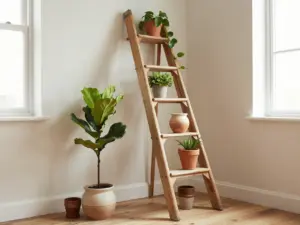
- A living wall planter on a sheltered fence can house herbs, succulents, or trailing plants in a small footprint
The key principle is to treat your fences as planting opportunities rather than boundaries. Every vertical surface is potential garden space.
8. Plan for Wildlife and Sustainability From the Start
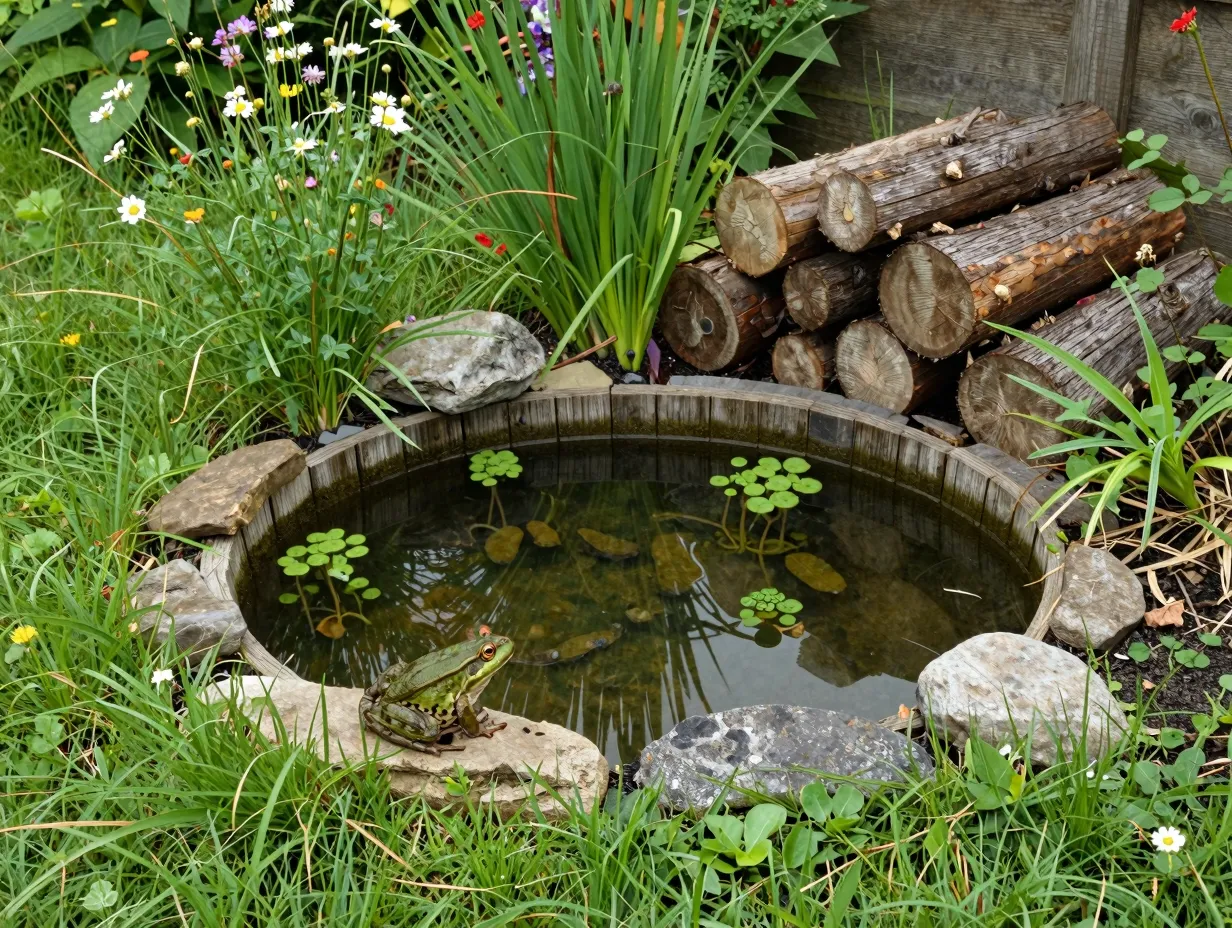
The most forward-thinking new build garden designs in 2026 build ecological value into the plan from day one, rather than adding it as an afterthought. This is not just an environmental choice, it is a practical one. Gardens that support wildlife tend to be healthier, more resilient, and more interesting to spend time in.
The RHS’s guidance on new build gardens specifically encourages homeowners to incorporate wildlife-friendly features early in the design process, noting that new build estates often represent a significant opportunity to create connected green corridors in otherwise hard-landscaped environments [7]. Milorien’s 2026 garden design trends report identifies biodiversity-focused design as one of the defining movements of the year [9].
Practical wildlife and sustainability features:
- Install a water feature or small wildlife pond, even a half-barrel pond supports frogs, insects, and birds
- Leave a small area of long grass or a wildflower patch; this requires almost no maintenance and provides significant habitat value
- Choose a mix of plants that flower across the seasons to support pollinators from February through October
- Add a log pile in a shaded corner, it provides habitat for beetles, hedgehogs, and slow worms
- Use permeable paving materials wherever possible to reduce surface water runoff and support soil health
A garden that buzzes with insect life, attracts birds, and changes visibly with the seasons is a garden that never becomes boring.
Bringing the 8 New Build Garden Ideas Together: A Phased Approach
One of the most common mistakes new build homeowners make is trying to do everything at once. Gardens take time, and a phased approach is both financially sensible and practically effective.
Suggested phasing for a new build garden project:
Phase 1, Foundation (Months 1-3):
Soil preparation, zoning plan, hard landscaping installation. This phase sets everything else up for success.
Phase 2, Structure (Months 3-9):
Raised beds, fencing improvements, pergola or shade structure, structural planting (trees, shrubs, grasses). The garden begins to look intentional.
Phase 3, Detail and Finishing (Months 9-18):
Perennial planting, climbers, outdoor furniture, lighting, wildlife features. The garden develops personality and depth.
Checkatrade’s guidance on new build garden ideas supports this phased model, noting that homeowners who plan in stages consistently report higher satisfaction with their finished gardens than those who rush the entire project in a single season [5].
Common Mistakes to Avoid in a New Build Garden
Even with the best intentions, new build gardeners make predictable errors. Knowing them in advance saves significant time and money.
Mistake 1: Ignoring soil quality. As discussed, this is the most costly error. No plant selection will compensate for compacted, rubble-filled subsoil.
Mistake 2: Buying plants before planning. It is tempting to fill a blank garden immediately, but plants purchased without a plan often end up in the wrong place or the wrong soil conditions.
Mistake 3: Underestimating scale. New build gardens often look larger on a plan than they feel in person. Always mark out zones with canes and string before committing to hard landscaping.
Mistake 4: Choosing high-maintenance plants. A new build garden is already demanding in terms of time and money. Choosing plants that need frequent deadheading, staking, or dividing adds pressure during the establishment phase.
Mistake 5: Forgetting about drainage. New build plots can have drainage issues that only become apparent after heavy rain. Observe your garden through a full season before committing to permanent planting in low-lying areas.
Conclusion
A blank slate backyard is not a problem, it is a privilege. The 8 new build garden ideas to transform your blank slate backyard outlined in this guide give you a clear, logical sequence: zone your space, prepare your soil, install your hard landscaping, add raised beds, create outdoor living areas, choose smart planting, transform your verticals, and build in ecological value from the start.
Your actionable next steps:
- Spend one afternoon sketching your plot to scale and assigning a purpose to each zone before spending any money
- Order a soil test kit and assess what you are working with before committing to any planting
- Get two or three quotes for hard landscaping work if you are not tackling it yourself, prices vary significantly
- Visit a local garden centre with your zone plan in hand and choose structural plants first, decorative plants second
- Start small, observe how the garden behaves through a full season, and add detail in year two
The garden you build from scratch will be entirely yours, shaped by your choices, your priorities, and your vision. That is something no inherited garden can offer.
References
[1] New Build Garden Ideas – https://www.barkerandstonehouse.co.uk/yourhouse/new-build-garden-ideas
[2] New Build Garden Ideas – https://www.homebuilding.co.uk/ideas/new-build-garden-ideas
[3] New Build Garden Ideas – https://www.idealhome.co.uk/garden/landscaping/new-build-garden-ideas
[4] Ideas For A New Build Garden – https://www.gardenersworld.com/how-to/grow-plants/ideas-for-a-new-build-garden/
[5] New Build Garden Ideas To Fill Your New Outdoor Space – https://www.checkatrade.com/blog/ideas/new-build-garden-ideas-to-fill-your-new-outdoor-space/
[6] New Build Garden Ideas My Lockdown Project – https://www.whosthemummy.co.uk/new-build-garden-ideas-my-lockdown-project/
[7] New Build Gardens – https://www.rhs.org.uk/garden-inspiration/garden-types/new-build-gardens
[8] New Build Garden Ideas – https://www.hamptons.co.uk/articles/new-build-garden-ideas
[9] Blooming Beyond Boundaries Garden Design 2026 Trends That Redefine Outdoor Living – https://milorien.com/blooming-beyond-boundaries-garden-design-2026-trends-that-redefine-outdoor-living/
[10] Getting Started New Build Garden – https://borderinabox.com/getting-started-new-build-garden/