9 Whimsical Garden Ideas to Add Magic and Charm to Your Outdoor Space
A study by the Royal Horticultural Society found that spending just 30 minutes in a thoughtfully designed garden reduces cortisol levels by nearly 20 percent. Yet most outdoor spaces sit underused, looking more like maintenance burdens than places of genuine delight. That gap between what a garden could be and what it actually is comes down to one missing ingredient: a sense of wonder.
Disclosure: This post contains affiliate links. As an Amazon Associate, we earn from qualifying purchases, and at no extra cost to you.
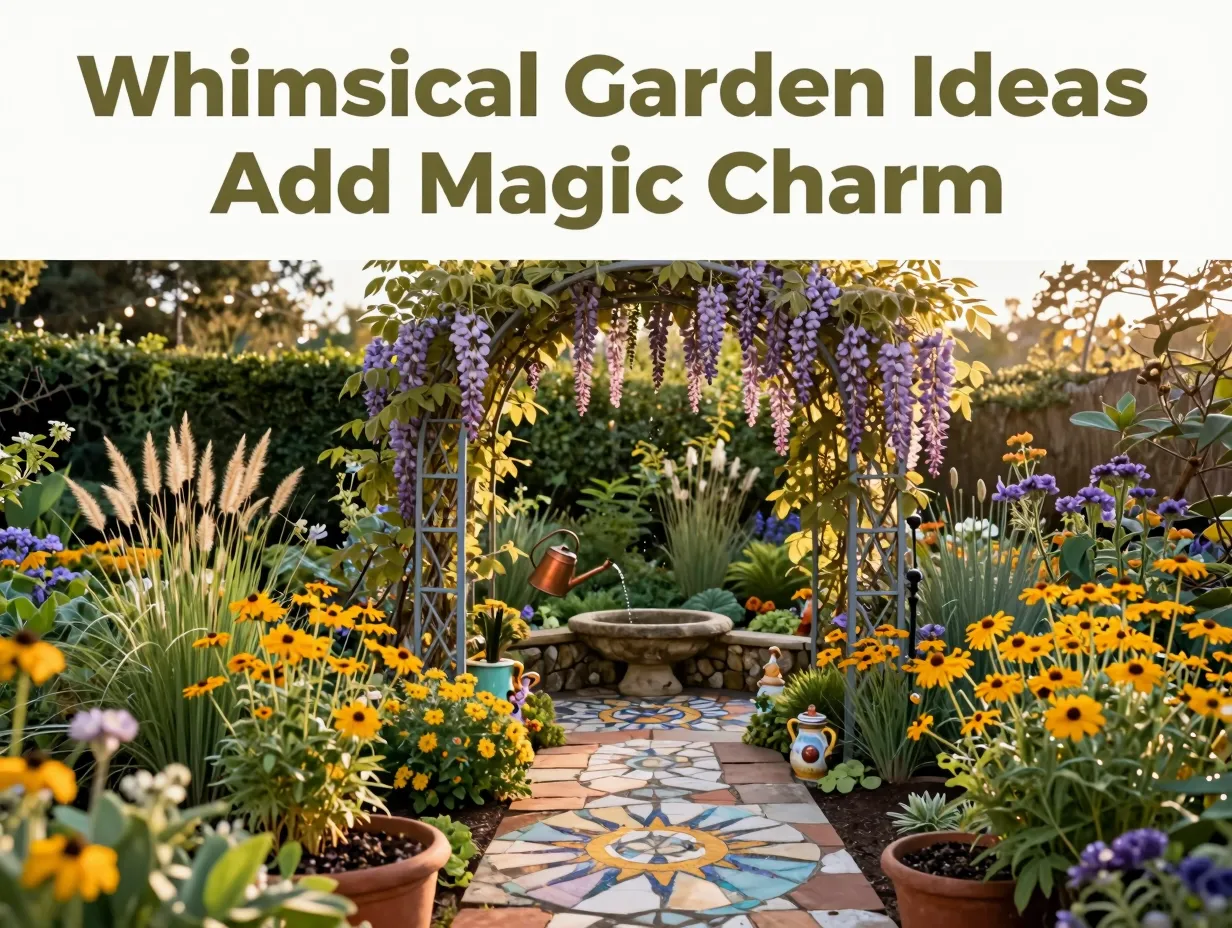
These 9 Whimsical Garden Ideas to Add Magic and Charm to Your Outdoor Space are designed to close that gap. Whether you have a sprawling backyard or a compact urban plot, the ideas here draw on the latest design thinking, real-world inspiration, and a few personal lessons I have learned from years of tinkering in my own garden. Each one is practical, achievable, and grounded in current trends shaping outdoor spaces in 2026.
Key Takeaways
- Whimsical gardens combine playful design elements with practical, durable materials for lasting impact.
- Naturalistic planting, creative lighting, and textured surfaces work together to create layered visual interest.
- Small details, such as a hidden nook or a repurposed water feature, can transform the entire feel of an outdoor space.
- Wildlife-first and climate-resilient planting choices add ecological value without sacrificing charm.
- You do not need a large budget or a professional designer to bring magic into your garden.
Why Whimsical Gardens Are Having a Moment in 2026
Before diving into the specific ideas, it is worth understanding why so many gardeners and designers are leaning into whimsy right now. The post-pandemic era reshaped how people relate to their homes, and the garden became a genuine extension of living space rather than an afterthought. In 2026, that shift has matured into something more intentional.
Designers are blending ecological responsibility with visual storytelling. Gardens are no longer just about looking good in photographs. They are about feeling something when you walk through them. According to current trend research, the most compelling outdoor spaces in 2026 weave together durable materials, naturalistic planting, and playful focal points into a coherent, livable whole [4].
Whimsy, in this context, does not mean chaotic or childish. It means deliberate moments of surprise, texture, and personality woven into a space that also functions beautifully. With that framing in mind, here are the nine ideas that I believe deliver the most impact.
9 Whimsical Garden Ideas to Add Magic and Charm to Your Outdoor Space
1. Build a Fairy Garden as a Living Miniature World
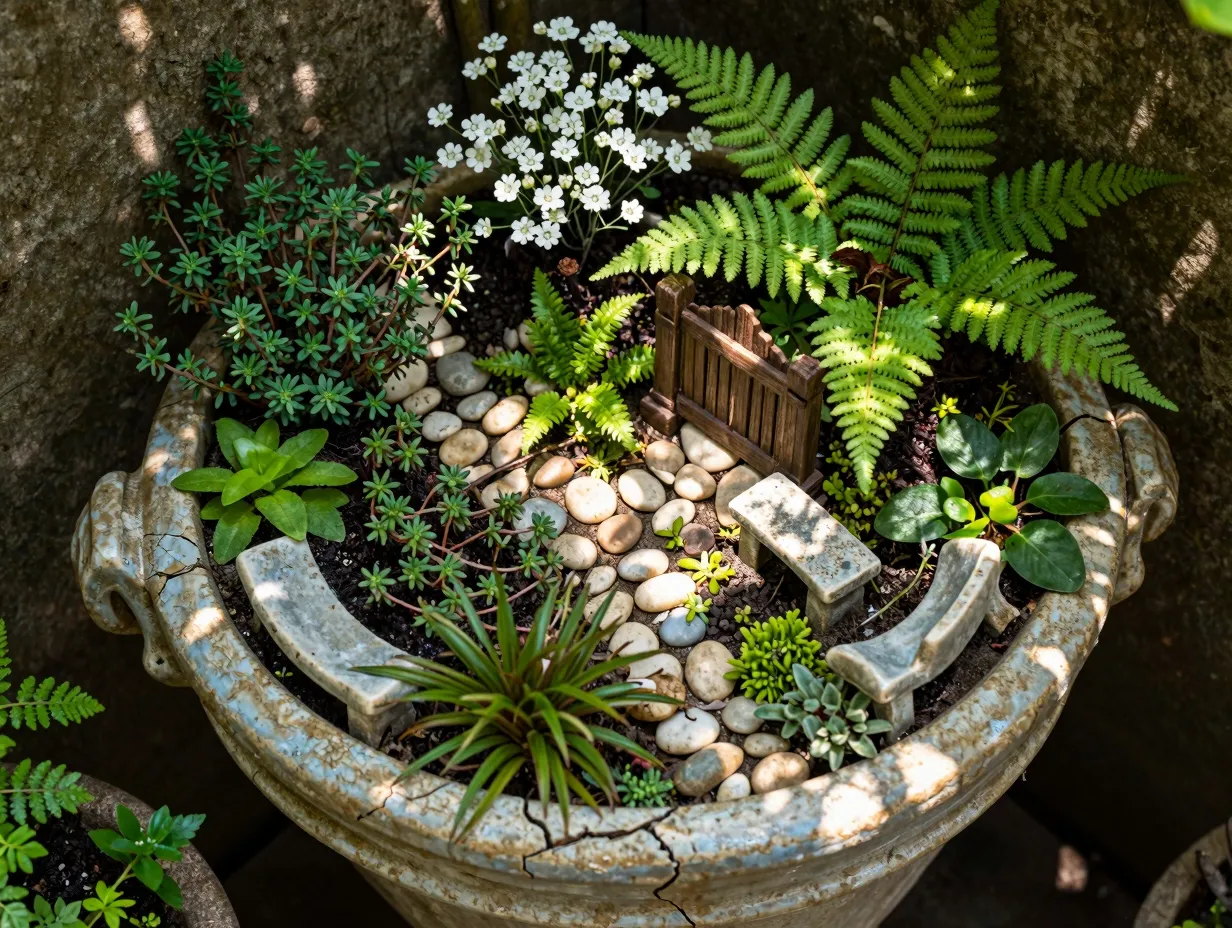
Fairy gardens have moved well beyond the realm of children’s crafts. When executed with care, a well-designed fairy garden becomes a compelling focal point that draws the eye and sparks conversation. The key is treating it like a miniature landscape design project rather than a novelty.
Choose a dedicated raised bed, a large ceramic pot, or a shaded corner of your garden. Layer in small-scale plants like creeping thyme, baby’s tears, and dwarf ferns to create the illusion of a tiny forest. Add handcrafted elements such as pebble pathways, miniature wooden gates, and small stone benches.
What makes this work: The contrast between the miniature world and the full-scale garden around it creates a sense of discovery. Visitors slow down, look closer, and engage with the space in a way that larger features rarely achieve [7].
“The best fairy gardens feel like they were always there, as if the garden grew around them rather than the other way around.”
I built a small fairy garden in a cracked ceramic urn I found at a salvage yard. Within a season, it had become the most photographed corner of my entire outdoor space.
2. Lay a Mosaic Pathway That Tells a Story

A pathway does more than connect two points. It sets the pace of how someone moves through a garden and communicates the personality of the space before a single plant is noticed.
Mosaic pathways, made from broken ceramic tiles, colored glass, or patterned stone, bring color, texture, and narrative into the ground plane. You can design a simple repeating pattern or create something more ambitious, such as a spiral, a sun motif, or a flowing river of blue tiles through green stepping stones.
Current design trends are moving away from smooth, uniform paving toward surfaces with genuine character. Textured materials like clay pavers, split stone, and handmade brick are gaining popularity because they add depth and age gracefully over time [4]. A mosaic pathway sits perfectly within this movement, combining artisan craft with practical function.
Tips for a successful mosaic path:
- Use frost-resistant grout if you live in a cold climate.
- Keep individual tile pieces no larger than your palm for visual cohesion.
- Seal the finished surface annually to preserve color vibrancy.
- Integrate the path’s color palette with surrounding plantings for a unified look.
3. Install Durable Metal Trellises for Climbing Drama
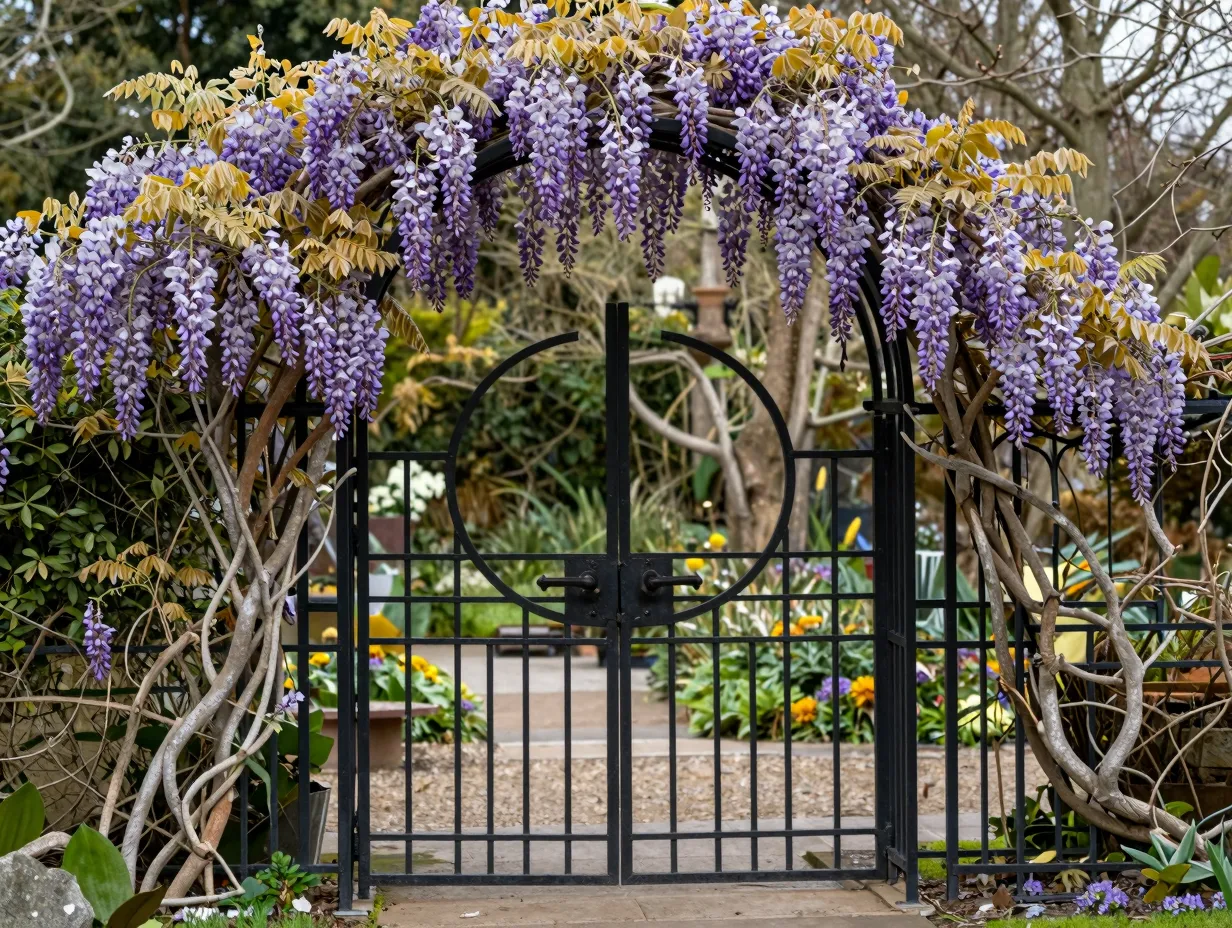
Few garden features deliver as much visual impact per dollar as a well-placed trellis. Traditionally, most gardeners reached for timber, but wooden trellises typically last only three to five years before warping, rotting, or losing structural integrity [2].
The shift in 2026 is toward powder-coated iron and steel trellises, which offer superior longevity, require minimal maintenance, and provide strong support for heavy climbers like roses, wisteria, and clematis. More importantly for whimsical gardens, metal trellises can be shaped into arches, obelisks, and geometric forms that add sculptural drama even before a single plant climbs them.
Whimsical applications to consider:
- A moon gate arch framing the entrance to a secret garden area.
- A series of tall obelisks planted with contrasting climbing roses in pink and deep burgundy.
- A curved pergola structure draped with wisteria to create a fragrant tunnel.
The structural permanence of metal means you are investing in a feature that will anchor your garden’s character for decades rather than seasons.
4. Embrace Warm Yellow Tones in Your Planting Palette
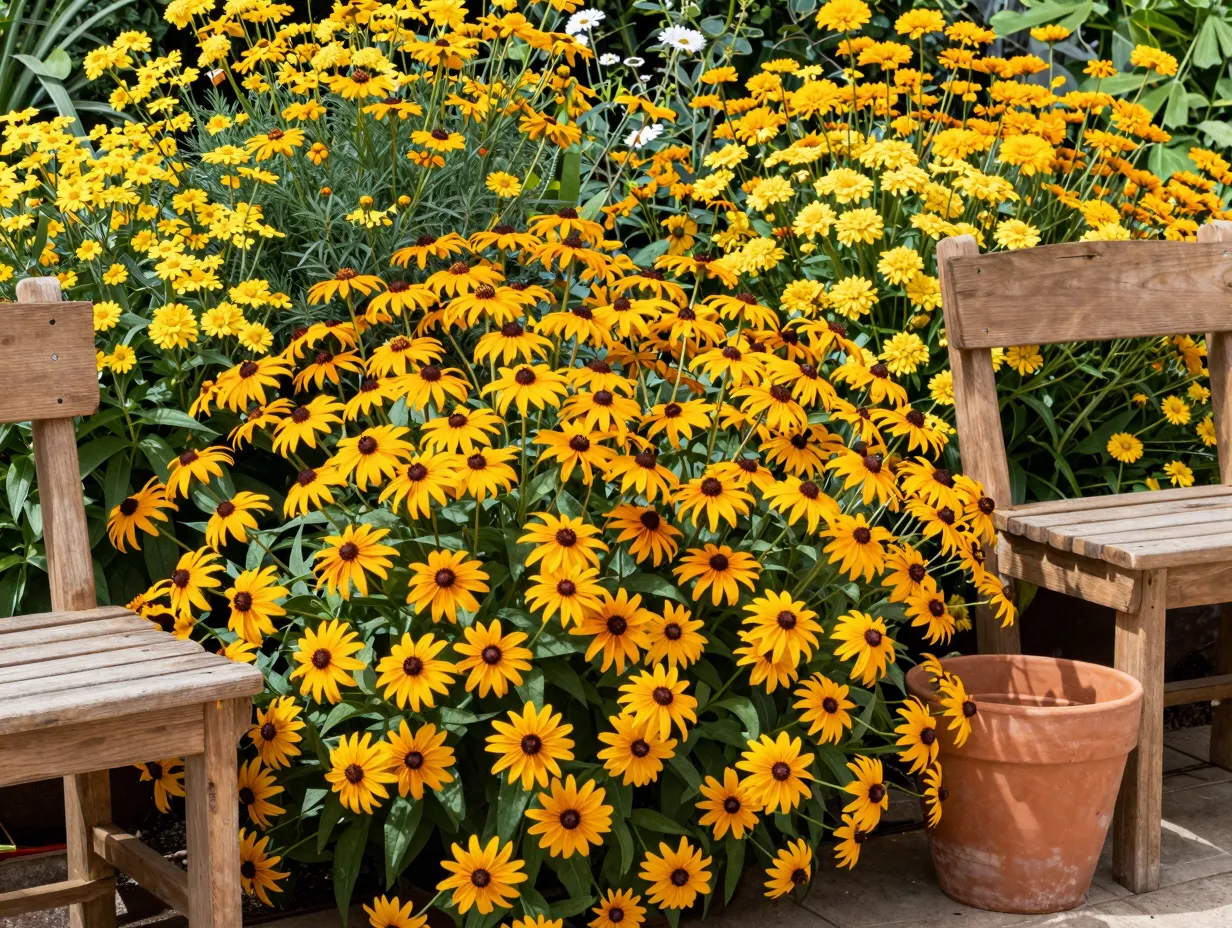
Color is one of the fastest ways to shift the emotional temperature of a garden. In 2026, designers are moving away from the cool, muted palettes that dominated the previous decade toward rich, sun-soaked yellows. Think soft ochre, buttery gold, and warm amber rather than sharp, acidic yellows [1].
These tones create a cheerful, sophisticated atmosphere that pairs beautifully with natural materials like wood, stone, and terracotta. In a whimsical garden context, warm yellows bring a sense of perpetual sunshine even on overcast days.
Plants that deliver warm yellow tones:
| Plant | Season | Height |
|---|---|---|
| Rudbeckia fulgida | Late summer to autumn | 60-90 cm |
| Achillea ‘Coronation Gold’ | Summer | 60-90 cm |
| Helenium ‘Sahin’s Early Flowerer’ | Mid to late summer | 90 cm |
| Verbascum olympicum | Summer | 150-200 cm |
| Coreopsis verticillata | Summer | 45-60 cm |
Pair these with natural wood furniture, ochre-toned clay pots, and white or cream flowering plants to avoid the palette becoming overwhelming.
5. Create a Secret Garden Nook for Intimate Escape
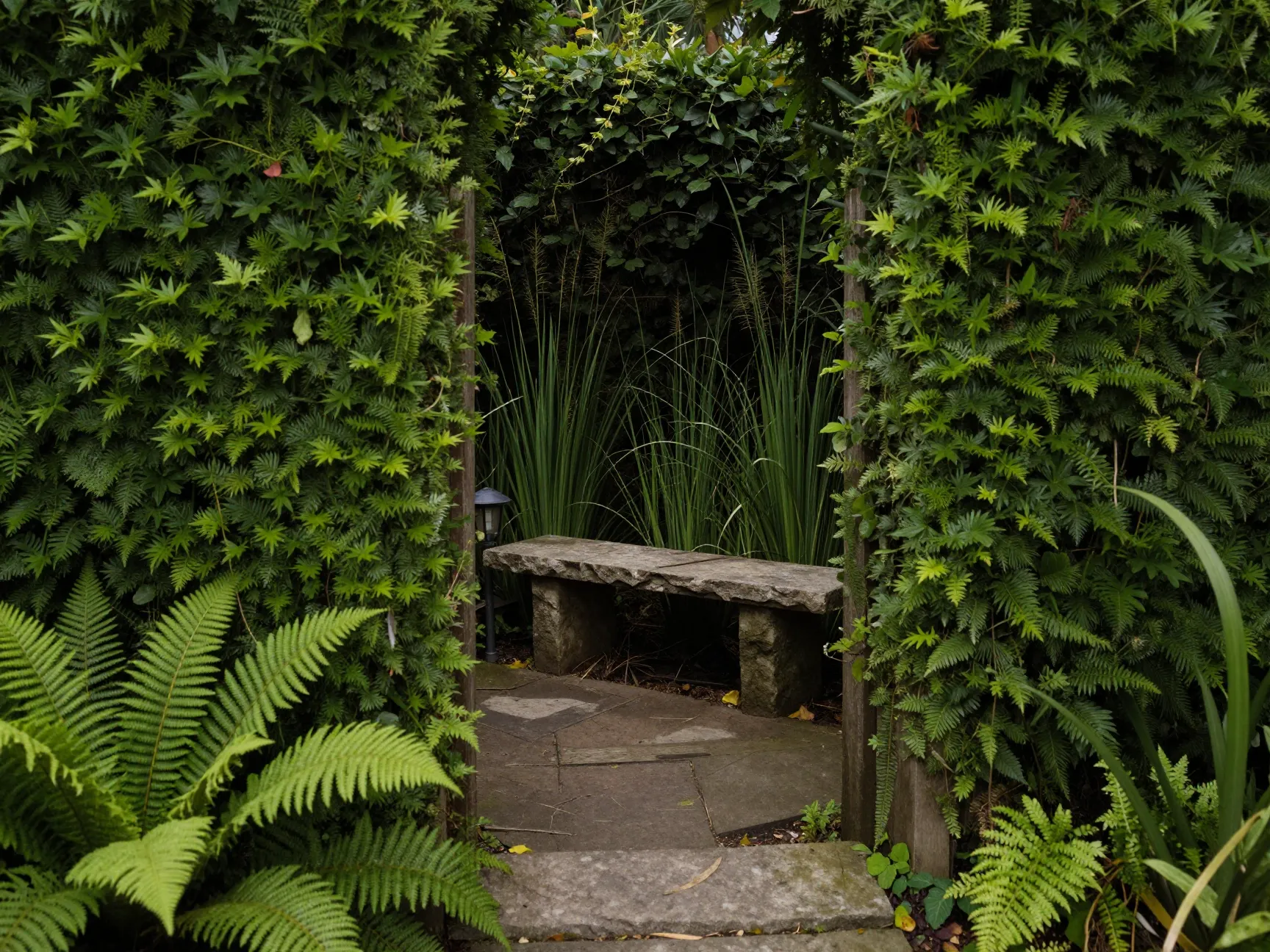
There is something universally compelling about a hidden space. The moment a garden offers a corner that cannot be seen from the main area, it becomes a place of genuine intrigue.
A secret garden nook does not require a large footprint. A tucked-away bench surrounded by tall ornamental grasses, a small arbor draped with climbing plants, or a simple clearing behind a dense hedge can all achieve the effect. The goal is to create a space that feels discovered rather than designed [9].
Elements that make a nook feel truly secret:
- A narrow, partially obscured entrance, such as a gap in a hedge or a low arch.
- Soft, enclosed planting on at least three sides to create a sense of shelter.
- A single comfortable seat or a small bistro table for two.
- Subtle lighting, such as a lantern or low-voltage ground lights, for evening use.
I once transformed a neglected corner behind a mature viburnum into a reading nook using two salvaged stone slabs as a bench, a handful of ferns, and a single solar lantern. It became the spot where I spent most of my summer mornings.
6. Add Playful Water Features as Conversation Starters

Water brings sound, movement, and life to a garden in ways that no static element can replicate. For a whimsical space, the most effective water features are those that surprise and delight rather than simply impress.
Repurposed objects work particularly well in this context. A vintage copper watering can mounted on a wall and plumbed to trickle into a stone basin below. An old cast-iron bathtub transformed into a wildlife pond planted with water lilies and edged with irises. A ceramic teapot fountain where water pours from the spout into a pebble-filled trough [8].
These features serve as focal points and conversation starters, but they also provide genuine ecological value. Even a small, still water feature will attract birds, frogs, and beneficial insects within a single season.
Practical considerations:
- Ensure any standing water feature has a pump or regular refreshing to prevent mosquito breeding.
- Choose materials that will weather attractively, such as copper, cast iron, or glazed ceramic.
- Position water features where they can be heard from a seating area for maximum sensory impact.
7. Use Creative Garden Lighting to Extend the Magic
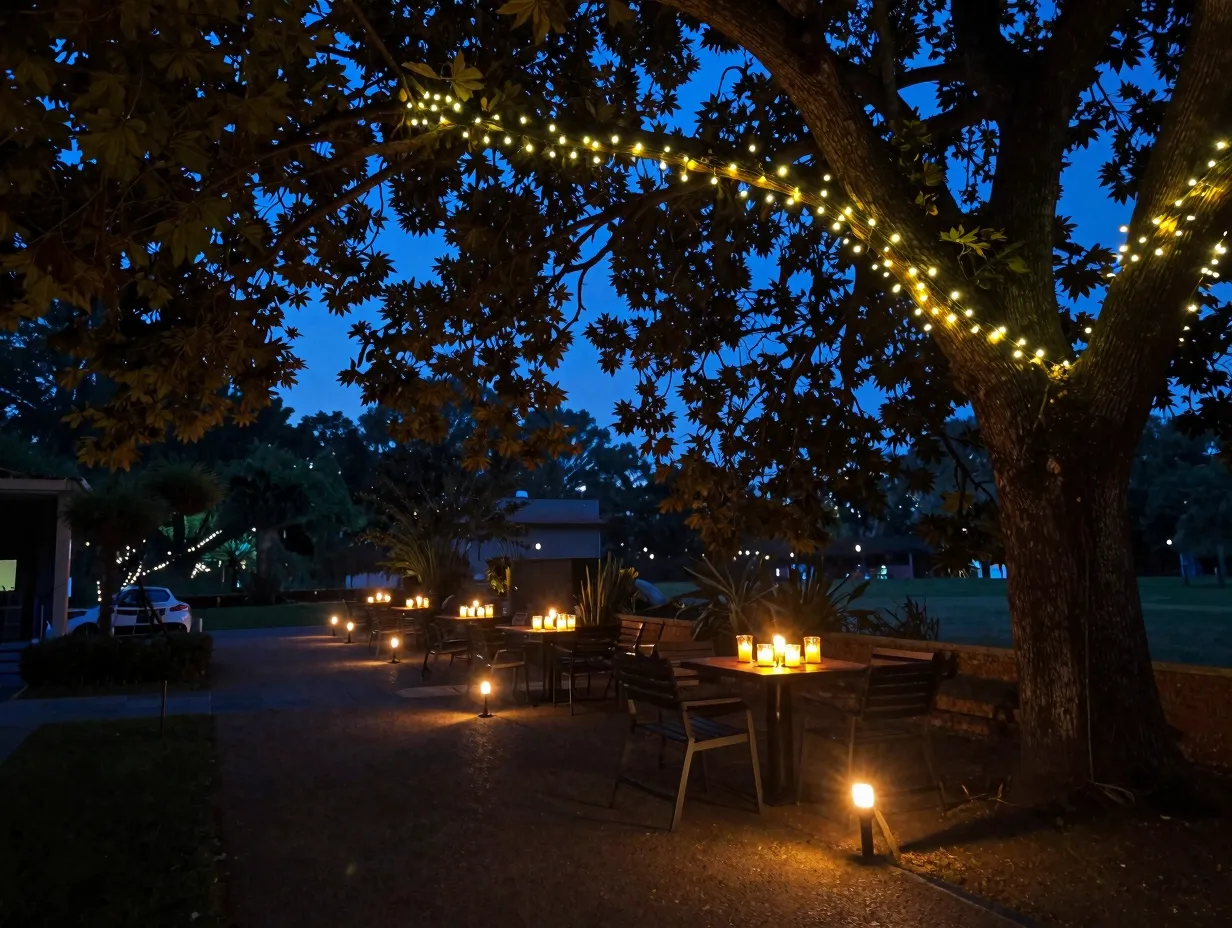
A garden that looks beautiful in daylight but disappears at dusk is only half a garden. Creative lighting transforms an outdoor space into an entirely different experience after sunset, extending the hours of enjoyment and adding layers of atmosphere that daytime simply cannot provide [8].
For a whimsical effect, the approach is less about functional illumination and more about creating pools of warm light, unexpected glows, and gentle sparkle. String lights woven through tree canopies create a starfield effect. Mason jar lanterns lined along a pathway cast soft, amber circles of light. Solar-powered stake lights tucked among dense planting create the impression of fireflies at rest.
Lighting ideas by location:
- Trees and canopies: Warm white string lights draped loosely through branches.
- Pathways: Low-voltage stake lights or mason jar lanterns at irregular intervals.
- Water features: Submersible LED lights in a pond or fountain for an ethereal glow.
- Seating areas: A single hanging lantern or a cluster of pillar candles in hurricane glasses.
- Focal plants: Uplighting a sculptural tree or large ornamental grass from below.
The key is restraint. Too much light loses the magic. The goal is to suggest rather than reveal.
8. Incorporate Naturalistic Planting for Living Texture
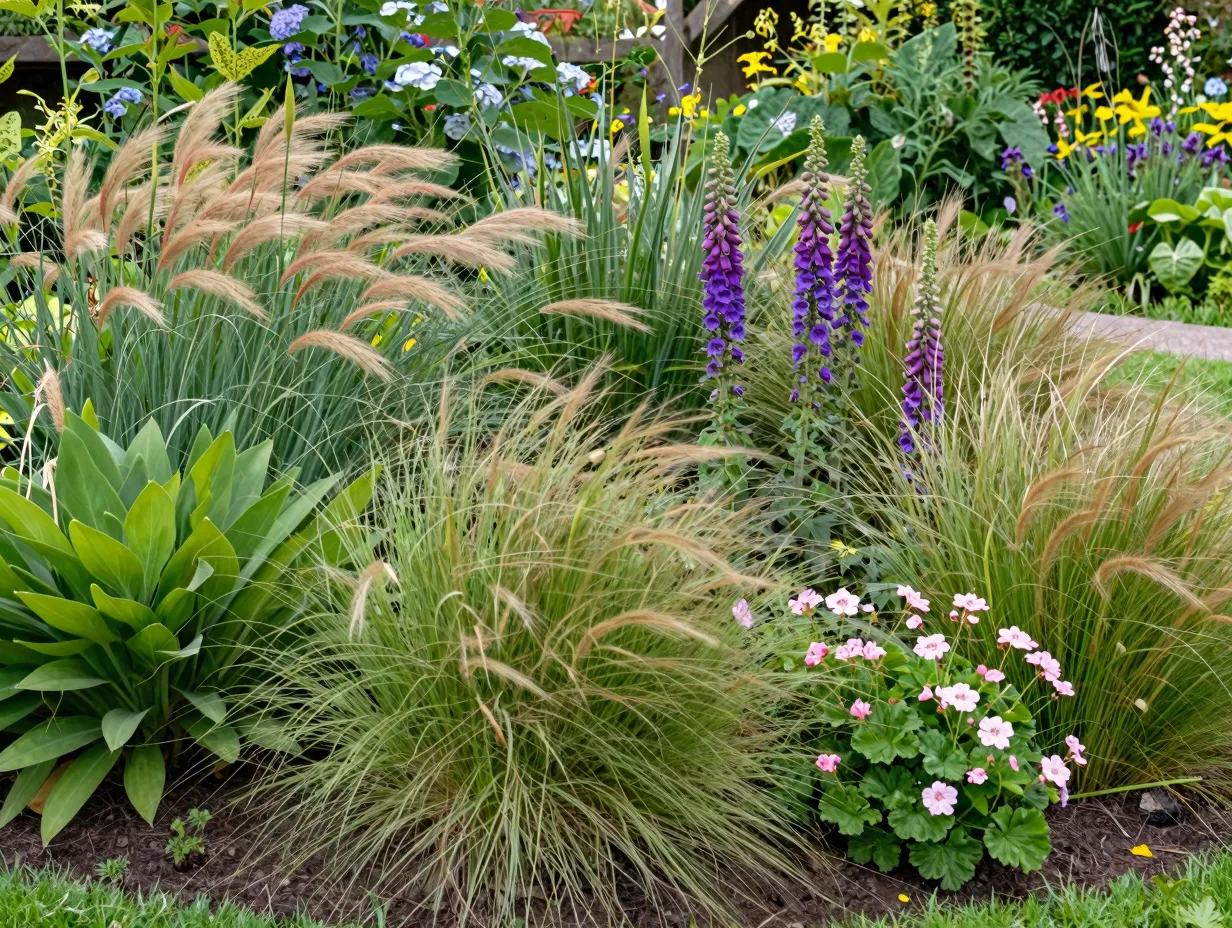
One of the most significant shifts in garden design in recent years is the move toward naturalistic planting, where plants are chosen and arranged to mimic the layered, dynamic quality of natural ecosystems rather than formal horticultural displays.
Inspired by projects like London’s Barbican Centre Beech Gardens, this approach uses structural species alongside flowing grasses to create planting that changes with the seasons and moves with the wind [3]. In a whimsical garden, naturalistic planting provides the living backdrop that makes every other feature feel embedded in nature rather than placed on top of it.
Key plants for naturalistic whimsy:
- Euphorbia characias: Bold, architectural form with lime-green flower heads.
- Sesleria nitida: Fine-textured grass that catches light beautifully.
- Digitalis purpurea: Tall foxglove spires that self-seed freely for a wild effect.
- Geranium ‘Rozanne’: Long-flowering, sprawling ground cover in violet-blue.
- Deschampsia cespitosa: Airy, cloud-like grass that moves in the slightest breeze.
Wildlife-first planting choices, made as much for habitat value as for aesthetics, are also central to this approach [5]. A naturalistic garden that supports pollinators, birds, and beneficial insects feels genuinely alive in a way that a purely decorative planting scheme never quite manages.
9. Place Oversized Art and Interactive Elements for Surprise

The final idea is perhaps the most boldly whimsical of all. Oversized garden art and interactive features, such as large-scale sculptures, a life-size chess set, or a gnome village tucked beneath a hedge, introduce an element of play and drama that transforms a garden from a passive backdrop into an active experience [8] [9].
Large-scale art does not need to be expensive. A single oversized ceramic pot painted in a vivid color, a hand-welded steel sculpture, or a collection of painted rocks arranged into a mosaic on a garden wall can all achieve the effect. The scale is what matters. When an object is significantly larger or smaller than expected, it creates a visual jolt that makes the space memorable.
Interactive elements take this further by inviting engagement rather than just observation. An oversized chess set on a lawn becomes a reason to gather. A gnome village hidden among the roots of a large tree becomes a trail of discovery for visiting children and curious adults alike.
Principles for effective oversized garden art:
- Choose one or two statement pieces rather than many competing elements.
- Position large art against a simple backdrop, such as a clipped hedge or a plain fence, so it reads clearly.
- Use climate-resilient materials that will weather gracefully without constant maintenance [6].
- Consider scale relative to the surrounding planting, not just the garden’s overall size.
Bringing It All Together: Designing Your Whimsical Outdoor Space
The nine ideas above work individually, but they are most powerful when layered thoughtfully. A garden that combines a mosaic pathway leading to a secret nook, lit at dusk by string lights and surrounded by naturalistic planting, creates an experience that is genuinely greater than the sum of its parts.
The practical reality is that most gardeners build their whimsical spaces incrementally, adding one feature per season. That is not a compromise. It is actually the best approach. Each addition has time to settle, establish, and reveal how it interacts with what is already there before the next layer is introduced.
A simple framework for getting started:
- Choose one structural feature to anchor the space, such as a metal trellis arch or a water feature.
- Build a planting palette around it using naturalistic, climate-resilient species.
- Add one playful focal point, such as a fairy garden or oversized art piece.
- Introduce lighting last, once the daytime character of the space is established.
This sequence ensures that each element supports the others rather than competing for attention.
Conclusion
These 9 Whimsical Garden Ideas to Add Magic and Charm to Your Outdoor Space are not about creating a theme park in your backyard. They are about making your garden feel genuinely alive, personal, and worth spending time in. The best whimsical gardens I have seen share one quality: they feel like they belong to someone who actually loves being outside.
Your actionable next steps for 2026:
- Walk your garden this week and identify one underused corner or feature that could become a focal point.
- Choose a single idea from this list that excites you most and research the materials and plants needed.
- Set a realistic timeline, one new feature per season is entirely achievable and deeply satisfying.
- Document the changes with photographs so you can track the transformation over time.
A garden that sparks wonder does not happen overnight, but every great whimsical space starts with one deliberate, joyful decision. Make yours today.
References
[1] Warm Yellow Summer Color Trend 2026 – https://www.homesandgardens.com/decor/warm-yellow-summer-color-trend-2026?utm_source=openai
[2] New Trellis Trend – https://www.gardeningknowhow.com/garden-how-to/new-trellis-trend?utm_source=openai
[3] Barbican Beech Gardens – https://www.livingetc.com/ideas/barbican-beech-gardens?utm_source=openai
[4] Top Ten Garden Design Trends 2026 – https://acacia-gardens.co.uk/top-ten-garden-design-trends-2026/?utm_source=openai
[5] Top 10 Garden Gardening Trends Watch 2026 – https://www.springfair.com/news/top-10-garden-gardening-trends-watch-2026?utm_source=openai
[6] Garden Design Ideas 2026 – https://dreamhouseai.com/blog/garden-design-ideas-2026?utm_source=openai
[7] Whimsical Garden Ideas Pictures – https://www.hgtv.com/gardening/garden-design/whimsical-garden-ideas-pictures?utm_source=openai
[8] Whimsical Garden Ideas – https://www.gardenfine.com/whimsical-garden-ideas/?utm_source=openai
[9] Whimsical Garden Ideas – https://www.homesandgardens.com/gardens/whimsical-garden-ideas?utm_source=openai