9 Aesthetic Room Inspo Ideas for a Visually Stunning Sanctuary
A 2023 survey by the American Institute of Architects found that more than 60 percent of homeowners made deliberate changes to their living spaces to improve their mental well-being, and that number has only climbed since. The rooms we inhabit shape how we think, feel, and recharge. That is not a small thing. If you have been scrolling through design feeds feeling inspired but overwhelmed, these 9 aesthetic room inspo ideas for a visually stunning sanctuary cut through the noise and give you a clear, actionable path forward.
Disclosure: This post contains affiliate links. As an Amazon Associate, we earn from qualifying purchases, and at no extra cost to you.
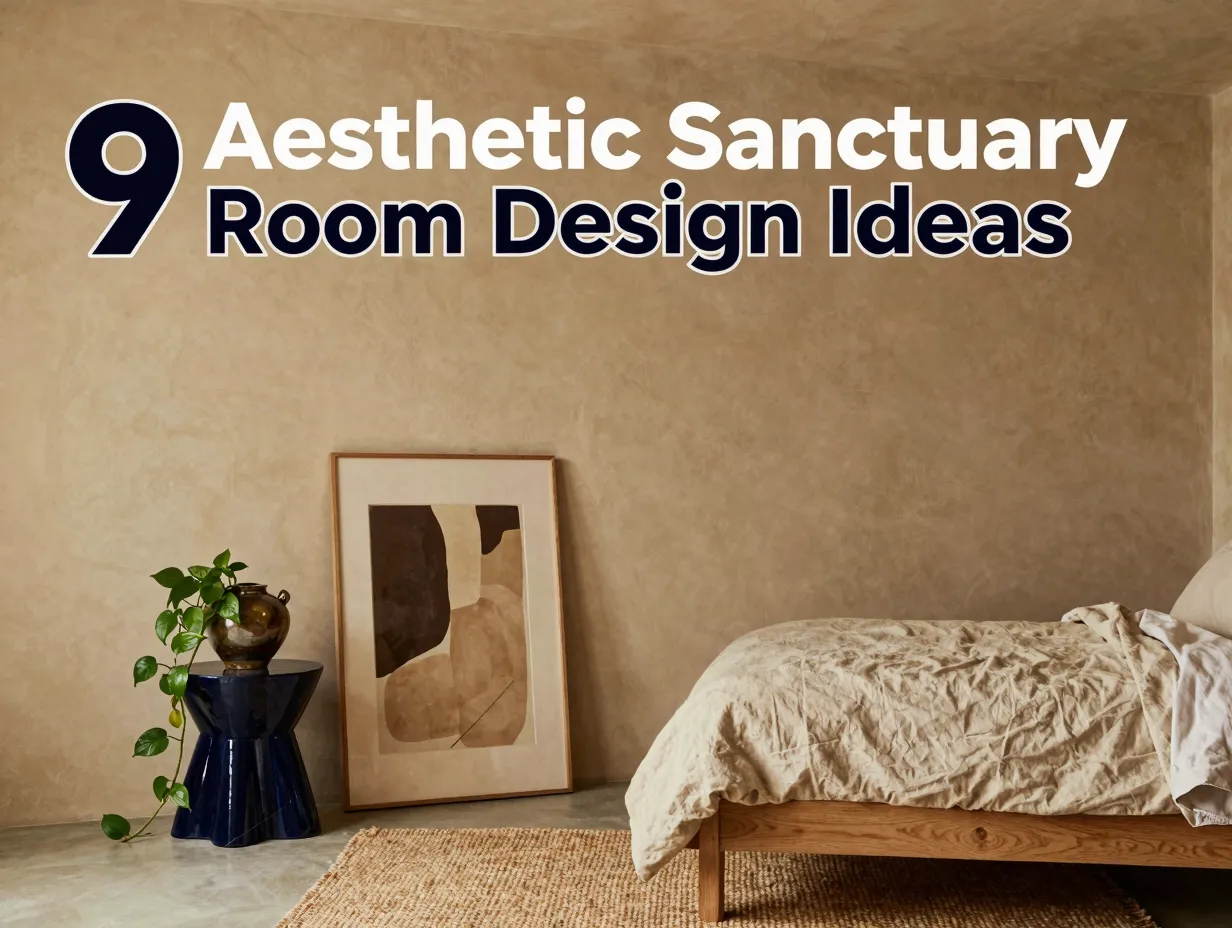
Whether you are starting from scratch or refreshing a tired space, this guide pulls from the most compelling design directions of 2026. Each idea is grounded in real trends, practical execution, and the kind of visual storytelling that turns a plain room into a place you genuinely want to be in.
Key Takeaways
- Warm minimalism and earthy tones are the dominant aesthetic directions in 2026, replacing cold, stark interiors with cozy, layered spaces.
- “Midmalism”, the sweet spot between minimalism and maximalism, is the most accessible style for most people to achieve.
- Textured walls and statement ceilings are among the highest-impact, lowest-cost changes you can make to a room.
- Vintage and thrifted pieces add authenticity that mass-produced decor simply cannot replicate.
- Technology is now a legitimate design tool, with AI-assisted layout planning making personalized room design more achievable than ever.
Why Aesthetic Room Design Matters More Than Ever in 2026
Before diving into the specific ideas, it is worth understanding why intentional room design has become such a priority. The lines between home, office, gym, and creative studio have blurred dramatically. Our rooms now carry more functional and emotional weight than at any previous point in modern life.
Design is no longer just about aesthetics for aesthetics’ sake. It is about creating environments that support your actual life. The 9 aesthetic room inspo ideas for a visually stunning sanctuary outlined below are not trends for trend’s sake, they are responses to how people actually live and what they genuinely need from their spaces.
“Your room is not just a backdrop. It is an active participant in your daily mood, productivity, and sense of identity.”
With that framing in mind, let us get into the ideas.
The 9 Aesthetic Room Inspo Ideas for a Visually Stunning Sanctuary
1. Warm Minimalism: The Anti-Stark Revolution
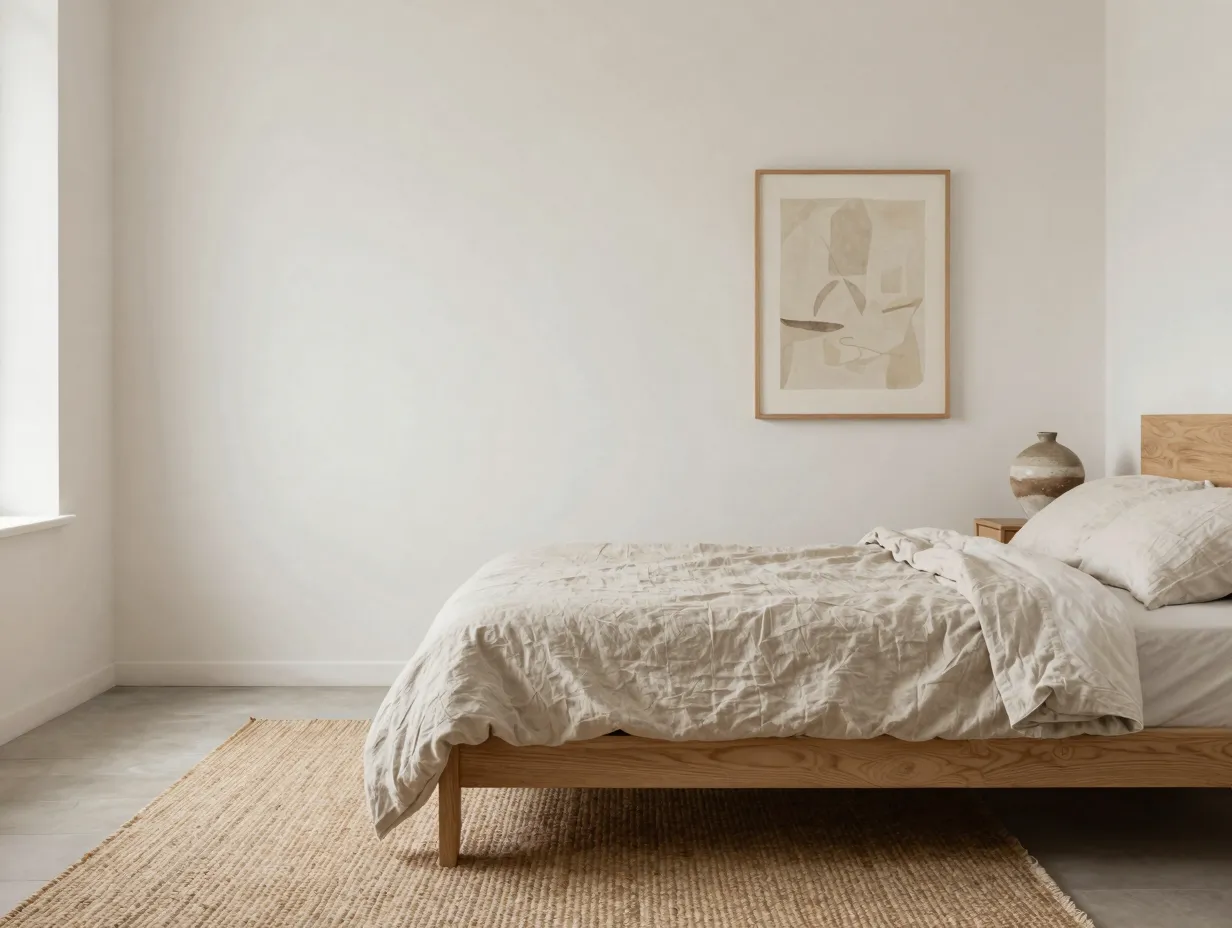
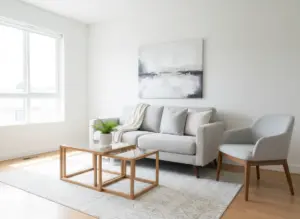
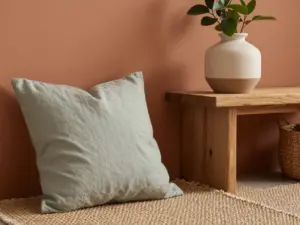
The cold, all-white minimalism that dominated the 2010s has run its course. What has replaced it is something far more livable: warm minimalism. This approach keeps the clean lines and clutter-free philosophy of traditional minimalism but swaps out the clinical palette for soft neutrals, beige, cream, warm whites, and dusty blush tones [1].
The key materials in a warm minimalist room include:
- Light oak or ash wood furniture
- Linen and cotton textiles in undyed or naturally dyed tones
- Ceramic vessels in matte, earthy glazes
- Jute or wool area rugs with subtle texture
What makes this style so compelling is that it feels effortless without being cold. A warm minimalist bedroom, for example, might feature a simple platform bed in light wood, a single linen duvet in oatmeal, and one carefully chosen piece of art on a textured plaster wall. Nothing competes. Everything contributes.
Pro tip: Start by removing items rather than adding them. Warm minimalism is built on restraint first, then layered with warmth through texture and material.
2. Earthy and Nature-Inspired Tones: Beyond Pale Green
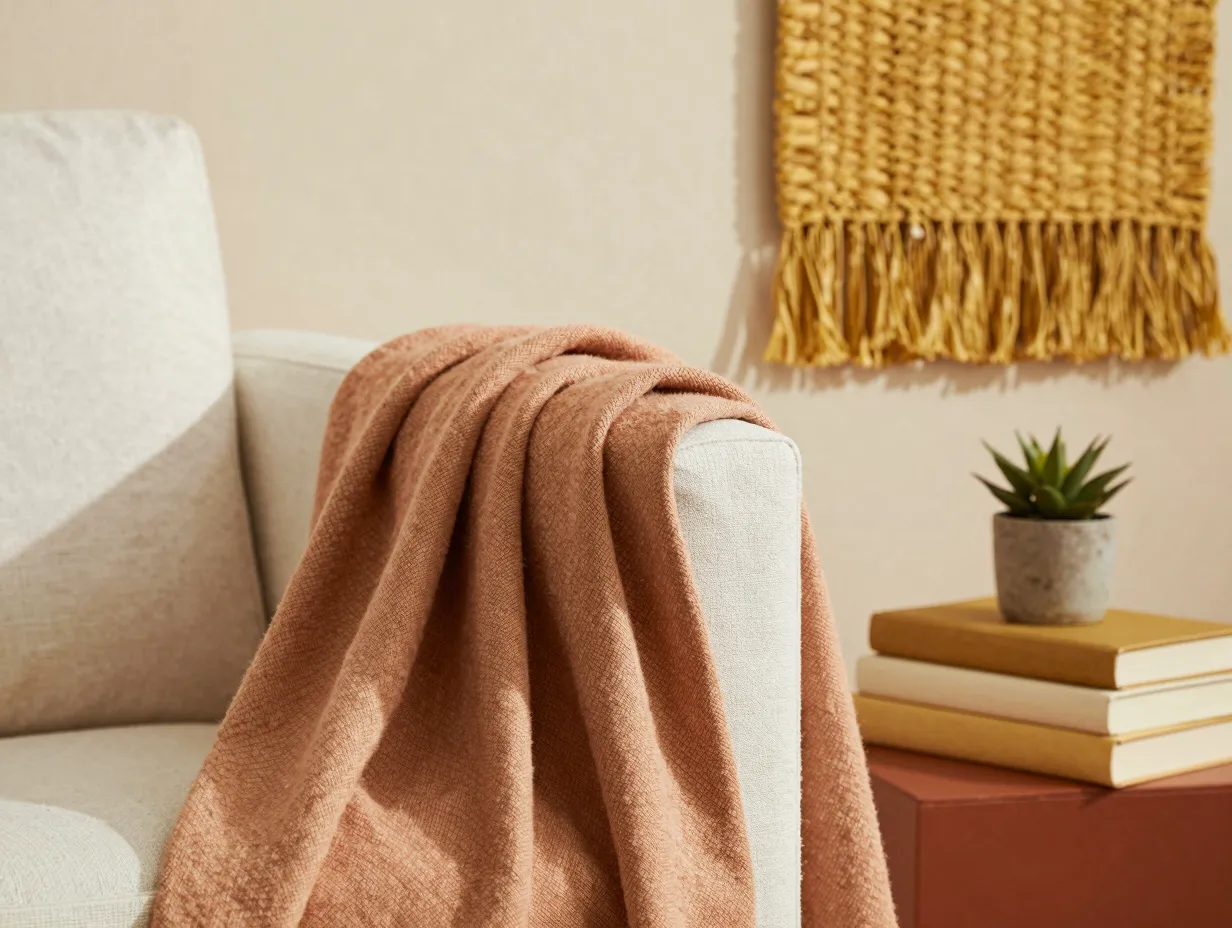
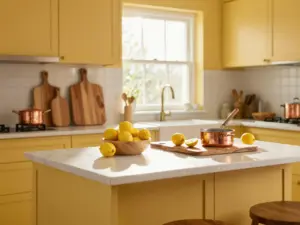
If you have been watching design trends, you may have noticed that the pale sage green wave has crested. The color story of 2026 is moving toward richer, sun-soaked yellows, soft ochre, golden cream, and buttery yellow tones that bring warmth and energy without being aggressive [2].
These hues work particularly well when paired with:
| Color | Best Pairing | Mood It Creates |
|---|---|---|
| Soft ochre | Warm white, natural wood | Grounded, energetic |
| Golden cream | Marble, linen | Sophisticated, calm |
| Buttery yellow | Terracotta, rattan | Playful, cozy |
| Dusty sage | Warm gray, brass | Serene, organic |
The shift is not just about color, it is about the feeling those colors evoke. Earthy tones connect a room to the natural world, which has a measurable calming effect on the nervous system. When I repainted a home office in soft ochre last year, the difference in how I felt working in that room was immediate and undeniable.
Actionable step: If a full repaint feels too committed, introduce earthy tones through textiles first, a throw blanket, a set of cushion covers, or a woven wall hanging.
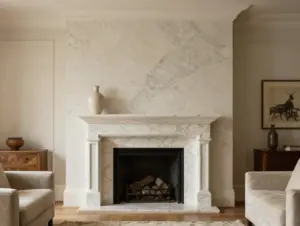
3. Textured Walls and Statement Ceilings: The Forgotten Fifth Wall
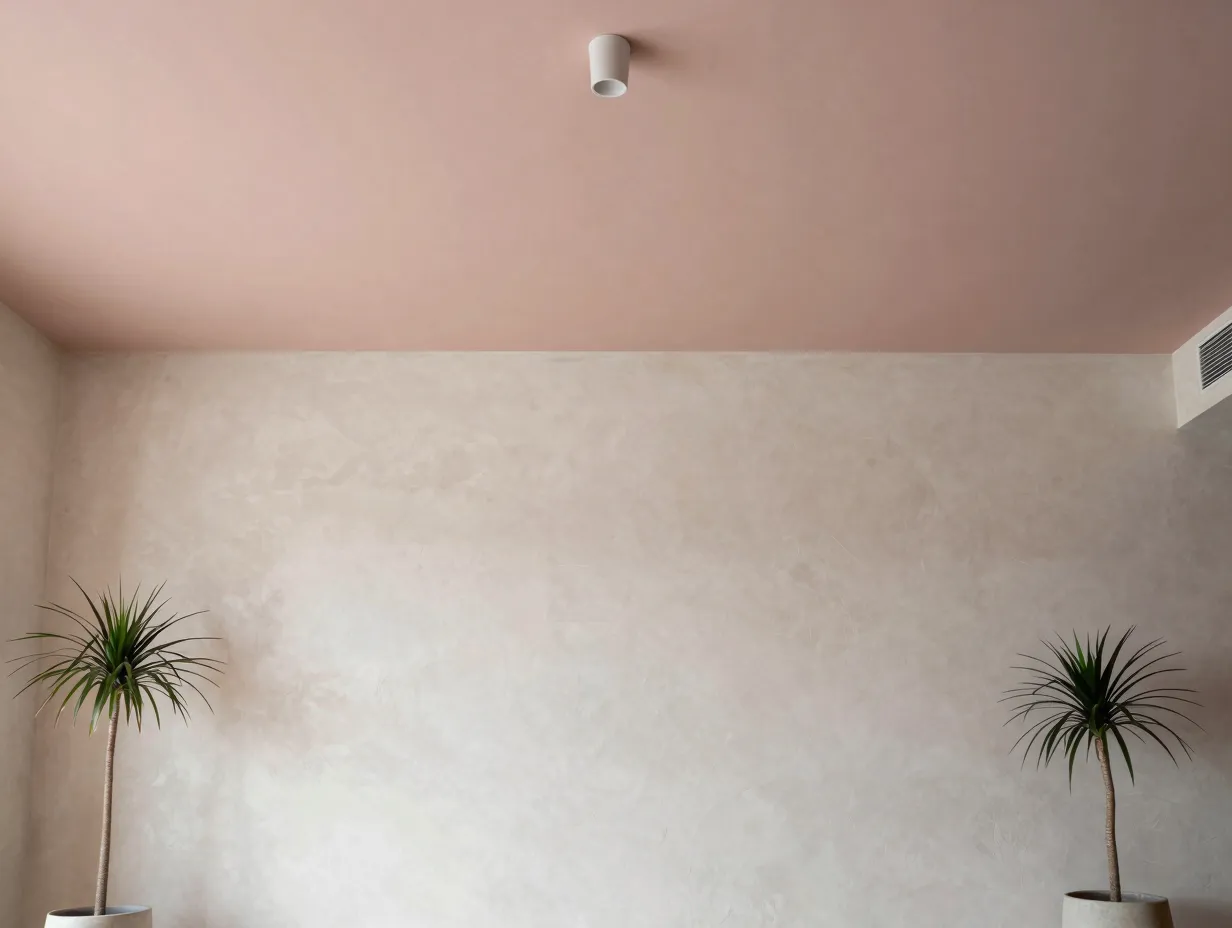
Flat, painted walls are the default, but they are not the only option, and increasingly they are not the most interesting one. Textured wall finishes and bold ceiling treatments are among the highest-impact changes you can make to any room, often without a major renovation [1].
Wall texture options worth exploring:
- Peel-and-stick textured wallpaper (ideal for renters)
- Venetian plaster or limewash paint for an organic, aged look
- Wood paneling or shiplap for warmth and depth
- Wall molding or picture rail details for architectural interest
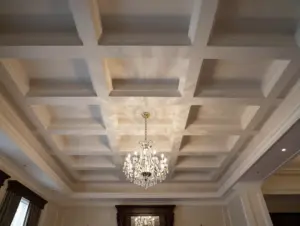
Ceilings deserve just as much attention. Painting a ceiling in a soft contrasting color, a warm blush above a cream room, or a deep navy above a neutral living space, creates an immediate sense of enclosure and intimacy. It makes a room feel designed rather than decorated.
“The ceiling is the one surface in a room that no furniture competes with. It is your most underused canvas.”
Budget reality check: Peel-and-stick textured wallpaper panels can transform a single accent wall for under $100. Limewash paint is similarly affordable and can be applied over existing paint with minimal prep.
4. Midmalism: The Style for People Who Cannot Choose
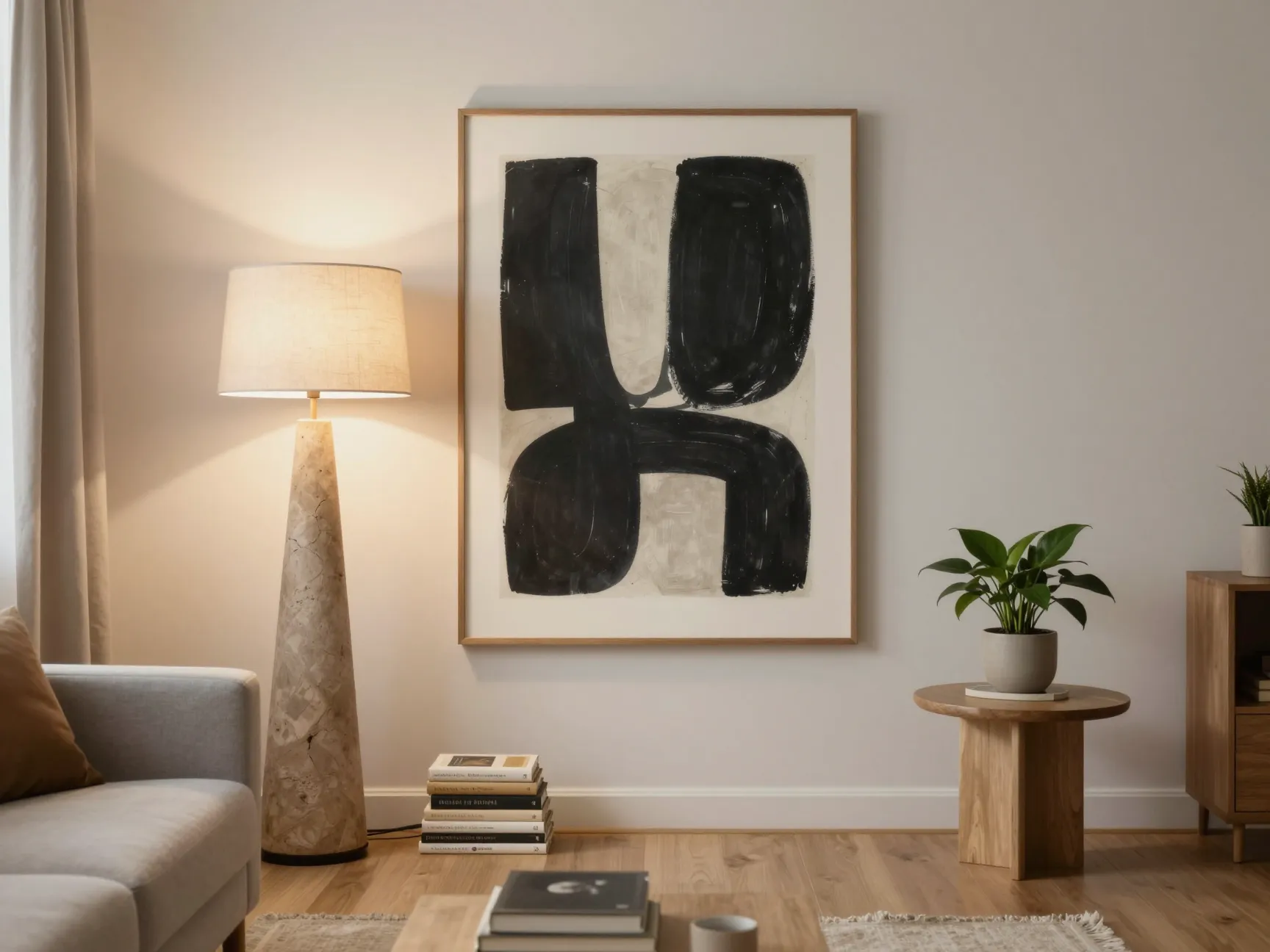
If you have ever felt torn between the clean calm of minimalism and the rich personality of maximalism, you are not alone, and there is a name for where most of us actually land: midmalism [1].
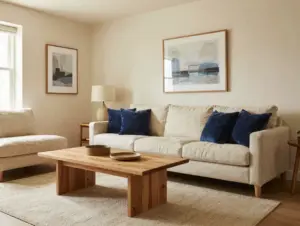
Midmalism works by establishing a neutral, calm base and then introducing a small number of bold, meaningful accent pieces. Think of it as a quiet room with a loud personality.
The midmalist formula:
- Start with a neutral base (walls, large furniture, flooring in calm tones)
- Choose one or two statement pieces that carry visual weight (an oversized art print, a sculptural lamp, a boldly patterned rug)
- Layer in personal items that have meaning, a stack of well-loved books, a piece of pottery made by a friend, a plant you have kept alive for three years
- Edit ruthlessly. If something does not earn its place visually or emotionally, it goes.
The result is a room that feels curated rather than cluttered, personal rather than generic. It is also the most forgiving style for people who are still figuring out their aesthetic, because the neutral base absorbs experimentation well.
5. Vintage and Thrifted Decor: Authenticity Over Algorithm
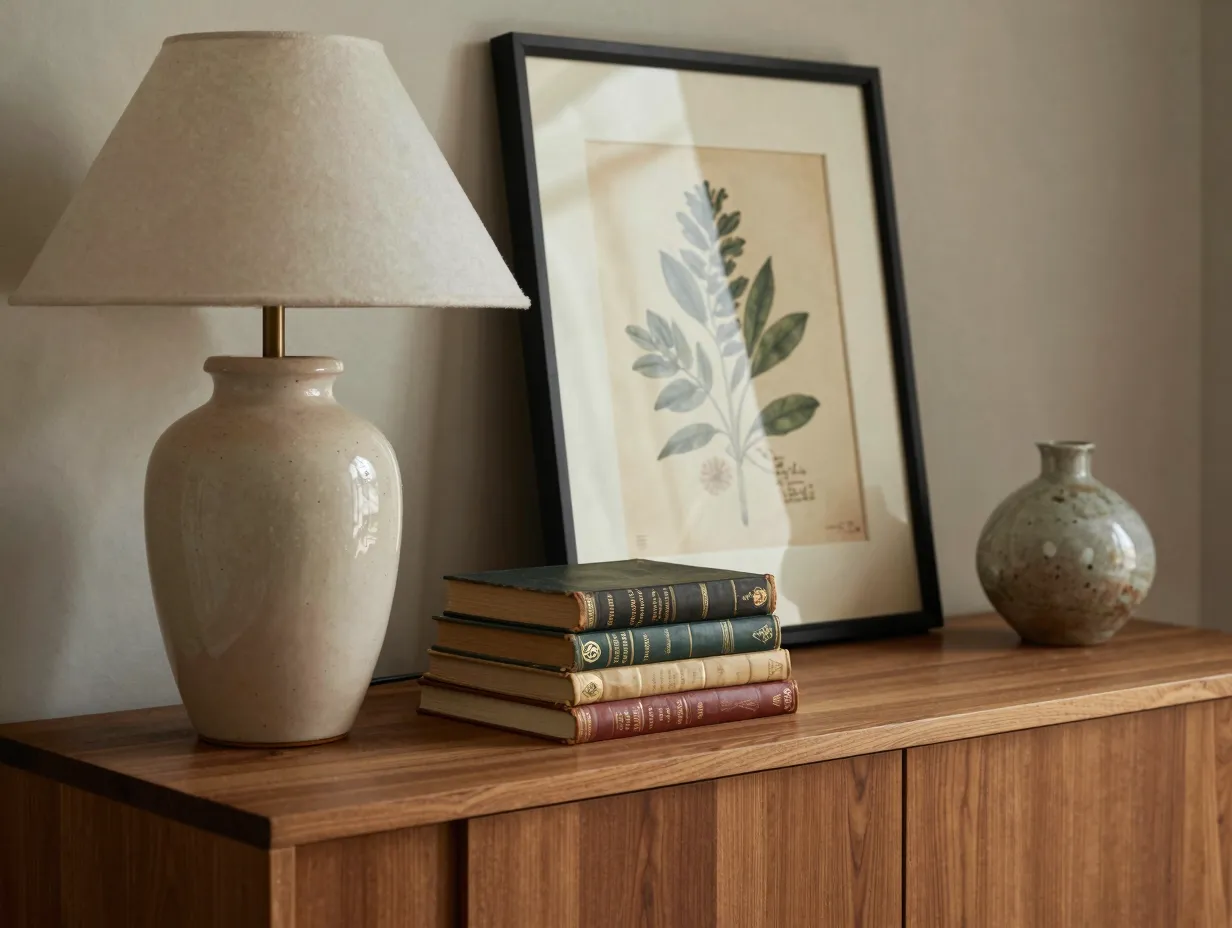
There is something a mass-produced decor item cannot give you: a story. The growing preference for vintage, secondhand, and one-of-a-kind pieces is not just a budget strategy, it is a values statement [1].
Mixing vintage items with modern furniture creates rooms that feel layered and lived-in rather than showroom-perfect. A mid-century side table found at an estate sale, a stack of hardcover books from a secondhand shop, a framed botanical print pulled from a flea market, these pieces carry a weight and character that flat-pack alternatives simply do not.
Where to source vintage pieces in 2026:
- Local estate sales and auctions
- Online marketplaces (Facebook Marketplace, Craigslist, eBay)
- Dedicated vintage platforms (Chairish, 1stDibs for higher-end finds)
- Thrift stores in affluent neighborhoods (often yield higher-quality donations)
- Antique fairs and pop-up markets
The mixing rule: Anchor the room with one or two modern, clean-lined pieces, then let the vintage items add personality. If everything is vintage, the room can feel cluttered. If nothing is vintage, it can feel sterile.
6. Cozy, Multi-Functional Spaces: Designing for Real Life
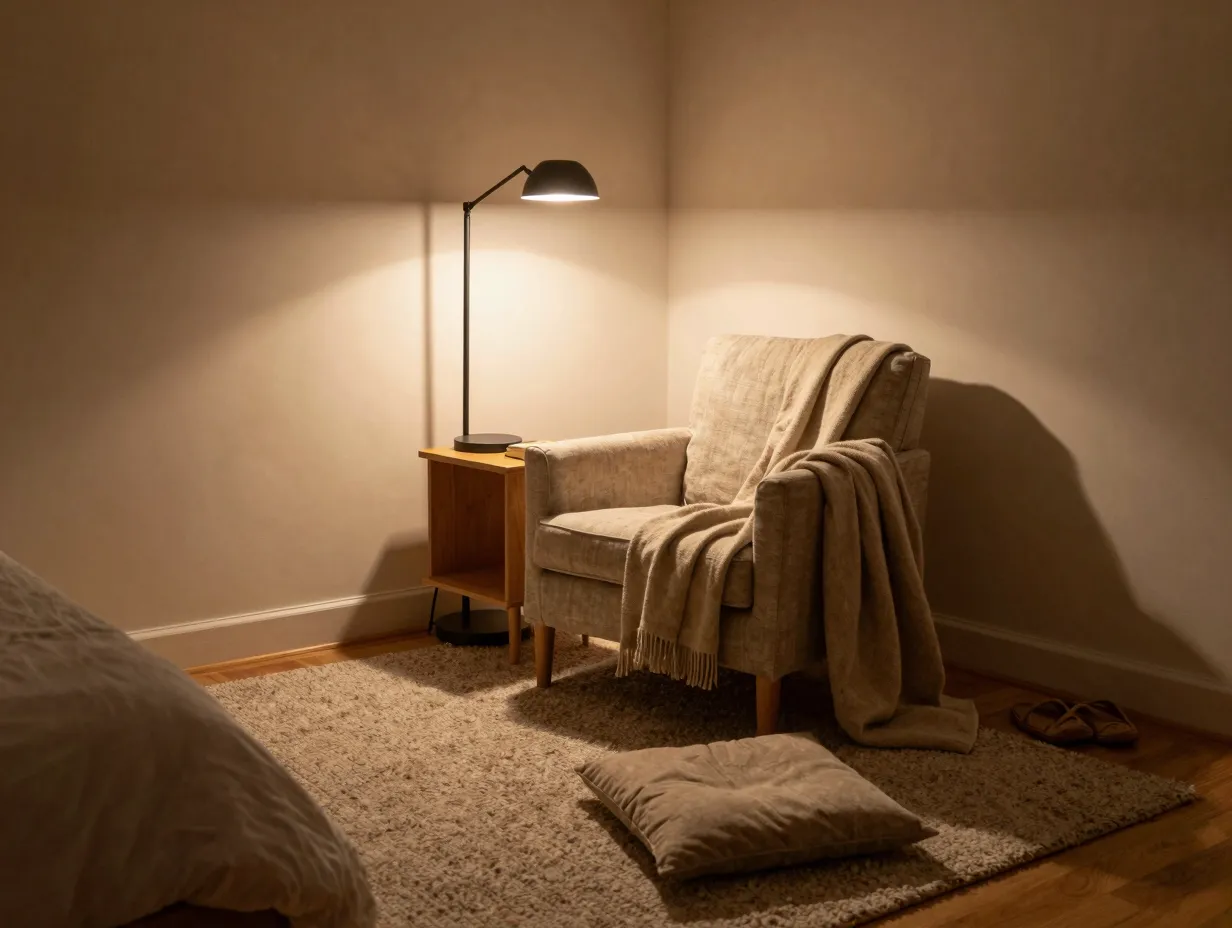
The idea that a room should serve only one purpose is increasingly outdated. In 2026, the most thoughtfully designed spaces support multiple activities, rest, work, creativity, and socializing, without feeling chaotic [1].
This is not about cramming more furniture into a room. It is about intentional zoning and furniture that earns its place by doing more than one job.
Multi-functional design strategies:
- A reading nook that doubles as a meditation corner (a low chair, a floor lamp, a small side table)
- A desk that folds away or integrates into a shelving unit when not in use
- A daybed or chaise that serves as both seating and a napping spot
- Storage ottomans that function as coffee tables, extra seating, and hidden organization
The emotional benefit of a well-zoned multi-functional room is significant. When your space can flex with your needs, you feel less constrained by it. You are not fighting the room, you are working with it.
Key principle: Each zone in a multi-functional room should feel distinct enough that your brain registers the shift in activity. A simple change in lighting level or rug placement can create that psychological separation.
7. Glossy Furniture: Boldness Without Overwhelm
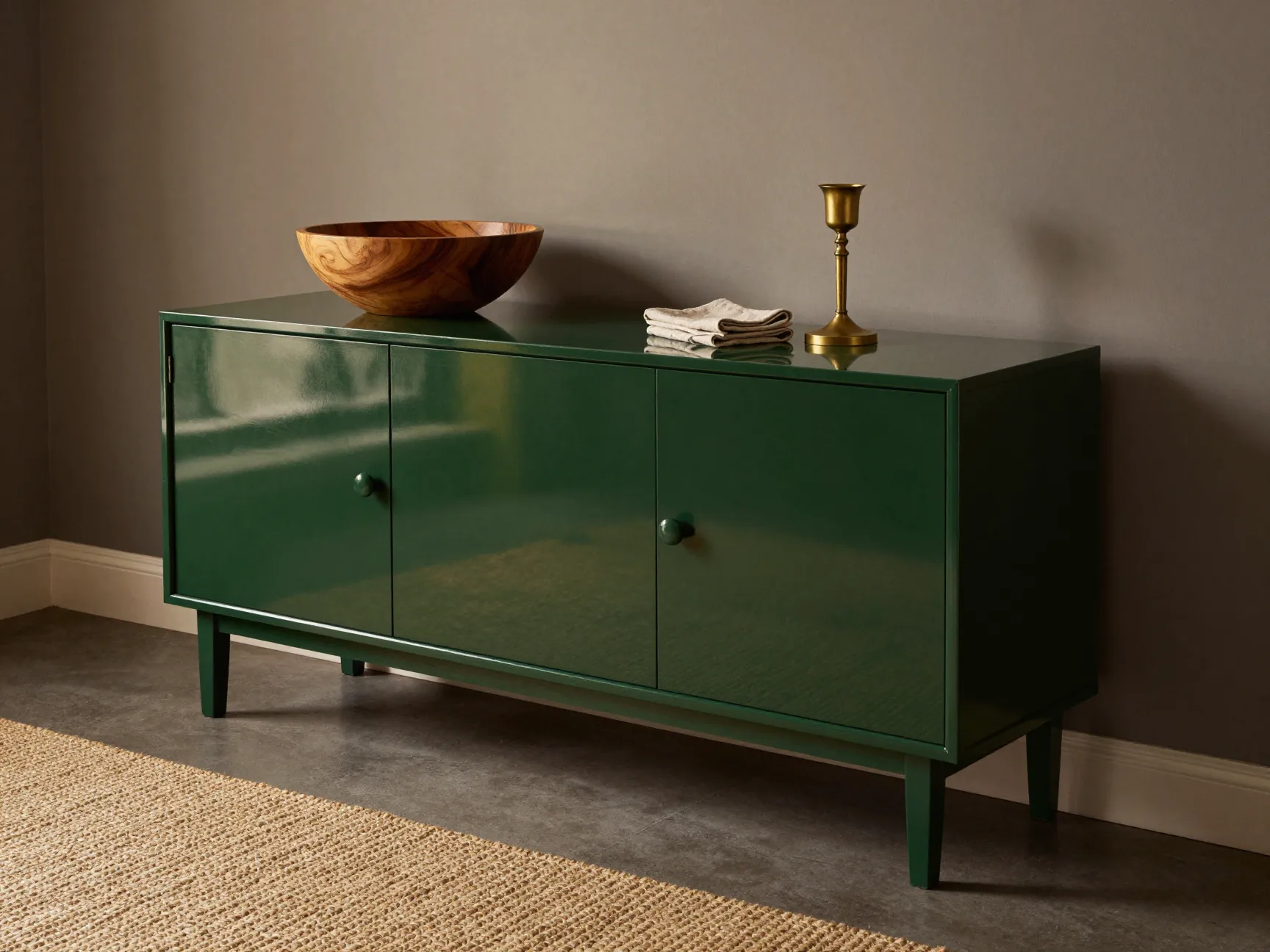
Glossy and lacquered furniture has been quietly gaining ground, and in 2026 it has arrived as a legitimate design choice rather than a dated relic [3]. The appeal is practical as much as aesthetic: glossy surfaces reflect light, which makes rooms feel larger and brighter, and they add a layer of visual depth that matte finishes cannot replicate.
The key to using glossy furniture well is restraint. One or two standout pieces, a lacquered side table, a high-gloss sideboard, a mirrored console, can anchor a room without tipping into excess.
Best pairings for glossy furniture:
- Matte walls (the contrast between glossy furniture and a flat wall is visually striking)
- Natural textures (linen, jute, raw wood soften the sheen and prevent the room from feeling cold)
- Warm lighting (incandescent or warm LED light brings out the richness of lacquered finishes)
Colors that work best in lacquer: Deep navy, forest green, burgundy, and warm black all translate beautifully into high-gloss finishes. Lighter colors like cream or blush work well in semi-gloss for a subtler effect.
8. Nature-Merged Color Palettes: Bringing the Outside In
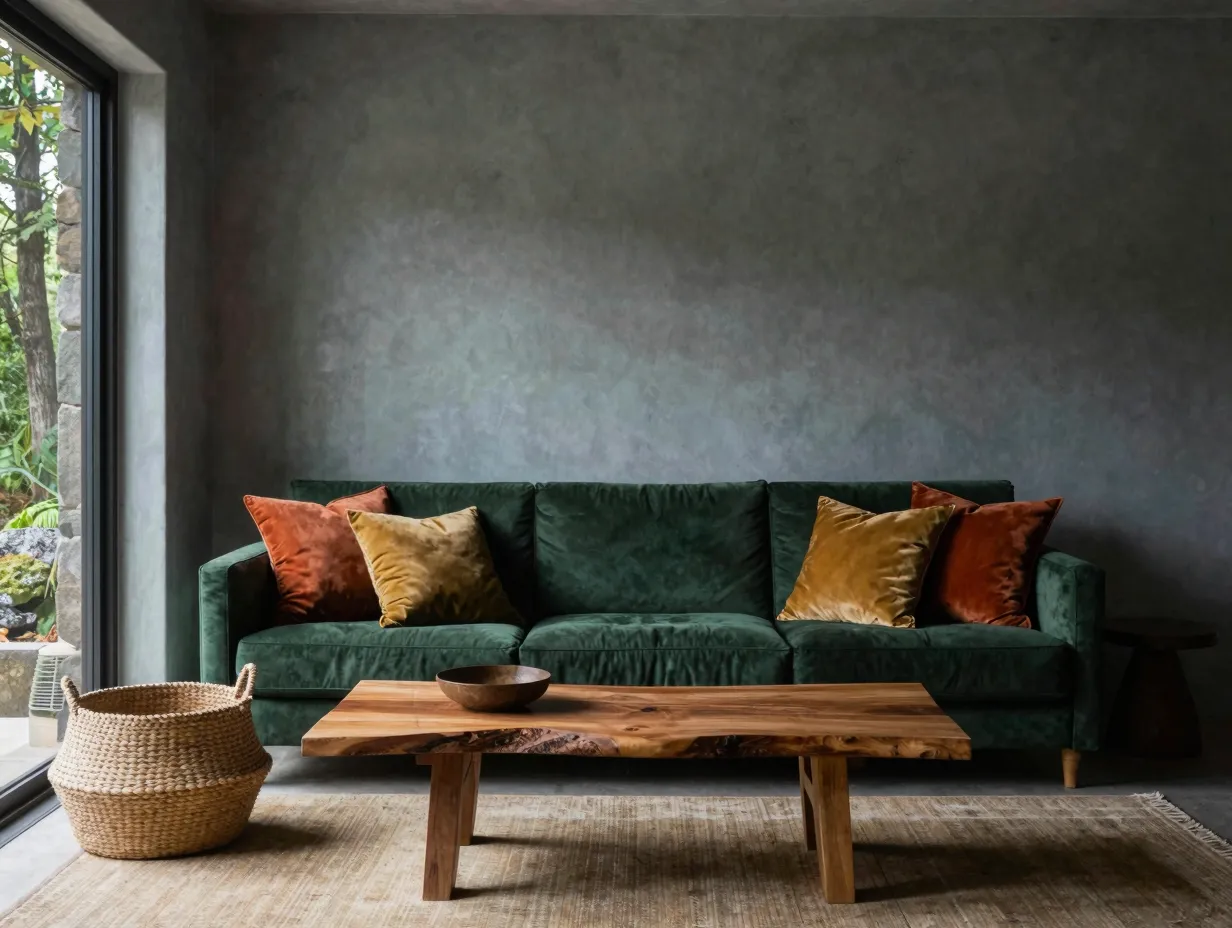
While this principle applies most directly to exterior design, where the shift from stark white to earthy palettes like sage green, warm stone, terracotta, and weathered gray-blue is well documented [4], the same logic translates powerfully to interior spaces.
A nature-merged interior palette draws from the colors you would find in an actual landscape: the warm gray of river stone, the deep green of a forest canopy, the dusty pink of sun-baked clay. These colors have a timeless quality because they are not invented, they are observed.
How to build a nature-merged interior palette:
- Choose a dominant tone inspired by a natural material (stone, clay, wood, moss)
- Add one or two supporting tones from the same natural environment
- Introduce an accent color that appears in nature as a highlight (a rust-orange, a deep teal, a warm gold)
- Ground the palette with natural materials, actual wood, stone, woven fibers, so the colors feel earned rather than applied
The psychological benefit is real. Research consistently links exposure to nature-inspired environments with reduced stress and improved mood. You do not need a window view to get that effect, a thoughtfully chosen palette can do a great deal of the work.
9. Technology as a Design Tool: AI-Assisted Room Planning

The final idea in these 9 aesthetic room inspo ideas for a visually stunning sanctuary is perhaps the most forward-looking. Advances in AI and machine learning are changing how people approach room design, not by replacing human taste, but by making personalized, spatially accurate design more accessible than ever [5].
Frameworks like Design-MLLM and DreamHome-Pano use reinforcement learning and panoramic interior generation to create room layouts that balance aesthetic preferences with real spatial constraints [5]. In practical terms, this means that tools built on these technologies can take your room dimensions, your style preferences, and your functional needs, and generate layout options that actually work in your specific space.
How to use AI in your room design process in 2026:
- Use AI room planning tools to test furniture arrangements before moving anything physically
- Upload photos of your existing space and request style suggestions based on what you already own
- Generate color palette options based on a reference image or a mood description
- Use AI to identify proportional issues in a room layout that are hard to spot with the naked eye
Important caveat: AI tools are most useful as a starting point and a testing ground. They cannot replicate the tactile experience of a fabric, the way a specific light source hits a particular wall, or the emotional resonance of a meaningful object. Use them as a scaffold, not a substitute for your own judgment.
Putting It All Together: Building Your Personal Aesthetic
The most important thing to understand about these nine ideas is that they are not mutually exclusive. The most compelling rooms in 2026 are not built around a single trend, they are built around a person.
A warm minimalist base (Idea 1) can incorporate earthy tones (Idea 2), a textured accent wall (Idea 3), a handful of vintage pieces (Idea 5), and a glossy statement side table (Idea 7). Those elements do not compete, they complement. The thread that holds them together is your own consistent taste.
A simple framework for building your aesthetic:
- Identify your dominant style direction (minimalist, maximalist, or midmalist)
- Choose a color palette rooted in one of the earthy or nature-inspired directions
- Select two or three high-impact changes (wall texture, statement furniture, lighting)
- Layer in personal and vintage pieces for authenticity
- Use AI tools to test layouts and catch proportional issues before committing
Conclusion
The 9 aesthetic room inspo ideas for a visually stunning sanctuary covered in this guide are not about chasing trends for their own sake. They are about creating spaces that genuinely support the life you want to live, rooms that feel calm, personal, functional, and beautiful all at once.
Here are your actionable next steps:
- This week: Identify one room in your home that feels most in need of attention. Walk through it with fresh eyes and note what is working and what is not.
- This month: Choose one idea from this list that resonates most strongly and implement it at a small scale, a new textile, a paint sample on the wall, a single vintage piece from a local thrift store.
- This quarter: Use an AI room planning tool to map out a more comprehensive refresh, incorporating two or three of these ideas together.
- Ongoing: Treat your space as a living project, not a finished product. The best rooms evolve with the people who live in them.
Design is not a destination. It is a practice, and the rooms that feel most like sanctuaries are the ones that reflect that ongoing attention and care.
References
[1] Aesthetic Room Decor Trends For 2026 Stylish Cozy Easy To Recreate – https://www.aestheticroomcore.com/en-ch/blogs/aesthetic-room-blog/aesthetic-room-decor-trends-for-2026-stylish-cozy-easy-to-recreate?utm_source=openai
[2] Warm Yellow Summer Color Trend 2026 – https://www.homesandgardens.com/decor/warm-yellow-summer-color-trend-2026?utm_source=openai
[3] High Gloss Furniture Collection – https://www.livingetc.com/shopping/high-gloss-furniture-collection?utm_source=openai
[4] Nature Merged Exterior Colors – https://www.homesandgardens.com/decor/nature-merged-exterior-colors?utm_source=openai
[5] arxiv – https://arxiv.org/abs/2603.13312?utm_source=openai