8 Dining Room Design Concepts for Memorable Meals and Gatherings
A 2026 design industry survey found that interest in darker wood finishes for dining rooms surged by 262% year over year, and 76% of industry professionals named travertine as their top pick for dining table materials [3]. Those numbers tell a clear story: the dining room is having a serious moment, and people are investing in it with real intention.
Disclosure: This post contains affiliate links. As an Amazon Associate, we earn from qualifying purchases, and at no extra cost to you.
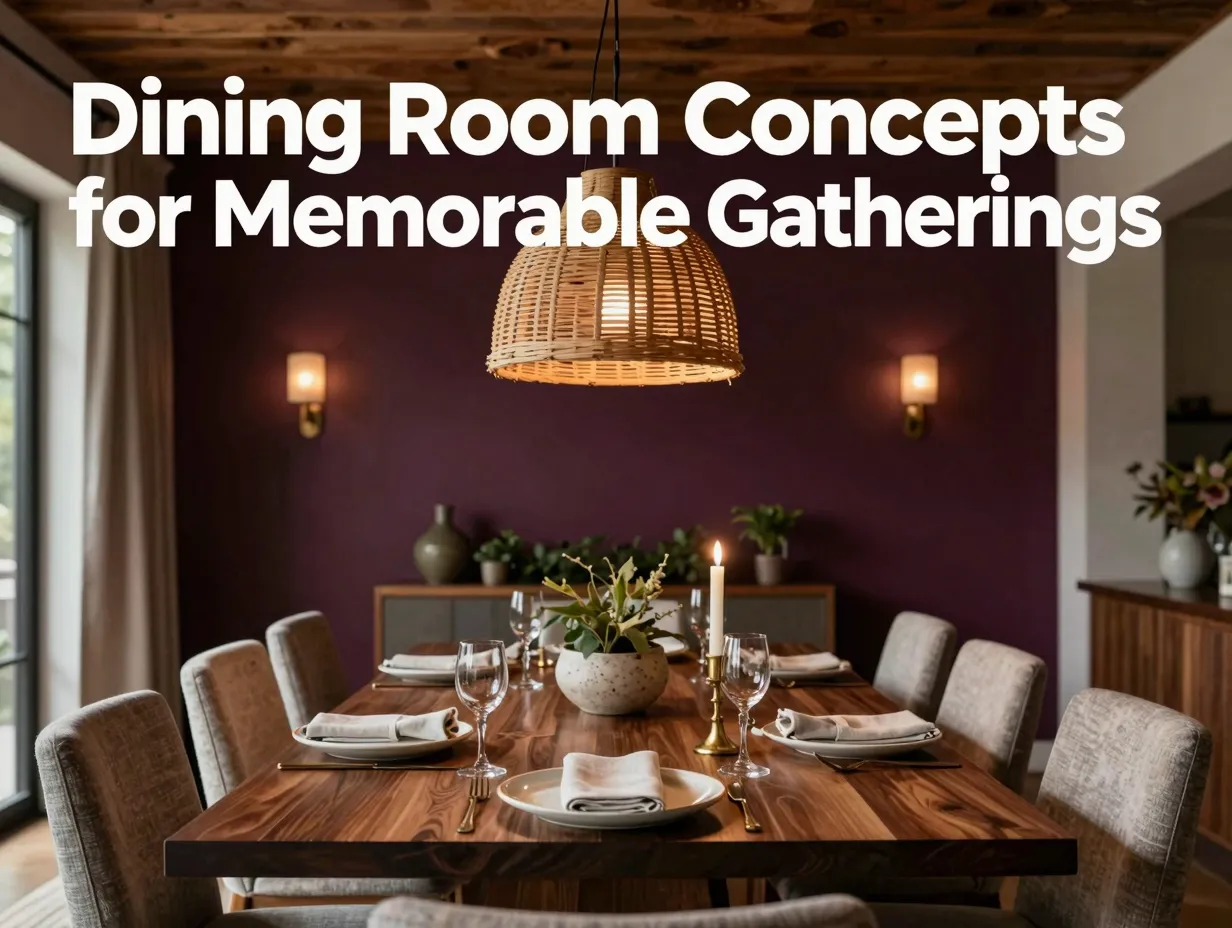
The dining room is no longer a formal, rarely-used space that sits empty between holidays. It has become one of the most personal rooms in the home, a place where meals turn into memories and ordinary Tuesday dinners feel like events worth remembering. Whether you are redesigning from scratch or refreshing what you already have, the right design choices can transform how you and your guests experience every meal.
This guide walks through 8 dining room design concepts for memorable meals and gatherings that draw on the strongest trends and timeless principles shaping interiors in 2026. Each concept is practical, visually compelling, and built to make your dining space work harder for you.
Key Takeaways
- Warm, expressive color palettes have replaced cool grays and stark whites as the dominant mood in dining rooms for 2026
- Sculptural, layered lighting creates atmosphere far more effectively than standard overhead fixtures
- Walls and ceilings are now treated as primary design surfaces, not afterthoughts
- Rich mixed materials, including travertine, dark wood, and stone, anchor dining rooms with a sense of permanence and character
- Comfortable, well-chosen seating paired with a strong “hero” table is the foundation of any gathering-ready dining room
Why the Dining Room Deserves Your Best Design Thinking
Before diving into the 8 dining room design concepts for memorable meals and gatherings, it helps to understand why this room earns special attention. The dining room sits at the intersection of function and emotion. It is where families debrief after long days, where friends linger over wine long after dessert is cleared, and where celebrations take on physical form through food, light, and shared space.
Design decisions in this room carry more weight than in almost any other. A poorly lit dining room makes every meal feel rushed. An uncomfortable chair makes guests shift and check the time. But a dining room that gets the details right creates an invisible ease, a sense that everyone can settle in and stay a while.
The concepts below are organized to build on each other, starting with the foundational choices of color and light, moving through materials and surfaces, and finishing with the finer details that separate a good dining room from a genuinely memorable one.
The 8 Dining Room Design Concepts for Memorable Meals and Gatherings
1. Embrace a Warm, Mood-Driven Color Palette
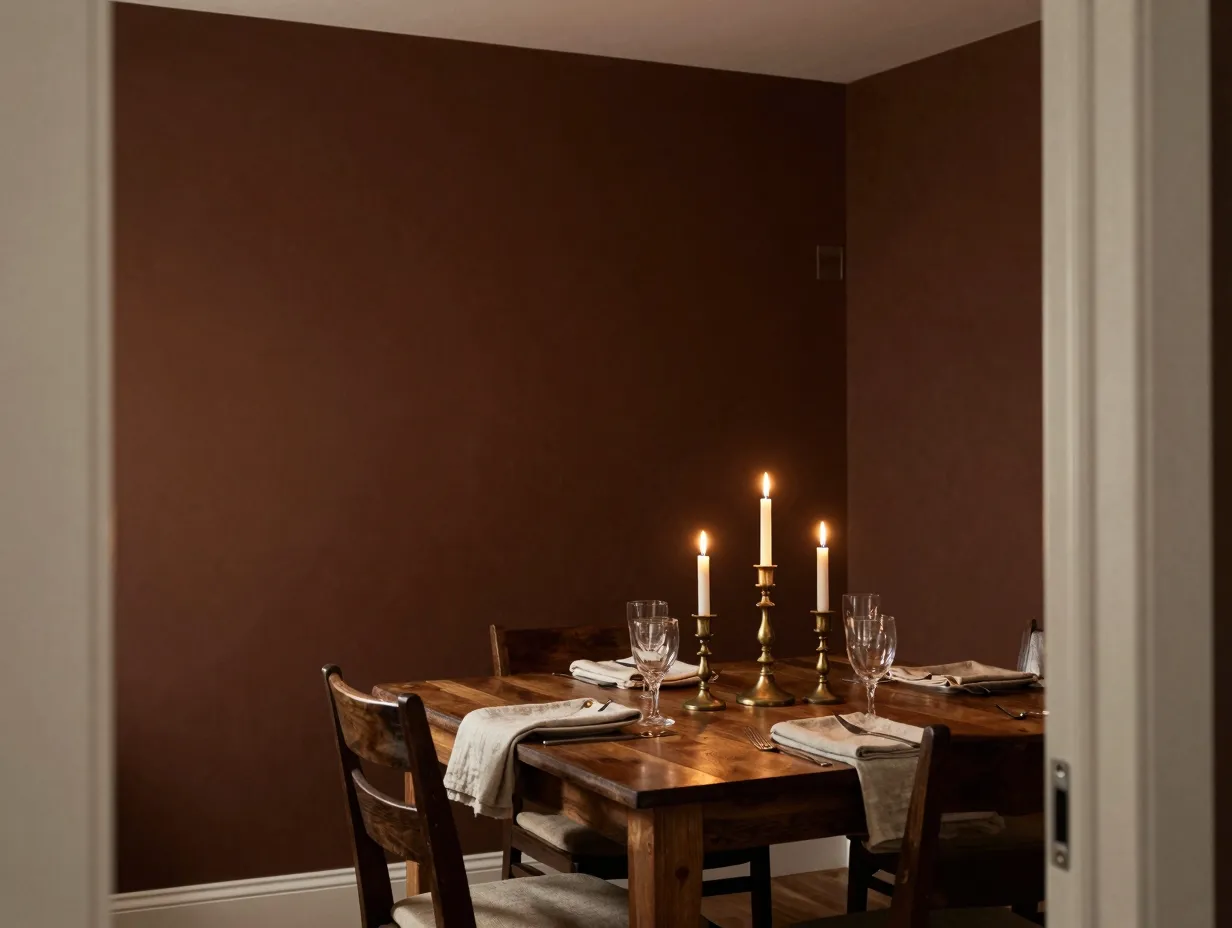
The era of cool gray dining rooms is over. Designers across the board are moving toward warmer, more expressive palettes that feel grounding and intimate rather than crisp and clinical [5][6][9][10]. In 2026, the colors generating the most excitement include chocolate brown, soft charcoal, muted sage green, terracotta, and deep plum.
This shift is sometimes described as the end of “sad beige,” a term that captured the washed-out, non-committal neutrals that dominated interiors for years [7][9][10][11]. The new approach is bolder without being aggressive. These are colors that wrap around you, that make candlelight glow warmer and conversation feel more private.
How to apply this concept:
- Paint all four walls in a single deep tone for maximum immersion. Chocolate brown and plum are particularly effective in dining rooms with limited natural light.
- Use muted greens and terracotta in rooms that receive more daylight, where the warmth of these tones will be balanced by natural light.
- Pair warm wall colors with natural linen, aged brass, and dark wood to create a cohesive, layered effect.
“Color is the single fastest way to change how a room feels. In a dining room, the right warm tone can make a meal feel like an event.”
The key is commitment. A half-hearted approach to color, such as painting one wall and leaving the rest white, rarely delivers the immersive effect that makes dining rooms memorable [9][10].
2. Layer Sculptural Lighting for Atmosphere
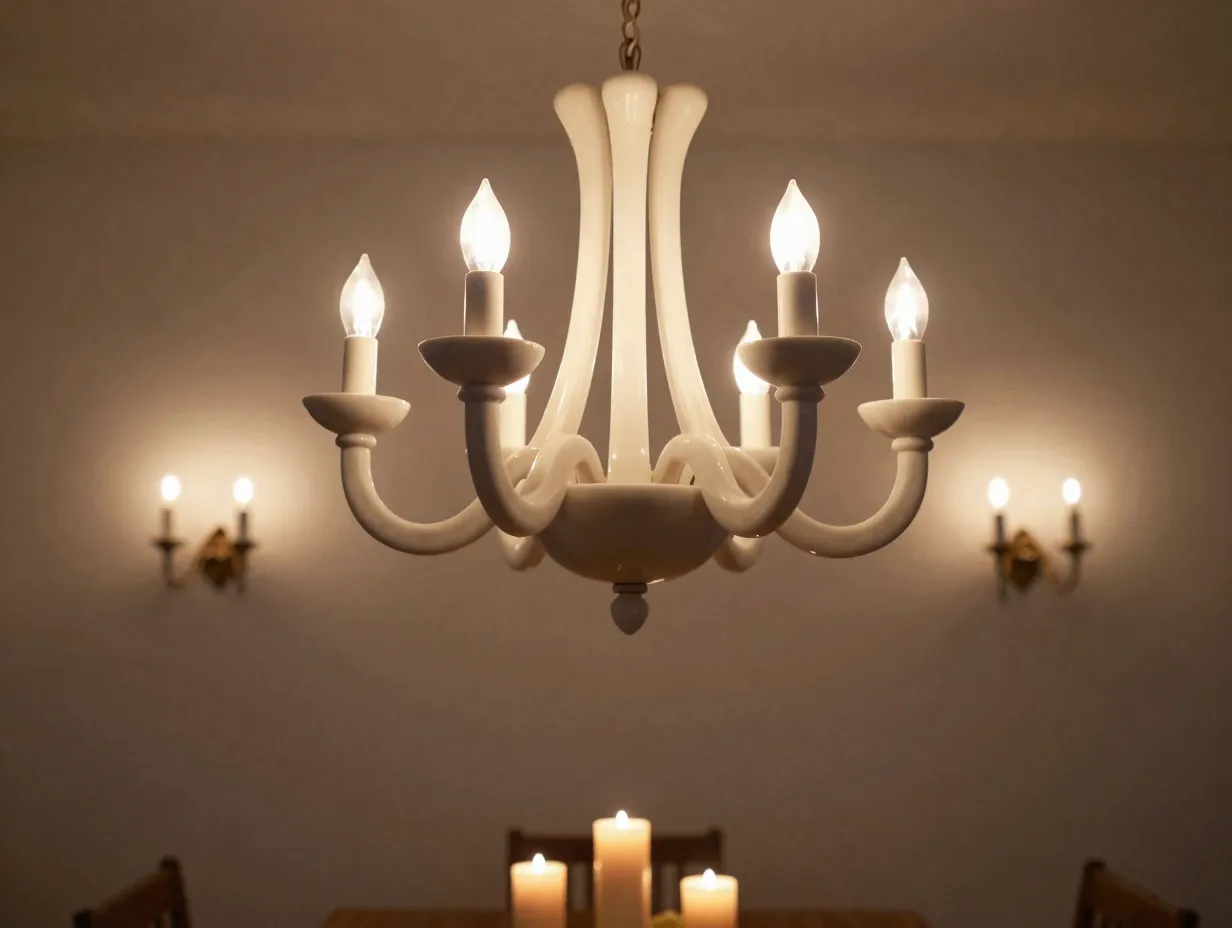
Standard recessed lighting is one of the most common mistakes in dining room design. It produces flat, even illumination that is practical for tasks but actively hostile to atmosphere [4][6][10]. The best dining room lighting is warm, layered, and intentional.
Designers in 2026 are treating lighting as a form of sculpture, choosing fixtures that function as art even when they are switched off [4][6][12]. A single dramatic pendant or chandelier above the dining table becomes the visual anchor of the room. Sconces on the walls add depth. Candles on the table add flicker and warmth that no electric light can fully replicate.
Lighting layers to consider:
- Ambient layer: A statement pendant or chandelier hung 30 to 36 inches above the table surface
- Accent layer: Wall sconces at eye level to add warmth and eliminate harsh shadows
- Task layer: Dimmer switches on all fixtures so you can adjust the mood from bright for family dinners to low for dinner parties
- Decorative layer: Candles, whether tapers, pillars, or votives, placed at varying heights on the table
Warm-temperature bulbs, in the 2700K to 3000K range, are essential. Cool white bulbs undermine every other design decision you make in this room [4][6].
3. Treat Walls as a Storytelling Surface
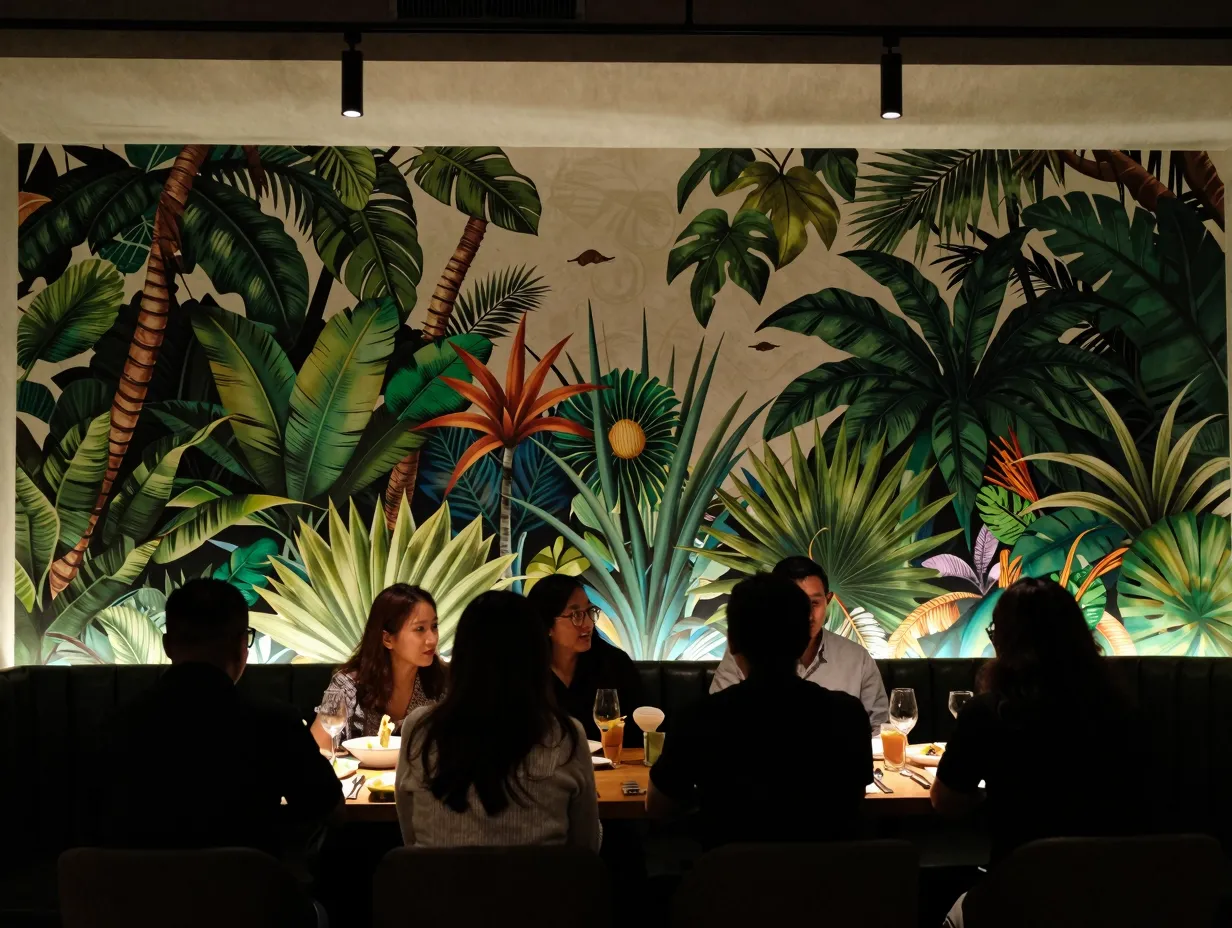
Blank white walls in a dining room represent a missed opportunity. In 2026, walls are being treated as the primary storytelling surface of the space, with designers using mural-like wallcoverings, jungle-inspired scenes, lime plaster, textured panels, and bold wallpaper to create rooms that feel like destinations [1][4][7][8].
The logic is simple: when guests sit down for a meal, they spend hours looking at the walls. A room with visual depth and character gives them something to engage with, something that sets the mood before the first dish arrives.
Wall treatment options by impact level:
| Treatment | Visual Impact | Investment Level |
|---|---|---|
| Bold paint color | High | Low |
| Textured wallpaper | Very High | Medium |
| Lime plaster finish | High | Medium-High |
| Hand-painted mural | Transformative | High |
| Wood-clad panels | High | Medium-High |
| Large-scale botanical print | Very High | Medium |
Trend reports for 2026 specifically highlight murals and large-scale wallcoverings as a way to “transport” guests, turning a meal into an experience that feels distinct from everyday life [1][7][8]. A single statement wall, often the one behind the primary seating, can achieve this effect without overwhelming the room.
4. Elevate the Ceiling as the Fifth Wall
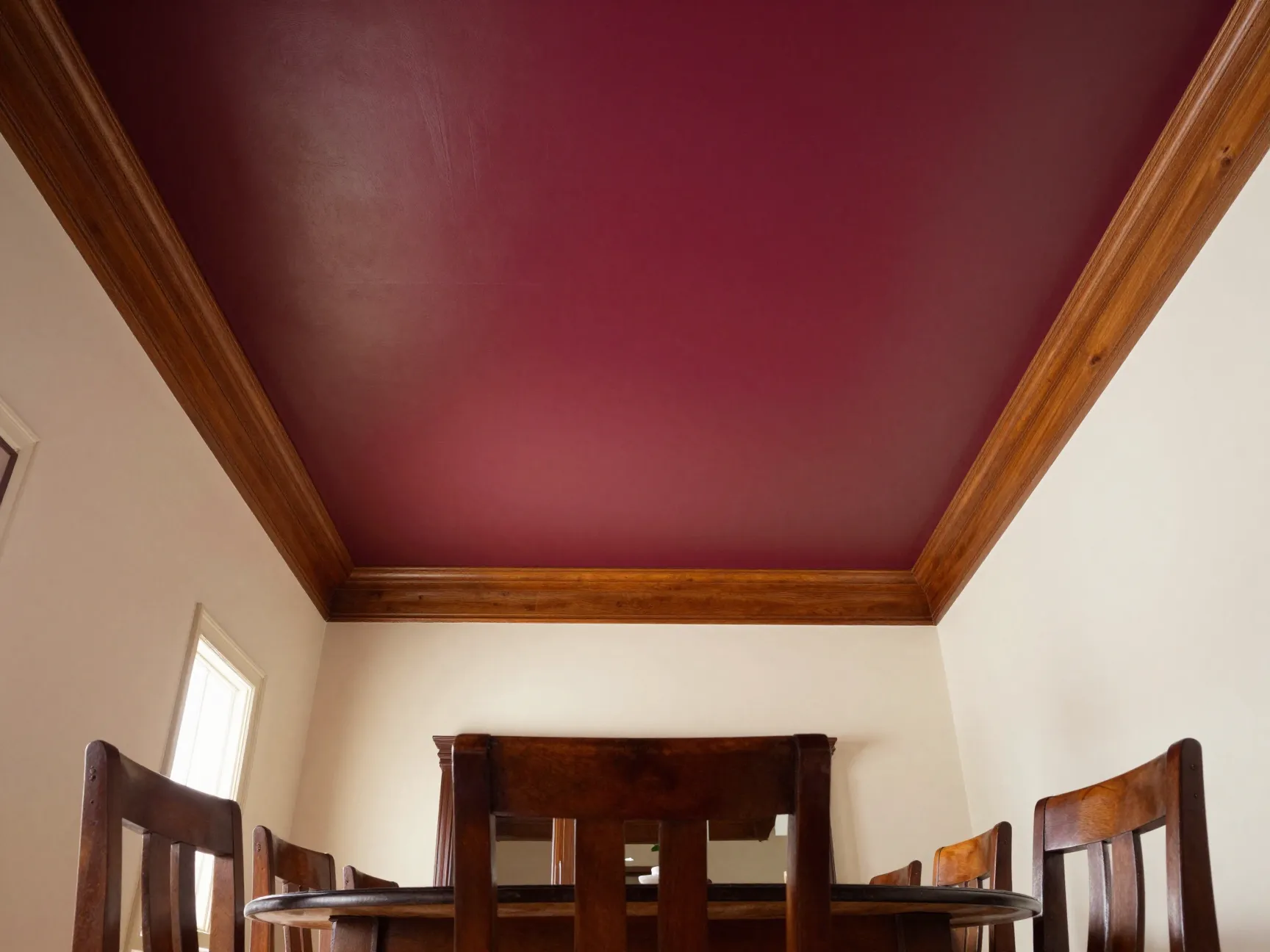
Most homeowners stop thinking about design at eye level. Designers do not. The ceiling, often called the “fifth wall,” is one of the most underused surfaces in residential interiors, and dining rooms in particular benefit from ceiling treatments that add architectural drama [3][13].
In 2026, designers are predicting a significant increase in statement ceilings featuring trim work, hand-painted murals, lacquer finishes, fabric draping, gold leaf accents, and saturated high-gloss paint [3][13]. These treatments do something specific in a dining room: they frame the table below, drawing the eye downward and reinforcing the dining area as the focal point of the space.
Statement ceiling ideas for dining rooms:
- Apply high-gloss paint in a deep, saturated color for a jewel-box effect
- Install simple wood trim or coffered panels for architectural structure
- Use gold leaf or metallic paint for a warm, celebratory quality
- Hang fabric in soft folds for a tent-like, intimate atmosphere
- Commission a painted mural on the ceiling for a truly one-of-a-kind space
Even modest ceiling treatments, such as painting the ceiling two shades darker than the walls, can add significant depth and drama to a dining room without major renovation.
5. Anchor the Room with a Hero Dining Table
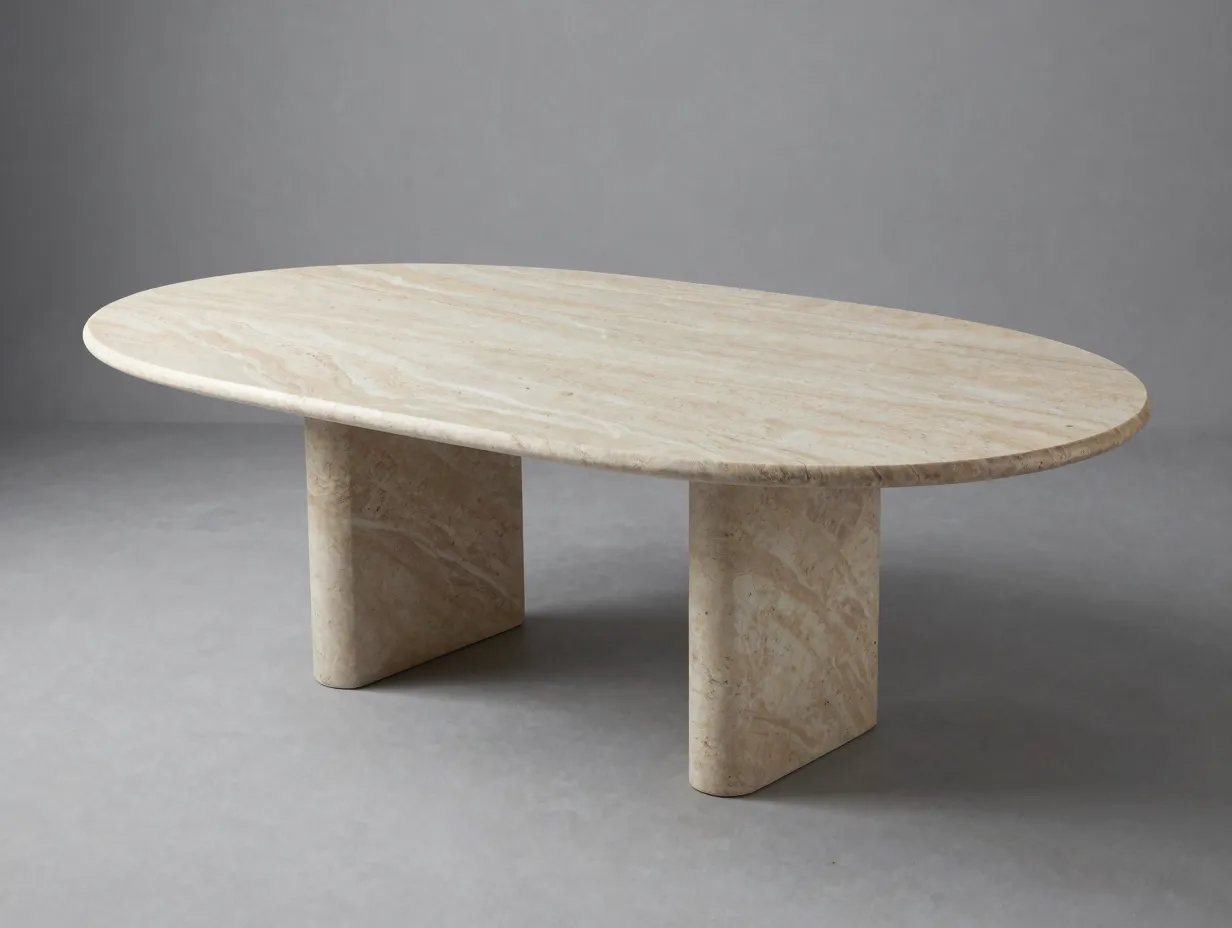
Every memorable dining room has a hero table. This is the piece around which everything else is organized, the surface that guests gather around and the object that sets the material tone of the room.
The 2026 data on dining table preferences is striking: travertine is named by 76% of industry respondents as a leading material, and interest in darker wood finishes has surged by 262% year over year [3]. Stone tables in travertine, marble, and quartzite are particularly valued for their combination of visual weight and natural variation, no two stone tables look exactly alike.
What makes a hero table:
- Scale: The table should fill the room comfortably, with at least 36 inches of clearance on all sides for easy movement
- Material: Stone, solid dark wood, or a combination of both signals permanence and quality
- Shape: Round and oval tables encourage conversation; rectangular tables accommodate more guests for larger gatherings
- Finish: Natural, unsealed surfaces with visible texture and grain read as more authentic and less corporate than highly polished alternatives
I have seen dining rooms where the table was clearly chosen as an afterthought, a generic piece that fit the space without commanding it. The difference between those rooms and the ones that feel genuinely special almost always comes down to the table. Invest here first.
6. Choose Seating That Invites Long Stays
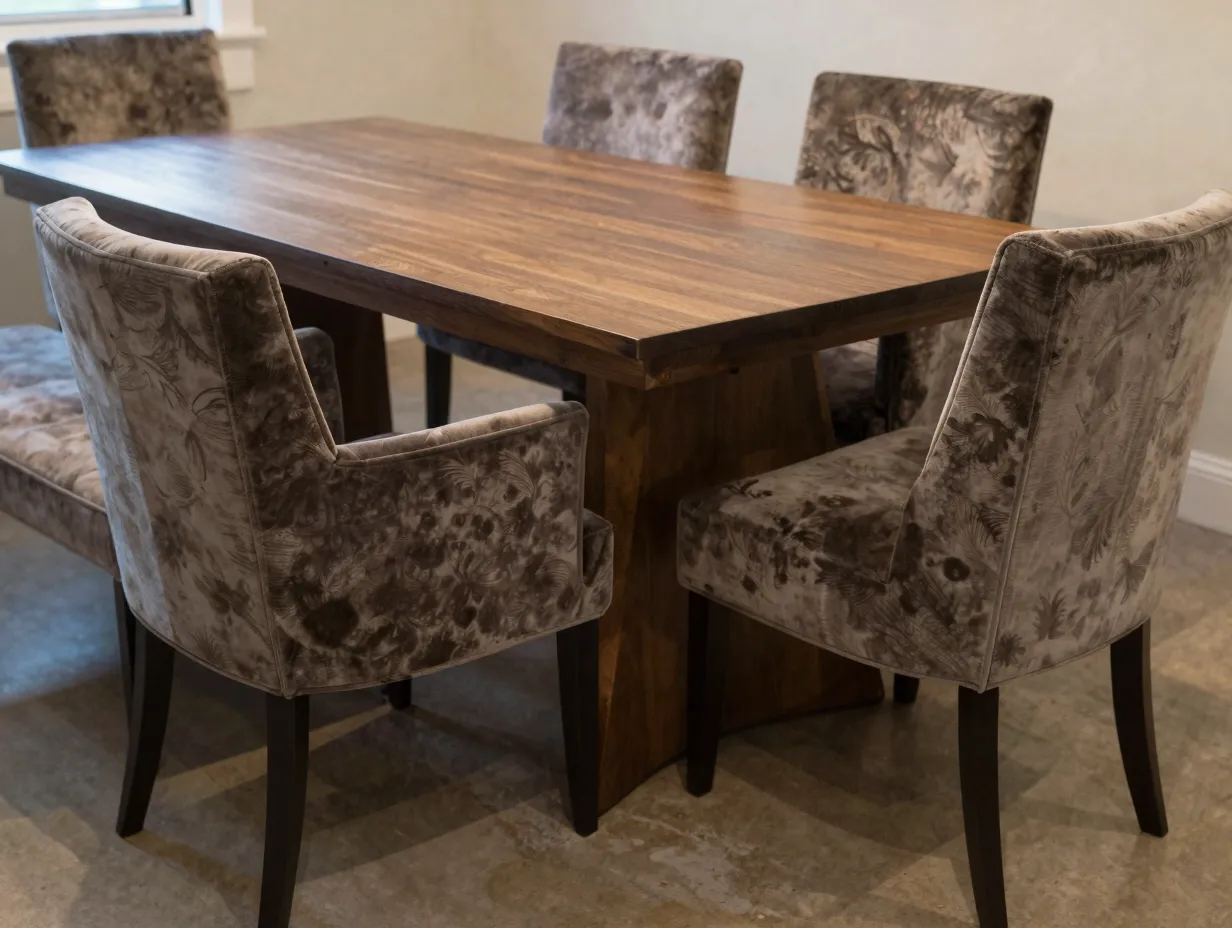
A dining chair has one job: to make the person sitting in it want to stay. This sounds simple, but it is remarkable how many dining rooms are furnished with chairs that fail this basic test. Hard seats, low backs, and inadequate cushioning are the enemies of memorable gatherings.
In 2026, the demand for upholstered dining chairs in durable, easy-care fabrics is growing significantly [3][5]. Performance velvets, boucle, and treated linens offer the comfort of upholstery with the practicality needed in a room where spills are inevitable.
Seating principles for gathering-ready dining rooms:
- Mix chair styles intentionally. A host chair with arms at each end of the table adds visual hierarchy and extra comfort for the longest-seated guests.
- Use a dining bench on one side of a rectangular table to increase capacity without adding more chair legs to navigate.
- Choose seat heights that pair correctly with your table. Standard dining chairs sit at 17 to 19 inches; the table surface should be 10 to 12 inches above the seat.
- Consider vintage or vintage-inspired silhouettes, which add character and a sense of curation that mass-produced contemporary chairs rarely achieve [3][5].
“The best dining room seating makes guests forget they are sitting. That is the goal: comfort so natural it becomes invisible.”
7. Incorporate Rich, Mixed Materials Throughout
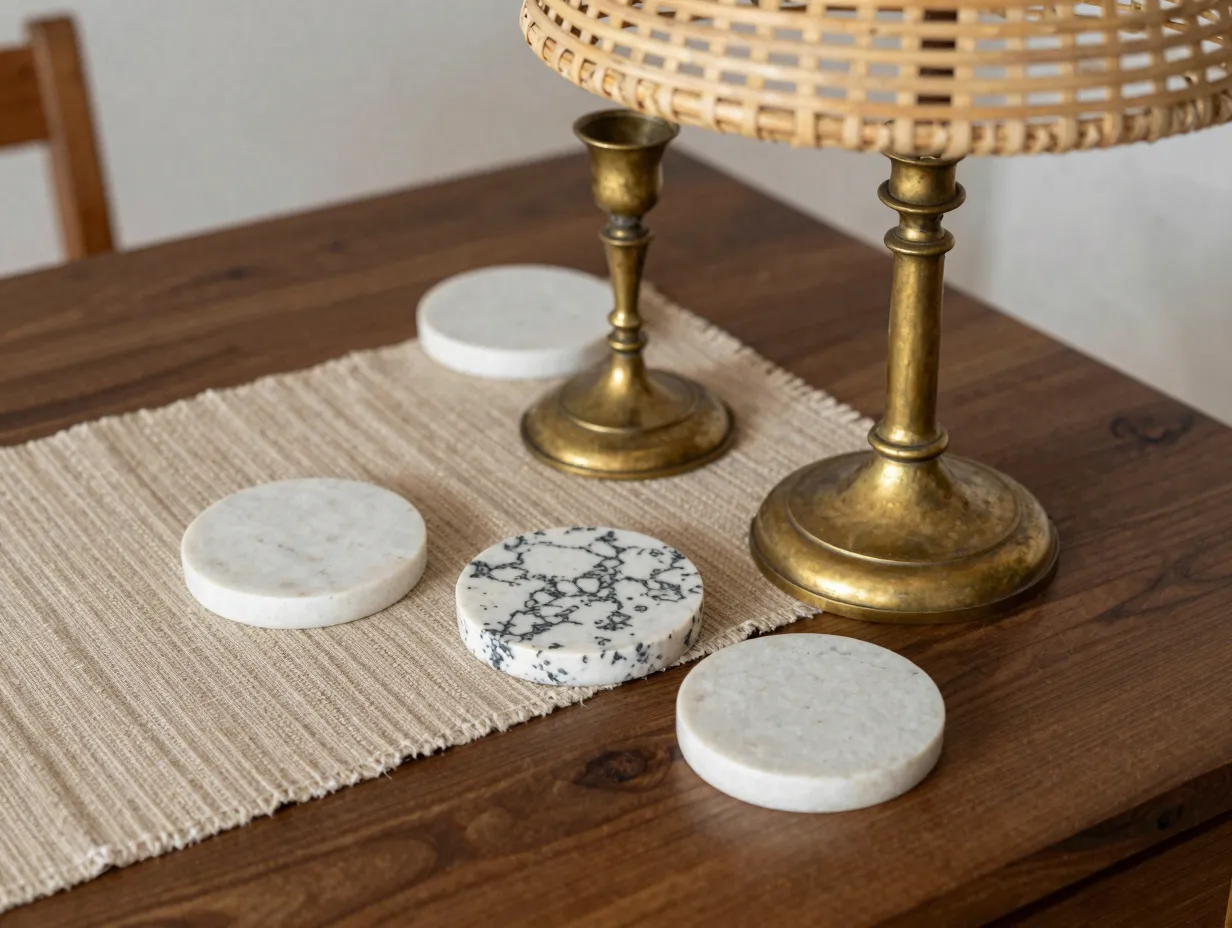
The most memorable dining rooms do not rely on a single material or finish. They layer textures and materials in a way that rewards close attention, where every surface has a story and nothing feels generic.
The 2026 design landscape is defined by this kind of material richness. Dark woods, stone, aged metals, woven textiles, and ceramic are being combined in dining rooms that feel collected rather than coordinated [3][5][6]. The effect is a room that looks like it has been assembled over time, with pieces chosen for their individual character rather than their matching finish.
Material combinations that work particularly well:
- Dark walnut table with travertine coasters and aged brass candlesticks
- Lime plaster walls with a rattan pendant light and linen upholstered chairs
- Wood-paneled walls with a marble-topped sideboard and velvet seating
- Terracotta-toned walls with a quartzite table and woven textile runner
The key to mixing materials successfully is to maintain a consistent temperature. Warm materials, those with brown, gold, amber, and earthy undertones, work together naturally. Mixing warm and cool materials requires more care and a stronger editorial eye.
8. Curate the Details That Make Meals Feel Like Events
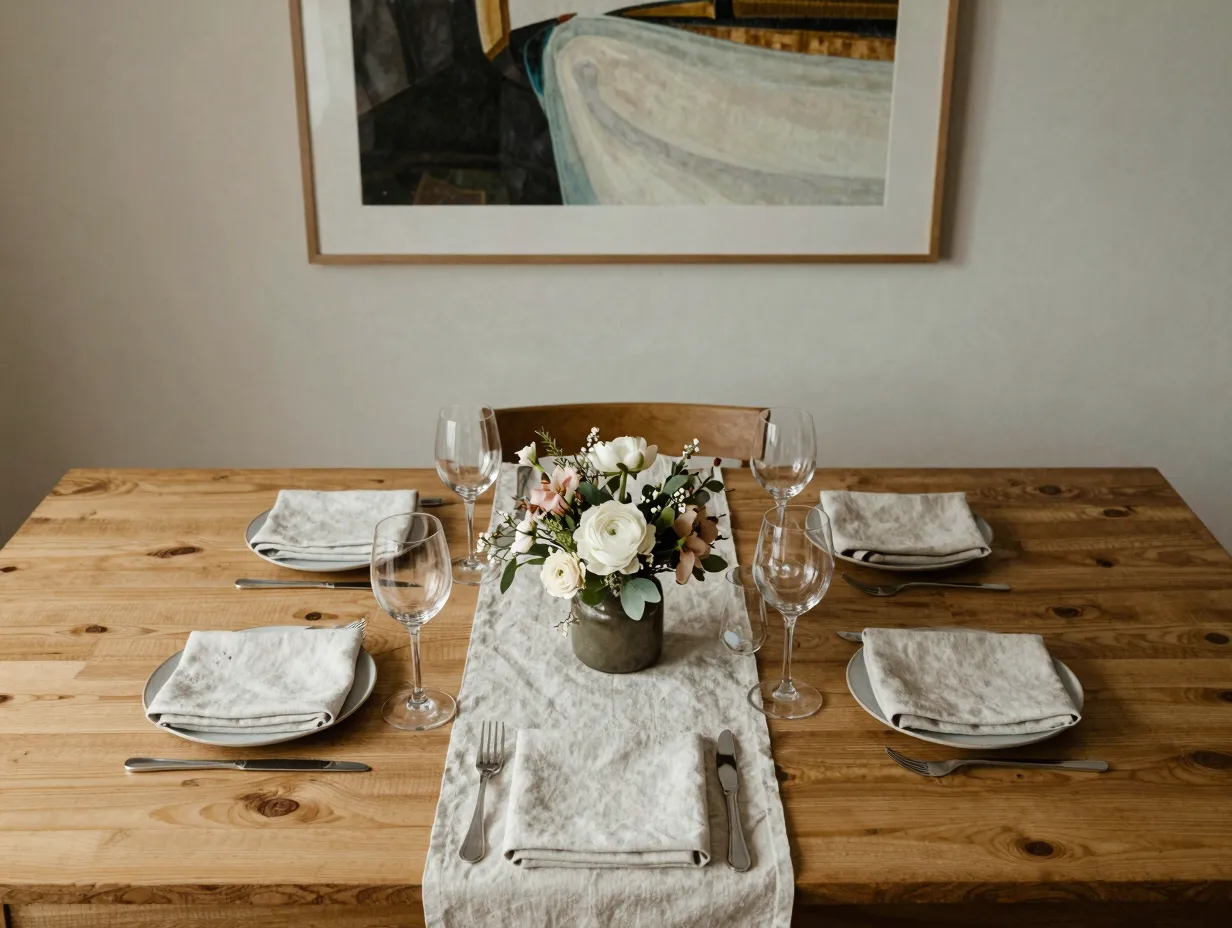
The final concept in these 8 dining room design concepts for memorable meals and gatherings is about the layer of detail that elevates a well-designed room into a genuinely memorable one. This is the difference between a dining room that looks good in photographs and one that feels extraordinary to sit in.
Details include the objects on the table, the art on the walls, the scent in the room, and the small rituals that signal to guests that this meal matters. None of these require significant investment, but all of them require intention.
Detail-level decisions that make a measurable difference:
- Art placement: A single large-scale artwork hung at eye level on the primary wall creates a focal point that anchors the room’s personality
- Table linens: Quality linen napkins and a simple runner add texture and warmth without overwhelming the table surface
- Centerpiece height: Keep centerpieces low enough that guests can see each other across the table. Conversation requires sight lines.
- Scent: A subtle candle or diffuser with a warm, non-food scent, such as cedar, amber, or sandalwood, adds a sensory layer that guests notice without identifying
- Sideboard or credenza: A well-chosen piece of storage furniture gives the room a sense of completeness and provides a surface for serving, display, and ambient lighting
These details do not need to be expensive. They need to be chosen. A dining room filled with intentional small decisions communicates care to everyone who sits in it, and care is what transforms a meal into a memory.
Bringing the 8 Dining Room Design Concepts Together
The most effective dining rooms in 2026 do not apply one of these concepts in isolation. They layer several of them together, building a room where color, light, materials, and detail work as a unified whole.
A practical sequence for applying these concepts:
- Start with color. Choose your palette before making any other decisions, since it will influence every material and finish choice that follows.
- Select the hero table. This is the room’s anchor, and everything else should be chosen in relation to it.
- Plan the lighting. Identify the pendant or chandelier position, add sconce locations, and install dimmers before finalizing wall treatments.
- Choose wall and ceiling treatments that reinforce the mood established by your color palette.
- Select seating that is comfortable, appropriately scaled, and materially consistent with the table and walls.
- Layer in mixed materials through accessories, textiles, and smaller furniture pieces.
- Curate the final details, including art, linens, centerpieces, and scent, as the finishing layer.
This sequence prevents the common mistake of making large purchases before the overall direction is clear, which leads to rooms that feel assembled rather than designed.
Conclusion
The 8 dining room design concepts for memorable meals and gatherings outlined in this guide share a common thread: they all prioritize how the room makes people feel over how it looks in a catalog. A warm color palette creates intimacy. Sculptural lighting creates atmosphere. Rich materials create a sense of permanence and care. Comfortable seating creates the conditions for long, unhurried conversation.
None of these concepts require a complete renovation or an unlimited budget. Most of them can be applied incrementally, one decision at a time, as you refine the room over months or years.
Actionable next steps:
- Identify which single concept would have the biggest impact on your current dining room and start there
- Commit to a color palette before purchasing any new furniture or accessories
- Audit your current lighting and replace any recessed or cool-white fixtures with warm, dimmable alternatives
- Visit stone yards or furniture showrooms in person to assess material quality before purchasing a hero table
- Treat the dining room as an ongoing project rather than a one-time purchase, adding and refining details over time
The dining room is where some of the most important moments of your life will happen. It deserves the same level of thought and investment you would give any other significant space in your home.
References
[1] 2026 Dining Room Trends – https://www.veranda.com/home-decorators/design-trends/a70463640/2026-dining-room-trends/
[2] Dining Room Trends 2026 – https://www.homesandgardens.com/interior-design/dining-room-trends-2026
[3] 2026 Dining Room Trends – https://www.housebeautiful.com/design-inspiration/a69674559/2026-dining-room-trends/
[4] Dining Room Trends 2026 – https://www.goodhousekeeping.com/home/decorating-ideas/a69938681/dining-room-trends-2026/
[5] Dining Room Trends 2026 – https://www.homemakers.com/blog/inspiration/dining-room-trends-2026.html
[6] Dining Room Trends 2026 – https://www.elledecor.com/design-decorate/trends/a70406010/dining-room-trends-2026/
[7] Dining Room Design Trends 2026 – https://modernluxco.com/blogs/news/dining-room-design-trends-2026
[8] Dining Room Trends 2026 – https://www.wallsauce.com/us/blog/dining-room-trends-2026
[9] What Are The Best Dining Room Color Schemes For 2026 – https://gusj.com/knowledge-base/what-are-the-best-dining-room-color-schemes-for-2026/
[10] Current Dining Room Color Trends – https://www.accio.com/business/current-dining-room-color-trends