8 Nursery Room Inspiration Ideas For a Serene and Sweet Space
A newborn spends roughly 16 hours a day sleeping, which means the nursery is not just a decorative project, it is one of the most used rooms in your entire home. Yet most parents spend more time choosing a stroller than they do thinking about how the walls, textures, and layout of that room will shape the daily rhythm of early parenthood. In 2026, that is starting to change. Designers and trend researchers are reporting a clear shift away from novelty-driven nursery decor toward spaces built around calm, safety, and long-term livability. These 8 nursery room inspiration ideas for a serene and sweet space bring together the best of that movement, drawing on current design research, pediatric safety guidance, and real-world styling wisdom to help you build a room that works beautifully from day one.
Disclosure: This post contains affiliate links. As an Amazon Associate, we earn from qualifying purchases, and at no extra cost to you.
Key Takeaways
- Warm, nature-inspired neutrals like sage green, clay pink, and mushroom beige are the leading palette choices for calm nurseries in 2026, outperforming stark white for soothing effect.
- Safe-sleep alignment, a firm, flat, uncluttered crib surface, is a non-negotiable foundation that also contributes directly to a visually serene room.
- Layering textures through linen, rattan, wool, and organic cotton adds warmth and coziness without visual clutter.
- Vintage, storybook, and heritage details such as antique brass hardware and old-world florals bring timeless sweetness to a minimalist base.
- Thoughtful storage and convertible furniture keep the space tidy and low-stress, extending the room’s usefulness well beyond infancy.
What Makes a Nursery Truly Serene and Sweet
Before diving into the specific ideas, it helps to understand what “serene and sweet” actually means in a design context. Serene refers to a room that is visually calm, free of overstimulation, and easy to navigate in the dark at 3 a.m. Sweet refers to the emotional warmth of the space, the details that make it feel like a gentle, loving welcome for a new person entering the world.
These two qualities are not in conflict. In fact, the best nurseries in 2026 achieve both simultaneously by using a restrained color palette as the foundation and then layering in carefully chosen details that carry personality and charm. The 8 nursery room inspiration ideas for a serene and sweet space outlined below follow exactly that logic: start calm, then add sweetness with intention.
8 Nursery Room Inspiration Ideas For a Serene and Sweet Space
1. Wrap the Room in Warm, Nature-Inspired Neutrals
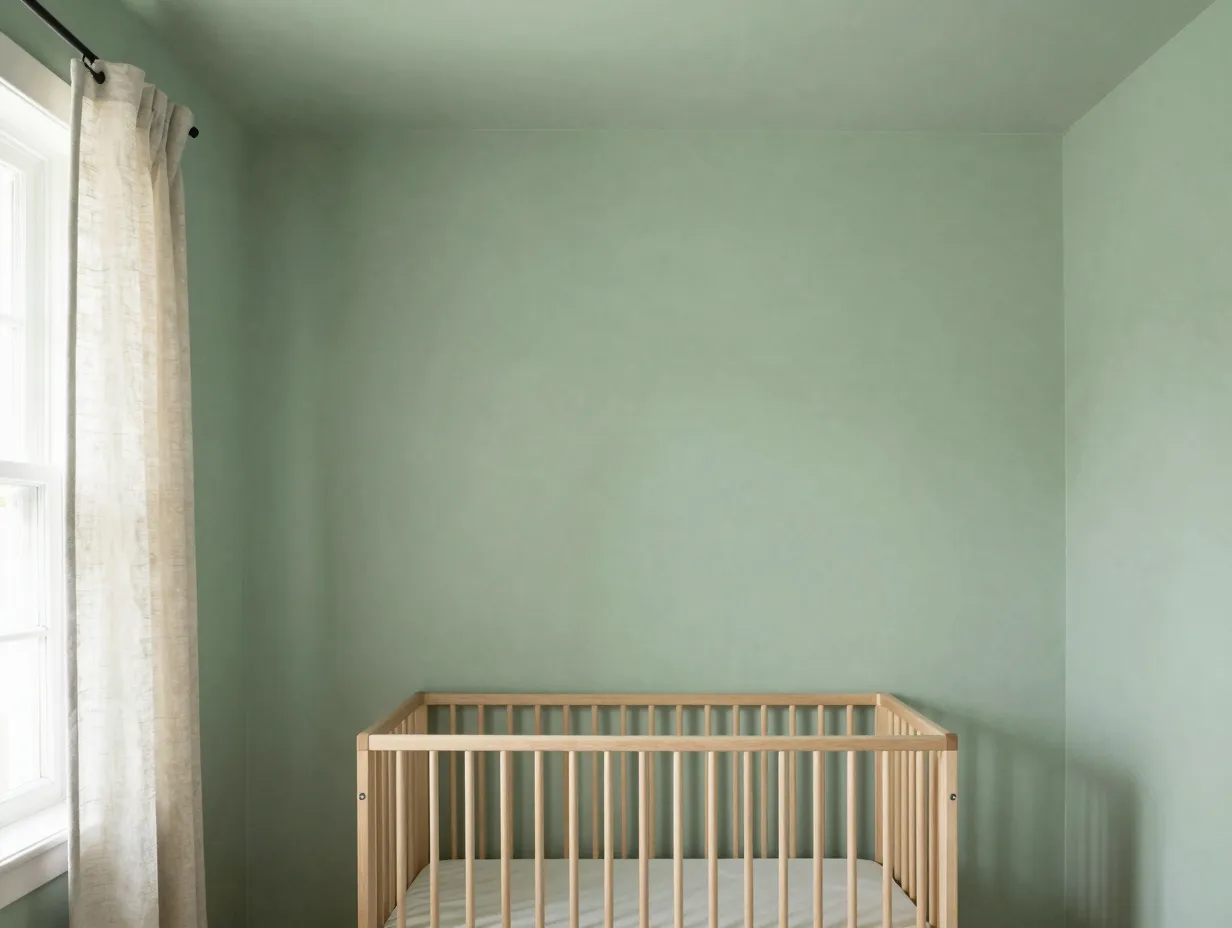
The single most impactful decision in any nursery is the wall color, and in 2026, the clear consensus among designers is to move away from stark white toward warmer, nature-inspired neutrals. Shades like sage green, clay pink, mushroom beige, sand, and oat tones are dominating trend reports because they create what designers call a “cocooning” effect, a sense of gentle enclosure that feels safe and soothing for both baby and parents [1][8].
What makes these tones work so well is their connection to the natural world. Sage green carries the quiet energy of a garden. Clay pink feels like early morning light. Mushroom beige is the color of a forest floor after rain. None of these shades demand attention. They simply hold the room in a soft, steady embrace.
Practical tip: When choosing your neutral, test the paint in natural daylight and again under your nursery lamp at night. Warm neutrals can shift significantly under artificial light, and you will be spending a lot of time in that room after dark.
“The rooms that age best are the ones where the color feels like it has always been there.”, A sentiment echoed across multiple 2026 nursery design roundups [1][8]
2. Try a Color-Drenched, Tone-on-Tone Approach
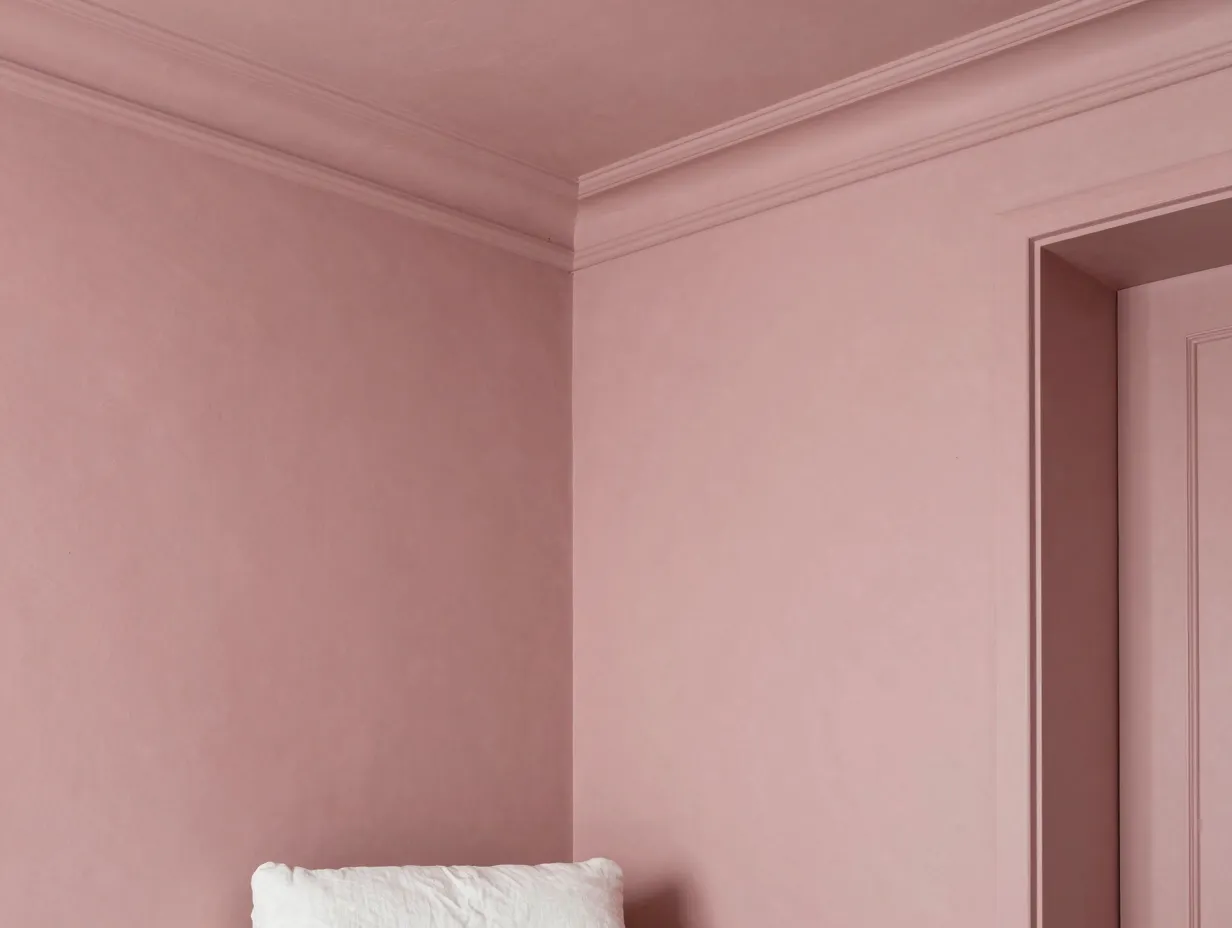
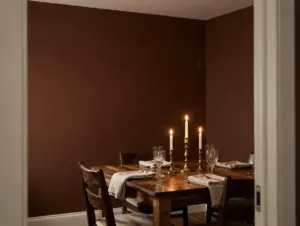
One of the boldest designer recommendations for 2026 nurseries is the “color-drenched” room, a space where a single soft, atmospheric shade is applied to all four walls, the ceiling, the trim, and even the built-ins [2][9]. Rather than feeling overwhelming, this approach creates a deeply enveloping, cozy atmosphere that is particularly effective in smaller nursery rooms where contrast between walls and trim can feel choppy.
Pair this technique with artisan finishes like limewash or plaster-inspired textures, and the result is a room that feels visually rich without being busy. Tone-on-tone wainscoting and cloud-brushed paint techniques are specifically highlighted in 2026 designer predictions as ways to keep the room calm but layered [2].
What works well in a color-drenched nursery:
- Soft clay pink on walls, ceiling, and trim with a matte finish
- Limewash application for subtle texture variation
- White or natural linen textiles to provide gentle contrast
- Warm-toned wood furniture to ground the space
This idea works especially well with the clay pink and sage green palettes mentioned above. The key is to commit fully, half-measures with this technique tend to look unfinished rather than intentional.
3. Build Around a Nature-Inspired Theme
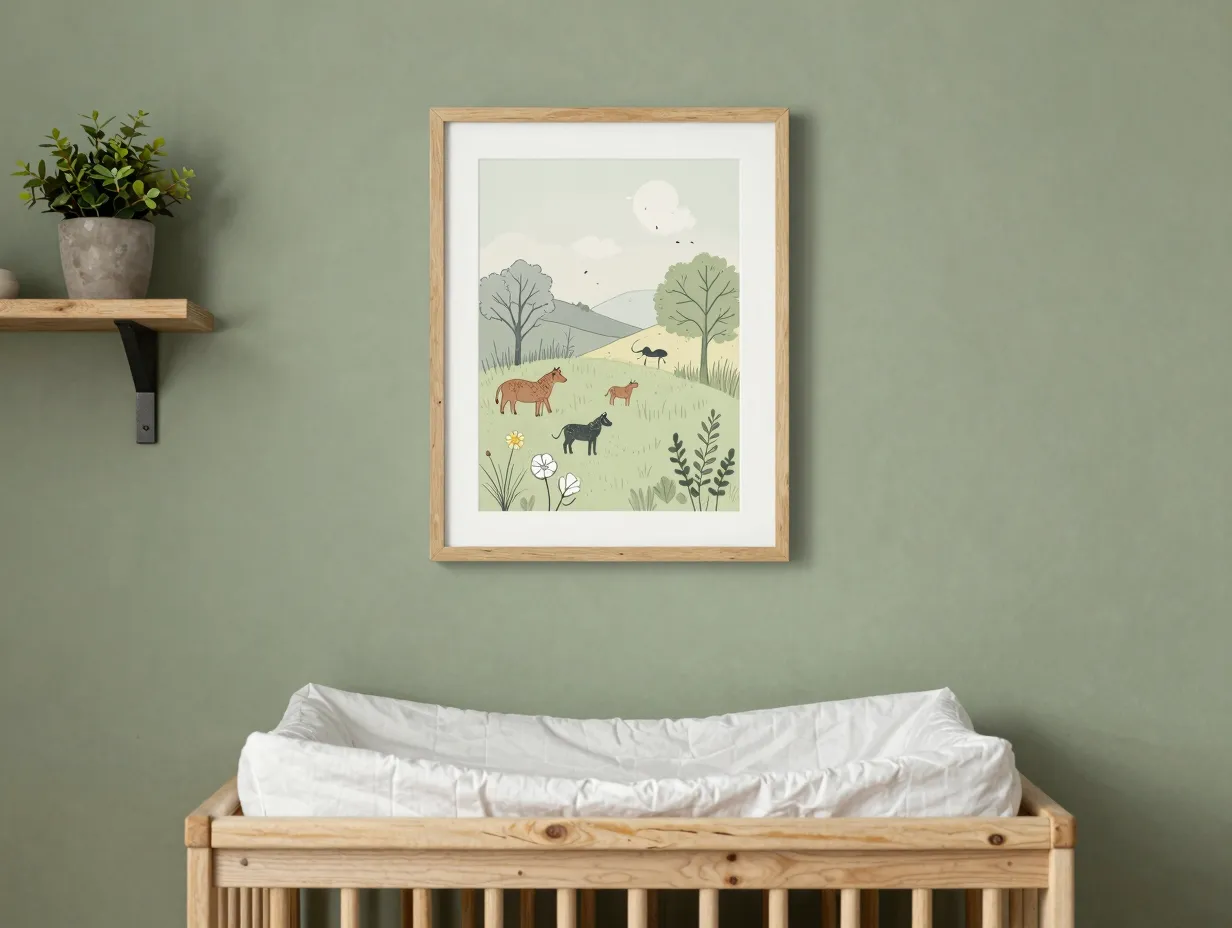
Nature-inspired themes are a dominant force in 2026 nursery design, and for good reason. They provide a clear visual language that is easy to execute, endlessly adaptable, and never feels overstimulating [5][10]. Three themes in particular are standing out this year.
Coastal Calm uses soft blues, sandy neutrals, and gentle wave or shell motifs to create a room that feels open and airy. Think washed linen curtains, a driftwood-toned crib, and a single piece of seaside-inspired art above the changing table.
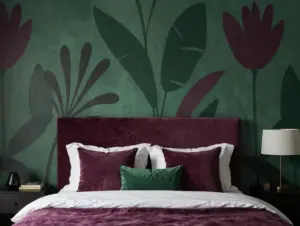
Botanical Pastels bring the garden indoors through gentle floral wallpaper, leaf-print textiles, and potted plants placed safely out of reach. This theme pairs beautifully with sage green walls and natural rattan furniture.
French Countryside leans into heritage and romance with soft florals, aged whites, and a slightly storybook quality. Organic line work, gentle animal illustrations, and muted pastoral tones make this theme feel quietly whimsical rather than cartoonish [5].
All three of these themes share a commitment to organic shapes and muted, natural color palettes. They avoid the primary-color intensity of traditional nursery decor in favor of something quieter and more lasting.
4. Layer Textures and Textiles for Cozy Depth
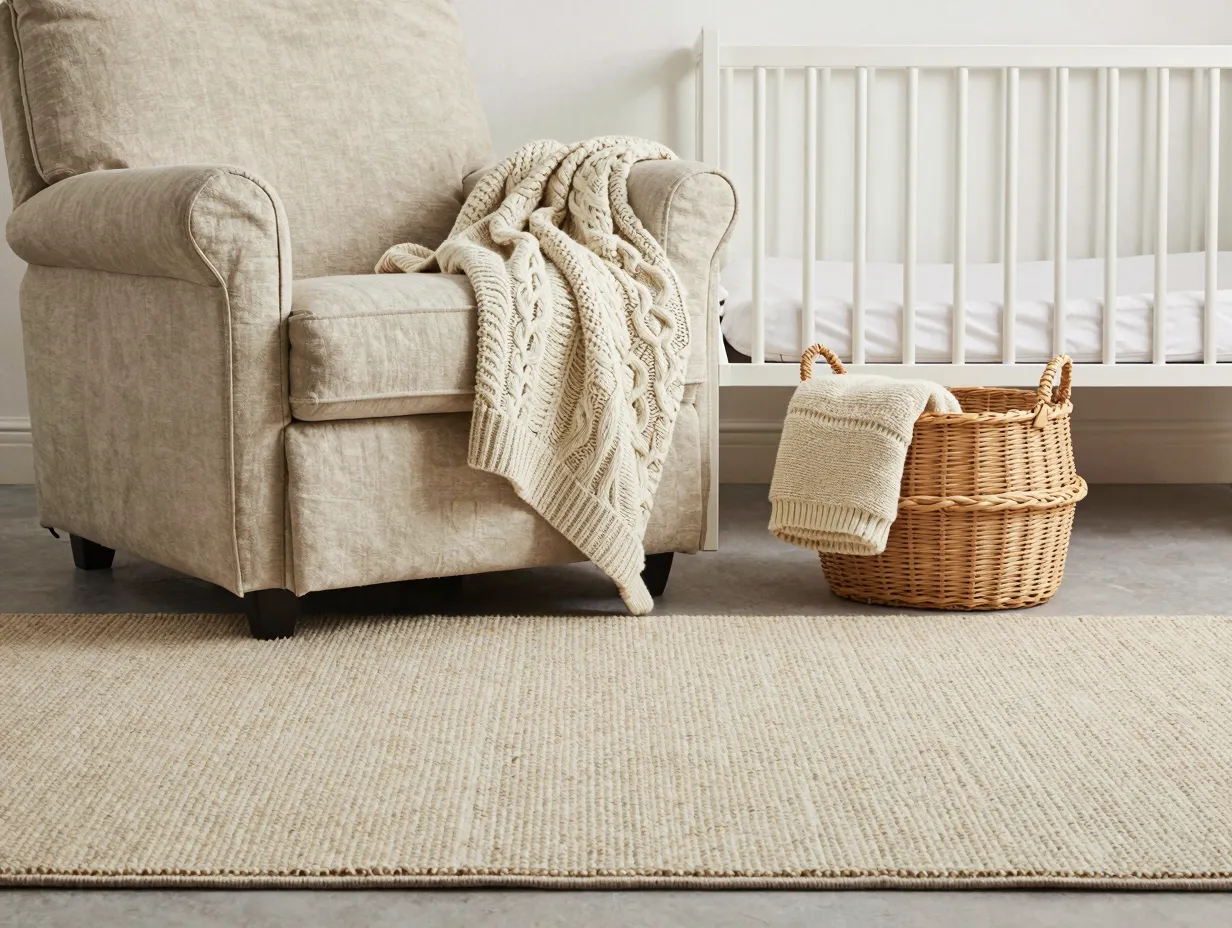
Color sets the mood, but texture is what makes a nursery feel genuinely warm and inviting. Layering fabrics and tactile materials is one of the most effective ways to add coziness without adding visual clutter, and it is a central theme in 2026 nursery design analysis [1][4][9][11].
The key is to mix materials that complement each other in tone while varying in texture. Consider this combination as a starting point:
| Layer | Material | Effect |
|---|---|---|
| Floor | Wool or cotton rug in oat or sand | Warmth underfoot, sound absorption |
| Crib | Organic cotton fitted sheet | Clean, safe, breathable |
| Glider | Linen slipcover or cushion | Soft, natural, easy to wash |
| Window | Sheer linen curtains | Filtered light, gentle movement |
| Accent | Cable-knit throw on the chair | Visual warmth, cozy detail |
| Storage | Rattan or woven baskets | Natural texture, visual interest |
Notice that none of these layers go inside the crib. The crib itself stays clean and minimal, more on that in idea number five. All of the textural layering happens in the surrounding environment, creating a cocoon of warmth around the sleep space rather than within it [4][9].
Rattan and natural wood deserve special mention here. These materials have become staples of the 2026 nursery aesthetic because they bridge the gap between functional and beautiful. A rattan pendant light, a wooden toy shelf, or a woven changing basket adds organic texture that no synthetic material can replicate.
5. Commit to Safe-Sleep Minimalism in the Crib Zone
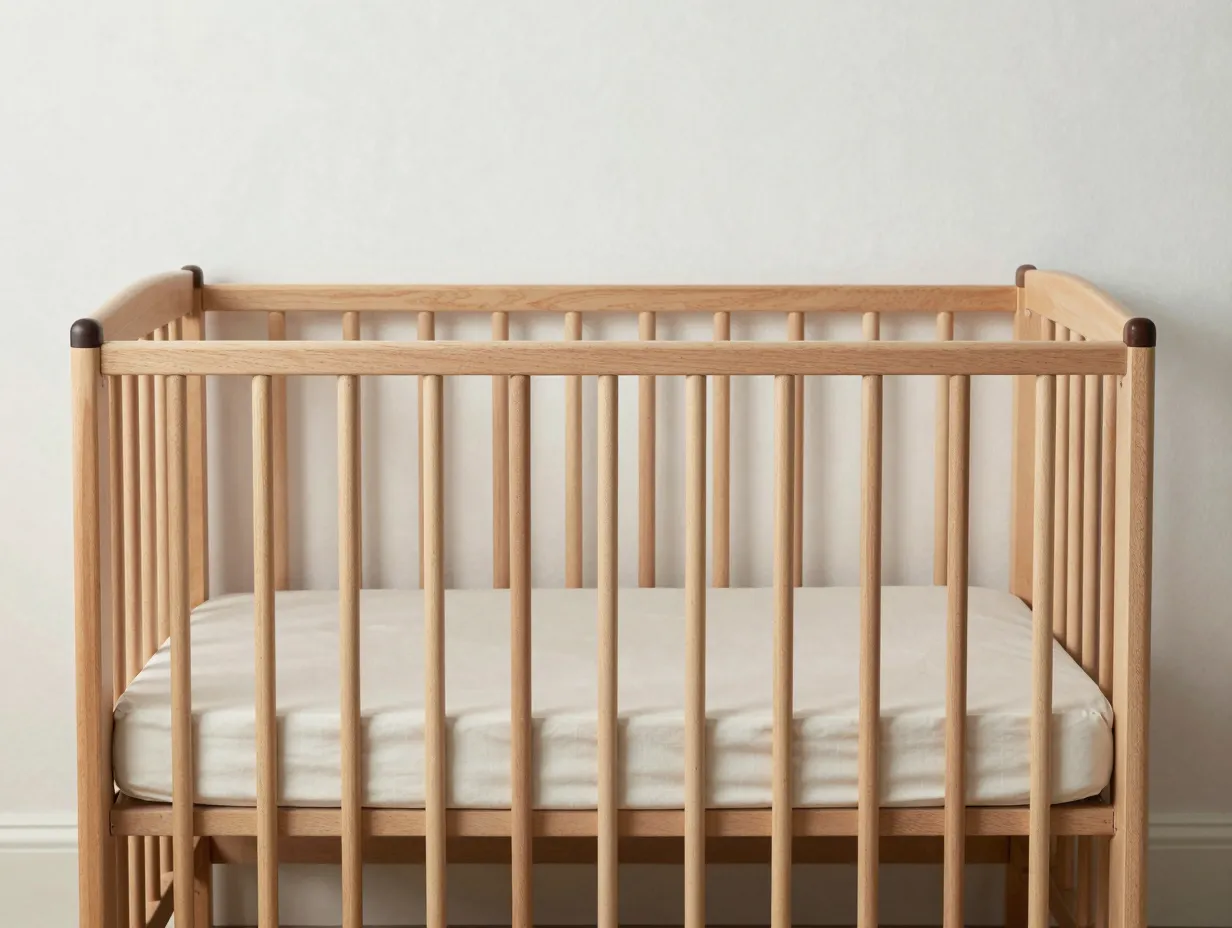
This is the idea that is not optional. The American Academy of Pediatrics continues to recommend a firm, flat sleep surface with no pillows, blankets, bumpers, or soft toys in the infant’s sleep environment [3][6]. These guidelines exist to reduce the risks of SIDS, suffocation, entrapment, and strangulation, and they have not changed in their core message.
What is worth noting from a design perspective is that safe-sleep alignment and visual serenity are actually the same goal. A crib that follows AAP guidelines, a firm mattress, a fitted sheet, nothing else, is also a crib that looks clean, calm, and intentional [3][6].
Safe-sleep crib checklist:
- Firm, flat mattress that fits snugly in the crib frame
- One tight-fitting crib sheet in a breathable fabric
- No pillows, positioners, or rolled blankets
- No bumper pads or mesh liners
- No stuffed animals or loose toys
- Crib positioned away from windows, cords, and curtains
When parents ask me how to make the crib area look “designed,” my answer is always the same: invest in the crib itself. A well-made convertible crib in solid wood with clean lines needs no accessories to look beautiful. The simplicity is the design.
6. Add Sweetness Through Vintage and Heritage Details
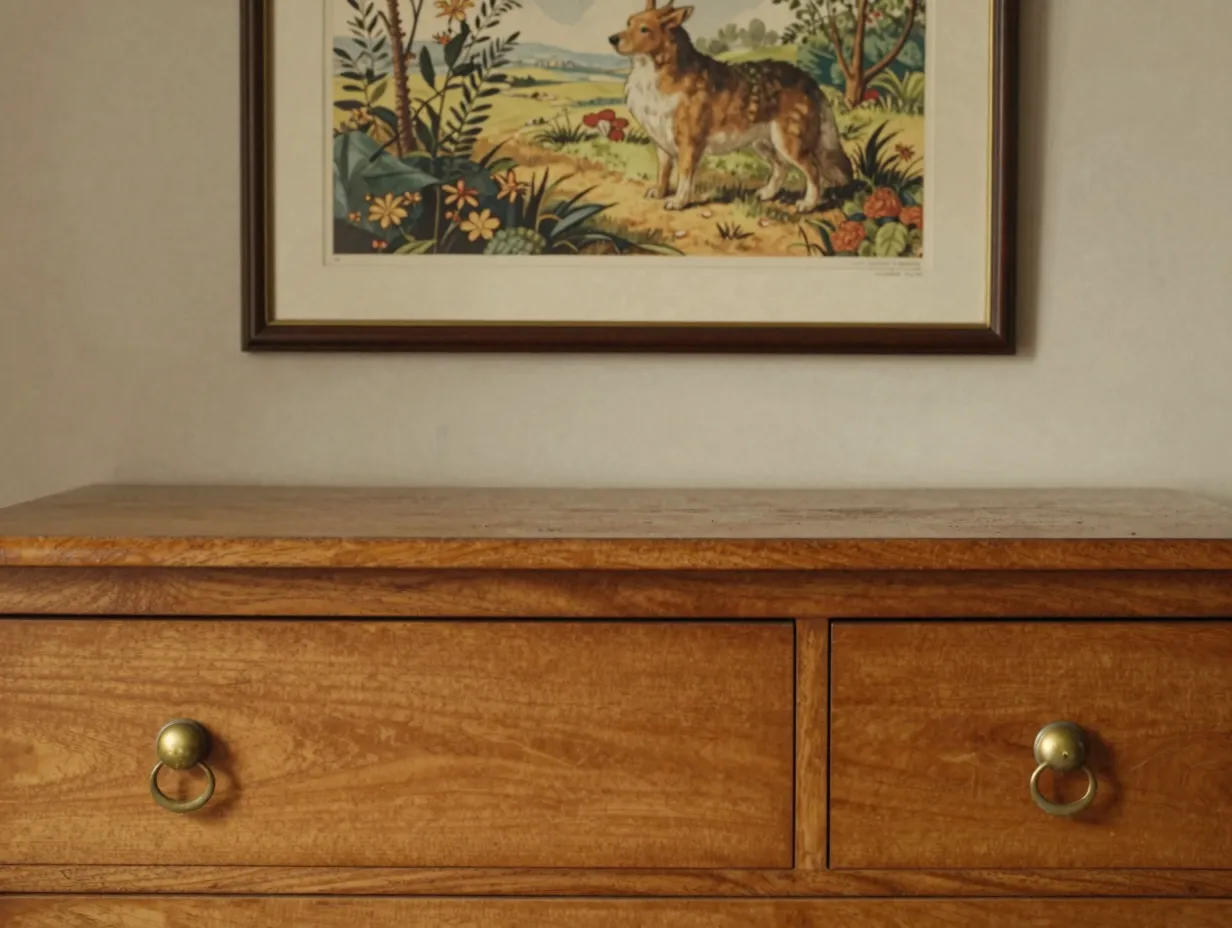
Once the calm foundation is established, the sweetness comes from the details. In 2026, designers are consistently pointing to vintage, storybook, and heritage-inspired elements as the most effective way to add charm and emotional warmth without overwhelming a serene palette [1][2][5].
These details do not need to be expensive or antique. They simply need to feel considered and personal. Some of the most effective options include:
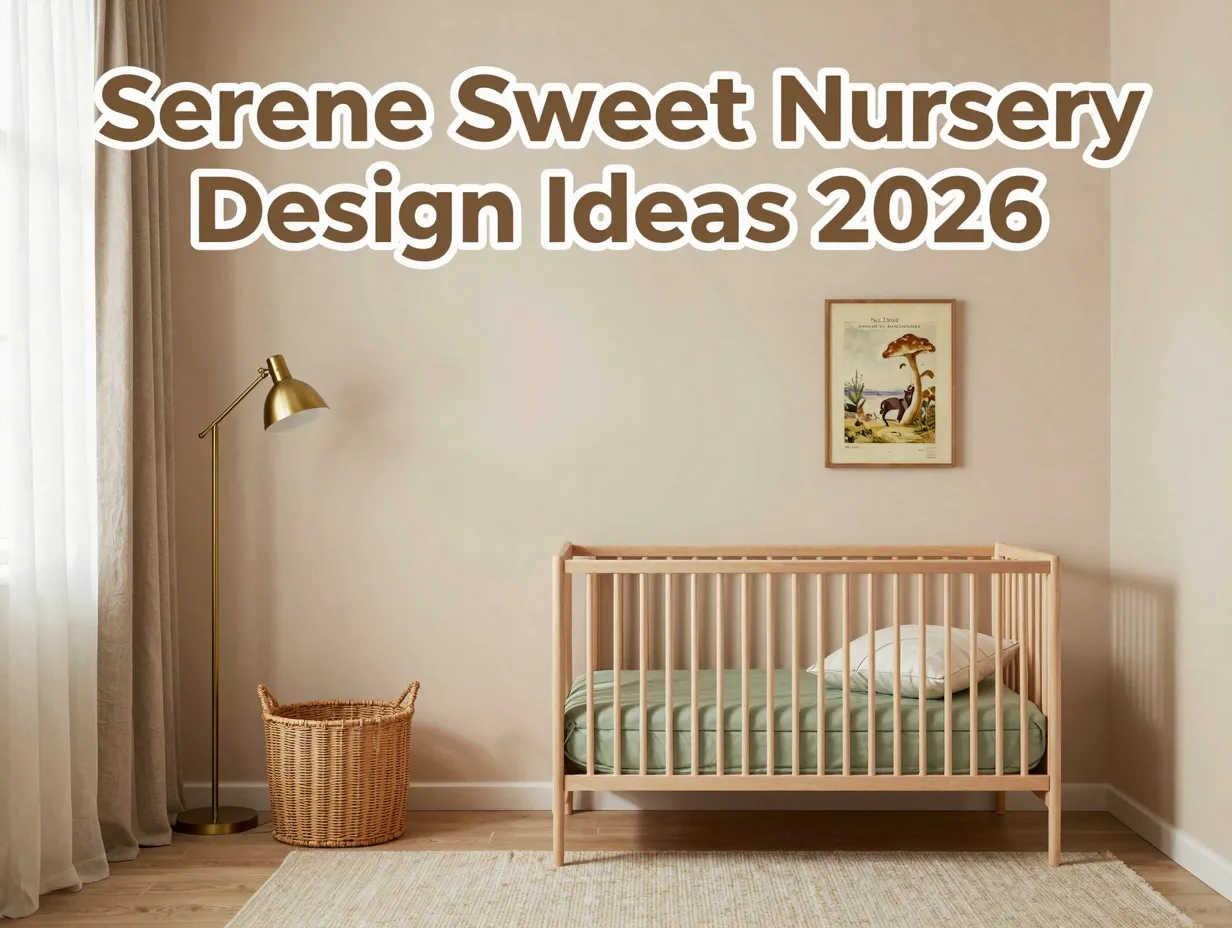
- Antique brass hardware on dressers and wardrobes, a small change that immediately elevates the room’s warmth and character.
- Vintage-style storybook art, framed illustrations in the style of classic children’s books, particularly those featuring animals in gentle, pastoral settings.
- Old-world floral wallpaper on a single accent wall, a heritage-inspired pattern in muted tones that adds depth without dominating.
- Warm metal accents, a brass floor lamp, a gold-toned mobile frame, or a copper picture rail add a soft glow that feels timeless.
- Hand-sewn or artisan soft toys displayed on a shelf (not in the crib), these carry a handmade quality that factory-produced toys rarely achieve.
The “French countryside” aesthetic mentioned in idea number three leans heavily into this category, combining romantic florals, aged whites, and storybook details into a cohesive theme that feels both sweet and sophisticated [2][5].
7. Embrace the Soft Minimalist “Collected” Nursery
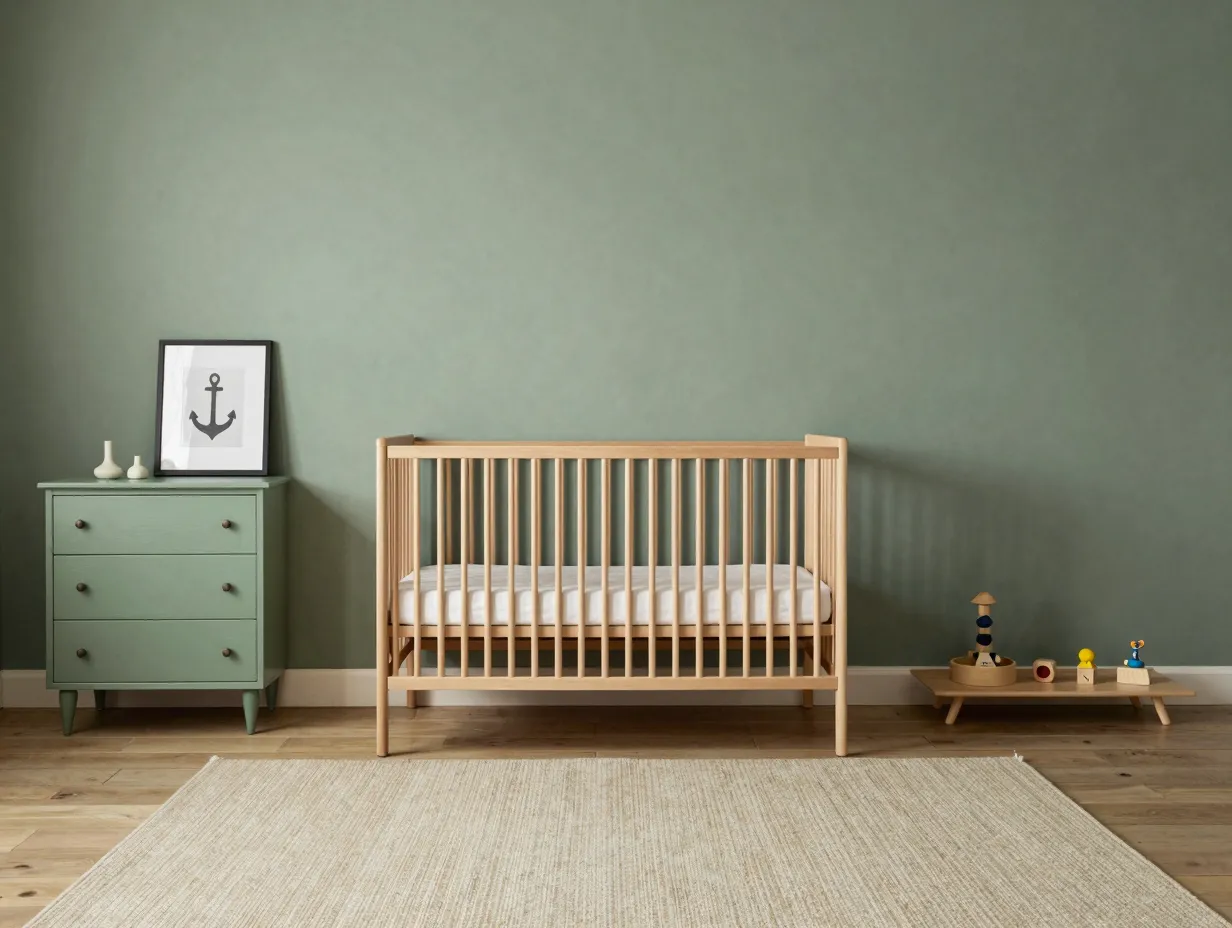
The soft minimalist nursery is one of the most compelling concepts in 2026 design thinking, and it is particularly well-suited to parents who want serenity without sterility [4][5][11]. The idea is simple: start with a clean, calm base and layer it over time with pieces that carry genuine meaning.
Rather than buying a complete nursery set from a single retailer, the collected nursery is built gradually. A solid wooden toy from a local maker. A vintage find from a weekend market. A hand-painted dresser using VOC-free paint in a tone that echoes the wall color. A framed print made by a friend. Each piece is chosen with intention, and the result is a room that feels personal and alive rather than catalog-perfect [4][11].
How to start a collected nursery:
- Choose a base palette of two or three tones and commit to it.
- Select one anchor furniture piece, usually the crib, in solid wood with clean lines.
- Add a rug that grounds the space in texture and warmth.
- Begin collecting smaller pieces over time: art, toys, baskets, and books.
- Resist the urge to fill every surface immediately. Empty space is part of the design.
This approach also tends to be more sustainable and budget-friendly than a full nursery package, since it allows you to prioritize quality over quantity and add pieces as your budget allows.
8. Design for Functional Calm Through Smart Storage and Layout
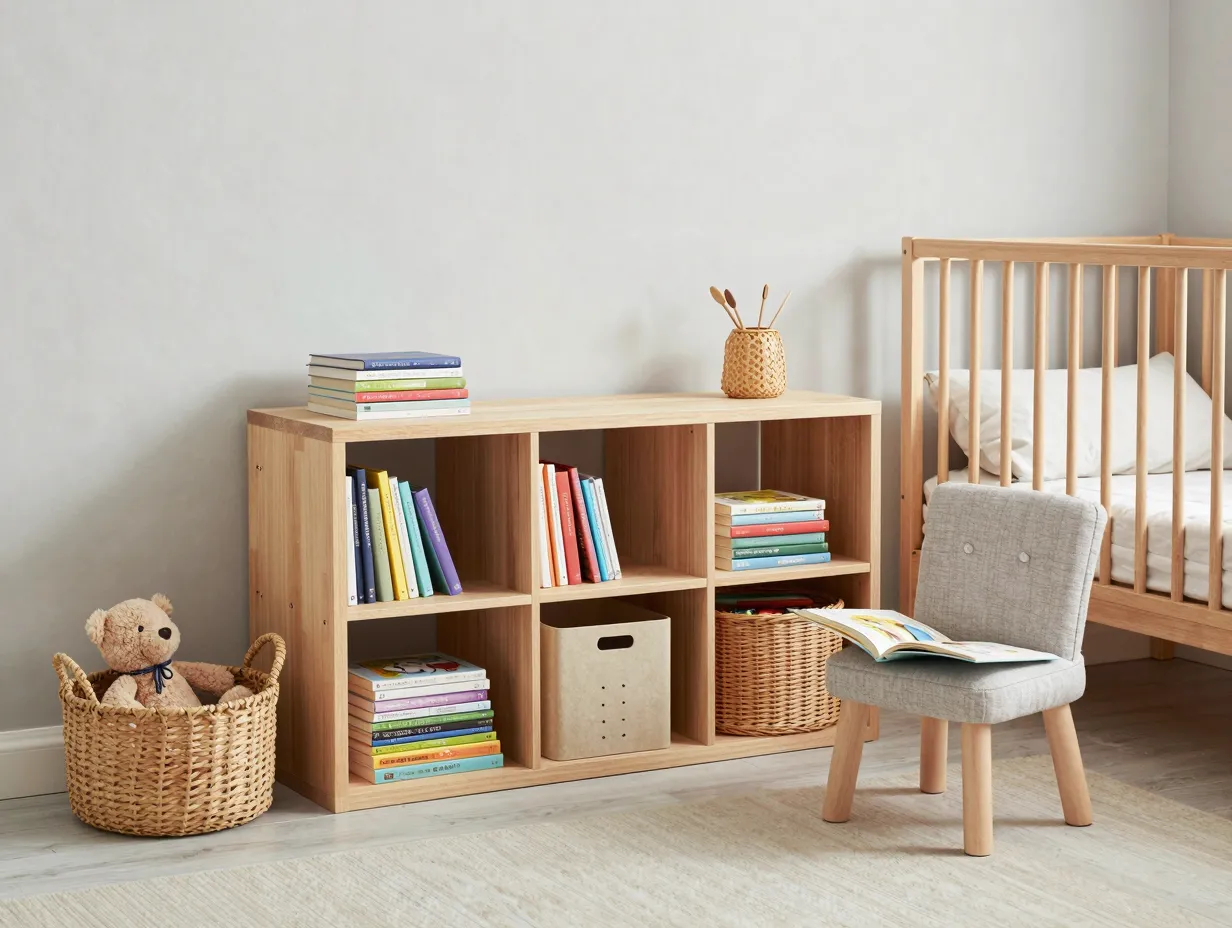
The final idea in these 8 nursery room inspiration ideas for a serene and sweet space is perhaps the most practical, but it is also the one most likely to determine whether the room stays serene after the first few weeks of parenthood. A beautiful nursery that becomes chaotic within a month is not a serene space, it is a source of daily stress [1][4][11].
Functional calm comes from designing storage and layout with the reality of daily use in mind. Designers in 2026 are emphatic about this: making “put away” effortless is just as important as making the room look beautiful [4][11].
Storage and layout strategies that work:
- Convertible cribs that transition to toddler beds extend the room’s usefulness by years and justify a higher initial investment.
- Open toy storage at child height, low shelves and baskets that a toddler can access independently reduce the parent’s daily tidying burden.
- Under-crib drawers make use of otherwise wasted space for storing extra linens, clothing, and seasonal items.
- Vertical shelving keeps the floor clear and creates visual interest on the walls without adding floor clutter.
- A dedicated reading nook, even a small corner chair with a low bookshelf, creates a defined zone for quiet time that helps both parent and child transition between activities.
- Baskets at child height for soft toys, books, and small items mean that everything has a home that is easy to reach and easy to return to.
The layout principle underlying all of these choices is simple: every item in the room should have a designated place, and that place should be easy to access. When tidying takes less than five minutes, the room stays calm. When it takes twenty, it never gets done.
Bringing It All Together: A Room That Grows With Your Family
One of the most encouraging aspects of the 2026 nursery design movement is its emphasis on longevity. The best nursery ideas are not just beautiful for the first six months, they are designed to evolve. A sage green wall works just as well for a three-year-old as it does for a newborn. A solid wood crib that converts to a toddler bed saves money and reduces waste. A collected nursery built on a calm base can absorb new pieces as a child’s personality emerges.
When I think about the nurseries that have stayed with me, rooms I have seen in person or in design features that genuinely moved me, they all share these qualities. They feel like someone thought carefully about the person who would live in them. They feel safe, warm, and full of quiet intention.
That is the goal these 8 nursery room inspiration ideas for a serene and sweet space are working toward: not a room that photographs well for one season, but a room that holds a child gently through the earliest years of their life.
Conclusion
Creating a nursery that is both serene and sweet does not require an unlimited budget or a professional interior designer. It requires clarity about what matters most: a safe sleep environment, a calming color foundation, thoughtful texture, and details chosen with love rather than trend-chasing.
Here are your actionable next steps:
- Start with your wall color. Choose one warm neutral from the sage green, clay pink, or mushroom beige family and commit to it before buying any furniture.
- Select a convertible crib in solid wood as your anchor piece, then build the rest of the room around it.
- Review the AAP safe-sleep guidelines before setting up the crib area, and design that zone for safety first and aesthetics second.
- Layer textures through a wool rug, linen curtains, and rattan accents, these three elements alone will transform the warmth of the space.
- Add heritage and vintage details slowly and intentionally: one piece of storybook art, one set of brass drawer pulls, one hand-made toy on a shelf.
- Plan your storage before you plan your decor. A room with a place for everything stays serene long after the novelty of a new baby has settled into the beautiful routine of daily life.
The room you build now will be the backdrop for thousands of small, irreplaceable moments. Make it calm. Make it sweet. Make it yours.
References
[1] The Top Nursery Room Decor Trends Of 2026 – https://phile.com.au/blogs/stories/the-top-nursery-room-decor-trends-of-2026
[2] 2026 Nursery Trends 12 Designer Predictions For The Modern Baby Room – https://www.nurserydesignstudio.com/2025/12/01/2026-nursery-trends-12-designer-predictions-for-the-modern-baby-room/
[3] New Safe Sleep Recommendations Can Help – https://publications.aap.org/aapnews/news/20619/New-safe-sleep-recommendations-can-help?autologincheck=redirected
[4] The Nursery And Kids Room Trends Designers Are Backing In 2026 – https://www.nestig.com/blogs/get-inspired/the-nursery-and-kids-room-trends-designers-are-backing-in-2026
[5] Trending Nursery Styles For 2026 – https://pehr.com/blogs/seed/trending-nursery-styles-for-2026
[6] American Academy Of Pediatrics Recommendations – https://safesleep.mo.gov/american-academy-of-pediatrics-recommendations/
[8] What Are The Nursery Colours For 2025 – https://timberwooddesigns.ca/blogs/nursery-design-decor/what-are-the-nursery-colours-for-2025
[9] Nursery Trends 2026 – https://bjarnibaby.com/2025/11/12/nursery-trends-2026/
[10] 65 Nursery Ideas 2026 Nursery Trends – https://inspiration-for-home.com/65-nursery-ideas-2026-nursery-trends/
[11] The Nursery And Kids Room Trends Designers Are Backing In 2026 – https://www.nestig.com/blogs/get-inspired/the-nursery-and-kids-room-trends-designers-are-backing-in-2026