9 Ways to Use Wooden Wall Decor for Warmth and Character
Roughly 51% of wood-specified interior projects in 2026 now feature white oak as the primary surface material, a statistic that tells you something important about where home design is heading [12]. Wood is not simply a trend. It is a return to something fundamental: the desire for spaces that feel alive, grounded, and genuinely welcoming. If your walls feel cold, flat, or forgettable, the 9 ways to use wooden wall decor for warmth and character outlined in this guide offer a clear, practical path forward.
Disclosure: This post contains affiliate links. As an Amazon Associate, we earn from qualifying purchases, and at no extra cost to you.
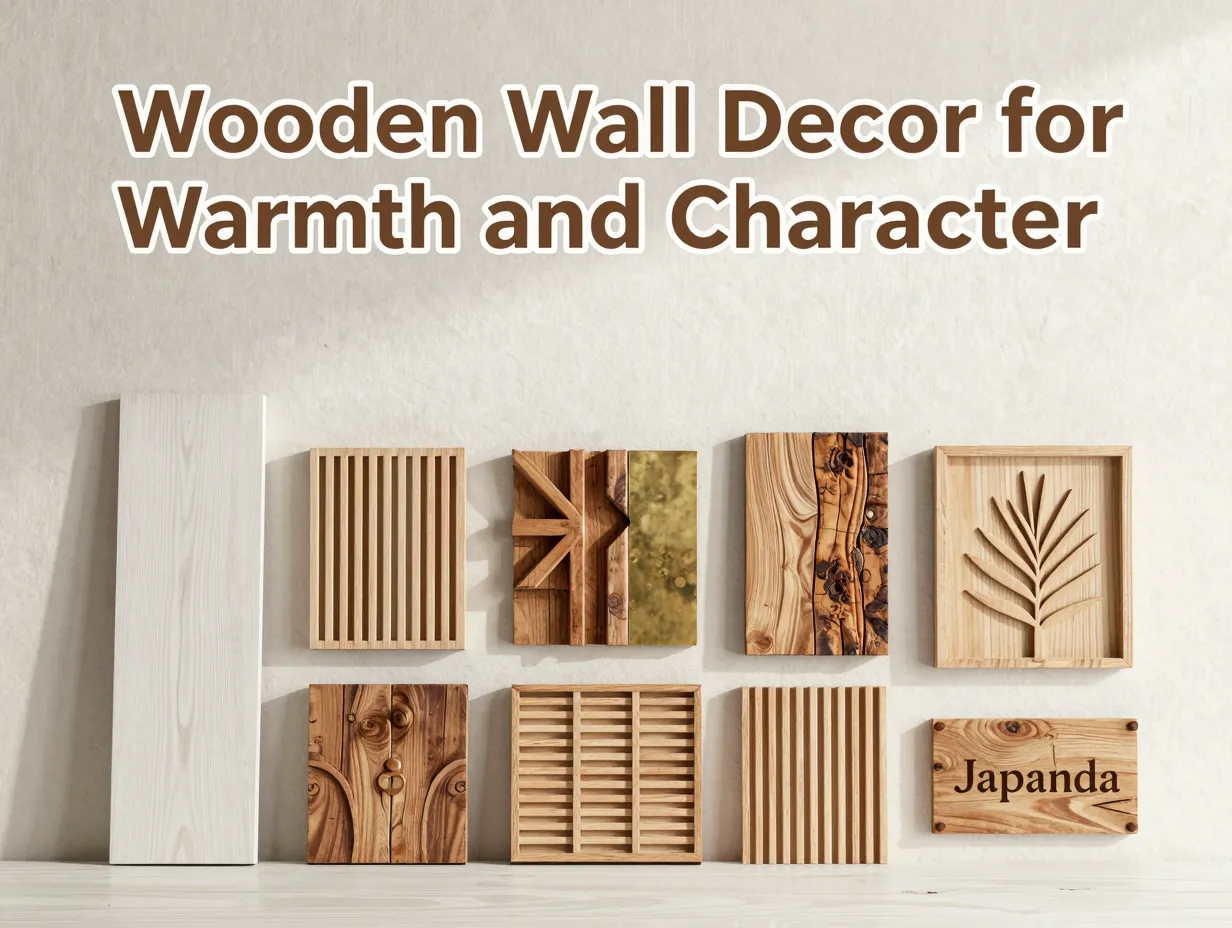
Whether you live in a compact apartment or a sprawling family home, wooden wall decor can transform any room from a functional box into a space with real personality. The methods below draw on the latest design research, current material trends, and real-world applications to give you actionable ideas you can start using today.
Key Takeaways
- Full-height wood feature walls in warm species like oak and walnut create an enveloping backdrop that anchors an entire room.
- Slatted and fluted panels add architectural depth through shadow and movement without requiring structural changes.
- Mixing wood with materials like metal, resin, or stone modernizes the look while keeping tactile warmth intact.
- Reclaimed and sustainably sourced wood adds emotional story and eco-conscious character that new materials simply cannot replicate.
- Functional wooden wall decor, including acoustic panels, shelving, and integrated lighting, makes the investment work harder in everyday life.
Understanding Why Wooden Wall Decor Works
Before diving into the 9 ways to use wooden wall decor for warmth and character, it helps to understand why wood works so well on walls in the first place. Wood is a biophilic material, it connects us instinctively to the natural world. Research in environmental psychology consistently shows that natural materials in interior spaces reduce stress and increase feelings of comfort. Wood grain, in particular, engages the eye in a way that painted drywall simply cannot.
In 2026, natural materials are defining home interiors across every price point and style category [5]. Designers are moving away from the cold, all-white aesthetic that dominated the 2010s and embracing surfaces that have texture, variation, and warmth. Wood sits at the center of that shift.
The good news is that you do not need to gut your home to benefit from wooden wall decor. Even a single well-chosen panel, art piece, or shelf can shift the emotional temperature of a room. The nine approaches below range from large-scale architectural installations to small, personalized touches, so there is something here regardless of your budget or commitment level.
The 9 Ways to Use Wooden Wall Decor for Warmth and Character
1. Install a Full-Height Wood Feature Wall
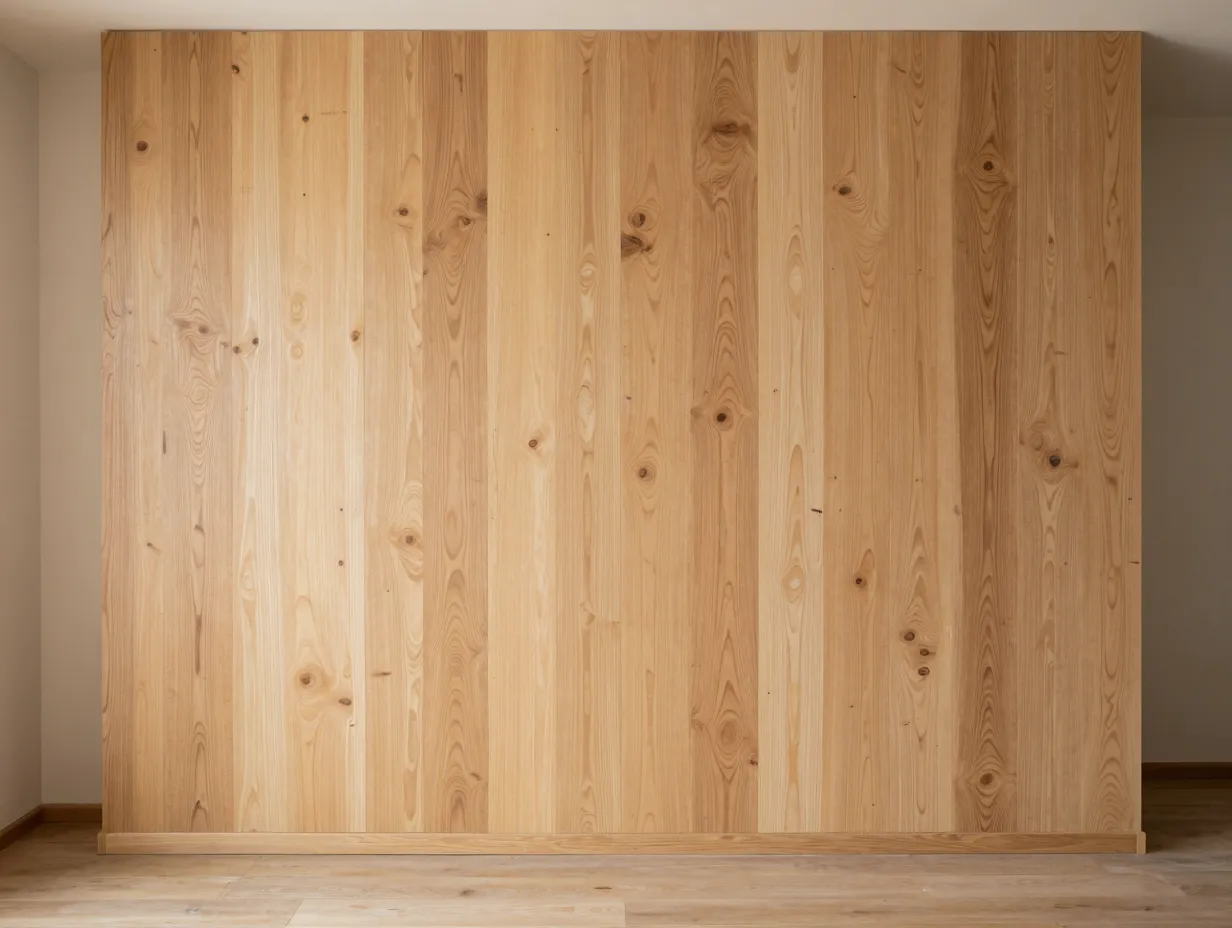
A full-height wood feature wall is the most dramatic way to introduce warmth into a room. When you clad an entire wall from floor to ceiling in a warm species like white oak, walnut, or maple, the effect is immediate and enveloping. The room stops feeling like a container and starts feeling like a destination.
White oak is currently the dominant choice, accounting for roughly 51% of wood-specified projects in NKBA-tracked interiors in 2026 [5]. Its warm but relatively light tone makes it versatile, it works in both modern and traditional settings without overwhelming the space. Walnut, on the other hand, delivers a richer, darker warmth that suits bedrooms and home offices particularly well.
Key considerations for a feature wall:
- Choose a wall that faces the room’s main seating or sleeping area for maximum visual impact.
- Keep the opposite walls simple, paint them in a complementary neutral to let the wood breathe.
- Use a consistent plank width and direction to create a sense of order and calm.
- Finish with a low-sheen, low-VOC oil or wax to preserve the natural grain and keep the space healthy [1].
I once visited a client’s home where a single walnut feature wall in the bedroom had completely eliminated the need for any other wall art. The grain itself was the art. That experience convinced me that sometimes the boldest move is also the simplest.
2. Add Slatted or Fluted Wood Panels
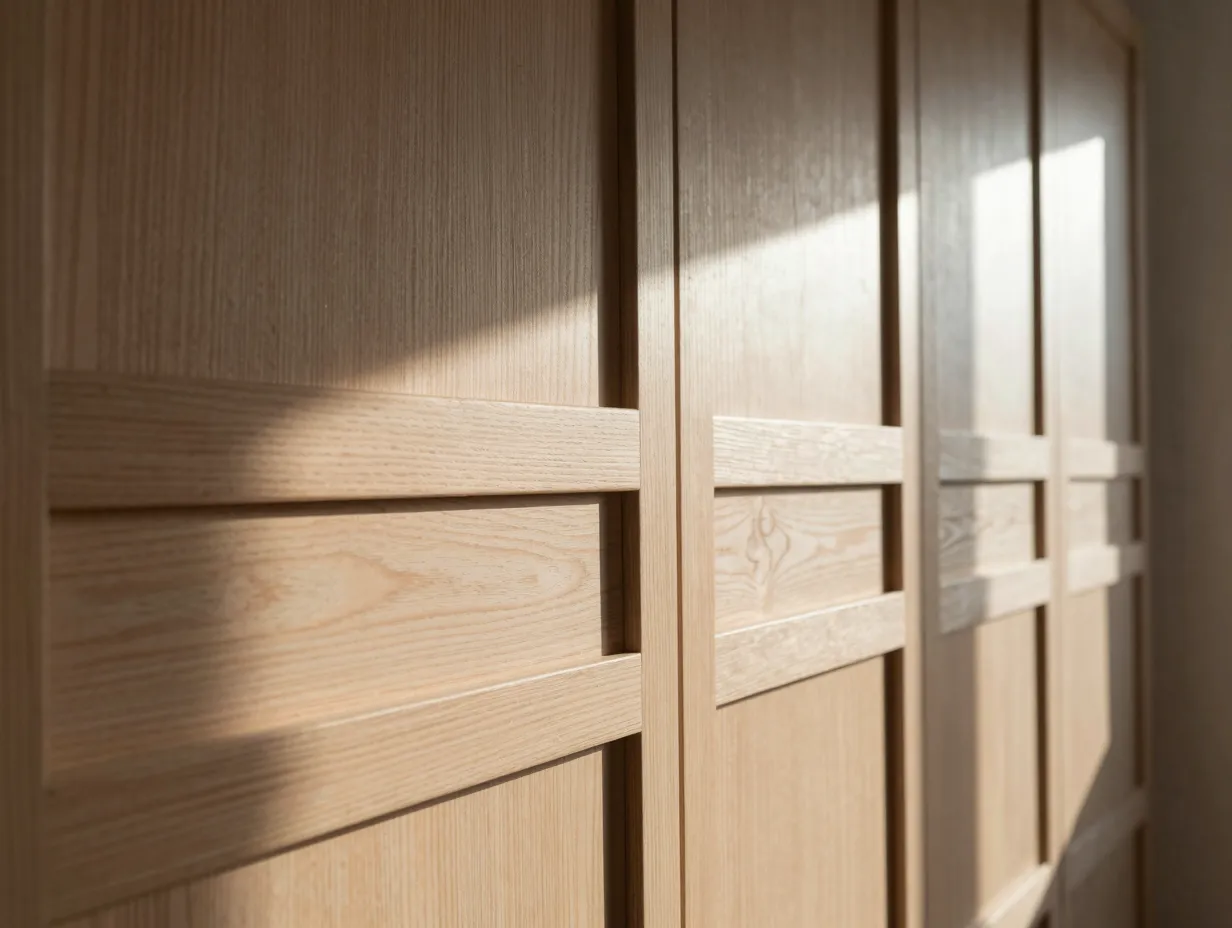
Slatted and fluted wood panels are among the fastest-growing panel styles in both residential and commercial interiors right now [1][7]. The reason is straightforward: they do two things at once. They add warmth through the natural wood material, and they add architectural character through the play of light and shadow across the ridges and grooves.
A slatted panel creates movement. As light shifts throughout the day, the shadows between the slats change, giving the wall a subtle, living quality. This is especially effective in rooms with natural side lighting, where the effect can be quite dramatic by late afternoon.
“Slatted and ribbed designs create shadows and movement across walls that flat surfaces simply cannot achieve, they make a room feel designed rather than just decorated.” [7]
Fluted panels, which feature rounded, column-like ridges, offer a slightly softer version of the same effect. They work particularly well in entryways and hallways, where they create a sense of arrival and intention.
Practical tip: Pre-finished slatted panels are now widely available and can be installed directly over existing drywall, making this one of the more accessible options on this list.
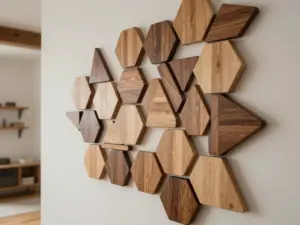
3. Use Sculptural and 3D Wooden Wall Art as a Focal Point
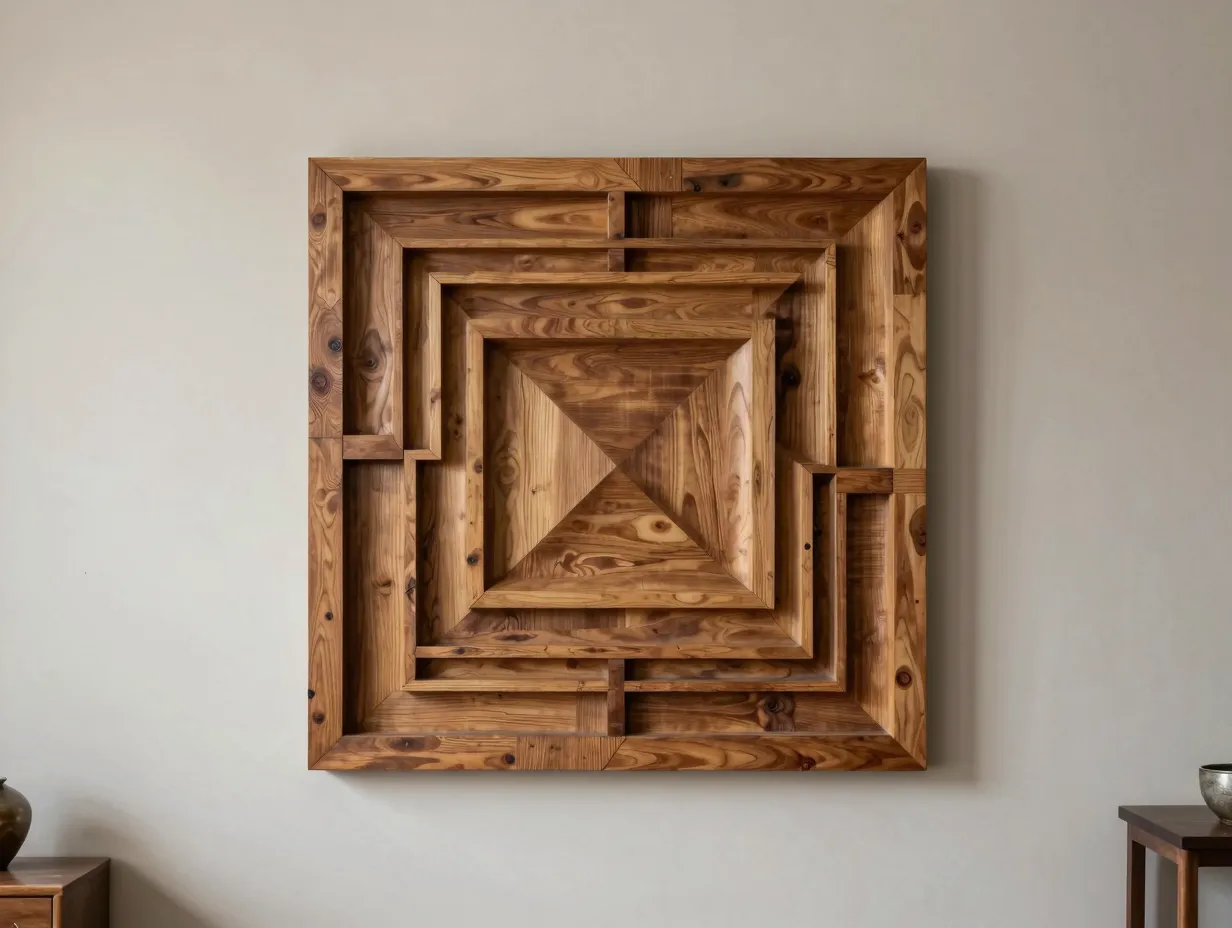
Not every wooden wall treatment needs to cover an entire surface. Sometimes a single sculptural piece does more work than a full wall installation. Three-dimensional wooden wall art, carved panels, geometric reliefs, layered wood mosaics, functions as both decor and architecture [4][6][8].
Designers in 2025 and 2026 have increasingly favored large geometric or carved panels that read as art installations rather than decorative accessories [4]. A well-chosen 3D wood piece can anchor a living room, dining room, or bedroom without requiring any other wall treatment.
What to look for in sculptural wood art:
- Depth variation: pieces with multiple layers or relief levels catch light more dynamically.
- Natural finish: avoid heavy lacquers that flatten the grain and reduce warmth.
- Scale: the piece should occupy at least 40-50% of the wall width to feel intentional rather than lost.
- Grain direction: pieces that combine different grain orientations create visual complexity.
A carved mandala in reclaimed oak, for example, brings together the warmth of the wood, the precision of the carving, and the cultural resonance of the pattern, three layers of character in a single object [3].
4. Combine Wood with Other Materials in Mixed-Material Compositions
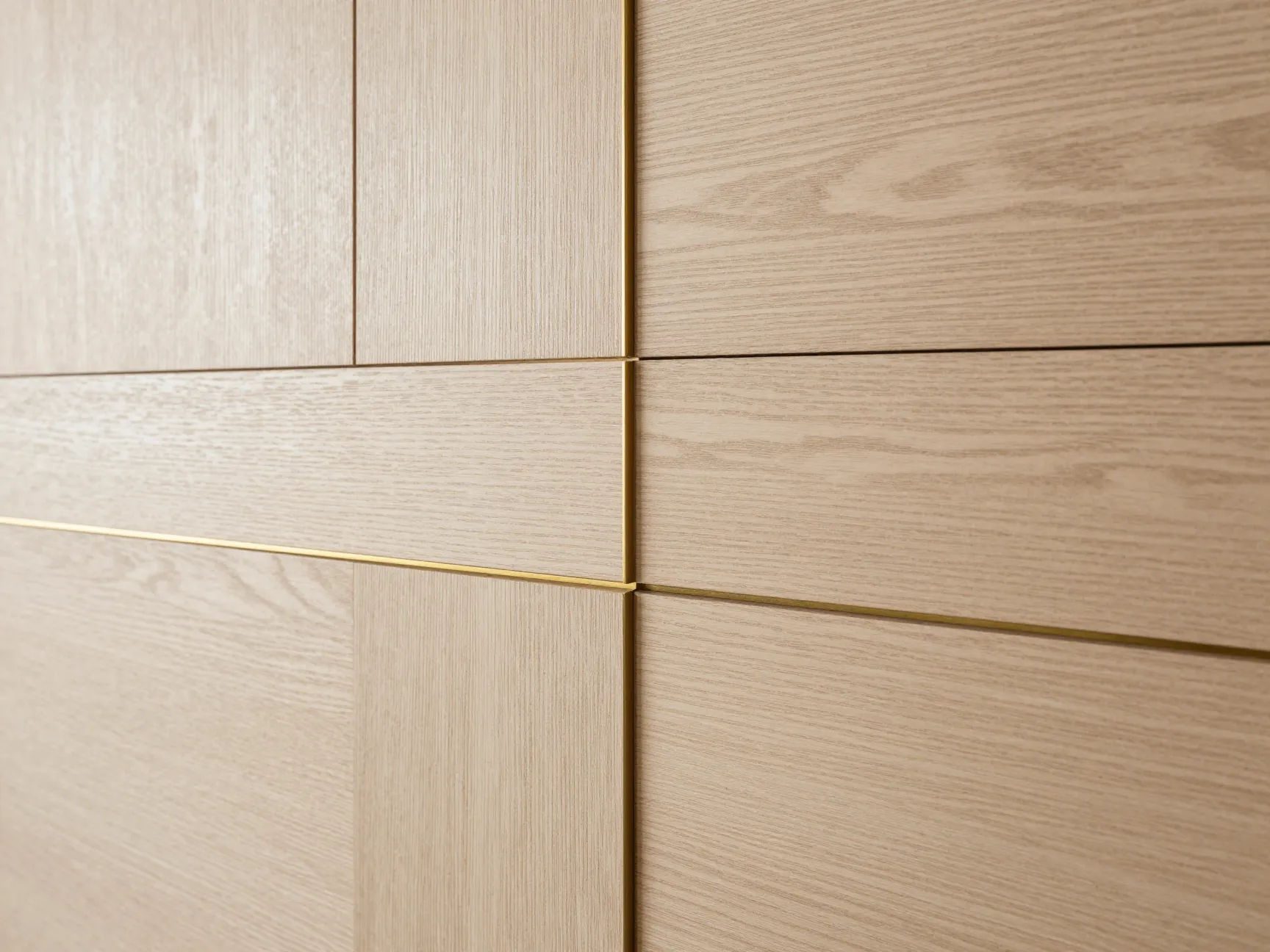
One of the most sophisticated approaches in 2026 interior design is the mixed-material wall, a composition that pairs wood with metal, resin, glass, or stone to create a surface that is warm but also distinctly contemporary [2][7][10].
Wood paired with dark metal inlays, for instance, creates a strong industrial-organic contrast that works beautifully in modern lofts and open-plan living spaces. Wood combined with backlit frosted glass introduces a luminous quality that makes the wood grain glow from within. Colored resin fills in the natural voids and cracks of live-edge wood slabs, turning imperfections into design features [2].
Popular mixed-material combinations:
- White oak with brushed brass inlays, warm and refined
- Reclaimed pine with raw steel frames, industrial and grounded
- Walnut with white marble inserts, rich and luxurious
- Bamboo with frosted glass panels, light and biophilic
The key to making mixed-material walls work is restraint. Choose one secondary material and let the wood remain dominant. When too many materials compete, the warmth of the wood gets lost in the noise.
5. Choose Reclaimed or Sustainably Sourced Wood for Emotional Story
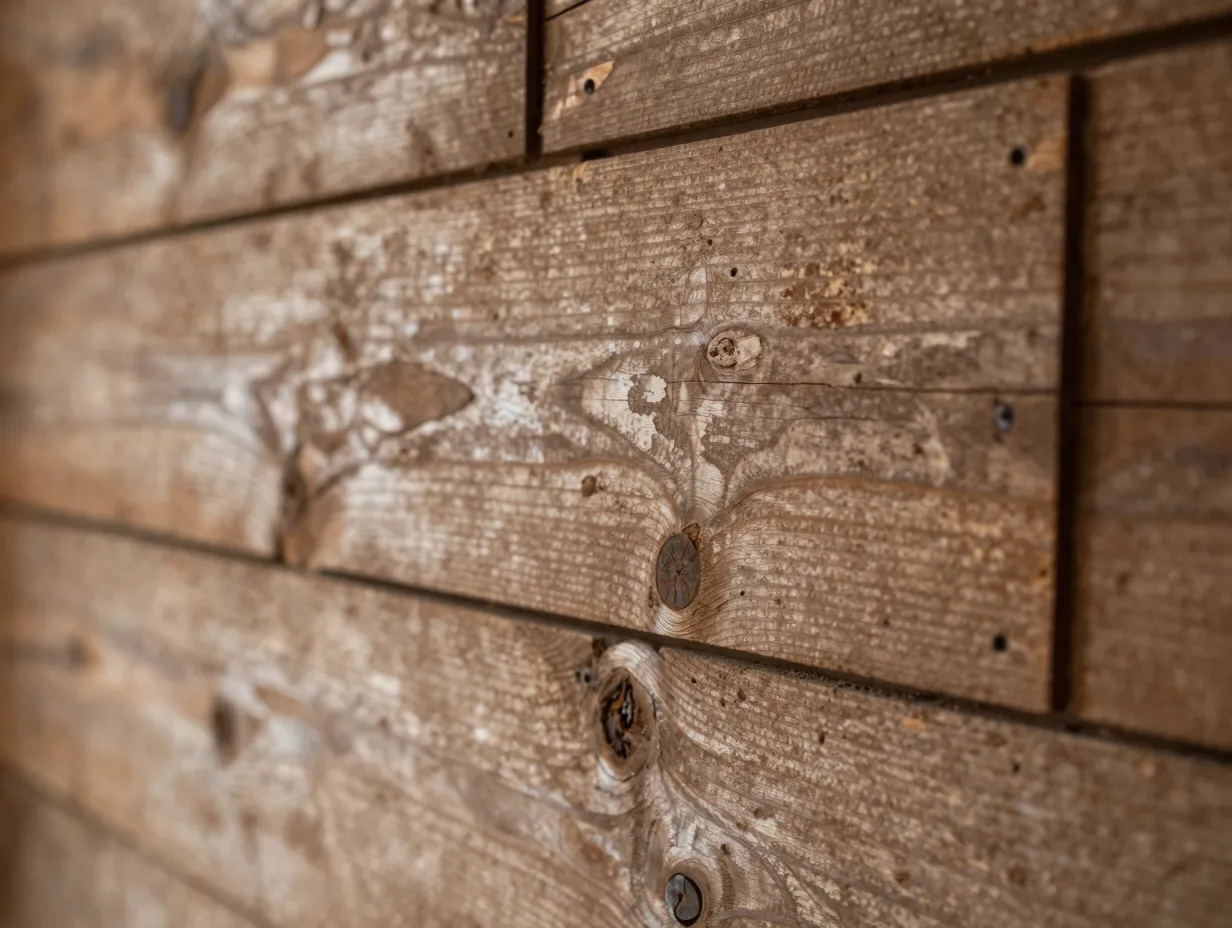
There is a quality to reclaimed wood that new timber simply cannot replicate: history. Every nail hole, weathered knot, and saw mark in a reclaimed plank is evidence of a previous life. When you put that material on your wall, you are not just adding warmth, you are adding narrative [2][7][10].
The push toward sustainable and ethically sourced wood has accelerated significantly. Questions about FSC certification and responsible forestry are now standard in design conversations [1][7]. Reclaimed wood, salvaged from old barns, factories, warehouses, and demolished buildings, addresses both the sustainability concern and the aesthetic one simultaneously.
Why reclaimed wood works so well on walls:
- The aged patina creates instant warmth that would take decades to develop naturally.
- No two reclaimed pieces are identical, so every wall is genuinely unique.
- The material carries a story that becomes a conversation piece.
- It aligns with the growing consumer preference for decor that reflects conscious choices [10].
Reclaimed wood is particularly effective in farmhouse, industrial, and Japandi-influenced interiors, where the worn, lived-in quality of the material reinforces the overall aesthetic. For a bedroom or reading nook, a single accent wall of reclaimed pine or fir can make the entire space feel like it has been there for generations.
6. Lean into Japandi and Biophilic Design Principles
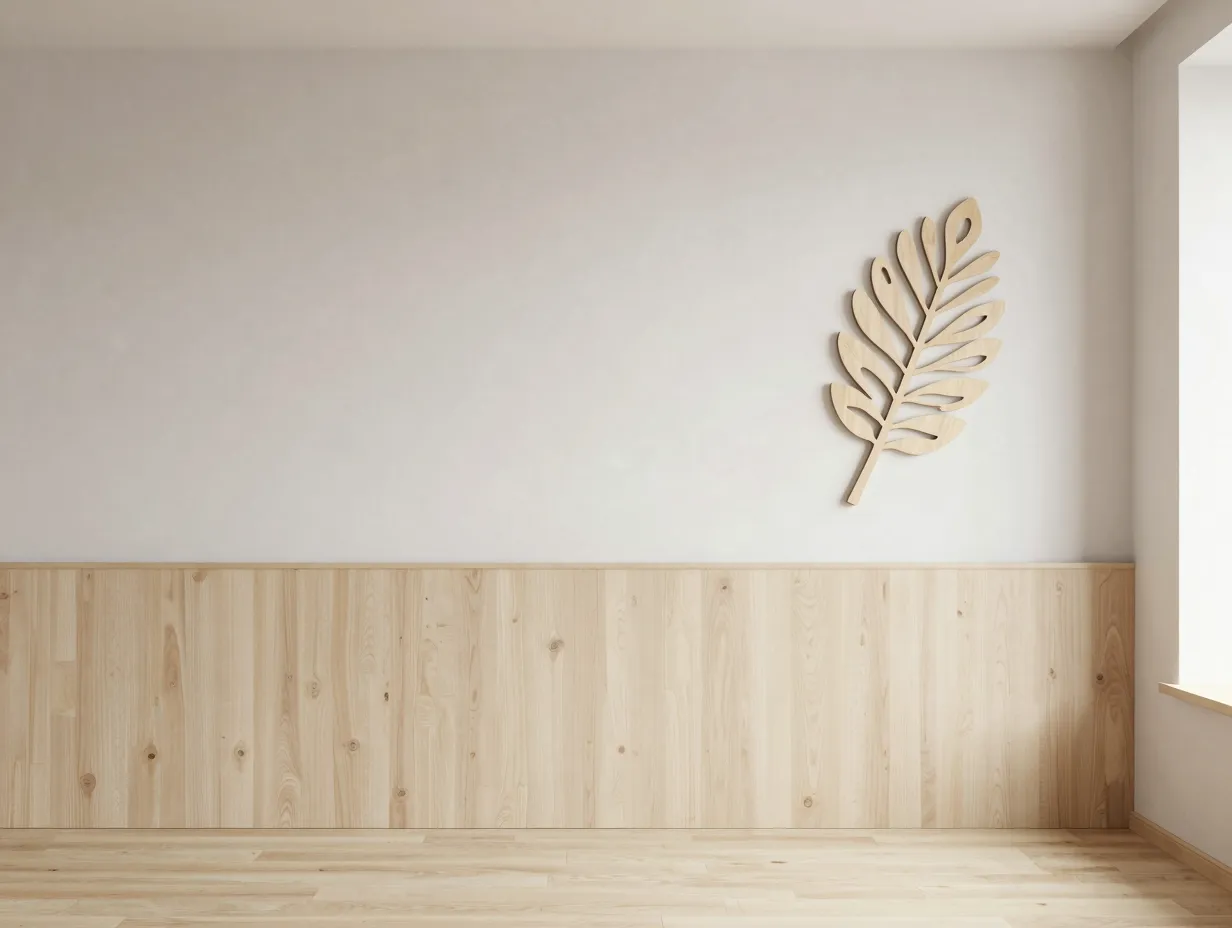
Japandi, the design philosophy that blends Japanese minimalism with Scandinavian warmth, has become one of the most influential interior styles of the mid-2020s [1][5][11]. Wooden wall decor is central to this aesthetic. The style calls for clean-lined wood elements, natural motifs, and a restrained palette that lets the material speak for itself.
In a Japandi-influenced space, wooden wall panels are typically simple and unadorned. The beauty comes from the quality of the material, the precision of the installation, and the way the wood interacts with natural light. Botanical and nature-inspired wood wall art, laser-cut leaf forms, carved branch patterns, organic relief sculptures, extends the biophilic dimension of this approach [1][5][8].
Japandi wooden wall decor principles:
- Use light, warm wood species: white oak, ash, and light maple work best.
- Keep profiles simple: flat panels or very fine slats rather than heavy moldings.
- Incorporate natural motifs: botanical forms, water patterns, organic geometries.
- Limit the palette: let the wood be the primary visual element, supported by muted neutrals.
Biophilic design research supports this approach. Spaces that incorporate natural materials and organic forms consistently score higher on measures of perceived comfort and well-being. A Japandi wood wall is not just beautiful, it is genuinely good for the people who live with it.
7. Install Large Statement Wood Art Panels or Multi-Panel Grids
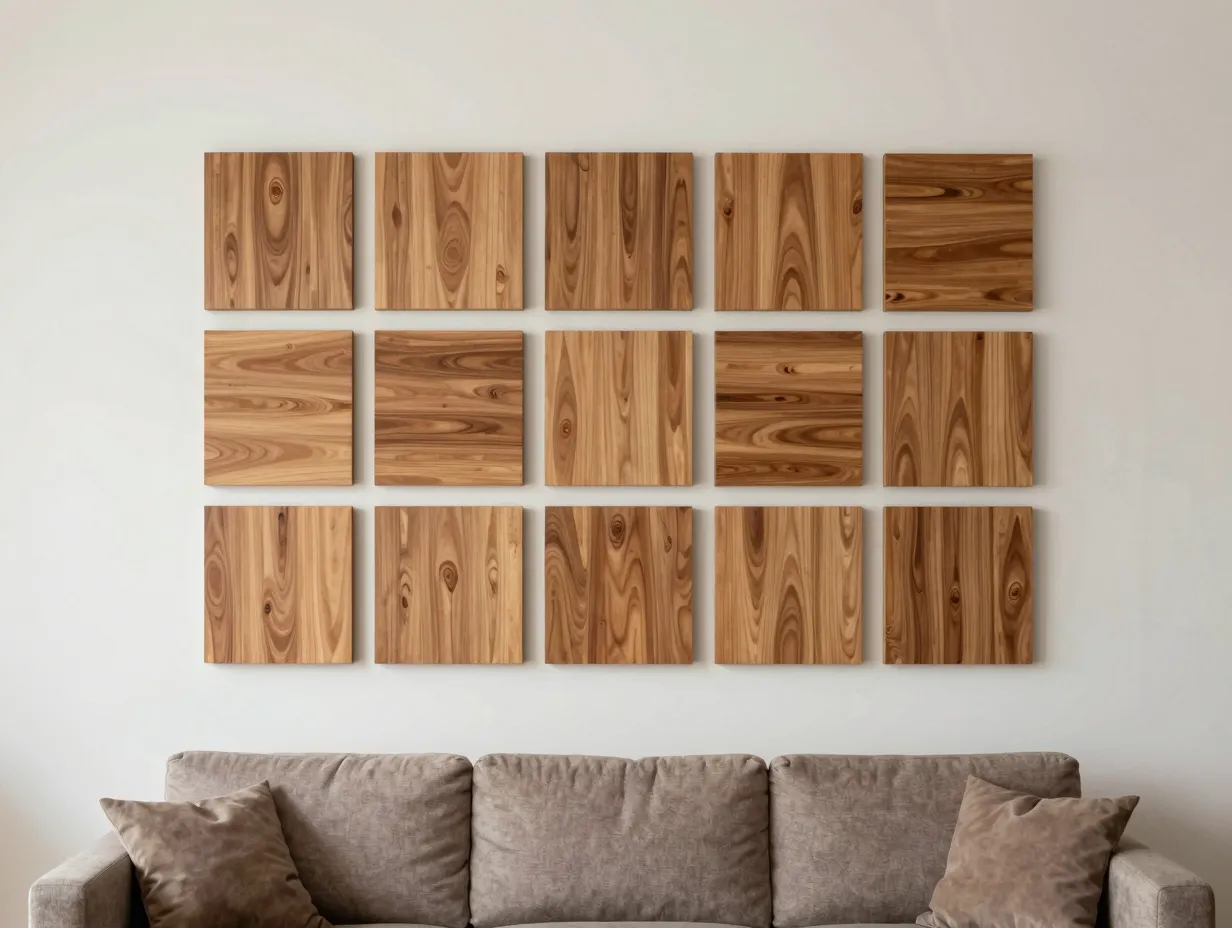
For rooms that need a strong anchor point without a full wall installation, large statement wood art panels and multi-panel grid arrangements offer an effective middle ground [3][6]. A nine-piece grid of matching wood panels, for example, creates the visual weight of a feature wall while remaining a piece of art rather than an architectural intervention.
This format is particularly effective in modern and minimalist spaces where the walls are otherwise bare. A single large carved panel, perhaps 1.5 meters wide and 1.2 meters tall, can warm up an entire living room without touching any other surface [3][6][13].
Multi-panel arrangements that work well:
- Three horizontal panels of equal size, hung with consistent spacing
- A nine-piece grid using panels of the same species but different grain orientations
- A diptych of two large panels with complementary but contrasting wood tones
- A single oversized panel centered above a sofa or bed
The key to making large-scale wood art work is proportion. The arrangement should feel generous relative to the wall, not cramped into a corner or floating awkwardly in the center. As a general rule, the total width of the arrangement should be at least two-thirds the width of the furniture below it.
8. Use Functional Wooden Wall Decor for Utility and Character
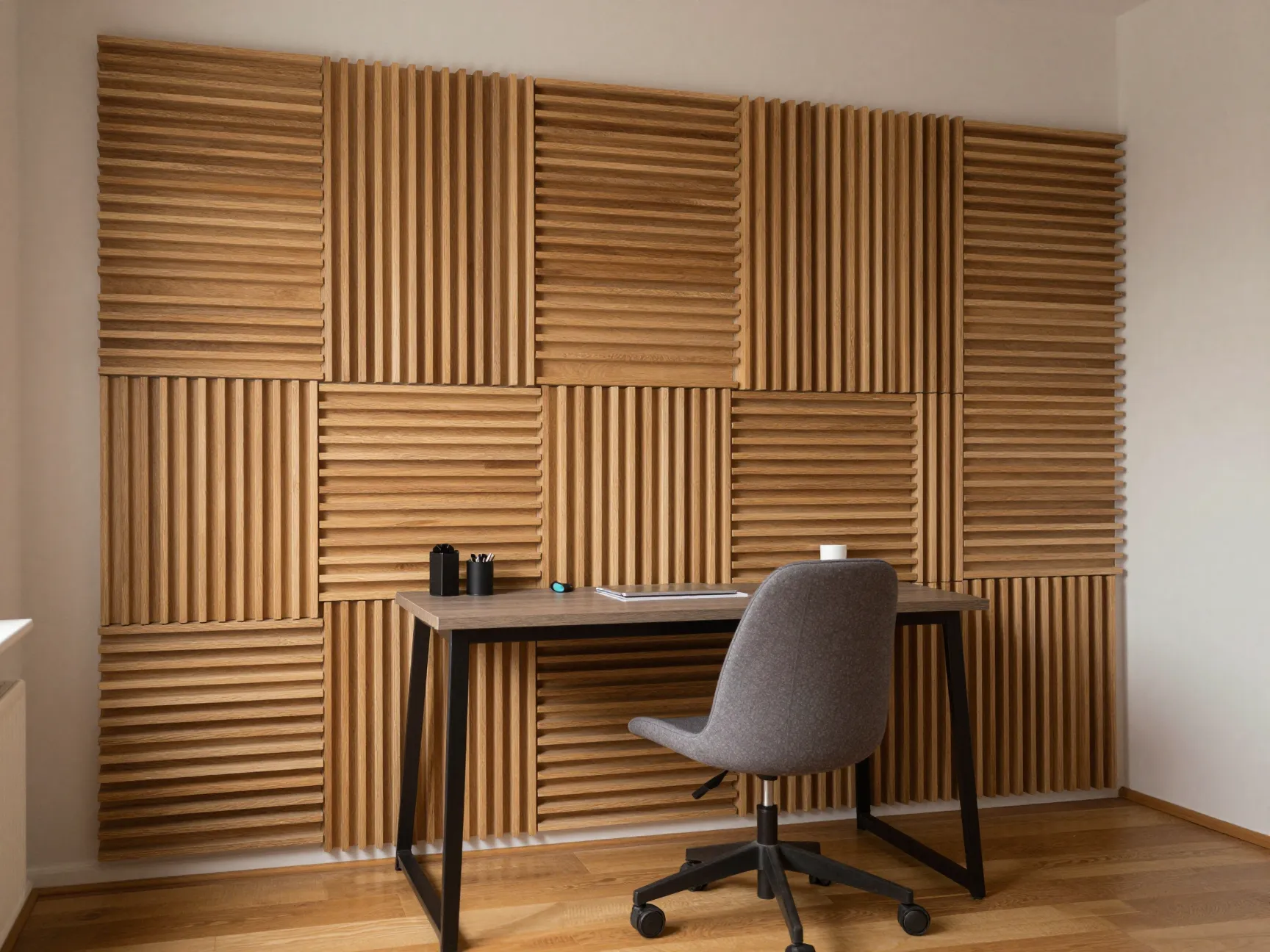
The most compelling wooden wall installations in 2026 do more than look good, they work [1][2][6][8]. Acoustic slatted panels, wall-mounted wooden shelving systems, and integrated lighting panels all deliver the warmth and character of natural wood while serving a practical purpose.
Acoustic slatted panels, in particular, have moved from commercial interiors into residential spaces at a rapid pace [1]. They reduce echo and improve sound quality in rooms with hard floors and minimal soft furnishings, a genuine problem in the open-plan homes that remain popular. The fact that they also look exceptional is a significant bonus.
Functional wooden wall decor options:
- Acoustic slatted panels: sound absorption with architectural warmth
- Wall-mounted shelving in live-edge or solid wood: storage with natural character
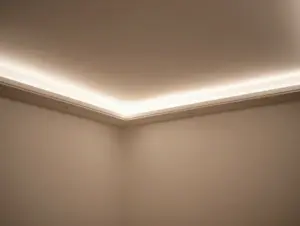
- Integrated LED lighting panels: wood with built-in ambient illumination
- Pegboard systems in natural wood: flexible, functional, and visually warm
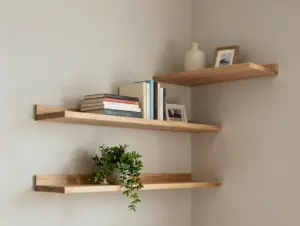
- Floating wood ledges: display space that doubles as a design element
When wooden wall decor serves a function, it earns its place in the room in a way that purely ornamental pieces sometimes do not. It becomes part of the daily life of the space rather than something that simply hangs on a wall.
9. Personalize with Custom Carvings, Typography, or Culturally Inspired Pieces
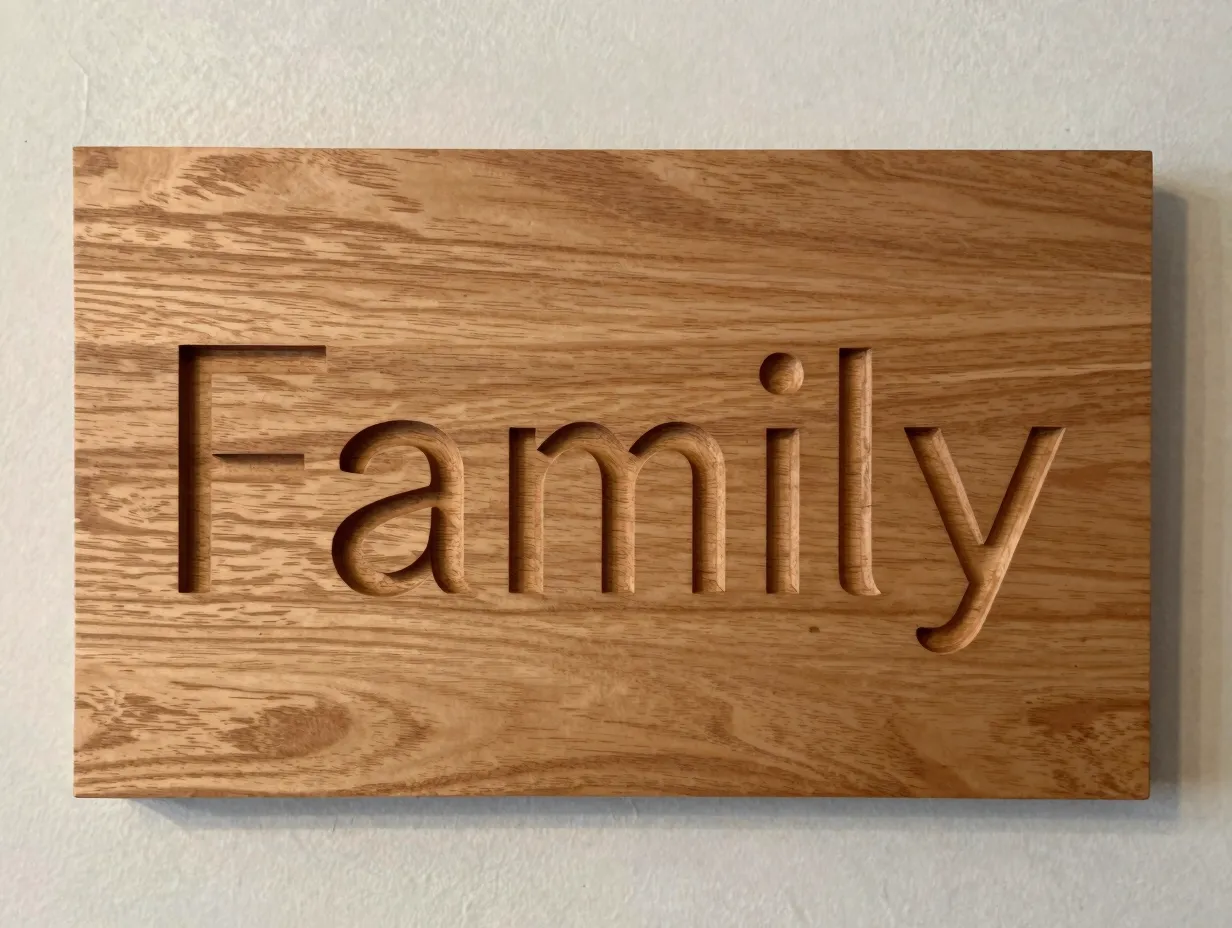
The final, and perhaps most personal, approach in the 9 ways to use wooden wall decor for warmth and character is customization [3][8][13]. A piece of wood wall art that carries your name, a meaningful phrase, a family crest, or a cultural motif does something that no off-the-shelf product can: it makes the space unmistakably yours.
Custom wooden wall art has become increasingly accessible in 2026. CNC routing and laser engraving technology means that personalized panels, typographic signs, and carved heritage pieces can be produced at reasonable cost and in relatively short lead times [3][8]. The result is wall decor that functions as a narrative surface, a physical expression of identity, values, and memory.
Ideas for personalized wooden wall decor:
- Family name or monogram carved into a solid oak plank
- A meaningful quote or phrase in a clean, sans-serif typeface routed into walnut
- A heritage-inspired geometric pattern drawn from your cultural background
- A map of a meaningful place rendered in layered wood
- A custom portrait or silhouette carved in relief
“Personalized panels, heritage-inspired wood artifacts, and typographic wood signs are effective tools for turning wooden walls into narrative surfaces that reflect the owner’s identity.” [3]
The emotional warmth that a personalized piece adds to a room is qualitatively different from the warmth of the wood itself. It is the difference between a beautiful space and a space that feels like home.
How to Choose the Right Approach for Your Space
With nine distinct methods available, the question becomes: which one is right for your room? The answer depends on four factors: scale, style, budget, and function.
| Approach | Best Room | Effort Level | Primary Benefit |
|---|---|---|---|
| Full-height feature wall | Living room, bedroom | High | Maximum warmth and presence |
| Slatted or fluted panels | Hallway, living room | Medium | Architectural depth and shadow |
| 3D sculptural art | Living room, dining room | Low | Focal point without full installation |
| Mixed-material composition | Modern open-plan spaces | Medium-High | Contemporary sophistication |
| Reclaimed wood | Any room | Medium | Story, sustainability, patina |
| Japandi or biophilic | Bedroom, study | Low-Medium | Calm, well-being, serenity |
| Multi-panel grid | Living room, bedroom | Low | Visual anchor without full wall |
| Functional panels | Home office, open-plan | Medium | Utility plus warmth |
| Personalized pieces | Any room | Low | Identity and emotional warmth |
If you are working with a limited budget, approaches 3, 7, and 9 offer the highest visual impact for the lowest investment. If you are renovating and willing to commit to a more permanent installation, approaches 1, 2, and 4 will deliver the most transformative results.
Common Mistakes to Avoid
Even with the best materials and intentions, wooden wall decor can fall flat if a few basic principles are ignored.
Overcrowding the wall. Wood has natural visual weight. When you layer too many pieces, multiple art panels, shelves, and decorative objects on the same wall, the warmth turns into clutter. Give each piece room to breathe.
Ignoring the finish. Heavy polyurethane finishes create a plasticky sheen that kills the natural warmth of wood. Choose oil, wax, or hard-wax-oil finishes that enhance the grain rather than sealing it behind a glassy barrier.
Mismatching wood tones. Combining too many different wood species and tones on the same wall creates visual confusion. If you are mixing species, keep the tones within the same warm family, light oak with ash, or walnut with dark maple.
Neglecting scale. A small piece on a large wall looks timid. A large piece in a small room looks overwhelming. Always consider the proportion of the piece relative to the wall and the room before purchasing.
Skipping the sustainability check. In 2026, sourcing matters. Choosing wood products without FSC certification or any transparency about origin is both an ethical and a reputational risk [1][10]. Ask the question before you buy.
Conclusion
The 9 ways to use wooden wall decor for warmth and character covered in this guide represent a spectrum of commitment, investment, and style, from a single personalized plank to a full-height architectural feature wall. What they share is the fundamental quality that makes wood so enduring in interior design: it is warm, alive, and genuinely human in a way that synthetic materials are not.
Actionable next steps:
Start by identifying the one room in your home that feels the coldest or most impersonal. Then choose a single approach from this list that fits your budget and commitment level. You do not need to do everything at once. A well-chosen piece of sculptural wood art or a section of slatted paneling can shift the character of a room more than a complete repaint.
If you are ready to go further, consider a consultation with an interior designer who specializes in natural materials. Bring your preferred wood species, your room dimensions, and a clear sense of the feeling you want to create. The right wooden wall treatment will not just decorate your space, it will define it.
References
[1] Wooden Wall Panel Design Trends Youll See Everywhere In 2025 C0b5609edc6f – https://medium.com/@woodenwallpanel1/wooden-wall-panel-design-trends-youll-see-everywhere-in-2025-c0b5609edc6f
[2] Watch – https://www.youtube.com/watch?v=rp4kzj1cFEE
[3] 10 Best Wood Wall Decor Ideas 2025 Stylish Sustainable Choices For Modern Homes – https://mykachhi.com/10-best-wood-wall-decor-ideas-2025-stylish-sustainable-choices-for-modern-homes/
[4] Why Wood Wall Art Is Trending In 2025 – https://htgtfurniture.com/blogs/trends/why-wood-wall-art-is-trending-in-2025
[5] Why Natural Materials Are Defining Home Interiors In 2026 – https://www.deanes.co.uk/expert-advice/why-natural-materials-are-defining-home-interiors-in-2026
[6] Wood Wall Art Ideas – https://www.mixtiles.com/blog/wall-art-home-decor/wood-wall-art-ideas
[7] Top 10 Stylish And Modern Wood Panel Wall Ideas 2025 – https://www.mezgrawood.com/blogs/top-10-stylish-and-modern-wood-panel-wall-ideas-2025
[8] 2025 Trends In Wooden Wall Art – https://vocal.media/art/2025-trends-in-wooden-wall-art
[9] Wood And Blown Glass Set The Tone For Interior Design In 2026 – https://www.interiordaily.com/article/9799246/wood-and-blown-glass-set-the-tone-for-interior-design-in-2026/
[10] Top Wooden Wall Panel Trends 2025 Home Decor – https://www.tlplywood.com/blog/top-wooden-wall-panel-trends-2025-home-decor/