8 Clever Wall Corner Decor Ideas for Awkward, Unused Spaces
Nearly 30 percent of usable floor and wall space in the average home goes completely untouched, and the biggest offender is almost always the corner. I learned this the hard way after spending three years staring at a bare, awkward corner in my living room, convinced that nothing could fix it. Then, one weekend renovation project changed everything. The truth is, corners are not design dead zones. They are opportunities waiting for the right idea.
Disclosure: This post contains affiliate links. As an Amazon Associate, we earn from qualifying purchases, and at no extra cost to you.
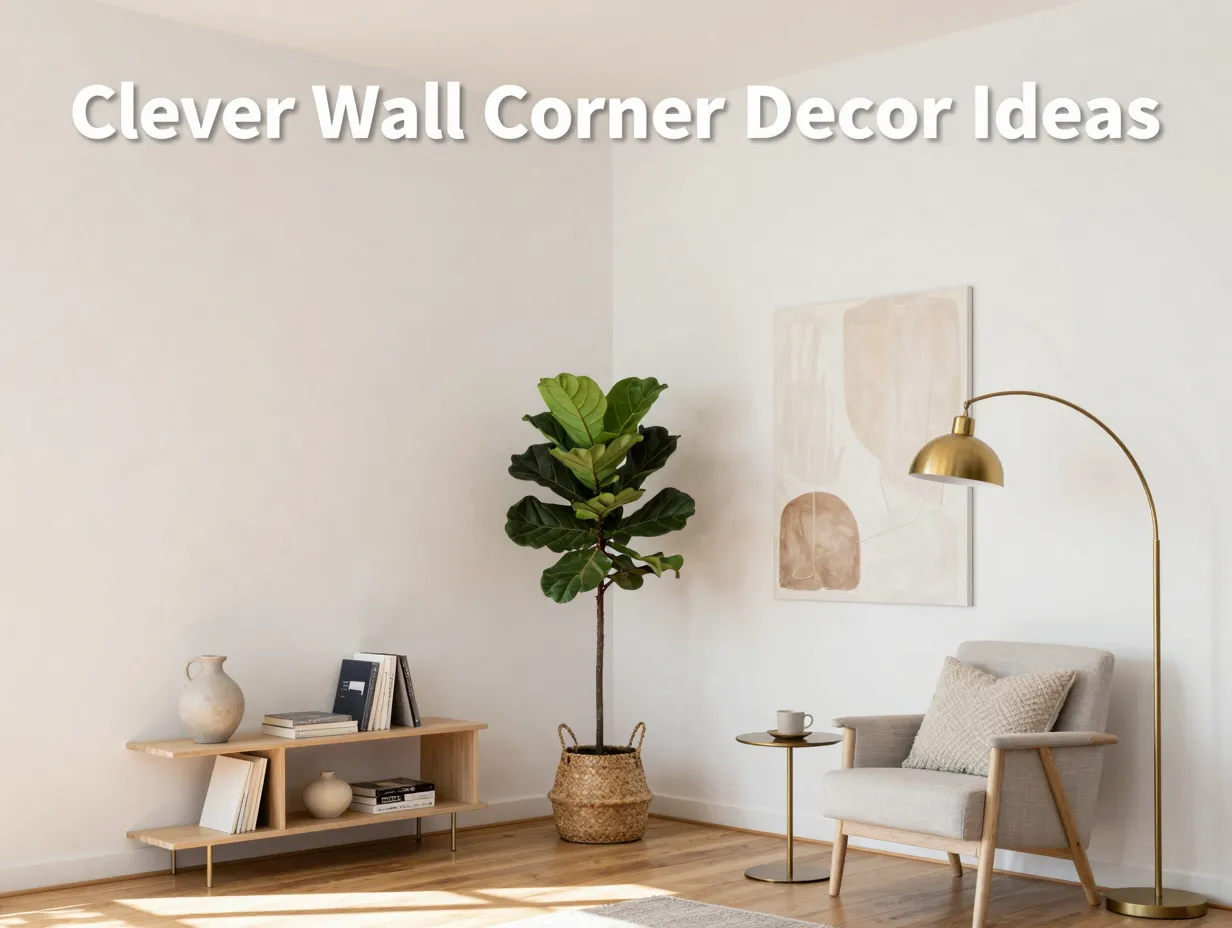
This guide to 8 Clever Wall Corner Decor Ideas for Awkward, Unused Spaces covers practical, stylish, and budget-conscious solutions that work in real homes, not just in magazine spreads. Whether you are dealing with a tight hallway corner, an oddly angled bedroom nook, or a cavernous living room gap, these ideas will help you turn wasted square footage into a space you actually love.
Key Takeaways
- Awkward corners can become focal points with the right combination of art, furniture, and lighting
- Vertical space is the most underused asset in any corner, shelving and gallery walls maximize it
- Functional solutions like corner desks and reading nooks add real daily value, not just visual appeal
- Natural elements such as tall plants soften hard corner angles without requiring renovation
- Even a single well-chosen piece, a lamp, a chair, or one large canvas, can anchor an entire corner
Why Awkward Corners Deserve More Attention
Most people treat corners as afterthoughts. Furniture gets pushed against flat walls, rugs get centered in the middle of rooms, and corners end up collecting dust or becoming impromptu storage spots for things that have no real home.
But here is the thing: a corner is the only place in a room where two walls meet and create natural depth. That structural feature is a built-in design asset. Interior designers have long understood that corners anchor a room’s visual flow. When a corner is left bare, the eye has nowhere to land, and the room can feel unfinished or unbalanced.
The good news is that fixing an awkward corner does not require a contractor or a large budget. The eight ideas below range from simple styling moves to more involved built-in solutions, so there is something here regardless of your skill level or investment appetite.
“A well-dressed corner does not just fill space, it gives a room a reason to exist beyond its four walls.”
8 Clever Wall Corner Decor Ideas for Awkward, Unused Spaces
1. Corner Gallery Wall
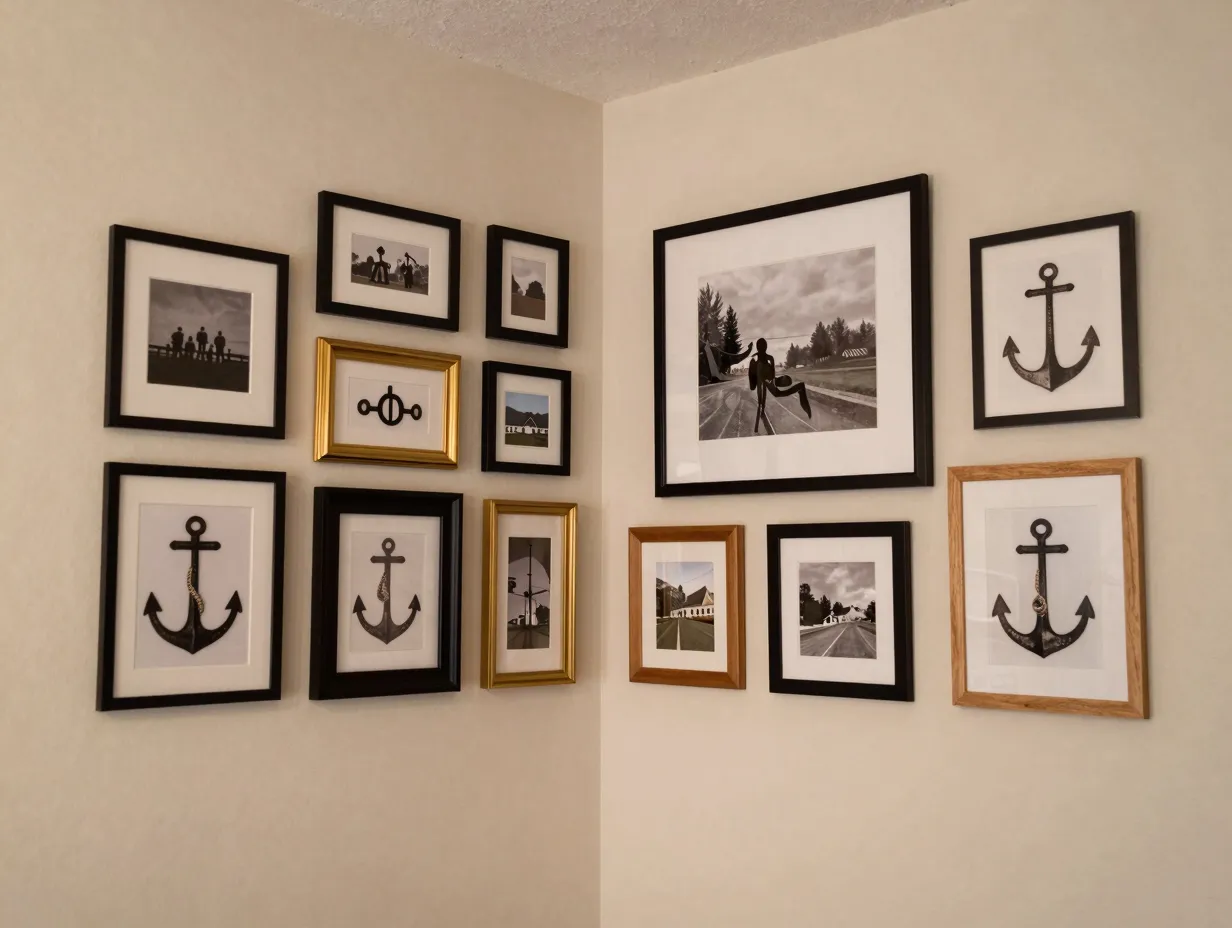
A gallery wall that wraps around a corner is one of the most visually dynamic solutions available for unused spaces. Instead of treating the two walls as separate surfaces, you use the corner itself as the centerpiece of the display. Frames, prints, and artwork flow from one wall to the other, creating a continuous visual narrative [1].
The key to making this work is planning your layout on the floor before you hang anything. Lay all your frames out flat, experiment with spacing, and photograph the arrangement. Then transfer it to the walls, starting from the corner outward.
Tips for a successful corner gallery wall:
- Use frames in two or three complementary finishes (black, brass, and natural wood work well together)
- Mix sizes intentionally, vary between large anchor pieces and smaller accent frames
- Keep consistent spacing of two to three inches between frames for a clean, cohesive look
- Include at least one piece that spans both walls to visually tie the corner together [4]
This approach works especially well in living rooms, dining areas, and hallways where you want to add personality without adding furniture.
2. Single Large Canvas in a Corner Nook
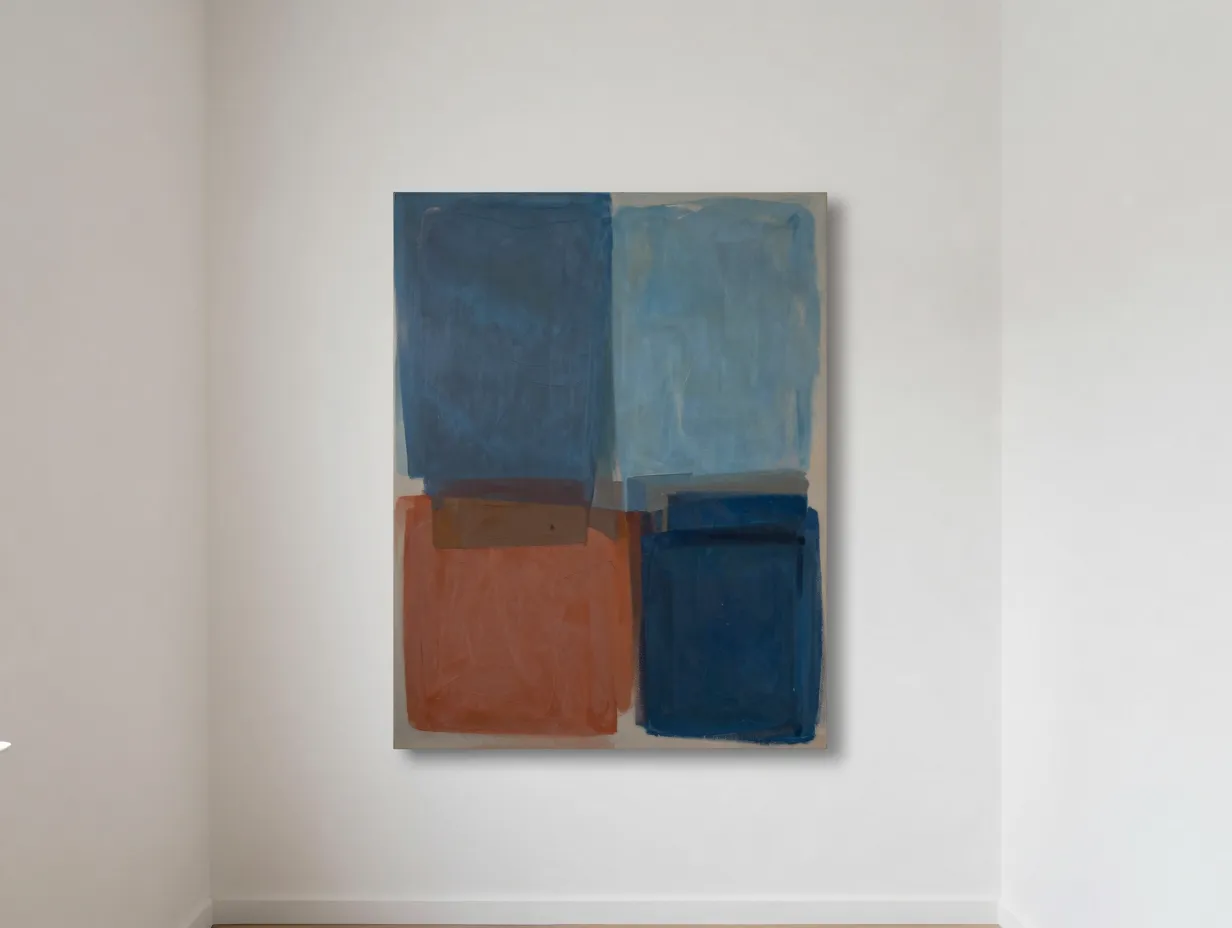
Sometimes less is more. Placing one oversized canvas in a corner nook creates a striking focal point that commands attention without visual clutter. A single large piece, particularly one with bold color or strong composition, transforms an empty corner into something that feels intentional and curated [1].
This idea works best in corners where the walls are relatively clean and unadorned. The canvas becomes the statement, so everything else in the room should support it rather than compete with it.
What to look for in a corner canvas:
- Dimensions that fill at least 60 to 70 percent of the wall height
- Subject matter or color palette that complements the room’s existing tones
- A simple frame or gallery-wrapped edge to keep the focus on the art itself
I used this approach in a narrow bedroom corner where no furniture could fit. A single 36-by-48-inch abstract print in muted blues and terracotta turned what was essentially a dead wall into the most-commented-on feature of the room.
3. Built-In or Floating Corner Shelving
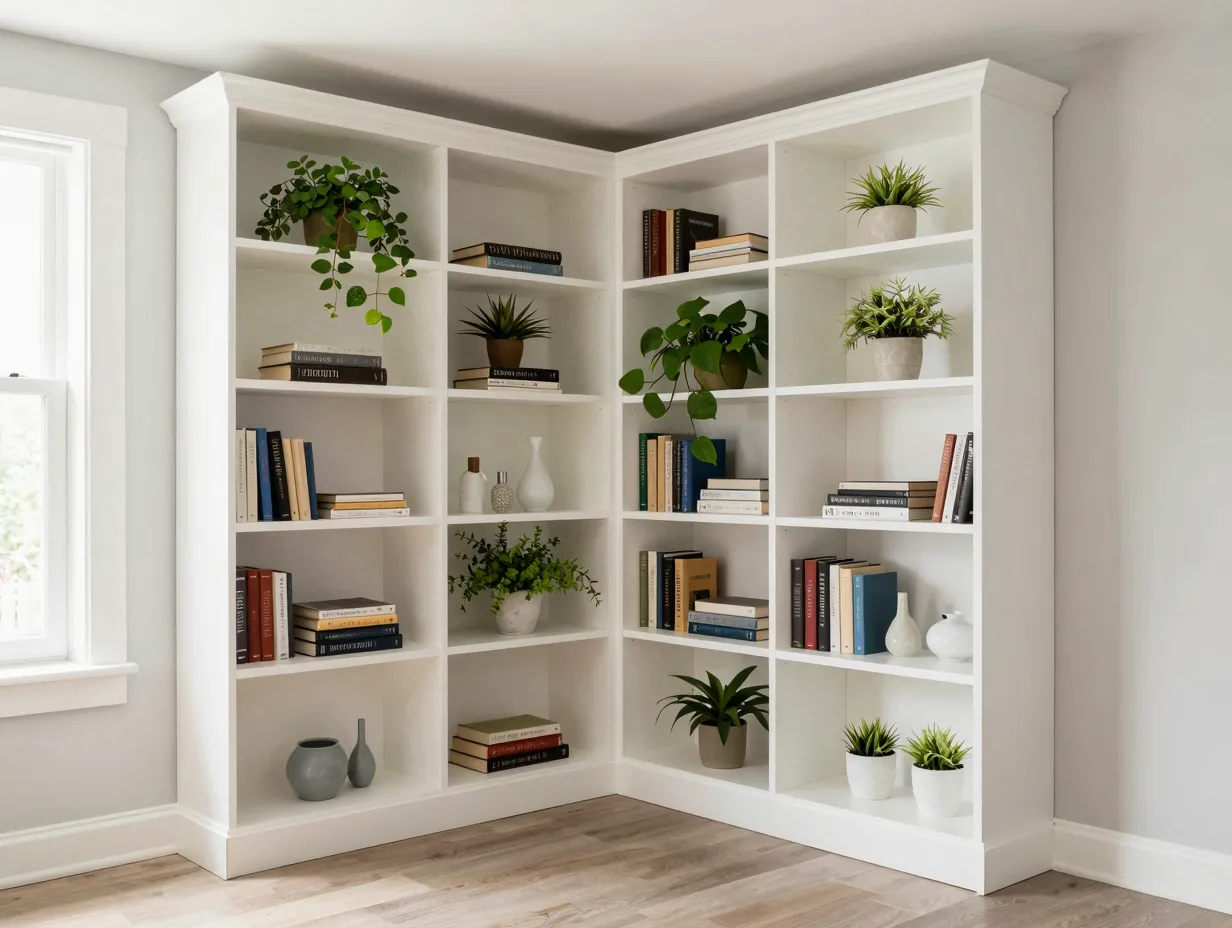
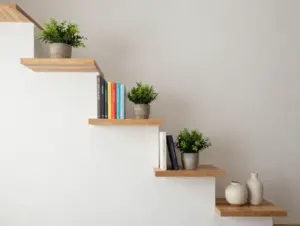
Few solutions are as practical and visually satisfying as corner shelving. Whether you go with custom built-ins or simple floating shelves, installing shelves in a corner uses vertical space that would otherwise go completely to waste [2].
Corner shelves serve a dual purpose: they provide functional storage and create a display surface for books, plants, ceramics, and personal objects. The result is a corner that works hard and looks good doing it.
| Shelf Type | Best For | Approx. Cost | DIY Friendly |
|---|---|---|---|
| Floating corner shelves | Small spaces, renters | $30 – $150 | Yes |
| Freestanding corner unit | Living rooms, offices | $80 – $400 | Yes |
| Custom built-ins | Permanent homes, high storage needs | $500+ | No |
| Ladder-style corner shelf | Bedrooms, bathrooms | $50 – $200 | Yes |
For renters or those who prefer a non-permanent option, freestanding corner units are widely available and require no wall anchoring. For homeowners willing to invest more, custom built-ins can be designed to fit the exact dimensions of any corner, maximizing every inch [2].
4. Cozy Reading Nook
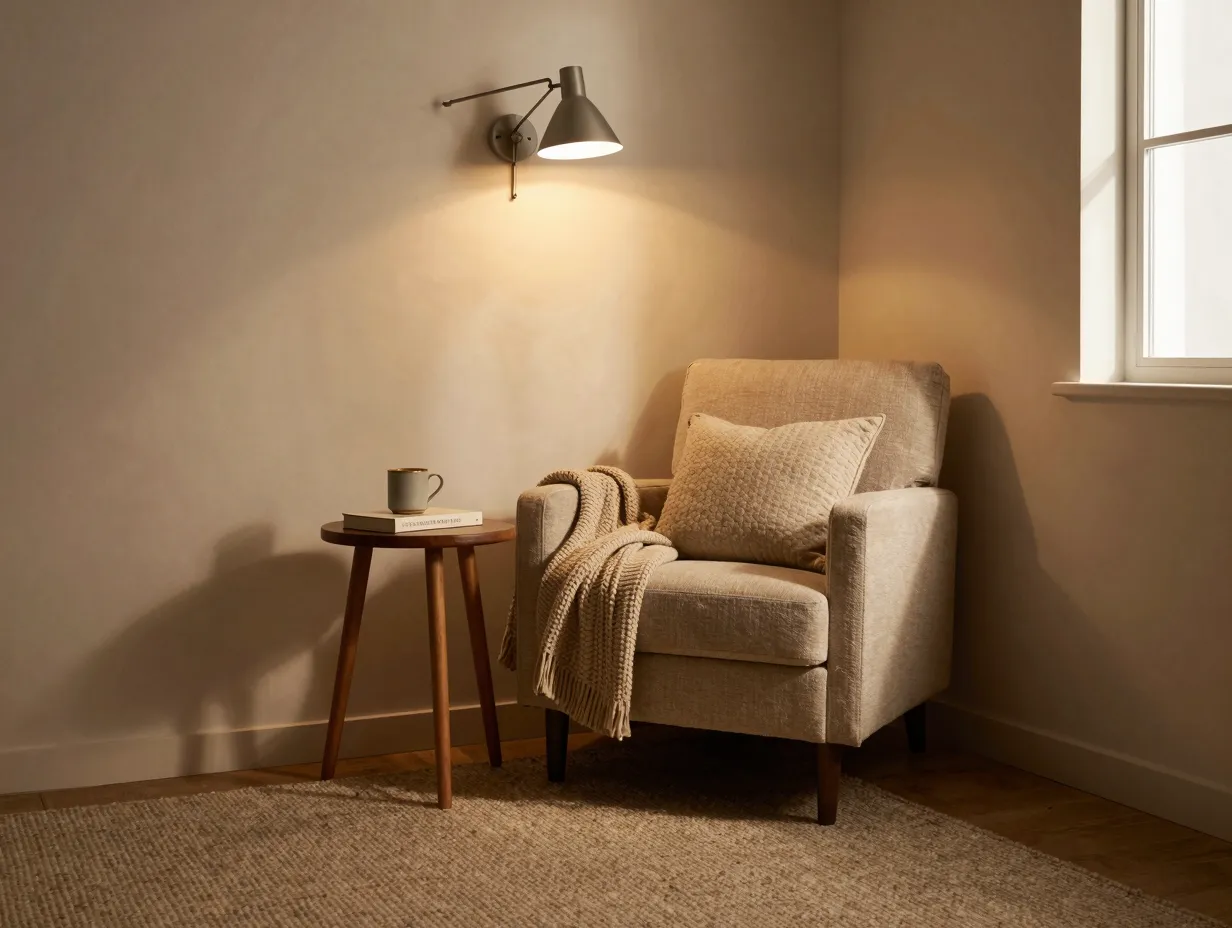
Converting a corner into a reading nook is one of the most rewarding transformations you can make in a home. The setup is straightforward: a comfortable chair, a small side table, and good lighting. But the result is a dedicated retreat that makes a corner feel purposeful and warm [3].
Elements of a well-designed reading nook:
- A chair or loveseat sized appropriately for the corner, avoid oversized pieces that block traffic flow
- A side table or wall-mounted shelf at arm height for books and beverages
- A focused light source, such as a swing-arm wall sconce or a small arc floor lamp
- A small area rug to define the space and add softness underfoot
- A throw blanket and one or two accent pillows for comfort and texture
The reading nook works particularly well in living rooms with dead corners near windows, in bedrooms with unused alcoves, and in home offices where a secondary seating area is useful. The corner naturally provides a sense of enclosure, which makes the nook feel cozy rather than exposed.
5. Tall Indoor Plant
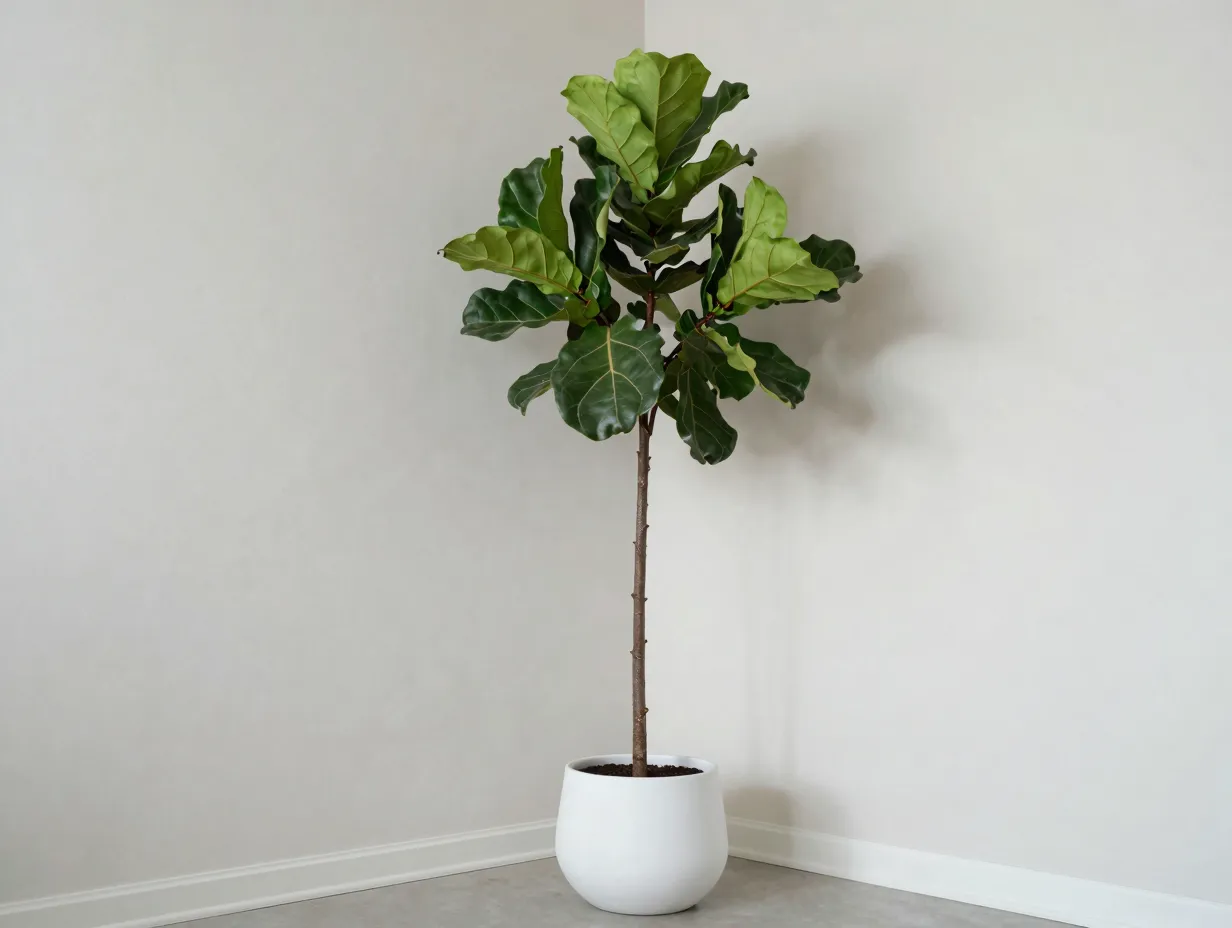
A tall plant placed in an empty corner may be the single fastest, most affordable way to transform a space. Plants like the fiddle leaf fig, snake plant, monstera, or bird of paradise add height, texture, and organic life to a corner that would otherwise feel cold and flat [3].
The visual logic here is simple: corners create vertical channels of space, and tall plants fill that vertical dimension naturally. The plant’s canopy spreads outward at the top, softening the hard angle where the two walls meet.
Best tall plants for corner spaces:
- Fiddle leaf fig, dramatic, architectural leaves; needs bright indirect light
- Snake plant, nearly indestructible; tolerates low light; perfect for dark corners
- Bird of paradise, bold tropical look; needs good light and space to spread
- Monstera deliciosa, fast-growing; striking split leaves; medium light
- Bamboo palm, feathery texture; excellent for filling wide corners
Pair the plant with a decorative pot or woven basket to elevate the overall look. A simple white ceramic pot works in modern spaces; terracotta or rattan suits bohemian and organic interiors.
6. Statement Floor Lamp
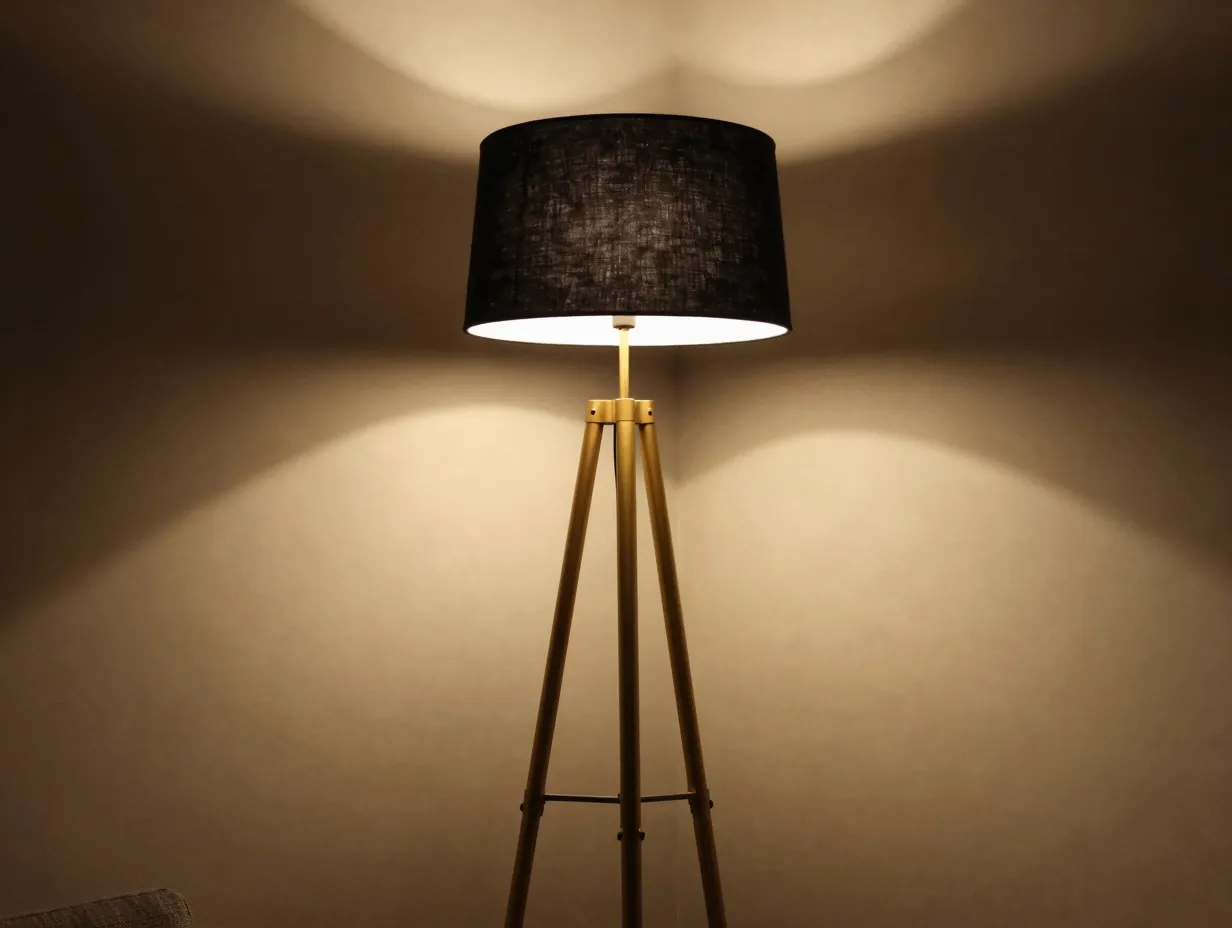
A sculptural or oversized floor lamp does something that most furniture cannot: it occupies vertical space without taking up meaningful floor space [4]. A well-chosen floor lamp in a corner adds both functional light and a strong design statement.
The key word here is “statement.” A basic pharmacy lamp will not do much for an awkward corner. What you want is a lamp with a distinctive silhouette, an arc lamp with a large shade, a tripod base in brushed brass, or a column lamp with an architectural form.
Why a floor lamp works so well in corners:
- It draws the eye upward, making the room feel taller
- It adds warm, ambient light that overhead fixtures cannot replicate
- It requires no installation, just plug it in
- It can be moved or replaced easily as your style evolves
This is also one of the most budget-friendly options on this list. A quality statement floor lamp can be found for under $150 at most home goods retailers, and the visual impact far exceeds the cost.
A single floor lamp in a dark corner can shift the entire mood of a room from flat and uninviting to warm and layered.
7. Corner Desk or Wall-Mounted Workspace
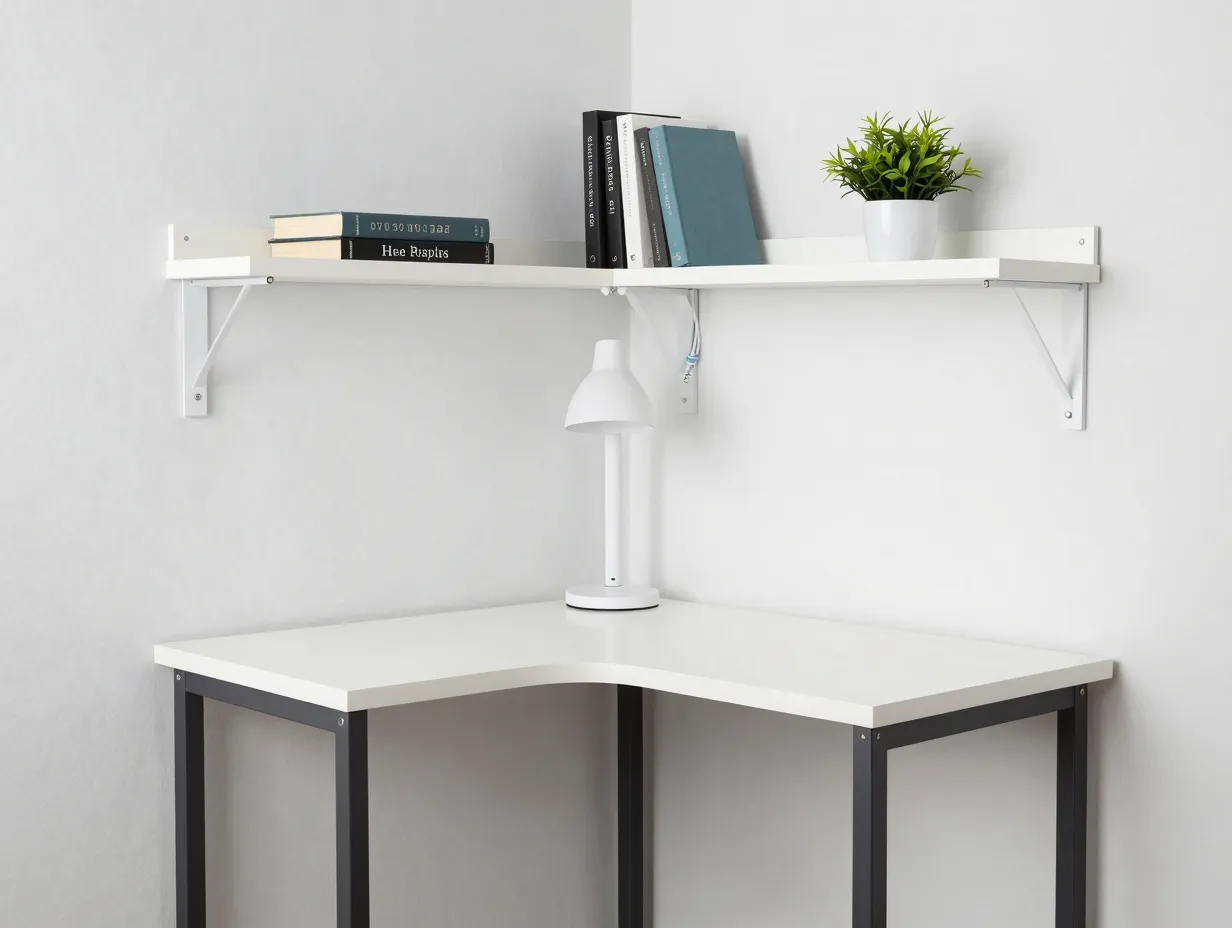
For anyone working or studying from home in 2026, a corner desk is one of the most practical investments you can make. Corners are geometrically ideal for L-shaped desks and wall-mounted fold-down surfaces because they use two walls simultaneously, maximizing usable workspace while keeping the footprint compact [5].
Even a small corner can accommodate a functional workspace. A wall-mounted surface that folds flat when not in use is an excellent solution for tight corners in apartments or multi-use rooms. Pair it with a floating shelf above for storage and a task lamp for focused light.
Corner workspace setup checklist:
- Measure the corner carefully before purchasing, account for door swings and traffic paths
- Choose a desk depth of at least 20 inches for comfortable working posture
- Add cable management from the start to keep the space clean
- Use vertical wall space above the desk for shelving, a pegboard, or a corkboard
- Invest in a good chair, an uncomfortable chair will make you avoid the space entirely [5]
This solution is especially effective in spare bedrooms, living room corners, and kitchen nooks where a dedicated home office is not feasible but a functional work surface is still needed.
8. Accent Chair with Intentional Styling
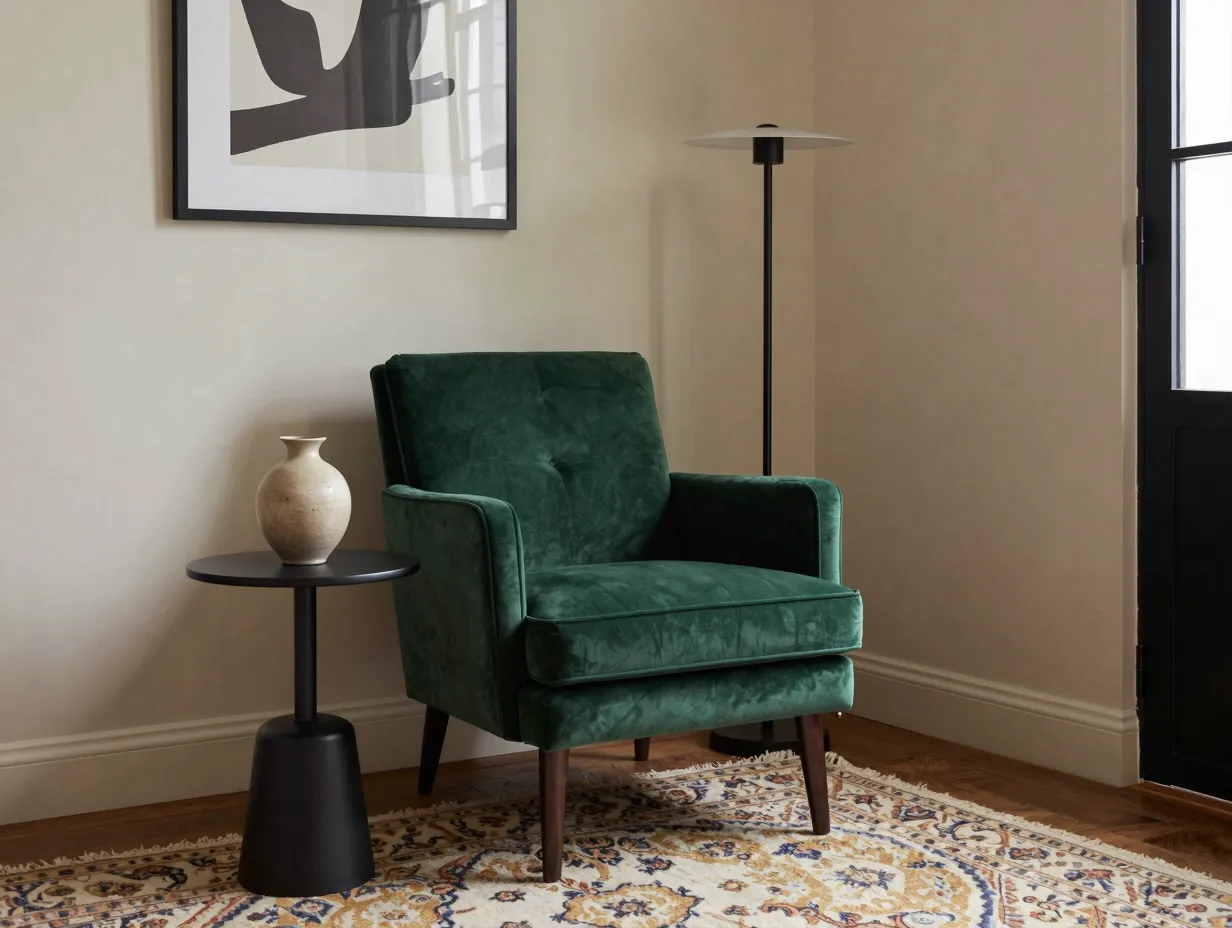
An accent chair placed in a corner with deliberate styling is one of the most elegant and underrated solutions for unused spaces. The chair anchors the corner, signals that the space is intentional, and adds a layer of comfort and personality to any room [4].
The styling details matter as much as the chair itself. A chair placed in a corner without any supporting elements can look like it was simply pushed out of the way. But add a small side table, a floor lamp, a low plant, and a small rug underneath, and the corner becomes a fully realized vignette.
How to style an accent chair corner:
- Choose a chair with a distinctive shape or upholstery that stands out from the main seating
- Place a small round or square side table within arm’s reach
- Add a floor lamp positioned slightly behind and to one side of the chair
- Define the area with a small rug, even a 4-by-6-foot rug is enough
- Keep the wall above relatively simple: one framed print or a small wall sconce is sufficient
This approach works in virtually any room, living rooms, bedrooms, home offices, and even larger hallways. The accent chair corner is particularly effective when the rest of the room’s furniture is arranged conventionally, because the corner vignette adds visual variety without disrupting the overall layout.
How to Choose the Right Idea for Your Corner
Not every solution fits every corner. Before committing to any of these ideas, take a few minutes to assess your specific space using the following criteria.
Consider the corner’s dimensions. A tight hallway corner calls for a different approach than a wide living room corner. Tall plants, floor lamps, and single canvases work well in narrow spaces. Reading nooks, corner desks, and accent chairs need more room.
Consider the room’s primary function. A bedroom corner benefits from quiet, restful solutions like a reading nook or a single large canvas. A home office corner might be best served by built-in shelving or a corner desk. A living room corner can handle bolder statements like a gallery wall or a statement lamp.
Consider your budget and timeline. Built-in cabinetry and custom shelving require the most investment and time. Plants, floor lamps, and accent chairs can be implemented in a single afternoon for under $200.
Consider the lighting. Dark corners benefit from lamps and lighter-colored artwork. Corners near windows can support plants that need natural light and can handle bolder, darker decor without feeling heavy.
Combining Multiple Ideas for Maximum Impact
Some of the most successful corner transformations use two or three of these ideas together. A reading nook, for example, naturally incorporates an accent chair, a floor lamp, and possibly a small shelf, three separate ideas working in harmony.
Similarly, a corner gallery wall can be paired with a narrow console table or floating shelf at the base, creating both a visual display and a functional surface. A tall plant placed beside a statement floor lamp creates a layered, organic corner vignette that feels intentional and rich.
The rule of thumb is to layer in threes: one vertical element (lamp, plant, or tall art), one horizontal surface (shelf, table, or desk), and one soft element (rug, throw, or cushion). This combination creates depth and balance without overcrowding the space.
Conclusion
Awkward, unused corners are not design failures, they are design opportunities that most people simply have not addressed yet. The 8 Clever Wall Corner Decor Ideas for Awkward, Unused Spaces covered in this guide offer a full spectrum of solutions, from the simple and affordable to the more involved and permanent.
Here are your actionable next steps:
- Walk through your home today and identify every corner that is currently bare or used as informal storage
- Photograph each corner and note its dimensions, lighting conditions, and the room’s primary function
- Match each corner to one or two ideas from this list based on your budget and style preferences
- Start with the easiest win, a tall plant or a floor lamp, to build momentum before tackling larger projects
- Layer elements over time rather than trying to complete everything at once; the best corners evolve gradually
The most important step is simply to start. A single well-placed plant or one framed print hung in a corner can shift how an entire room feels. From there, the possibilities only grow.
References
[1] Corner Wall Decor Ideas – https://siartavenue.com/blogs/news/corner-wall-decor-ideas?utm_source=openai
[2] Decorating Ideas For Wall Niches And Awkward Corners – https://chaolivre.com/decorating-ideas-for-wall-niches-and-awkward-corners/?utm_source=openai
[3] Decorate Awkward Corners In Living Room – https://www.stylicasa.com/decorate-awkward-corners-in-living-room/?utm_source=openai
[4] 10 Awkward Corner Ideas That Turn Wasted Space Beautiful – https://thewoodmeter.com/10-awkward-corner-ideas-that-turn-wasted-space-beautiful/?utm_source=openai
[5] 3 Clever Ways To Use An Awkward Corner Pictures – https://www.hgtv.com/shows/room-lab/3-clever-ways-to-use-an-awkward-corner-pictures?utm_source=openai