9 Kitchen Wall Tiles Design Ideas That Are Both Stylish and Practical
Homeowners who renovate their kitchens report spending an average of 15% of their total budget on wall surfaces alone, yet tile choices are often left until the last minute. That last-minute decision is one of the most common renovation regrets I hear from people who have just finished a kitchen remodel. The right tile does far more than fill space between the countertop and the cabinets. It protects your walls from grease, steam, and splashes. It sets the mood of the entire room. And when chosen well, it adds lasting value to your home.
Disclosure: This post contains affiliate links. As an Amazon Associate, we earn from qualifying purchases, and at no extra cost to you.
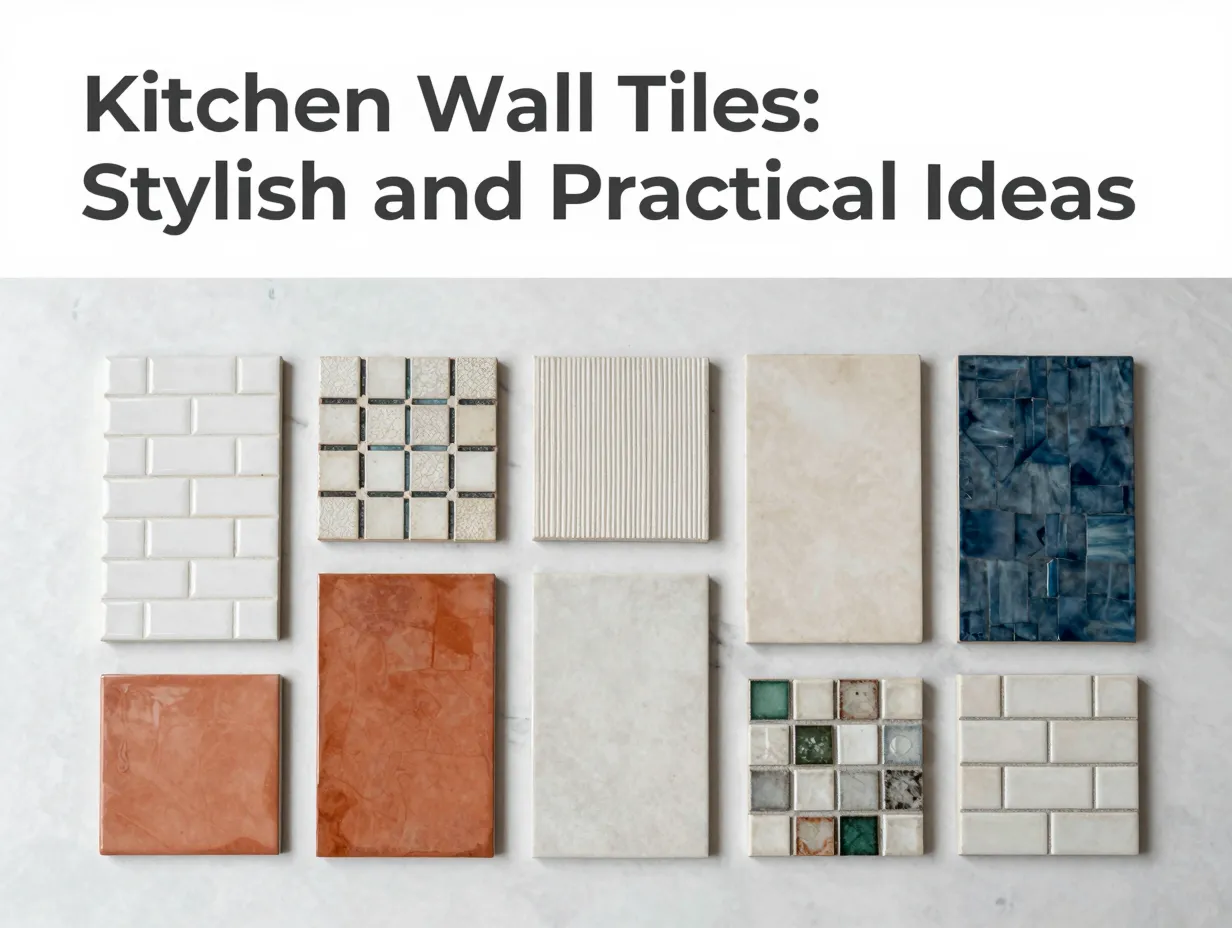
In this guide, I have pulled together 9 Kitchen Wall Tiles Design Ideas That Are Both Stylish and Practical so you can make a confident, informed choice. Whether you are starting from scratch or refreshing an outdated backsplash, these ideas cover a wide range of styles, budgets, and skill levels. Each one is rooted in current design thinking and real-world usability, drawing on the latest tile trends for 2026 [1][2].
Key Takeaways
- Tile choice affects both the look and the long-term maintenance of your kitchen
- Floor-to-ceiling tiling creates a cohesive, fully protected wall surface
- Handmade and zellige tiles add character while hiding minor imperfections
- Textured and fluted tiles deliver visual depth without sacrificing cleanability
- Mixing tile shapes, colors, and finishes is a widely accepted design strategy in 2026
What Makes a Kitchen Wall Tile Both Stylish and Practical
Before diving into the specific ideas, it helps to understand what separates a truly great kitchen tile from one that looks good in the showroom but frustrates you at home. The best tiles share three qualities: they are durable enough to handle heat and moisture, easy enough to clean with everyday products, and visually interesting enough to anchor the room’s design.
Designers in 2026 are moving away from purely decorative choices and toward tiles that earn their place functionally [3]. Grout lines, tile size, surface texture, and finish all affect how easy a tile is to maintain. A glossy subway tile wipes clean in seconds. A deeply textured stone-look tile may need a soft brush to get into the grooves. Neither is wrong, but knowing the trade-offs before you buy saves a lot of frustration later.
With that foundation in place, here are the 9 Kitchen Wall Tiles Design Ideas That Are Both Stylish and Practical that I recommend most often.
9 Kitchen Wall Tiles Design Ideas That Are Both Stylish and Practical
1. Classic Subway Tiles with a Modern Twist
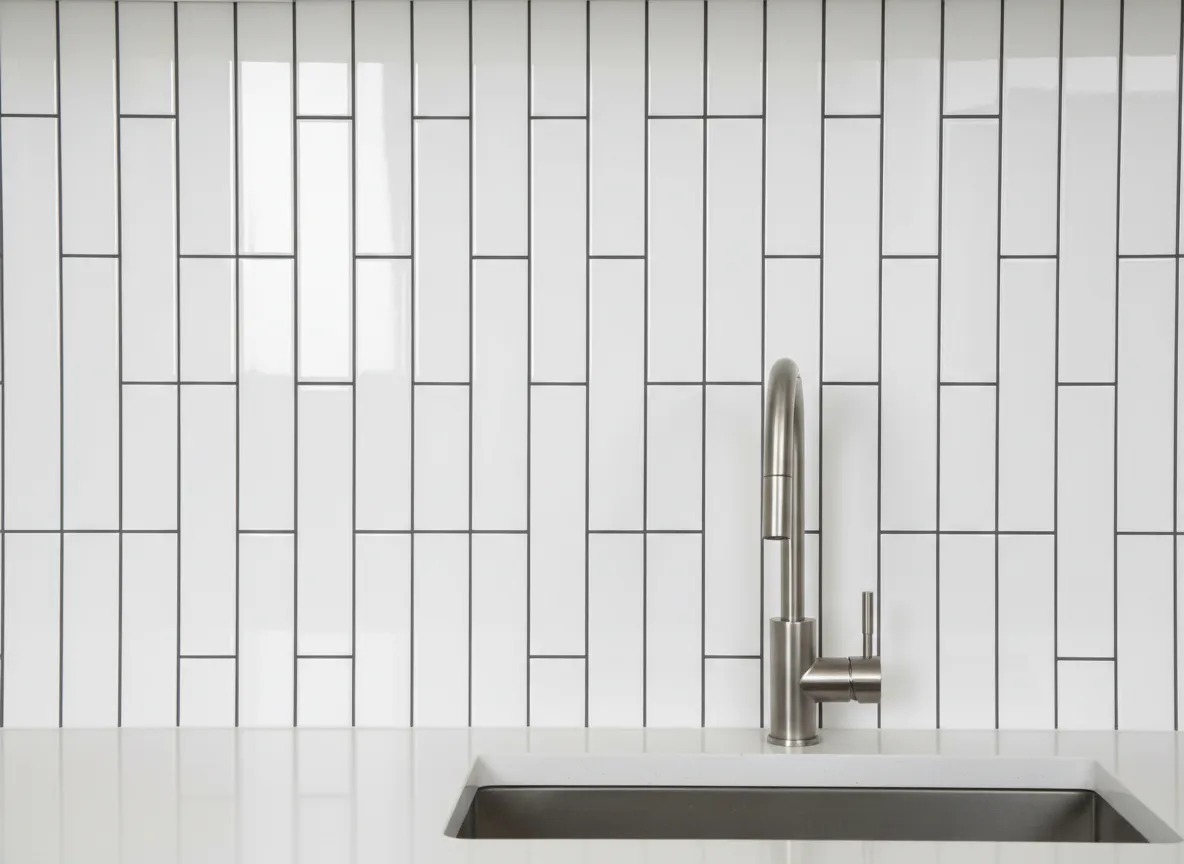
Subway tiles have been a kitchen staple for over a century, and they are not going anywhere. What has changed is how designers are using them. Instead of the standard 3×6-inch white rectangle set in a simple brick pattern, the trend in 2026 leans toward elongated formats, think 2×8 or 4×12, laid in vertical stacks or herringbone arrangements [4].
Why it works: The elongated format makes ceilings feel taller. A vertical stack pattern adds a contemporary edge without requiring an expensive custom tile. Glossy finishes stay easy to wipe down, which matters in a cooking space.
Practical tip: Choose a grout color that is one shade darker than the tile. It hides grease buildup between cleanings and gives the wall a defined, tailored look.
2. Floor-to-Ceiling Tiling for a Cohesive Shell
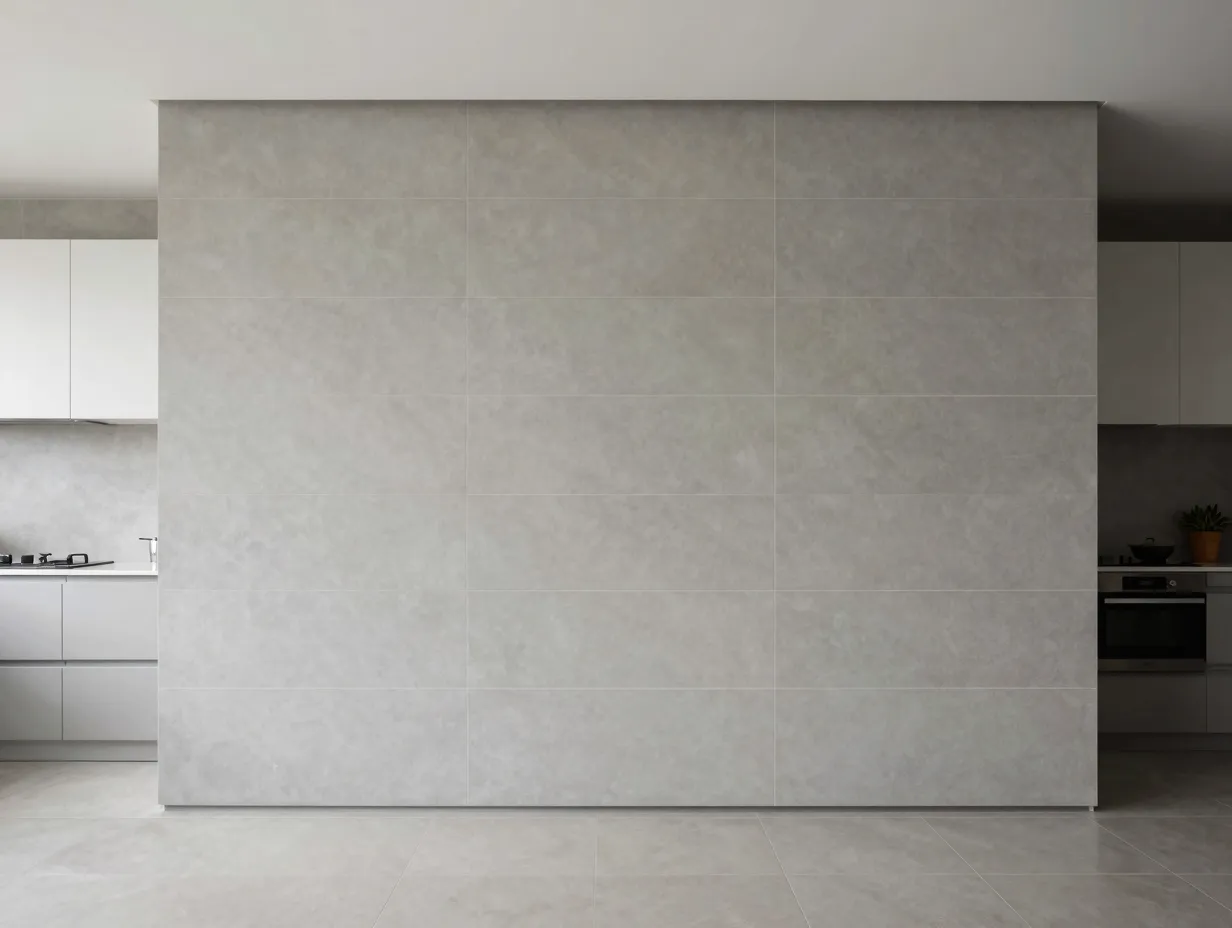
One of the most impactful, and underused, approaches in residential kitchens is tiling the entire wall from floor to ceiling. Rather than stopping at the underside of the upper cabinets, this technique wraps the room in a single material, creating what designers call a “protective shell” [5].
Why it works: Every inch of wall surface in a kitchen is vulnerable to moisture, grease, and heat. Tiling all the way up eliminates the painted drywall that absorbs cooking fumes and discolors over time. Visually, it makes the room feel larger and more intentional.
“Floor-to-ceiling tile transforms a kitchen from a functional room into a finished, gallery-like space.”, A sentiment echoed widely by interior designers in 2026 [6]
Practical tip: Use the same tile throughout to keep the look clean, or introduce a subtle variation, like a matte finish on the upper section and a gloss finish below the countertop, to break up the expanse without disrupting the cohesion.
3. Handmade-Look and Zellige Tiles for Tactile Warmth
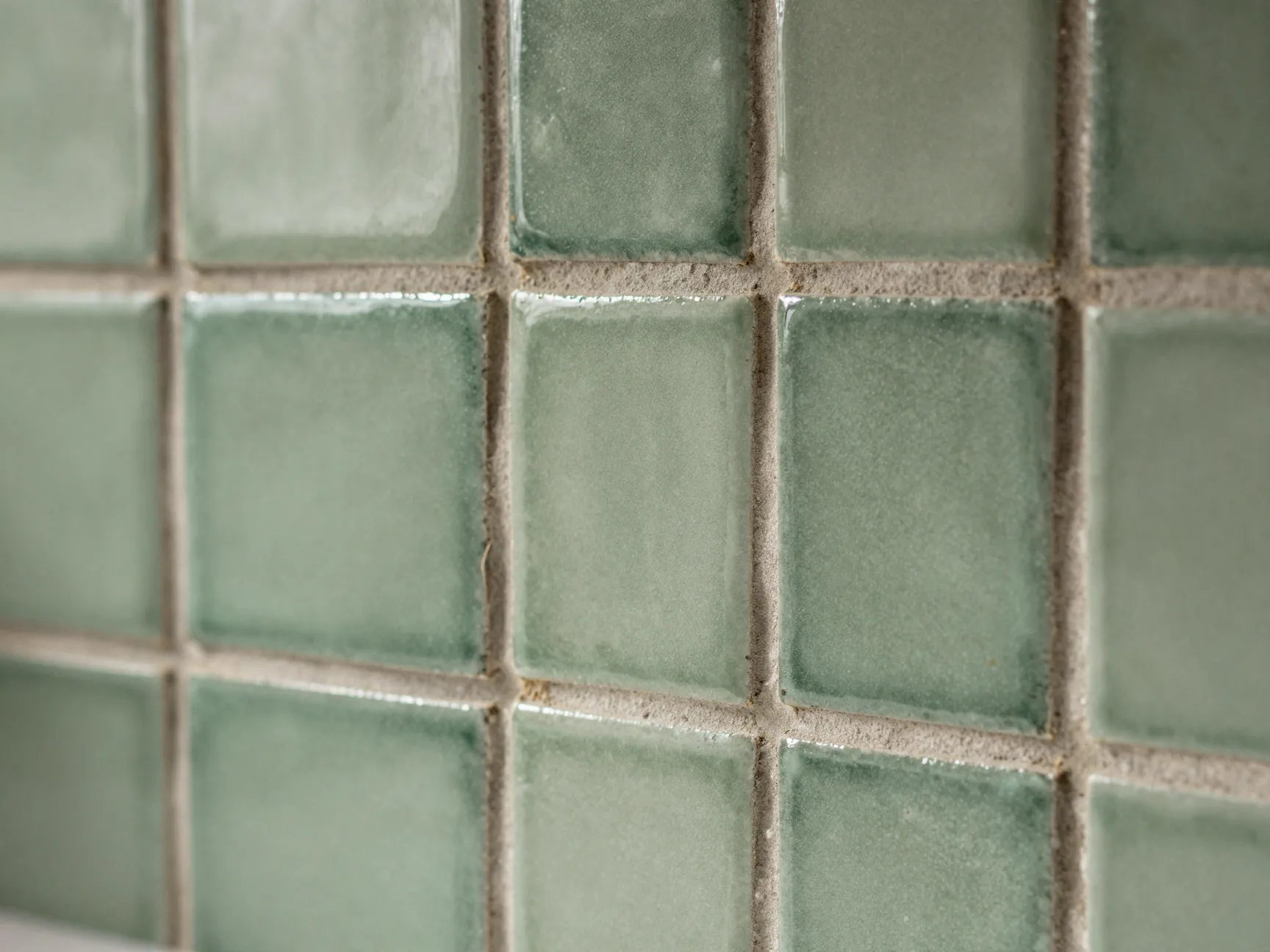
Zellige tiles originate from Morocco and are made by hand from natural clay. Each piece is slightly different in color, thickness, and surface texture. That variation is the point. When installed together, they create a wall that catches light differently throughout the day and feels genuinely alive [7].
Why it works: The imperfect surface of handmade and zellige tiles is forgiving in a practical sense, minor chips or scratches blend into the overall texture rather than standing out. They also bring warmth and artisanal character to kitchens that might otherwise feel too sleek or corporate.
Popular color choices in 2026:
- Warm terracotta and burnt sienna
- Dusty sage green
- Aged ivory and cream
- Deep teal with gold undertones [9]
Practical tip: Seal zellige tiles properly before use. Their porous surface can absorb oil if left untreated. A penetrating sealer applied after installation makes them much easier to maintain [8].
4. Textured and Fluted Wall Tiles for Depth
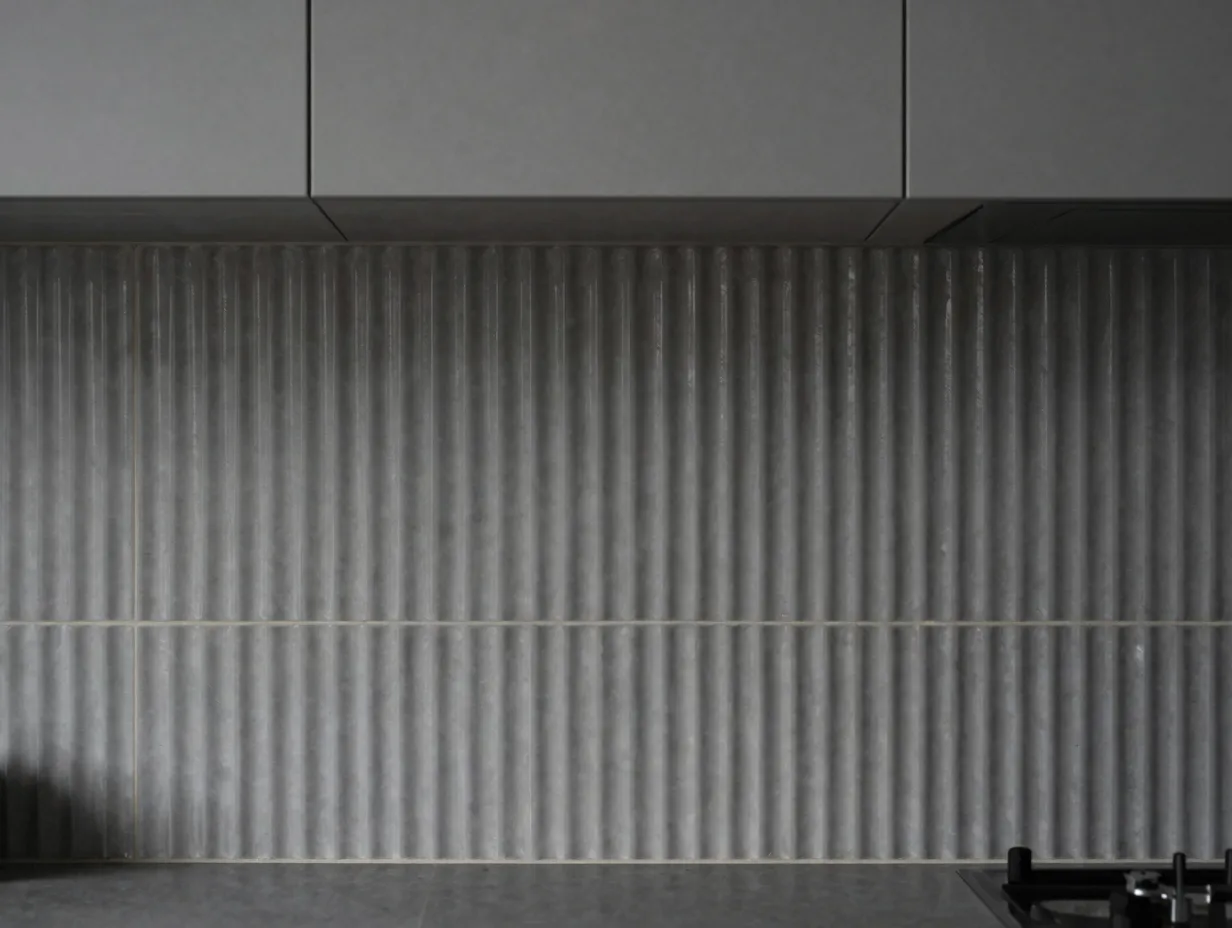
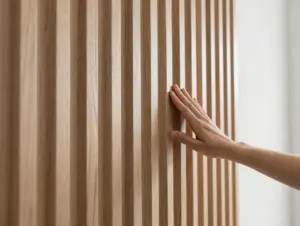
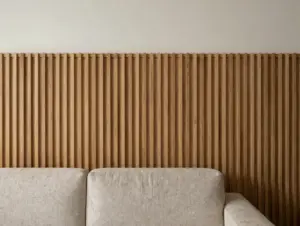
Fluted tiles, those with parallel vertical or horizontal ridges, have moved from bathrooms into kitchens in a big way. The ribbed surface creates shadow lines that add architectural depth to a flat wall, and the effect changes depending on the angle of the light [2].
Why it works: Texture adds visual interest without requiring a bold color or pattern. A wall of soft grey fluted tiles reads as sophisticated and calm while still being far more interesting than a plain painted surface.
Surface options:
| Texture Type | Visual Effect | Ease of Cleaning |
|---|---|---|
| Fluted (ribbed) | Strong shadow lines, architectural | Moderate, use a soft brush |
| Linen-look | Subtle, fabric-like warmth | Easy, smooth enough to wipe |
| Hammered | Organic, stone-like depth | Moderate, depends on depth |
| Smooth matte | Clean, contemporary | Very easy |
Practical tip: Avoid deeply grooved textures directly behind the stove. Grease collects in the ridges. Use fluted tiles on side walls or above the upper cabinets where splatter is less of an issue.
5. Bold Patterned Encaustic Tiles as a Feature Wall
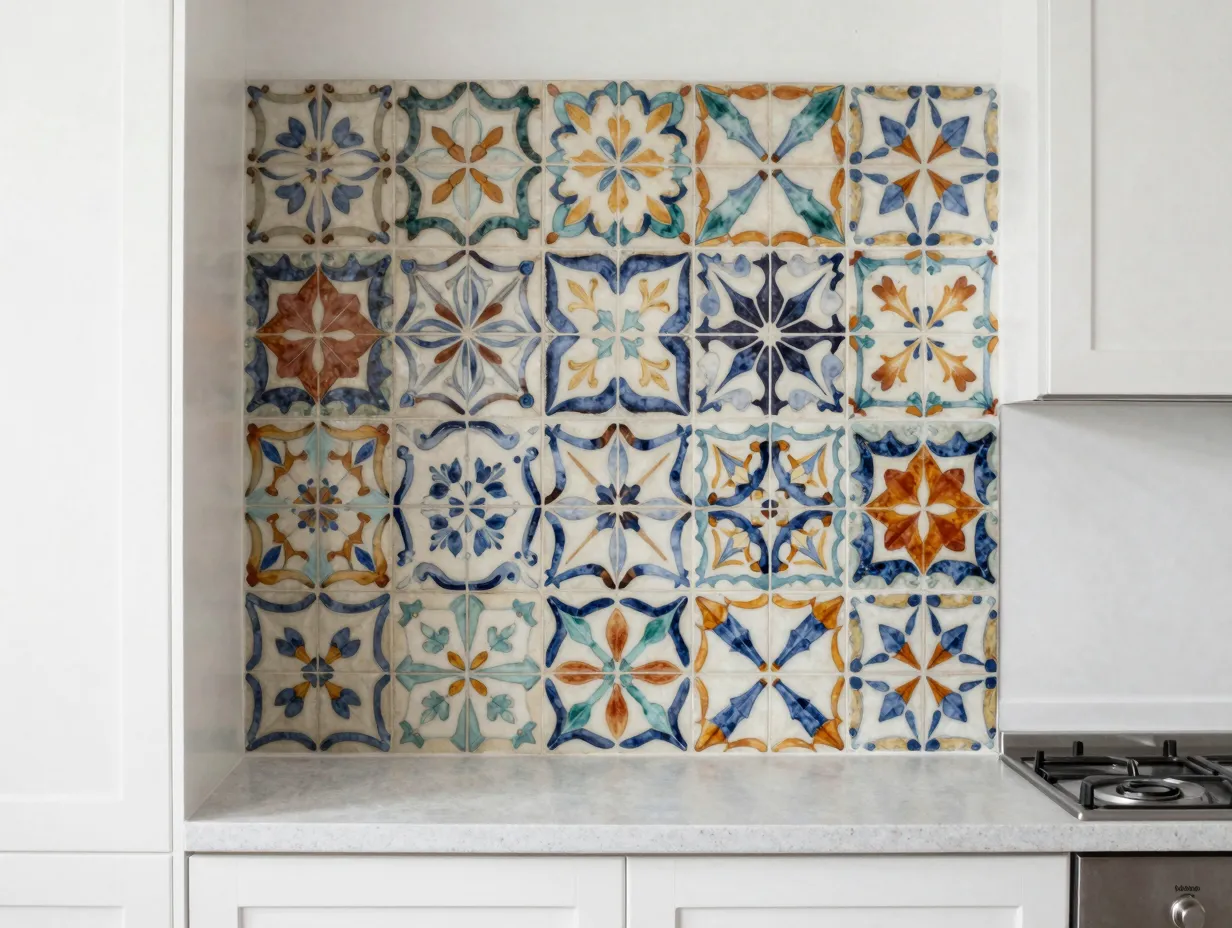
Encaustic tiles use colored cement or clay inlaid in geometric or floral patterns. They are among the most visually striking options available, and they work especially well as a single feature wall behind a range or sink [10].
Why it works: A patterned feature wall does the decorating work for the entire room. You can keep the rest of the kitchen simple, white cabinets, plain countertops, and let the tile carry the personality.
Design rule to follow: If the tile pattern is complex, keep the grout color close to the background color of the tile. This lets the pattern read clearly without the grout lines competing for attention.
Practical tip: Encaustic cement tiles are porous and must be sealed before grouting and again after installation. Once sealed, they are durable and easy to maintain. Skip the sealing step and they will stain within weeks.
6. Large-Format Tiles for a Seamless, Modern Look
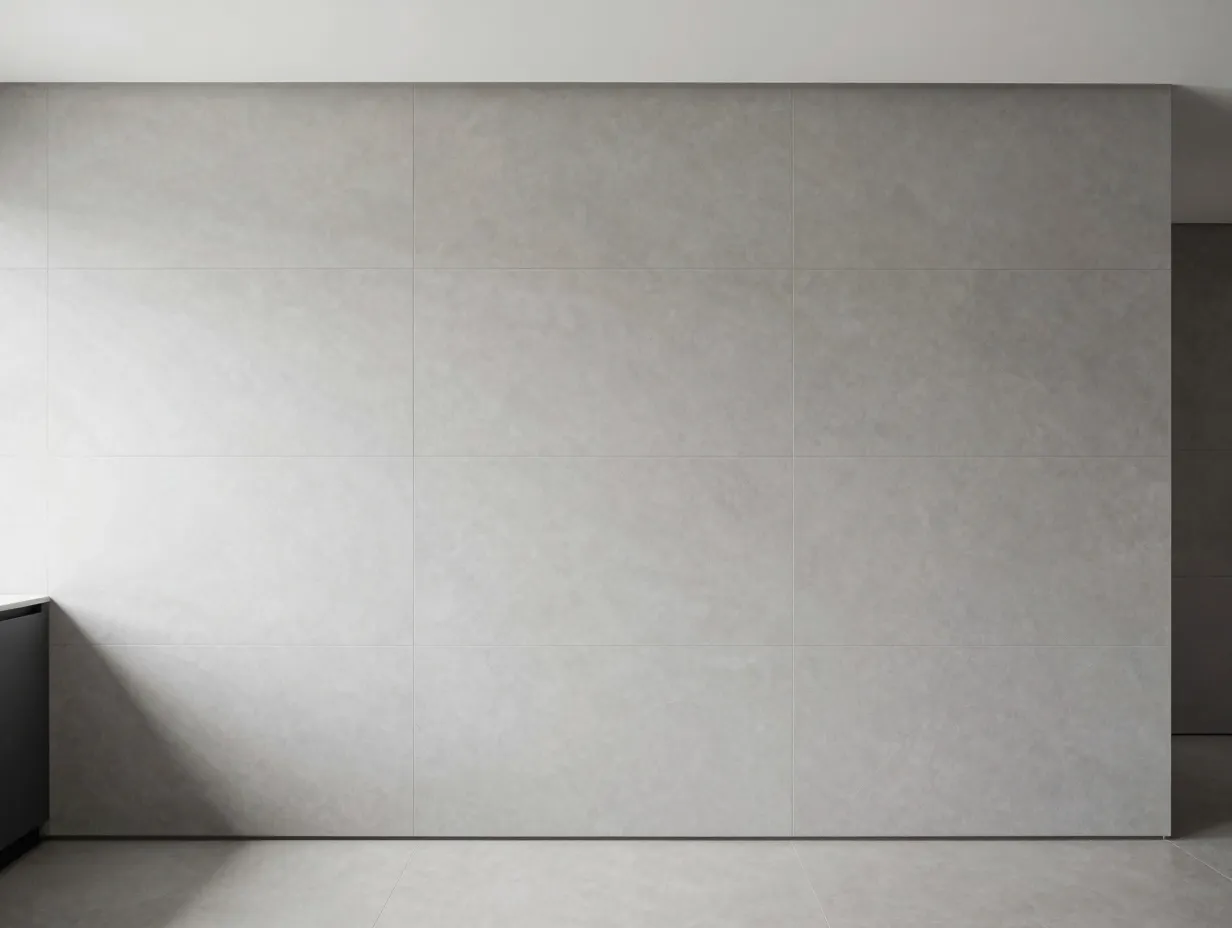
Large-format tiles, those measuring 24×24 inches or larger, have become a dominant force in kitchen design. Fewer grout lines mean a cleaner visual and less surface area for grime to accumulate [1].
Why it works: A wall tiled in large slabs looks expensive and architectural. It suits contemporary and minimalist kitchens particularly well. The reduced grout line count is a genuine maintenance advantage.
What to consider before buying:
- Large tiles require a perfectly flat wall surface. Any unevenness will be visible.
- They are heavier than standard tiles and may need additional wall anchoring.
- Cutting large tiles to fit around outlets and fixtures requires a skilled installer.
Practical tip: Choose a rectified tile (one that has been precision-cut after firing) for large-format applications. The consistent edges allow for very tight grout joints, which enhances the seamless effect.
7. Terracotta and Earthy Tones for Warmth and Character
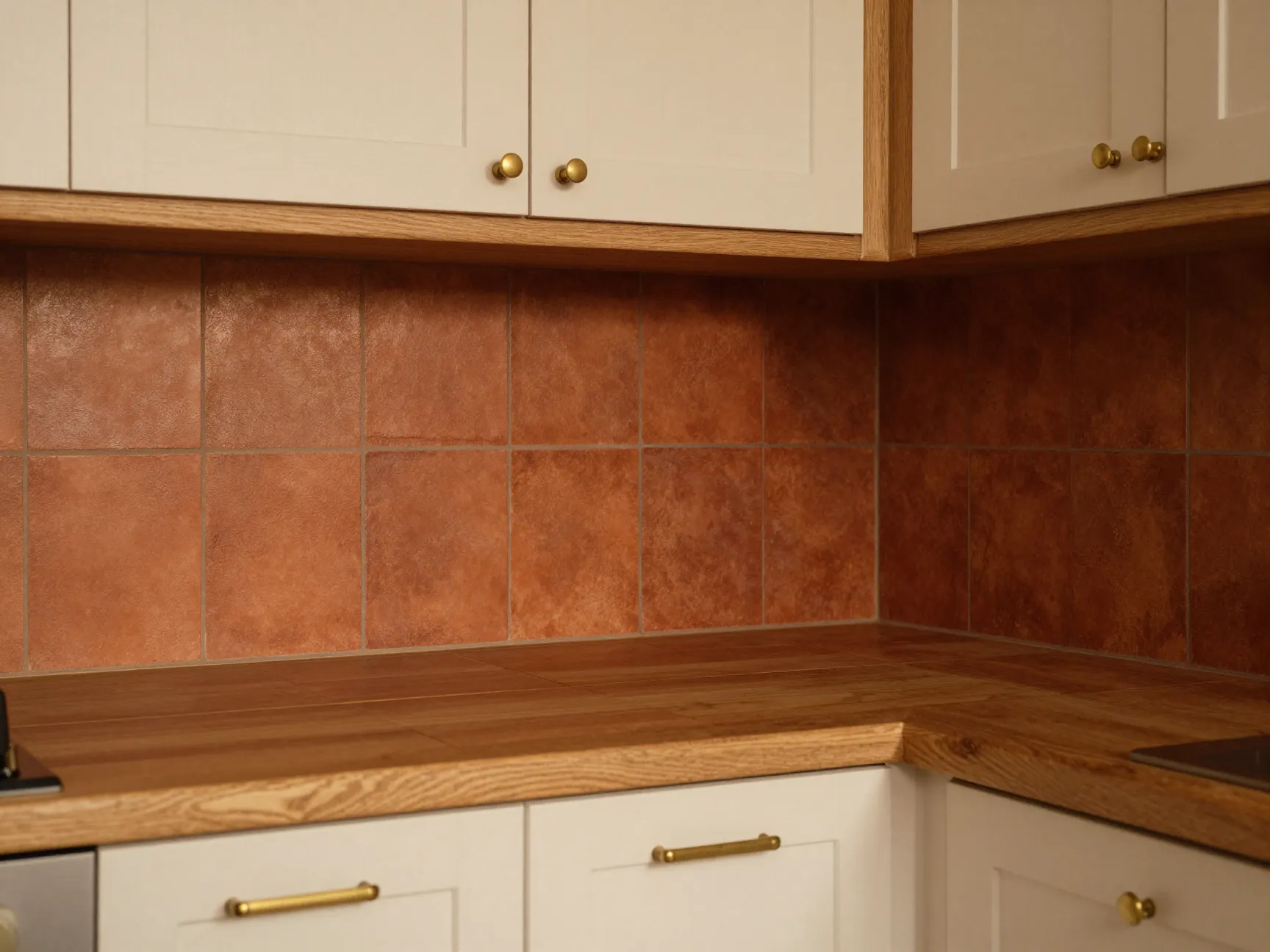
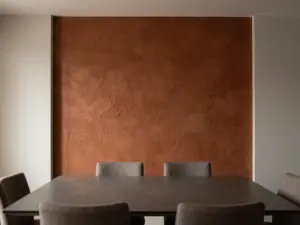
Terracotta has made a strong comeback, and it is not slowing down in 2026. The warm, reddish-brown tones of terracotta tiles bring an organic, grounded quality to kitchens that cooler palettes cannot replicate [3][6].
Why it works: Earthy tones are psychologically associated with comfort and appetite, two things you want in a kitchen. Terracotta also pairs naturally with wood, linen, and aged brass, making it easy to build a cohesive room around.
Styling combinations that work well:
- Terracotta wall tiles + white oak cabinets + aged brass hardware
- Terracotta wall tiles + deep green lower cabinets + black countertops
- Terracotta wall tiles + cream shaker cabinets + woven pendant lights
Practical tip: Modern terracotta tiles are fired at higher temperatures than traditional versions, making them denser and less porous. Look for tiles rated for wall use with a water absorption rate below 3% for the best performance in a kitchen environment.
8. Glossy Jewel-Tone Tiles for Drama and Depth
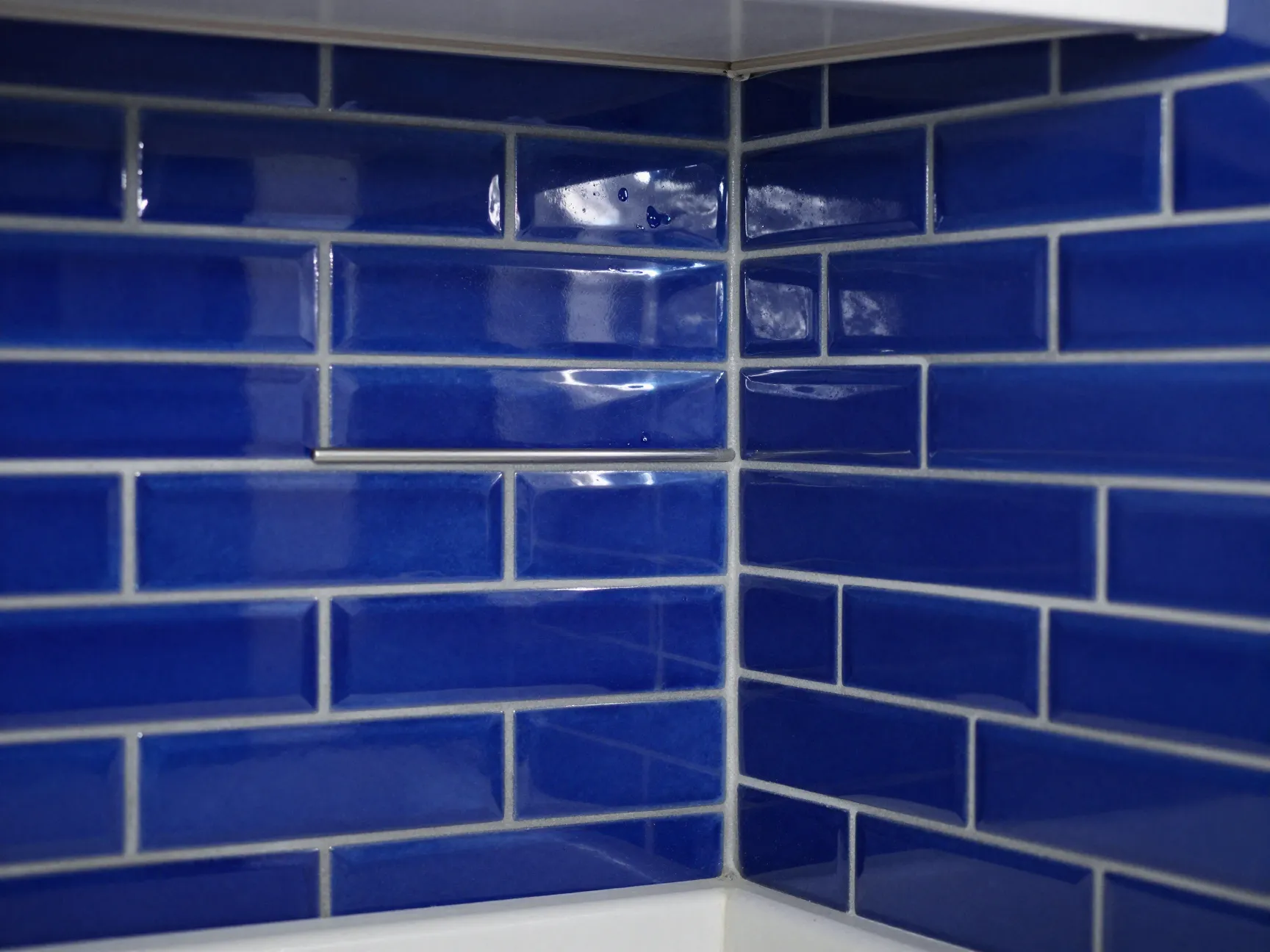
Deep, saturated colors, emerald green, sapphire blue, rich burgundy, applied in a glossy finish create a dramatic, jewel-box effect that photographs beautifully and feels genuinely luxurious in person [4][9].
Why it works: Glossy surfaces reflect light and make a kitchen feel brighter and larger. Jewel tones add personality and a sense of intention. They work especially well in smaller kitchens where a bold choice feels considered rather than overwhelming.
A personal note: I once visited a galley kitchen in a converted apartment where the owner had tiled the entire back wall in deep sapphire blue subway tiles. The kitchen was narrow and not particularly well-lit, but that wall made the whole space feel like a deliberate design statement rather than an afterthought. It was one of the most memorable kitchens I have seen.
Practical tip: Glossy tiles show water spots and fingerprints more readily than matte surfaces. Keep a microfiber cloth nearby for quick wipe-downs. The trade-off in cleaning frequency is worth it for the visual impact.
9. Mixed Material and Mosaic Tiles for Personalized Style
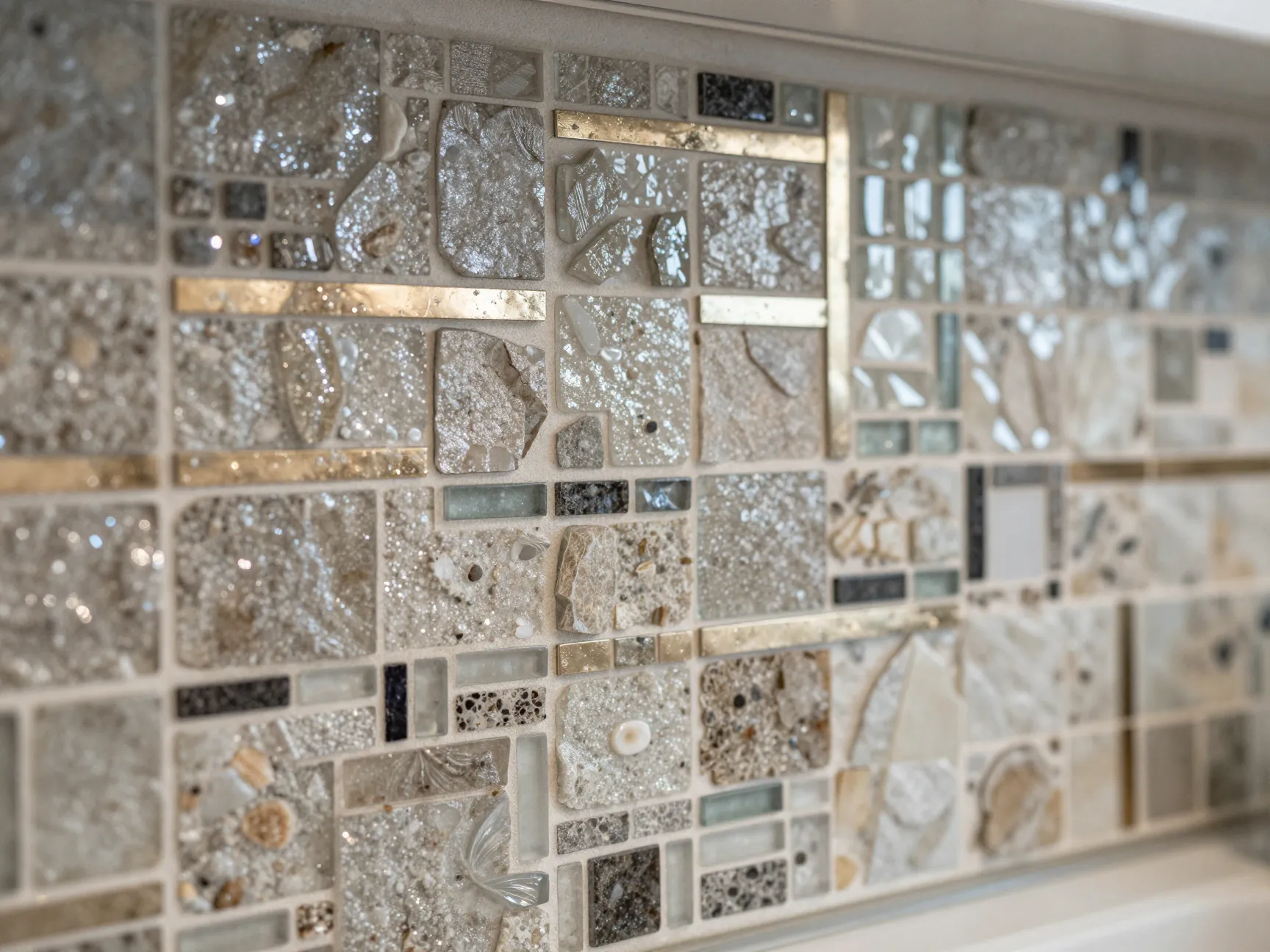
Mosaic tiles, small pieces of ceramic, glass, stone, or metal arranged in a pattern, allow for a level of customization that no other tile format can match. They can be used to create a gradient effect, a pictorial scene, or a geometric pattern that is entirely unique to your kitchen [5][7].
Why it works: Mixed material mosaics bring texture, color, and pattern together in a single installation. Glass mosaic tiles, in particular, reflect light in a way that adds sparkle and dimension to a backsplash. Metal accents within a mosaic catch the light differently from the surrounding ceramic, creating a dynamic surface that changes throughout the day.
Popular mosaic formats in 2026:
- Glass and stone blends in neutral palettes
- Penny-round tiles in gradient color arrangements
- Metallic accent strips woven through ceramic fields
- Handcut irregular mosaics for an artisanal finish [10]
Practical tip: Mosaic tiles come pre-mounted on mesh backing sheets, which makes installation more manageable than it looks. The main maintenance challenge is the high density of grout lines. Use an epoxy grout rather than cement grout, it is far more stain-resistant and requires no sealing.
How to Choose the Right Tile for Your Kitchen
With these 9 Kitchen Wall Tiles Design Ideas That Are Both Stylish and Practical in mind, the next step is narrowing down which one fits your specific kitchen. Here is a simple framework I use when advising on tile selection.
Step 1: Identify your primary concern. Is it maintenance, aesthetics, budget, or longevity? Your answer should guide the shortlist.
Step 2: Consider the light in your kitchen. Dark kitchens benefit from glossy, reflective tiles. Well-lit kitchens can handle matte and textured surfaces without feeling heavy.
Step 3: Match the tile scale to the room size. Large-format tiles suit large kitchens. Small mosaics and standard subway tiles work well in compact spaces.
Step 4: Test samples on the actual wall. Tile colors shift dramatically under different lighting conditions. Always test a sample in the real space before committing to a full order.
Step 5: Factor in installation complexity. Some tile types, large-format, zellige, encaustic, require experienced installers. Budget for professional installation if the tile demands it.
Conclusion
Choosing the right kitchen wall tile is one of the highest-impact decisions in any kitchen renovation. The 9 Kitchen Wall Tiles Design Ideas That Are Both Stylish and Practical covered in this guide, from classic subway tiles to floor-to-ceiling zellige, from fluted textures to bold jewel tones, each offer a genuine combination of visual appeal and real-world functionality.
Actionable next steps:
- Revisit the list and identify two or three ideas that align with your kitchen’s existing style and your personal maintenance preferences.
- Order physical samples of your top choices and live with them on the wall for at least a week before deciding.
- Research installers who specialize in the tile type you have chosen, installation quality is as important as the tile itself.
- Factor in grout selection from the start. Grout color and type significantly affect both the final look and the long-term maintenance of any tiled surface.
- Check current availability and lead times early. Some handmade and imported tiles can take six to ten weeks to arrive.
The kitchen wall is one of the most visible surfaces in your home. Investing the time to choose well, and choosing a tile that works as hard as it looks good, is always worth it.
References
[1] Best 26 Kitchen Wall Tiles For 2026 – https://www.countryfloors.com/best-26-kitchen-wall-tiles-for-2026/
[2] 2026 Kitchen Tile Trends 11935019 – https://www.thespruce.com/2026-kitchen-tile-trends-11935019
[3] 2026 Kitchen And Bathroomtile Trends And How And Where To Use Tile – https://www.forbes.com/sites/terriwilliams/2026/02/28/2026-kitchen-and-bathroomtile-trends—and-how-and-where-to-use-tile/
[4] Kitchen Backsplash Trends 2026 – https://www.goodhousekeeping.com/home/decorating-ideas/a69606048/kitchen-backsplash-trends-2026/
[5] 2026 Wall Tile Trends Kitchens Bathrooms Patios – https://originalmissiontile.com/2026-wall-tile-trends-kitchens-bathrooms-patios/
[6] Kitchen Tile Trends 2026 – https://www.livingetc.com/ideas/kitchen-tile-trends-2026
[7] Kitchen Wall Tile Trends 2026 Ceramic Fashion Studio – https://www.ceramicfashionstudio.com/blog/kitchen-wall-tile-trends-2026-ceramic-fashion-studio/
[8] 2810 2 – https://metrotilesandflooring.com/2810-2/
[9] Tile Trends For 2026 Delicious Colours Daring Patterns And More – https://kitchensbedroomsandbathrooms.com/kitchens/tile-trends-for-2026-delicious-colours-daring-patterns-and-more/
[10] 2026 Backsplash Refresh – https://www.mytiletown.ca/tileTrends/articles/2026-backsplash-refresh