9 Easy Home Decor Upgrades That Make a Huge Impact
A fresh coat of paint gets all the credit, but research consistently shows that most homeowners overlook the small, low-cost changes that actually move the needle on how a room feels. According to interior design professionals, the difference between a room that looks “fine” and one that looks like it belongs in a magazine often comes down to a handful of specific, repeatable techniques, not a full renovation budget. These 9 easy home decor upgrades that make a huge impact are exactly those techniques, distilled into actionable steps you can start this weekend.
Disclosure: This post contains affiliate links. As an Amazon Associate, we earn from qualifying purchases, and at no extra cost to you.
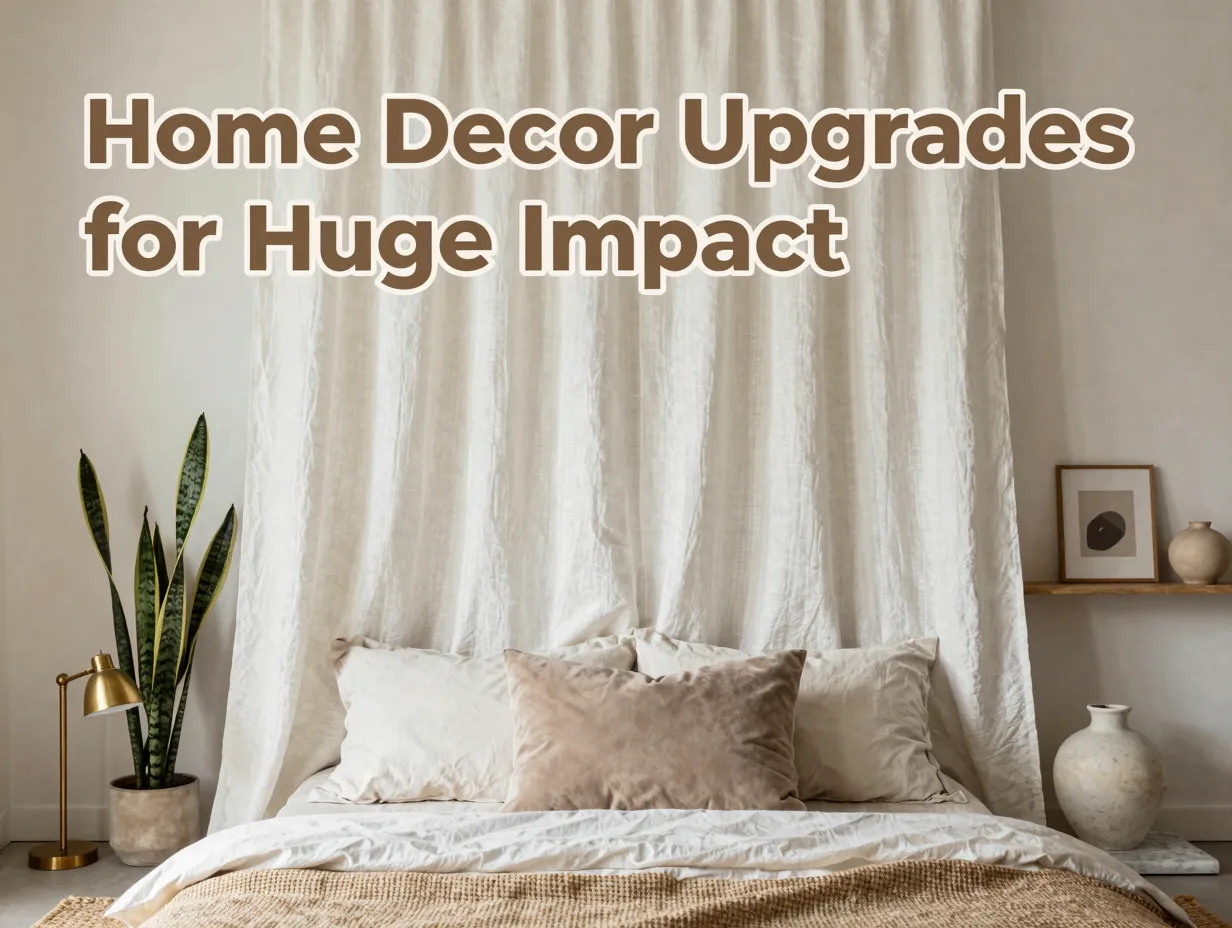
I have personally tested most of these in my own home over the past few years, and the results surprised me every time. The upgrades that cost the least often delivered the most dramatic visual change. Whether you rent or own, live in a studio apartment or a four-bedroom house, this guide will walk you through each upgrade with enough detail to get it right the first time.
Key Takeaways
- Hanging curtains close to the ceiling, not the window frame, is one of the single most impactful changes you can make to any room
- Mixing four to five different textures in a single room creates depth and visual interest without adding clutter
- A cohesive color palette across connected rooms makes a home feel larger and more intentional
- Decluttering surfaces costs nothing and often delivers more visual impact than buying new decor
- Living plants and fresh flowers bring life to a space in a way that no manufactured product can replicate
Why These 9 Easy Home Decor Upgrades That Make a Huge Impact Actually Work
Before diving into the list, it helps to understand the principle behind why these specific upgrades work so well. Interior designers often talk about “visual weight”, the idea that every object in a room either adds to or subtracts from the overall sense of balance and intention. Most rooms that feel “off” are not missing expensive furniture. They are missing layering, proportion, and cohesion. [6]
The upgrades below address all three of those fundamentals. They are organized to build on each other, so if you tackle them in order, each one will compound the effect of the last. That said, any single upgrade on this list will produce a noticeable result on its own.
“The rooms that feel the most expensive are rarely the ones with the most expensive things in them. They are the ones where every decision looks intentional.”, A principle echoed by professional designers across the industry [8]
The Full List: 9 Easy Home Decor Upgrades That Make a Huge Impact
1. Hang Your Curtains High and Wide
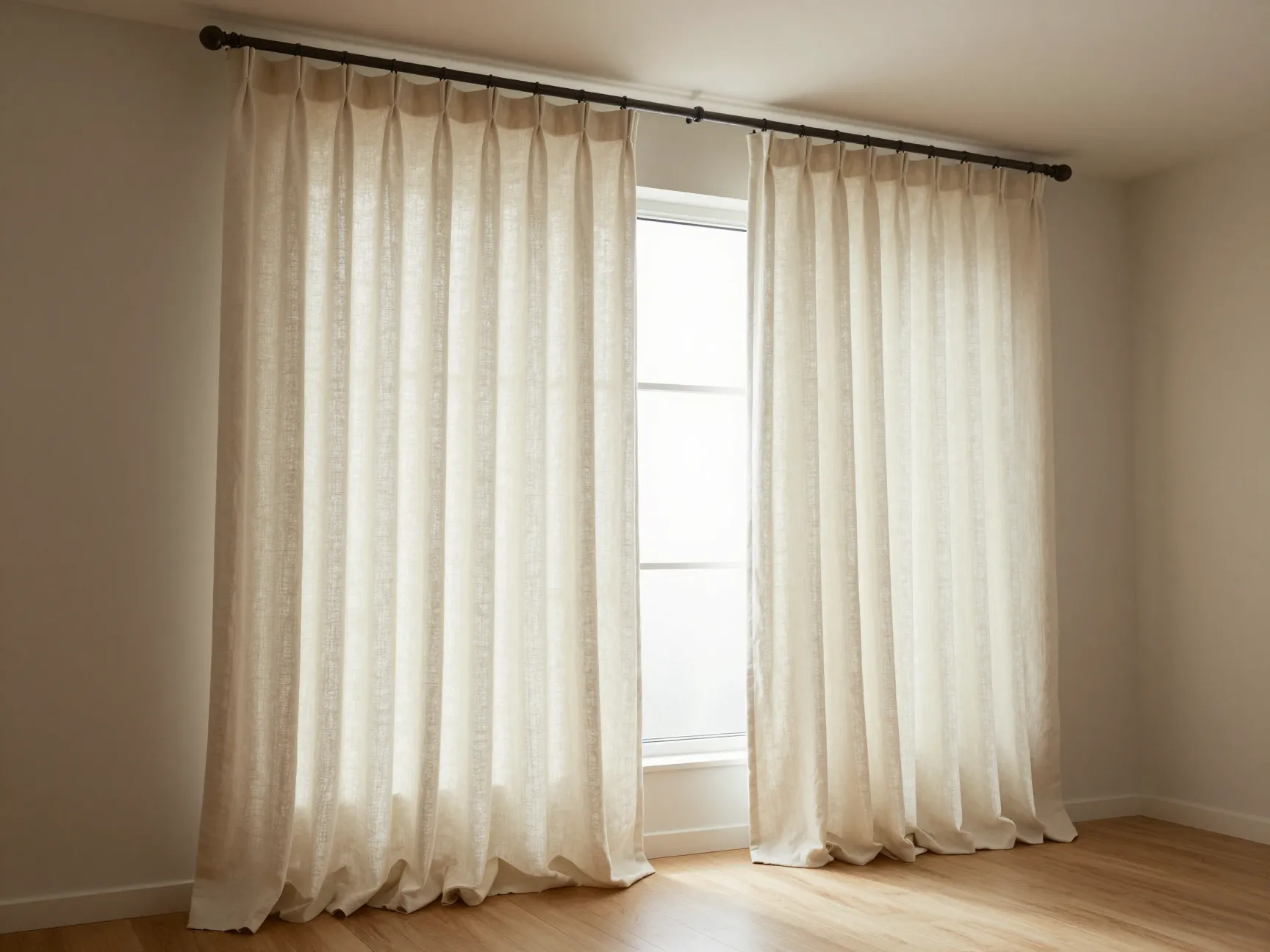
This is the single most transformative upgrade on this entire list, and it costs almost nothing if you already own curtains. Most people hang curtain rods directly above the window frame, which makes ceilings look lower and windows look smaller. The fix is simple: mount the rod as close to the ceiling as possible, and extend it at least six to twelve inches beyond the window frame on each side.
When curtains hang from ceiling height and pool slightly on the floor, the eye reads the entire wall as taller and the window as grander. It is a visual trick that professional stagers use in every single property they prepare for sale. [1]
What to buy: Look for curtains that are at least 96 inches long. Standard 84-inch panels rarely reach the floor when hung from ceiling height, which defeats the purpose entirely.
Pro tip: Linen or linen-blend curtains in an off-white or warm neutral tend to work in almost any room and photograph beautifully in natural light.
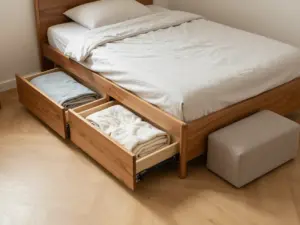
2. Layer Bedding for a Luxurious, Hotel-Quality Look
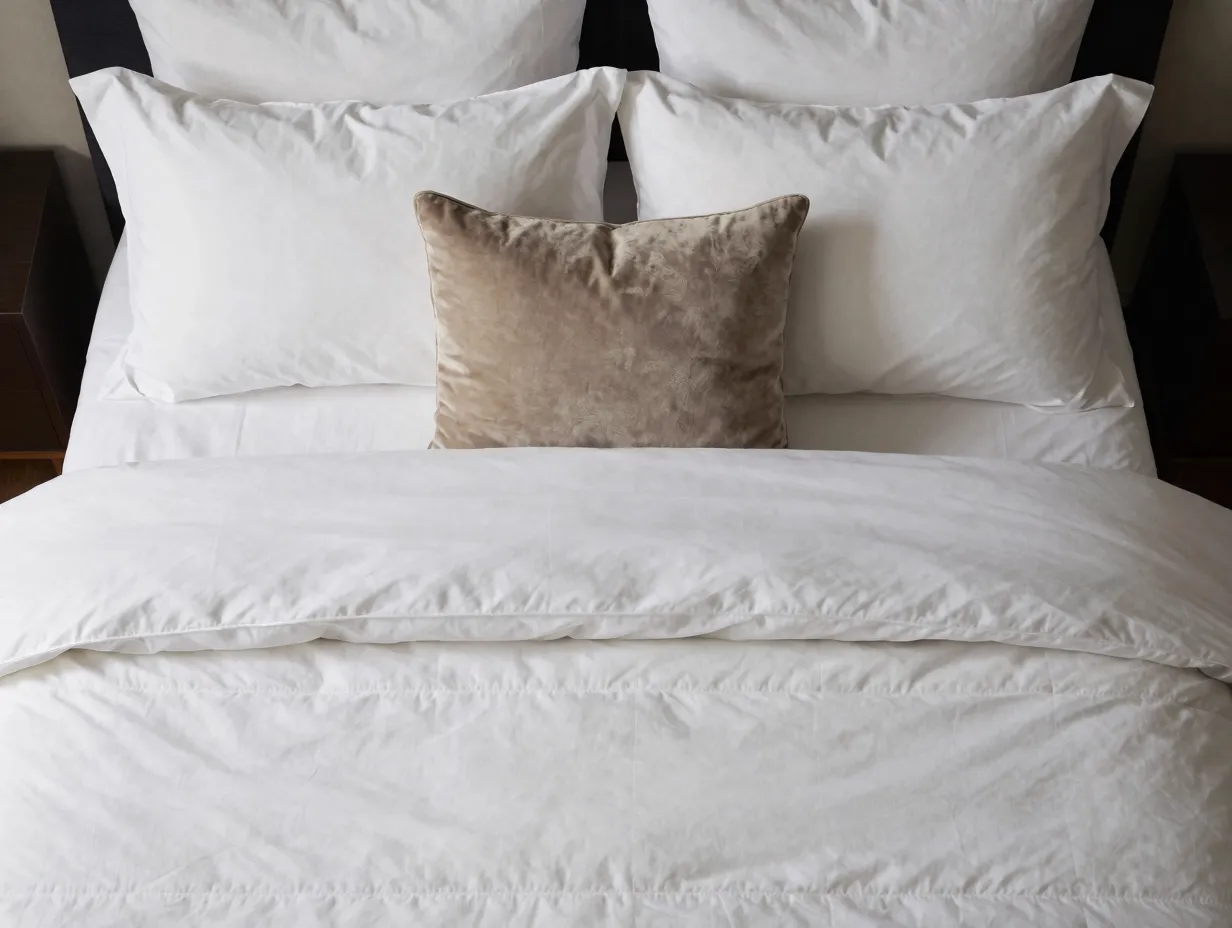
A bed is the focal point of any bedroom, and the way it is dressed signals the entire tone of the room. Flat, single-layer bedding, one duvet, two pillows, reads as functional but not designed. Layered bedding, by contrast, creates the kind of depth and texture that makes a room feel intentional and inviting. [1]
The layering formula that works consistently well:
- A fitted sheet and flat sheet as the base
- A duvet or comforter in a solid or subtle pattern
- A folded quilt or throw blanket at the foot of the bed
- Euro shams behind standard sleeping pillows
- One or two accent pillows in a contrasting texture or color
This approach does not require expensive bedding. A well-layered bed with mid-range linens will always outperform a flat, single-layer setup with luxury ones.
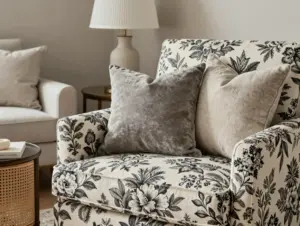
3. Mix Four to Five Textures in Every Room
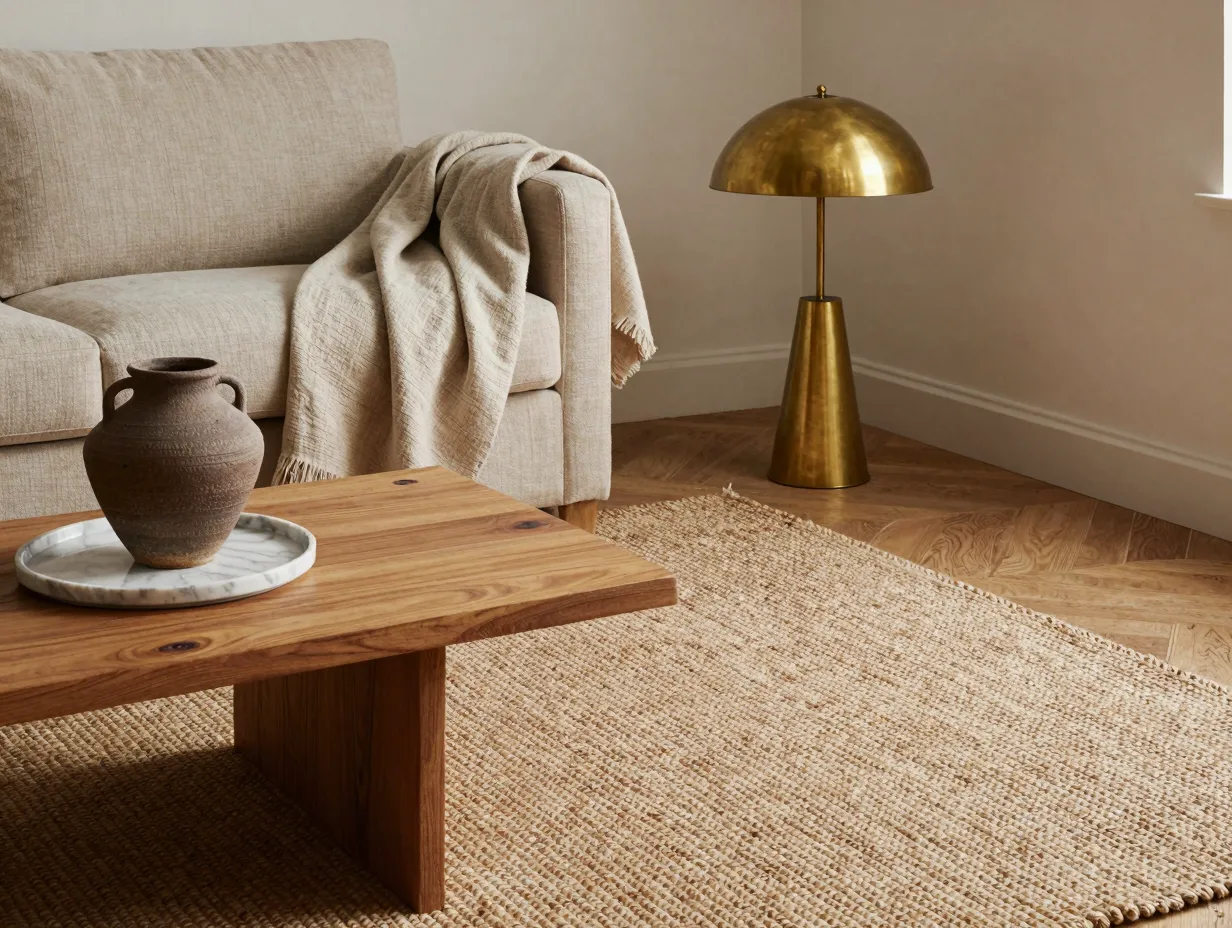
Texture is the element that separates rooms that feel flat from rooms that feel rich. A room furnished entirely in smooth surfaces, glass, lacquered wood, polyester fabric, looks sterile regardless of how well-chosen the individual pieces are. Adding tactile variety changes that immediately. [1]
A practical texture checklist for a living room:
| Texture Type | Example |
|---|---|
| Woven | Jute rug, rattan basket |
| Soft | Linen throw, velvet pillow |
| Natural | Wood coffee table, driftwood decor |
| Metallic | Brass lamp base, iron candle holder |
| Ceramic or stone | Pottery vase, marble tray |
You do not need to buy all of these at once. Start by identifying which texture categories are missing from your current room and add one or two pieces that fill those gaps. [6]
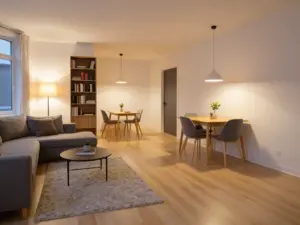
4. Add an Area Rug to Define Your Space
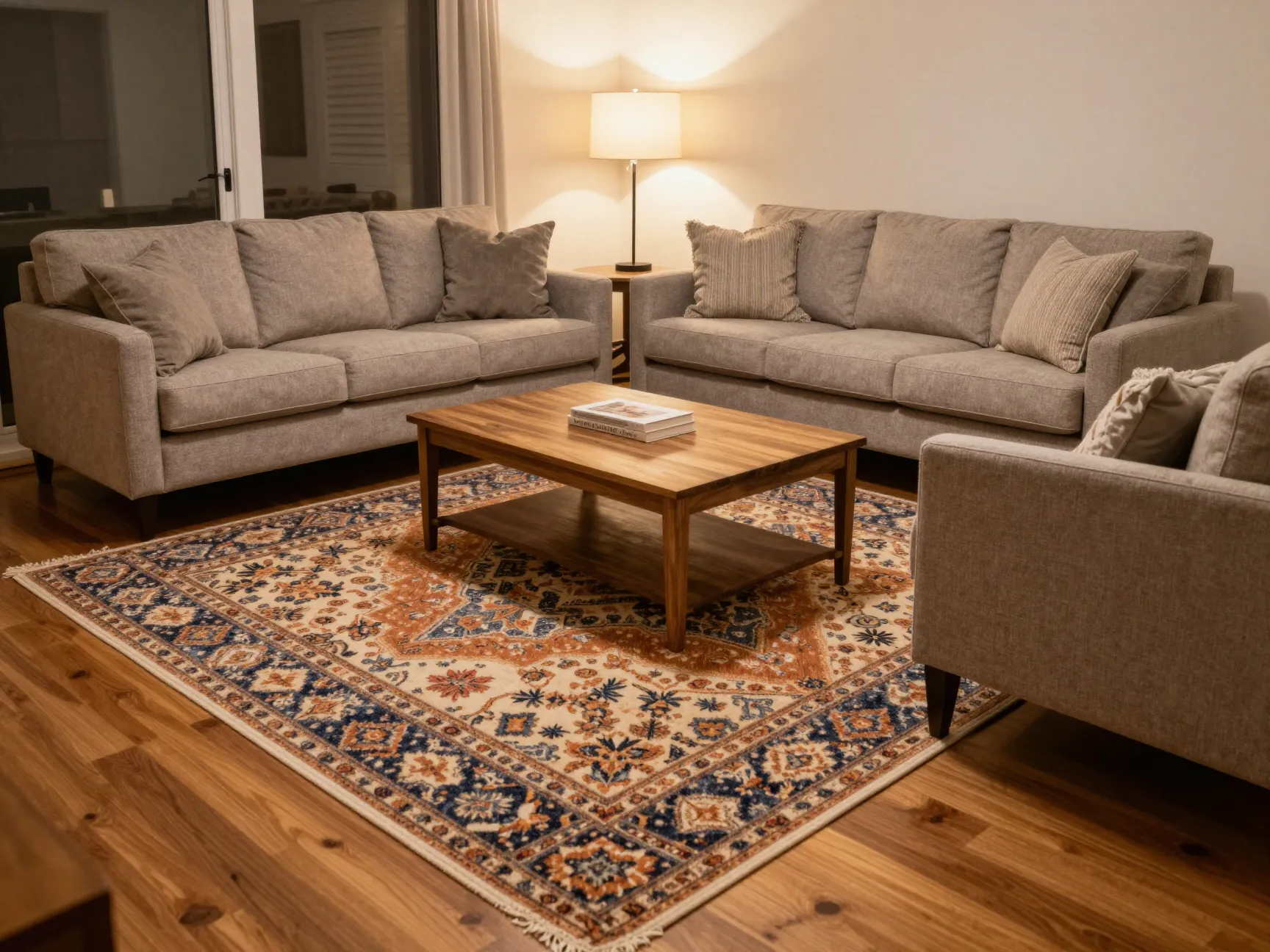
Bare floors are one of the most common reasons a room feels unfinished, even when the furniture is good. An area rug anchors a seating arrangement, defines the boundaries of a space within an open floor plan, and adds both texture and color in a single move. [1]
The most frequent mistake people make with area rugs is buying one that is too small. A rug that only sits under the coffee table, with the sofa legs floating on bare floor, actually makes a room look smaller. The general rule: in a living room, all front legs of the sofa and chairs should sit on the rug. In a bedroom, the rug should extend at least eighteen to twenty-four inches beyond each side of the bed.
Budget-friendly approach: Layering a smaller patterned rug on top of a larger, neutral flatweave rug is a technique that designers use frequently. It looks intentional, adds visual interest, and allows you to use a less expensive base rug without sacrificing style. [5]
5. Style Shelves Using the Odd-Numbers Rule
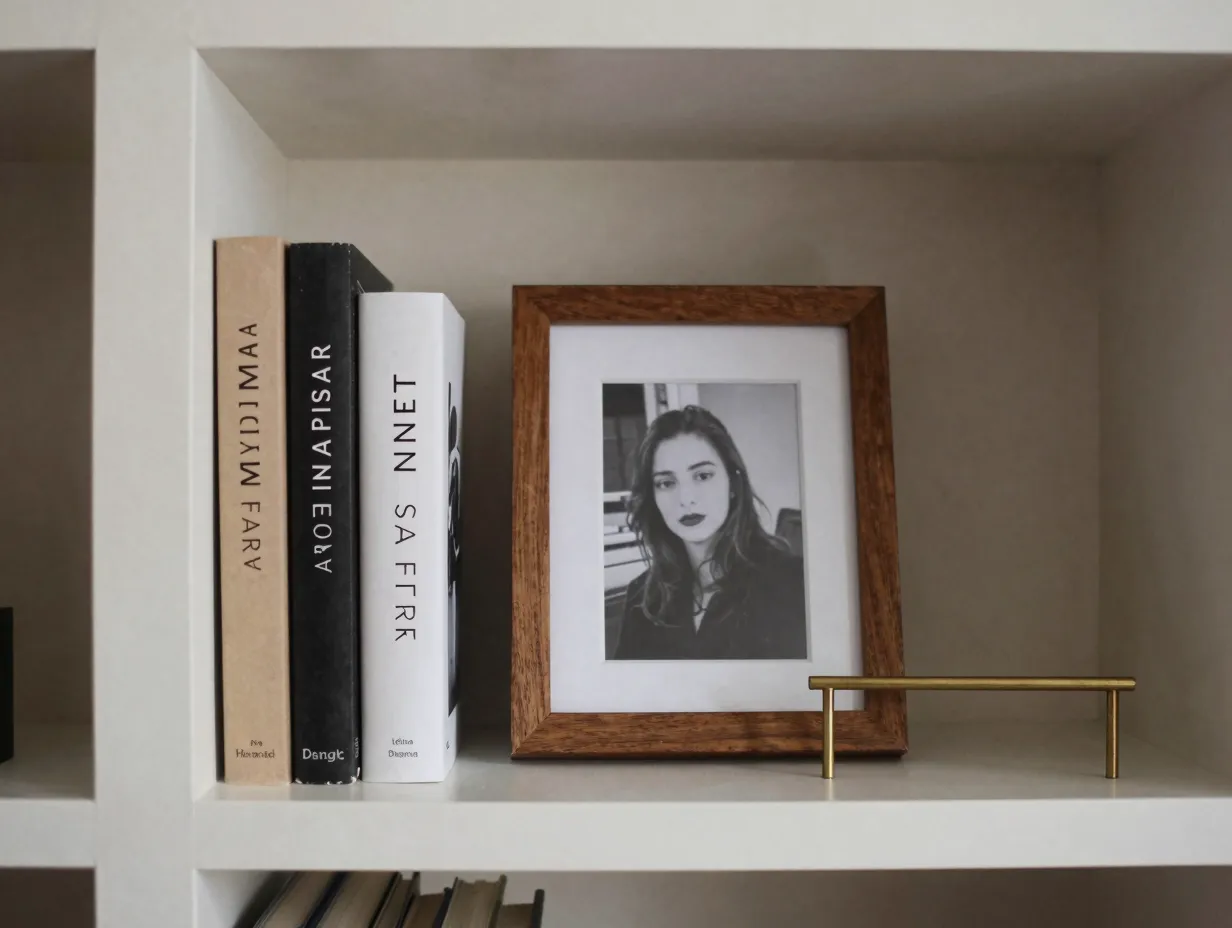
Styled shelves are one of the most visible signals of design intentionality in a home, and yet most people either leave their shelves purely functional (rows of books, random objects) or overcrowd them with too many small items. The odd-numbers rule is the fastest way to fix both problems. [1]
The principle is straightforward: group objects in clusters of three or five rather than two or four. Odd-numbered groupings feel more dynamic and natural to the eye because they resist the symmetry that reads as static or overly formal.
A strong shelf vignette typically includes:
- One tall vertical element (a vase, a stack of books, a plant)
- One medium element with visual weight (a framed photo, a ceramic object)
- One small horizontal element (a small tray, a candle, a small sculpture)
Vary the heights within each grouping, and leave deliberate empty space between clusters. That negative space is not wasted, it gives the eye a place to rest and makes the styled objects look more intentional. [9]
6. Layer Your Lighting with Table Lamps
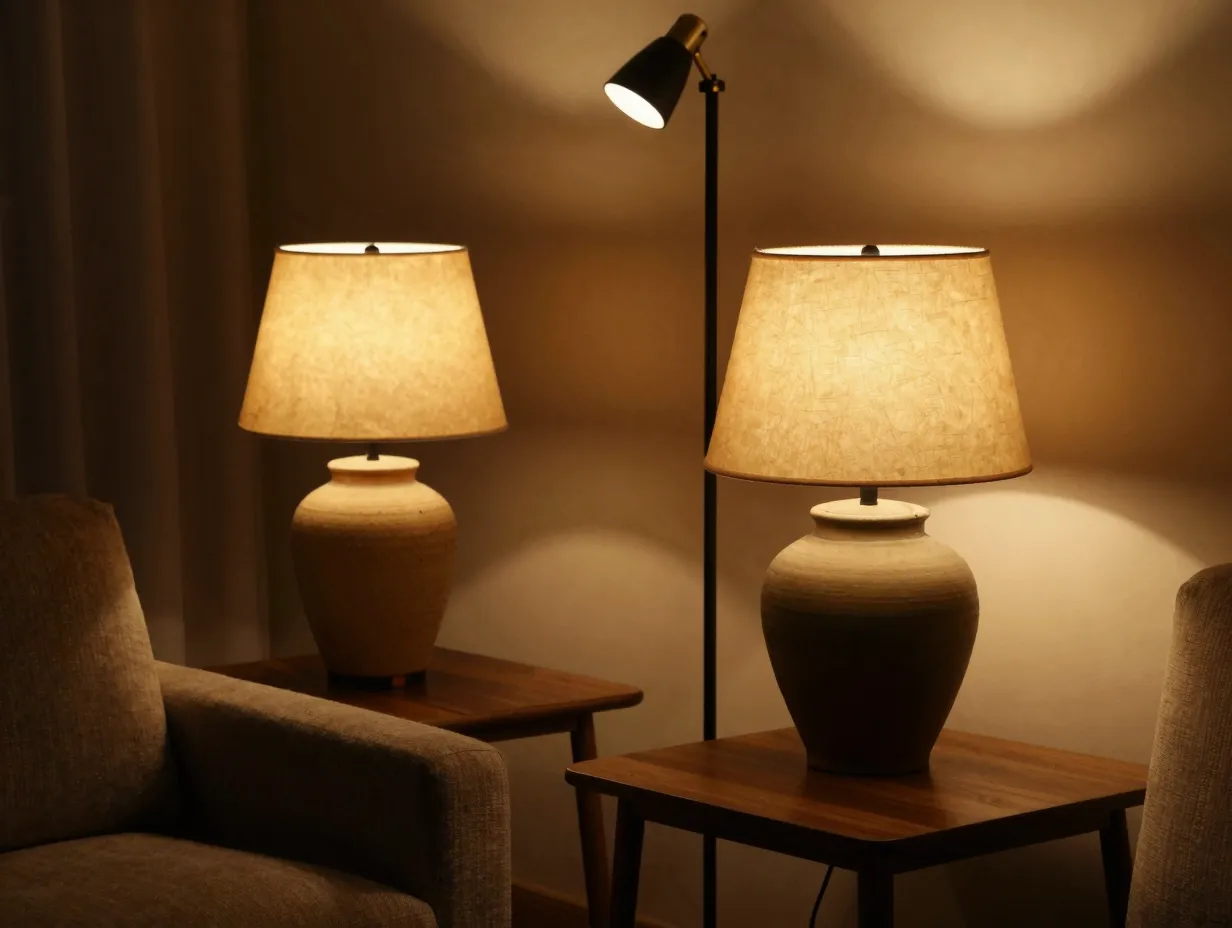
Overhead lighting is functional, but it is almost never flattering. A single overhead fixture illuminates a room evenly and creates no depth, no warmth, and no visual interest. Layered lighting, combining overhead sources with table lamps, floor lamps, and candles, transforms the atmosphere of a room entirely. [1]
Table lamps do two things simultaneously: they provide warm, low-level light that makes a room feel cozy and inviting, and they act as decorative objects in their own right. A well-chosen lamp base and shade can anchor a side table vignette the same way a piece of art anchors a wall.
The layering formula:
- Overhead or recessed lighting for general illumination
- Table lamps for ambient warmth (aim for at least two per room)
- A floor lamp for reading or task lighting
- Candles or LED candles for accent and atmosphere
If your budget allows only one change in this category, add two matching table lamps to your living room. The symmetry and warm light will change the room’s entire feel after dark. [8]
7. Create a Cohesive Color Palette Across Rooms
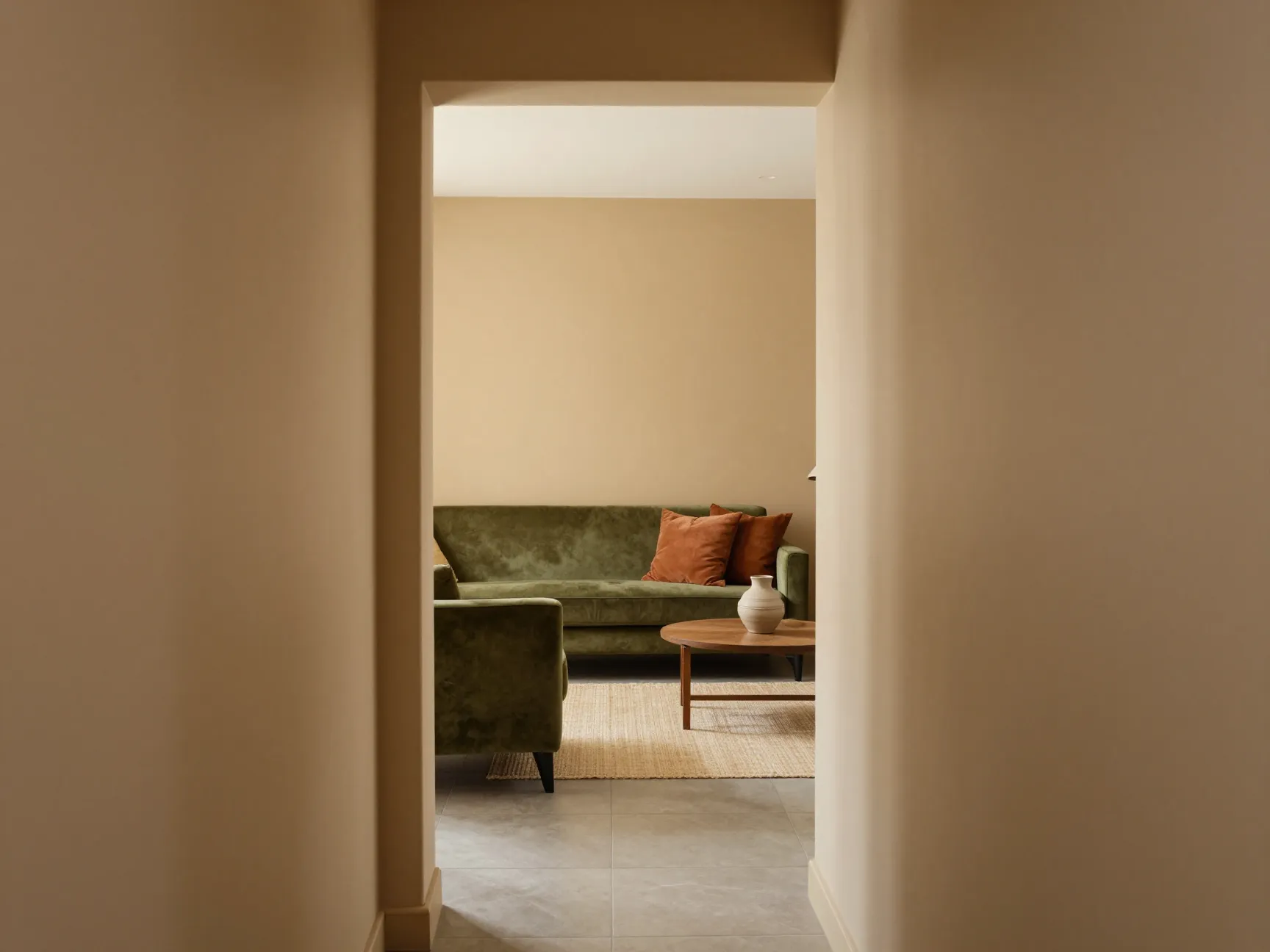
One of the most overlooked aspects of home decor is the relationship between rooms. When each room in a home is decorated in a completely different color palette, the overall effect feels fragmented and smaller than the actual square footage. A cohesive color story, where the same two or three colors appear in different proportions across connected spaces, makes a home feel larger, calmer, and more intentional. [1]
This does not mean every room needs to be the same color. It means choosing a palette of three to five colors and using them consistently:
- One dominant neutral (walls, large furniture)
- One secondary color (textiles, medium furniture)
- One or two accent colors (pillows, art, small decor objects)
When you stand in your hallway and look into each adjoining room, you should see the same color family reflected back at you in different ways. Summer 2026 interior trends are leaning heavily into warm earth tones, terracotta, warm sand, olive green, and deep clay, as a cohesive palette that works across nearly every room type. [2] [7]
8. Declutter Surfaces Ruthlessly
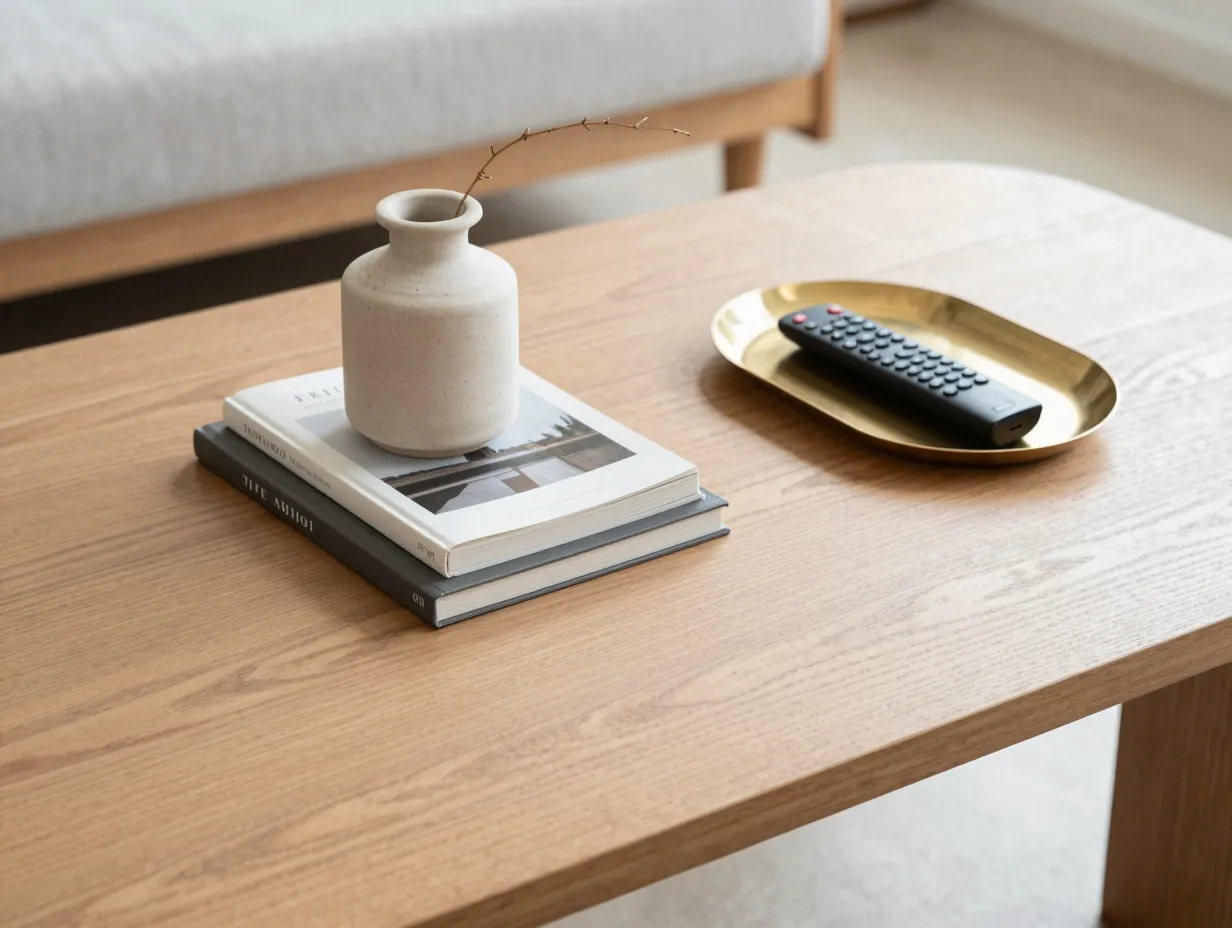
This upgrade costs nothing and often delivers more visual impact than any purchase you could make. Cluttered surfaces, countertops covered in small appliances, coffee tables stacked with magazines and remote controls, dressers crowded with bottles and trinkets, create visual noise that makes even beautifully decorated rooms feel chaotic. [1]
The standard I recommend: every surface in your home should have no more than three intentionally placed objects on it. Everything else should be stored, donated, or relocated.
A practical decluttering sequence:
- Clear every surface completely
- Wipe the surface clean
- Return only the items that are either functional necessities or genuinely beautiful
- Group the returned items in odd numbers (see upgrade 5)
- Step back and assess, if it still feels busy, remove one more item
The discipline here is ongoing. Surfaces attract clutter naturally, and maintaining the habit of clearing them weekly is as important as the initial declutter. [9]
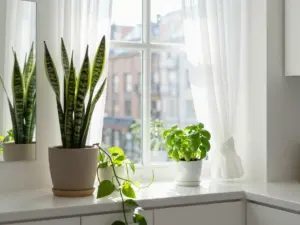
9. Add Plants and Fresh Flowers
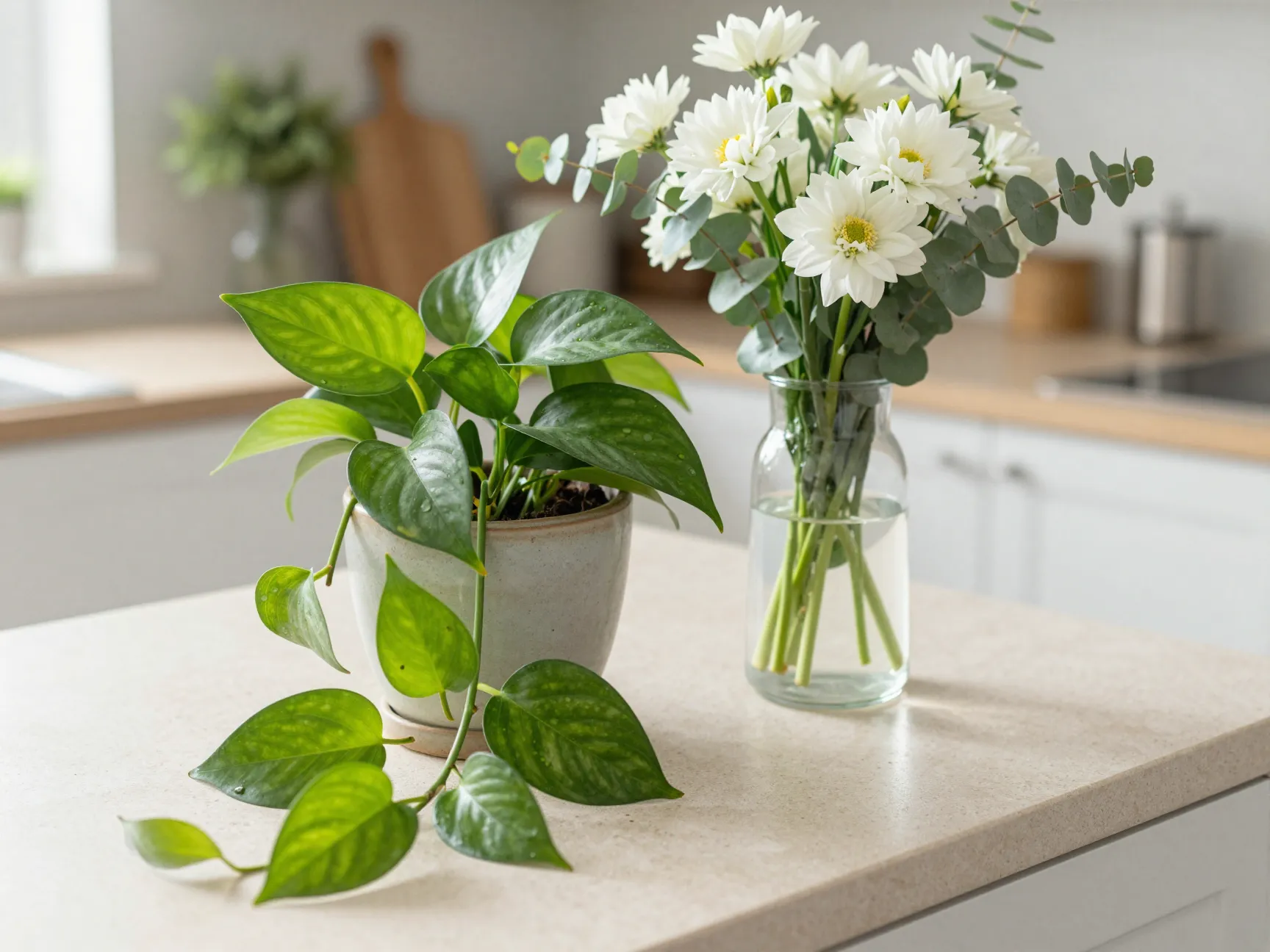
Living plants and fresh flowers are the one element that no manufactured product can replicate. They bring organic movement, natural color, and a sense of life to a room that even the best-styled spaces lack without them. Research and designer consensus consistently cite greenery as one of the highest-impact, lowest-cost upgrades available to any homeowner. [1] [8]
You do not need a green thumb to make this work. A few reliable, low-maintenance options:
- Pothos: Nearly impossible to kill, trails beautifully from shelves
- Snake plant: Tolerates low light and infrequent watering
- ZZ plant: Thrives in offices and rooms with minimal natural light
- Fiddle-leaf fig: Higher maintenance but dramatic visual impact
- Dried pampas grass: Zero maintenance, adds texture and height
For fresh flowers, a simple bunch of eucalyptus or a small bouquet of seasonal blooms from a grocery store, changed weekly, costs very little and elevates a kitchen counter or dining table immediately. [2] [7]
How to Prioritize These Upgrades on a Budget
Not everyone can tackle all nine upgrades at once, and that is completely fine. Based on cost-to-impact ratio, here is a suggested priority order for those working with a limited budget:
Highest impact, lowest cost:
- Declutter surfaces (free)
- Rearrange existing furniture for better flow (free)
- Hang curtains higher (minimal hardware cost)
Medium cost, high impact:
- Add an area rug
- Layer in table lamps
- Buy a few plants
Worth saving for:
- New bedding layers
- Shelf decor and styling objects
- Accent pillows in varied textures
Even tackling the free upgrades first will produce a visible result. I have seen rooms transformed entirely by decluttering and rehung curtains before a single dollar was spent on new decor. [5] [8]
Common Mistakes That Undermine These Upgrades
Even with the best intentions, a few common errors can dilute the impact of these changes. Watch out for:
Scaling issues: Furniture and decor that are the wrong size for the room are among the most common problems designers identify. A sofa that is too small for a large room, or a light fixture that hangs too high, will always look off regardless of how well everything else is styled.
Matching too precisely: Rooms where every piece of furniture matches perfectly, same wood tone, same metal finish, same fabric, tend to feel like a furniture showroom rather than a lived-in home. Intentional mixing of finishes and materials within a cohesive palette creates far more visual interest. [6]
Ignoring scale in art: Artwork hung too small on a large wall is one of the most frequent decorating mistakes. A single large piece, or a gallery wall that fills the space properly, will always outperform a small framed print floating in the center of a wide wall.
Neglecting the fifth wall: The ceiling is often called the “fifth wall,” and it is almost always ignored. A coat of a warm white or a subtle color on the ceiling can dramatically change how a room feels without requiring any new furniture or decor.
Conclusion
These 9 easy home decor upgrades that make a huge impact are not about spending more money. They are about making more intentional decisions with what you already have and adding a small number of high-leverage elements that change how a room reads at a glance.
Start with the free upgrades: declutter your surfaces, rehang your curtains closer to the ceiling, and rearrange your shelf styling using the odd-numbers rule. These three changes alone will produce a visible result within a single afternoon. Then layer in the medium-cost upgrades, an area rug, a pair of table lamps, a few plants, as your budget allows.
The goal is not perfection. It is intentionality. A room where every decision looks considered will always feel more elevated than a room full of expensive objects arranged without thought. Take one upgrade from this list, implement it this week, and see for yourself what a difference a single intentional change can make.
References
[1] Watch – https://www.youtube.com/watch?v=MeeLGFSVmVE
[2] Summer Home Decor Trends – https://www.todays-woman.net/2026/home-and-garden/summer-home-decor-trends/
[5] Budget Friendly Ways Update Your Home Decor – https://www.propertynest.com/blog/home-improvement/budget-friendly-ways-update-your-home-decor/
[6] 9 Simple Modern Home Decor Swaps That Add Instant Style – https://www.burlapandblue.com/9-simple-modern-home-decor-swaps-that-add-instant-style/
[7] Summer Decor Trends 2026 11933834 – https://www.bhg.com/summer-decor-trends-2026-11933834
[8] According To Designers These Cheap Home Updates Make The Biggest Impact – https://www.bustle.com/life/according-to-designers-these-cheap-home-updates-make-the-biggest-impact
[9] Easy Ways To Update Your Home – https://homemadebycarmona.com/easy-ways-to-update-your-home/