9 Inspiring Home And Garden Design Ideas To Transform Your Space
A 2026 survey by the Royal Horticultural Society found that homeowners who redesigned both their indoor and outdoor spaces reported a 34% increase in daily well-being scores, a number that stopped me mid-scroll when I first read it. That statistic alone convinced me to rethink every corner of my own home and garden. If you have been sitting on a list of renovation ideas without knowing where to start, these 9 inspiring home and garden design ideas to transform your space will give you a clear, practical path forward.
Disclosure: This post contains affiliate links. As an Amazon Associate, we earn from qualifying purchases, and at no extra cost to you.
Whether your goal is to create a lush outdoor retreat, grow your own food, or simply make your living room feel like a magazine spread, this guide covers the most impactful trends and techniques shaping homes in 2026. Each idea is grounded in current research and real design principles, not fleeting fads.
Key Takeaways
- Outdoor spaces are now treated as true extensions of the home, complete with furniture, lighting, and defined “rooms” [3]
- Wildlife-friendly, rewilded gardens are replacing high-maintenance showpiece yards as the dominant design philosophy [1]
- Edible landscapes blend beauty with productivity, making food-growing a design statement rather than an afterthought [4]
- Strong structural elements like pergolas, arches, and micro-sanctuaries anchor any garden design and add year-round value [5]
- Small, intentional changes, layered planting, smart lighting, and biophilic indoor design, can deliver outsized visual impact without a full renovation
Why These 9 Inspiring Home And Garden Design Ideas Matter in 2026
Before diving into each idea, it is worth understanding why home and garden design has shifted so dramatically in recent years. The pandemic permanently changed how people relate to their homes. Outdoor spaces that once served as purely decorative backdrops became places for working, entertaining, exercising, and recovering. That shift has not reversed, it has deepened [10].
At the same time, climate awareness has pushed gardeners and homeowners toward designs that work with nature rather than against it. Low-maintenance, ecologically rich gardens are now aspirational, not just practical [2]. The result is a design landscape full of opportunity for anyone willing to invest a little thought and effort.
Here, then, are the 9 inspiring home and garden design ideas to transform your space that I believe will have the greatest impact in 2026 and beyond.
1. Design Your Outdoor Space as a True “Room”
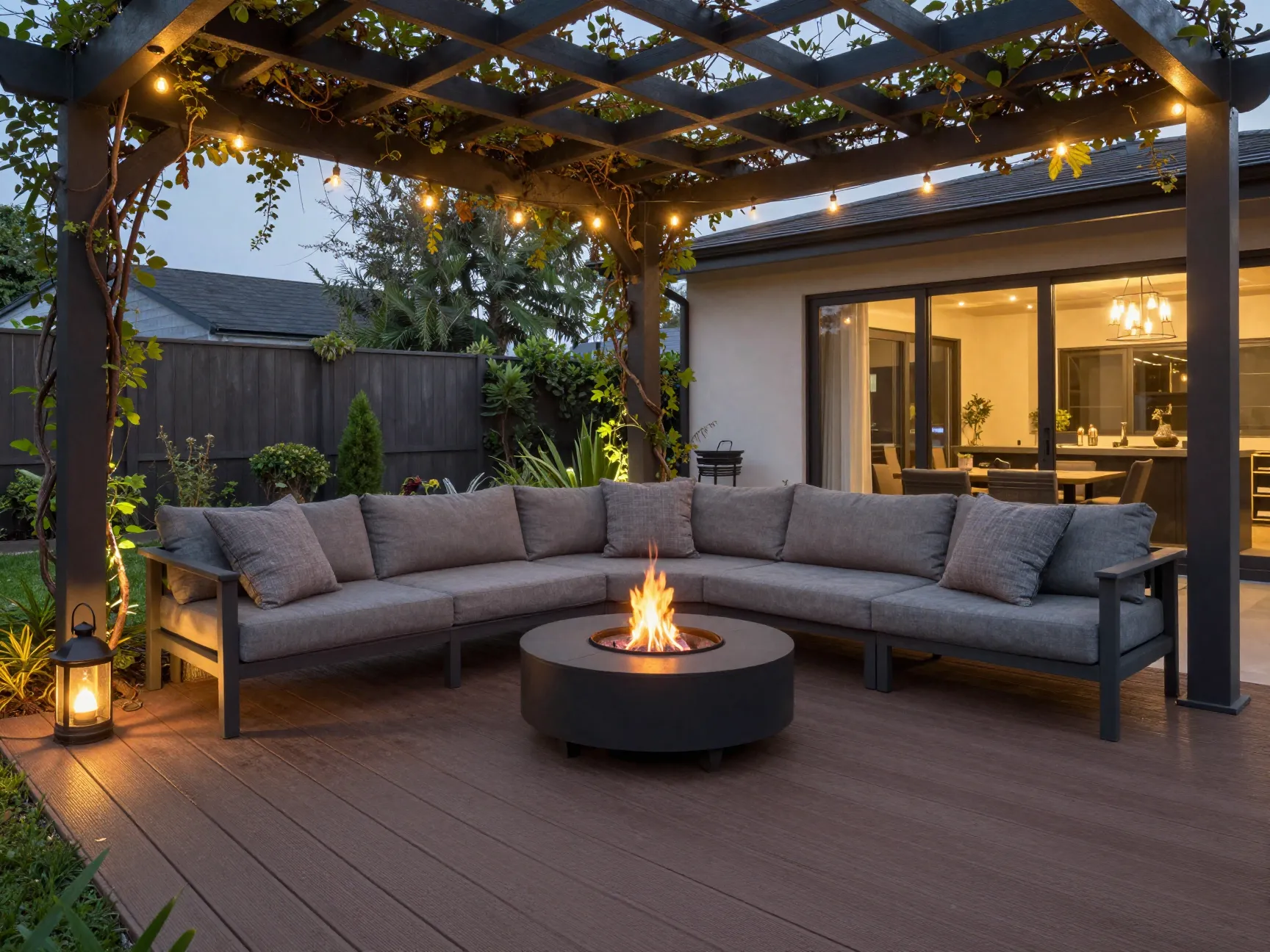
The single most transformative shift in modern garden design is treating the outdoors as an extension of your interior living space. This means applying the same principles you would use inside, defined zones, comfortable furniture, layered lighting, and a coherent color palette, to your patio, deck, or backyard [3].
Start by identifying the primary function of your outdoor area. Is it for dining, lounging, entertaining, or a mix? Once you know the purpose, define the boundaries of each zone using materials like decking, gravel, or low planters. Add weather-resistant sofas and armchairs in fabrics designed for outdoor use. Layer in lighting with string lights overhead, lanterns at ground level, and spotlights aimed at key plants or architectural features.
Key elements of an outdoor “room”:
- A defined floor surface (decking, pavers, or gravel)
- Comfortable, weather-resistant seating
- Overhead structure or shade (pergola, sail shade, or large umbrella)
- Ambient and task lighting
- At least one focal point (a fire pit, water feature, or statement planter)
According to outdoor living design specialists, homeowners who invest in structured outdoor rooms see a measurable increase in the hours they spend outside each week, which directly supports mental health and stress reduction [3].
2. Embrace the Rewilded Garden
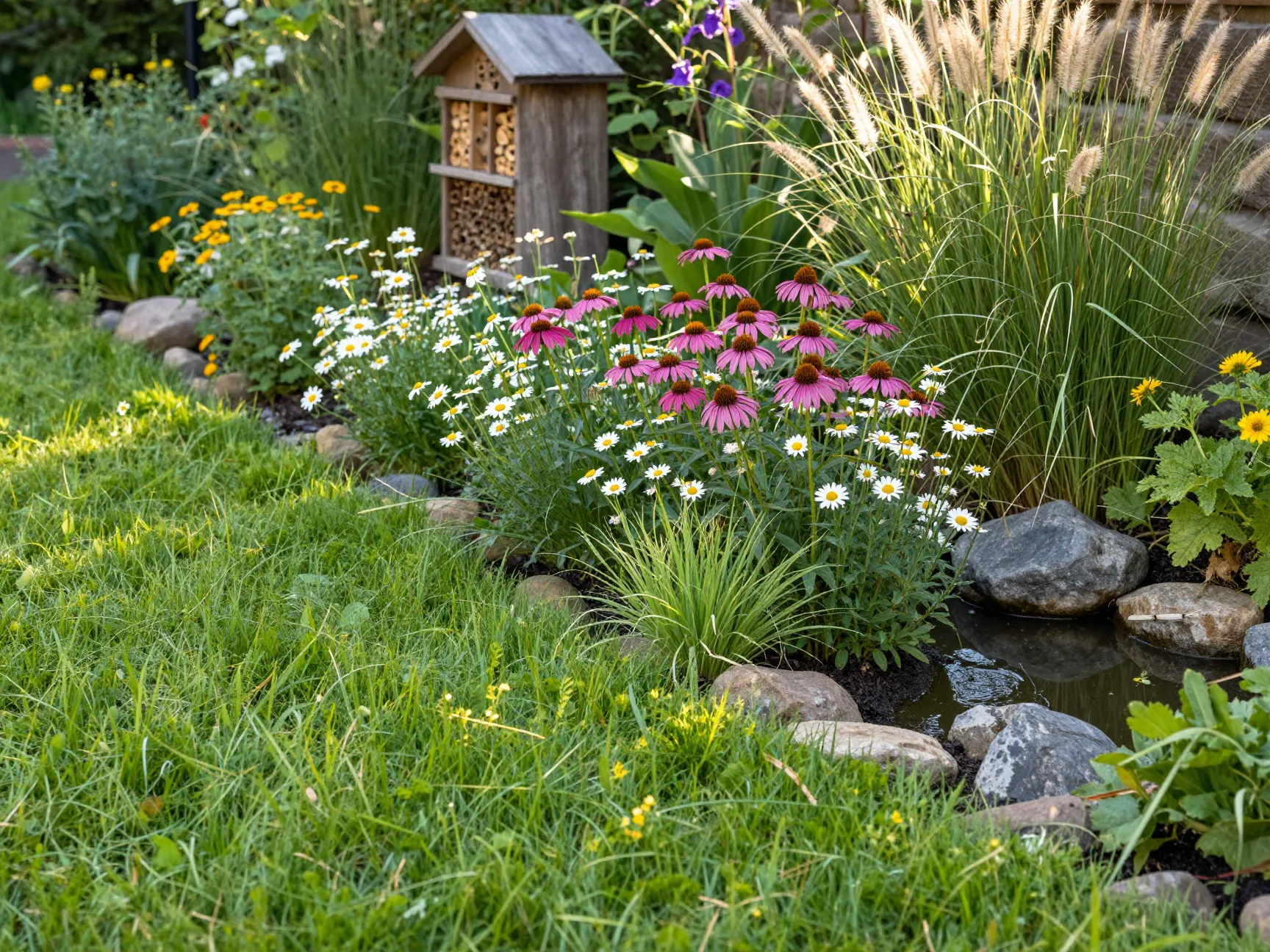
One of the most exciting movements in garden design right now is the shift away from perfectly manicured lawns toward rewilded, wildlife-friendly spaces. This does not mean abandoning your garden to chaos. It means making deliberate choices that support biodiversity while still creating a beautiful, layered landscape [1].
Rewilding can be as simple as letting a section of lawn grow long to create a meadow effect, or as involved as removing turf entirely and replacing it with native wildflowers and grasses. The goal is to create habitat, for bees, butterflies, birds, and other beneficial creatures, while reducing the time and resources you spend on maintenance [6].
“The most forward-thinking gardens of 2026 are not the tidiest ones, they are the ones buzzing with life.” [1]
Practical rewilding steps include planting native species that suit your local climate, adding a small wildlife pond, installing log piles or insect hotels, and reducing or eliminating pesticide use. The payoff is a garden that feels alive and changes with the seasons in ways a monoculture lawn never can.
3. Integrate Edible Plants into Your Design
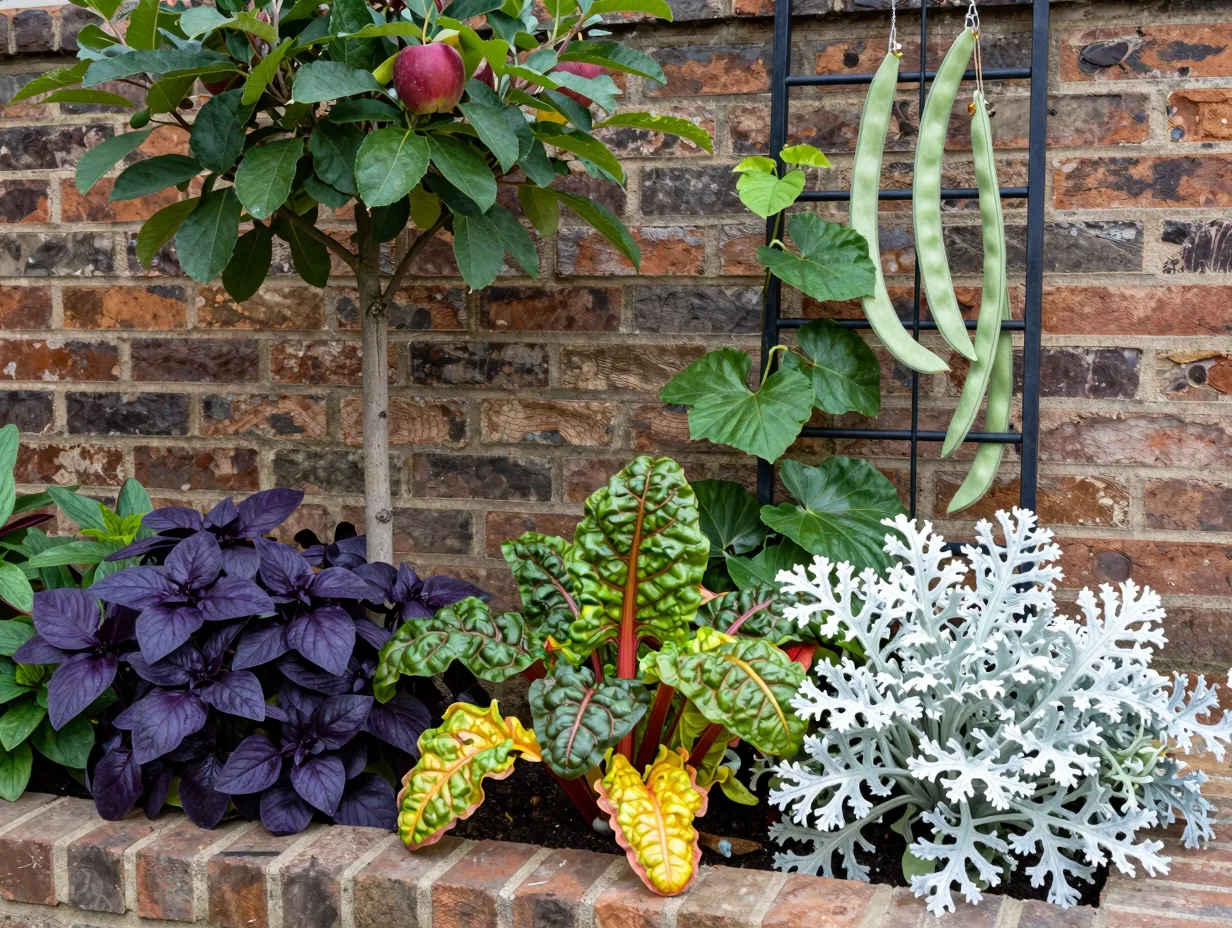
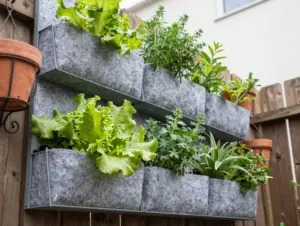
Growing your own food is no longer confined to a utilitarian vegetable patch hidden at the back of the garden. In 2026, edible landscaping has become a mainstream design choice, with herbs, vegetables, and fruit trees woven seamlessly into ornamental borders and container displays [4].
I started doing this myself two years ago, replacing a row of purely decorative shrubs with a mix of espaliered apple trees, climbing beans on a trellis, and a border of rainbow chard and kale. The result was more visually interesting than what it replaced, and I had fresh produce within arm’s reach.
Popular edible design combinations:
| Edible Plant | Ornamental Pairing | Design Benefit |
|---|---|---|
| Purple basil | Silver artemisia | Color contrast |
| Climbing courgette | Ornamental arch | Vertical interest |
| Rainbow chard | Ornamental grasses | Textural variety |
| Blueberry bush | Heather | Seasonal color |
| Espaliered apple | Brick wall | Structural elegance |
The key is choosing edible plants that earn their place visually. Feathery fennel, architectural artichokes, and the deep purple of a fig tree’s foliage all bring genuine beauty to a border, not just utility [5].
4. Build Strong Structures: Pergolas, Arches, and Frames
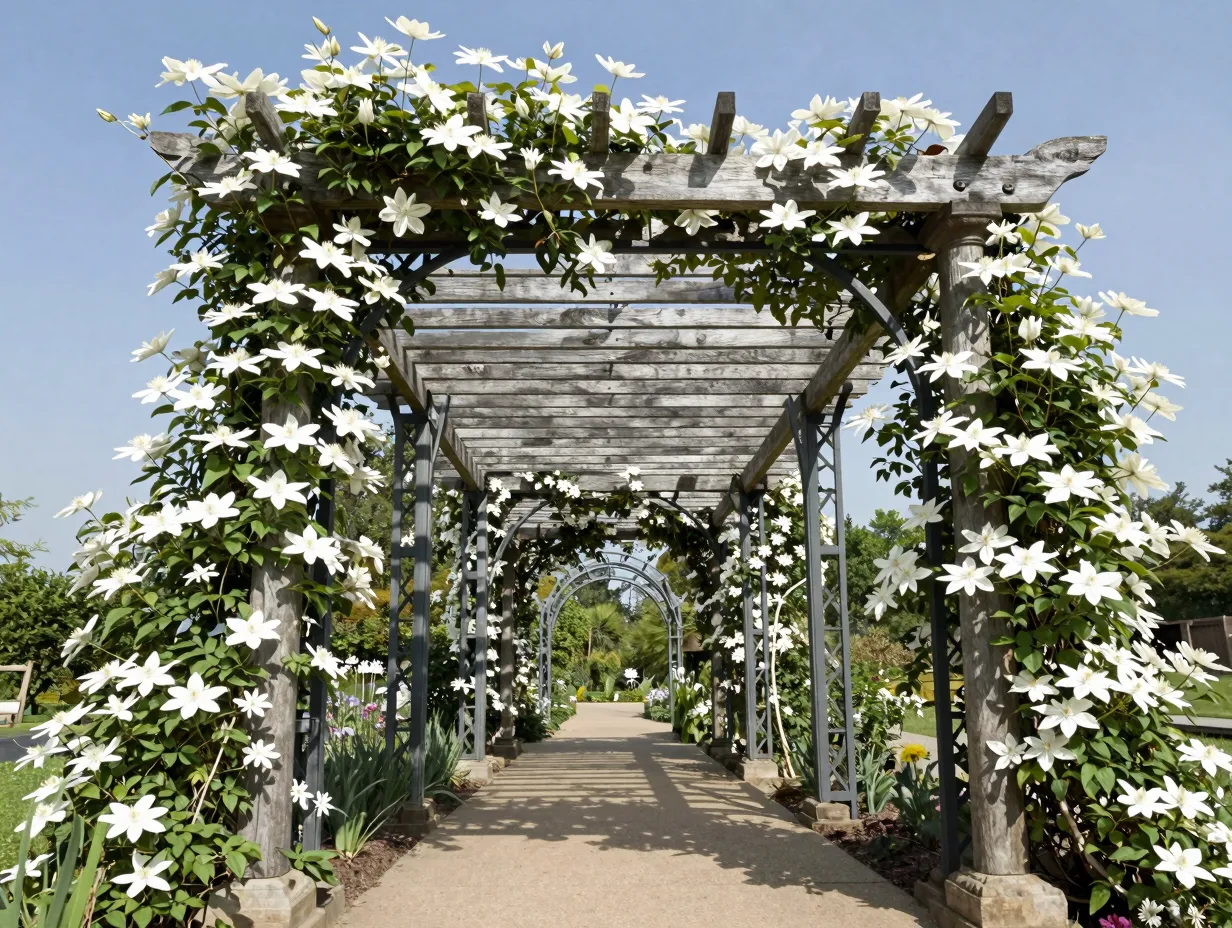
Every great garden has good bones. Structural elements like pergolas, arches, obelisks, and trellises give a garden its framework, the skeleton that holds everything else together and provides visual interest even in winter when plants have died back [5].
Pergolas, in particular, have seen a surge in popularity in 2026. A well-placed pergola transforms a bare patio into a defined outdoor room, provides a support structure for climbing plants, and creates that sense of enclosure that makes a space feel intimate and intentional [4]. Materials range from classic timber to powder-coated steel and even bamboo, each offering a different aesthetic.
Arches are equally powerful. A single arch over a garden path, draped in roses or clematis, creates a sense of arrival and mystery that draws people through the space. Obelisks and plant frames add vertical punctuation to flat borders, guiding the eye upward and making a small garden feel larger.
Structural elements and their primary benefits:
- Pergola: Defines zones, supports climbers, provides shade
- Garden arch: Creates focal points, frames views, encourages movement
- Obelisk or plant frame: Adds vertical interest, supports climbing plants
- Trellis panel: Provides privacy, acts as a backdrop for planting
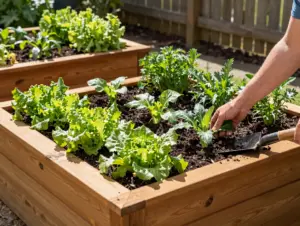
- Raised bed frame: Organizes productive planting, improves drainage
5. Create a Micro-Sanctuary for Rest and Reflection
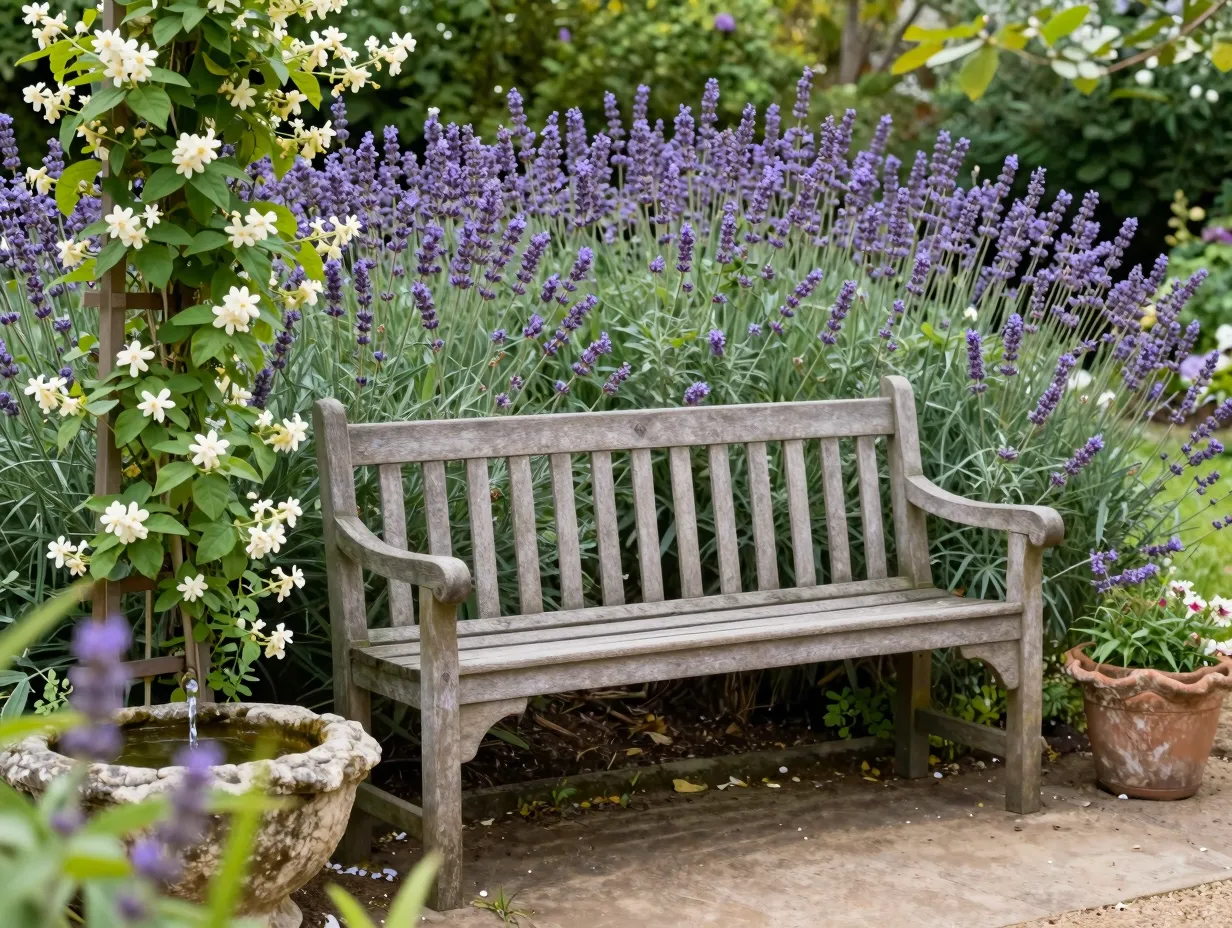
Not every garden transformation needs to be large-scale. One of the most impactful ideas I have seen in 2026 garden design is the concept of the micro-sanctuary, a small, intentionally designed corner dedicated entirely to rest and reflection [5].
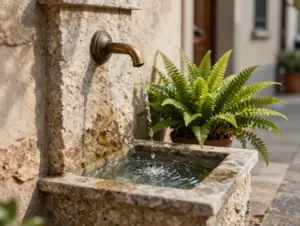
A micro-sanctuary might be as simple as a single bench tucked behind a hedge, surrounded by fragrant plants like lavender, jasmine, and rosemary. Or it could be a small summerhouse, a hammock strung between two trees, or a meditation corner with a simple water feature for ambient sound. The defining characteristic is intentionality: this space exists for one purpose, and everything about its design reinforces that purpose.
Research consistently shows that having a dedicated restorative space at home, even a very small one, supports stress recovery and improves sleep quality. The garden is the ideal location for this kind of space because natural elements like plants, water, and birdsong amplify the restorative effect [9].
6. Bring Biophilic Design Indoors
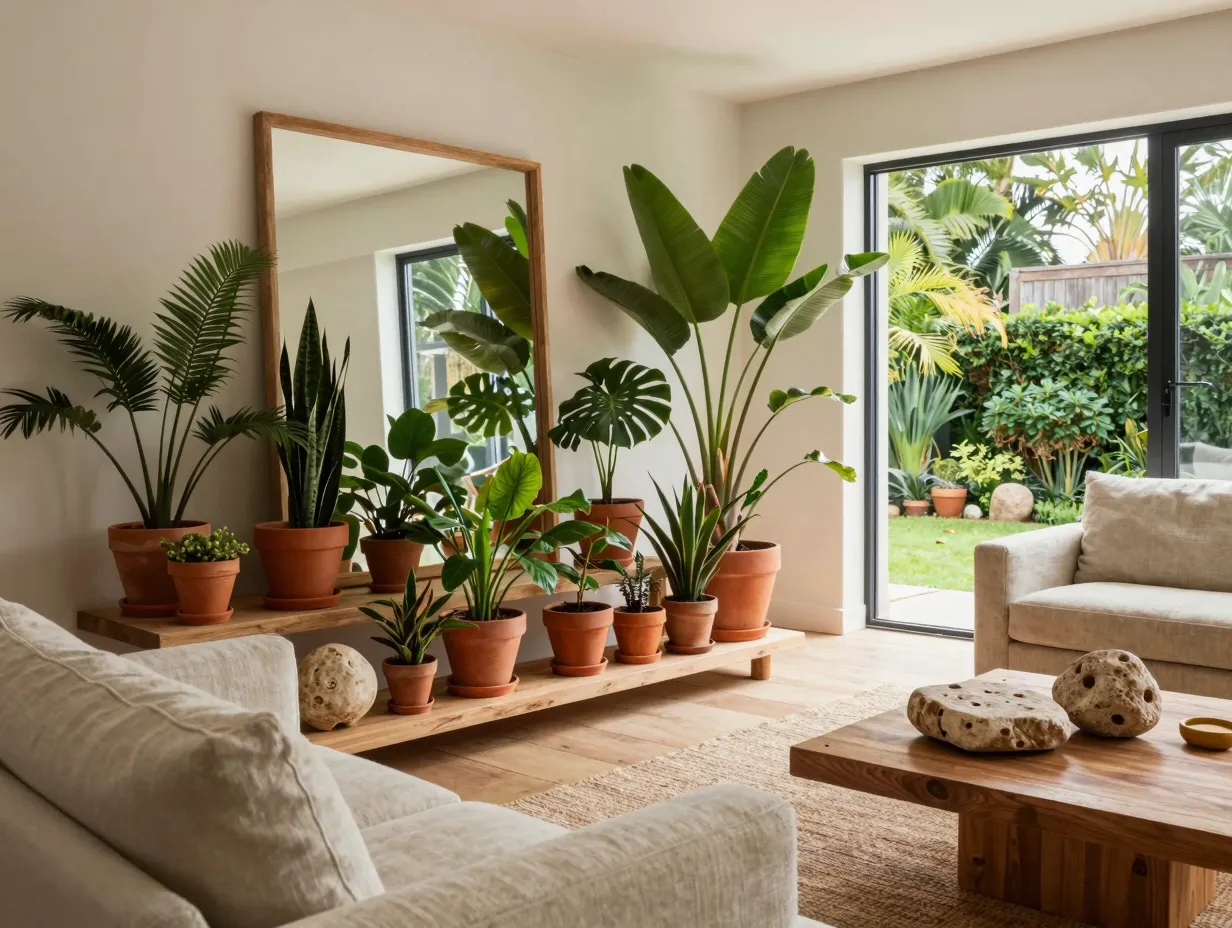
The principles driving garden design in 2026, connection to nature, living materials, organic forms, are equally powerful indoors. Biophilic design, which integrates natural elements into interior spaces, has moved from a niche architectural concept to a mainstream home design trend [7].
At its most accessible, biophilic design means adding more houseplants, choosing natural materials like wood, stone, and linen, and maximizing natural light. At a more ambitious level, it might involve a living plant wall, an indoor water feature, or large-format windows designed to frame garden views as living artwork.
Simple biophilic upgrades for any room:
- Replace synthetic materials with wood, jute, cotton, and stone
- Group houseplants in clusters rather than scattering them individually
- Use nature-inspired colors: earthy terracottas, sage greens, warm ochres
- Install a large mirror to reflect garden views and amplify natural light
- Choose organic, irregular shapes in furniture and decor over rigid geometric forms
The connection between biophilic design and well-being is well-documented. Studies cited by leading home design publications in 2026 confirm that people in nature-rich interiors report lower cortisol levels and higher productivity scores [7].
7. Use Layered Planting for Year-Round Interest
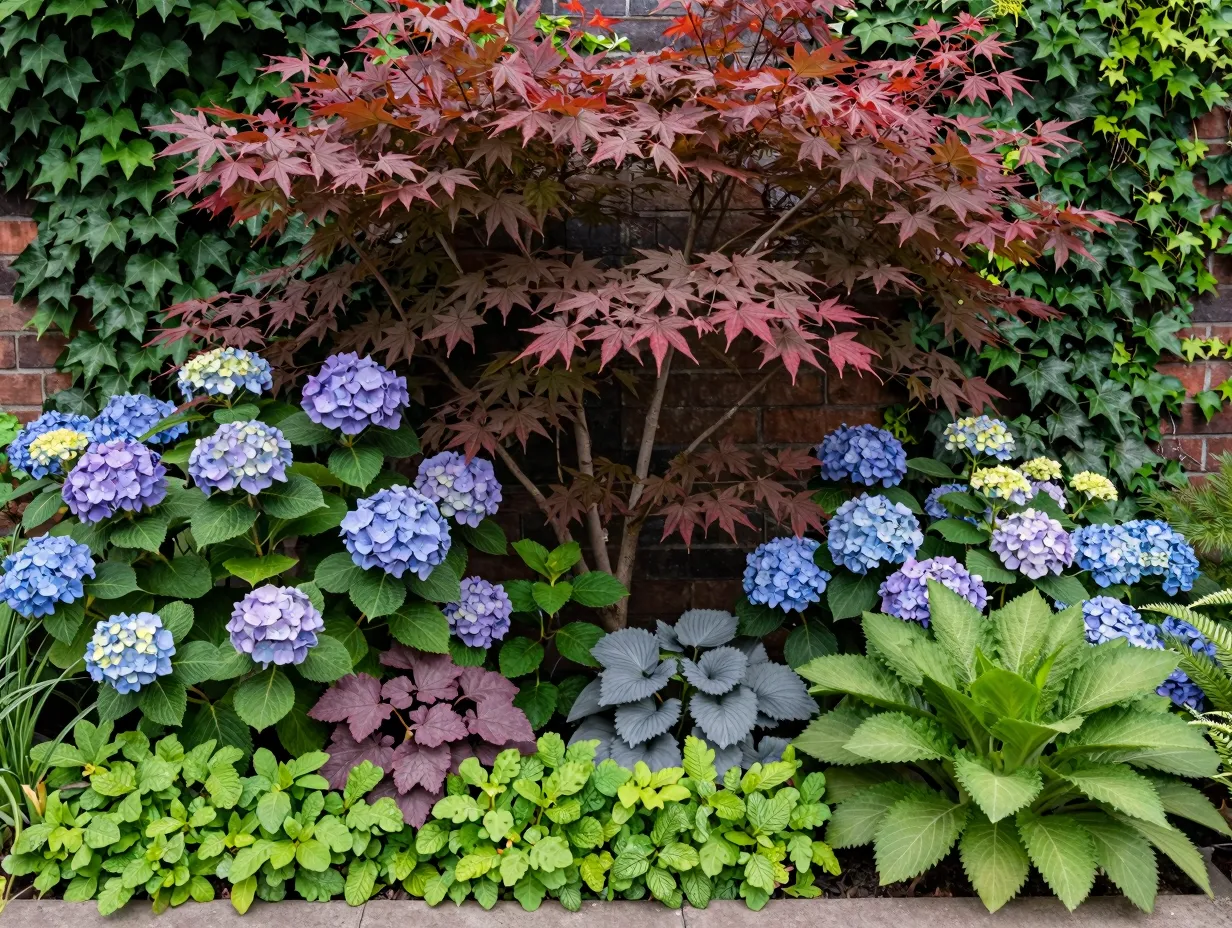
One of the most common mistakes I see in garden design is planting for a single season. A garden that looks spectacular in June but bare and brown by October is a missed opportunity. Layered planting, combining plants with different heights, textures, and seasonal rhythms, solves this problem elegantly [2].
The layered planting approach draws from the structure of natural woodland ecosystems. It typically involves four layers: a canopy layer of trees or large shrubs, a mid-layer of medium shrubs and perennials, a ground layer of low-growing plants and groundcovers, and a vertical layer of climbers on walls and structures.
By choosing plants that perform at different times of year, spring bulbs, summer perennials, autumn-berrying shrubs, and evergreen structural plants for winter, you create a garden that is genuinely interesting in every season [8].
“A layered garden is not designed for one perfect moment. It is designed to reward attention every single week of the year.” [2]
8. Incorporate Smart Outdoor Lighting
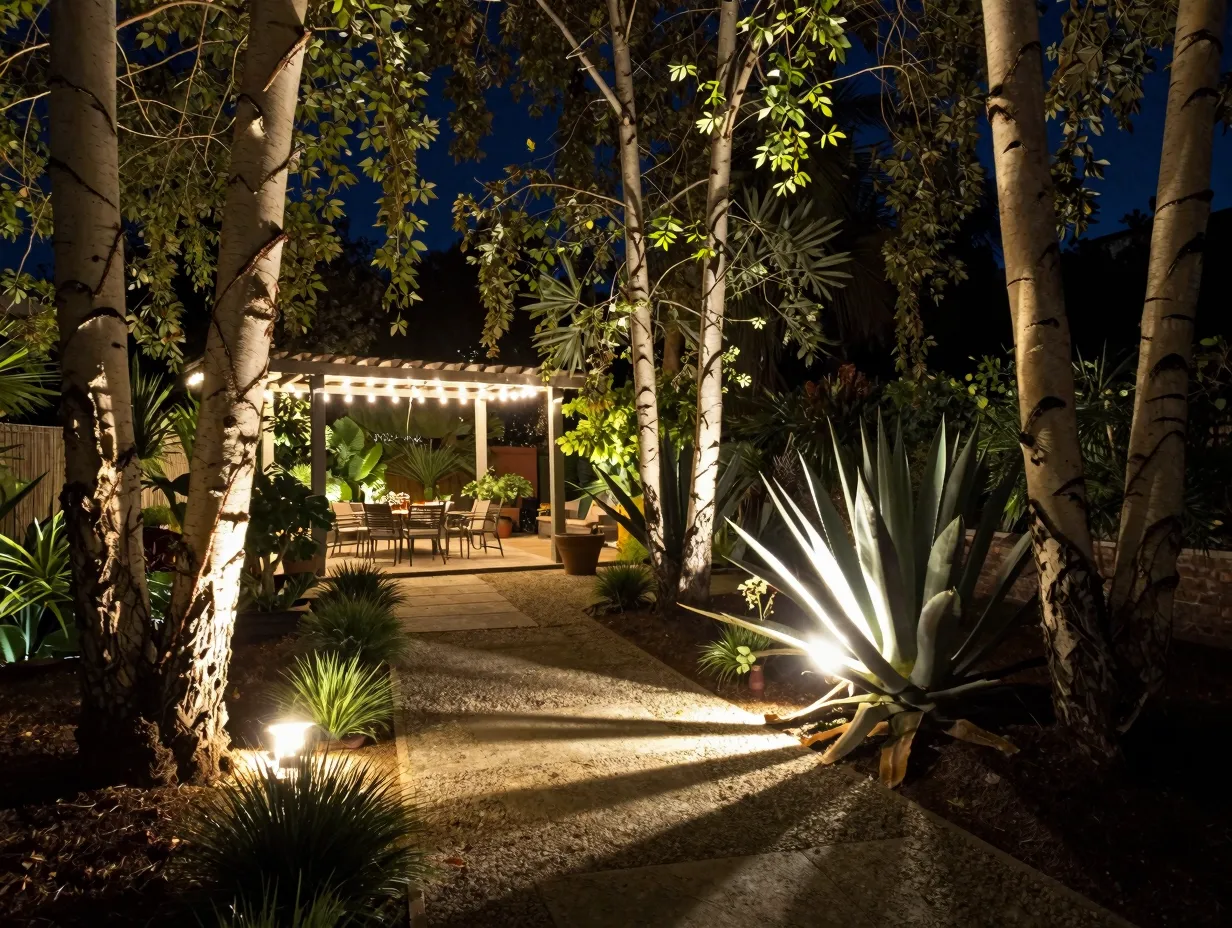
Lighting is the most underused tool in home and garden design. Most homeowners think about it as an afterthought, a security light here, a solar stake there, rather than as a design element in its own right. In 2026, smart outdoor lighting systems have made it easier than ever to transform a garden after dark [10].
The principle is the same as interior lighting design: layer your sources. Use uplighting to highlight trees and architectural plants, path lighting to guide movement safely, and ambient string lights or lanterns to create atmosphere in seating areas. Smart systems allow you to control all of these from a single app, set scenes for different occasions, and program lighting to change with the seasons.
Outdoor lighting layers:
- Uplighting: Aimed at trees, walls, or large plants from below
- Path lighting: Low-level fixtures along walkways and steps
- Ambient lighting: String lights, lanterns, or wall-mounted fixtures for atmosphere
- Task lighting: Focused light for outdoor cooking or dining areas
- Accent lighting: Spotlights on water features, sculptures, or focal plants
Even a modest investment in well-placed outdoor lighting can extend the usable hours of your outdoor space by several hours each evening, effectively adding a new room to your home [3].
9. Personalize with Color, Texture, and Seasonal Containers
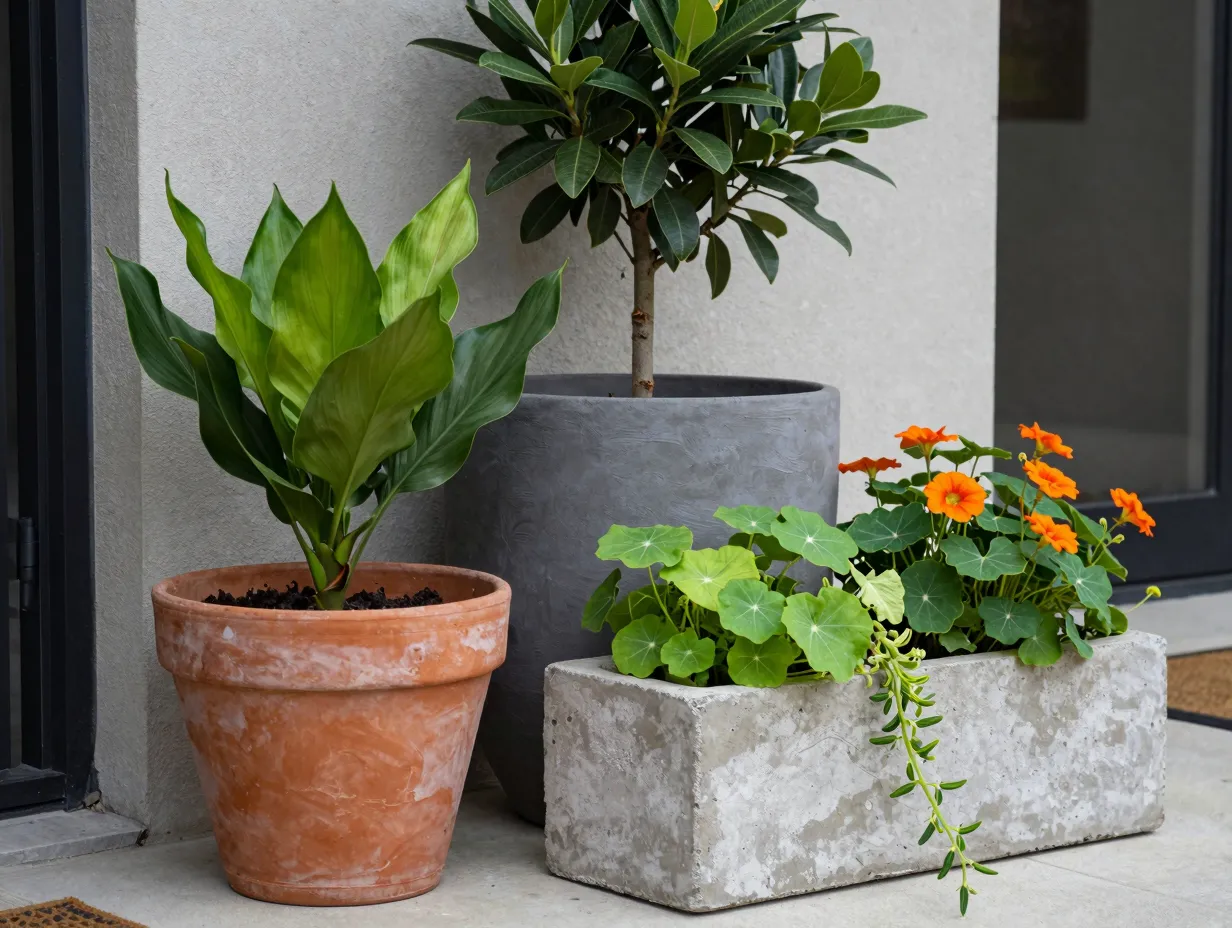
The final idea in these 9 inspiring home and garden design ideas to transform your space is the simplest and most immediately actionable: use containers, color, and texture to inject personality into any space, regardless of size or budget [9].
Container planting is the most flexible tool in any gardener’s kit. Large pots can anchor a patio, define an entrance, or add height to a flat border. They can be moved, replanted seasonally, and swapped out entirely when you want a change. In 2026, the trend is toward bold, oversized containers in muted, earthy tones, aged terracotta, slate grey, and weathered concrete, planted with a single dramatic specimen or a carefully curated combination [6].
Color in the garden should be treated the way an interior designer treats a room palette: with intention and restraint. Choose a dominant color, a secondary color, and an accent. Repeat those colors across different plants and materials to create cohesion. Texture, the contrast between smooth pebbles and feathery grasses, or between glossy evergreen leaves and rough timber, adds depth and interest that color alone cannot achieve.
Container planting ideas for 2026:
- Large terracotta pot with a single architectural agave or phormium
- Weathered concrete trough planted with a mix of herbs and trailing nasturtiums
- Slate-grey glazed pot with a standard bay tree for formal entrance planting
- Cluster of three mismatched pots in complementary tones planted with seasonal bulbs
- Tall zinc planter with climbing sweet peas on a simple bamboo frame
Conclusion
These 9 inspiring home and garden design ideas to transform your space share a common thread: they all ask you to be more intentional. Whether you are rewilding a corner of your lawn, building a pergola, or simply grouping your houseplants more thoughtfully, the act of making deliberate design choices is what separates a space that functions from one that genuinely nourishes.
Actionable next steps to get started:
- Walk through your home and garden today and identify the single space that causes you the most frustration or feels most neglected. That is your starting point.
- Choose one idea from this list that fits your budget and time available right now. Commit to completing it before moving to the next.
- Research native plants for your region and order seeds or plug plants for the coming season, rewilding and layered planting both benefit from early planning.
- Sketch a rough layout of your outdoor space with zones marked out before you buy any furniture or hard landscaping materials.
- Revisit this list in three months and assess which changes have had the most impact on how you feel at home.
The best home and garden transformations are not the most expensive ones. They are the ones built on clear thinking, good bones, and a genuine understanding of how you want to live. Start small, stay consistent, and your space will reward you far beyond what you invest.
References
[1] Top Gardening Trends 2026 – https://phsonline.org/for-gardeners/gardeners-blog/top-gardening-trends-2026
[2] Garden Trends 2026 – https://www.countryliving.com/gardening/garden-ideas/a70160525/garden-trends-2026/
[3] Outdoor Living Ideas 2026 – https://www.magnolialandscapeconstruction.com/outdoor-living-ideas-2026/
[4] Garden Trends For 2026 – https://www.agriframes.us/blogs/garden-designs/garden-trends-for-2026
[5] 2026 Garden Trends Youll Actually Want To Try – https://www.freshdesignblog.com/2026/05/2026-garden-trends-youll-actually-want-to-try/
[6] Gardening Trends 2026 – https://www.housebeautiful.com/lifestyle/gardening/a71179694/gardening-trends-2026/
[7] 2026 Landscape Design Trends – https://www.homesandgardens.com/gardens/2026-landscape-design-trends
[8] Top 10 Garden Gardening Trends Watch 2026 – https://www.springfair.com/news/top-10-garden-gardening-trends-watch-2026
[9] Garden Trends 2026 – https://www.livingetc.com/ideas/garden-trends-2026
[10] Outdoor Living Ideas For 2026 – https://www.homedit.com/outdoor-living-ideas-for-2026/