8 Easy Flower Garden Ideas For A Burst Of Color Without The Hassle
Nearly 80% of gardeners who quit their hobby cite one reason above all others: it felt like too much work for too little reward. That is a shame, because a stunning, color-packed flower garden does not have to mean back-breaking labor, expensive tools, or a horticultural degree. With the right plants and the right approach, you can have neighbors slowing their cars to stare at your yard, and still have time left over for a Saturday afternoon nap.
Disclosure: This post contains affiliate links. As an Amazon Associate, we earn from qualifying purchases, and at no extra cost to you.
These 8 easy flower garden ideas for a burst of color without the hassle are designed for real people with real schedules. Whether you have a sprawling backyard, a tiny patio, or nothing but a sunny windowsill, at least one of these ideas will work for you. I have personally tested several of them in my own garden over the past few years, and I can tell you from experience: the payoff is enormous compared to the effort required.
Key Takeaways
- Low-maintenance flowers like zinnias, marigolds, and black-eyed Susans deliver maximum color with minimal care.
- Container gardens and raised beds reduce weeding time dramatically while giving you full control over soil quality.
- Choosing native and drought-tolerant plants cuts watering needs by up to 50% compared to traditional garden choices.
- Succession planting and self-seeding annuals keep color coming from spring through first frost without replanting every year.
- Smart garden design, grouping plants by water and sun needs, saves hours of maintenance over a single growing season.
Why Low-Maintenance Flower Gardens Are Worth It
Before diving into the specific ideas, it helps to understand what makes a flower garden genuinely easy. The secret is not laziness, it is strategy. A well-designed low-effort garden works with nature rather than against it. You choose plants suited to your climate, group them by their needs, and let the garden do most of the heavy lifting on its own.
Research from the National Gardening Association found that households with outdoor gardens spend an average of just 5 hours per week on maintenance when they use native or adapted plants, compared to 10 or more hours for gardens filled with high-maintenance exotics. That is a 50% reduction in effort for the same visual impact.
The 8 easy flower garden ideas for a burst of color without the hassle outlined below are built on three core principles:
- Right plant, right place: Match the flower to your light, soil, and water conditions.
- Reduce bare soil: Mulch and ground cover plants suppress weeds naturally.
- Let plants work for you: Choose self-seeders and perennials that come back year after year.
With those principles in mind, let us get into the ideas themselves.
The 8 Easy Flower Garden Ideas For A Burst Of Color Without The Hassle
1. The Zinnia Riot: Direct-Sow Annuals for Instant Gratification
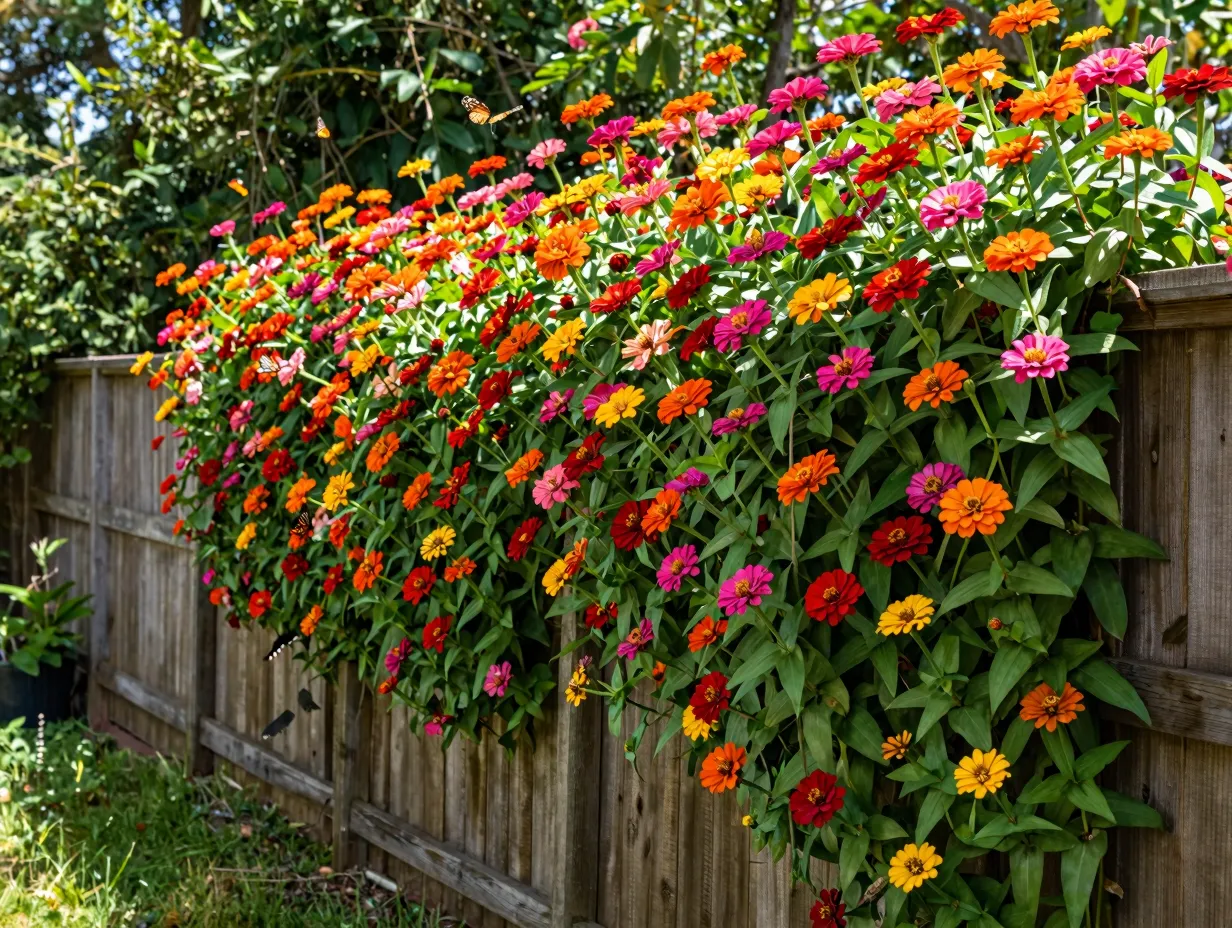
Zinnias are arguably the most rewarding flower a beginner can grow. You scatter seeds directly onto prepared soil, water them in, and within six to eight weeks you have a wall of color that lasts until frost. No transplanting, no nursery trips, no fuss.
Why zinnias work so well:
- They thrive in full sun and tolerate heat that would wilt other flowers.
- They come in every color except blue, giving you enormous design flexibility.
- They attract butterflies and pollinators, adding movement and life to the garden.
- Deadheading (removing spent blooms) encourages more flowers, but even if you skip it, zinnias keep producing.
I planted a 10-foot strip of mixed zinnia seeds along my back fence one spring, spending about 20 minutes on the whole project. By midsummer, that fence had completely disappeared behind a curtain of orange, hot pink, red, and yellow blooms. Visitors consistently assumed I had hired a professional landscaper.
Quick-start tip: Sow zinnia seeds after your last frost date when soil has warmed to at least 60°F. Thin seedlings to 6-12 inches apart for the best air circulation and disease resistance.
2. The Pollinator Paradise: Native Wildflower Mixes
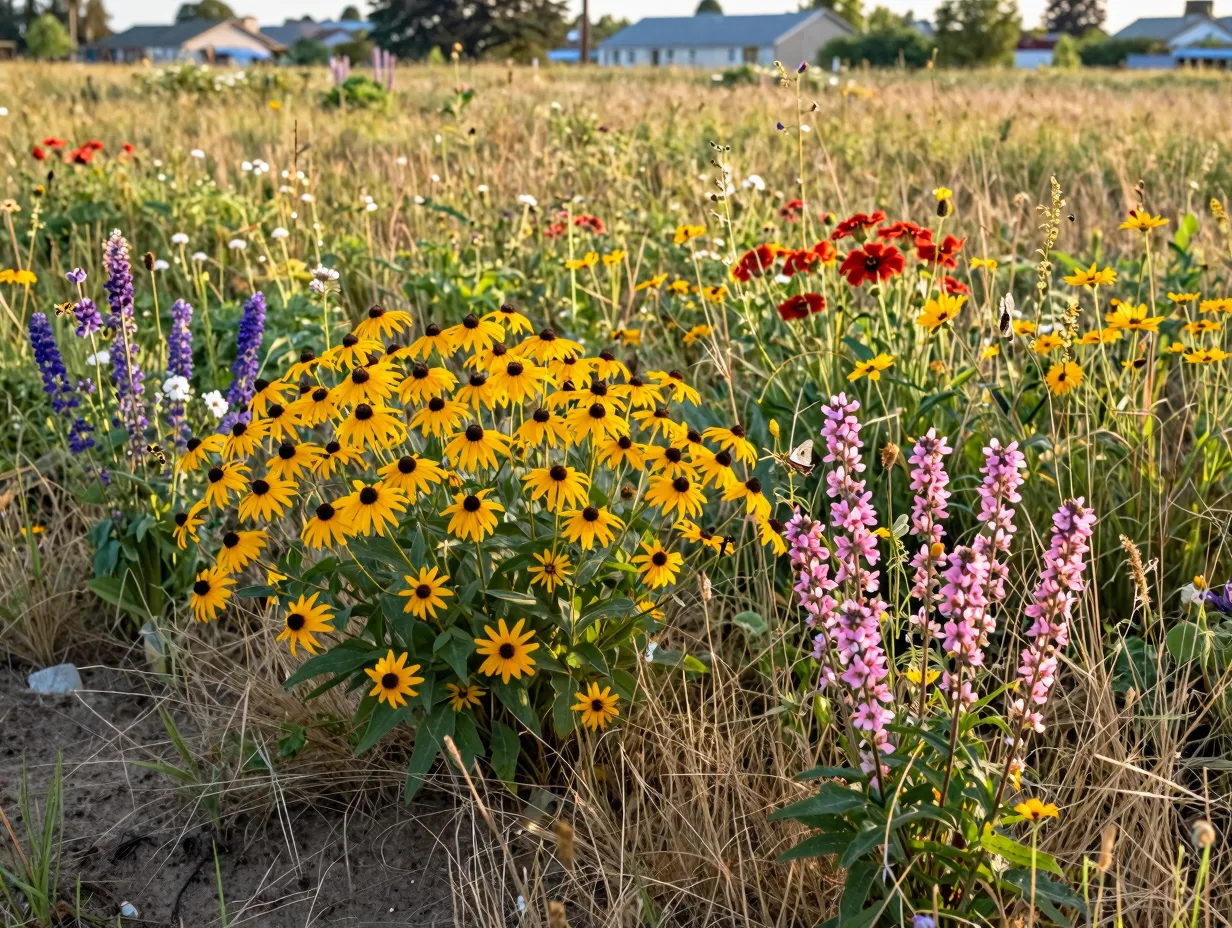
Wildflower seed mixes designed for your region are one of the most underrated tools in the low-effort gardener’s arsenal. A single packet of regionally appropriate native wildflower seeds can transform a bare patch of ground into a buzzing, colorful meadow that essentially manages itself.
Top native flowers to look for in mixes:
| Flower | Color | Bloom Season | Special Benefit |
|---|---|---|---|
| Black-eyed Susan | Yellow/gold | Summer, fall | Drought tolerant |
| Coneflower (Echinacea) | Purple/pink | Summer | Medicinal, deer resistant |
| Blanket flower | Red/orange | Summer, fall | Extreme heat tolerance |
| Bee balm | Red/pink | Summer | Hummingbird magnet |
| Cosmos | Pink/white | Summer, frost | Self-seeds prolifically |
The key advantage of native wildflowers is that they evolved in your climate. They do not need fertilizer, rarely need supplemental water once established, and many self-seed, meaning they come back next year without any action on your part.
One important note: Prepare the soil well before sowing. Remove existing grass and weeds, loosen the top 2 inches of soil, scatter seeds, and press them gently into contact with the soil. Water regularly for the first few weeks, then step back and let nature take over.
3. Container Color: Pots, Planters, and Hanging Baskets
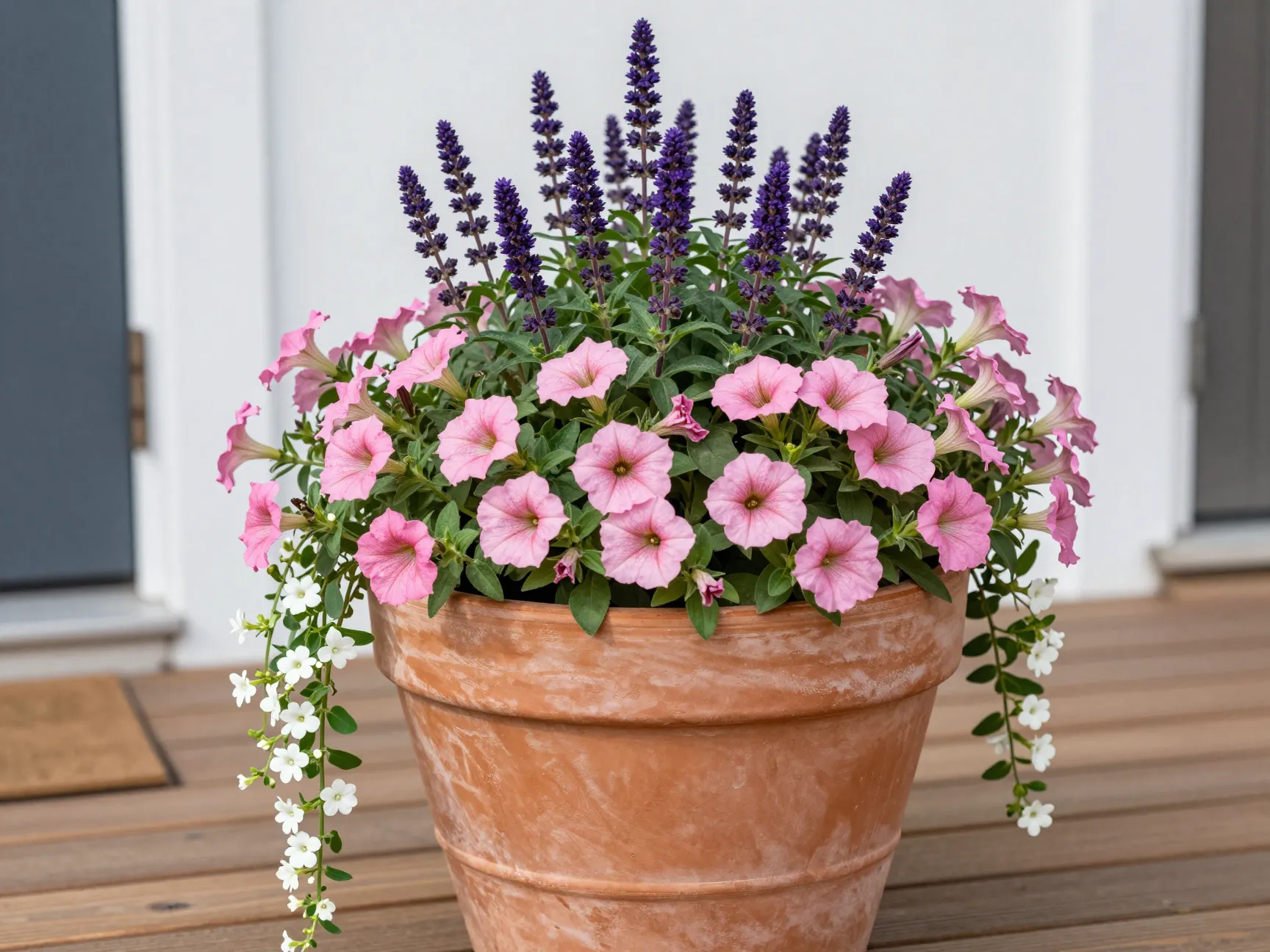
Not everyone has a yard. Even those who do often want color in specific spots, a front doorstep, a patio corner, a balcony railing, where in-ground planting is not possible. Container gardening solves all of these problems at once.
The beauty of container flower gardens is total control. You choose the soil, the drainage, the sun exposure, and the plant combination. You can move containers to follow the sun or bring them indoors before a frost.
Best flowers for containers:
- Petunias: Wave varieties cascade beautifully over pot edges and bloom continuously.
- Calibrachoa (Million Bells): Tiny petunia-like flowers in dozens of colors, extremely prolific.
- Geraniums: Classic, colorful, and surprisingly drought tolerant once established.
- Impatiens: The go-to choice for shaded spots where other flowers struggle.
- Nasturtiums: Edible flowers that thrive on neglect and poor soil.
“A single large container planted with a ‘thriller, filler, spiller’ combination, one tall centerpiece plant, several mounding mid-height plants, and one trailing plant, creates a professional-looking arrangement that costs under $20 to put together.”
The thriller, filler, spiller formula is the single best container planting strategy I know. It works every time, for every skill level, in every climate.
Maintenance tip: Containers dry out faster than in-ground beds. Self-watering pots with built-in reservoirs can cut your watering frequency in half, a genuine game-changer for busy people.
4. The Perennial Foundation: Plant Once, Enjoy for Years
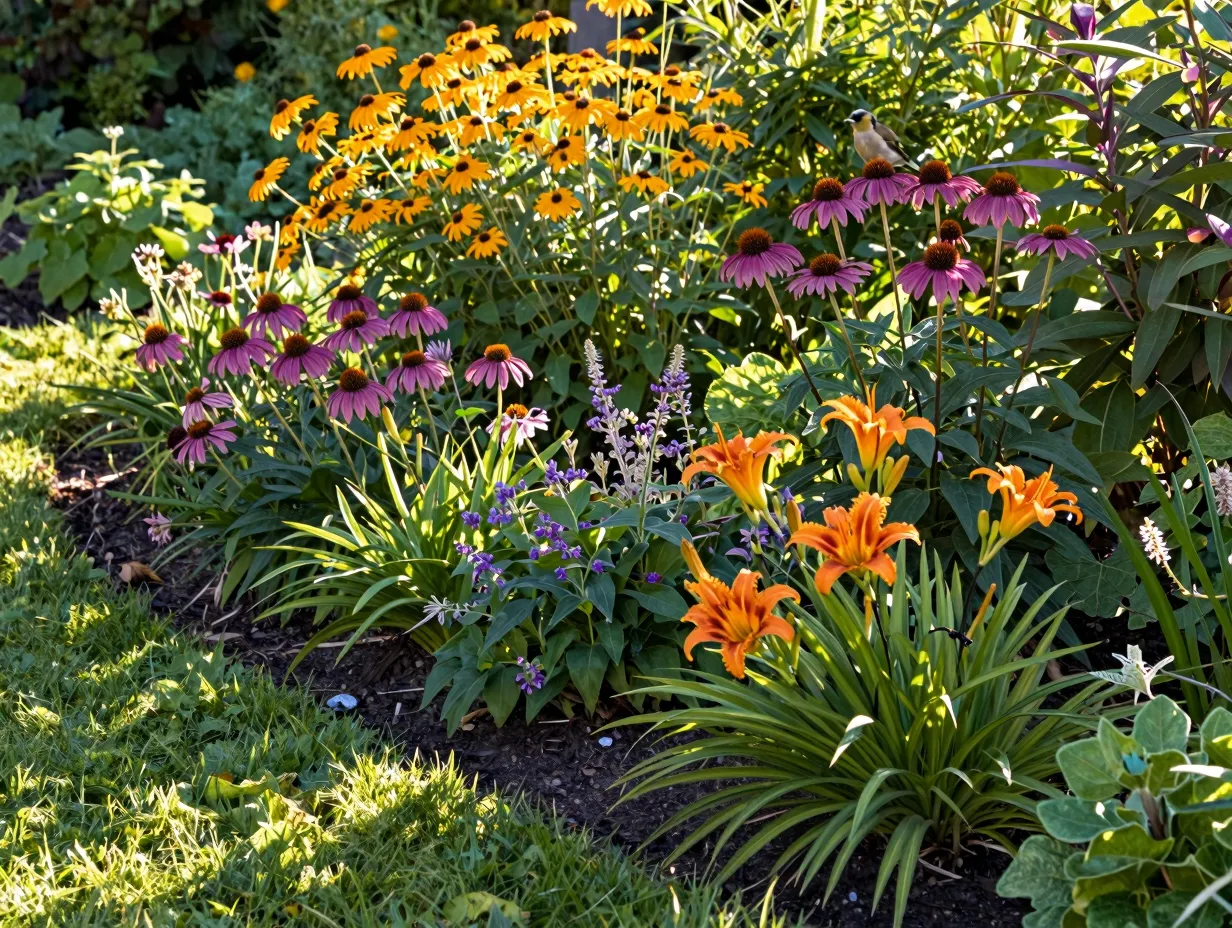
If there is one investment that pays the highest long-term dividend in the flower garden, it is perennials. Unlike annuals that die at the end of the season, perennials come back year after year from the same root system. Plant them once, and they reward you with color for a decade or more.
Reliable, low-maintenance perennials for color:
- Daylilies (Hemerocallis): Nearly indestructible, available in hundreds of colors, spread to fill space naturally.
- Coneflowers (Echinacea purpurea): Long-blooming, drought resistant, loved by bees and goldfinches.
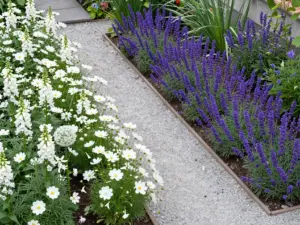
- Salvia: Spiky blue-purple blooms from early summer through fall, deer resistant.
- Rudbeckia (Black-eyed Susan): Golden yellow flowers that light up late summer gardens.
- Sedum (Stonecrop): Succulent foliage and late-season blooms, thrives in dry conditions.
The strategy I recommend to first-time perennial gardeners is to start with a “backbone” of three to five reliable perennials that bloom at different times. This ensures you have color from early spring through late fall without planting anything new each year.
Cost comparison: A flat of annual flowers might cost $30,$50 and lasts one season. A single perennial plant costs $8,$15 and returns for 10 or more years. The math strongly favors perennials for the long-term gardener.
5. Raised Bed Flower Gardens: Less Weeding, More Blooming
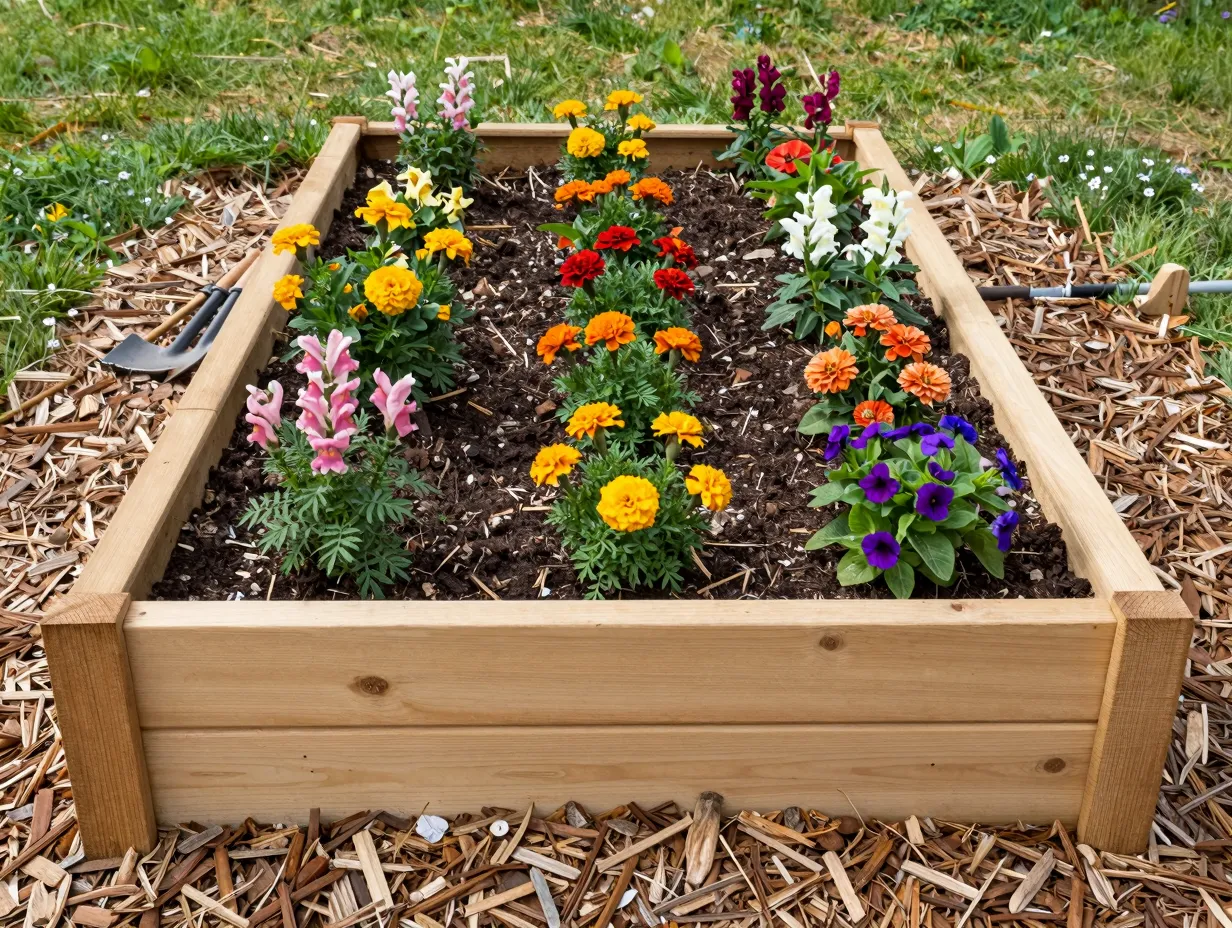
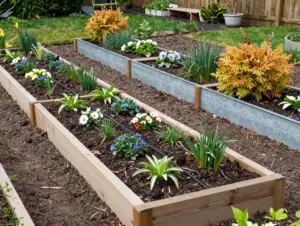
Raised beds are not just for vegetables. A raised bed filled with flowers is one of the most efficient garden setups you can build, and it dramatically reduces the two biggest time sinks in gardening: weeding and soil preparation.
Why raised beds make flower gardening easier:
- You fill them with high-quality, weed-seed-free soil from the start.
- The defined edges make it easy to apply mulch and keep it in place.
- Improved drainage prevents root rot in heavy-rain climates.
- The elevated height reduces bending and kneeling, making maintenance more comfortable.
- Pests like slugs and ground-level insects have a harder time accessing plants.
A simple 4×8 foot raised bed built from untreated cedar lumber costs roughly $50,$80 in materials and can be assembled in an afternoon. Fill it with a mix of topsoil, compost, and a small amount of perlite for drainage, and you have an ideal growing environment for almost any flower.
Best flowers for raised beds: Snapdragons, stock, sweet alyssum, pansies (for cool seasons), marigolds, and zinnias all perform exceptionally well in the controlled environment of a raised bed.
6. The Shade Garden: Color Without Full Sun
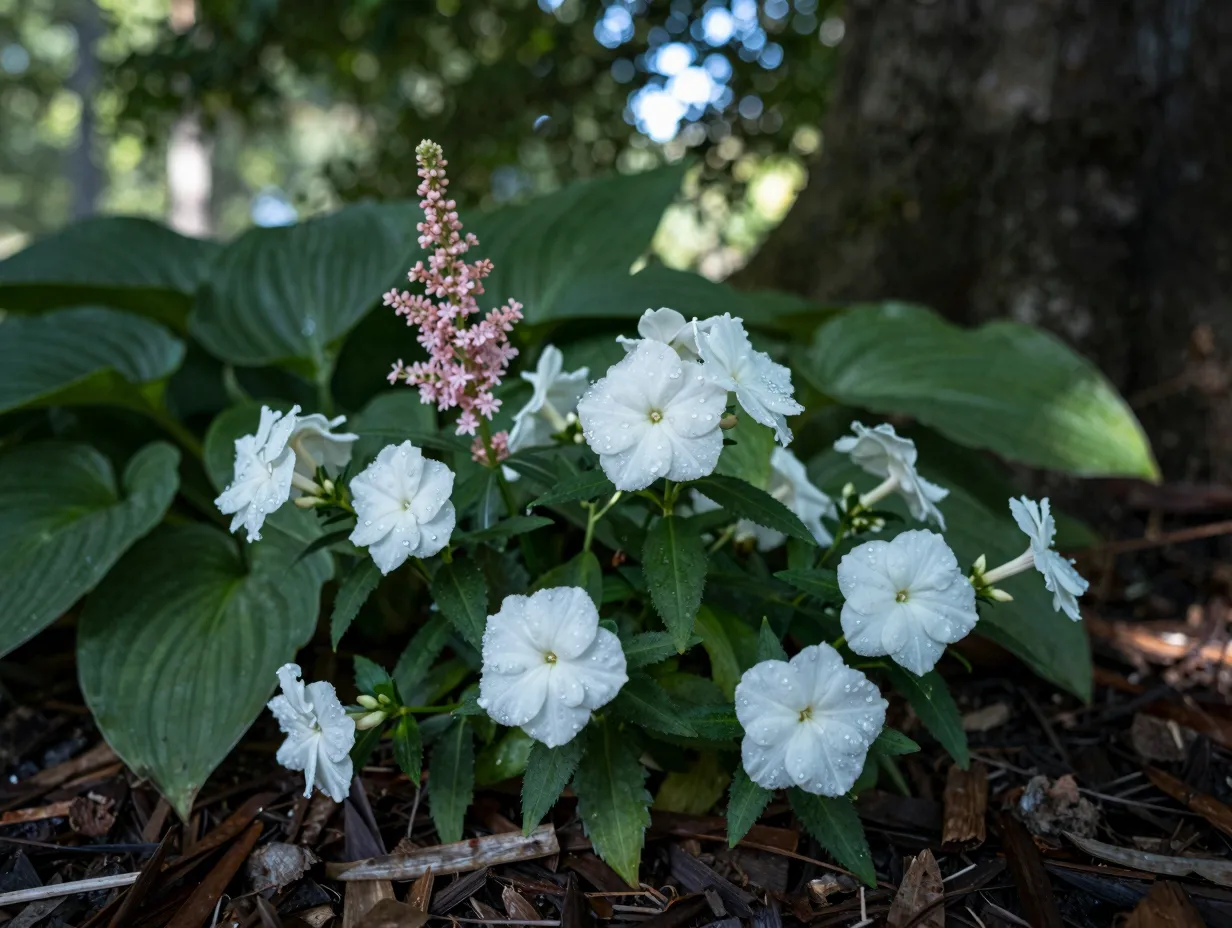
One of the most common complaints I hear from gardeners is that their yard is too shady for flowers. This is simply not true. A surprisingly large number of beautiful, easy-care flowers thrive in partial to full shade, and a well-planted shade garden can be just as colorful as any sun-drenched border.
Top shade-loving flowers for easy color:
- Impatiens: The classic shade annual, available in white, pink, red, orange, and lavender.
- Begonias (wax type): Glossy foliage and continuous blooms from spring to frost.
- Astilbe: Feathery plumes in pink, red, and white; a perennial that thrives in moist shade.
- Bleeding heart (Lamprocapnos): Heart-shaped pink or white flowers in spring; elegant and effortless.
- Hostas with companion flowers: Hostas provide bold foliage; pair with coral bells (Heuchera) for color contrast.
The key to a successful shade garden is moisture management. Shaded areas under trees often have dry soil due to root competition. Amend with plenty of compost and mulch heavily to retain moisture. Once established, most shade-loving perennials need very little attention.
Design tip: Use white or pale-colored flowers in deep shade. They reflect available light and appear to glow, making the space feel brighter and more alive even on overcast days.
7. The Cutting Garden: Grow Flowers for Indoors and Out
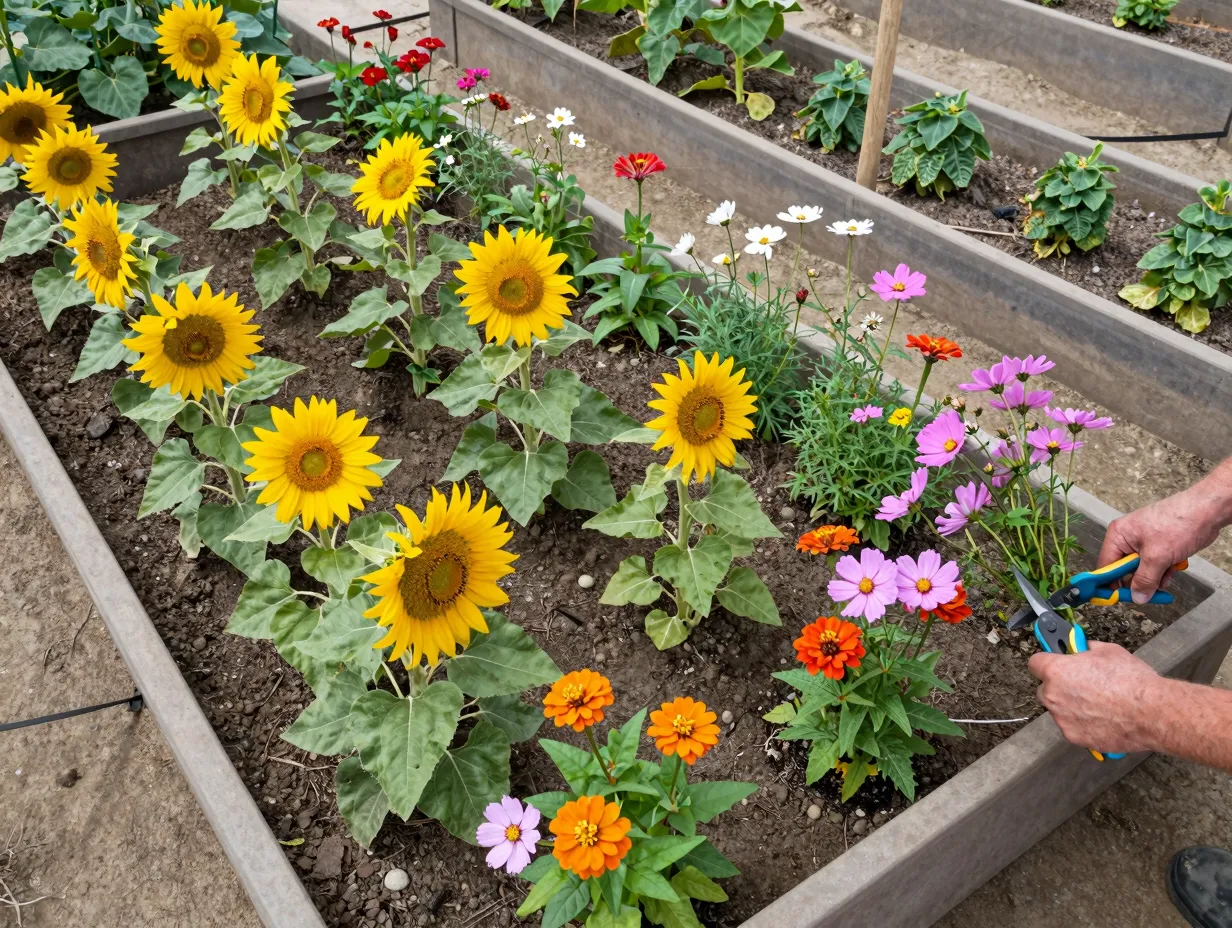
A cutting garden is one of the most satisfying flower garden projects you can undertake. The concept is simple: dedicate a small patch, even just a 4×4 foot square, to growing flowers specifically for cutting and bringing indoors. The more you cut, the more most flowers bloom, so a cutting garden is inherently self-renewing.
Best flowers for a beginner cutting garden:
- Sunflowers: Tall, cheerful, and incredibly easy to grow from seed.
- Zinnias: Cut them regularly and they branch and produce even more blooms.
- Lisianthus: Looks like a rose, grows like a weed (in the right conditions).
- Cosmos: Feathery, delicate flowers that self-seed freely for next year.
- Sweet peas: Fragrant climbing vines that produce armloads of cut flowers in cool weather.
The psychological benefit of a cutting garden is worth mentioning. Research published in the Journal of Environmental Psychology found that having fresh flowers in the home is associated with reduced stress and improved mood. Growing your own means a constant, free supply of that benefit throughout the growing season.
Layout tip: Plant cutting garden flowers in rows rather than decorative clusters. Rows make it easier to harvest blooms and to identify which plants need water or deadheading. Utility over aesthetics is the cutting garden’s guiding principle.
8. The Self-Seeding Garden: Plant Once, Enjoy Forever
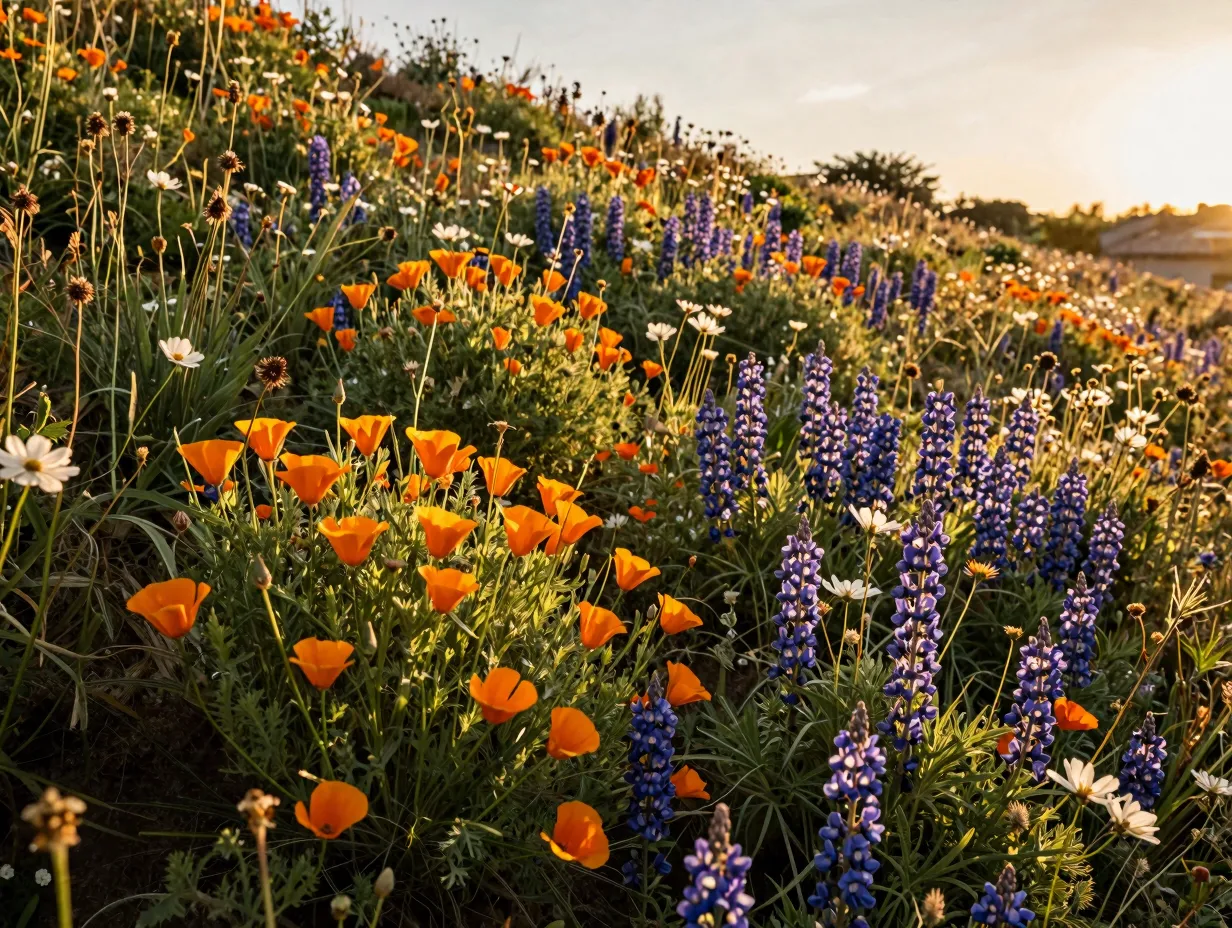
The self-seeding garden is the ultimate expression of low-effort flower gardening. Certain flowers, when allowed to set seed at the end of the season, will drop those seeds into the soil and sprout new plants the following spring, entirely on their own. Over time, a self-seeding garden becomes richer, fuller, and more beautiful with each passing year, all without any replanting effort from you.
Reliable self-seeding flowers:
- Cosmos: Produces hundreds of seeds per plant; will naturalize a large area over two to three seasons.
- California poppy (Eschscholzia): Brilliant orange blooms that reseed aggressively in sunny, dry spots.
- Larkspur: Tall spires of blue, purple, and pink that self-seed in cool weather.
- Nigella (Love-in-a-mist): Delicate blue flowers followed by ornamental seed pods that scatter freely.
- Foxglove (Digitalis): A biennial that self-seeds to create a continuous presence in the garden.
The management strategy for a self-seeding garden is minimal but important. At the end of the season, resist the urge to cut everything down immediately. Leave seed heads in place until they have fully dried and shattered. Then do a light cleanup, leaving the soil surface undisturbed so seeds can make contact with the ground.
One caution: Some self-seeding flowers can become aggressive in certain climates. Check with your local extension service to confirm that your chosen plants are not invasive in your region before allowing them to spread freely.
Bringing It All Together: Designing Your Easy Color Garden
The most effective low-maintenance flower gardens combine several of these ideas into a single cohesive design. A typical approach might look like this:
- A perennial backbone of coneflowers, daylilies, and rudbeckia that returns each year.
- Annual zinnias or cosmos direct-sown into gaps between perennials for season-long color.
- A container or two near the front door or patio for concentrated, close-up color.
- A raised bed dedicated to cutting flowers for indoor arrangements.
- Mulch everywhere to suppress weeds and retain moisture.
This layered approach means that even if one element underperforms in a given year, a late frost kills the cosmos seedlings, for example, the rest of the garden carries the visual weight. Redundancy is resilience in the flower garden.
A simple maintenance calendar:
| Season | Task | Time Required |
|---|---|---|
| Early spring | Cut back perennials, add compost | 2-3 hours |
| Late spring | Sow annuals, plant containers | 2-4 hours |
| Summer | Deadhead, water containers | 30 min/week |
| Fall | Allow self-seeders to set seed, mulch beds | 1-2 hours |
The total annual time investment for a well-designed, low-maintenance flower garden is roughly 20-30 hours spread across the entire growing season. That averages out to less than 45 minutes per week, a small price for a yard full of color.
Conclusion
The 8 easy flower garden ideas for a burst of color without the hassle covered in this article prove that a beautiful garden does not require endless hours, expensive equipment, or expert knowledge. From the instant gratification of direct-sown zinnias to the long-term payoff of a self-seeding wildflower meadow, there is a practical, achievable approach for every gardener at every skill level.
Your actionable next steps:
- Identify your garden’s conditions, sun exposure, soil type, and average rainfall, before choosing plants.
- Start small. Pick one or two ideas from this list and implement them this season rather than trying to overhaul your entire yard at once.
- Invest in perennials first. They are the foundation of a low-maintenance garden and pay dividends for years.
- Mulch every bed you create. This single step eliminates more maintenance work than any other technique.
- Keep notes. A simple garden journal tracking what worked and what did not will make every subsequent season easier and more colorful.
A garden full of color is not a luxury reserved for people with unlimited time. With the right approach, it is well within reach for anyone willing to spend a weekend afternoon getting started.