8 Apartment Living Room Inspiration Tips for Small Space Style
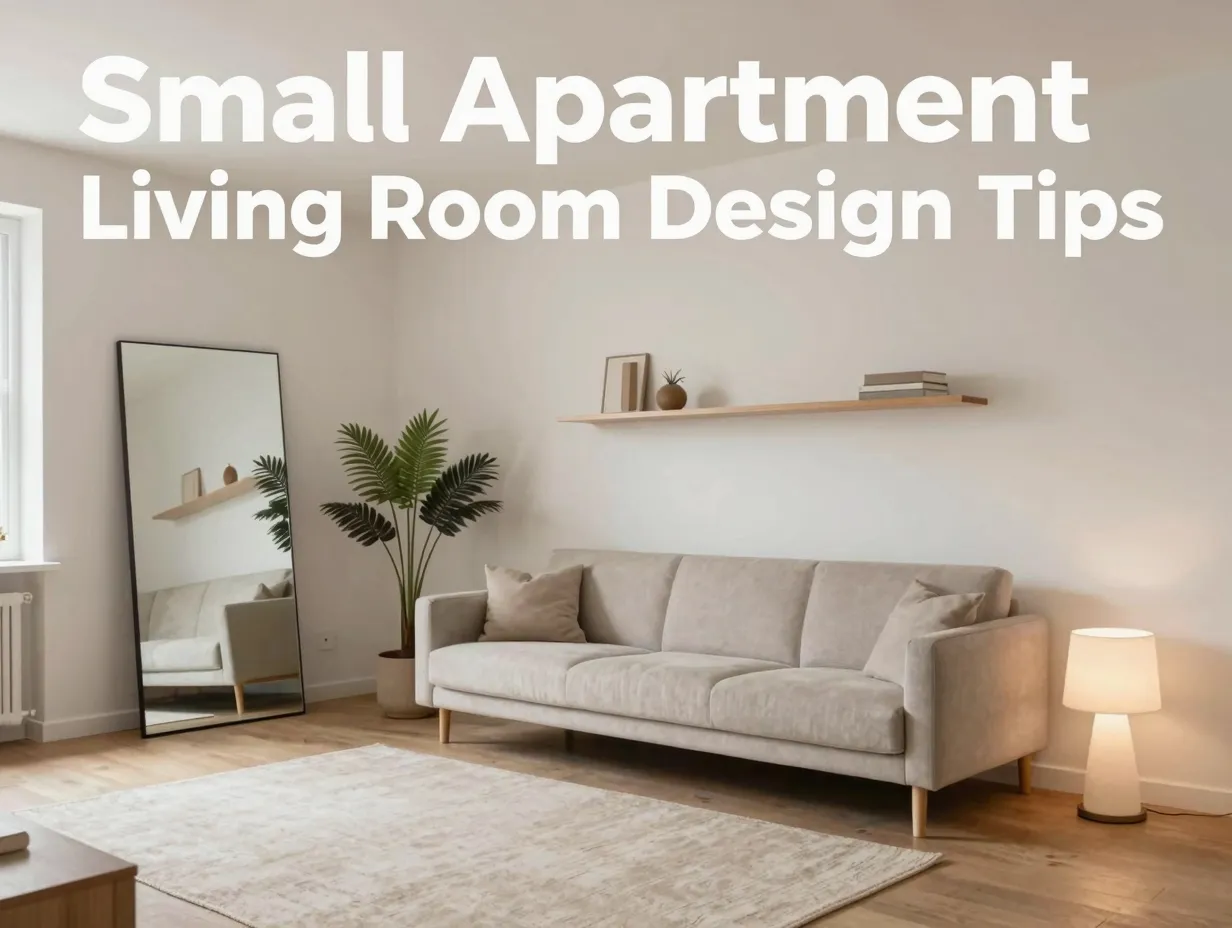
Only 37% of Americans own their homes, the rest rent, and most of them are navigating the very real challenge of making a compact apartment living room feel like a place they actually want to spend time in. If you have ever stood in the middle of a small living room and felt like the walls were closing in, you are not alone. The good news is that smart design choices, not square footage, determine how a space feels. These 8 apartment living room inspiration tips for small space style are drawn from proven interior design principles and real-world applications that transform tight quarters into rooms that feel open, stylish, and genuinely livable. Whether you are moving into your first studio or refreshing a long-term rental, this guide gives you a clear, actionable roadmap.
Disclosure: This post contains affiliate links. As an Amazon Associate, we earn from qualifying purchases, and at no extra cost to you.
Key Takeaways
- Floating furniture and wall-mounted storage visually expand floor space without sacrificing function.
- Light, neutral colors and strategic mirror placement are two of the most cost-effective ways to make a small room feel larger.
- Vertical space is an underused asset in most small apartments, tall shelving and floor-to-ceiling curtains add height.
- Multi-functional furniture is the single biggest investment you can make in a small living room.
- Layered lighting and smart furniture layout (not pushed against walls) create depth and a more balanced, welcoming atmosphere.
Why Small Space Design Requires a Different Mindset
Before diving into the specific tips, it helps to understand why standard decorating advice often fails in small apartments. Most design guidance is written with larger homes in mind. Scaling down is not just about buying smaller furniture, it is about rethinking how every element in the room works together to create a perception of space.
Small apartment living rooms typically range from 100 to 200 square feet. In that footprint, every decision matters. A sofa that is two inches too deep, a rug that is six inches too small, or a single overhead light bulb can make the difference between a room that feels cozy and one that feels claustrophobic.
The 8 apartment living room inspiration tips for small space style outlined below address both the visual and functional dimensions of small-space design. Think of them as a system rather than a checklist.
The 8 Apartment Living Room Inspiration Tips for Small Space Style
1. Embrace Floating Furniture and Wall-Mounted Storage
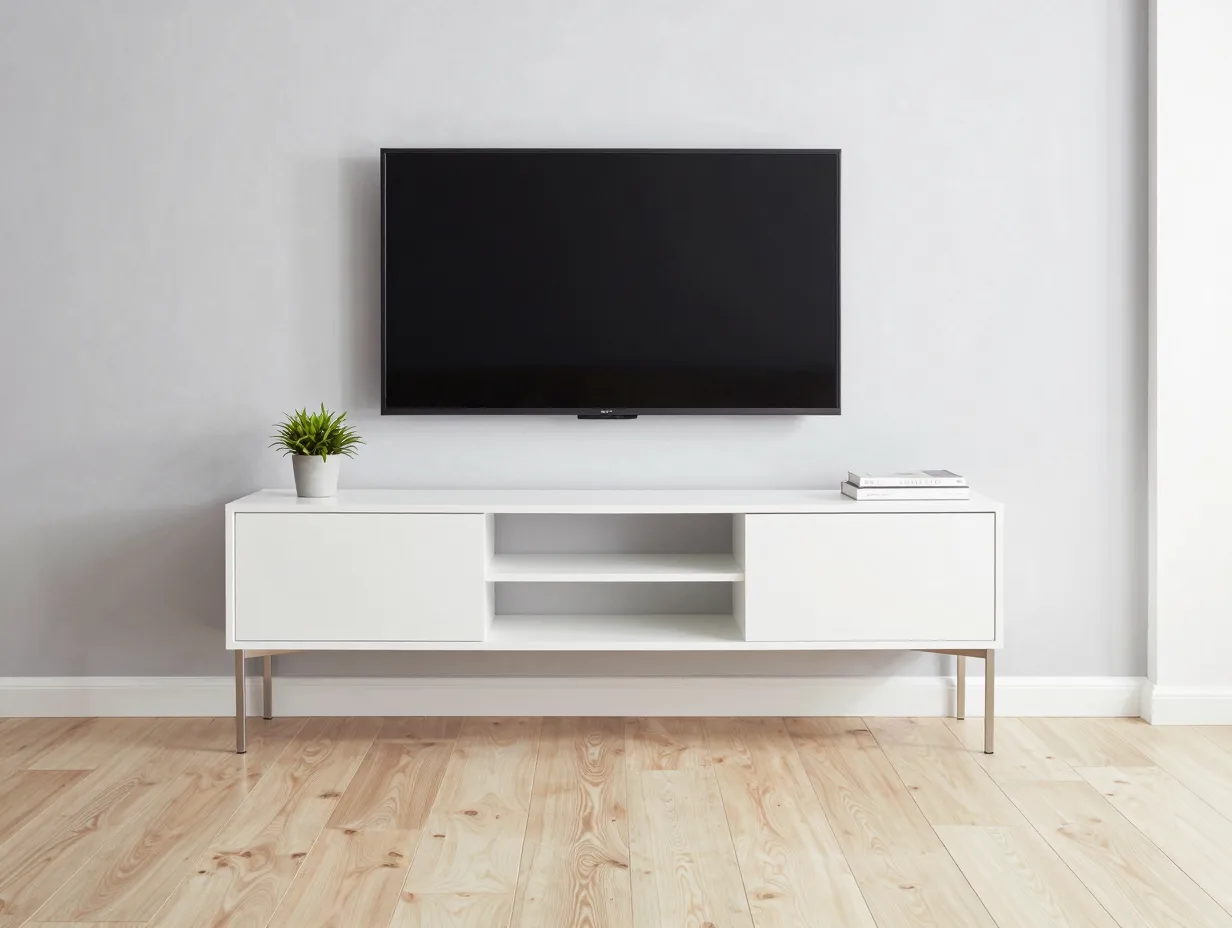
One of the most transformative moves you can make in a compact living room is to get furniture off the floor. Wall-mounted shelves, floating media consoles, and elevated storage units all create the same powerful effect: they reveal more of the floor surface, which tricks the eye into perceiving the room as larger than it actually is [1].
I tried this in my own 180-square-foot living room. Swapping a bulky entertainment unit for a slim wall-mounted media shelf instantly made the room feel like it had grown by at least 20 percent. The floor became visible, the room breathed, and the overall look became cleaner.
What to try:
- Wall-mounted TV console instead of a floor-standing unit
- Floating corner shelves for books and decor
- A wall-mounted desk that folds flat when not in use
- Elevated side tables with thin, visible legs
The key principle here is visual continuity of the floor plane. The more uninterrupted floor you can show, the more spacious the room feels.
2. Opt for Light, Neutral Colors on Walls and Large Furniture
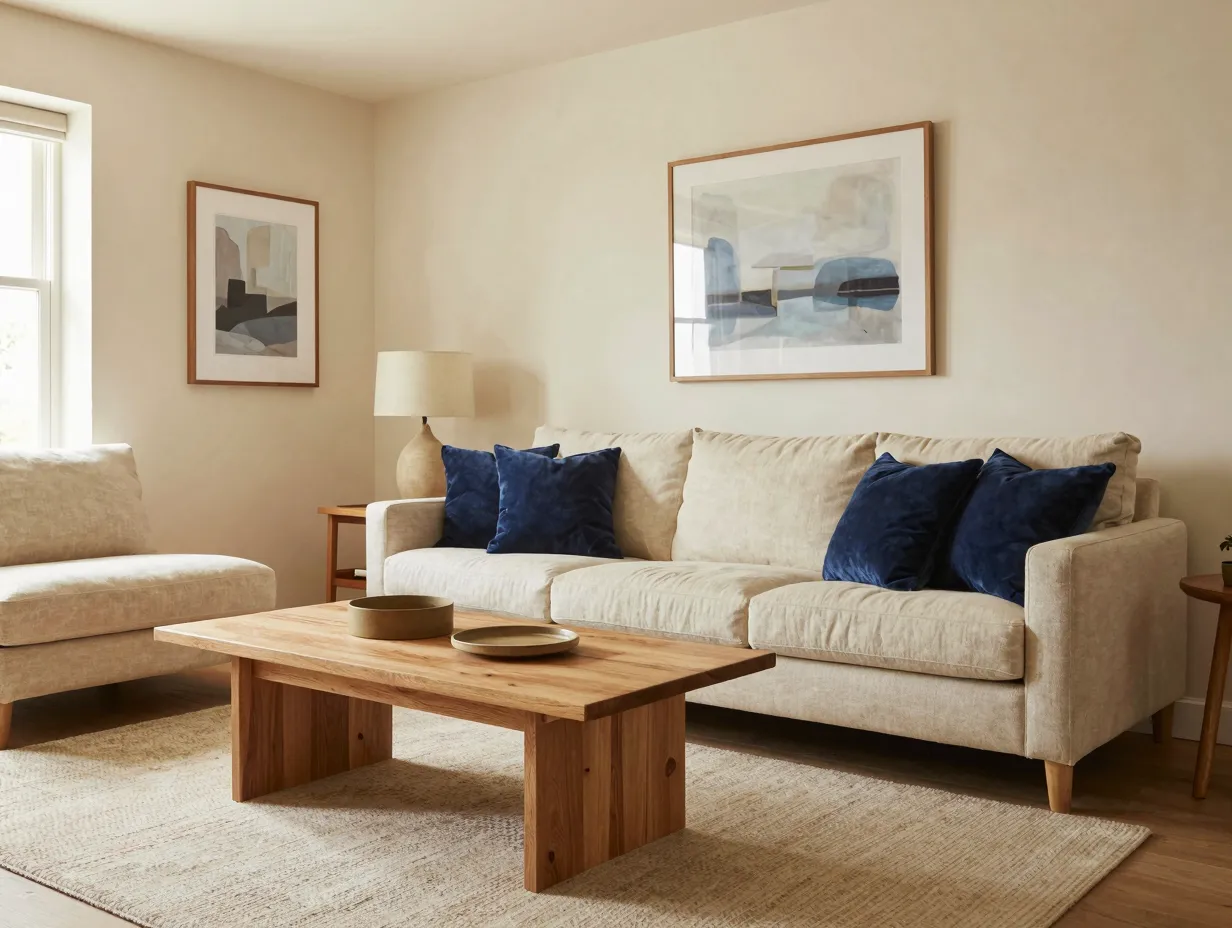
Color psychology plays a direct role in how we perceive space. Soft whites, warm beiges, and pale grays reflect natural and artificial light rather than absorbing it, which makes walls appear to recede and rooms appear to expand [2].
This does not mean your apartment has to look like a blank canvas. Neutral base colors actually give you more flexibility to layer in texture, pattern, and accent colors through cushions, rugs, and artwork, all of which can be swapped out seasonally without repainting.
Color pairing ideas for small apartment living rooms:
| Wall Color | Furniture Tone | Accent Color |
|---|---|---|
| Soft white | Warm oatmeal | Terracotta |
| Pale gray | Ivory linen | Sage green |
| Warm cream | Light oak wood | Navy blue |
| Greige | Off-white | Dusty rose |
If you are renting and cannot paint, use large, light-colored area rugs and slipcovers to shift the dominant color palette of the room.
3. Incorporate Mirrors Strategically
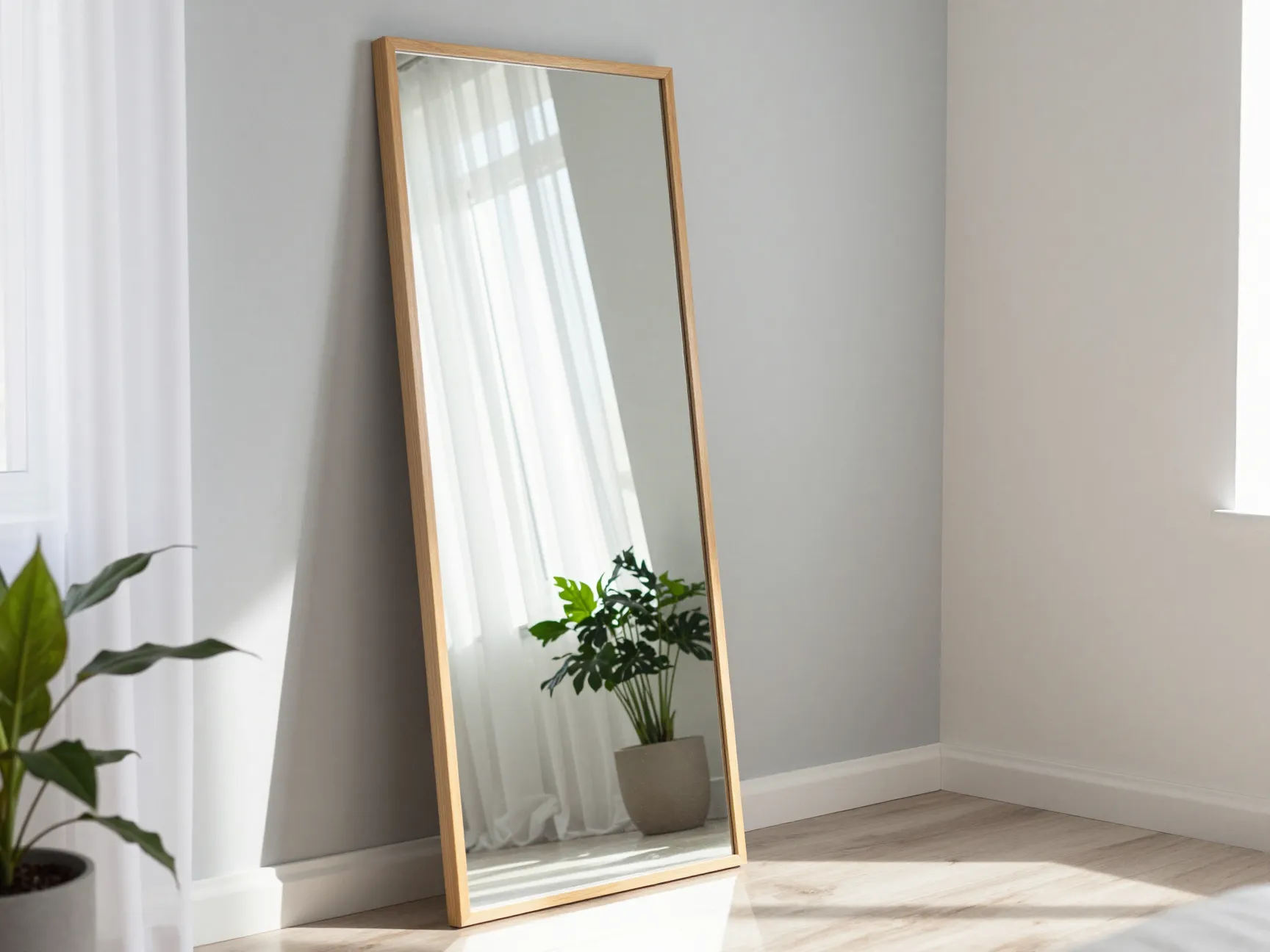
Mirrors are one of the oldest tricks in the interior design playbook, and they remain one of the most effective. Placing a large mirror directly across from a window reflects natural light deep into the room and creates a visual doubling effect that adds perceived depth [3].
The strategic part matters. A mirror placed on a dark wall with no light source nearby does very little. Position mirrors to:
- Face windows or glass doors directly
- Reflect a light fixture or lamp
- Create a sightline that extends the visual length of the room
Mirror formats that work well in small living rooms:
- A single oversized floor mirror leaning against the wall
- A gallery arrangement of smaller mirrors in varied frames
- A mirrored console table or side table
- Full-length mirrors used as room dividers in open-plan spaces
Avoid placing mirrors where they reflect clutter or an unattractive view. The goal is to amplify light and depth, not to double what you do not want to see.
4. Choose Furniture with Visible Legs
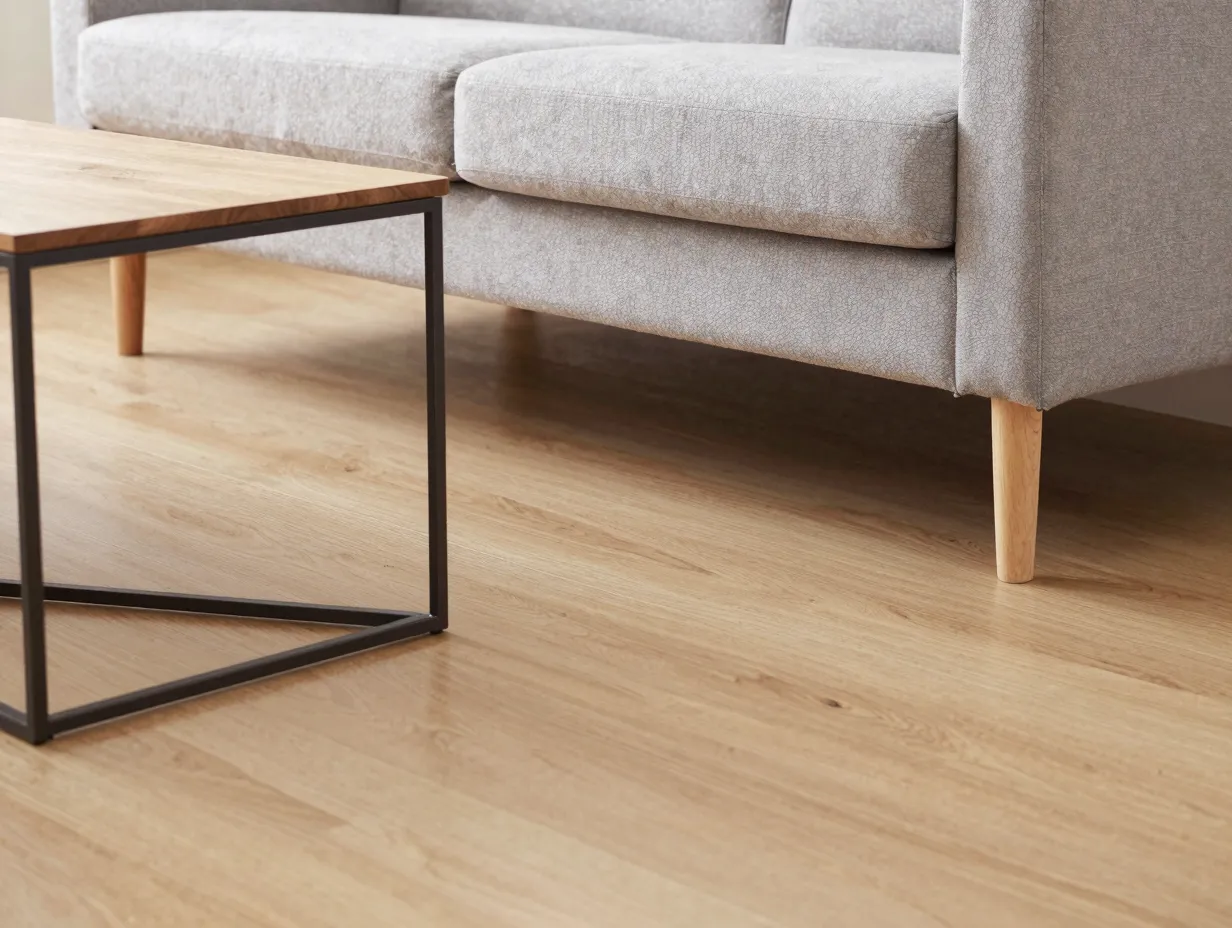
This tip is subtle but remarkably effective. Sofas, armchairs, and coffee tables with exposed legs allow the eye to travel underneath the furniture, which maintains visual continuity across the floor plane [4]. The result is a room that feels more open and airy compared to the same room furnished with pieces that sit flush to the ground.
Think of the difference between a sofa with a solid skirted base versus one with four slender tapered legs. The skirted sofa visually blocks the floor. The legged sofa lets light pass underneath and keeps the floor visible.
What to look for when shopping:
- Sofas with legs at least 4 to 6 inches high
- Coffee tables with open, geometric frames
- Armchairs with thin metal or wood legs
- Side tables with hairpin or tapered legs
This principle also applies to bed frames if your living room doubles as a sleeping area, a raised platform or frame with visible legs keeps the space from feeling heavy.
5. Utilize Vertical Space Aggressively
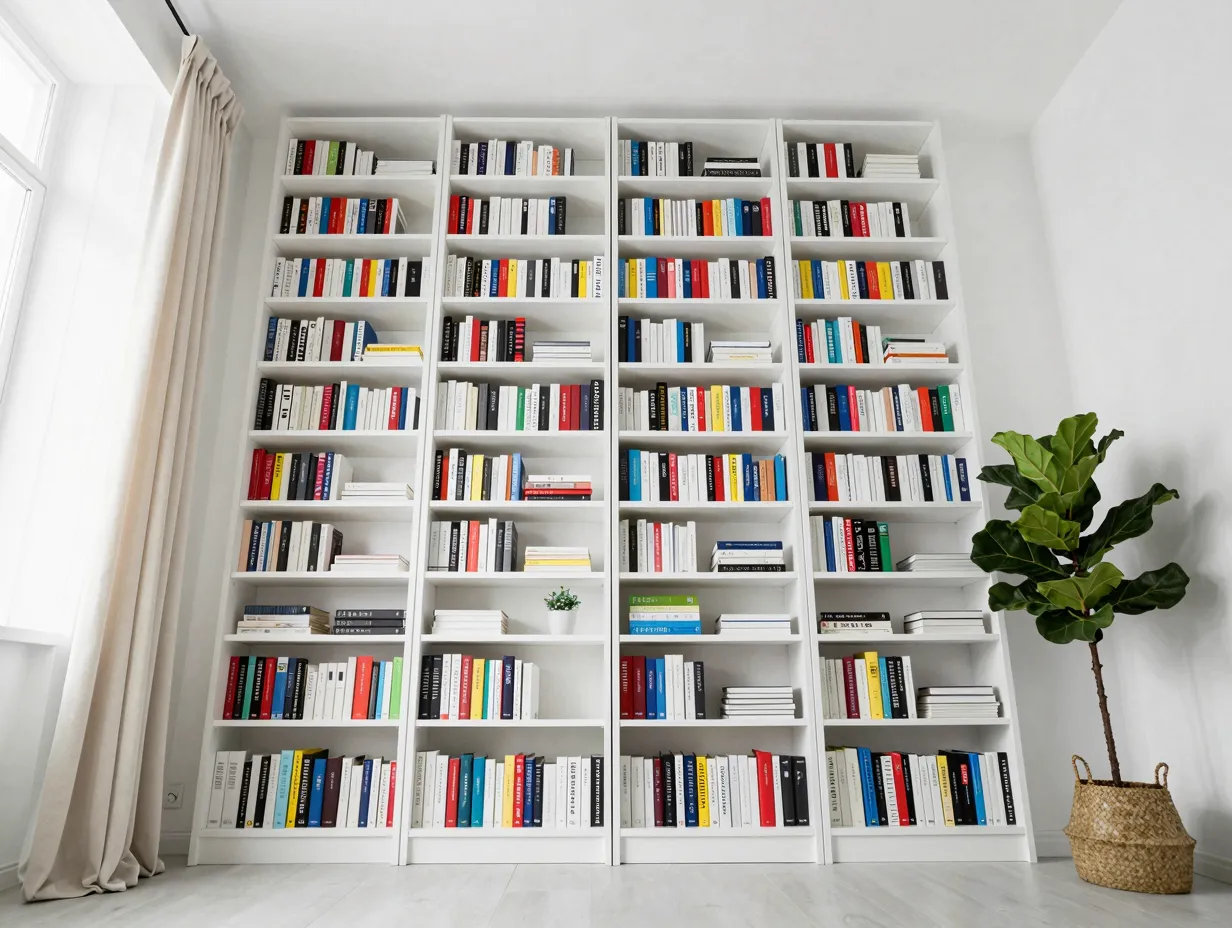
Most people decorate at eye level and below. In a small apartment, the space above eye level is prime real estate that often goes completely unused [5]. Drawing the eye upward creates the illusion of higher ceilings and a more expansive room.
Practical ways to use vertical space:
- Install floor-to-ceiling bookshelves (IKEA Billy units extended with height add-ons are a popular rental-friendly option)
- Hang curtains as close to the ceiling as possible, even if the window is much lower, this elongates the wall visually
- Stack art vertically rather than spreading it horizontally
- Use tall, narrow plants like fiddle-leaf figs or snake plants
- Mount floating shelves in vertical columns rather than horizontal rows
I once helped a friend redesign her 150-square-foot studio living area. The single most impactful change was moving her curtain rod from just above the window frame to just below the ceiling. The room looked six inches taller overnight, and it cost nothing but a drill and two new brackets.
6. Implement Layered Lighting
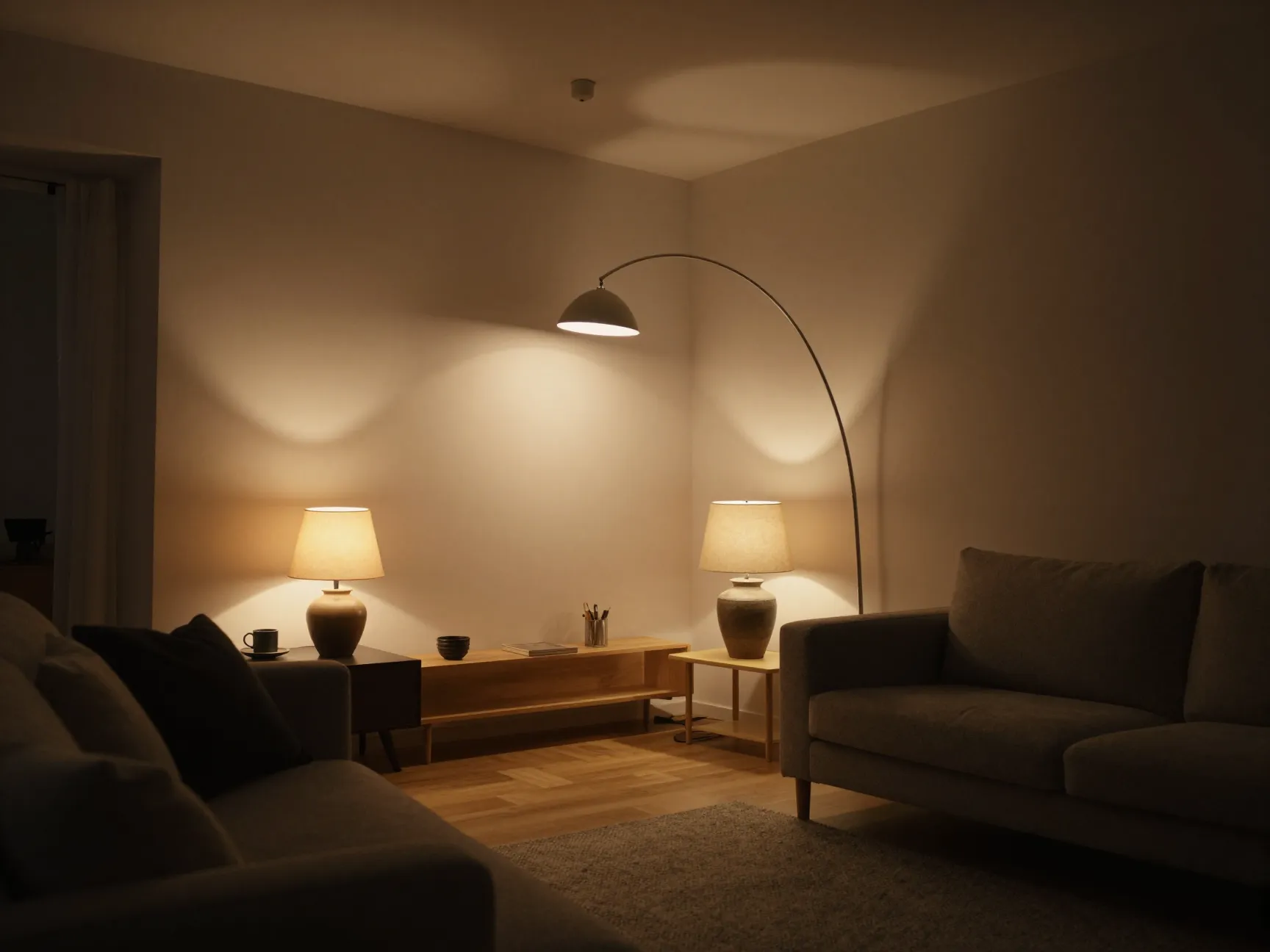
A single overhead light fixture is the enemy of a cozy, spacious-feeling small room. Flat, uniform lighting from one source flattens the room visually and eliminates the shadows and gradients that give a space depth and dimension [6].
Layered lighting combines three types of light:
- Ambient lighting, the general, overall illumination (ceiling fixtures, recessed lights)
- Task lighting, focused light for specific activities (reading lamps, desk lamps)
- Accent lighting, decorative light that highlights features (LED strip lights behind shelves, picture lights, candles)
When these three layers work together, they create pools of light and shadow that make the room feel larger, warmer, and more intentionally designed.
Quick layered lighting setup for a small living room:
- One dimmable ceiling fixture or pendant
- One floor lamp positioned in a corner to push light upward
- Table lamp on a side table or console
- LED strip lighting behind a floating media shelf
Dimmer switches are one of the best investments you can make in a small apartment. Being able to lower the ambient light and let the accent and task lighting take over transforms the mood of the room entirely.
7. Avoid Pushing Furniture Against Walls
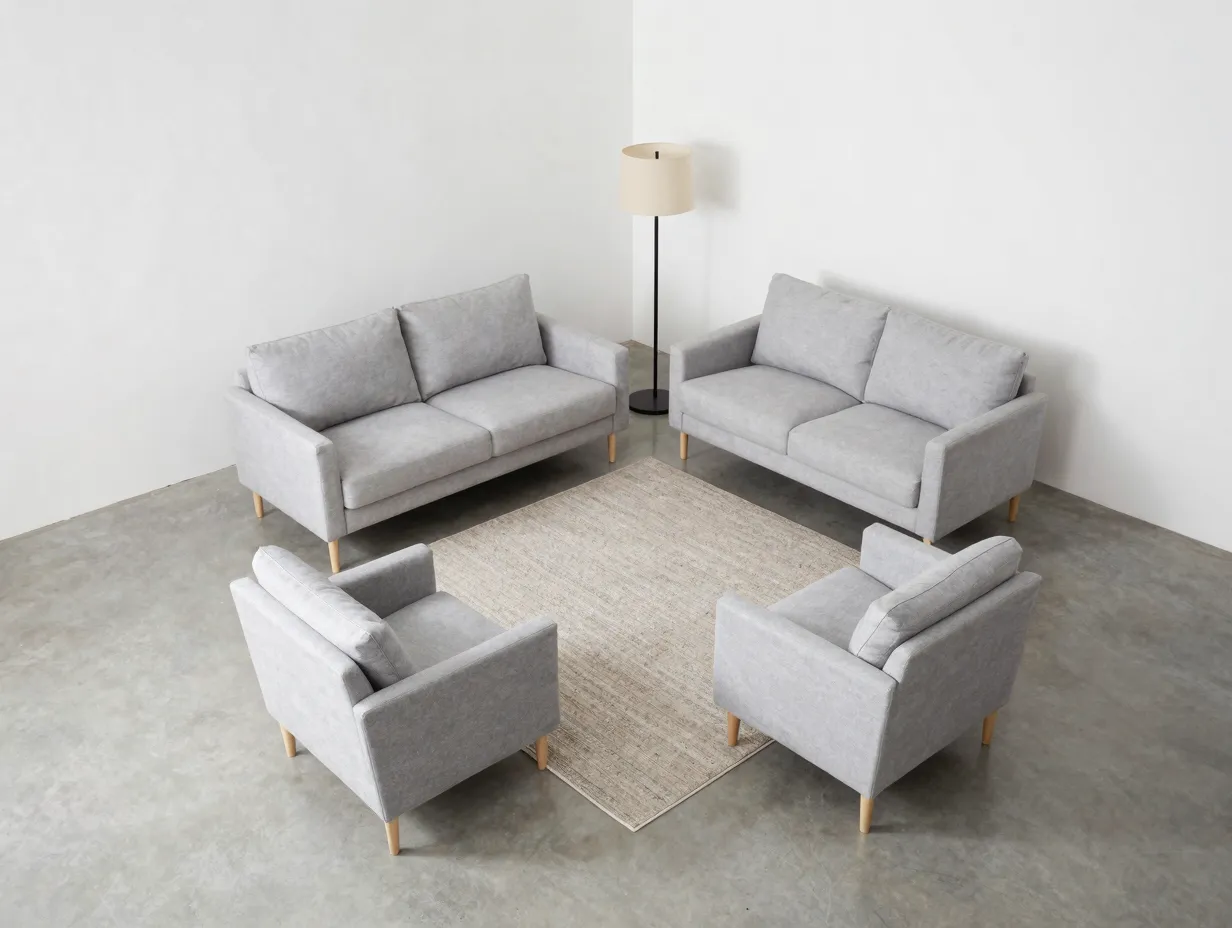
This is the furniture layout mistake that most people make intuitively but that actually works against them. The logic seems sound: push everything to the edges and you free up the center of the room. In practice, the opposite is true [7].
When furniture is pressed hard against every wall, the room feels like a waiting room, formal, disconnected, and oddly smaller. Floating furniture a few inches away from the walls creates a sense of flow, makes the room feel more intentional, and paradoxically makes the space feel larger because the eye perceives depth around each piece.
The floating furniture rule:
- Pull sofas 2 to 4 inches away from the wall behind them
- Create a defined seating zone using an area rug as an anchor
- Allow at least 18 inches of walkway around main furniture groupings
- Position chairs and sofas to face each other, creating a conversation area rather than a perimeter
This approach also makes it easier to run floor lamps and side tables into the arrangement naturally, which contributes to the layered lighting effect described in Tip 6.
8. Invest in Multi-Functional Furniture
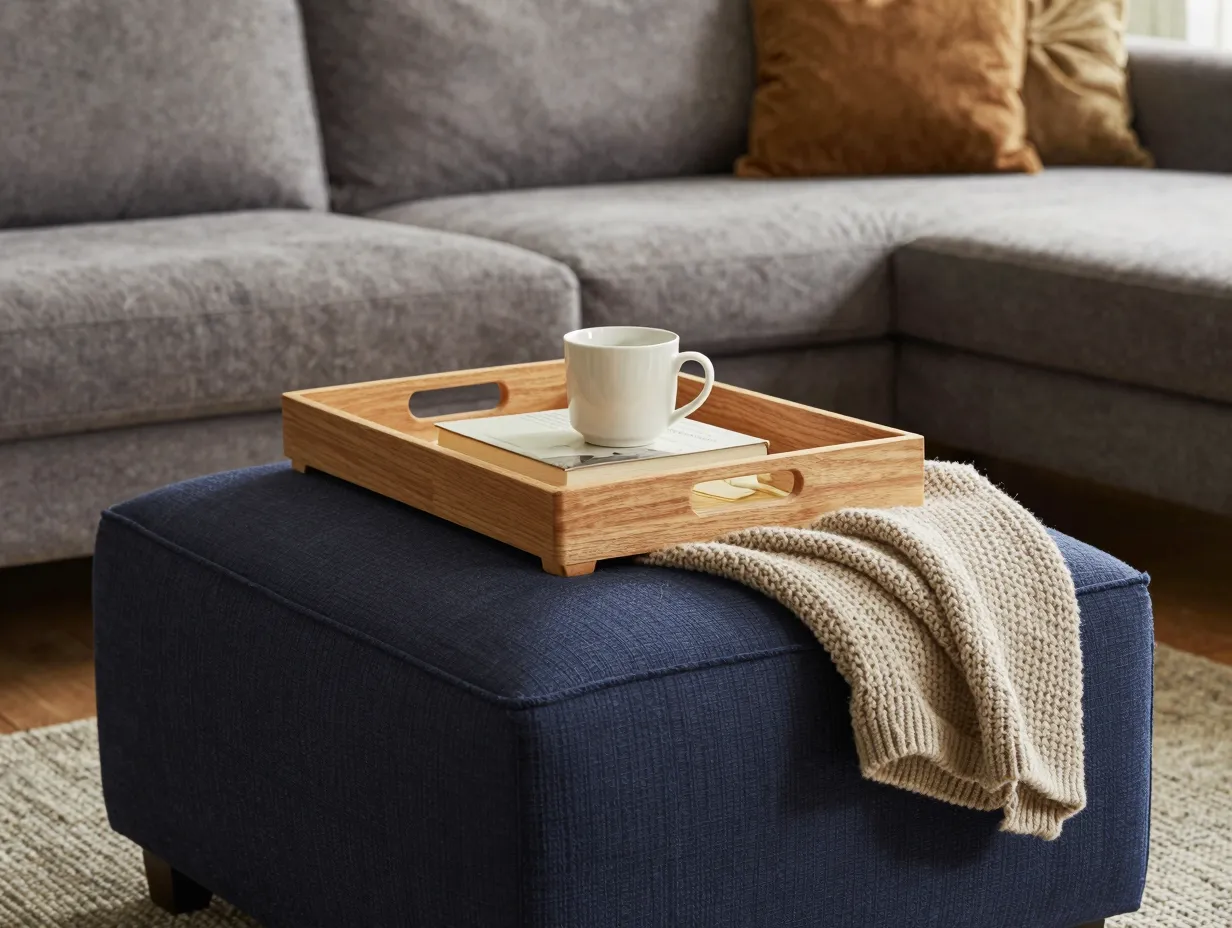
The final tip in these 8 apartment living room inspiration tips for small space style is arguably the most impactful in terms of day-to-day livability. Multi-functional furniture solves the core problem of small-space living: you need a room to do more than one thing without feeling crowded [8].
High-impact multi-functional pieces for small living rooms:
- Sofa beds or sleeper sofas, essential if you host overnight guests
- Ottoman with internal storage, serves as a coffee table, extra seating, and a place to stow blankets or remotes
- Nesting tables, expand when needed, stack away when not in use
- Lift-top coffee tables, the surface raises to dining or work height, adding function without adding footprint
- Bookshelf room dividers, define zones in open-plan spaces while providing storage
- Murphy beds with integrated shelving, if your living room doubles as a bedroom
The key is to buy fewer, better pieces that each serve multiple roles rather than filling the room with single-purpose items. Quality over quantity is not just an aesthetic principle here, it is a spatial one.
Multi-functional furniture buying checklist:
- Does this piece serve at least two distinct functions?
- Can it be reconfigured or stowed when not in use?
- Is the scale appropriate for the room, not too large, not so small it looks lost?
- Does the design complement the overall palette and style of the room?
- Is the storage accessible and practical, or decorative only?
Common Small Living Room Mistakes to Avoid
Even with the best intentions, small apartment decorating can go sideways. Here are the most common errors that undermine the tips above:
- Buying a rug that is too small. A rug that does not extend under the front legs of the sofa and chairs makes the seating area look disconnected and the room feel smaller, not larger.
- Over-accessorizing. Decorative objects add personality, but in a small room they quickly become visual noise. Edit ruthlessly, keep only what you genuinely love.
- Ignoring scale. A massive sectional sofa in a 12-by-12 room will overpower the space regardless of how well everything else is executed. Measure before you buy.
- Using only cold white light. Bulbs in the 2700K to 3000K range (warm white) are far more flattering and cozy in a living room than the harsh 5000K daylight bulbs often used in kitchens and offices.
- Neglecting window treatments. Bare windows can make a room feel unfinished. Floor-length curtains in a light fabric add softness, height, and warmth simultaneously.
Putting It All Together: A Room-by-Room Approach
The most effective small apartment living rooms do not apply these tips in isolation, they layer them. Here is a simple framework for applying all 8 apartment living room inspiration tips for small space style in a coordinated way:
Step 1, Start with color. Choose your neutral base palette for walls and large furniture before buying anything else.
Step 2, Plan your layout. Sketch the room to scale and position furniture floating away from walls, anchored by a rug.
Step 3, Go vertical. Identify where tall shelving, high curtain rods, and vertical art arrangements can add height.
Step 4, Choose furniture with legs. Replace or prioritize pieces with exposed legs to maintain visual floor continuity.
Step 5, Add mirrors. Identify the best wall to reflect natural light and install a mirror there.
Step 6, Mount what you can. Move storage off the floor and onto walls wherever possible.
Step 7, Layer your lighting. Add a floor lamp and at least one table lamp to supplement overhead lighting.
Step 8, Audit for multi-function. Review each piece of furniture and ask whether it is earning its floor space.
Conclusion
Small apartment living rooms are not a design problem to be solved, they are a creative constraint that, when approached with the right strategies, produces some of the most thoughtful and stylish interiors I have ever seen. The 8 apartment living room inspiration tips for small space style covered in this guide are not about compromise. They are about working smarter with what you have.
Your actionable next steps:
- Walk through your living room today and identify one piece of furniture that could be wall-mounted or elevated.
- Check the color temperature of your light bulbs and swap any cool-white bulbs for warm-white alternatives.
- Move your sofa two inches away from the wall and see how the room changes.
- Measure your space and identify one multi-functional piece that could replace two single-purpose items.
Small changes compound quickly in a small room. Start with one tip this week, and you will likely find the momentum to work through all eight. The room you want is already there, it just needs a little strategic thinking to reveal itself.
References
[1] Floating Furniture – https://www.livingetc.com/shopping/floating-furniture?utm_source=openai
[2] Apartment Living Room Ideas Small Spaces – https://cozyhomeplanet.com/apartment-living-room-ideas-small-spaces/?utm_source=openai
[3] Design Small Living Room – https://blog.apartmentsearch.com/apartment-decorating/design-small-living-room/?utm_source=openai
[4] Small Apartment Living Room Ideas – https://freshdwellings.com/small-apartment-living-room-ideas/?utm_source=openai
[5] Apartment Living Room Ideas – https://www.povison.com/blog/decoration-ideas/apartment-living-room-ideas.html?utm_source=openai
[6] How To Make A Small Room Look Expensive – https://www.livingetc.com/advice/how-to-make-a-small-room-look-expensive?utm_source=openai
[7] This Furniture Layout Mistake Is Shrinking Your Living Room – https://www.livingetc.com/advice/this-furniture-layout-mistake-is-shrinking-your-living-room?utm_source=openai
[8] Apartment Living Room Ideas – https://www.goodhousekeeping.com/home/decorating-ideas/g45551391/apartment-living-room-ideas/?utm_source=openai