8 Future Apartment Decor Trends to Inspire Your Next Move
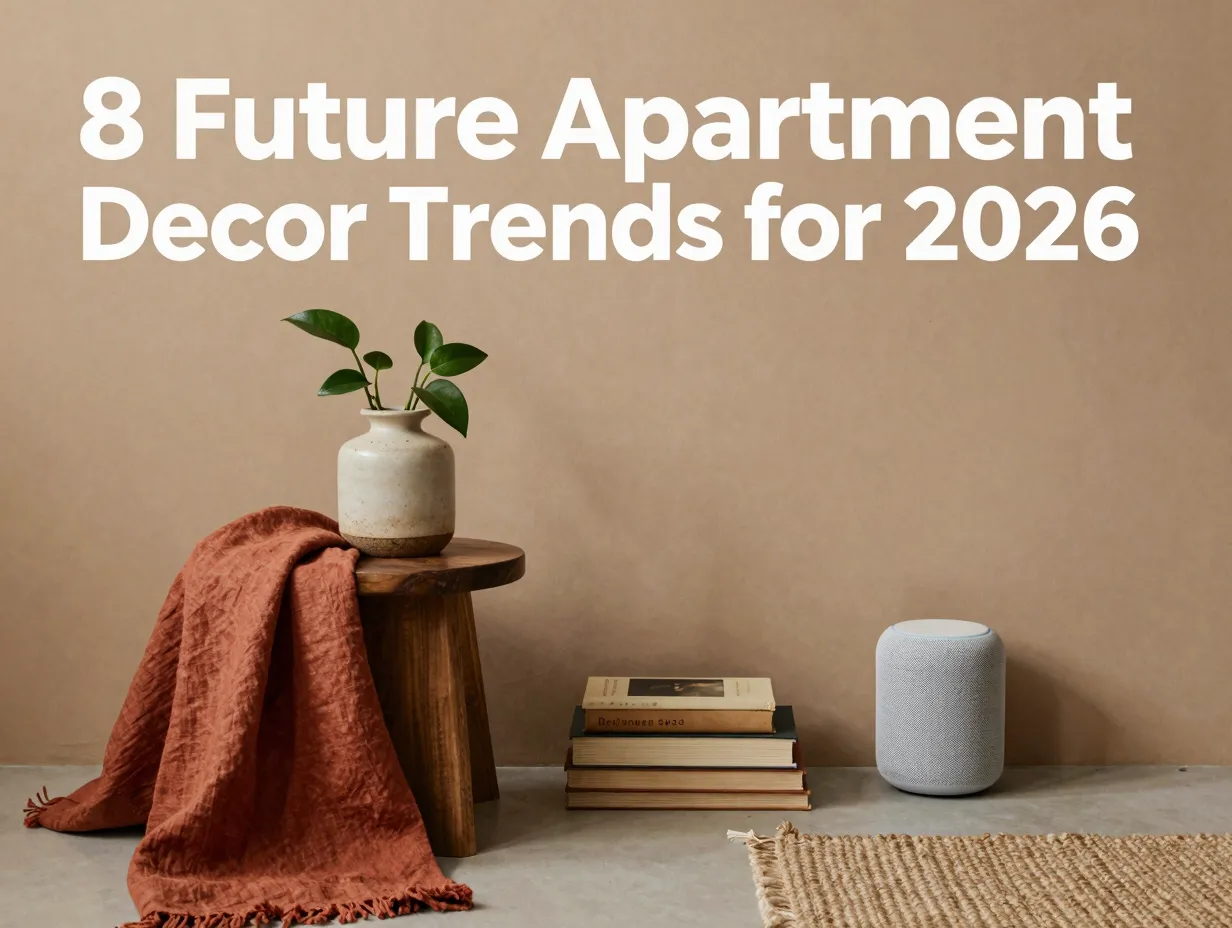
Nearly 44 million households in the United States rent their homes, and a growing number of them are rethinking what “home” actually looks like from the inside out. The era of stark white walls and cold grey palettes is over. In 2026, renters and design enthusiasts alike are demanding spaces that feel personal, warm, and intentional. If you are planning a move or simply ready for a refresh, the 8 Future Apartment Decor Trends to Inspire Your Next Move covered in this guide will give you a clear, actionable roadmap for creating a space that feels genuinely yours.
Disclosure: This post contains affiliate links. As an Amazon Associate, we earn from qualifying purchases, and at no extra cost to you.
Key Takeaways
- Warm, earthy neutrals and brunette wood tones are replacing the cold grey and all-white aesthetic that dominated the past decade.
- “Quiet luxury” and warm minimalism are the dominant moods for apartment interiors in 2026.
- Personality-driven decor, including heritage maximalism and “found” objects, is gaining serious ground.
- Smart storage, multifunctional furniture, and integrated technology are essential for small apartment living.
- Sustainability is no longer a niche preference; it is a core design principle shaping material and product choices.
Why These Apartment Decor Trends Matter Right Now
I remember helping a friend furnish her first apartment two years ago. We spent hours scrolling through grey sofas, white floating shelves, and matte black fixtures. Everything looked the same. The result was a space that felt more like a showroom than a home. That experience is exactly what millions of renters are pushing back against today.
Design professionals and trend analysts agree: the interior design landscape is shifting fast. According to research on 2026 apartment design directions, renters are prioritizing warmth, character, and livability over the sterile minimalism that once dominated social media feeds [7]. The trends emerging this year are not just about aesthetics. They reflect a deeper cultural shift toward comfort, authenticity, and intentional living.
Understanding these trends before your next move can save you money, reduce decision fatigue, and help you build a space that ages well rather than feeling dated in two years.
The 8 Future Apartment Decor Trends to Inspire Your Next Move
1. Warm Earthy Neutrals Replace Cold Grey and White
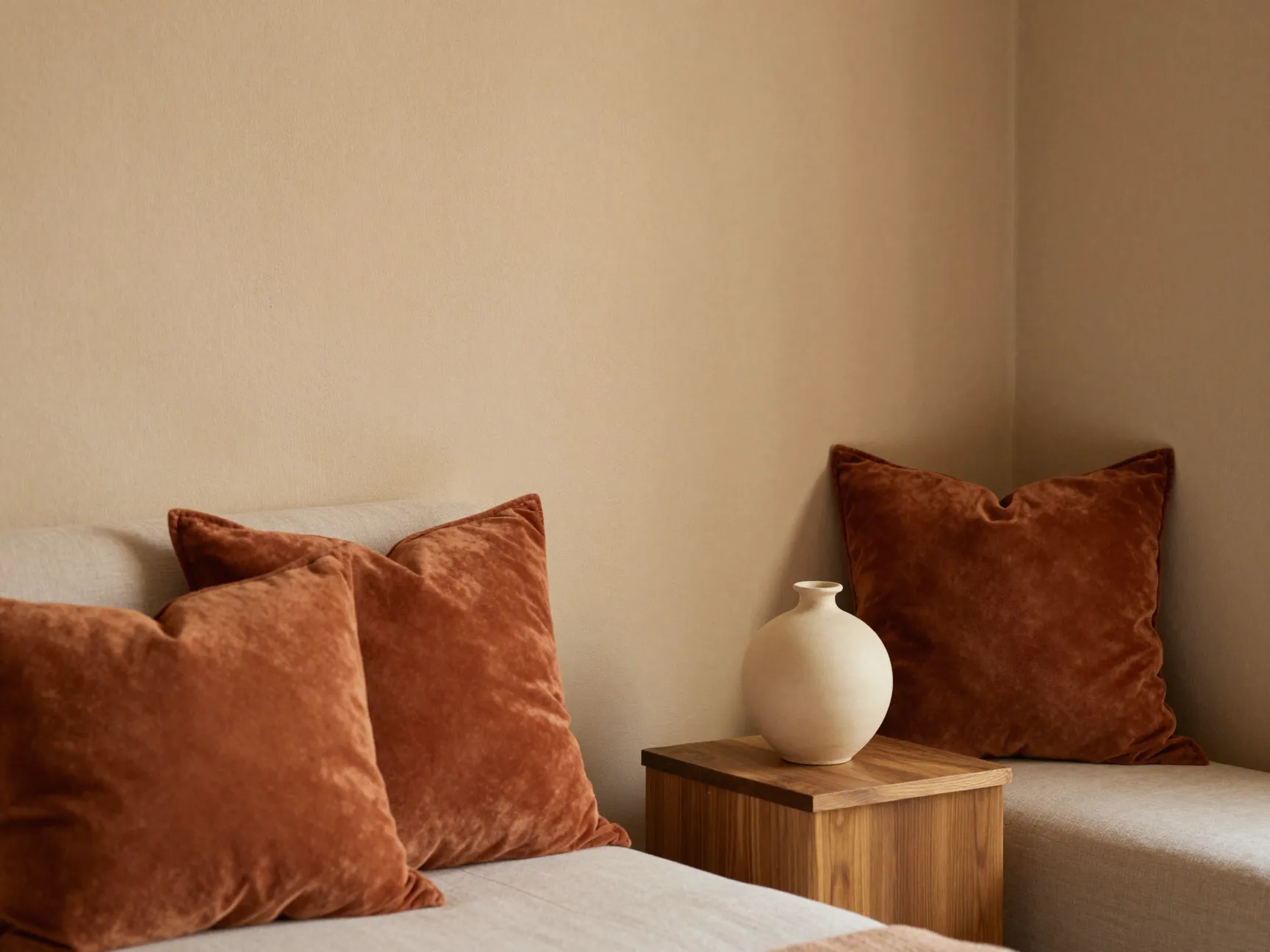
The single biggest shift in 2026 apartment decor is the death of “Millennial grey.” For years, grey walls, grey sofas, and grey everything dominated rental interiors. It was safe, it was neutral, and it was everywhere. Now, warm earthy tones are taking over [6].
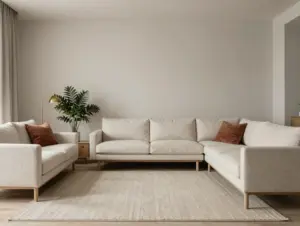
Think terracotta, warm sand, soft ochre, dusty rose, and deep clay. These colors bring a sense of grounding and comfort that cold grey simply cannot deliver. Walls painted in warm linen or biscuit tones make a room feel instantly cozier without sacrificing sophistication.
Practical tips for this trend:
- Swap grey throw pillows for terracotta or rust-toned alternatives.
- Choose warm white (with yellow or pink undertones) over stark cool white for walls.
- Layer different earthy tones in the same room to create depth.
Interior design experts note that this shift is partly driven by a post-pandemic desire for warmth and emotional safety in the home environment [8]. When you spend more time at home, you want it to feel nurturing, not clinical.
2. Brunette Wood Tones and Natural Materials
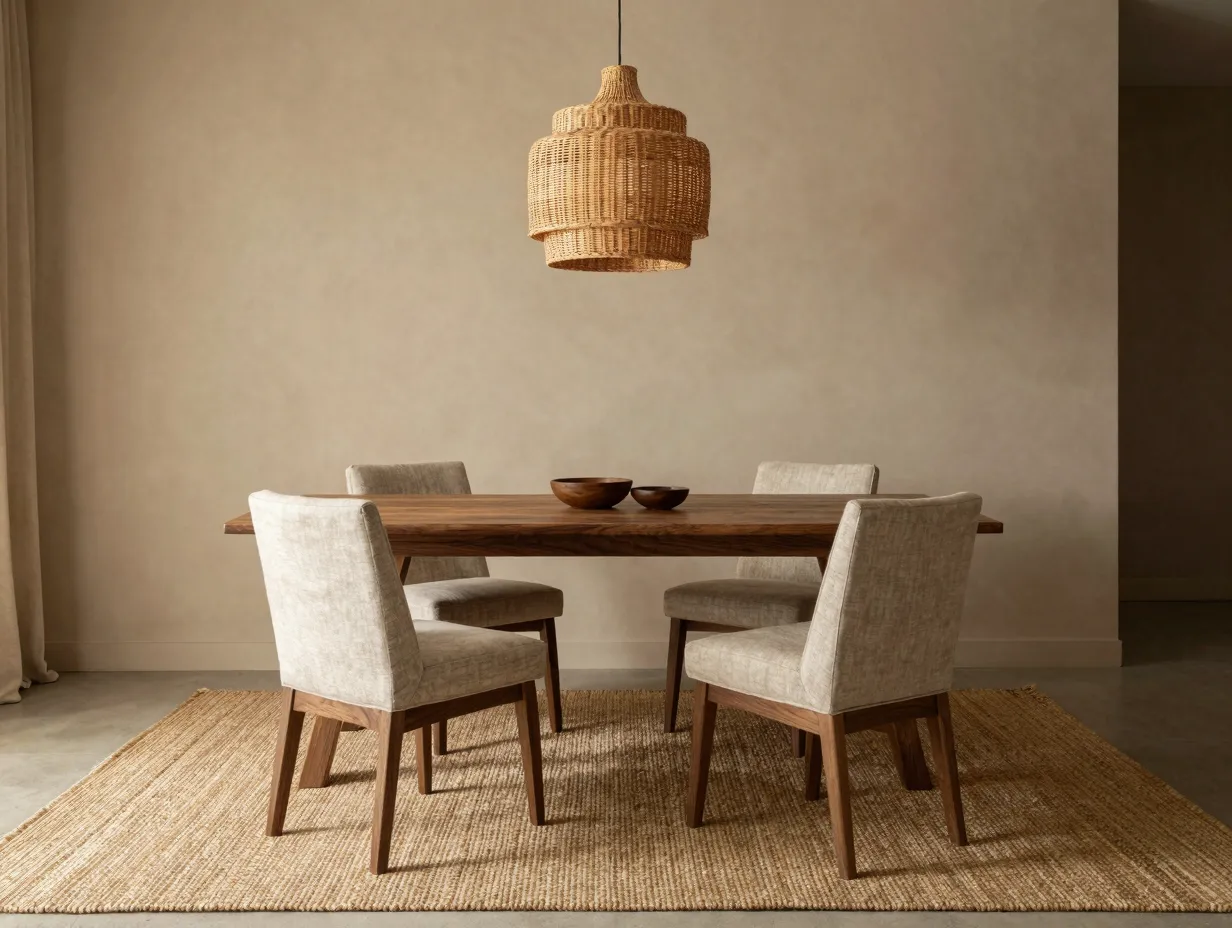
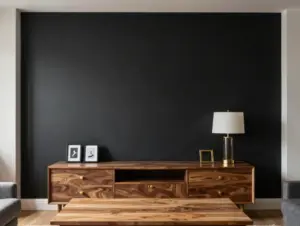
Alongside warm neutrals, brunette wood is having a major moment. Light blonde Scandinavian wood had its run, but richer, darker wood tones in walnut, chestnut, and medium oak are now the preferred choice for apartment furniture and flooring [6].
This trend pairs beautifully with earthy neutrals. A walnut dining table against a warm sand wall creates a layered, organic aesthetic that feels both elevated and lived-in. Natural materials like rattan, jute, linen, and stone are also central to this direction.
| Material | Best Used For | Mood It Creates |
|---|---|---|
| Walnut wood | Tables, shelving, bed frames | Warm, grounded, sophisticated |
| Rattan | Chairs, light fixtures, baskets | Relaxed, organic, textural |
| Linen | Curtains, cushions, upholstery | Soft, airy, timeless |
| Travertine | Side tables, decorative objects | Luxurious, earthy, tactile |
For renters who cannot change flooring, a large area rug in a warm, natural tone can anchor the room and introduce the brunette palette without permanent changes [2].
3. Quiet Luxury and Warm Minimalism
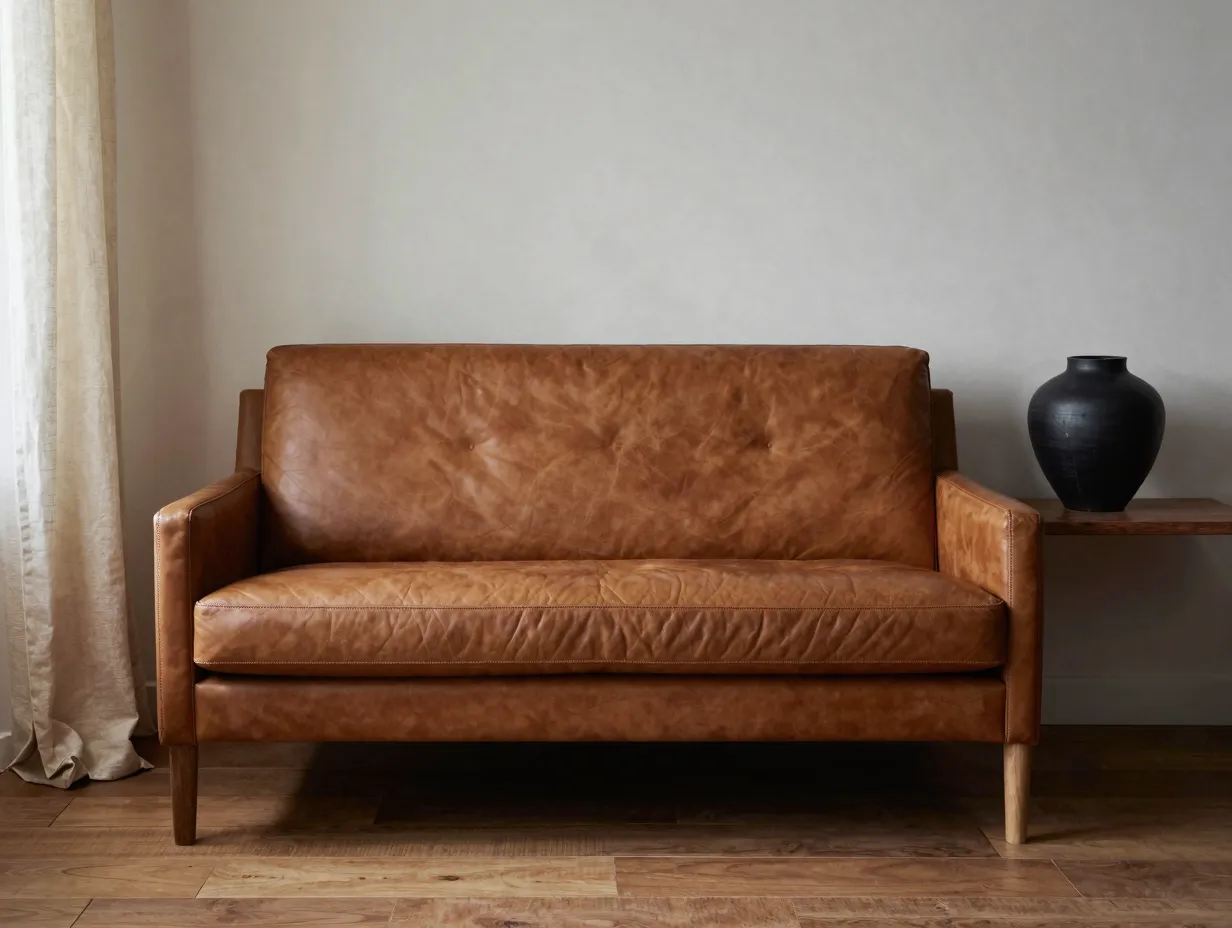
“Quiet luxury” is not a new phrase, but its application to apartment living has become more refined and accessible in 2026. This aesthetic is about restraint, quality, and intention. It is the opposite of maximalism, but it is also the opposite of cold, empty minimalism [7].
Warm minimalism means fewer pieces, but each piece is chosen carefully. A single well-made sofa in a rich camel leather. A handthrown ceramic vase on a walnut shelf. Linen curtains that pool slightly on the floor. Nothing is loud, but everything has presence.
“Quiet luxury is not about spending more. It is about choosing better and editing ruthlessly.”
This trend works particularly well in small apartments because it prevents visual clutter while still feeling personal and warm. The key principles are:
- Choose furniture with clean lines and warm finishes.
- Limit decorative objects to those that genuinely mean something to you.
- Invest in quality textiles: bedding, curtains, and upholstery make the biggest impact.
- Let negative space work for you rather than filling every surface.
Research on small apartment trends confirms that warm minimalism is one of the most searched and pinned aesthetics for urban renters right now [3].
4. Heritage Maximalism and Personality-Driven Decor
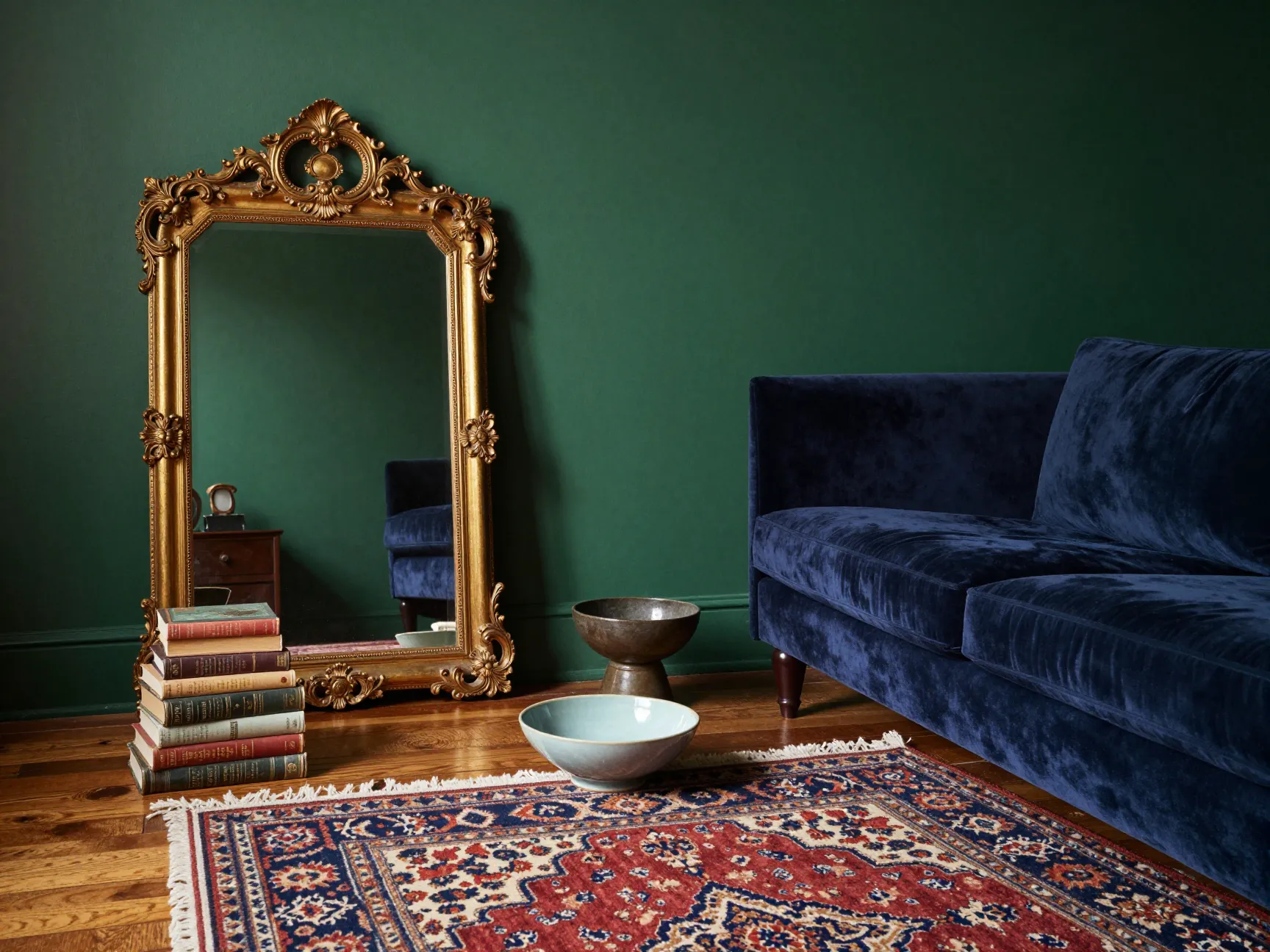
Not everyone wants a quiet, pared-back space. For those who crave personality and richness, heritage maximalism is the answer. This trend is about layering meaningful objects, mixing eras, and creating a space that tells a story [8].
Think antique mirrors leaning against walls painted in deep forest green. Stacks of vintage books alongside modern ceramics. A Persian rug under a contemporary sofa. The “found luxury” concept sits at the heart of this trend: pieces that look like they were collected over time rather than purchased in a single shopping trip.
What makes heritage maximalism work:
- Anchor the room with one strong color on the walls or a large patterned rug.
- Mix textures deliberately: velvet, brass, aged wood, and stone together.
- Display collections rather than hiding them. Books, pottery, and art objects are all fair game.
- Avoid matching sets. Mismatched chairs around a dining table look intentional, not accidental.
This trend is a direct reaction to the algorithm-driven sameness of the past decade. When every apartment looked like it was staged for a real estate listing, people started craving spaces that felt genuinely inhabited [6].
5. Multifunctional and Modular Furniture
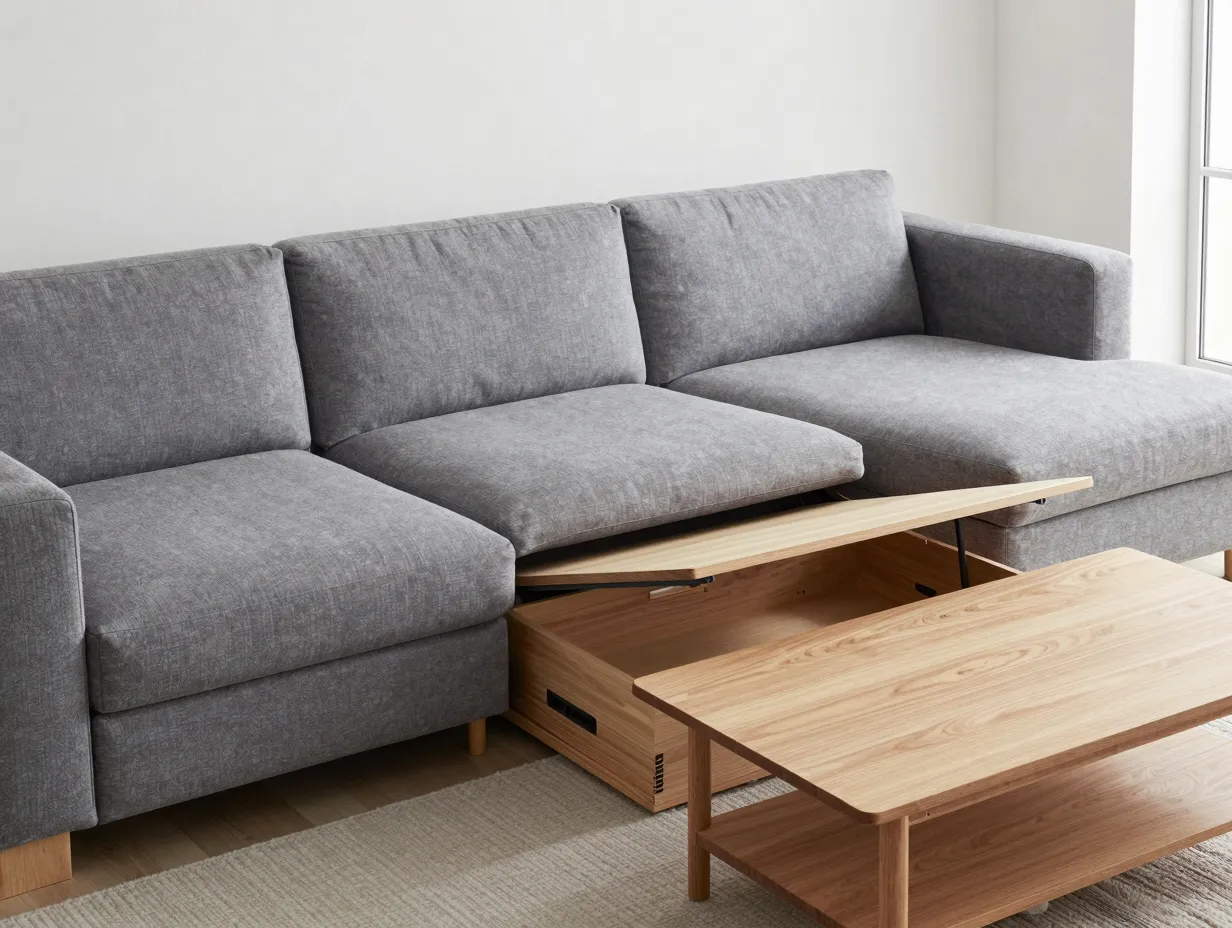
Small apartments are not going anywhere. In fact, urban rental units are trending smaller as construction costs rise and city populations grow. The design response to this reality is smarter, more flexible furniture [9].
Modular sofas that reconfigure for different uses. Dining tables that fold against the wall. Ottomans with hidden storage. Murphy beds that double as shelving units during the day. These are not compromises. In 2026, multifunctional furniture is genuinely well-designed and aesthetically strong [2].
The best multifunctional pieces share a few qualities:
- They look good in their primary configuration without appearing “convertible.”
- They are easy to adjust without tools or significant effort.
- They are built from quality materials that hold up to frequent use.
“The future of small apartment living is not about having less. It is about having smarter.”
Designers are also embracing modular shelving systems that can be reconfigured as your needs change, which is particularly valuable for renters who move frequently [9].
6. Integrated Smart Home Technology
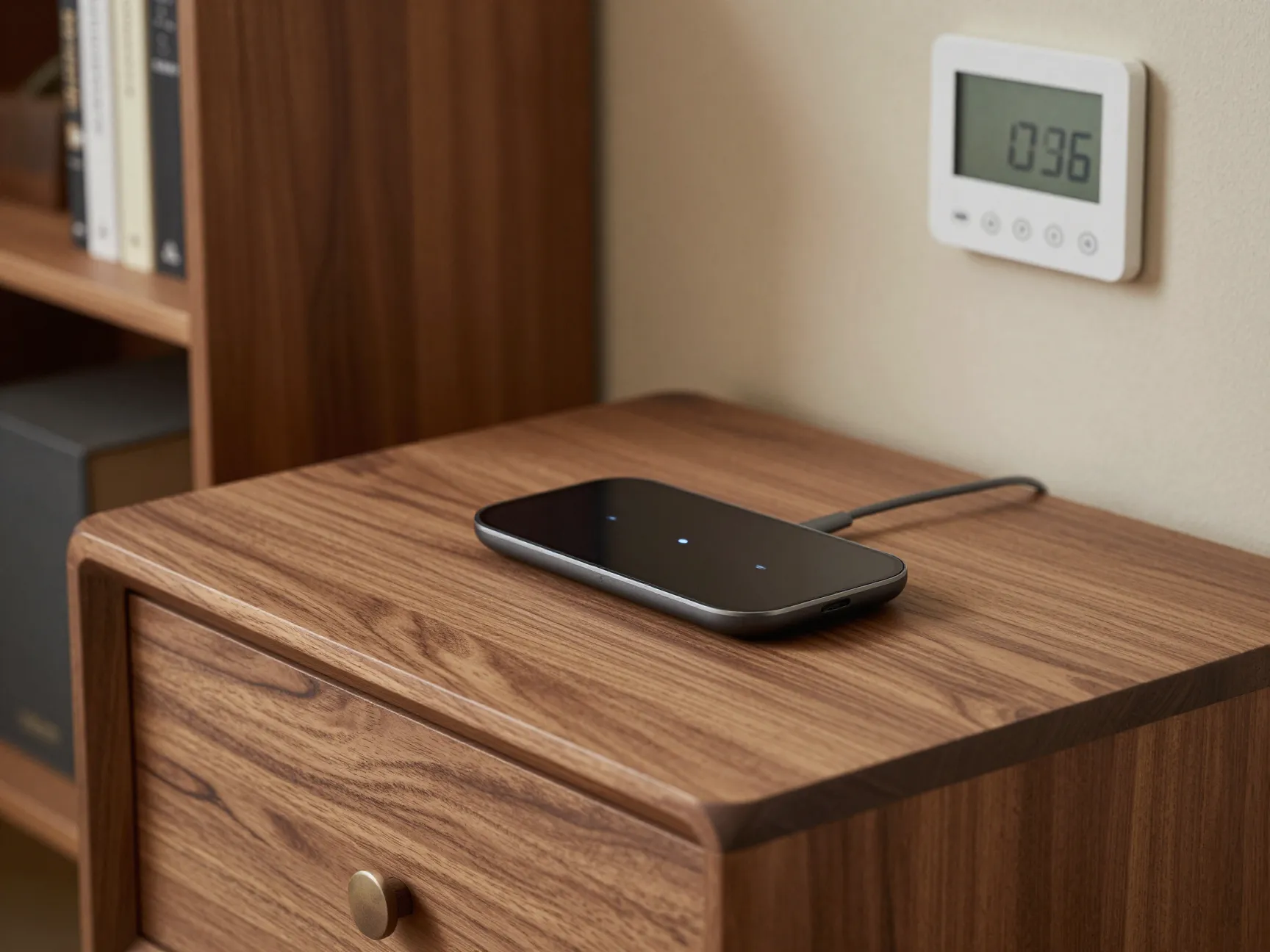
Technology in the home is no longer about gadgets sitting on countertops. In 2026, the best apartment interiors integrate technology so seamlessly that you barely notice it is there [7].
Smart lighting systems that adjust color temperature throughout the day. Wireless charging surfaces built into side tables. Motorized blinds controlled by a phone app. Compact smart speakers embedded in bookshelves. These features are becoming standard expectations rather than luxury additions.
Key smart home elements for apartments:
- Smart lighting with warm dimming capability for evening ambiance.
- Compact air quality monitors that blend into the decor.
- Wireless charging furniture that eliminates cable clutter.
- Smart thermostats with sleek, minimal displays.
- Integrated sound systems that disappear into walls or shelving.
The visual goal is a home that functions brilliantly without looking like a tech showroom. Cables are hidden, devices are minimal, and the overall aesthetic remains warm and human [8].
7. Biophilic Design and Indoor Greenery
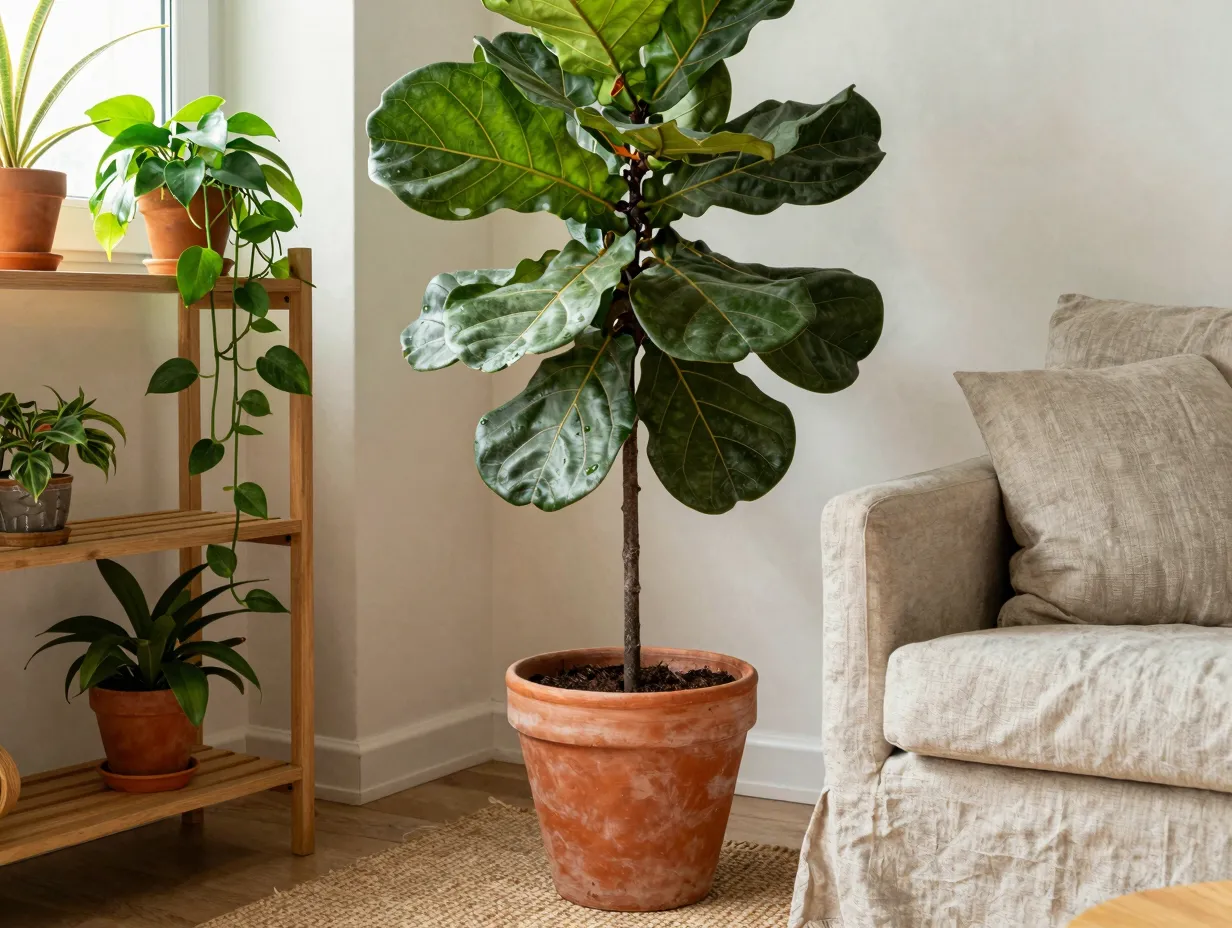
Biophilic design, the practice of connecting interior spaces to nature, has moved from trend to standard in 2026. Research consistently links exposure to natural elements with reduced stress, improved focus, and better sleep quality. Apartment dwellers are taking this seriously [3].
This goes beyond placing a succulent on a windowsill. True biophilic design in an apartment might include:
- A statement indoor tree like a fiddle-leaf fig or olive tree as a focal point.
- Trailing plants on high shelves to add vertical interest.
- Natural stone or wood textures on feature walls.
- Views framed intentionally, with furniture arranged to face windows.
- Natural fiber rugs and textiles that reinforce the organic palette.
For renters in apartments with limited natural light, grow lights designed to look like pendant lamps are a practical and stylish solution. The goal is to make the apartment feel like a living, breathing environment rather than a sealed box [9].
Low-maintenance plants that work well in apartments:
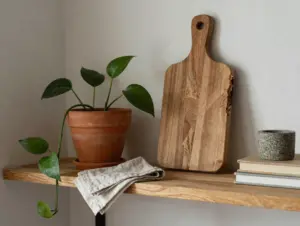
- Pothos (tolerates low light, trails beautifully)
- ZZ plant (nearly indestructible, architectural form)
- Snake plant (air-purifying, sculptural)
- Peace lily (thrives in shade, elegant white blooms)
8. Sustainable and Conscious Material Choices
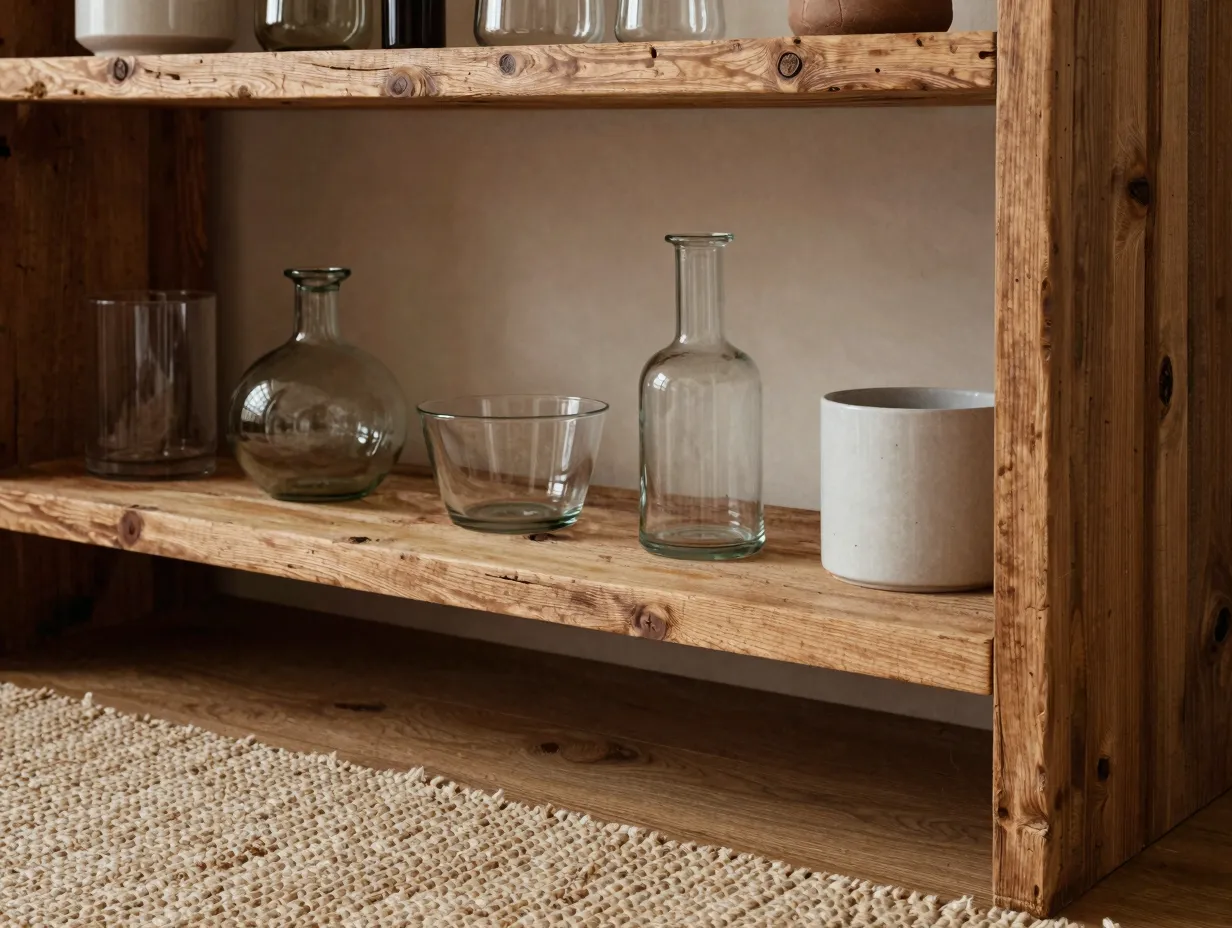
The final trend in this guide on the 8 Future Apartment Decor Trends to Inspire Your Next Move is also the most values-driven. Sustainability has moved from a marketing buzzword to a genuine design principle, and renters are making purchasing decisions accordingly [8].
This means choosing furniture made from reclaimed or responsibly sourced wood. It means buying vintage and secondhand before buying new. It means selecting paints with low volatile organic compound (VOC) content, which matters especially in small, sealed apartment spaces. It means investing in fewer, better pieces rather than cheap, disposable ones.
Sustainable choices that also look great:
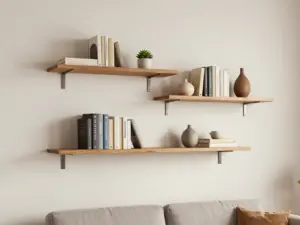
- Reclaimed wood shelving has more character than mass-produced alternatives.
- Vintage furniture is often better made than contemporary fast-furniture equivalents.
- Natural fiber rugs in jute or wool biodegrade and are free of synthetic chemicals.
- Ceramic and glass accessories outlast plastic and look more refined.
The secondhand market for furniture has grown significantly, with platforms making it easier than ever to find quality pieces at accessible prices [7]. This aligns perfectly with the heritage maximalism trend: a vintage find has a story, and that story adds value to your space.
How to Apply These Trends in Your Own Apartment
Understanding the 8 Future Apartment Decor Trends to Inspire Your Next Move is one thing. Applying them in a real rental apartment with a real budget is another. Here is a practical framework for getting started.
Start with the palette. Before buying a single piece of furniture, decide on your color direction. Warm earthy neutrals or deep heritage tones? This decision will guide every other choice.
Audit what you already own. Before your next move, go through your current furniture and accessories. What fits the direction you want to go? What is working against it? Selling or donating pieces that clash with your new direction is the first step toward a cohesive space.
Invest in the big pieces. The sofa, the bed frame, and the dining table will define the room. Spend more here and less on accessories. A well-made sofa in a warm neutral will outlast trends and look better over time.
Layer in personality gradually. Heritage maximalism does not happen overnight. Build your space over time, adding meaningful objects as you find them rather than buying everything at once.
Use plants as a budget-friendly impact move. A large indoor plant can transform a corner of a room for a fraction of the cost of a piece of furniture. Start with one statement plant and build from there.
Conclusion
The 8 Future Apartment Decor Trends to Inspire Your Next Move covered in this guide share a common thread: they are all about making your space feel more human. Warmer, more personal, more intentional, and more connected to the natural world. The cold, sterile interiors of the past decade are giving way to spaces that prioritize comfort, character, and genuine livability.
Whether you are drawn to the calm restraint of quiet luxury, the layered richness of heritage maximalism, or the practical intelligence of modular furniture, there is a direction here that fits your life and your budget.
Your actionable next steps:
- Choose one trend from this list that resonates most strongly with you.
- Identify three changes you can make in your current space within the next 30 days.
- Before your next purchase, ask whether it fits your chosen direction and whether it will last.
- If you are planning a move, use these trends as a filter when evaluating potential apartments. Natural light, wall color flexibility, and storage potential matter more than ever.
The best apartment decor is not the most expensive or the most fashionable. It is the kind that makes you feel genuinely at home the moment you walk through the door.
References
[1] Watch – https://www.youtube.com/watch?v=hyeejsCiQcA
[2] Small Apartment Trends 2026 – https://renohacks.com/posts/small-apartment-trends-2026
[3] Small Apartment Decorating Ideas 2026 – https://www.warmcazza.com/post/small-apartment-decorating-ideas-2026
[4] Watch – https://www.youtube.com/watch?v=iH932mHOLMM
[5] Watch – https://www.youtube.com/watch?v=bC9eMIjMH7s
[6] Apartment Interior Design Trends On The Way Out In 2026 And Whats Staying – https://a-d.com.au/buying-living/lifestyle/apartment-interior-design-trends-on-the-way-out-in-2026-and-whats-staying
[7] Whats Out And Whats In 2026 Design Trends For Apartment Living – https://www.camdenliving.com/blog/whats-out-and-whats-in-2026-design-trends-for-apartment-living
[8] Interior Design Trends 2026 – https://www.decorilla.com/online-decorating/interior-design-trends-2026
[9] Small Room Trends 2026 – https://www.homesandgardens.com/interior-design/small-room-trends-2026
[10] Watch – https://www.youtube.com/watch?v=YBq8f3kxAs0