8 Small Garden Design Ideas That Are Beautiful And Low Maintenance
Only 38 percent of urban homeowners in the United States have a garden space larger than 200 square feet, yet the demand for outdoor living has never been higher. The result is a growing wave of creative, compact garden design that proves you do not need a sprawling backyard to create something genuinely beautiful. These 8 small garden design ideas that are beautiful and low maintenance are built around one core truth: the less effort your garden demands from you, the more you will actually enjoy it.
Disclosure: This post contains affiliate links. As an Amazon Associate, we earn from qualifying purchases, and at no extra cost to you.
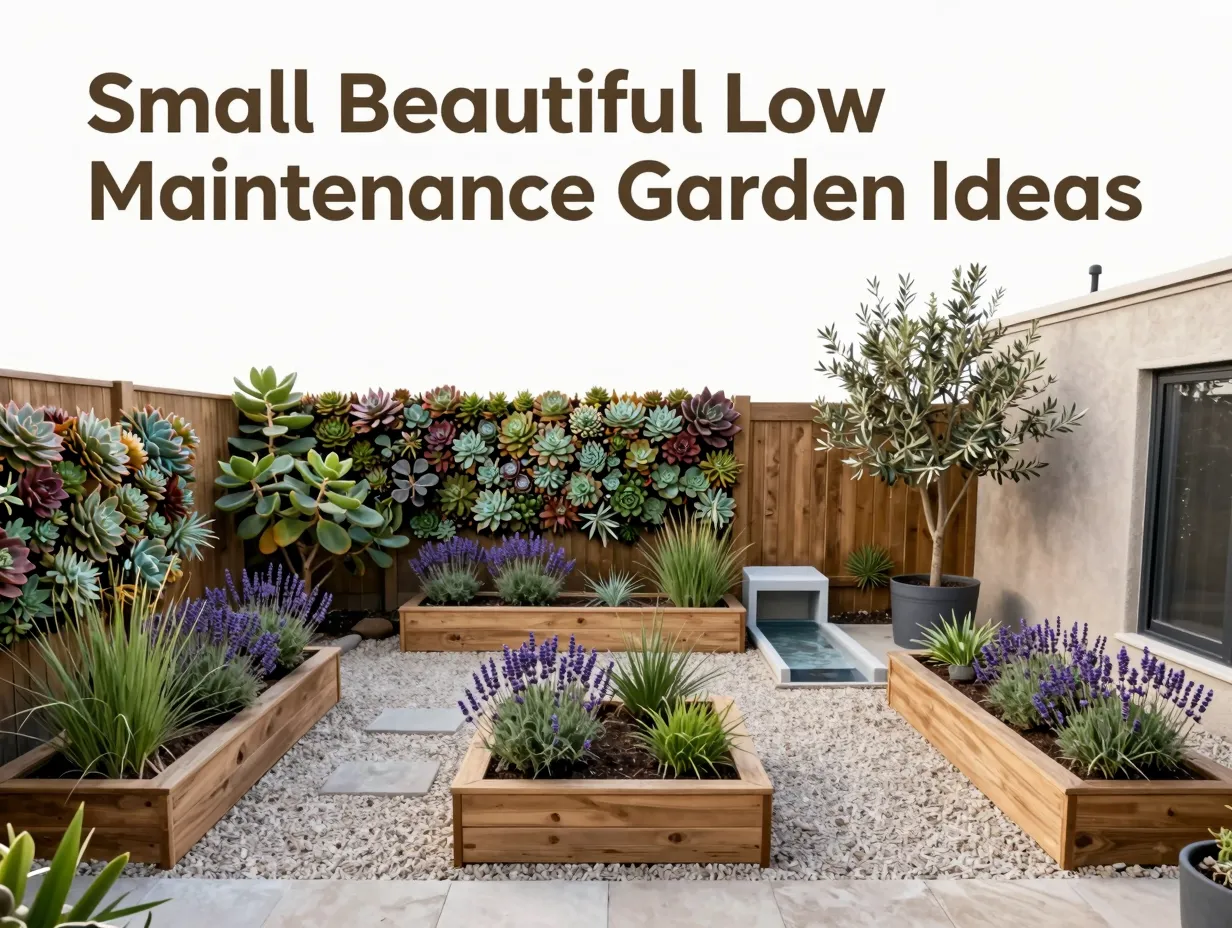
I have spent years working with homeowners who feel guilty about neglected outdoor spaces. The problem is almost never a lack of care, it is a lack of the right design strategy. When you build a garden around low-maintenance principles from the start, the beauty takes care of itself.
Key Takeaways
- Replacing traditional lawn with gravel, decomposed granite, or hardscape surfaces dramatically cuts weekly maintenance time
- Choosing drought-tolerant and native plants reduces watering needs and supports local ecosystems
- Vertical growing structures and raised beds maximize planting space in small footprints
- Mulching and ground cover plants suppress weeds naturally, reducing the need for chemical intervention
- Smart design choices made once, like drip irrigation and perennial planting, pay off for years
Why These 8 Small Garden Design Ideas That Are Beautiful And Low Maintenance Actually Work
Before diving into the specific ideas, it helps to understand the design philosophy behind them. Low-maintenance gardening is not about doing less, it is about designing smarter. Every idea in this list reduces one or more of the three biggest time drains in garden care: watering, weeding, and mowing [7].
A well-designed small garden also works with your climate rather than against it. Native plants, for example, have adapted to local rainfall patterns over thousands of years. They do not need you to compensate for what nature already provides [3]. That is the foundation of every idea below.
1. Replace Lawn With Gravel or Decomposed Granite
Traditional lawn is one of the most maintenance-intensive surfaces you can put in a small garden. It needs mowing every one to two weeks, regular edging, seasonal feeding, and consistent watering. For a small garden, this is a poor return on effort.
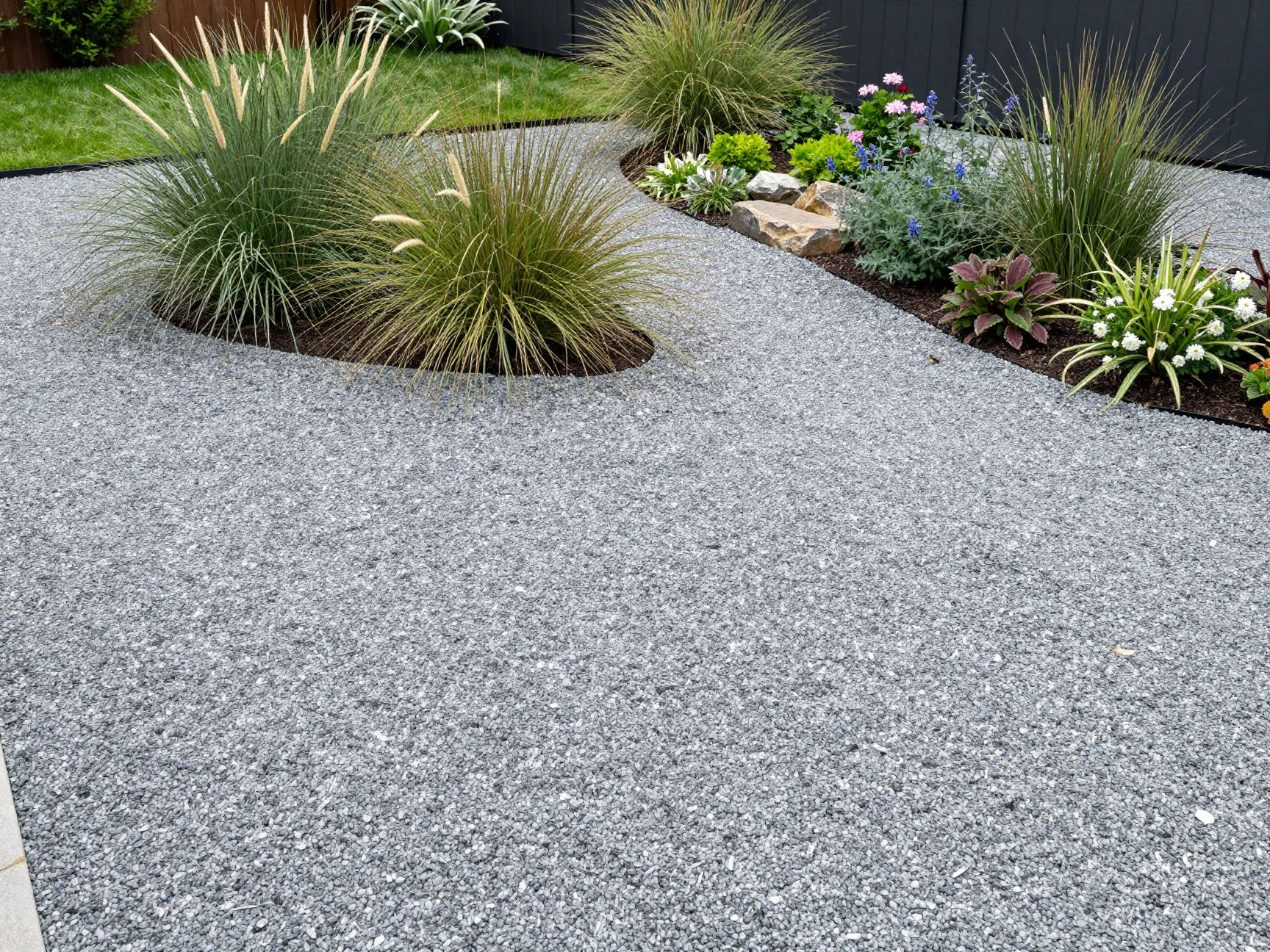
Replacing lawn with gravel, pea gravel, or decomposed granite is one of the most recommended low-maintenance strategies for small gardens in 2026 [1][7]. Decomposed granite and pea gravel typically cost between $40 and $100 per cubic yard, making them affordable as well as practical [1]. Laid over a weed-suppressing membrane, these surfaces require almost no ongoing care beyond an occasional rake.
What makes this work visually: Gravel surfaces create a clean, contemporary aesthetic. Pair them with island planting beds, raised clusters of ornamental grasses or drought-tolerant perennials, to add texture and color without adding maintenance [9]. The contrast between loose stone and structured planting is genuinely striking.
“The single most impactful change you can make to a small garden is removing the lawn. Everything else becomes easier after that.”
A client of mine in a narrow terraced property replaced a 12-foot strip of patchy lawn with decomposed granite and three raised planting beds. She went from spending two hours a week on garden maintenance to less than 30 minutes. The garden looked better within a month.
2. Build Raised Beds for Organized, Easy-Care Planting
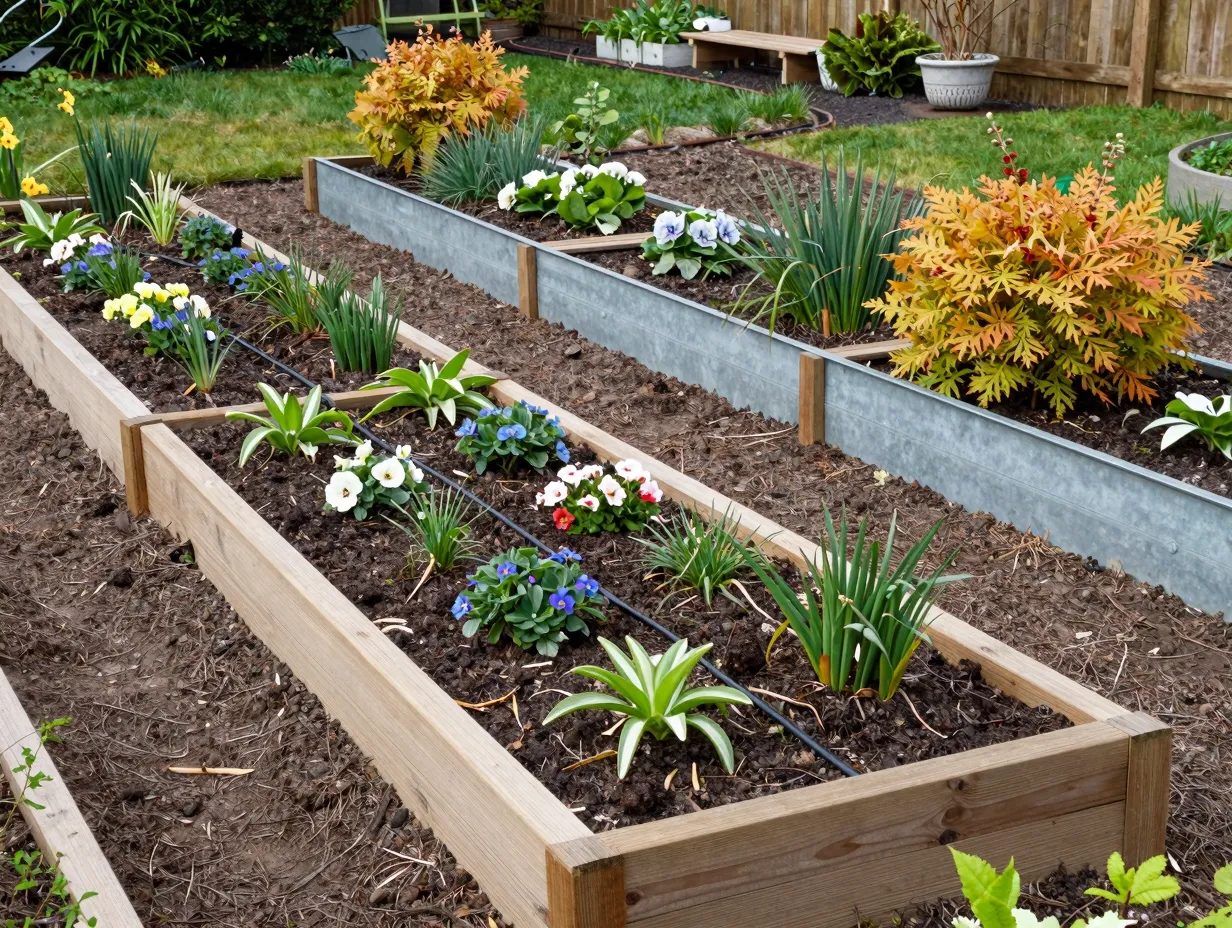
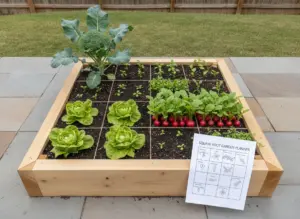
Raised beds are a cornerstone of low-maintenance small garden design for several reasons. They improve drainage, warm up faster in spring, and, critically, keep weeds out far more effectively than ground-level planting [4]. When you fill a raised bed with quality compost-rich soil, you are giving plants the best possible start with minimal ongoing intervention.
For small gardens, raised beds also solve a spatial problem. They create clear visual boundaries between planting zones and hardscape, making even a compact space feel intentional and organized [5].
Practical tips for raised beds in small gardens:
- Keep beds no wider than four feet so you can reach the center without stepping in
- Use rot-resistant materials like cedar, composite lumber, or galvanized steel
- Install drip irrigation lines inside the bed at the build stage, retrofitting is much harder
- Fill with a mix of topsoil, compost, and perlite for excellent drainage and fertility
Raised beds also make succession planting easier, which means you can rotate seasonal color without major digging or disruption. Plant spring bulbs, follow with summer perennials, and finish with autumn sedums, all within the same contained structure [6].
3. Choose Drought-Tolerant and Native Plants
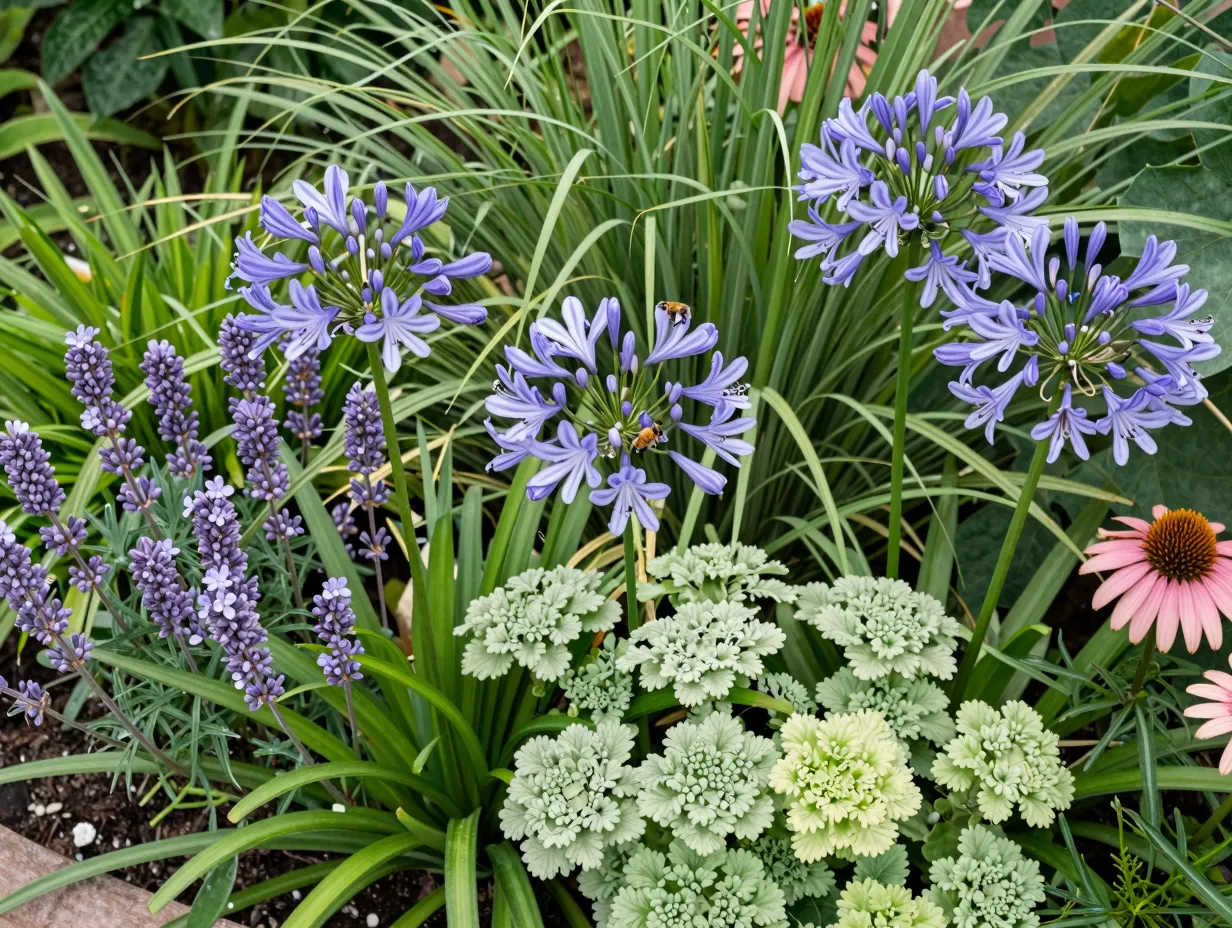
Plant selection is where most small garden maintenance problems begin. When homeowners choose plants based purely on looks without considering their water and care needs, they create a garden that fights them constantly.
Drought-tolerant plants, including lavender, sedum, agapanthus, ornamental grasses, and echinacea, are among the best choices for beautiful low-maintenance small gardens [3][7]. These plants have evolved to thrive with minimal supplemental watering once established. Most need only occasional deadheading and an annual cut-back to look their best.
Native plants take this principle even further. Because they have adapted to your specific regional climate, soil type, and rainfall patterns, they support local pollinators and wildlife while demanding very little from you [7]. In 2026, native planting has moved firmly into mainstream garden design, it is no longer a niche ecological choice but a genuine aesthetic movement.
A simple drought-tolerant plant palette for small gardens:
| Plant | Sun Requirement | Water Needs | Height |
|---|---|---|---|
| Lavender | Full sun | Very low | 60-90 cm |
| Sedum | Full sun | Very low | 15-45 cm |
| Ornamental Grass | Full to partial | Low | 30-120 cm |
| Echinacea | Full sun | Low | 60-90 cm |
| Agapanthus | Full sun | Low, moderate | 60-100 cm |
4. Install a Vertical Garden or Living Wall
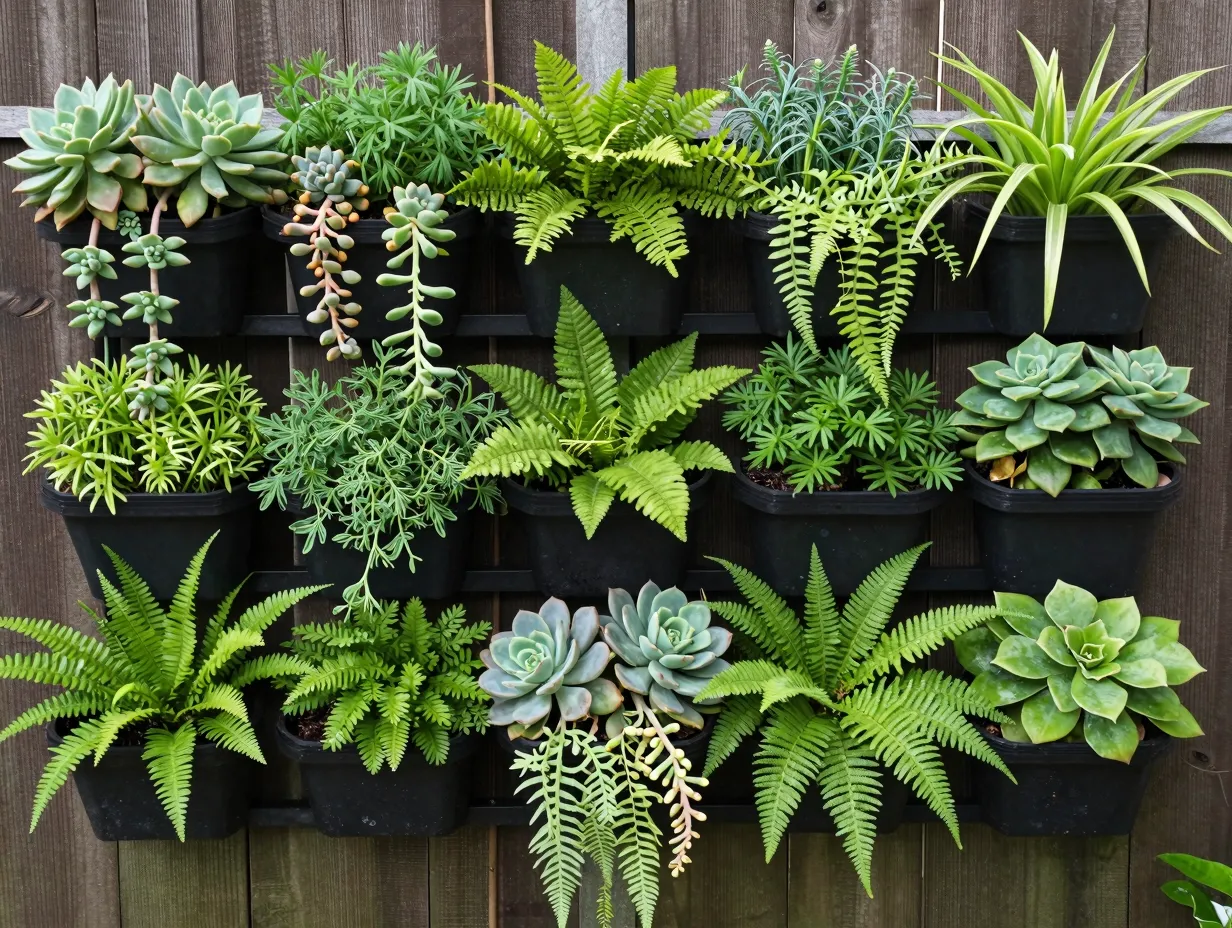
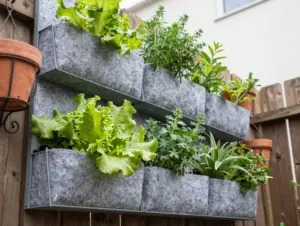
When horizontal space is limited, the solution is to go vertical. A vertical garden or living wall transforms a bare fence, boundary wall, or exterior surface into a lush planting feature, without using any additional floor space [5][6].
Modular pocket planter systems make this easier than ever in 2026. You can mount them on almost any surface and plant them with a mix of trailing plants, ferns, compact succulents, or herbs. The visual impact is immediate and dramatic.
Low-maintenance vertical garden plant choices:
- Trailing succulents (echeveria, sempervivum), minimal watering required
- Ferns, thrive in shaded wall positions
- Herbs (thyme, rosemary, mint), practical and fragrant
- Ivy and creeping fig, self-supporting and vigorous
The key to keeping a vertical garden low-maintenance is installing a drip irrigation system behind the panels from the start [3]. Manual watering of a living wall is time-consuming and easy to neglect. A timer-controlled drip system eliminates that entirely.
One important note: choose your plant mix carefully based on the wall’s sun exposure. A south-facing wall needs drought-tolerant, sun-loving plants. A north-facing wall suits ferns and shade-tolerant trailing varieties.
5. Use Mulch and Ground Cover Plants to Suppress Weeds
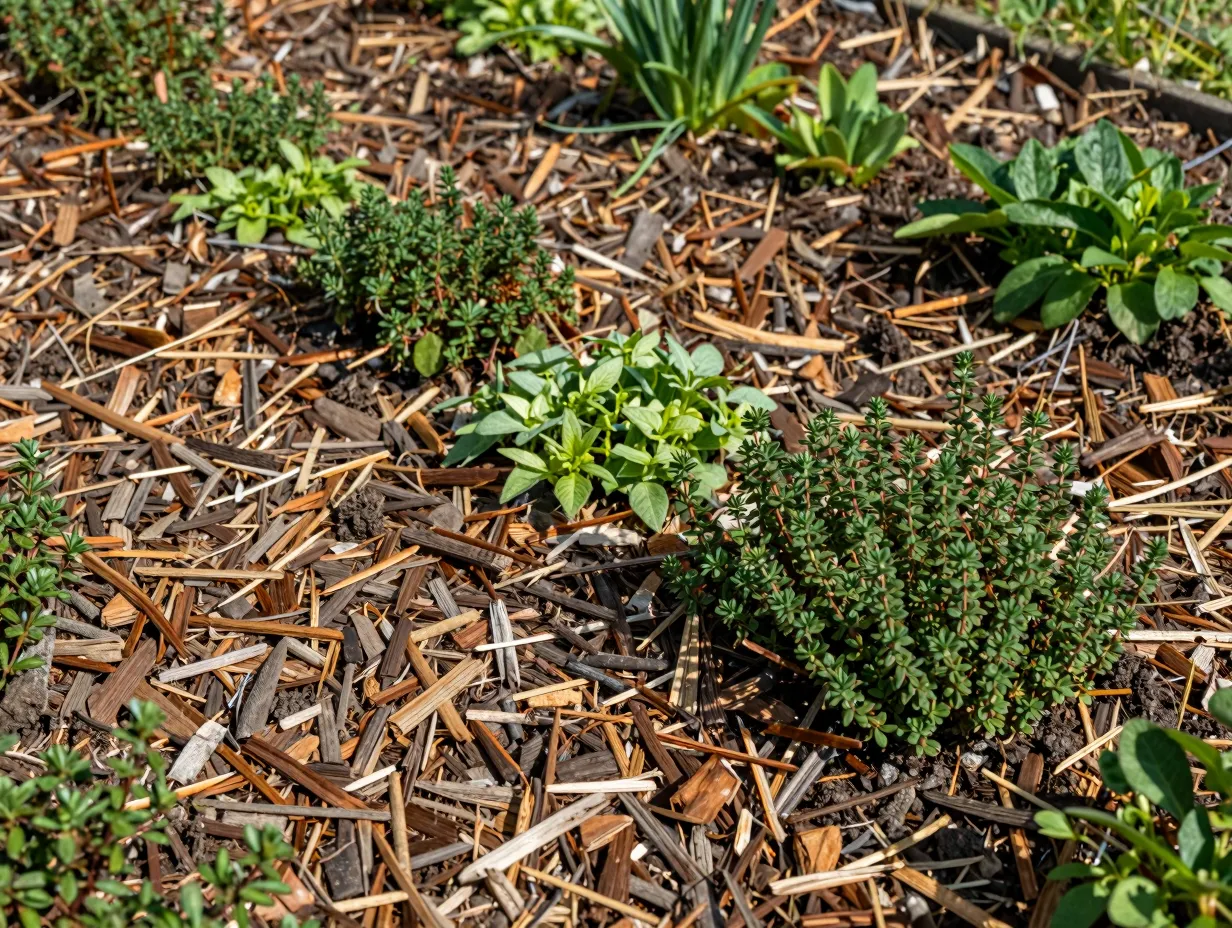
Weeding is the task most gardeners dread most, and it is almost entirely preventable with the right design choices. A two-to-three inch layer of organic mulch (bark chips, wood chips, or cocoa shell) laid around plants suppresses weed germination by blocking light from reaching the soil surface [7].
Beyond mulch, low-growing ground cover plants are a living, self-renewing weed barrier. Plants like creeping thyme, ajuga, vinca minor, and epimedium spread to fill gaps between larger plants, leaving no bare soil for weeds to colonize [4][6].
The mulch and ground cover combination works on two levels:
- It dramatically reduces weeding time, often by 80 percent or more
- It retains soil moisture, which means less frequent watering
For small gardens, this is particularly valuable because every square foot of bare soil is a potential weed opportunity. Ground cover plants also add texture, seasonal interest, and in the case of creeping thyme, fragrance when walked on.
Refresh your mulch layer once a year, typically in early spring, and your weeding commitment drops to almost nothing for the rest of the season.
6. Create a Minimalist Paved Courtyard With Container Planting
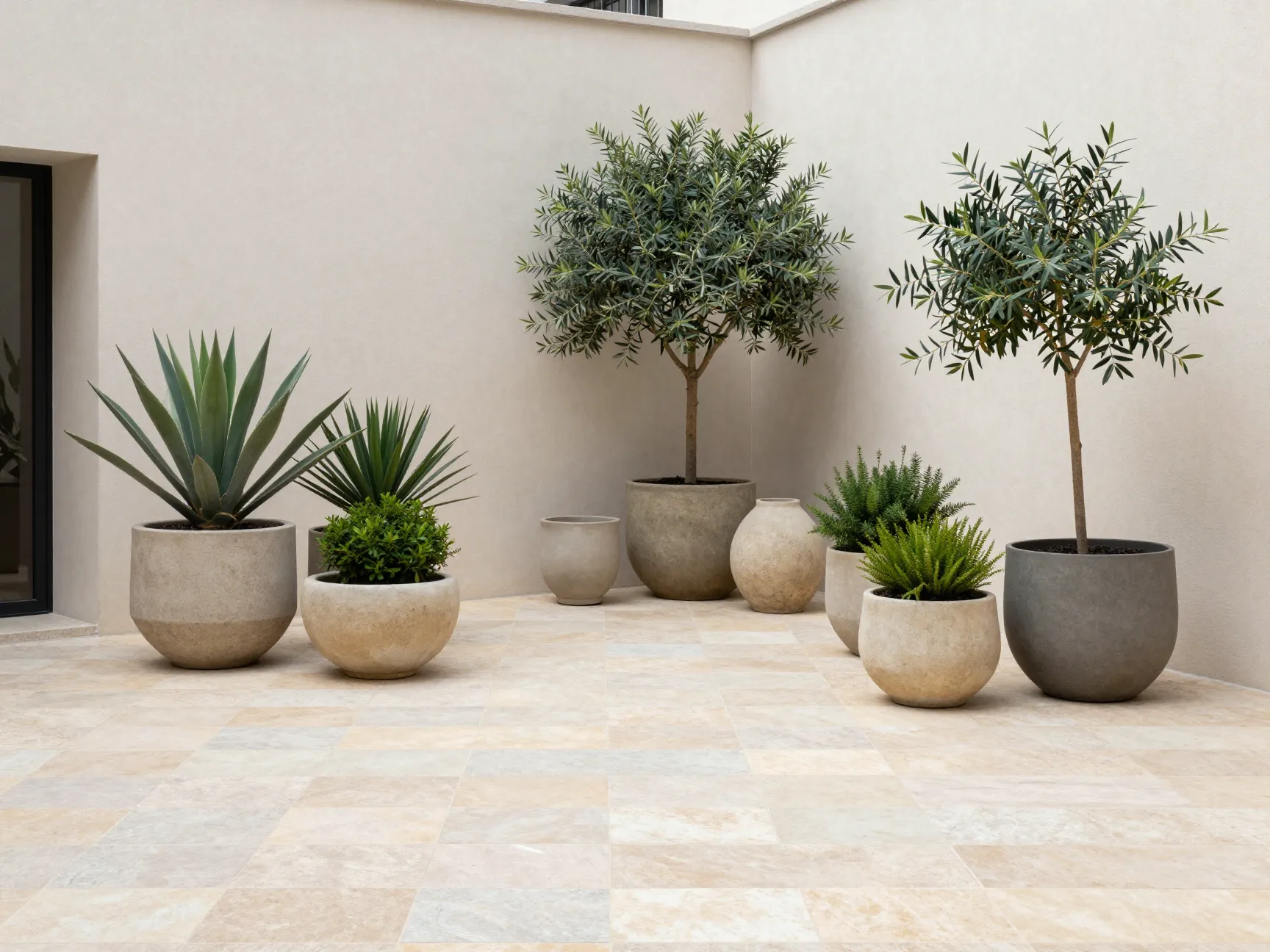
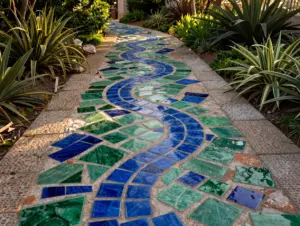
A paved courtyard garden is one of the most elegant and genuinely low-maintenance approaches to small garden design [5][8]. By replacing most of the planting area with quality paving, natural stone, porcelain tiles, or reclaimed brick, you create an outdoor living space that needs almost no maintenance beyond occasional sweeping.
The planting is concentrated in containers, which gives you complete control. You can move pots to follow the sun, swap out seasonal displays, and water only what needs watering rather than managing a full border.
Container planting tips for low-maintenance courtyard gardens:
- Choose large containers over small ones, they dry out less quickly
- Use self-watering pots or install a drip irrigation system on a timer
- Plant with slow-growing, architectural plants: agave, cordyline, olive trees, bay laurel
- Group containers in odd numbers for a more natural, less formal look
The minimalist courtyard aesthetic is particularly well-suited to urban small gardens where a clean, uncluttered look is the goal [5]. A single well-chosen specimen tree in a large pot, a multi-stem olive or a clipped bay standard, can anchor the entire space with genuine visual authority.
7. Add a Simple Water Feature for Atmosphere Without Effort
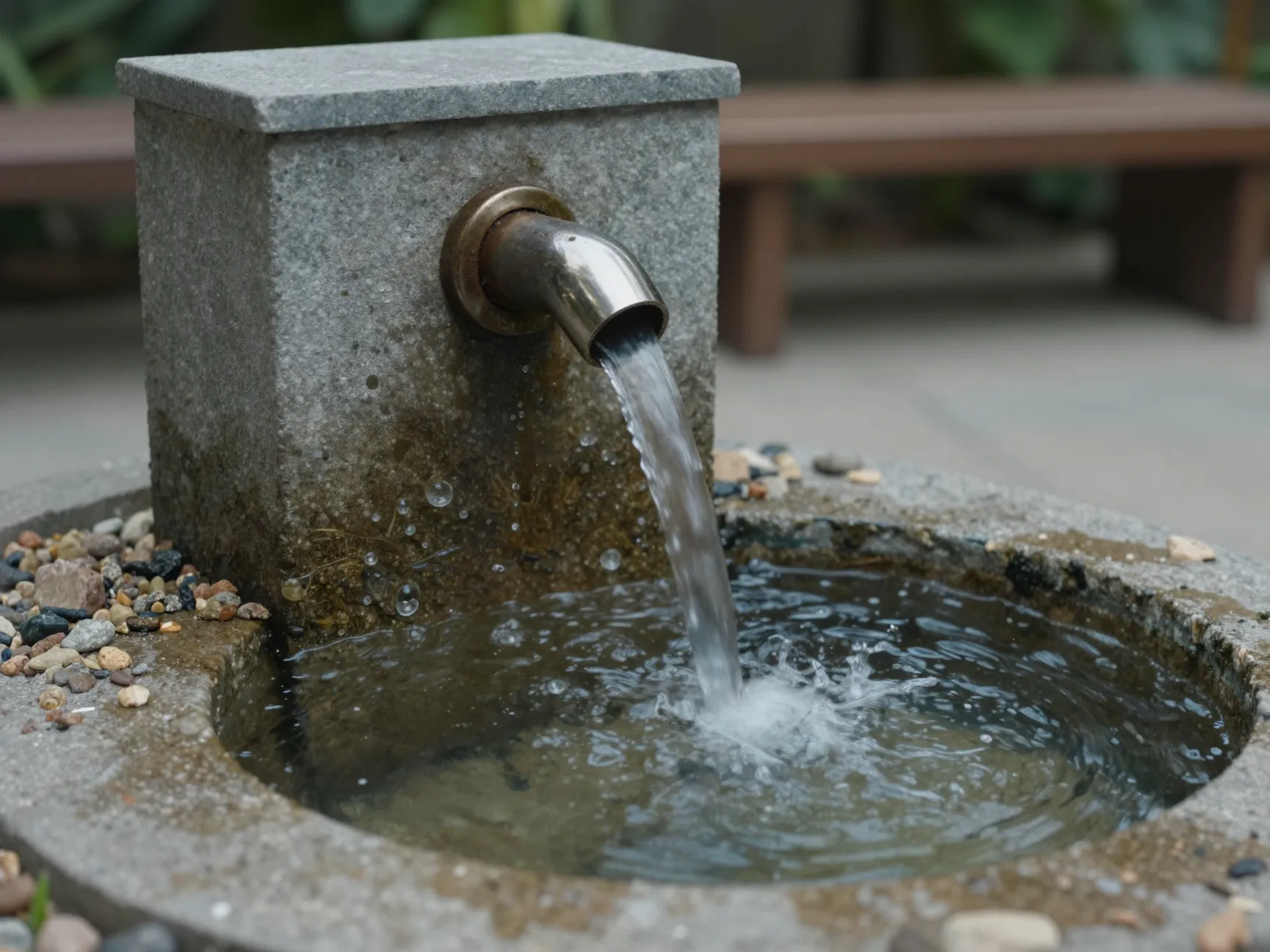
A water feature sounds like a maintenance headache, but modern self-contained units have changed that entirely. A solar-powered or low-voltage pump recirculates the same water continuously, meaning there is no connection to mains water and no ongoing water bill [4].
Small water features, a millstone fountain, a wall-mounted spout into a trough, or a simple bubble feature set into gravel, add sound, movement, and atmosphere to a small garden without demanding significant upkeep [6]. The main maintenance tasks are topping up the water reservoir in dry weather and cleaning the pump filter once or twice a year.
Why a water feature improves a small garden:
- The sound of moving water masks urban noise, making the space feel more private
- It attracts birds and beneficial insects, adding natural life to the garden
- It creates a focal point that draws the eye and anchors the design
- It adds a sensory dimension that plants alone cannot provide
Position your water feature where you will see and hear it from your main seating area. In a small garden, even a modest feature has significant impact because the space is intimate enough that every element is noticed.
8. Design With Evergreen Structure and Seasonal Accents
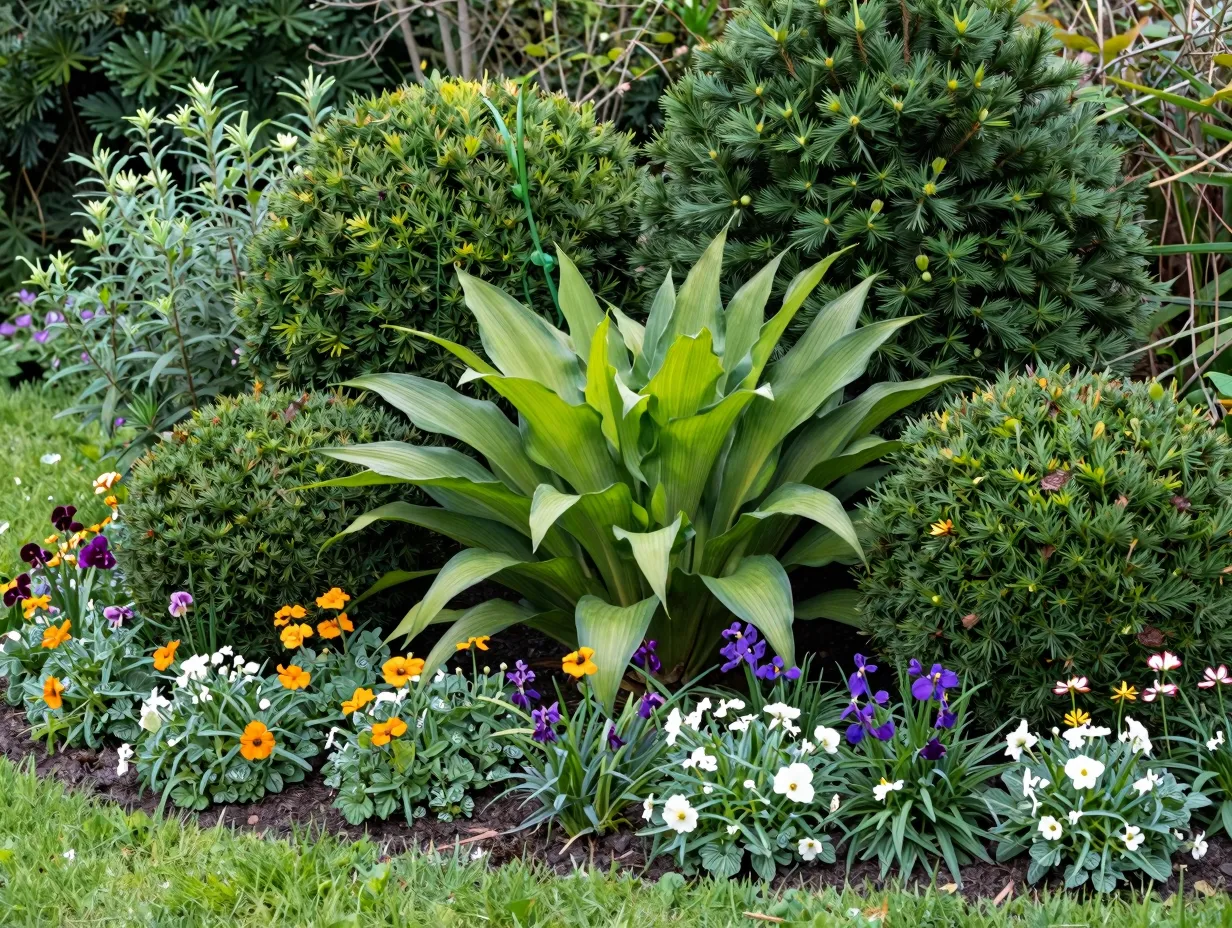
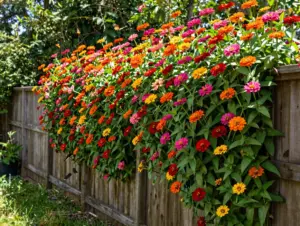
The final idea ties all the others together. A garden that relies too heavily on seasonal plants requires constant replanting, deadheading, and replacement. A garden built on a strong evergreen structure, with seasonal color added as an accent, maintains its good looks year-round with minimal intervention [3][6][7].
Evergreen structural plants provide the backbone: clipped box spheres, phormiums, pittosporum, fatsia japonica, and ornamental grasses that hold their form through winter. Around and between these anchors, you layer seasonal accents, spring bulbs, summer perennials, autumn berries, that come and go without disrupting the overall composition.
Building an evergreen structure for a small garden:
- Choose three to five key structural plants that will define the space in every season
- Position them first, then fill gaps with seasonal interest
- Opt for slow-growing varieties to reduce pruning frequency
- Use repetition, the same plant appearing two or three times, to create visual coherence
This approach is how professional garden designers create gardens that look intentional and beautiful in January as well as July [6]. The structure does the heavy lifting; the seasonal accents provide the excitement.
I have seen this principle transform genuinely difficult small gardens, narrow side returns, shaded urban courtyards, awkward corner plots, into spaces that feel considered and calm regardless of the season.
How to Combine These 8 Small Garden Design Ideas That Are Beautiful And Low Maintenance
The real power of these ideas comes from combining them. You do not need to implement all eight at once, in fact, a phased approach often produces better results because you can see how each element performs before adding the next.
A practical starting sequence for most small gardens:
- Remove the lawn and lay gravel or paving (this is the highest-impact single change)
- Install raised beds or large containers with drought-tolerant planting
- Mulch all planted areas heavily
- Add structural evergreen plants to anchor the design
- Install drip irrigation on a timer
- Add a vertical element, a living wall or climbing plant on a trellis
- Introduce a simple water feature as a focal point
- Refine with seasonal accents and container displays
Each step builds on the last. By the time you have worked through this sequence, you will have a garden that genuinely takes care of itself for most of the year [1][3][7].
Common mistakes to avoid:
- Choosing plants that are too large for the space, they create maintenance problems within two to three seasons
- Skipping the weed-suppressing membrane under gravel, weeds will come through within one season
- Installing a water feature without easy access to the pump for cleaning
- Planting in containers that are too small, they dry out daily in summer and stress plants
Conclusion
A small garden does not have to mean a compromised garden. The 8 small garden design ideas that are beautiful and low maintenance covered in this article share a common thread: they replace reactive maintenance with proactive design. When you choose the right surfaces, the right plants, and the right structures from the beginning, the garden works with you rather than against you.
Your actionable next steps:
- Audit your current garden for the single biggest time drain (usually lawn or bare soil)
- Research two or three drought-tolerant native plants suited to your climate zone
- Price up gravel or decomposed granite for any lawn areas you want to convert
- Invest in a timer-controlled drip irrigation system before the next growing season
- Visit a local garden center and identify three structural evergreen plants for your space
The best small garden is not the most elaborate one, it is the one you actually have time to enjoy. Start with one idea from this list, implement it well, and build from there. The results will surprise you.
References
[1] Small Garden Ideas – https://dgfloors.com/small-garden-ideas/
[3] Low Maintenance Small Garden Design Ideas – https://sundayflat.com/blog/low-maintenance-small-garden-design-ideas/
[4] 8 Low Maintenance Gardens Youll Love – https://dailymom.com/nest/8-low-maintenance-gardens-youll-love/
[5] Small Garden Ideas 211951 – https://www.homesandgardens.com/spaces/decorating/small-garden-ideas-211951
[6] Small Garden Design Ideas – https://www.gardenersworld.com/how-to/maintain-the-garden/small-garden-design-ideas/
[7] 10 Ways To A Low Maintenance Garden – https://www.rhs.org.uk/garden-inspiration/get-gardening/10-ways-to-a-low-maintenance-garden
[8] Watch – https://www.youtube.com/watch?v=_dAP3ckGR2I
[9] Watch – https://www.youtube.com/watch?v=e6M92u-aIo8