8 Stunning Staircase Side Wall Design Ideas You’ll Love
The staircase side wall is the most-walked-past surface in any home, yet fewer than one in five homeowners actively decorate it. That single oversight can make an otherwise beautiful interior feel unfinished. The good news: the 8 stunning staircase side wall design ideas you’ll love in this guide require no structural changes, suit almost every budget, and can transform a forgettable corridor into the most talked-about feature in your home.
Disclosure: This post contains affiliate links. As an Amazon Associate, we earn from qualifying purchases, and at no extra cost to you.
Whether your staircase is a tight, narrow climb or a sweeping open-plan statement, the side wall is a canvas waiting for your vision. I have spent time researching the latest 2026 interior trends, consulting professional sources, and pulling together the most practical, high-impact ideas so you can make a confident decision.
Key Takeaways
- Textured wall treatments such as fluted panels, limewash, and stone-effect cladding are the leading staircase side wall trend in 2026, adding depth without structural work.
- A personalized gallery wall is still one of the most cost-effective and emotionally resonant ways to animate a staircase side wall.
- Mirrors are the single fastest fix for dark or narrow stairwells, amplifying natural light and visually expanding the space.
- Layered lighting, including wall sconces and LED strips, turns a plain side wall into a softly lit architectural feature.
- Floating shelves and built-in storage combine practicality with style, making them especially valuable in compact homes.
Why Your Staircase Side Wall Deserves More Attention
Most people treat the staircase as purely functional. You go up, you come down, and the wall beside you barely registers. But interior designers consistently point to the staircase zone as one of the highest-visibility areas in a home, because it is a transition space that every occupant and guest passes through multiple times a day.
Think about the last time you visited a beautifully designed home. Chances are, the staircase made an impression, even if you could not immediately explain why. That impression almost always comes from what is happening on the side wall, whether it is a dramatic gallery arrangement, a richly textured surface, or a softly glowing sconce casting warm shadows over paneling.
The 8 stunning staircase side wall design ideas you’ll love below are drawn from current professional guidance and real-world applications. Each one is scalable, meaning you can invest as much or as little as your budget allows and still achieve a result that looks intentional and polished.
The 8 Stunning Staircase Side Wall Design Ideas You’ll Love
1. Warm Textured Feature Walls
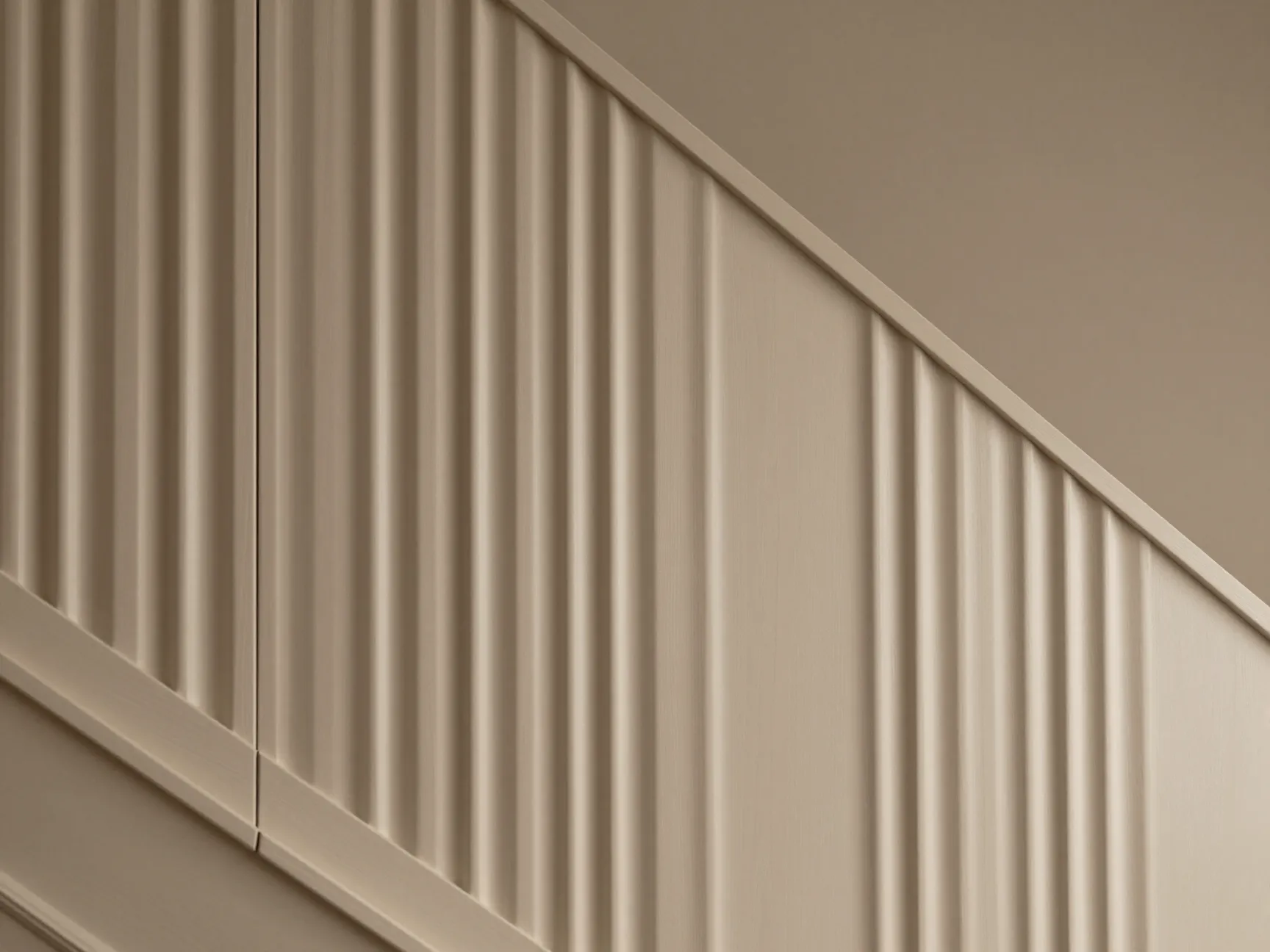
The single biggest staircase side wall trend in 2026 is texture. Fluted panels, limewash plaster, wood strips, stone-effect tiles, and 3D wall finishes are all “increasingly popular,” particularly for creating visual volume in otherwise narrow stairwells [1]. The appeal is straightforward: a flat, painted wall reads as background. A textured wall reads as a deliberate design choice.
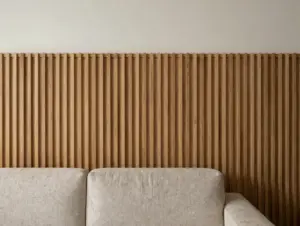
Fluted panels are perhaps the most versatile option. Available in MDF, real oak, and PVC, they can be painted any color or left in their natural finish. Mounted vertically, they draw the eye upward, making low ceilings feel taller. Mounted horizontally, they create a sense of width in tight corridors.
Limewash paint is a softer, lower-cost alternative. It applies in layers, each slightly different in tone, producing an organic, aged-plaster effect that photographs beautifully and ages gracefully. No specialist skills are required for a basic application.
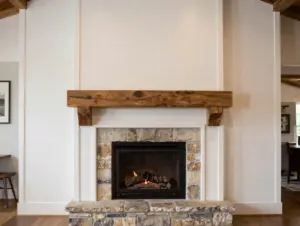
For a bolder statement, full-height stone-effect cladding or textured concrete-look tiles on the side wall can achieve what Simpolo describes as a “hotel-lobby” aesthetic in a modern home [2]. These materials are heavier and require professional installation, but the result is genuinely architectural.
“A textured staircase side wall does not just look different. It changes how the entire staircase feels to move through.”
Quick comparison of popular textured finishes:
| Finish | Approximate Cost | DIY-Friendly | Best For |
|---|---|---|---|
| Fluted MDF panels | Low to mid | Yes | Modern, Scandi, transitional |
| Limewash paint | Low | Yes | Rustic, Mediterranean, organic |
| Stone-effect tiles | Mid to high | No | Bold, contemporary, luxury |
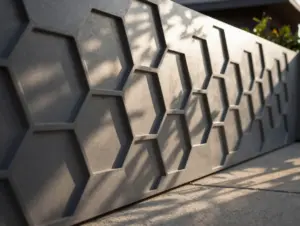
| 3D wall panels | Mid | Yes | Geometric, feature-focused |
| Wood strip cladding | Mid | Yes | Warm, natural, Japandi |
2. Personalized Gallery Walls
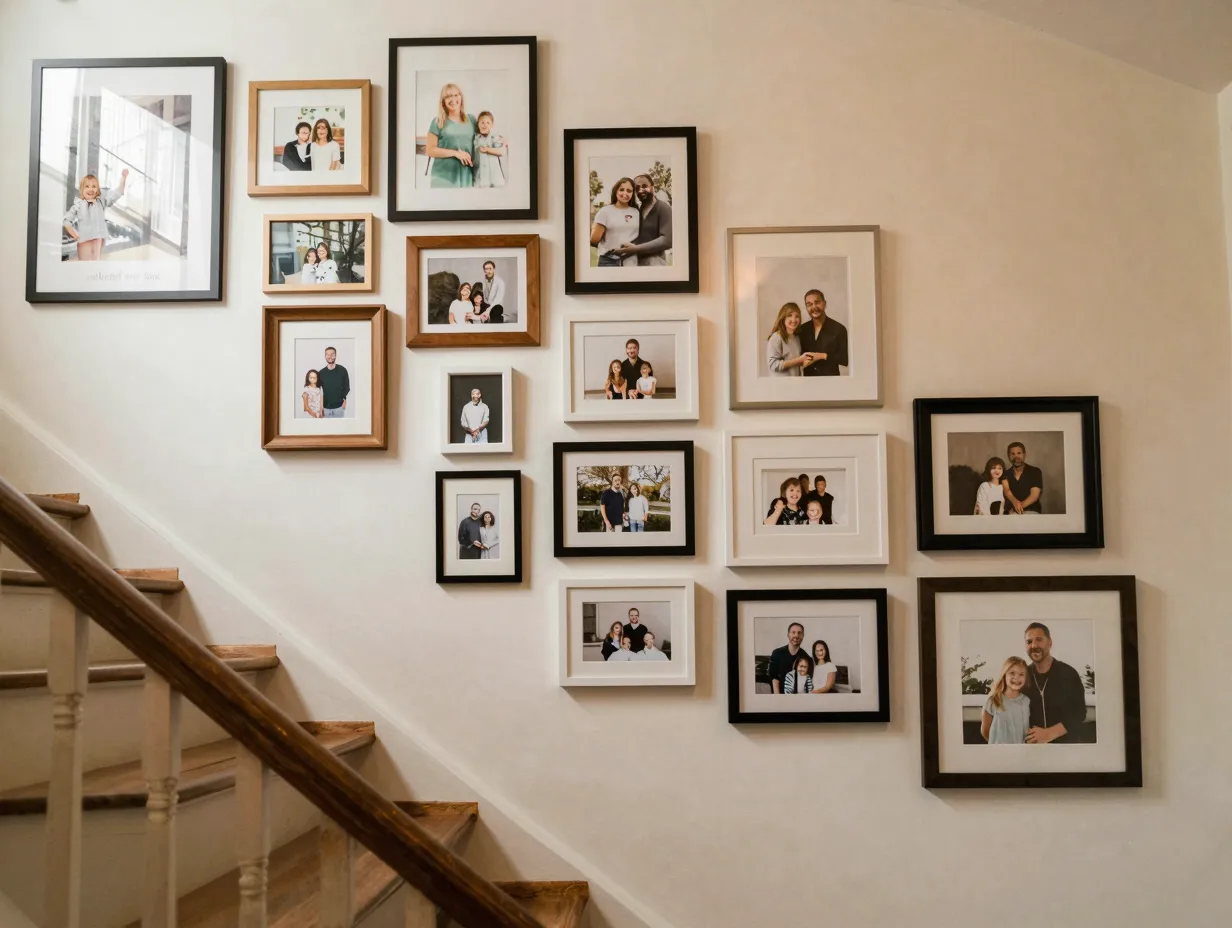
A gallery wall on the staircase side wall is not a new idea, but the way people are executing it in 2026 has shifted significantly. The rigid, perfectly symmetrical grid of matching black frames has given way to something far more relaxed and personal [1].
The current approach mixes family photographs, sketches, art prints, and even pressed botanicals across different frame styles, sizes, and finishes. The Spruce recommends grouping watercolor pieces, vintage portraits, or neutral-toned prints into varied frames to create a “collected over time” look that feels authentic rather than curated [3].
I personally find this approach more satisfying to live with. A gallery wall that looks like it evolved organically over years tells a story. One that looks like it was ordered as a set from a home decor retailer tells a different, less interesting story.
Practical tips for a relaxed gallery wall:
- Start with your largest piece and build outward from there.
- Mix frame depths, not just sizes. A deep box frame next to a slim profile frame adds physical dimension.
- Leave breathing room between frames. Overcrowding flattens the effect.
- Use paper templates taped to the wall before hammering a single nail.
- Mixtiles and similar flexible tile systems allow you to swap out seasonal themes, such as holiday, spring, or vacation collections, without reinstalling hardware [5].
The staircase is also an ideal location for a chronological family photo display, arranged so the timeline progresses as you climb. It is a simple concept that guests consistently find moving and memorable.
3. Mirrors to Amplify Light and Space
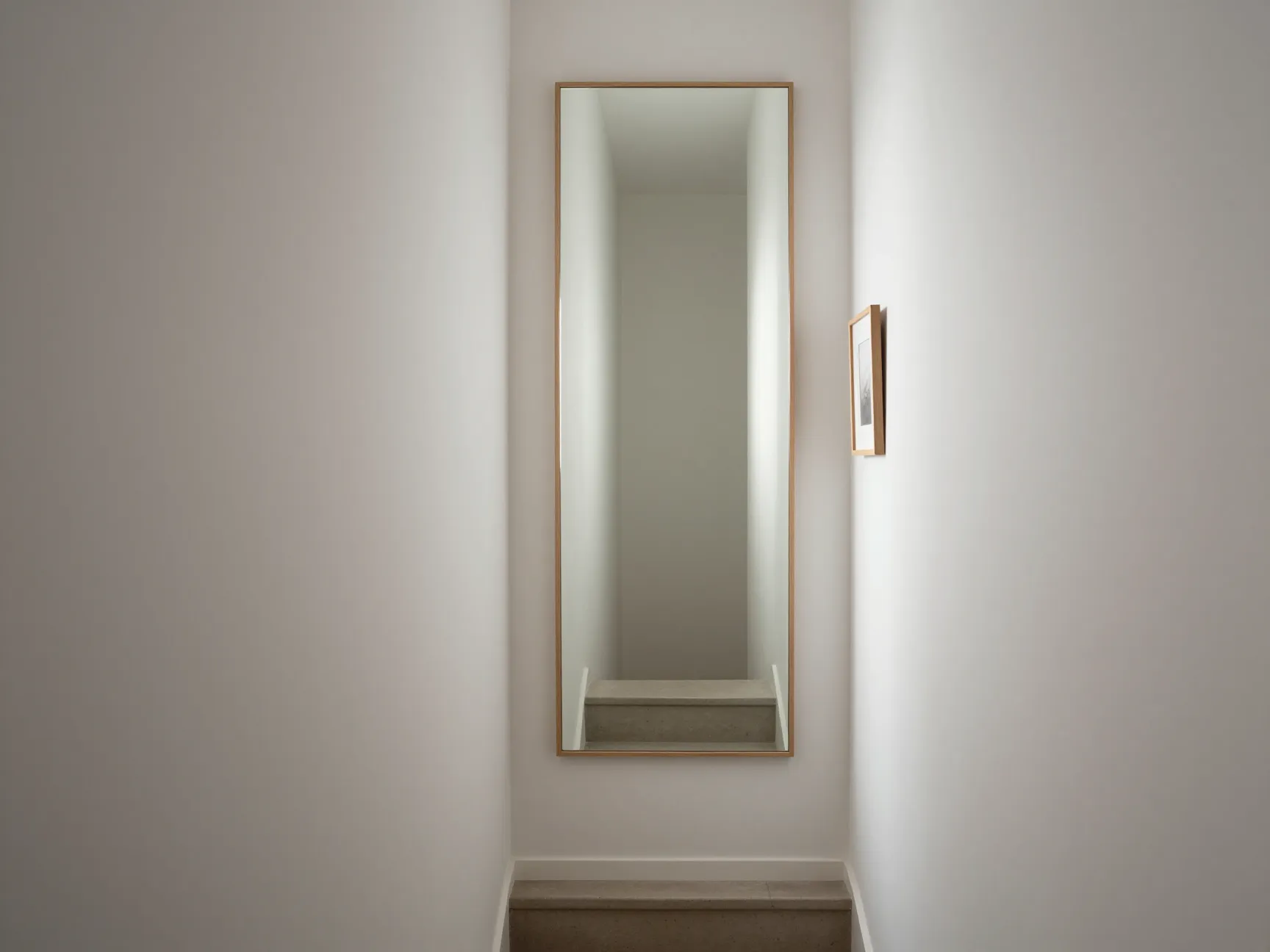
If your staircase feels dark, cramped, or both, a well-placed mirror on the side wall is the fastest and most effective fix available. Orientbell lists “illusion of space with mirrors” as the number one staircase wall idea specifically because of how dramatically a mirror can alter the perceived dimensions of a narrow stairwell [6].
The science is simple. Mirrors reflect both natural and artificial light, bouncing it deeper into the space. They also create a visual depth that tricks the eye into reading the wall as further away than it actually is. In a tight stairwell, this effect can feel genuinely transformative.
Homes and Gardens advises hanging a mirror alongside artwork to enhance light while adding subtle decorative detail [7]. This pairing works especially well when the mirror and art share a common frame finish, creating cohesion without rigidity.
Choosing the right mirror for your staircase side wall:
- Tall, narrow mirrors suit corridor-style staircases and emphasize vertical height.
- Arched or oval mirrors soften angular architecture and add a sculptural quality.
- Grouped small mirrors in varied shapes create a gallery-like arrangement with the added benefit of light multiplication.
- Antique or distressed-frame mirrors add warmth and character to modern or minimalist schemes.
One caution: avoid placing mirrors directly opposite each other in a stairwell. The infinite reflection effect can feel disorienting rather than spacious. A single large mirror, or a curated cluster on one wall, is almost always more effective [1][2].
4. Layered Lighting on the Side Wall
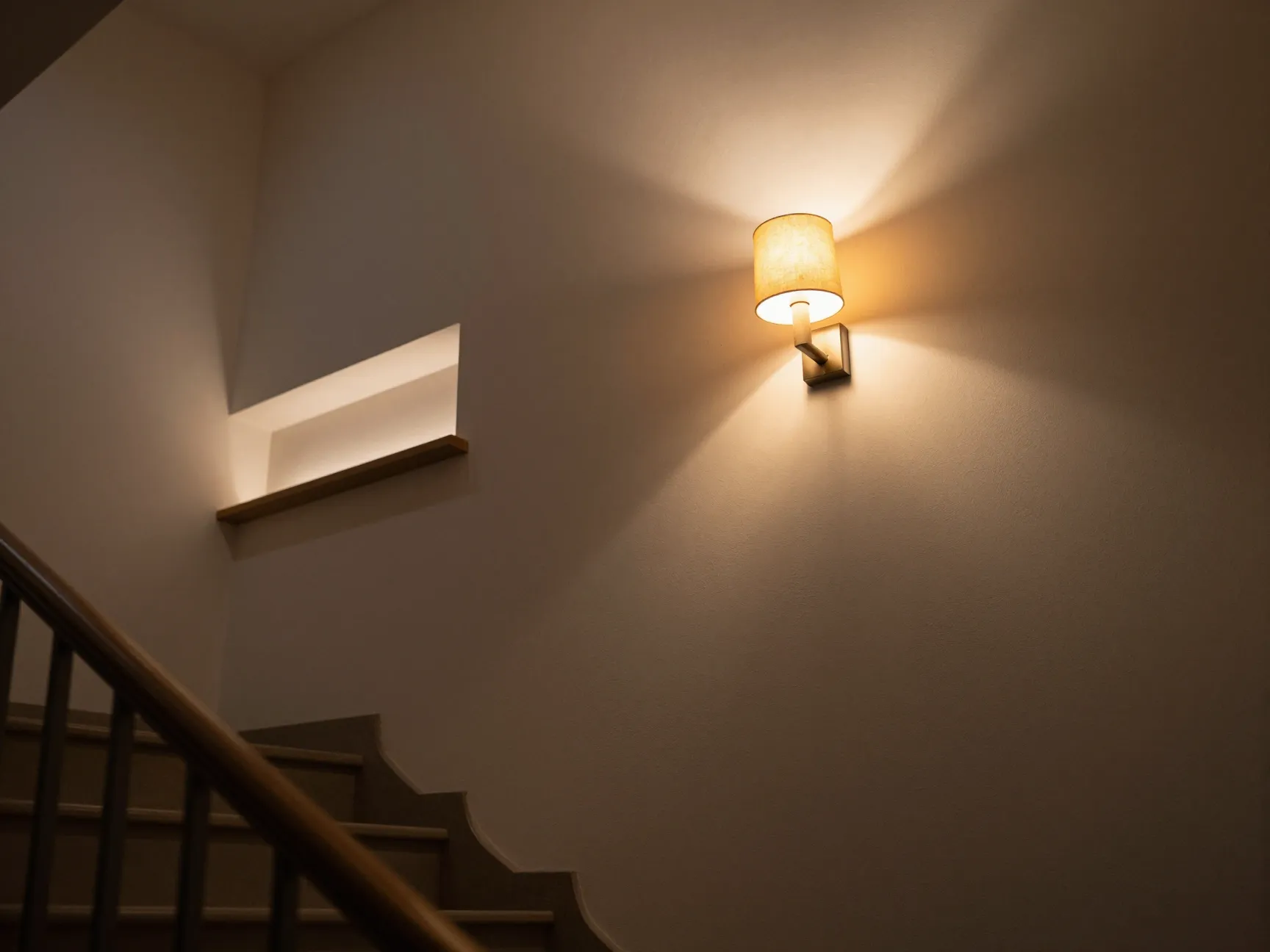
Lighting is the element that separates a good staircase side wall from a genuinely great one. In 2025 and 2026, layered lighting has become one of the most prominent design recommendations for this space, turning what was once a dark passage into a softly lit architectural feature [2][4][5][7].
The key word here is “layered.” A single overhead light is functional. Layered lighting, combining wall sconces, LED strips, and indirect illumination, creates depth, drama, and a sense of considered design.
Three effective lighting approaches for the staircase side wall:
- Wall sconces at landing level. A pair of warm-toned sconces mounted at eye height on the side wall creates gallery-like ambience around any artwork or mirrors nearby [5]. They also provide practical task lighting for navigating the stairs safely after dark.
- LED strips behind floating shelves or inside wall niches. This technique, recommended by the Too Much Time design guide, produces indirect, glare-free illumination that washes the wall in warm light without any visible source [4]. The effect is sophisticated and surprisingly easy to achieve with low-voltage LED tape.
- Linear fixtures to accent tile or panel textures. Simpolo specifically recommends using linear LED fixtures to highlight the texture of cladding or tiles on the side wall [2]. Raking light, positioned at a low angle, throws shadows into the relief of a textured surface and makes it look dramatically more three-dimensional.
“Lighting is not just about visibility on a staircase. It is about atmosphere. The right light on the right wall changes how a space feels at every hour of the day.”
Homes and Gardens also notes that paneling combined with additional lighting adds depth and drama to staircase walls in a way that paint alone cannot replicate [7].
5. Floating Shelves and Display Ledges
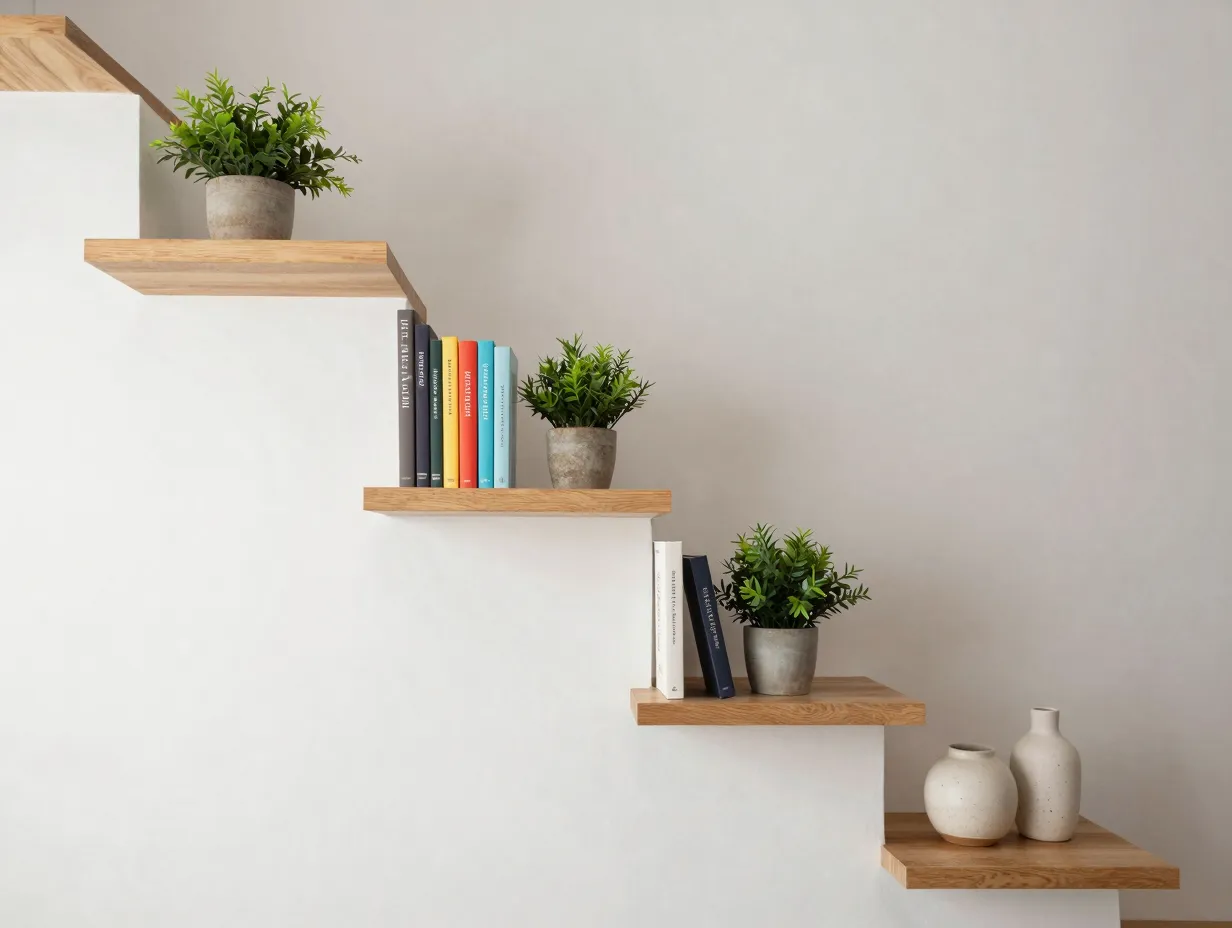
Floating shelves on the staircase side wall solve two problems at once: they add visual interest and they create functional storage or display space without consuming floor area. HouseGyan specifically notes that floating shelves are a practical solution that “does not require lots of space,” making them ideal for compact homes [1].
The staircase side wall is actually one of the best locations in a home for floating shelves, because the ascending height of the staircase creates a natural opportunity for a cascading shelf arrangement that follows the angle of the stairs. This stepped layout looks intentional and architectural rather than improvised.
What works well on staircase side wall shelves:
- Small potted plants or trailing greenery (adds life and color)
- Books arranged by spine color for a visual effect
- Ceramic vessels, sculptural objects, or collected curiosities
- Framed photographs or small art prints leaned against the wall
- Candles or diffusers for sensory layering
Simpolo suggests combining shelves with plants or books to emphasize their dual function as both storage and art [2]. Orientbell takes this further, showing how integrated built-in shelving in the side wall can reduce household clutter while showcasing meaningful objects [6].
For a more architectural approach, Homestyler highlights built-in storage and planters recessed into the side wall as key strategies for combining style and utility in contemporary living rooms and staircase zones [8].
6. Wallpaper, Murals, and Bold Paint Treatments
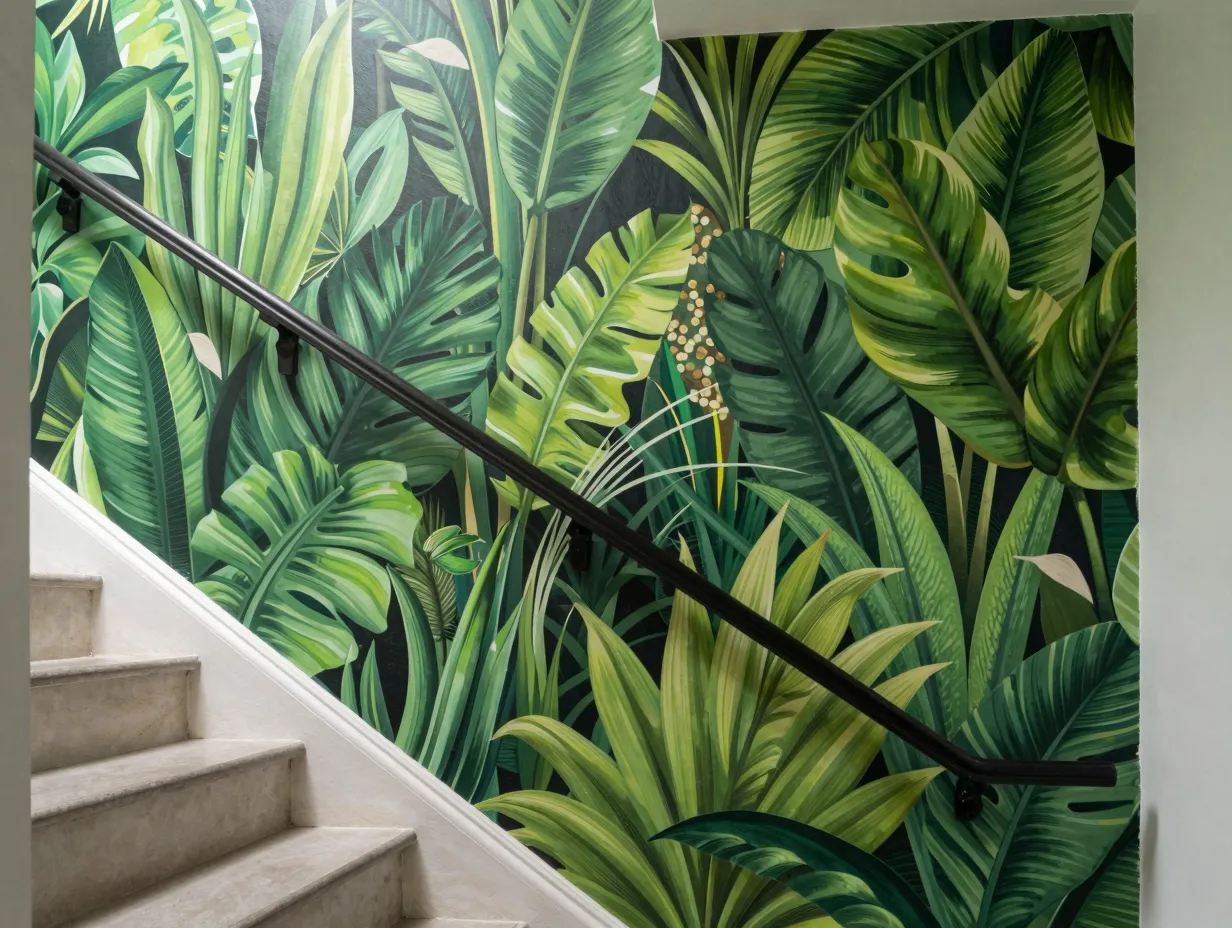
If you want the fastest possible transformation of a staircase side wall, wallpaper, a painted mural, or a bold paint color is your answer. HouseGyan calls this approach “one of the quickest stairway wall decoration ideas,” suitable for fast transformations that deliver immediate personality and pattern without any structural work [1].
The staircase side wall is actually an ideal location for a bold wallpaper choice precisely because it is a transitional space. You pass through it, you do not live in it. This means you can commit to a pattern or color that might feel overwhelming in a living room or bedroom, but reads as exciting and intentional in a stairwell.
Popular approaches in 2026:
- Botanical or jungle murals. Large-scale leaf and foliage prints create an immersive, nature-forward atmosphere. They work particularly well in homes with natural wood flooring or rattan furniture elsewhere.
- Geometric wallpaper. Strong repeat patterns in two or three colors add graphic energy to a plain stairwell. Darker backgrounds with lighter patterns tend to feel more dramatic and less busy.
- Limewash or color-wash paint effects. These are lower-cost alternatives to wallpaper that still deliver texture and visual interest. Deep greens, terracotta, and warm charcoal are strong 2026 color choices for staircase walls.
- Painted wainscoting with a contrasting upper wall. This classic technique divides the wall into two zones, with a painted lower panel and a different color or wallpaper above. It adds architectural detail without any actual millwork.
One practical note: always use a paste-the-wall wallpaper in a stairwell rather than paste-the-paper. The angles and tight spaces make handling pre-pasted lengths difficult. Paste-the-wall papers are far more forgiving.
7. Wainscoting, Paneling, and Millwork
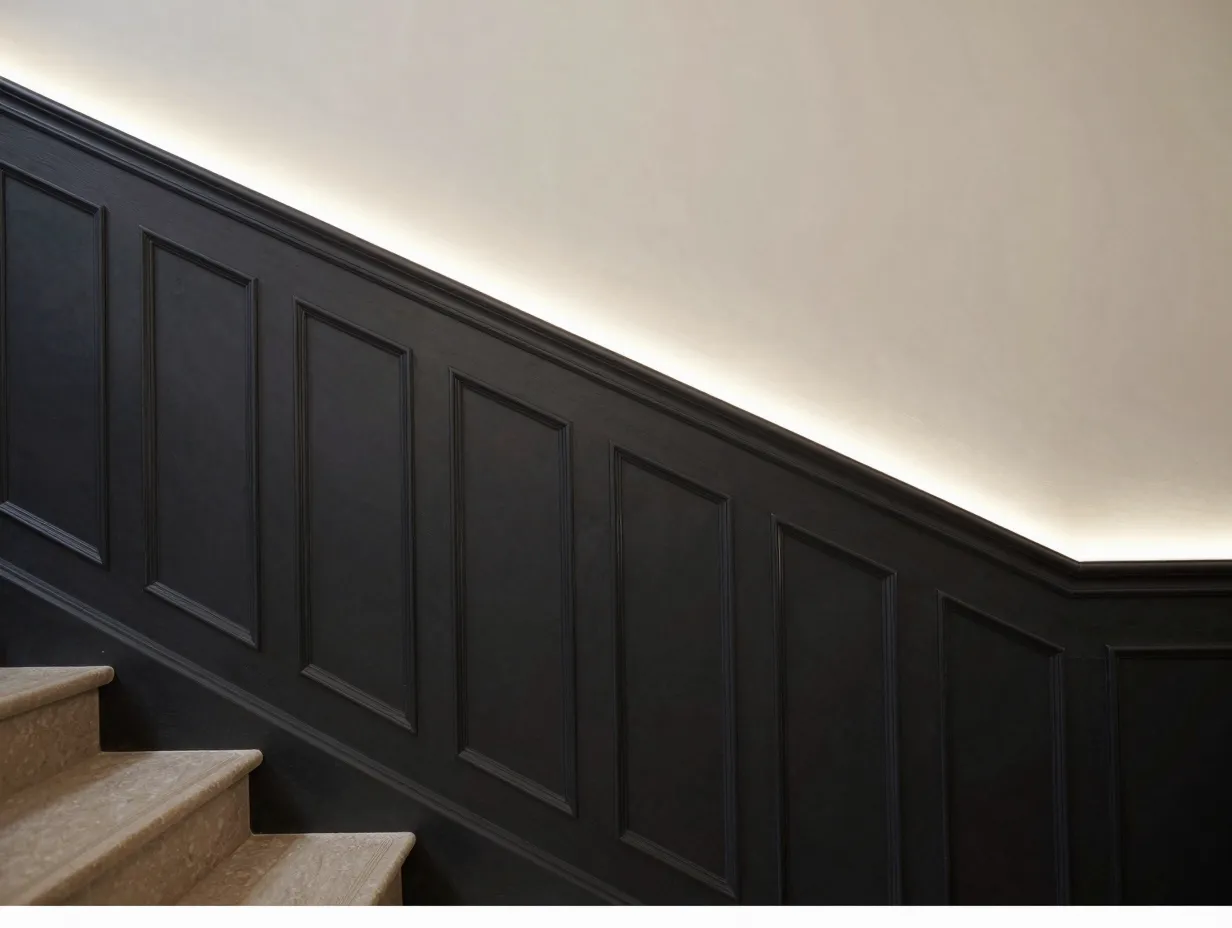
Wainscoting and wall paneling are among the most enduring staircase side wall treatments, and they remain strongly relevant in 2026 because they add genuine architectural character that paint alone cannot replicate. Homes and Gardens points to paneling combined with additional millwork and lighting as a way to add depth and drama to staircase walls [7].
The appeal of wainscoting on a staircase side wall is that it works with almost any interior style. Classic raised-panel wainscoting suits traditional and Georgian homes. Flat-panel or shaker-style wainscoting fits transitional and contemporary interiors. Vertical board-and-batten paneling suits farmhouse, coastal, and Scandinavian schemes.
Key decisions when planning staircase wainscoting:
- Height. Chair-rail height (approximately 90 cm from the floor) is traditional. Running paneling to two-thirds wall height feels more contemporary and dramatic.
- Color contrast. Painting the paneling a different shade from the upper wall creates a clear visual division and makes the millwork pop. A dark lower panel with a lighter upper wall is a strong current trend.
- Integration with lighting. LED strips along the top edge of wainscoting produce a beautiful indirect glow that highlights the panel detail and illuminates the staircase without harsh overhead light [4].
Wainscoting also has a practical benefit on a staircase: it protects the lower portion of the wall from scuffs, marks, and the general wear that comes from people brushing against the wall as they climb and descend.
8. Nature-Inspired and Biophilic Elements
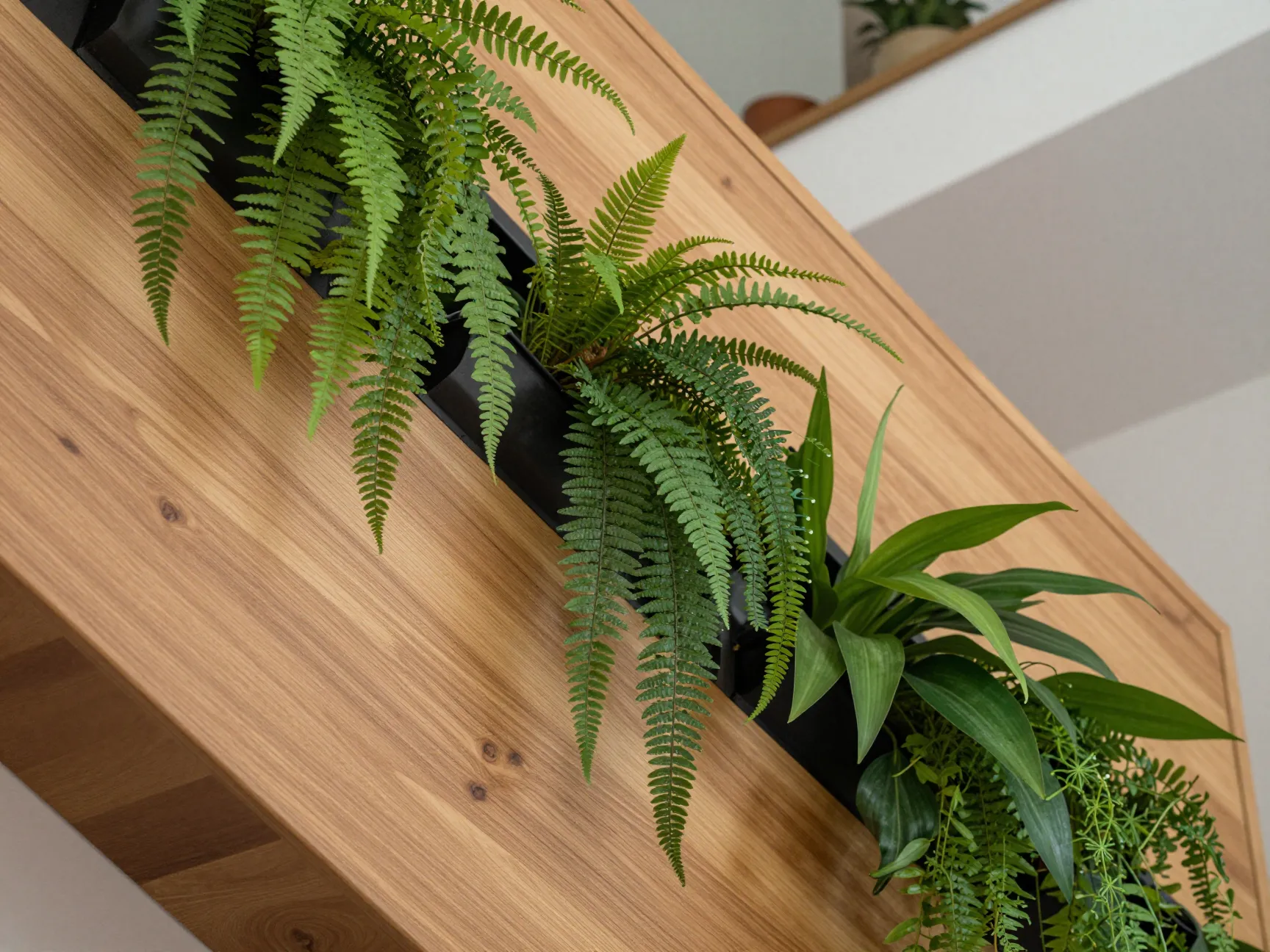
The eighth of the 8 stunning staircase side wall design ideas you’ll love draws on one of the strongest macro trends in interior design: biophilia, the human instinct to connect with natural materials, forms, and living things. Incorporating nature-inspired elements into the staircase side wall creates a sense of calm and organic warmth that is difficult to achieve with purely manufactured materials.
This goes beyond simply hanging a botanical print. True biophilic design on a staircase side wall might include:
- Living plant walls or vertical gardens. A narrow strip of wall-mounted planters with trailing or low-maintenance plants (pothos, ferns, air plants) creates a genuinely living feature wall. Irrigation systems for small vertical gardens are now widely available and relatively simple to install.
- Natural wood cladding or reclaimed timber panels. Raw or lightly finished wood on the side wall brings warmth, grain variation, and a tactile quality that painted surfaces simply cannot match. Homestyler highlights built-in planters alongside natural materials as a key strategy for contemporary staircase zones [8].
- Stone or slate accents. Even a partial application of natural stone, covering the lower third of the side wall, for example, grounds the staircase in natural materiality and pairs beautifully with both modern and rustic interiors.
- Woven or rattan wall panels. These add texture and warmth while referencing natural materials in a lighter, more affordable way than stone or timber.
The biophilic staircase side wall is also one of the most photographed interior features in 2026, particularly when living plants are involved. If social sharing matters to you, this is the design direction most likely to generate genuine admiration.
How to Choose the Right Idea for Your Staircase
With eight strong options available, the challenge is not finding an idea you love. It is choosing the one that fits your specific staircase, your home’s existing style, and your practical constraints. Here is a simple decision framework.
Consider your staircase’s biggest weakness first:
- Dark and narrow? Start with mirrors (Idea 3) and layered lighting (Idea 4).
- Bland and featureless? Texture (Idea 1) or wallpaper (Idea 6) will have the most immediate impact.
- Cluttered or lacking storage? Floating shelves (Idea 5) or built-in paneling with integrated storage (Idea 7) address both problems.
- Impersonal and lacking warmth? A gallery wall (Idea 2) or biophilic elements (Idea 8) will bring character and life.
Match the treatment to your home’s existing style:
A fluted panel wall in a mid-century modern home will feel cohesive. The same panels in a Victorian terrace might feel jarring. Always look at what materials, colors, and forms are already present in your home before committing to a staircase side wall treatment.
Think about maintenance honestly:
A living plant wall is beautiful but requires regular watering and occasional replanting. A gallery wall is low-maintenance but accumulates dust. Stone-effect tiles are virtually maintenance-free once installed. Choose a treatment you will enjoy maintaining, not just installing.
Conclusion
The staircase side wall is one of the most underused design opportunities in residential interiors. As this guide has shown, the 8 stunning staircase side wall design ideas you’ll love range from quick, low-cost wins like wallpaper and gallery walls to more considered investments like textured cladding, wainscoting, and biophilic feature walls.
Your actionable next steps:
- Walk your staircase today and identify its single biggest weakness, whether that is darkness, plainness, lack of storage, or impersonality.
- Choose one idea from this list that directly addresses that weakness and fits your home’s existing style.
- Set a realistic budget before you begin. Many of these ideas, including gallery walls, limewash paint, and floating shelves, can be executed for a few hundred dollars. Others, like stone cladding or built-in millwork, require a larger investment but deliver lasting architectural value.
- Start small if you are uncertain. A single large mirror or a three-shelf floating display costs very little and can be upgraded or replaced as your confidence grows.
The staircase side wall you walk past every day deserves your attention. With the right treatment, it will reward you with a home that feels more complete, more personal, and more beautiful every time you climb the stairs.
References
[1] Stairs Side Wall Decoration Ideas To Elevate Your Interior – https://www.housegyan.com/blog/stairs-side-wall-decoration-ideas-to-elevate-your-interior
[2] Staircase Wall Design Ideas For Modern Interiors – https://www.simpolo.com/blog/staircase-wall-design-ideas-for-modern-interiors
[3] Staircase Wall Ideas – https://www.thespruce.com/staircase-wall-ideas-7376168
[4] Staircase Wall Ideas – https://too-much-time.com/staircase-wall-ideas/
[5] Staircase Wall Decor Ideas – https://www.mixtiles.com/blog/wall-art-home-decor/staircase-wall-decor-ideas
[6] Staircase Wall Design Ideas – https://www.orientbell.com/blog/staircase-wall-design-ideas/
[7] Staircase Wall Ideas – https://www.homesandgardens.com/ideas/staircase-wall-ideas
[8] Modern Staircase Wall Decor Ideas – https://www.homestyler.com/article/modern-staircase-wall-decor-ideas