
8 Kids Room Interior Design Ideas That Are Fun, Functional, and Grow With Them
A child outgrows a themed bedroom in roughly two to three years, yet the average family redesigns a kid’s room only once every seven to ten years. That gap between childhood phases and design longevity is where most parents lose money, time, and patience. The good news is that the right approach to 8 Kids Room Interior Design Ideas That Are Fun, Functional, and Grow With Them solves this problem entirely. These ideas are built around adaptability, smart storage, and the kind of joy that does not expire when a child turns nine.
Disclosure: This post contains affiliate links. As an Amazon Associate, we earn from qualifying purchases, and at no extra cost to you.
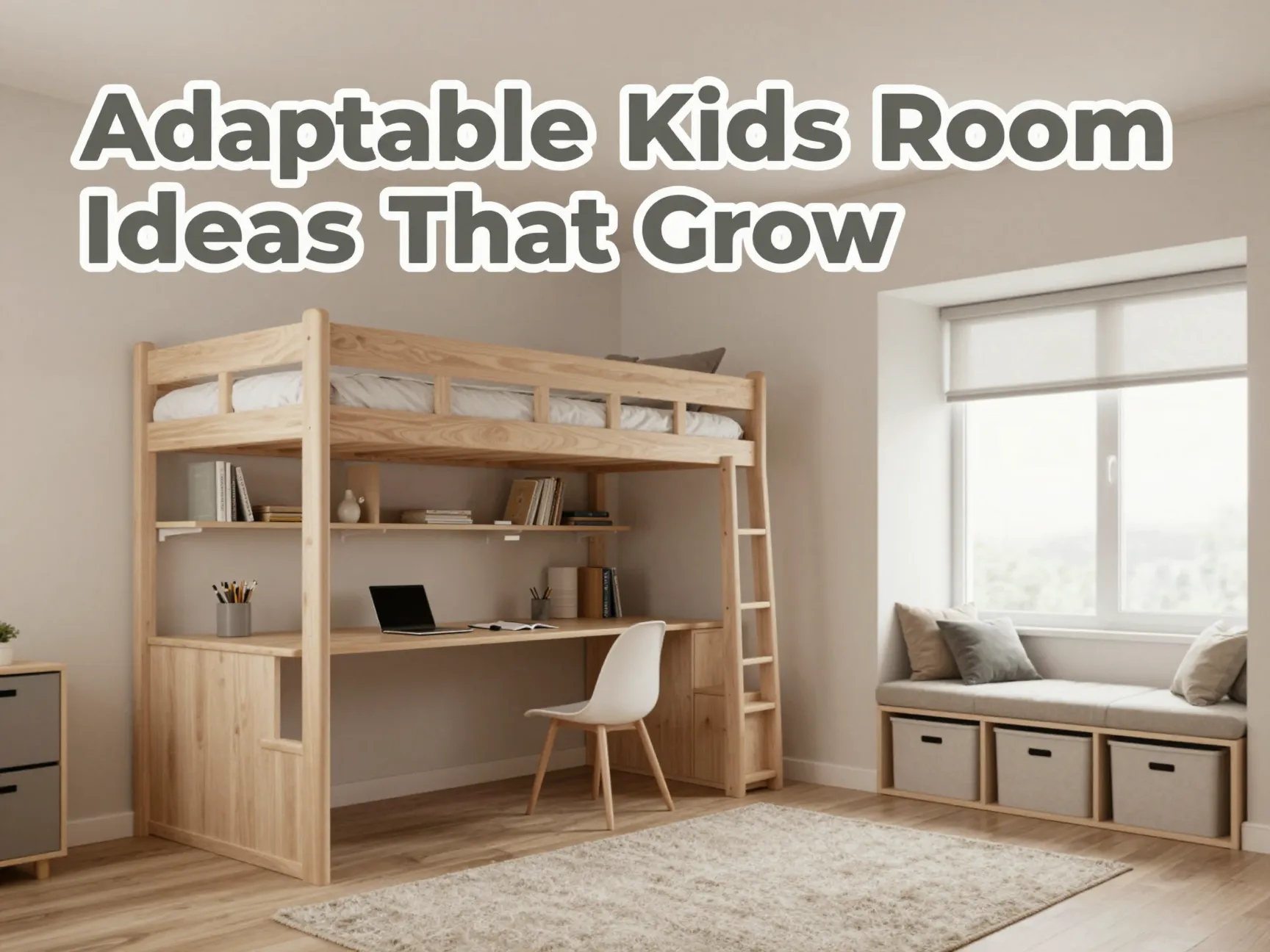
I have spent years working alongside interior designers and parents who have navigated everything from toddler chaos to teenage minimalism, sometimes in the same room. What follows is a curated, research-backed guide to designing a child’s space that earns its keep for years, not months.
Key Takeaways
- Adaptable furniture and neutral base colors are the single most cost-effective investments in a child’s room.
- Zoning a room into distinct areas, sleep, play, and study, dramatically improves both behavior and focus.
- Personalization through accessories, not paint or fixed fixtures, allows the room to evolve without a full renovation.
- Storage should be designed at the child’s eye level and scaled to grow with them, not just for the current age.
- Safety and sensory comfort are non-negotiable foundations that underpin every design decision.
Why These 8 Kids Room Interior Design Ideas Work Across Every Age
Before diving into each idea, it helps to understand the philosophy behind them. A room designed only for a five-year-old will feel babyish by age eight. A room designed only for a twelve-year-old will feel cold and sterile to a six-year-old. The ideas in this guide thread that needle by using a layered design approach: a timeless structural base with swappable, age-appropriate layers on top.
Think of it like a well-built house. The foundation and walls do not change every decade. The furniture, art, and textiles do. The same logic applies here.
“The best kids’ rooms are not designed for the child they are today, they are designed for the child they are becoming.”, A principle echoed by nearly every child-focused interior designer I have interviewed.
1. Start With a Neutral Base and Layer Color Through Accessories
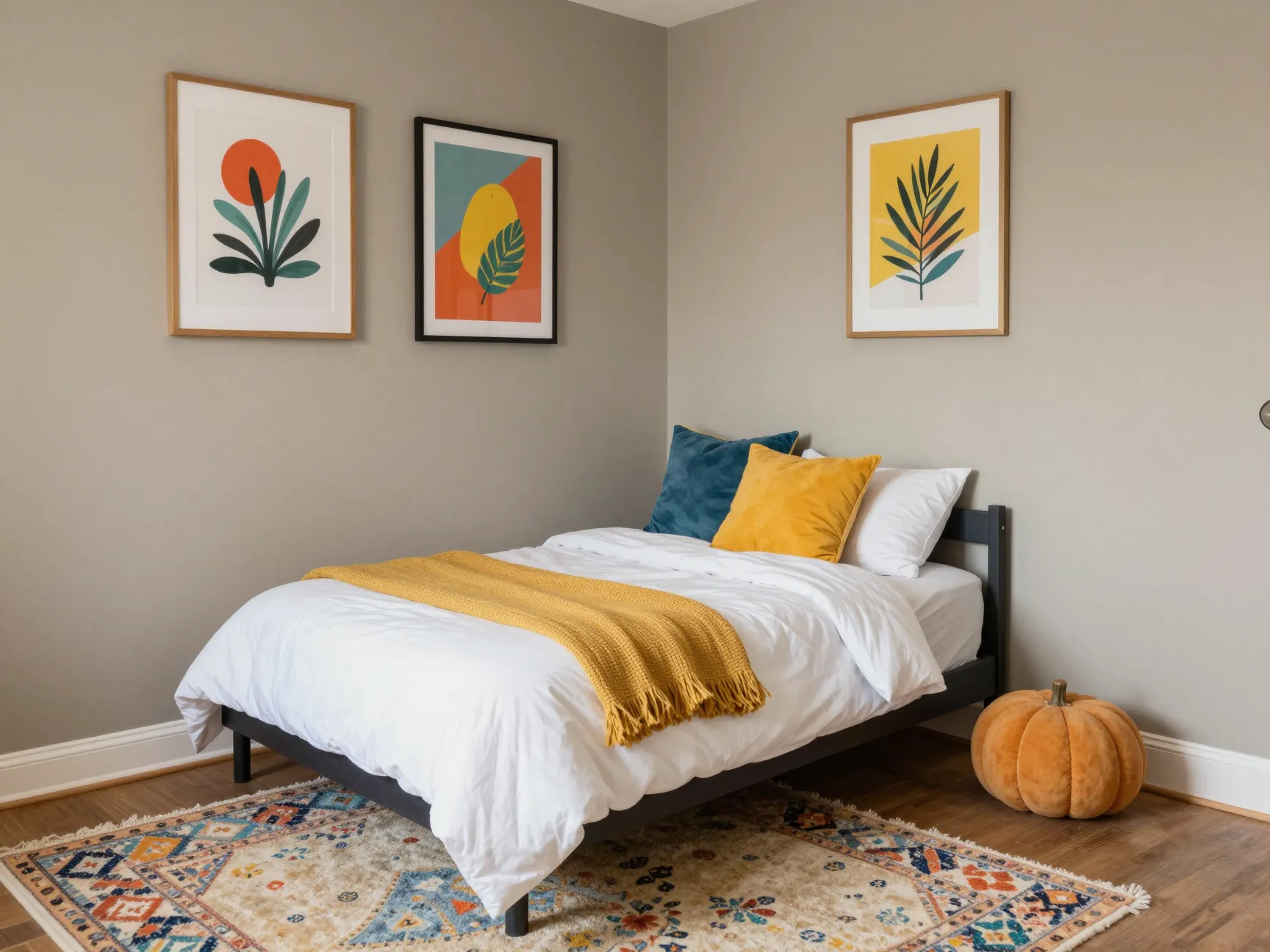
The most common and costly mistake parents make is painting the entire room in a bold theme color, fire-engine red for a car phase, hot pink for a princess phase. Within two years, both the child and the parents are tired of it.
The smarter approach: Choose a warm neutral for walls, soft white, warm greige, or pale sage, and introduce personality through bedding, rugs, curtains, and wall art. These items cost a fraction of a repaint and can be swapped in an afternoon.
Here is a simple framework for layering color:
| Layer | Examples | Replaceability |
|---|---|---|
| Walls (base) | Soft white, warm greige, pale sage | Low, keep neutral |
| Rugs and bedding | Bold patterns, themed prints | High, swap seasonally |
| Wall art | Posters, framed prints, decals | Very high, change anytime |
| Cushions and throws | Bright accent colors | Very high, cheap to replace |
This approach is endorsed by the American Society of Interior Designers, which notes that neutral base palettes in children’s rooms consistently test higher for long-term parent satisfaction than themed color schemes.
2. Invest in Convertible and Modular Furniture
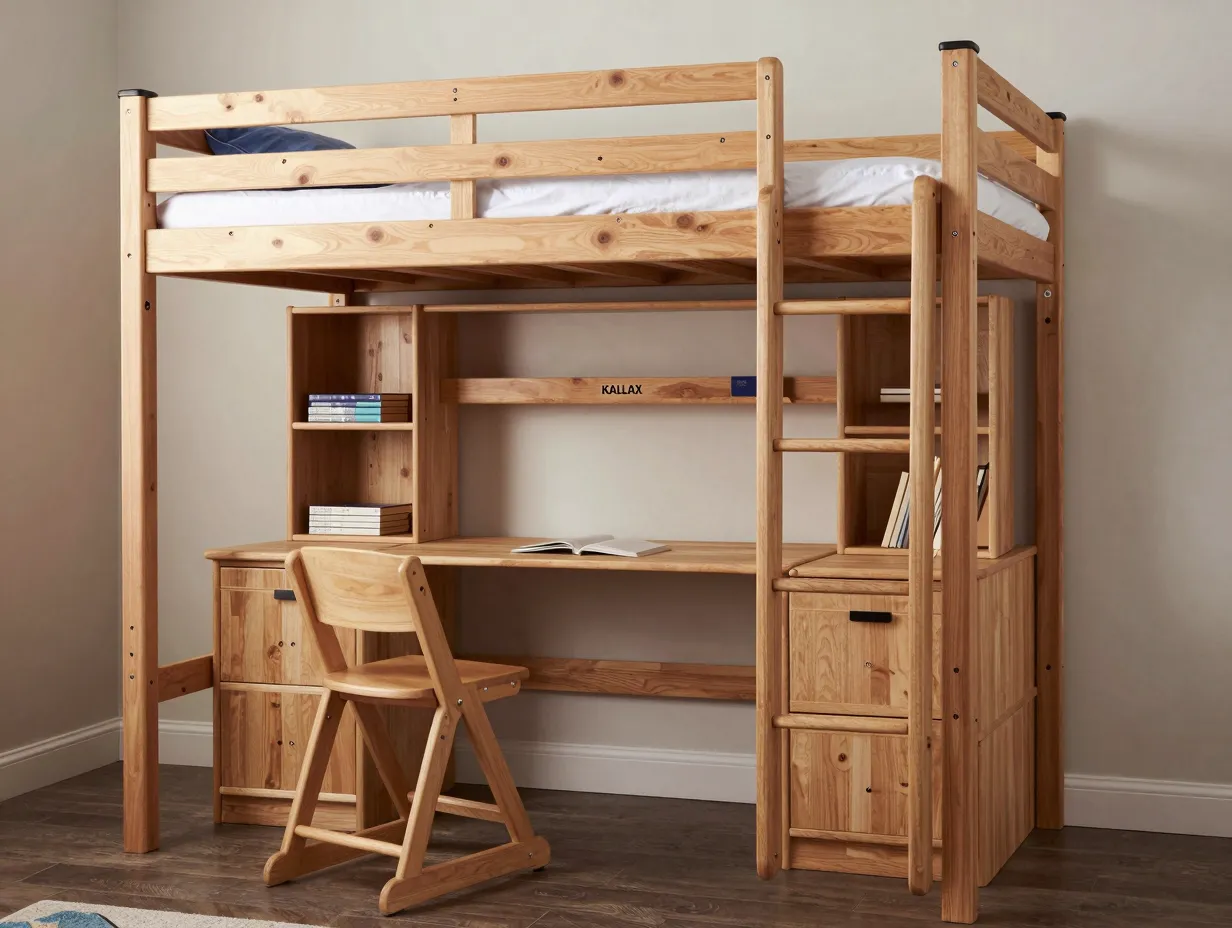
A crib that converts to a toddler bed, then a full-size bed, is not a novelty, it is a financial strategy. Convertible furniture is the backbone of the 8 Kids Room Interior Design Ideas That Are Fun, Functional, and Grow With Them philosophy.
Key pieces to prioritize:
- Convertible cribs that extend to full beds
- Loft beds with adjustable desk and storage configurations below
- Modular shelving units (like IKEA’s KALLAX system) that can be reconfigured as needs change
- Adjustable-height desks and chairs that accommodate growth spurts
A loft bed deserves special mention. For a child between ages six and fourteen, a loft bed with a study zone underneath is arguably the highest-value piece of furniture in the room. It consolidates sleep, study, and play into a single footprint, critical in smaller rooms.
What to avoid: Novelty furniture shaped like race cars or castles. These items are charming at age four and embarrassing at age ten. They also have no resale value.
3. Zone the Room Into Three Distinct Areas
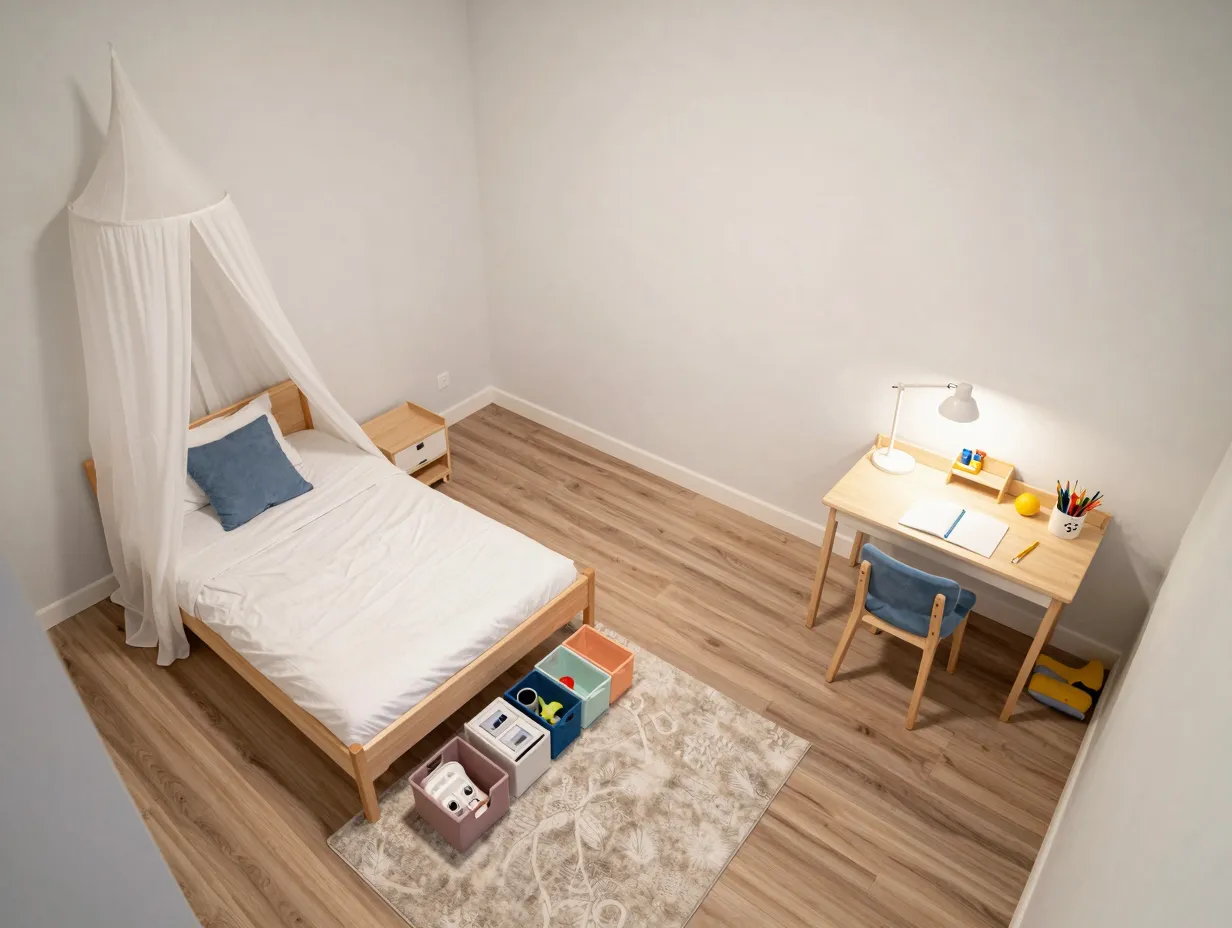
One of the most underused strategies in children’s room design is deliberate zoning. Most rooms are treated as a single undifferentiated space. Zoning changes everything.
The three zones every child’s room needs:
- Sleep zone, The bed area should feel calm, slightly separated, and free from stimulating visuals directly in the sightline from the pillow. Use a canopy, a low bookshelf headboard, or a simple curtain to define this space.
- Play zone, This is the high-energy, creative area. It should have easy-to-clean flooring (or a washable rug), accessible toy storage at child height, and enough open floor space for movement. Research from the American Academy of Pediatrics consistently links unstructured floor play to cognitive development in children aged two to twelve.
- Study zone, Even for young children, a dedicated study area builds habits. A small desk, good task lighting, and organized supplies signal to a child that learning has its own dedicated space.
Zoning does not require a large room. In a standard 10×12 foot bedroom, thoughtful furniture placement can create all three zones without the room feeling cramped.
4. Build Storage That Grows With the Child
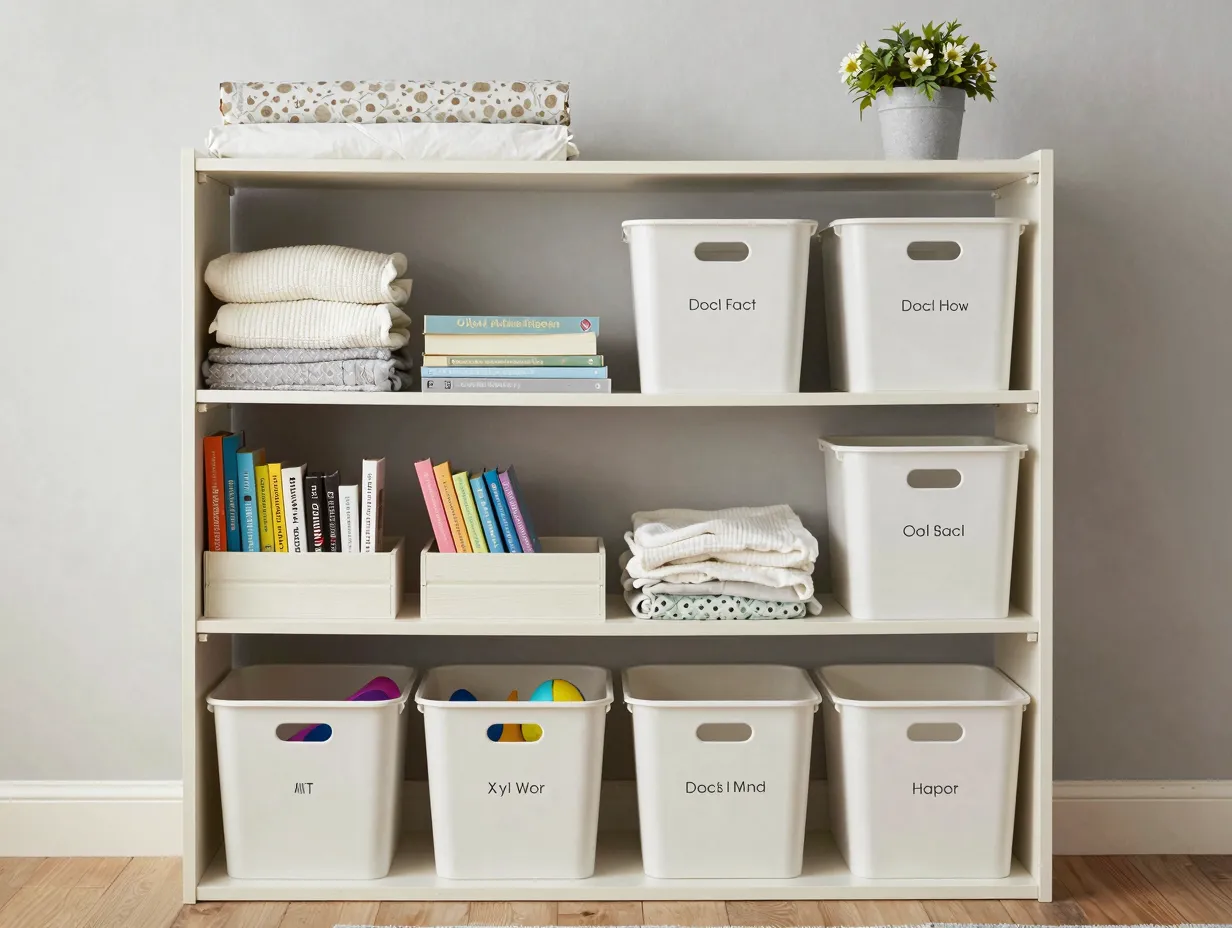
Storage is where most children’s rooms fail spectacularly. Parents buy cute baskets and bins that are perfect for toddler toys, and completely useless for a ten-year-old’s art supplies, sports equipment, and book collection.
Design storage in three tiers:
- Low tier (floor to 24 inches): Open bins, low shelves, and toy cubbies for young children. As the child grows, these become shoe storage, sports gear, and accessible book storage.
- Mid tier (24 to 60 inches): Adjustable shelving for books, display items, and organized containers. This tier works across all ages.
- High tier (above 60 inches): Out-of-reach storage for seasonal items, spare bedding, and things the child does not need daily access to.
A critical rule: label everything at the child’s reading level. For pre-readers, use picture labels. For early readers, use large-print word labels. For older children, let them label their own storage. This builds organizational habits and reduces the daily chaos of a ransacked room.
5. Incorporate a Dedicated Reading Nook
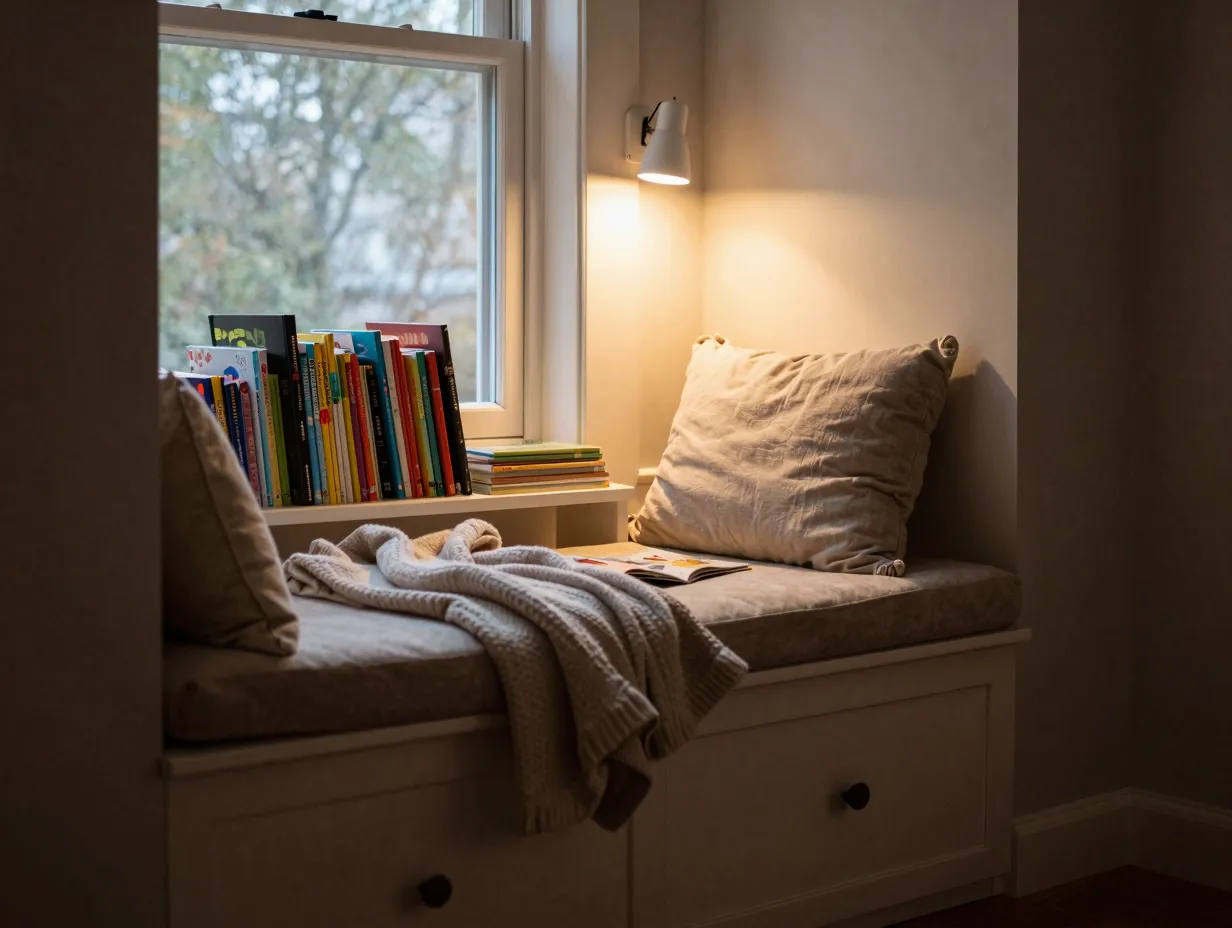
A reading nook is not a luxury, it is a developmental tool. Children who have a defined, cozy reading space read more frequently and for longer periods than those who read in a general space, according to literacy research from the National Literacy Trust.
How to create a reading nook in any room size:
- Small rooms: Use the space under a loft bed or a window alcove. Add a thin mattress pad, two or three cushions, and a small wall-mounted light.
- Medium rooms: A corner with a bean bag, a low bookshelf within arm’s reach, and a soft rug creates an inviting zone.
- Large rooms: A built-in window seat with storage underneath is the gold standard, functional, beautiful, and timeless.
The key design principle for a reading nook is enclosure. Children feel more focused and secure in slightly enclosed spaces. A canopy, a low ceiling element, or shelves on two sides creates that sense of cozy containment without feeling claustrophobic.
6. Use Wall Space Strategically for Learning and Expression
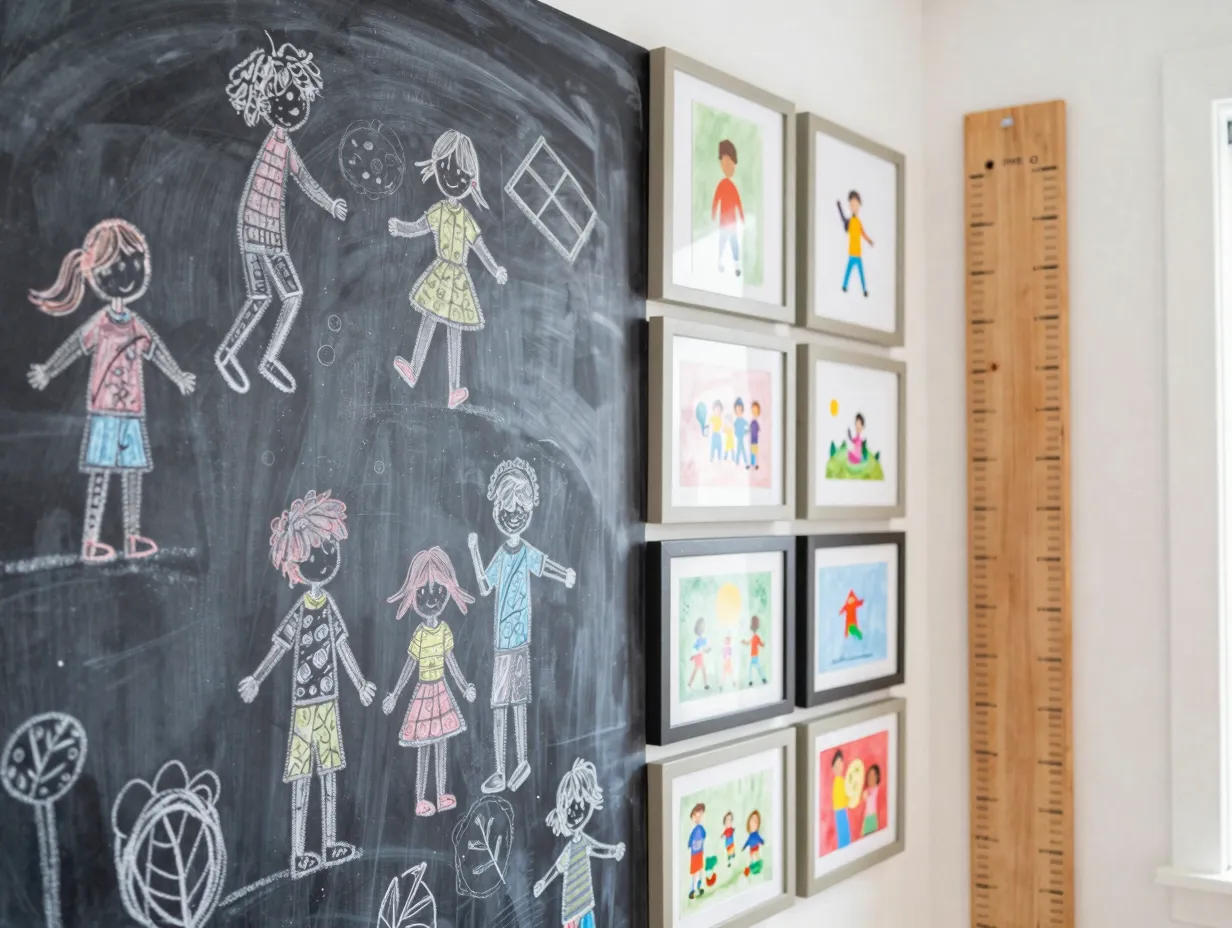
Walls in a child’s room are prime real estate that most parents either over-theme or completely ignore. The most effective approach treats walls as a dynamic, evolving canvas.
Four high-impact wall strategies:
- Chalkboard or whiteboard panel: A painted chalkboard section (or a mounted whiteboard) gives children a creative outlet that does not damage walls. As they grow, it transitions from drawing to homework equations to planning boards.
- Gallery wall with swappable frames: Use uniform frames in a neutral color and swap the art inside as the child’s tastes evolve. This is far more effective than wall decals, which leave residue and rarely come off cleanly.
- Growth chart wall: A dedicated growth chart section, whether a painted ruler, a wooden chart, or a simple marked section of wall, becomes a cherished family record. It is also a compelling reason not to repaint that wall.
- Map or world wall: A large world map or topographic print is educational, gender-neutral, and genuinely interesting to children from age four through the teenage years. It sparks curiosity and conversation.
7. Prioritize Lighting With Multiple Layers
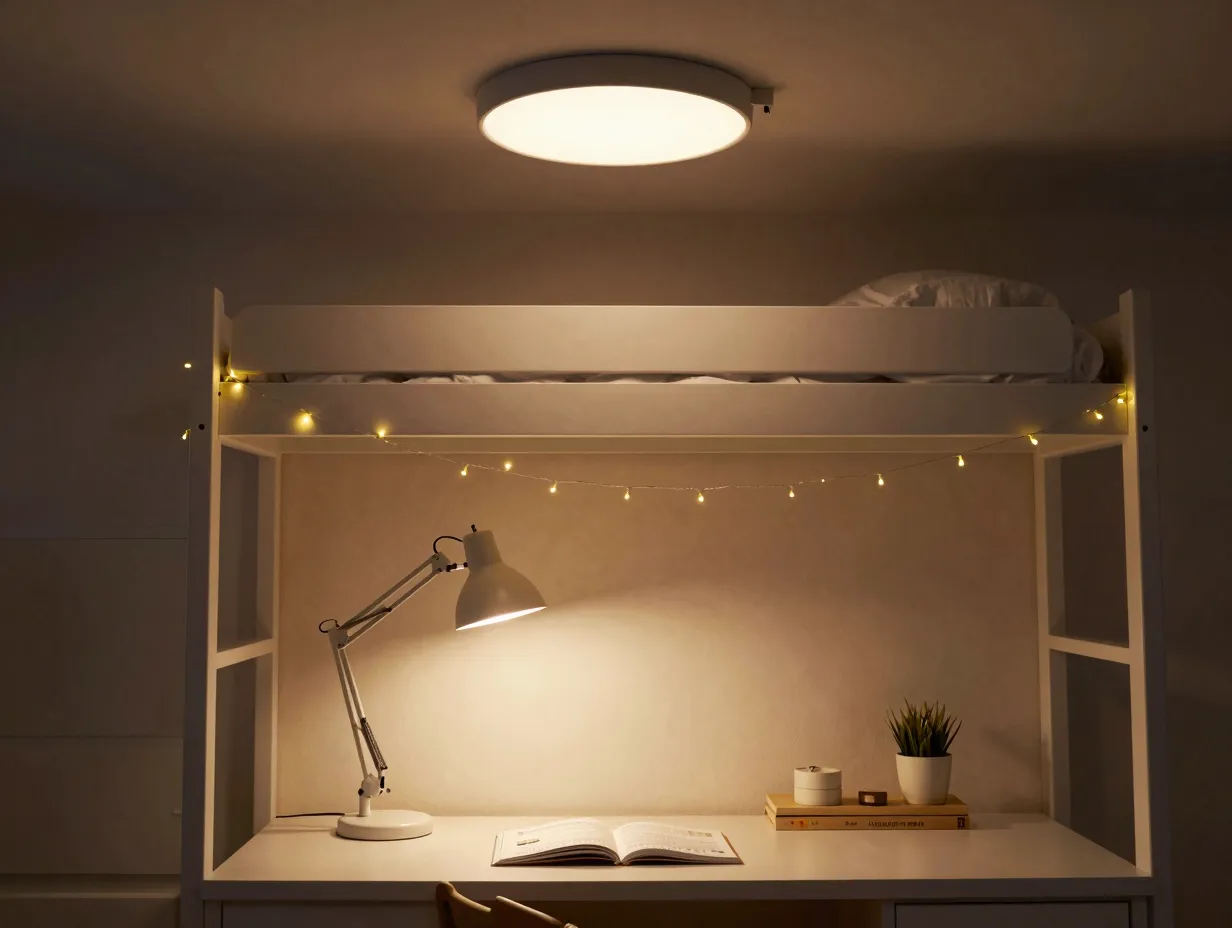
Lighting is the most overlooked element in children’s room design, and it is also one of the most impactful. A single overhead light does not serve a room that needs to function as a sleep space, a study zone, and a play area.
The three-layer lighting system for kids’ rooms:
- Ambient lighting: A dimmable overhead fixture. The ability to dim is non-negotiable, bright light before bed disrupts melatonin production, which is why the American Academy of Sleep Medicine recommends dim, warm light in the hour before bedtime for children.
- Task lighting: A dedicated desk lamp with adjustable brightness for the study zone. LED lamps with a color temperature around 4000K (neutral white) support focus without causing eye strain.
- Accent or night lighting: A soft nightlight or a string of warm LED lights along a shelf or under a loft bed. These serve a practical purpose for nighttime bathroom trips and also make the room feel magical without being childish.
One design note: Avoid novelty lighting shaped like characters or themed objects. A simple, well-designed lamp will still look appropriate at age fifteen. A cartoon-character nightlight will not.
8. Design for Sensory Comfort and Safety First
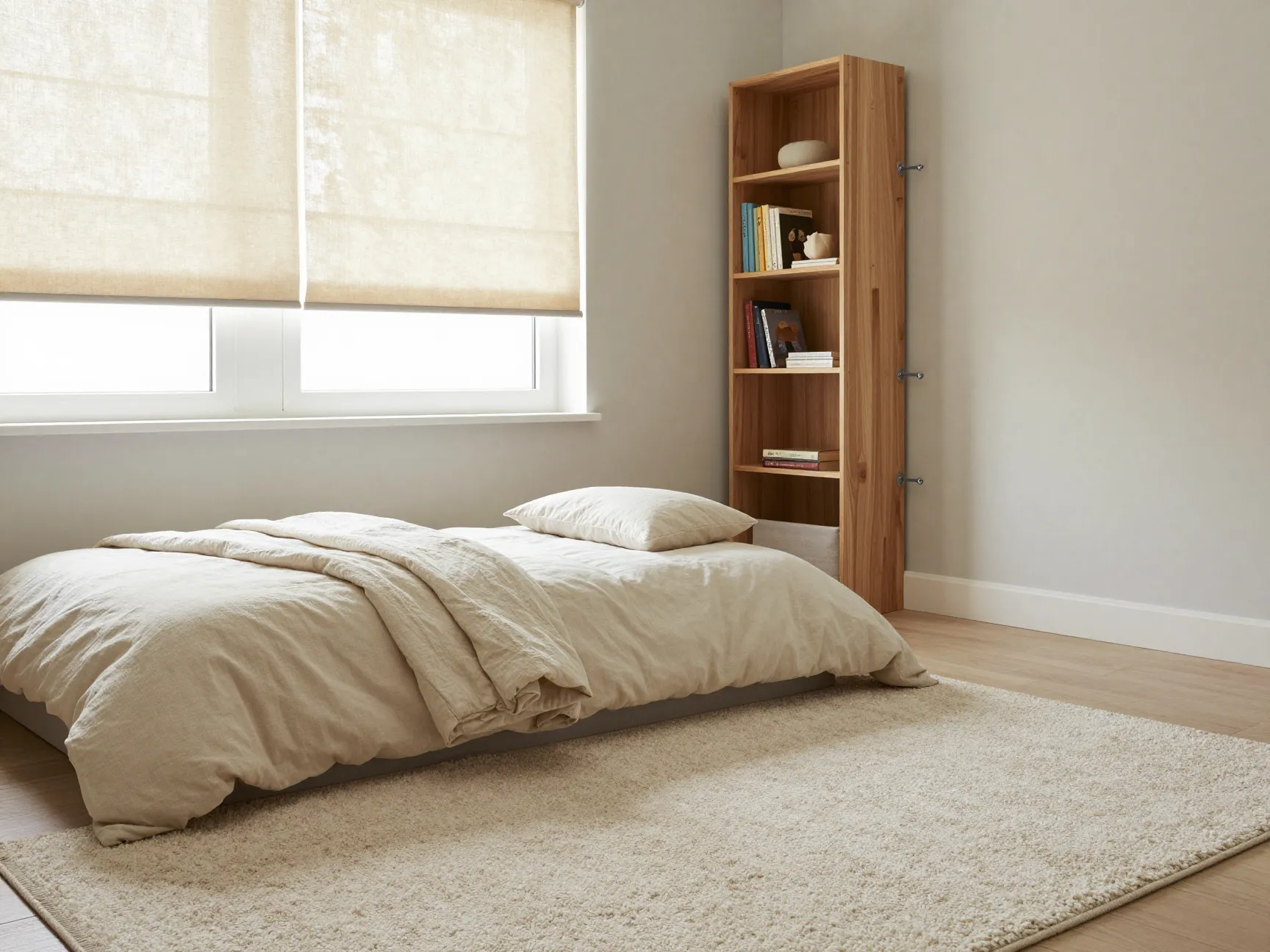
The eighth and most foundational of the 8 Kids Room Interior Design Ideas That Are Fun, Functional, and Grow With Them is one that often gets treated as an afterthought: sensory comfort and safety.
Children are sensory beings. The textures, sounds, and smells of a room affect their mood, sleep quality, and behavior in measurable ways. A room that looks beautiful in a photograph but has hard, cold flooring, harsh lighting, and scratchy bedding is not a well-designed room for a child.
Sensory comfort checklist:
- Flooring: A large, soft area rug over hard flooring reduces noise, provides warmth, and creates a comfortable play surface. Choose washable rugs, this is not optional.
- Textiles: Bedding, curtains, and cushions should all be soft to the touch. Avoid synthetic fabrics that pill or cause static. Natural cotton and linen blends are durable and comfortable.
- Acoustics: Soft furnishings absorb sound. A room with only hard surfaces is louder and more stimulating, which works against sleep and focus. Rugs, curtains, and upholstered furniture all contribute to a calmer acoustic environment.
- Temperature: Ensure the room has adequate ventilation or a ceiling fan. Children sleep better in slightly cooler environments (around 65 to 68 degrees Fahrenheit, per sleep research).
Safety non-negotiables for 2026:
- Anchor all tall furniture to walls using anti-tip straps.
- Use cordless window coverings, corded blinds remain a strangulation hazard for young children.
- Choose non-toxic, low-VOC paints and finishes throughout the room.
- Ensure all electrical outlets have safety covers or are tamper-resistant.
- For loft beds, verify that guardrails meet current ASTM International safety standards.
How to Apply These 8 Kids Room Interior Design Ideas That Are Fun, Functional, and Grow With Them on Any Budget
One of the most common concerns I hear from parents is that good design is expensive. It does not have to be. Here is a tiered approach based on budget:
Budget tier (under $500 total):
- Repaint walls in a neutral tone (approximately $50 to $80 in paint and supplies)
- Purchase one modular shelving unit (IKEA KALLAX: approximately $80 to $130)
- Add a washable area rug (approximately $60 to $120)
- Create a reading nook with a floor cushion and clip-on wall light (approximately $40 to $80)
- Swap out bedding for a neutral base with colorful pillowcases (approximately $60 to $100)
Mid-range tier ($500 to $2,000):
- Add a convertible loft bed with desk configuration (approximately $400 to $800)
- Install a chalkboard panel or gallery wall
- Add a proper three-layer lighting system
- Invest in a quality adjustable desk and chair
Premium tier ($2,000 and above):
- Built-in storage and shelving
- Custom window seat with storage
- High-quality convertible furniture with long warranties
- Professional lighting design
The most important principle across all budget tiers: spend money on the structural elements (furniture, storage, lighting) and save money on the decorative layers (art, textiles, accessories). The structural elements last a decade. The decorative layers should be easy and inexpensive to change.
Conclusion
Designing a child’s room well is one of the most meaningful investments a parent can make, not because it needs to look like a magazine spread, but because a well-designed space genuinely supports a child’s development, sleep, creativity, and sense of identity.
The 8 Kids Room Interior Design Ideas That Are Fun, Functional, and Grow With Them outlined in this guide share a common thread: they are all built on the principle that good design anticipates change rather than resists it. A neutral base, convertible furniture, deliberate zoning, smart storage, a reading nook, strategic wall use, layered lighting, and a foundation of sensory comfort and safety, these are not trends. They are timeless principles.
Your actionable next steps:
- Walk through your child’s current room and identify which of the three zones (sleep, play, study) is missing or poorly defined. Start there.
- Audit the storage. Is it accessible to your child at their current height? If not, reorganize before buying anything new.
- Check the lighting. If there is only one overhead light with no dimmer, adding a dimmable bulb and a desk lamp is a low-cost, high-impact change you can make this weekend.
- Choose one wall to turn into a dynamic, swappable gallery. Remove any fixed decals or themed elements that will date the room within two years.
- If a furniture purchase is on the horizon, make convertibility and adjustability the primary criteria, not aesthetics.
A child’s room does not need to be perfect. It needs to be adaptable, safe, and genuinely theirs. Start with one idea from this list, execute it well, and build from there.