9 House Interior Ideas To Refresh Your Space Without Renovating
A 2023 Houzz survey found that 58% of homeowners who renovated their spaces reported significant stress during the process, and the average kitchen renovation alone cost over $24,000. Yet the rooms that made people feel happiest at home were often updated with nothing more than new lighting, fresh textiles, and a coat of paint.
Disclosure: This post contains affiliate links. As an Amazon Associate, we earn from qualifying purchases, and at no extra cost to you.
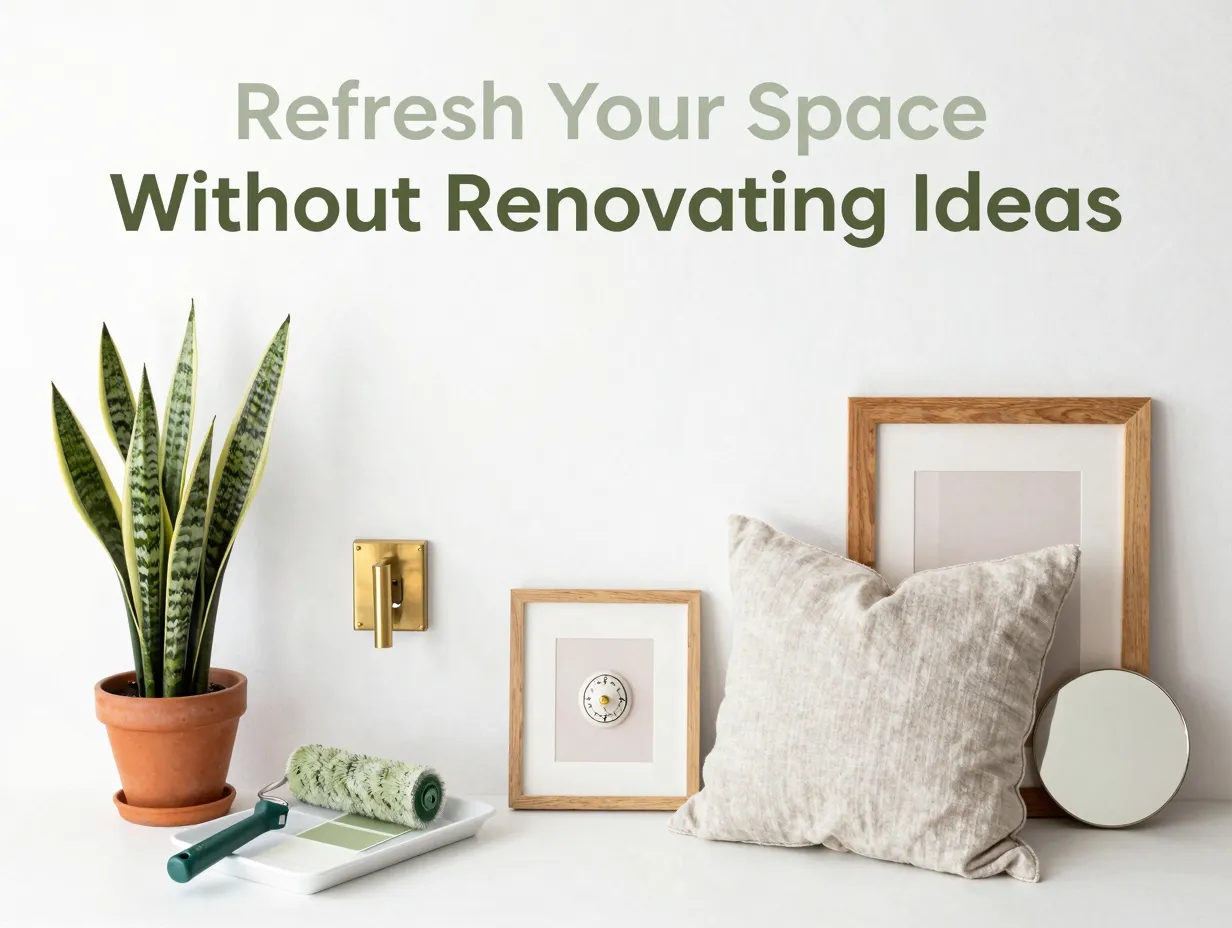
That gap between cost and satisfaction is exactly why these 9 house interior ideas to refresh your space without renovating matter so much. You do not need to tear down walls, hire contractors, or blow your savings to fall back in love with your home. In my own experience styling a rented apartment on a tight budget, I discovered that the most powerful changes cost less than a dinner out, and lasted far longer.
This guide walks you through nine proven, accessible strategies that interior designers use to transform spaces without touching a single load-bearing wall. Whether you own your home or rent it, these ideas work.
Key Takeaways
- Refreshing your home does not require demolition, permits, or large budgets
- Lighting changes alone can make a room feel entirely different within hours
- Textiles, paint, and plants are among the highest-impact, lowest-cost tools available
- Decluttering and furniture rearrangement cost nothing but time and produce dramatic results
- Small, intentional changes layered together create a cumulative effect that rivals full renovations
Why Refreshing Your Home Without Renovating Is Smarter Than You Think
Before diving into the specific ideas, it helps to understand why the no-renovation approach is not just a budget compromise, it is often the smarter design choice.
Renovations are disruptive. They take weeks or months, generate dust and noise, and frequently run over budget. According to a 2022 report from the National Association of Realtors, only 22% of homeowners who completed major renovations said the project went exactly as planned. The rest dealt with delays, cost overruns, or results that did not match their original vision.
Contrast that with a focused interior refresh. Changes like swapping light fixtures, adding a gallery wall, or layering rugs can be completed in a single weekend. They are reversible. They are affordable. And because they rely on your evolving taste rather than a contractor’s schedule, they tend to feel more personal.
The 9 house interior ideas to refresh your space without renovating outlined below are drawn from both professional interior design principles and real-world home styling experience. Each one is practical, actionable, and scalable, meaning you can spend $50 or $500 and still see a meaningful result.
The 9 House Interior Ideas To Refresh Your Space Without Renovating
1. Repaint With Intention
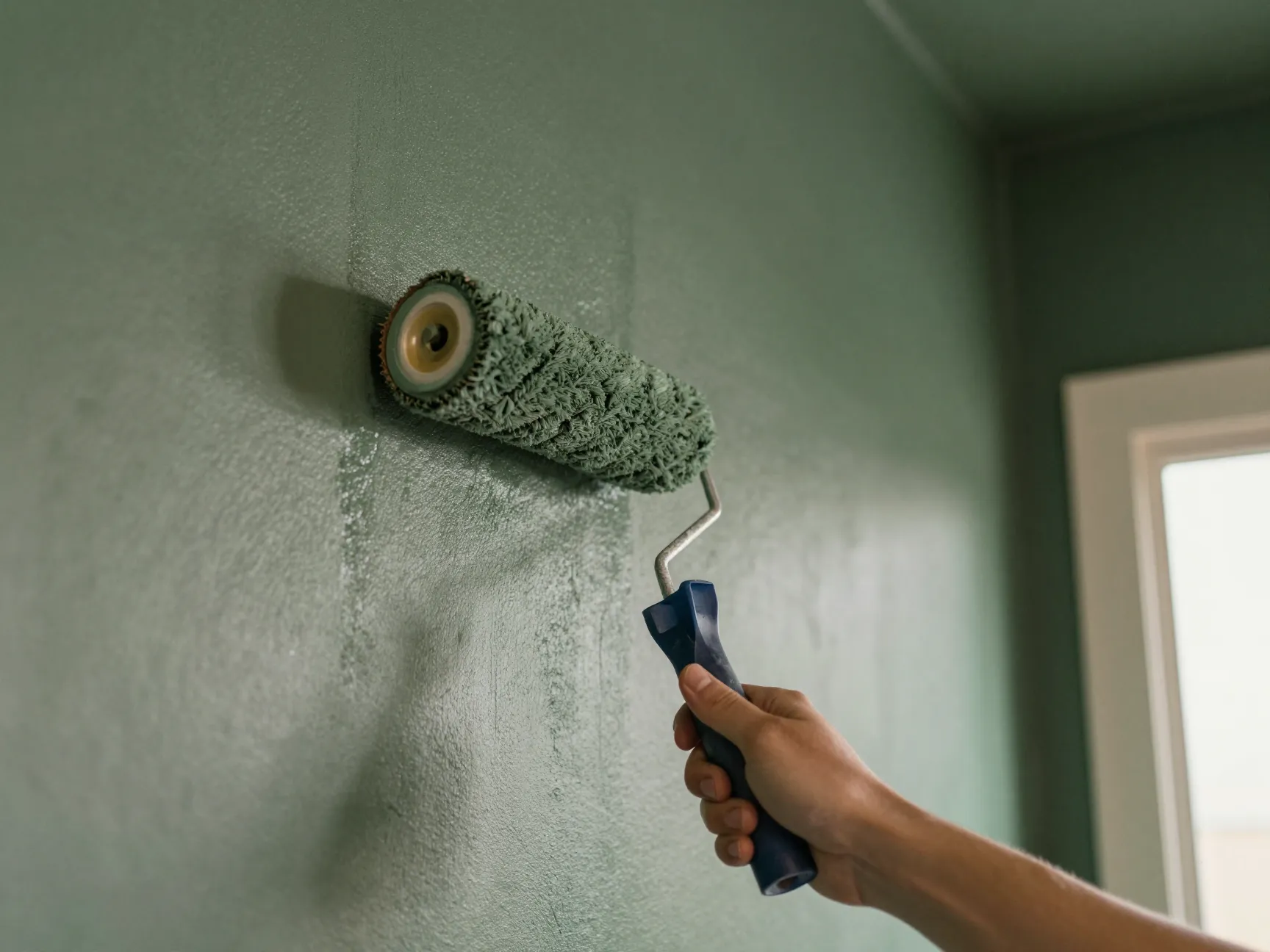
Paint is the single most cost-effective interior design tool available. A gallon of quality interior paint costs between $30 and $60, and a single accent wall can completely shift the mood of a room.
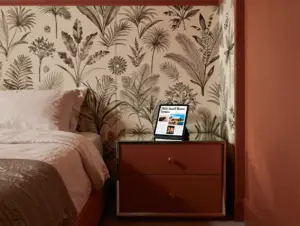
The key word here is “intention.” Choosing a color at random rarely works. Instead, start by identifying the feeling you want the room to produce. Calm and restful? Look at soft greiges, dusty blues, and sage greens. Energized and creative? Deep terracotta, forest green, or warm ochre can do that work.
A few principles to follow:
- Test paint colors on a 12-inch square of cardboard before committing to a wall
- Consider the light direction, north-facing rooms need warmer tones to avoid feeling cold
- Painting the ceiling a slightly darker shade than the walls creates a cozy, enveloping effect
- Limewash and color-wash techniques add texture without any wallpaper installation
I repainted the hallway in my apartment a deep, muted green two years ago. Guests now consistently comment on how “architectural” it feels, and it cost me $38 and one Saturday afternoon.
2. Upgrade Your Lighting Immediately
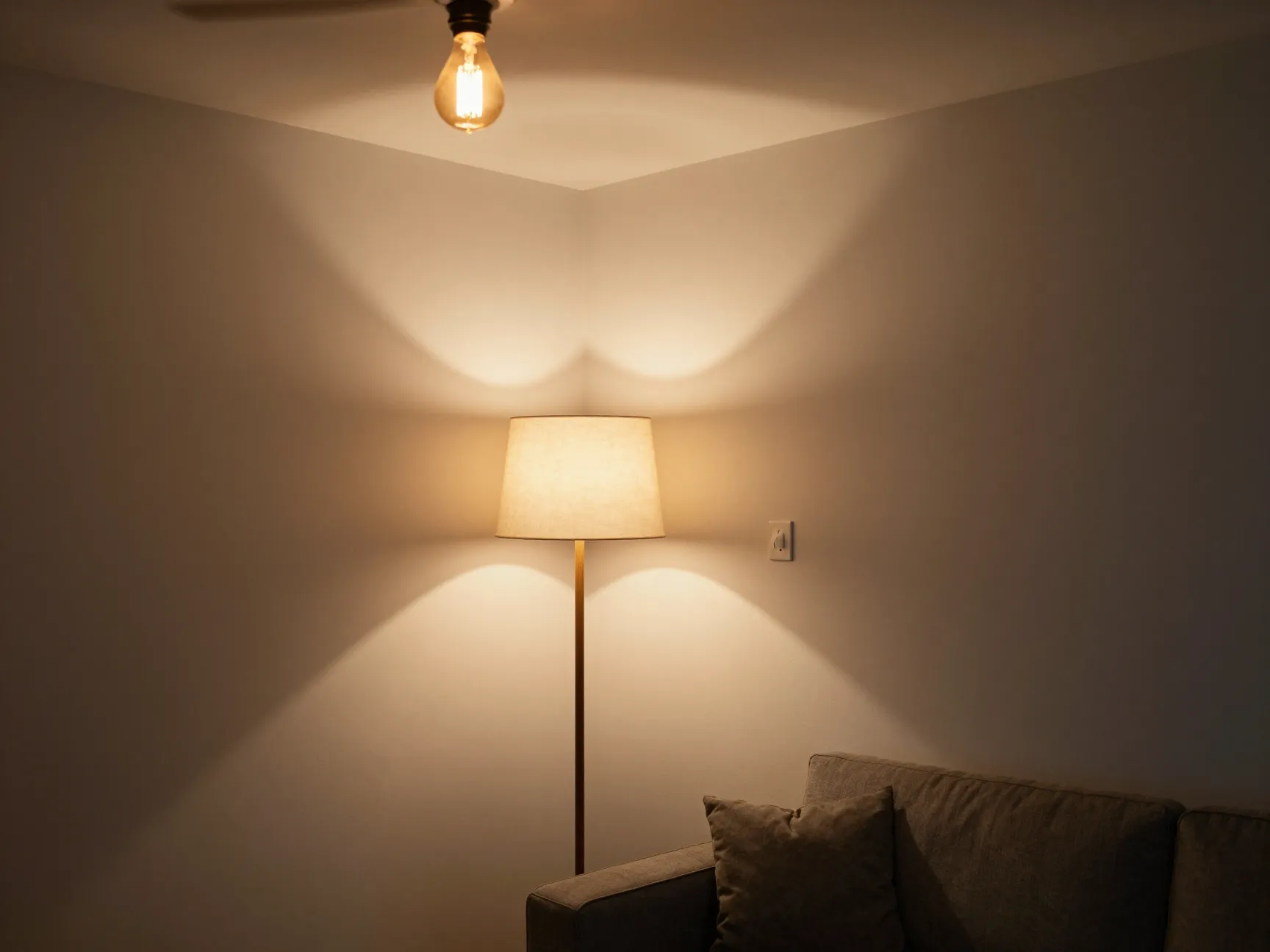
Lighting is the most underrated element in residential interiors. Most homes rely on a single overhead fixture per room, which creates flat, unflattering light that makes even beautiful furniture look dull.
The professional approach is called layered lighting, and it involves three types:
| Layer | Purpose | Example |
|---|---|---|
| Ambient | General illumination | Ceiling fixture, recessed lights |
| Task | Focused functional light | Desk lamp, under-cabinet strip |
| Accent | Mood and drama | Floor lamp, wall sconce, candles |
Replacing a single overhead bulb with a warm-toned Edison-style bulb (2700K color temperature) and adding one floor lamp in the corner of a living room can make the space feel like a completely different room by evening.
Plug-in wall sconces are a game-changer for renters. They require no hardwiring, no permits, and no holes beyond a single small anchor. Pair them with a dimmer switch (most plug-in models include one) and you have full control over atmosphere at any time of day.
3. Layer Textiles for Depth and Warmth
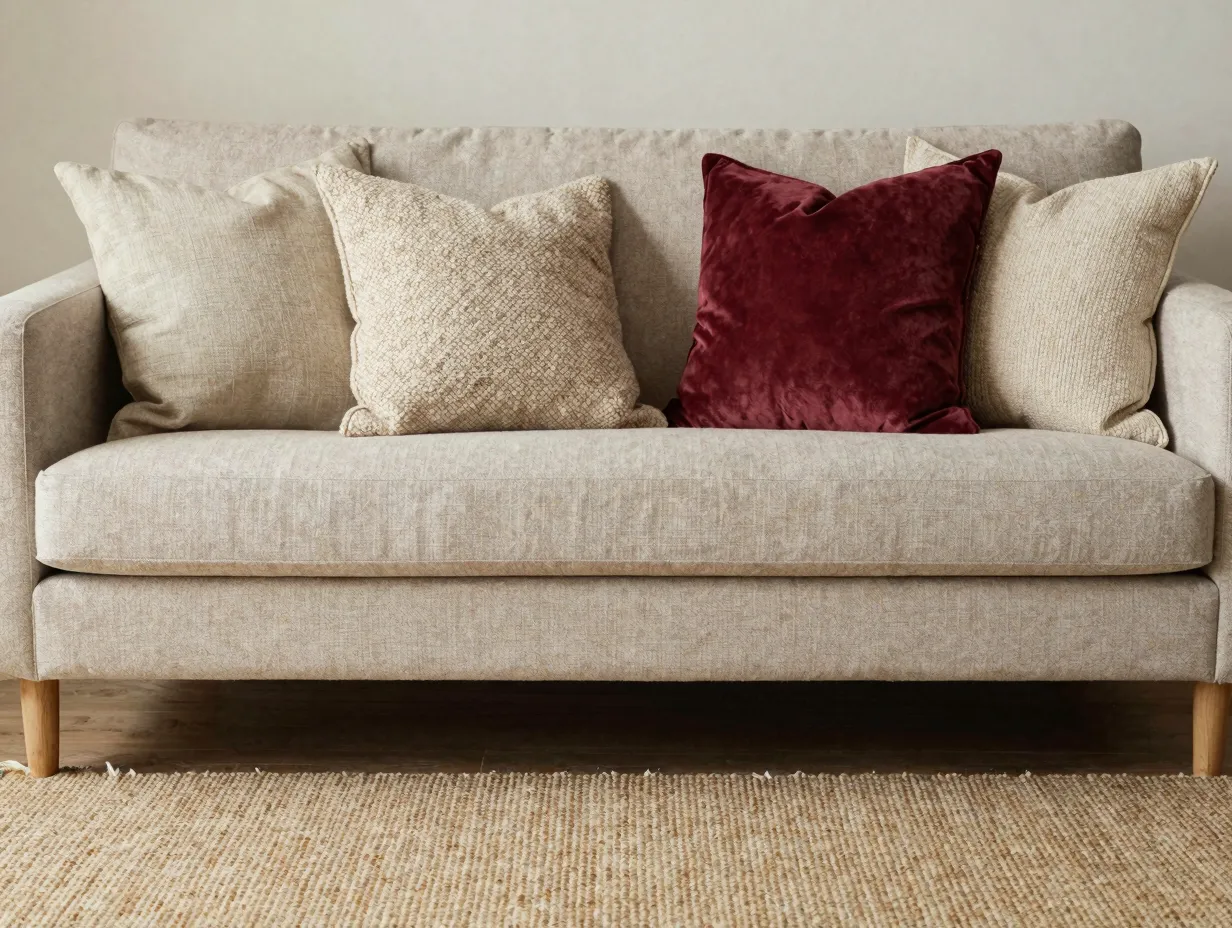
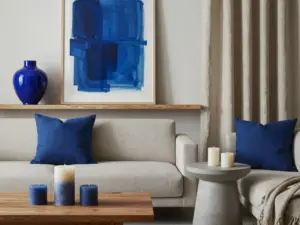
Bare floors and plain sofas are the fastest way to make a room feel unfinished. Textiles, rugs, throw pillows, blankets, curtains, are the easiest way to add color, texture, and personality without any permanent changes.
The layering principle works like this: start with a base textile (usually a rug), then add a mid-layer (throw blanket on a sofa or chair), then finish with accent pieces (decorative pillows in varying sizes and textures).
Textile layering rules that actually work:
- Mix at least three textures per room: smooth, woven, and fluffy
- Use odd numbers of pillows, three or five looks more natural than two or four
- A rug should be large enough that at least the front legs of all furniture rest on it
- Curtains hung close to the ceiling (not the window frame) make ceilings feel taller
Linen, cotton, velvet, and boucle are all excellent choices for 2026 interiors. The current trend leans toward natural, undyed fibers layered with one or two richer accent tones.
4. Create a Gallery Wall
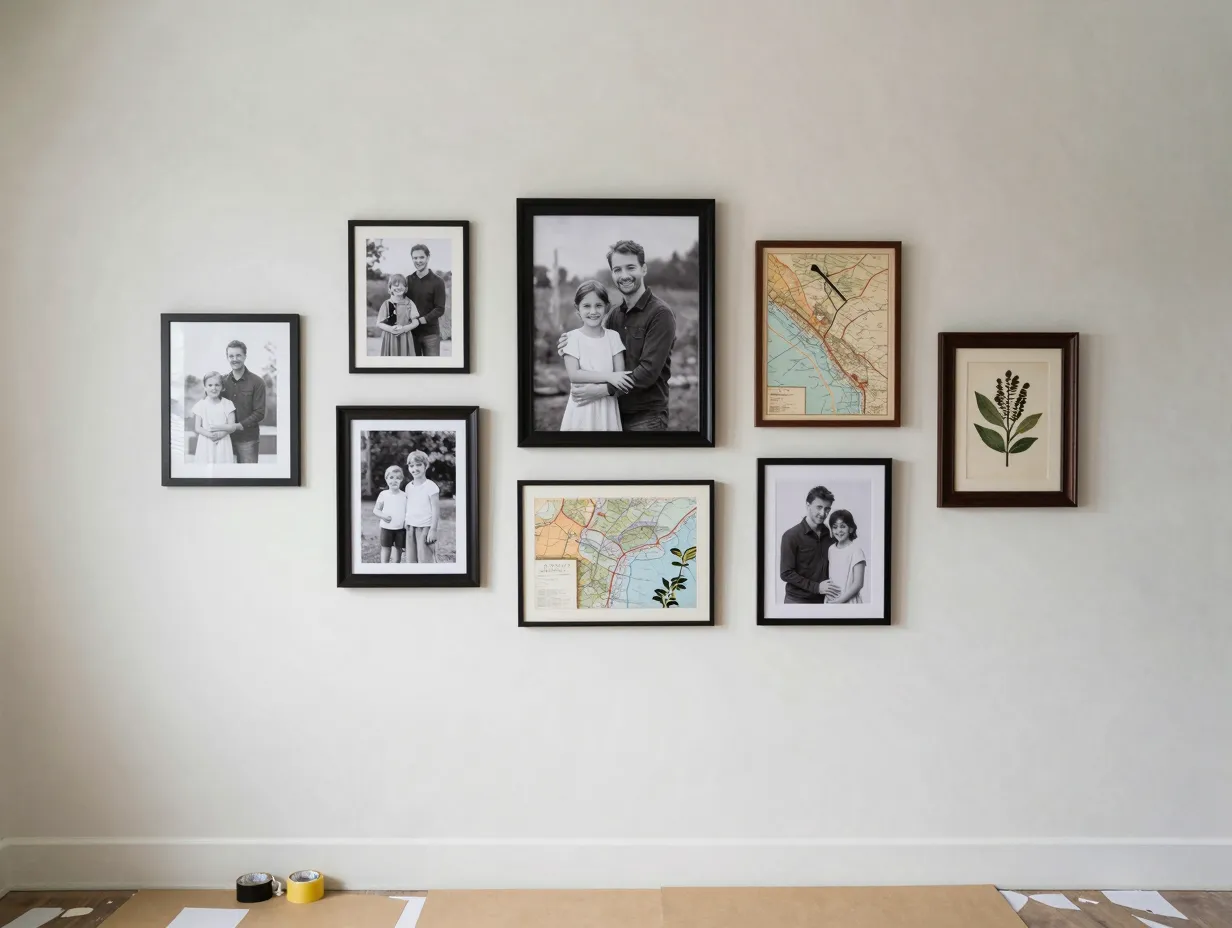
A gallery wall transforms a blank surface into a focal point without any structural changes. It costs as little as the price of a few frames and prints, and it communicates personal taste in a way that no single piece of art can.
The most common mistake people make is starting too small. A gallery wall needs mass to feel intentional. Aim for at least five to seven pieces, and consider mixing frame sizes, orientations, and even frame colors for an eclectic, curated look.
Steps to plan a gallery wall without damaging your walls:
- Lay all frames on the floor first and arrange them until you are happy
- Trace each frame onto kraft paper and cut out the templates
- Tape the paper templates to the wall with painter’s tape
- Live with the arrangement for a day before hammering any nails
- Use picture-hanging strips for renters or anyone who wants a damage-free option
The content does not have to be expensive art. Black-and-white family photos, vintage maps, botanical prints from free public domain archives, and even framed fabric swatches all work beautifully.
5. Rearrange Your Furniture
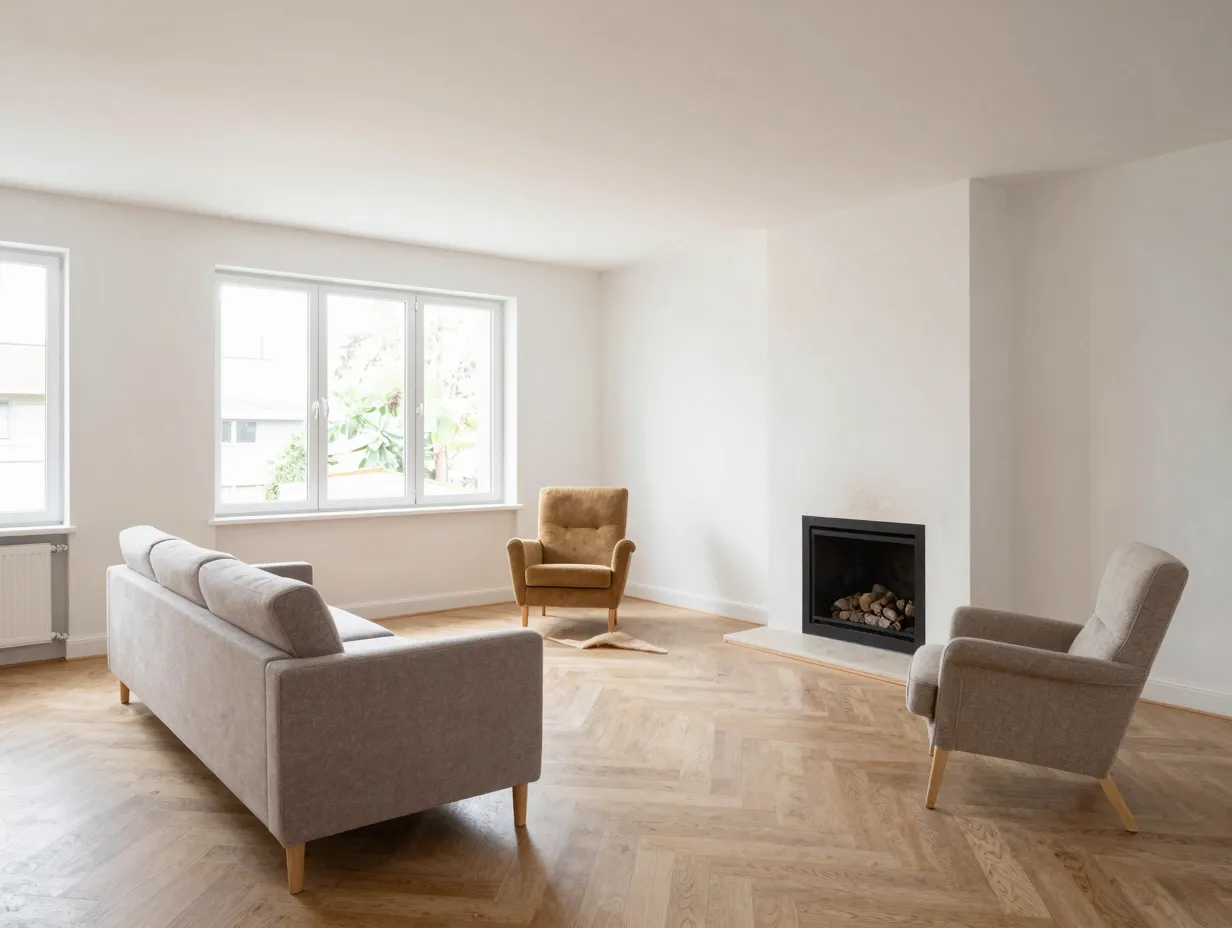
This one costs nothing and is consistently underused. Most people arrange furniture the way it was placed when they moved in, pushed against walls, centered on the room’s longest axis, and oriented toward the television.
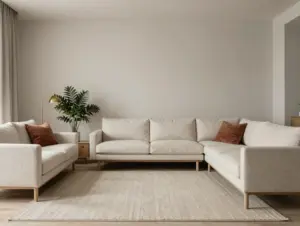
Interior designers almost never push furniture against walls. Floating a sofa slightly away from the wall creates a more intimate, intentional conversation area. Angling a chair toward a window instead of the TV creates a reading nook without buying anything new.
Questions to ask before rearranging:
- What is the natural focal point of this room, fireplace, window, or TV?
- Is there a secondary zone that could serve a different purpose, like reading or working?
- Does the current layout encourage conversation or discourage it?
- Are pathways through the room clear and logical?
I once spent a full Sunday rearranging a client’s living room furniture. We moved nothing new in and removed nothing. By the end, the room felt 30% larger and significantly more functional. The client said it was the best “renovation” she had ever done.
6. Introduce Indoor Plants Strategically
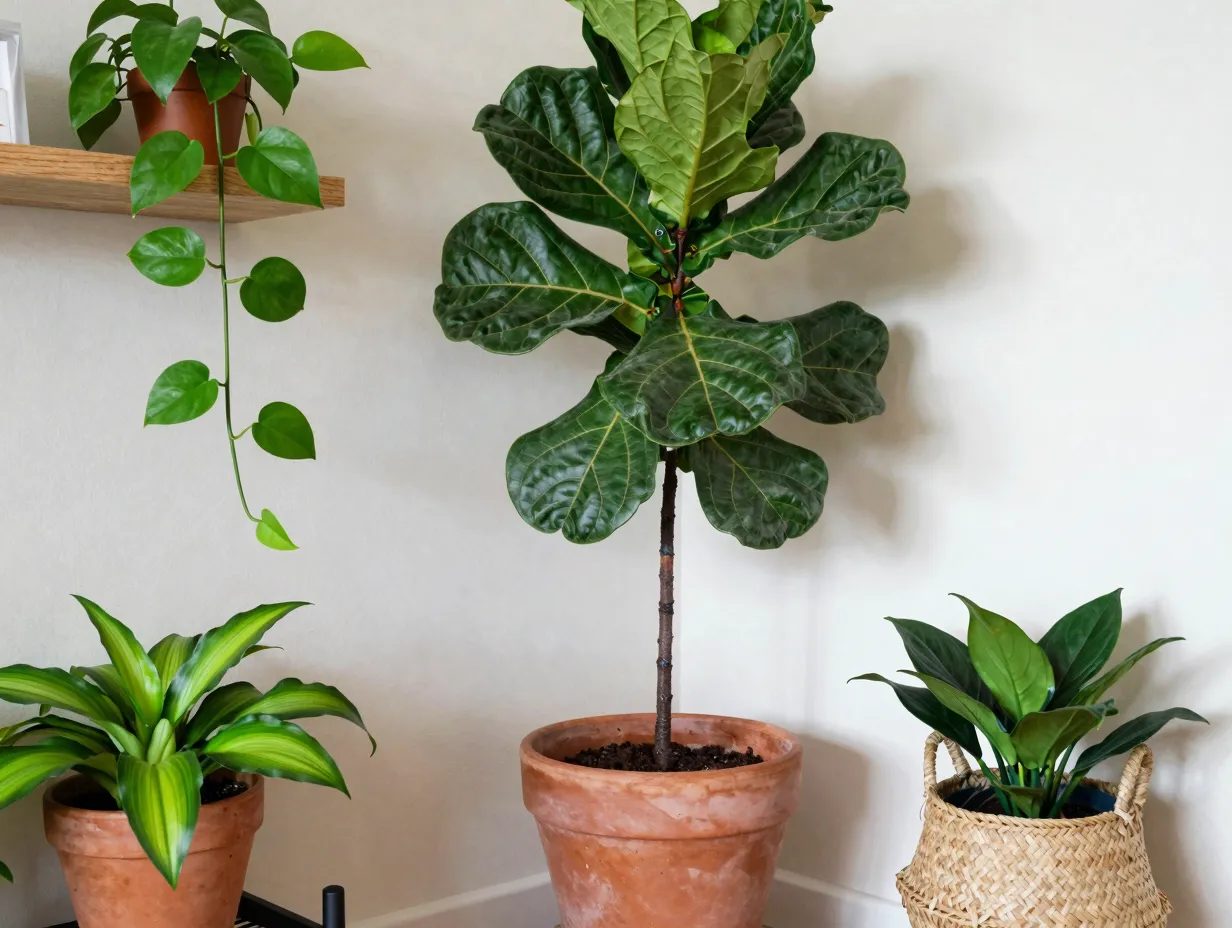
Plants do more than add color. Research from NASA’s Clean Air Study and subsequent work by environmental psychologists has shown that indoor plants reduce stress, improve air quality, and make spaces feel more alive and dynamic.
The strategic part matters. A single small succulent on a windowsill does very little visually. But a large fiddle-leaf fig in the corner of a living room, a trailing pothos cascading from a high shelf, or a cluster of varied plants on a plant stand, these create genuine visual impact.
Best plants for interior impact by room:
- Living room: Fiddle-leaf fig, monstera, bird of paradise
- Bedroom: Snake plant, peace lily, pothos (low light tolerant)
- Kitchen: Herbs (basil, rosemary), spider plant, aloe vera
- Bathroom: Ferns, orchids, air plants (high humidity lovers)
Choose pots that complement your existing palette. Terracotta works with warm, earthy interiors. White ceramic suits minimalist and Scandinavian styles. Woven baskets add bohemian texture.
7. Declutter and Edit With Purpose
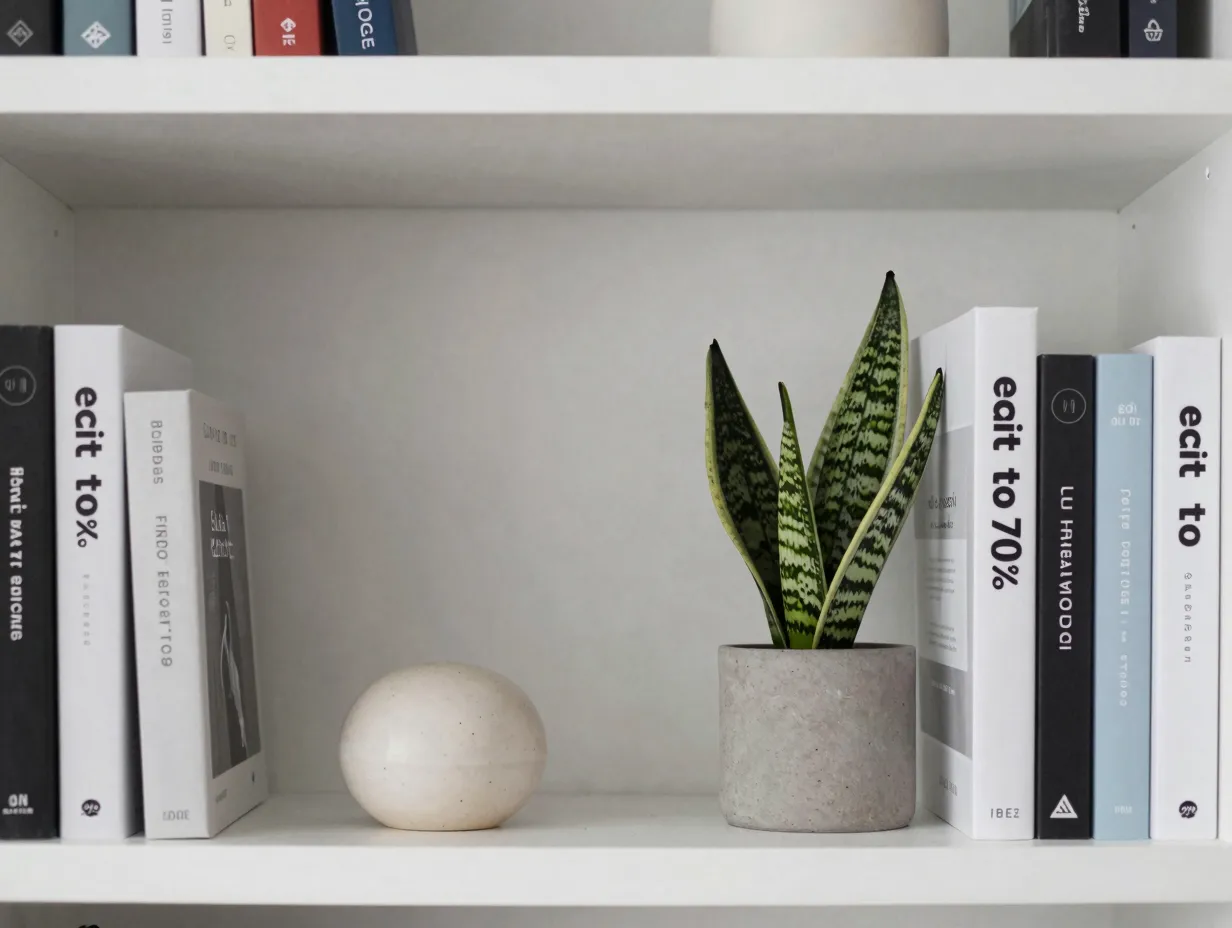
Decluttering is not just cleaning, it is a design act. Every object in a room either contributes to the space’s visual story or competes with it. The goal is not minimalism for its own sake but intentional curation.
The most effective method I have used is the “edit to 70%” rule: remove roughly 30% of the objects currently on display in any given room. Put them in a box. Live without them for two weeks. You will quickly discover which ones you actually miss and which ones you never think about.
Areas that benefit most from editing:
- Bookshelves: Remove every third book and replace with a plant or small object
- Kitchen counters: Keep only what you use daily; store everything else
- Bathroom vanity: A single small tray with three to five items looks intentional; twelve items looks cluttered
- Entryways: One hook per person, one tray for keys, one mirror
The negative space you create by removing objects is not emptiness, it is breathing room. It allows the pieces you keep to be seen properly.
8. Swap Hardware and Small Fixtures
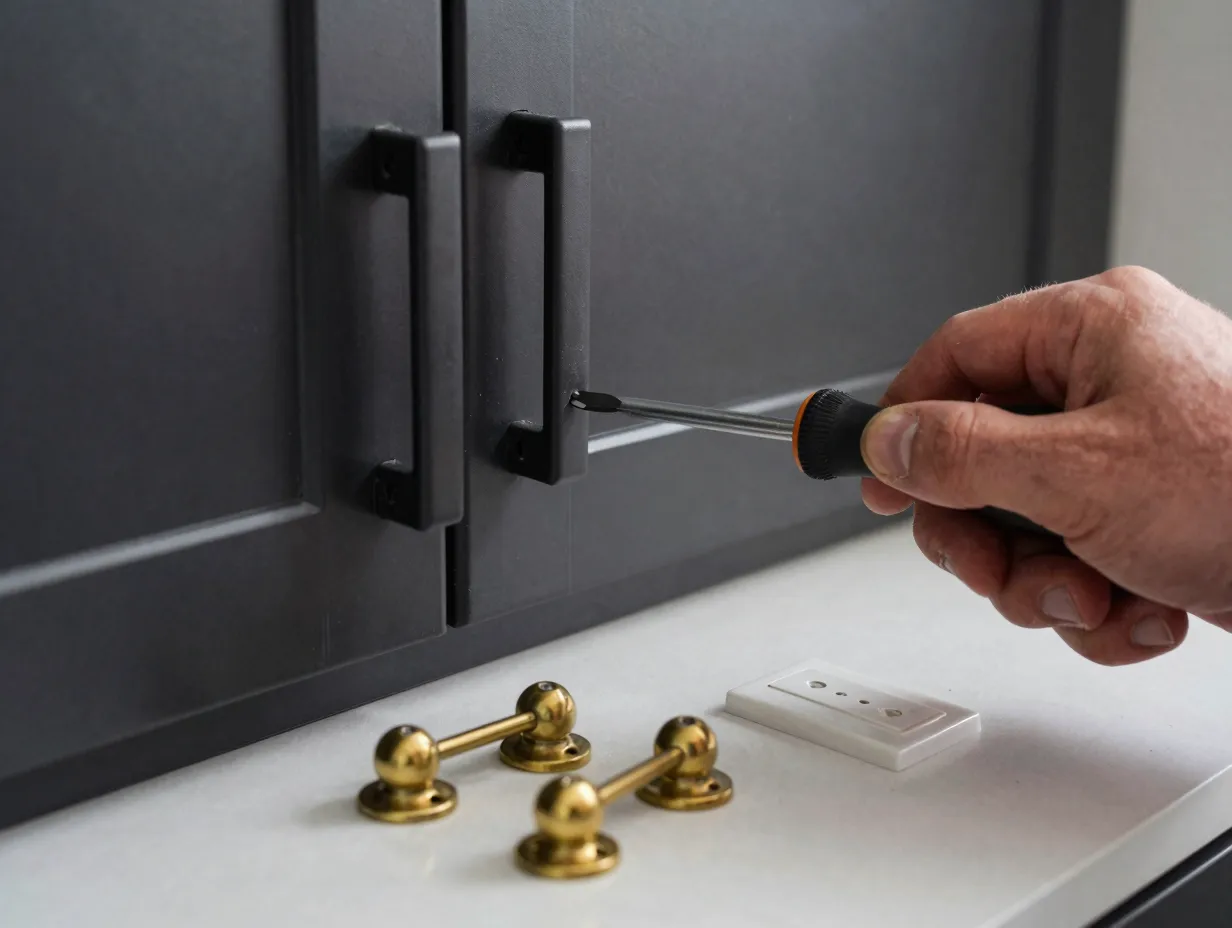
Cabinet handles, drawer pulls, light switch covers, towel bars, and door knobs are the punctuation marks of a room’s design. They are small, but they are everywhere, and outdated hardware can make even beautiful cabinetry look tired.
Swapping cabinet hardware is one of the most satisfying quick wins in interior refreshing. A kitchen with old brass pulls can look entirely contemporary with matte black or brushed nickel replacements. A bathroom with chrome towel bars feels warmer and more boutique-hotel-like with unlacquered brass.
Hardware swap cost estimates:
- Cabinet pull: $3 to $15 per piece
- Drawer knob: $2 to $12 per piece
- Towel bar set: $25 to $80
- Light switch and outlet covers: $2 to $8 per plate
Most swaps require only a screwdriver and 15 minutes per piece. For a kitchen with 20 cabinet doors and drawers, a full hardware refresh might take one afternoon and cost under $150, producing a result that looks like a $5,000 renovation.
9. Use Mirrors to Reshape Space and Light
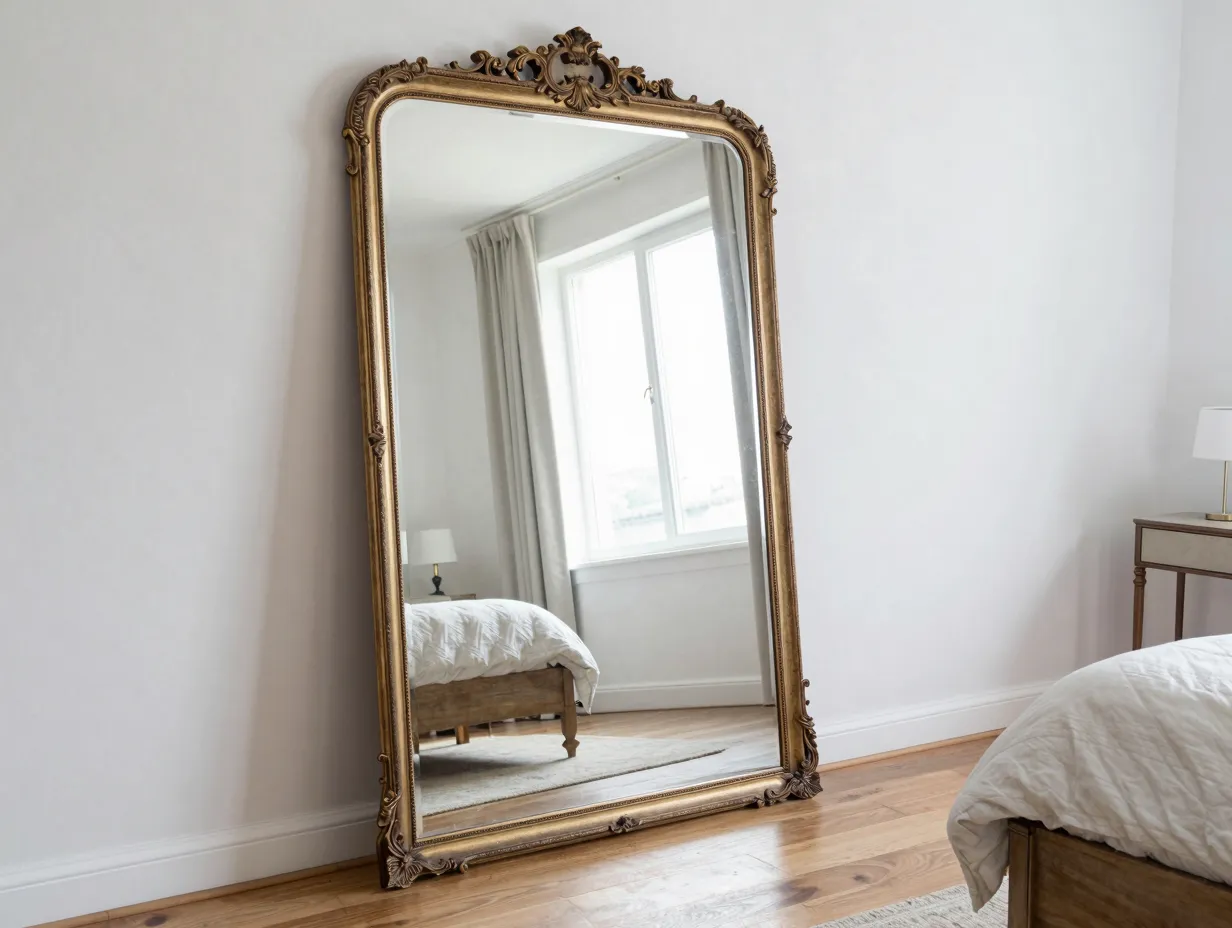
Mirrors are one of the oldest tricks in the interior designer’s toolkit, and they remain one of the most effective. A well-placed mirror can double the apparent size of a room, amplify natural light, and add a decorative focal point simultaneously.
The placement rules are simple but important:
- Position mirrors to reflect a window or light source, not a blank wall
- In dining rooms, a large mirror on one wall creates the illusion of a second room
- Leaning a full-length mirror against a wall in a bedroom adds casual, editorial style without wall damage
- Grouping three small mirrors of varying shapes creates an artistic arrangement similar to a gallery wall
Mirror styles and their design effects:
| Mirror Style | Best Room | Visual Effect |
|---|---|---|
| Arched full-length | Bedroom, entryway | Elongates walls, adds elegance |
| Round sunburst | Living room, hallway | Adds warmth, breaks up rectangular lines |
| Antiqued or foxed | Dining room, study | Adds depth and vintage character |
| Frameless rectangular | Bathroom, small room | Clean, modern, maximizes light |
One of my favorite budget moves is finding oversized vintage mirrors at estate sales or thrift stores. A large, ornate mirror that costs $40 secondhand can become the most-commented-on piece in a room.
How to Prioritize These 9 House Interior Ideas To Refresh Your Space Without Renovating
Not every room needs all nine strategies at once. The smartest approach is to assess each room individually and identify the two or three changes that will produce the greatest impact for the least investment.
A useful framework:
Start with the problems. Does the room feel dark? Address lighting first. Does it feel cluttered? Edit before you add anything. Does it feel cold or impersonal? Textiles and plants will do more than paint in that case.
Layer changes gradually. Attempting all nine ideas in a single weekend often leads to an incoherent result. Instead, implement one or two changes, live with them for a week, then decide what the room still needs.
Set a budget before you shop. It is remarkably easy to overspend on home decor because individual items seem inexpensive. A $20 pillow, a $35 plant pot, a $45 lamp, these add up quickly. Decide your total room budget in advance and allocate it across the changes you plan to make.
Photograph the room before you start. This is practical advice that most people skip. A before photo gives you an objective reference point and makes the transformation feel real and satisfying when you compare it to the after.
Conclusion
Refreshing your home does not require a contractor, a building permit, or a second mortgage. The 9 house interior ideas to refresh your space without renovating covered in this guide, repainting with intention, upgrading lighting, layering textiles, creating gallery walls, rearranging furniture, introducing plants, decluttering purposefully, swapping hardware, and using mirrors, are all within reach this weekend.
Your actionable next steps:
- Walk through your home today and identify the one room that bothers you most
- Photograph it as it currently stands
- Choose two ideas from this list that address the room’s specific weaknesses
- Set a budget and a timeline before purchasing anything
- Implement, photograph the result, and then reassess what the room still needs
The most important shift is moving from passive dissatisfaction to active, intentional curation. Your home should feel like a reflection of who you are right now, not who you were when you first moved in. None of that requires a renovation. It requires attention, intention, and a willingness to experiment.
References
- Houzz. (2023). 2023 U.S. Houzz & Home Study: Renovation Trends. Houzz Research.
- National Association of Realtors. (2022). 2022 Remodeling Impact Report. NAR Research Group.
- Wolverton, B. C., Johnson, A., & Bounds, K. (1989). Interior landscape plants for indoor air pollution abatement. NASA Technical Report.
- Kaplan, R., & Kaplan, S. (1989). The Experience of Nature: A Psychological Perspective. Cambridge University Press.