9 Master Bedrooms Decor Ideas For Couples To Create A Shared Sanctuary
Couples who share a bedroom but not a design vision are more common than you might think. A 2024 survey by the American Institute of Interior Designers found that disagreements over home decor rank among the top five sources of household conflict for partnered adults. The master bedroom, the one room where two people spend the most time together in private, is often the battleground. Yet it does not have to be. These 9 master bedrooms decor ideas for couples to create a shared sanctuary offer a practical, tested path toward a room that genuinely reflects both partners without either one feeling invisible.
Disclosure: This post contains affiliate links. As an Amazon Associate, we earn from qualifying purchases, and at no extra cost to you.
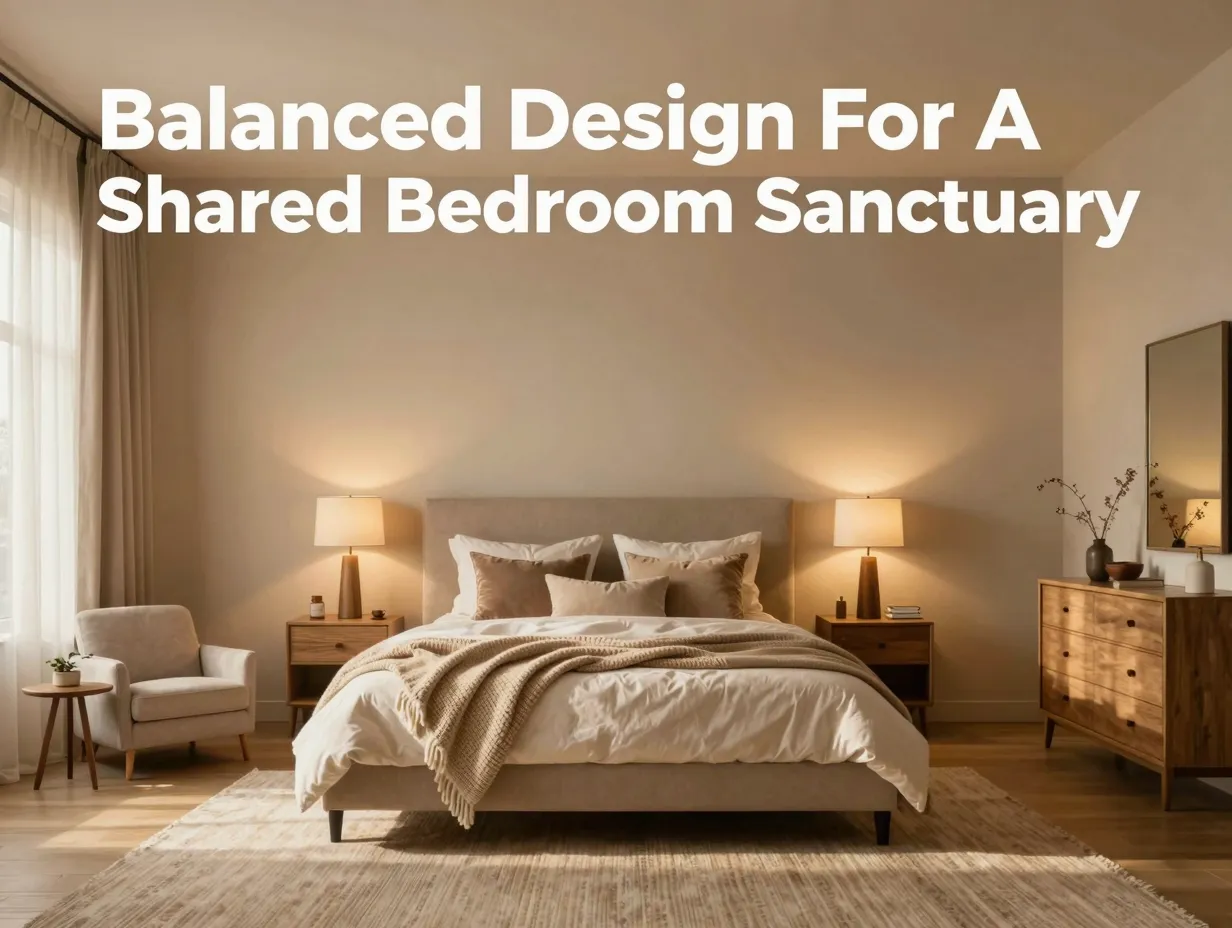
I have worked with couples who arrived at the design process with completely opposing tastes. One partner wanted a dark, moody, masculine retreat. The other wanted something light, soft, and romantic. In nearly every case, the solution was not compromise in the watered-down sense. It was integration. The 9 master bedrooms decor ideas for couples to create a shared sanctuary outlined here are built on that principle.
Key Takeaways
- A neutral tonal base palette makes it easier for two partners with different tastes to layer personal touches without visual conflict.
- Dedicated seating zones and reading nooks give couples a place to connect outside the bed, strengthening the room’s function as a true sanctuary.
- Layered, indirect lighting with dimmable options is one of the highest-impact changes a couple can make to create intimacy.
- Balanced storage, including two nightstands and a shared dresser zone, prevents territorial friction in daily routines.
- Mixing materials thoughtfully, such as dark walnut with soft velvet, can honor both partners’ aesthetic preferences in one cohesive space.
The Foundation: Design Principles Behind a Truly Shared Space
Before diving into the specific ideas, it helps to understand what makes a bedroom feel shared rather than divided or dominated by one person’s taste. Designers in 2026 consistently point to three core principles: mutual functionality, visual harmony, and spatial balance [7]. These are not abstract ideals. They translate directly into decisions about furniture placement, color selection, and the way storage is organized.
Mutual functionality means every element in the room serves both partners. Visual harmony means the room does not feel like two different design schemes fighting for attention. Spatial balance means neither partner’s side of the room feels like an afterthought.
With those principles in mind, here are the 9 master bedrooms decor ideas for couples to create a shared sanctuary that I recommend most often.
9 Master Bedrooms Decor Ideas For Couples To Create A Shared Sanctuary
1. Start With a Soft, Neutral Tonal Base Palette
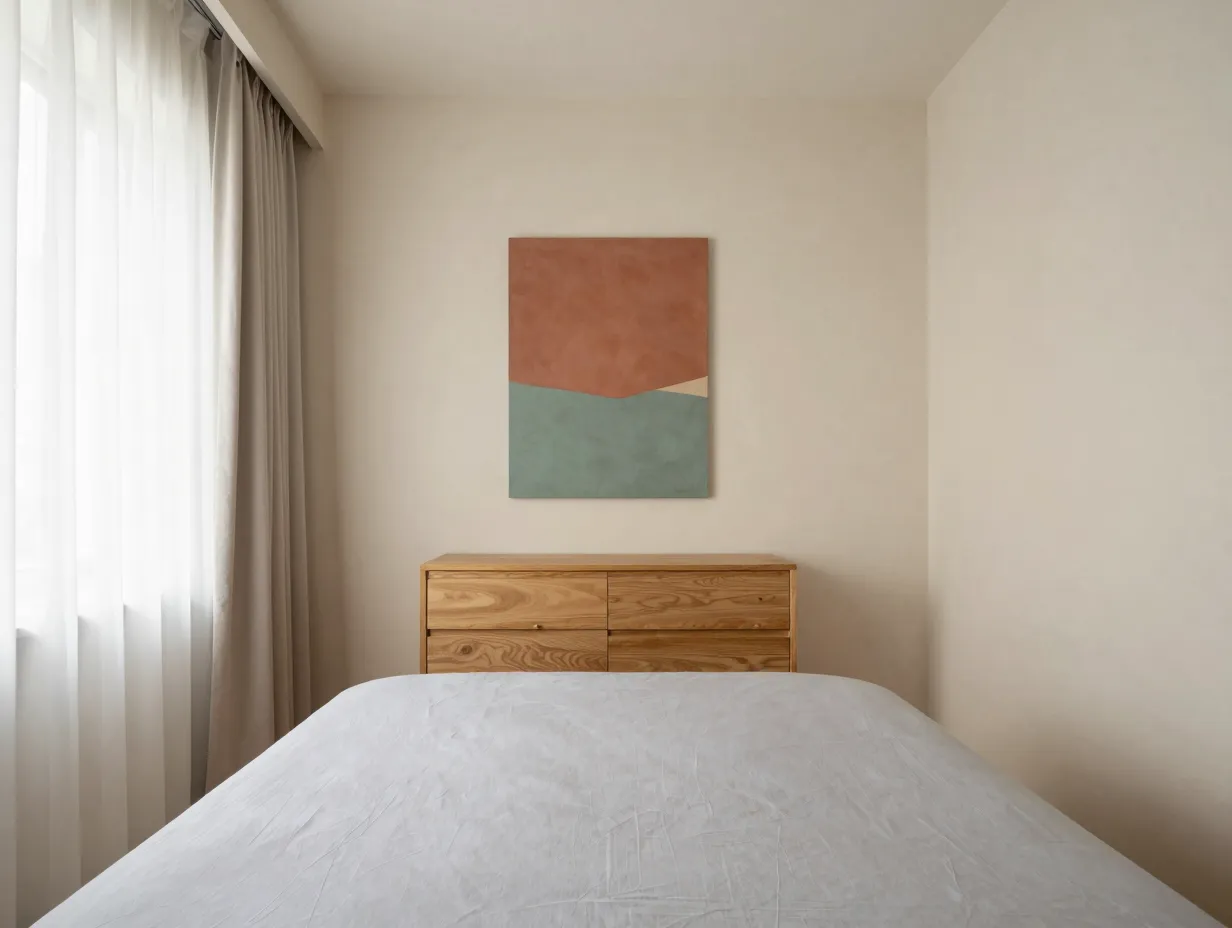
The single most effective thing a couple can do is agree on a neutral foundation before adding any personal touches. A palette built around beige, ivory, sand, pale grey, or taupe creates a serene visual backdrop that neither partner will find alienating [2]. These tones are not boring. They are strategic.
When the walls, bedding, and major furniture pieces share a soft tonal family, it becomes much easier to layer in each partner’s personality through cushions, throws, artwork, and accessories. One partner might lean toward warm terracotta accents while the other prefers cool sage green. Against a neutral base, both can coexist without clashing [2].
Practical tip: Choose one dominant neutral for the walls and a slightly warmer or cooler version for the bedding. This creates depth without introducing conflict.
2. Invest in a Durable, Statement Bed Frame That Both Partners Love
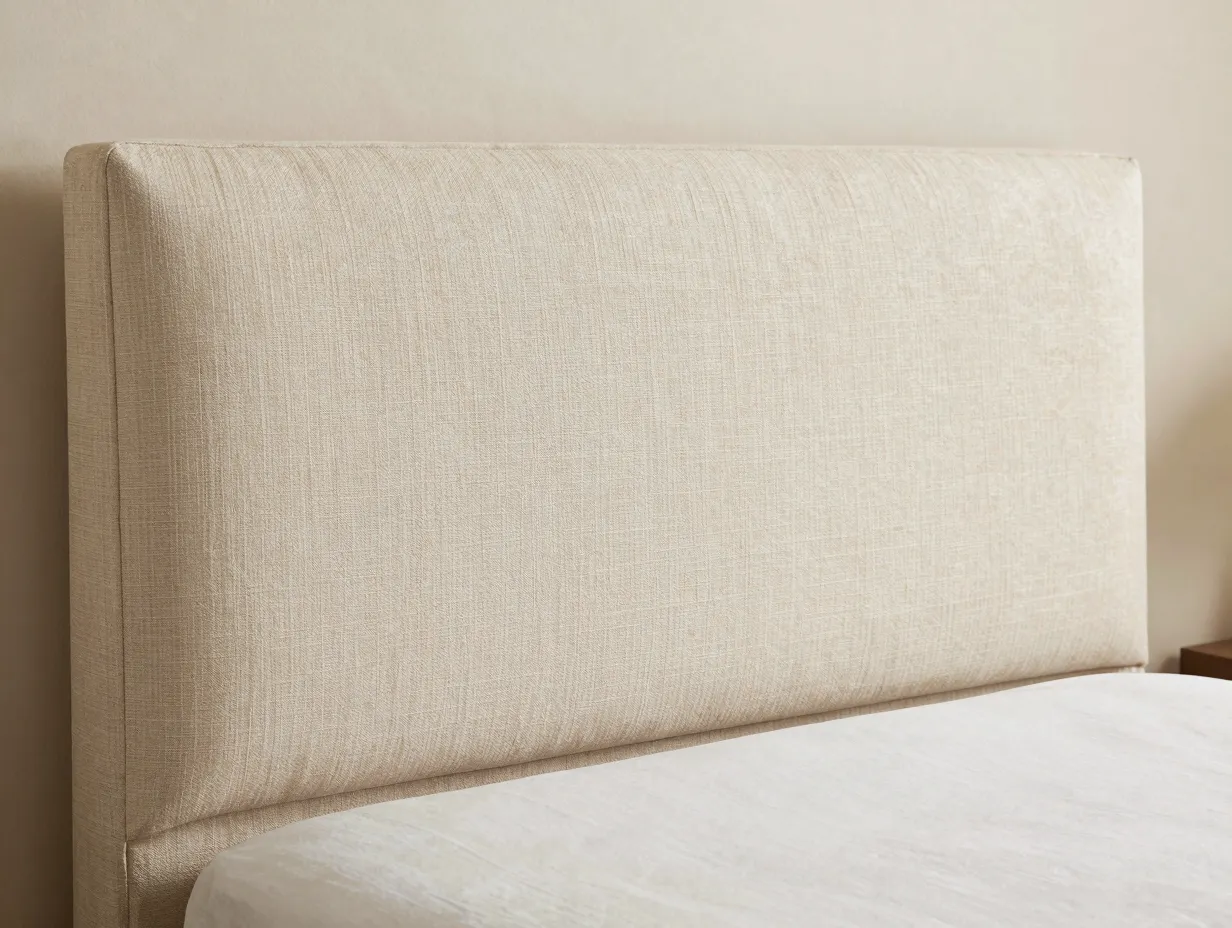
The bed is the undisputed focal point of any master bedroom. For couples, it is also the most symbolic piece of furniture in the room. Choosing it together matters both practically and emotionally [7].
In 2026, designers recommend bed frames with clean architectural lines that feel neither overly feminine nor overly masculine. Upholstered frames in linen or boucle work well for couples because they read as soft and inviting without being fussy. Solid wood frames in walnut or oak offer warmth and durability that suits a wide range of styles [3].
“Every element should serve both comfort and connection.” [3]
A bed frame is a long-term investment. Spend time on this decision together. Visit showrooms. Lie on the mattress. Discuss what feels right for both of you. The process itself can be a bonding experience.
3. Balance the Room With Two Well-Matched Nightstands
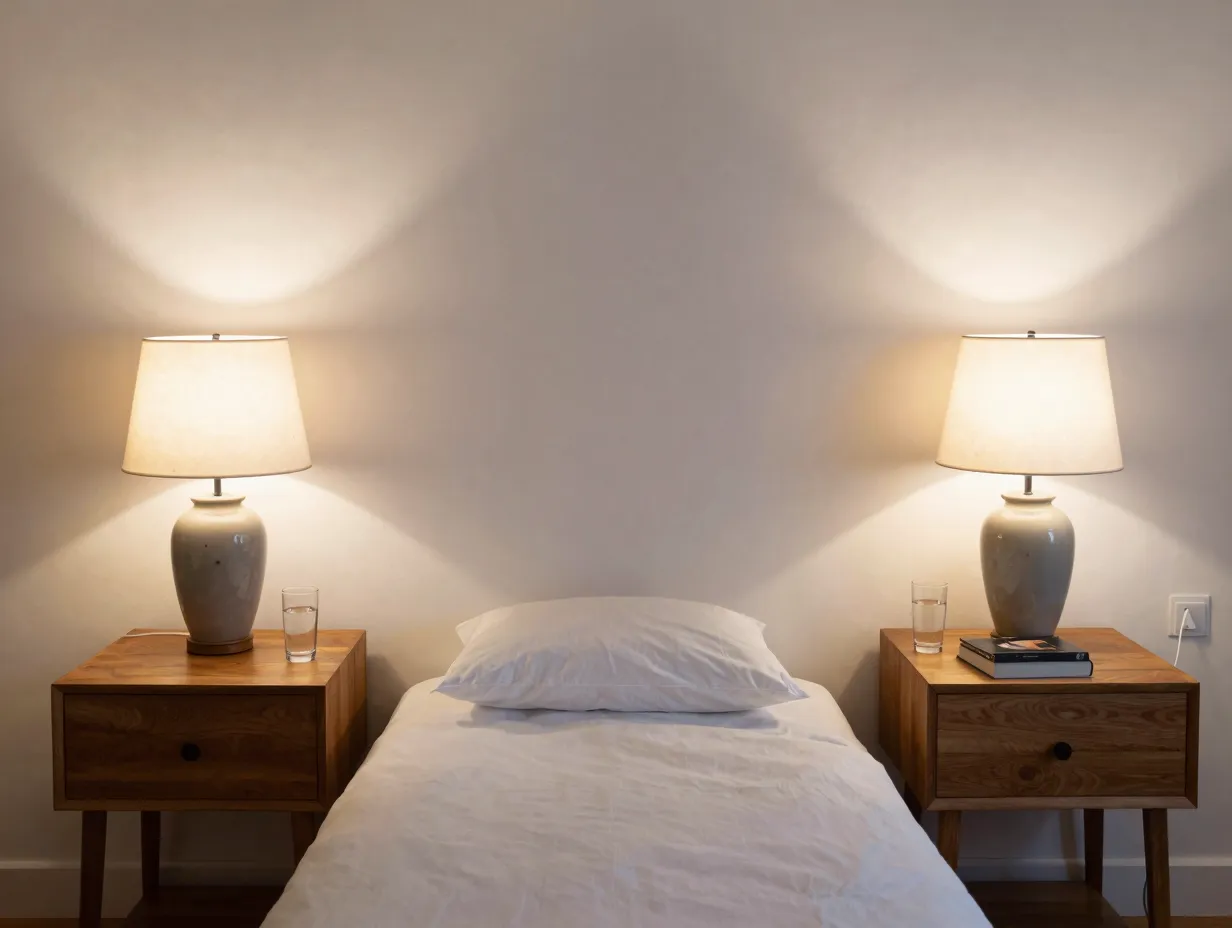
One of the most overlooked sources of bedroom tension is asymmetrical nightstands. When one partner has a spacious nightstand with drawers and the other has a small floating shelf, it sends an unspoken message about whose comfort matters more.
Designers consistently recommend two nightstands that are matched in scale, even if they differ slightly in style [7]. This creates visual symmetry and gives each partner equal storage for books, chargers, glasses, and personal items. It also frames the bed beautifully, reinforcing the sense that this is a shared space.
Storage checklist for each nightstand:
- At least one drawer for personal items
- A surface large enough for a lamp, a glass of water, and one personal item
- A charging point, either built-in or accessible from the surface
4. Layer Materials to Honor Both Partners’ Aesthetic Energies
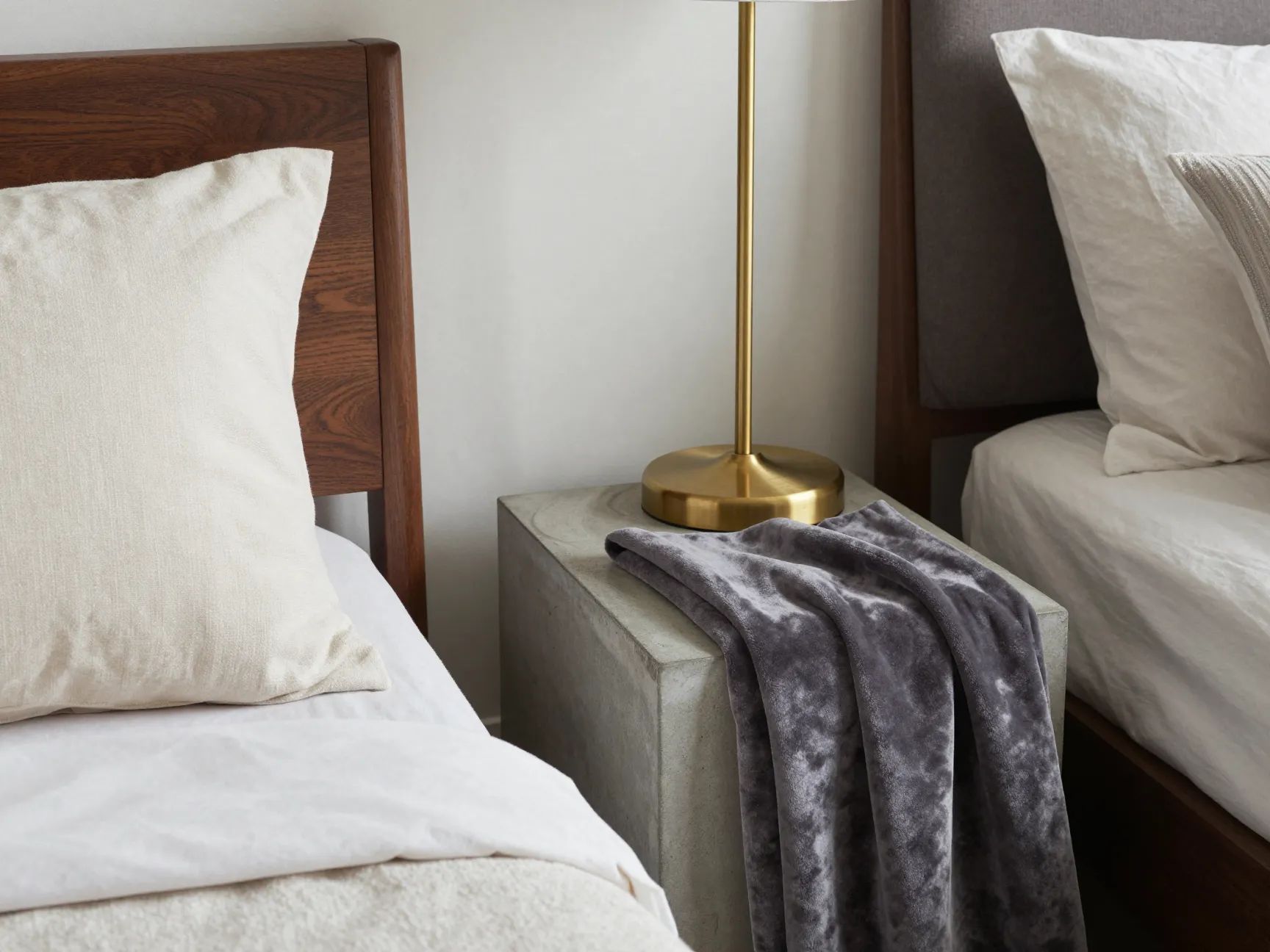
One of the most elegant solutions for couples with different design preferences is what designers in 2026 call “Material Honesty” [3]. This means using materials authentically and mixing them intentionally rather than defaulting to one dominant style.
A room might feature a dark walnut bed frame and industrial metal lamp bases alongside soft velvet throw pillows, sheer linen curtains, and a fresh floral arrangement. The harder, more structured materials speak to one partner’s preference for strength and clarity. The softer, more organic materials speak to the other’s desire for warmth and romance [3].
Dark walnut + ivory linen bedding
Brushed brass hardware + soft bouclé upholstery
Concrete-effect side table + plush velvet throw
Matte black lamp base + sheer white curtains
The key is balance. No single material should dominate so completely that the room feels like it belongs to only one person.
5. Create a Dedicated Seating Zone for Quiet Couple Time
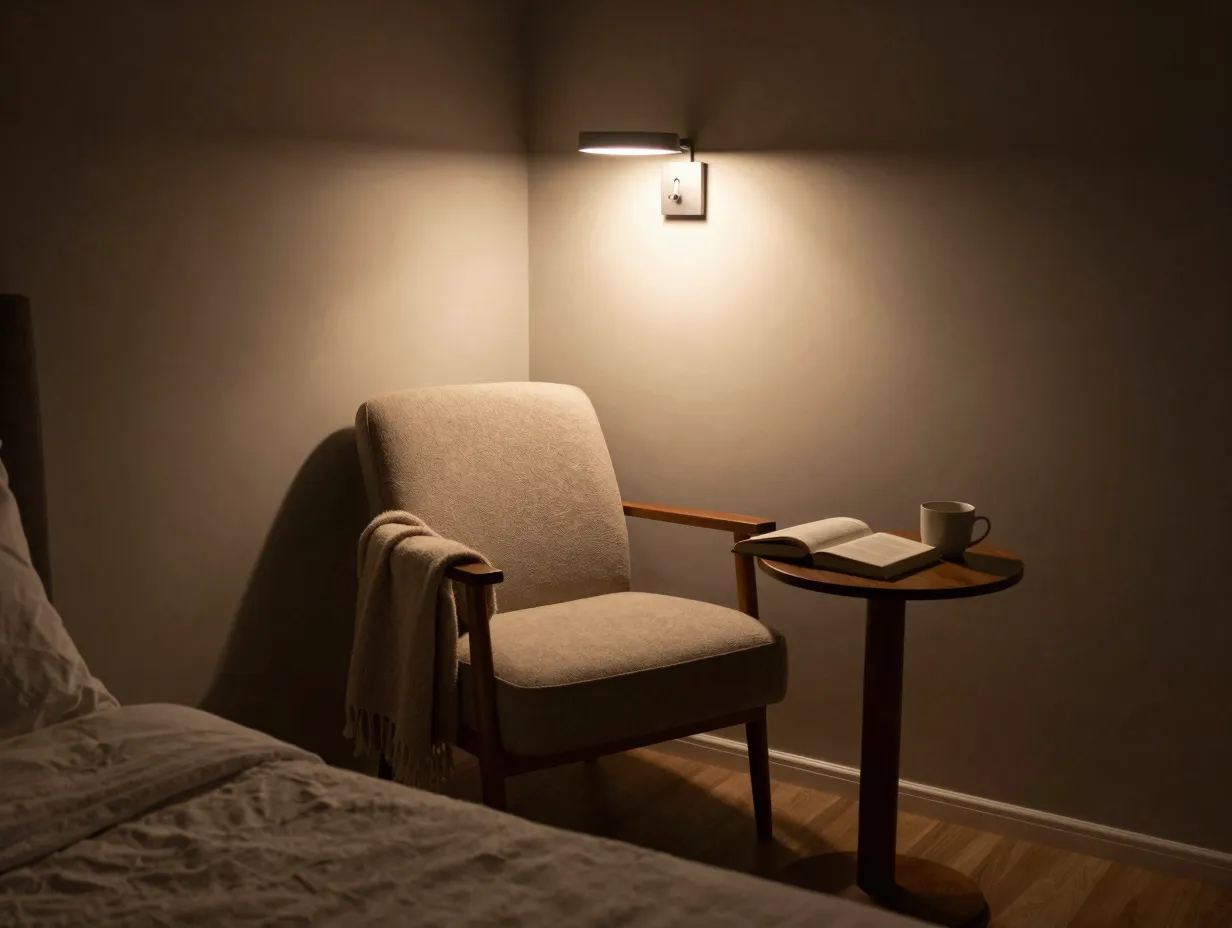
A bedroom that contains only a bed and storage is a sleeping room. A sanctuary is something more. Expert sources across 2025 and 2026 consistently identify a dedicated seating zone as one of the most transformative additions a couple can make to their shared bedroom [2][1][8].
This does not require a large room. A bench at the foot of the bed, a pair of small accent chairs in a corner, or even a single curved reading chair with a portable lamp can create a distinct zone for lounging, talking, or reading without disturbing the sleeping area [4][8].
I once helped a couple in a modest apartment carve out a reading nook by simply repositioning a chair they already owned, adding a small side table from a thrift store, and hanging a plug-in sconce on the wall above it. The cost was under eighty dollars. The impact on how they used and felt about their bedroom was significant.
Seating zone essentials:
- At least one comfortable chair or bench
- A small surface for a drink or book
- A dedicated light source that can be used independently of the main room lighting
- A soft throw for added comfort
6. Design a Layered Lighting Plan With at Least Three Sources
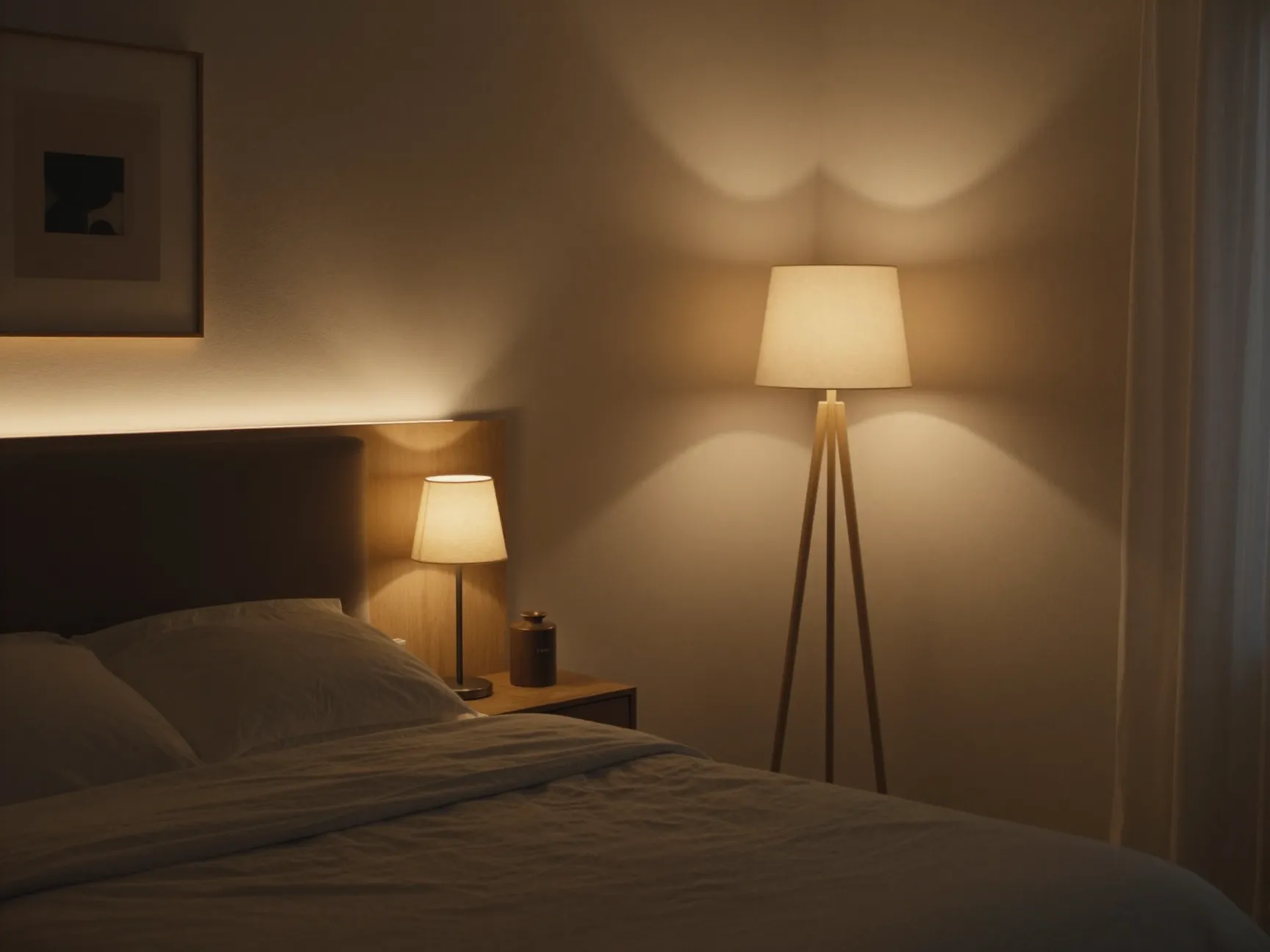
Overhead lighting is the enemy of bedroom intimacy. A single ceiling fixture flooding the room with bright, uniform light flattens the space and eliminates the sense of warmth that a shared sanctuary requires.
A February 2026 guide on romantic bedroom makeovers recommends at least three light sources that are not overhead, including dimmable warm LED wall sconces on each side of the bed, portable table or floor lamps, and accent lighting to highlight artwork or architectural features [4]. A March 2026 trend article reinforces this by promoting a mix of ambient and task lighting that can be adjusted to suit different moods and activities [2].
A practical three-layer lighting plan:
| Layer | Type | Purpose |
|---|---|---|
| Ambient | Dimmable wall sconces | General room illumination, adjustable mood |
| Task | Bedside reading lamps | Individual use without disturbing partner |
| Accent | LED strip or picture light | Highlight art, add depth and warmth |
Each layer should be independently controllable. Smart bulbs or dimmer switches make this easy and affordable in 2026.
7. Establish a Shared Dresser Area That Supports Both Partners’ Routines
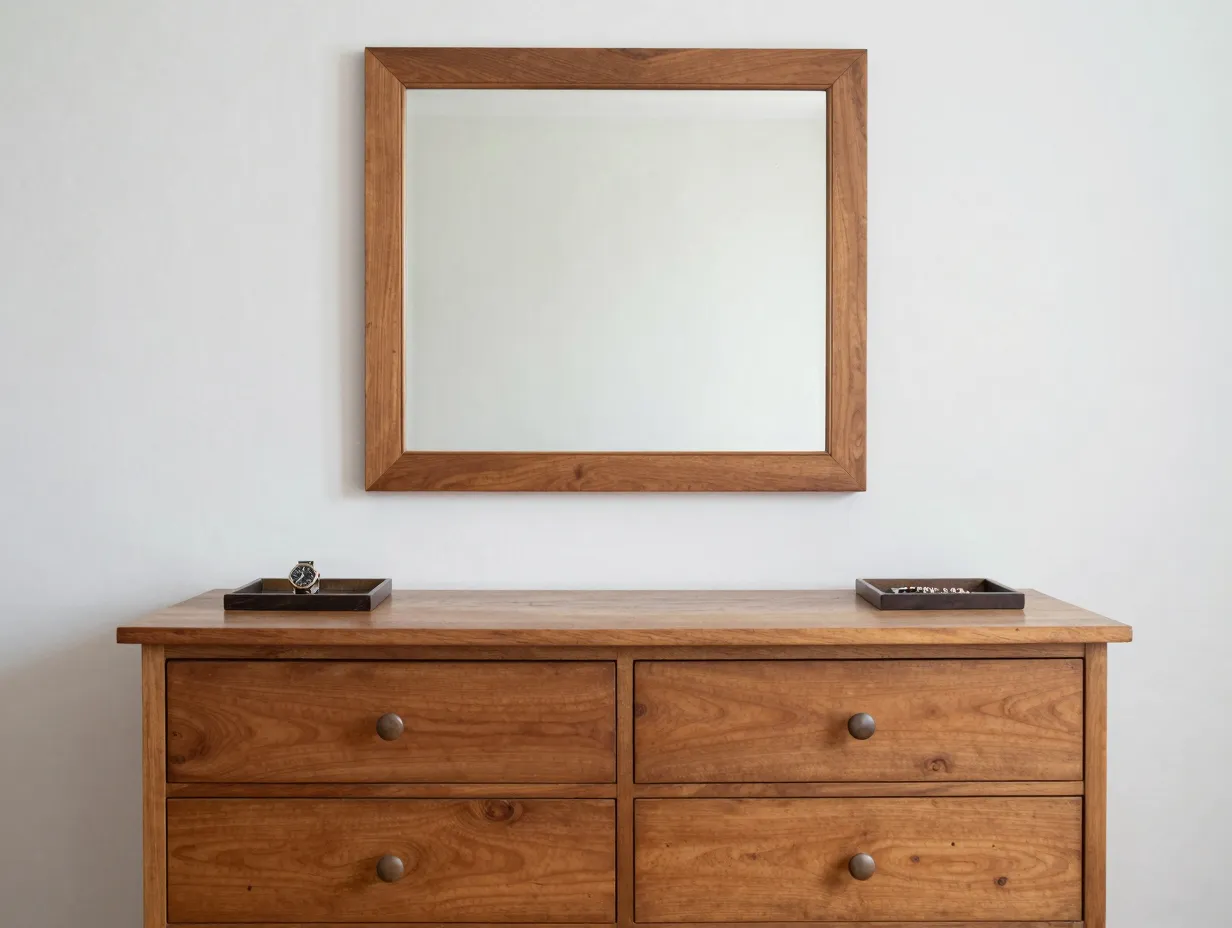
Clutter is one of the fastest ways to undermine the sanctuary feeling of a master bedroom. For couples, clutter often concentrates around the dresser and vanity area because two people’s daily routines collide in the same small space.
Designers recommend treating the dresser zone as a shared station with clearly defined areas for each partner [7]. This does not mean labeling drawers. It means thinking intentionally about how the space is organized so that both partners can complete their morning and evening routines without friction.
A double dresser with equal drawer distribution is a simple starting point. Adding a small tray or dish on each side of the dresser surface gives each partner a designated spot for jewelry, watches, or daily essentials. A wall-mounted mirror above the dresser, centered and large enough for both partners to use simultaneously, completes the zone [3].
Dresser zone organization tips:
- Assign equal drawer space to each partner from the start
- Use drawer dividers to prevent items from migrating
- Keep the surface clear except for two or three intentional objects
- Add a small vanity mirror on one side if one partner uses makeup regularly
8. Incorporate Personal Touches From Both Partners Without Visual Clutter
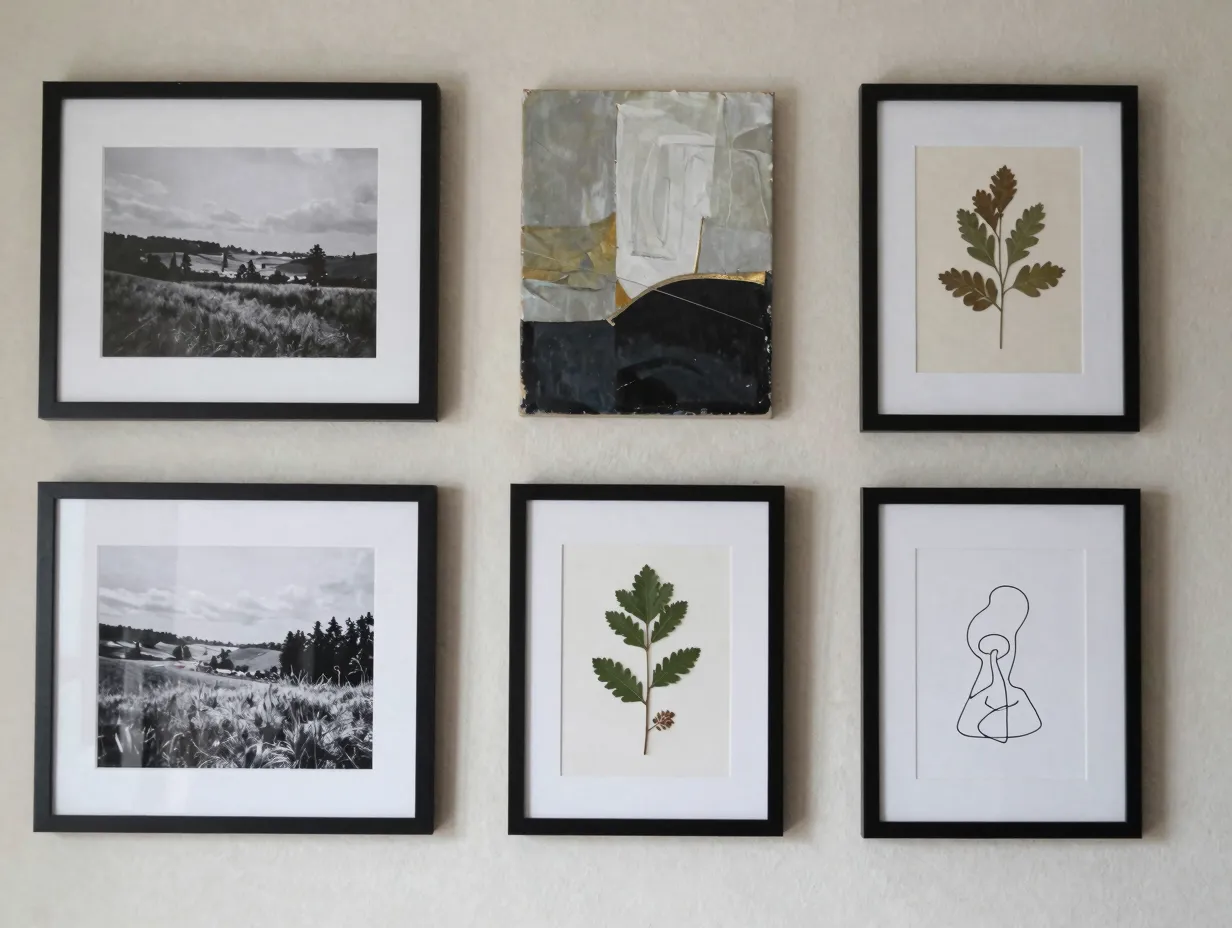
A shared sanctuary should feel like it belongs to both people, not like a hotel room or a showroom. The challenge is incorporating personal touches from two individuals without the room feeling chaotic or visually busy.
The most effective approach is to curate rather than accumulate. Each partner selects two or three meaningful objects, photographs, or art pieces that represent them. These are then arranged intentionally, grouped by material or color family, and given enough space to breathe [5][6].
A framed photograph from a shared trip, a piece of art one partner made, a small sculpture the other collected, these can coexist beautifully when they share a wall or shelf and are unified by a consistent frame color or display material.
Curation is not about removing personality. It is about giving each personality room to be seen clearly.
One approach I find particularly effective for couples is the “one wall, two voices” method. One wall in the bedroom, typically the one opposite the bed, becomes a gallery wall that tells both partners’ stories. The constraint of a single wall forces editing and creates a unified display rather than scattered personal items throughout the room.
9. Add Sensory Layers: Scent, Texture, and Sound
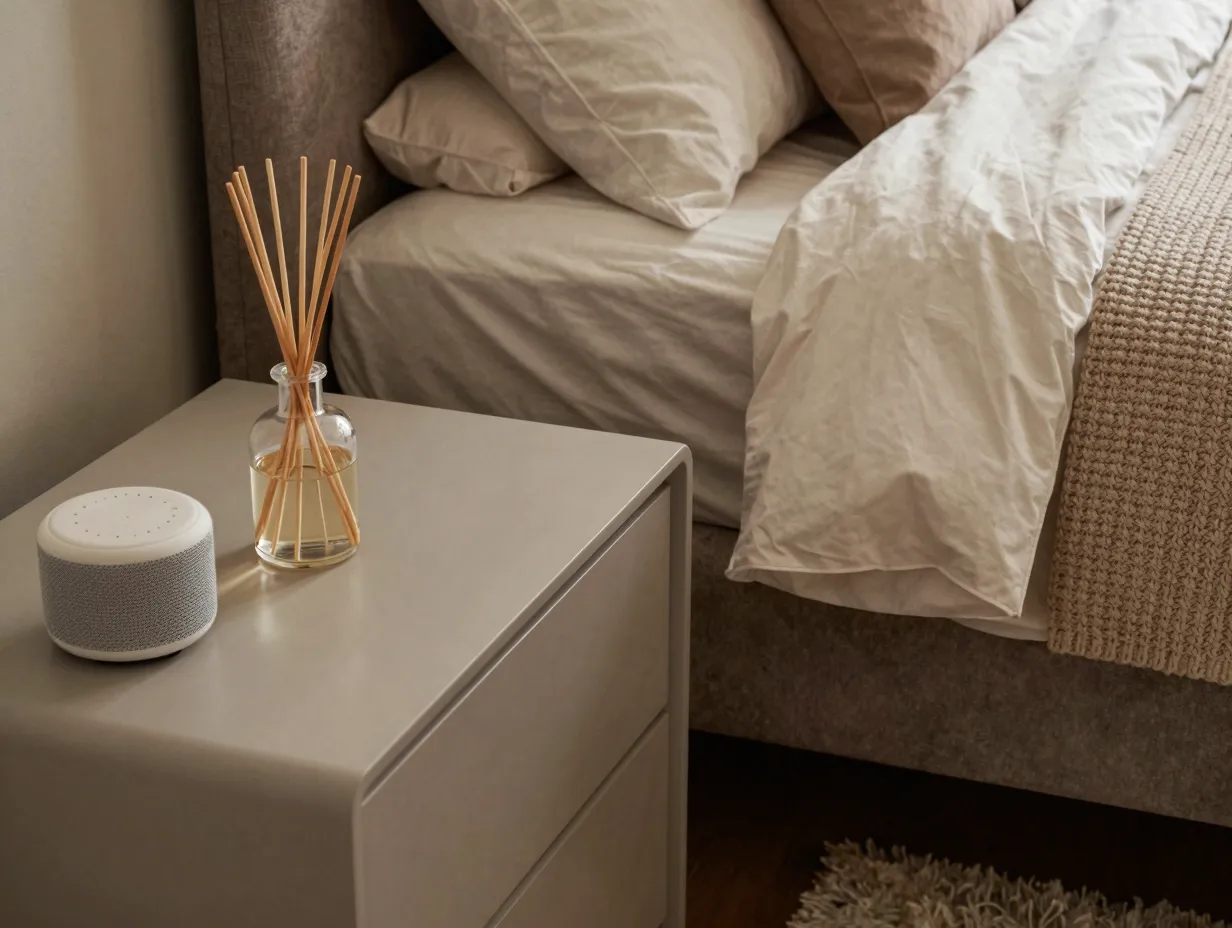
The most memorable sanctuaries engage more than just the eyes. Scent, texture, and sound are powerful mood regulators that couples often overlook when decorating their shared bedroom [5][6].
Scent: A consistent, agreed-upon room scent creates a powerful association with rest and intimacy. Reed diffusers, linen sprays, or a single candle in a scent both partners enjoy (lavender, sandalwood, and white tea are popular neutral choices) can transform the feeling of a room the moment you walk in.
Texture: Layering textures in bedding, rugs, and window treatments adds visual and tactile richness that makes a room feel genuinely luxurious. A combination of smooth cotton sheets, a chunky knit throw, a plush rug underfoot, and linen curtains that filter light softly creates a sensory environment that invites relaxation [2].
Sound: This is often the most overlooked layer. A small Bluetooth speaker tucked discreetly on a shelf allows couples to play soft music or ambient sound without the visual intrusion of a large device. Acoustic panels disguised as art or thick curtains that absorb sound also contribute to a quieter, more intimate atmosphere.
Agreed-upon room scent in a subtle diffuser or spray
At least three distinct textures in bedding and soft furnishings
Window treatments that filter light and absorb sound
A discreet speaker for ambient music or white noise
A rug large enough to extend beyond both sides of the bed
Common Mistakes Couples Make When Decorating a Shared Bedroom
Even with the best intentions, couples fall into predictable traps when decorating together. Recognizing these patterns early can save significant time, money, and frustration.
Defaulting to one partner’s taste entirely. This is the most common mistake. One partner, often the one who expresses stronger opinions or more confidence about design, ends up making most of the decisions. The result is a room that feels like it belongs to one person. The other partner never fully relaxes in the space.
Buying furniture separately and hoping it will work together. Mismatched furniture scales, wood tones, and metal finishes create visual noise that undermines the sanctuary feeling. Always shop for major pieces together, or at minimum, agree on a style brief before either partner shops independently.
Neglecting the ceiling and floor. The ceiling and floor account for a significant portion of a room’s visual surface area. A warm-toned rug that extends well beyond the bed and a ceiling that is painted a shade slightly lighter than the walls add depth and cohesion that many couples miss [2].
Treating storage as an afterthought. Insufficient storage leads to visible clutter, which is one of the fastest ways to destroy the sanctuary feeling. Plan storage before purchasing decorative items [7].
Conclusion
Creating a master bedroom that genuinely works for two people is one of the most rewarding design challenges a couple can undertake. The 9 master bedrooms decor ideas for couples to create a shared sanctuary outlined here are not theoretical ideals. They are practical, tested strategies that address the real friction points couples face: differing tastes, competing routines, insufficient storage, and the difficulty of making a room feel personal without making it feel cluttered.
Your actionable next steps:
- Have an honest conversation with your partner about what each of you needs the bedroom to feel like. Use words, not just images.
- Agree on a neutral base palette before purchasing anything new.
- Audit your current nightstand situation. Are both sides equally functional?
- Identify one area of the room that could become a dedicated seating or reading zone.
- Replace your overhead lighting with at least two dimmable alternatives within the next month.
- Walk through the room together and identify three items that feel like they belong to only one partner. Find a way to balance them with something that represents the other.
A shared bedroom is not just a design project. It is a daily statement about how two people value each other’s comfort and presence. Start with one idea from this list. The rest will follow naturally.
References
[1] Bedroom Design Trends 2025 – https://www.veranda.com/decorating-ideas/advice-from-designers/g62987346/bedroom-design-trends-2025/
[2] Master Bedroom Ideas – https://www.kingliving.com/blog/master-bedroom-ideas
[3] 20 Modern Bedroom Ideas For Couples The Ultimate 2026 Guide To Cozy Romantic Spaces 18391 – https://wisalai.com/article/20-modern-bedroom-ideas-for-couples-the-ultimate-2026-guide-to-cozy-romantic-spaces-18391
[4] Watch – https://www.youtube.com/watch?v=0uwvOYsOCk0
[5] Bedroom Design Ideas For Couples – https://www.interiorcompany.com/in/trends/bedroom-design-ideas-for-couples
[6] Master Bedrooms Ideas For Couples – https://hearthandpetals.com/master-bedrooms-ideas-for-couples/
[7] 63 Bedroom Sets Ideas 2026 Modern Designs – https://my-inspo.com/63-bedroom-sets-ideas-2026-modern-designs/
[8] Watch – https://www.youtube.com/watch?v=U05HAw6fixA&vl=en-US